
Social Engineering Saif Ansari What is social




Description: Social Engineering Saif Ansari What is social engineering Manipulating people into divulging confidential information or performing malicious actions. Attacker uses human interaction to get or compromise information Attacker my appear
Related Topics
Download Presentation
"Social Engineering Saif Ansari What is social" is the property of its rightful owner. Permission is granted to download and print the materials on this website for personal, non-commercial use only, and to display it on your personal computer provided you do not modify the materials and that you retain all copyright notices contained in the materials. By downloading content from our website, you accept the terms of this agreement.
Presentation Transcript
slide1. Social Engineering Saif Ansari<br>
slide2. What is social engineering Manipulating people into divulging confidential information or performing malicious actions.
Attacker uses human interaction to get or compromise information
Attacker my appear unassuming or respectable
Pretend to be a new employee, repair man, etc.
May even offer confidential details or credentials to prove his/legitimacy
By asking questions, the attacker is able to gather enough information to infiltrate a company’s network
May attempt to get information from many sources<br>
slide3. Why Social engineering It is often easier to trick someone into giving you their information than hacking them
Systems can be secure, but the users may not be
Cheap and easy
It is not inherently illegal
Obtaining personal information.
Gaining unauthorized access.
Circumventing established procedures.
Because they can.<br>
slide4. Type of Social Engineering Pretexting
Quid Pro Quo
Baiting
Piggybacking
Shoulder Surfing
Phishing<br>
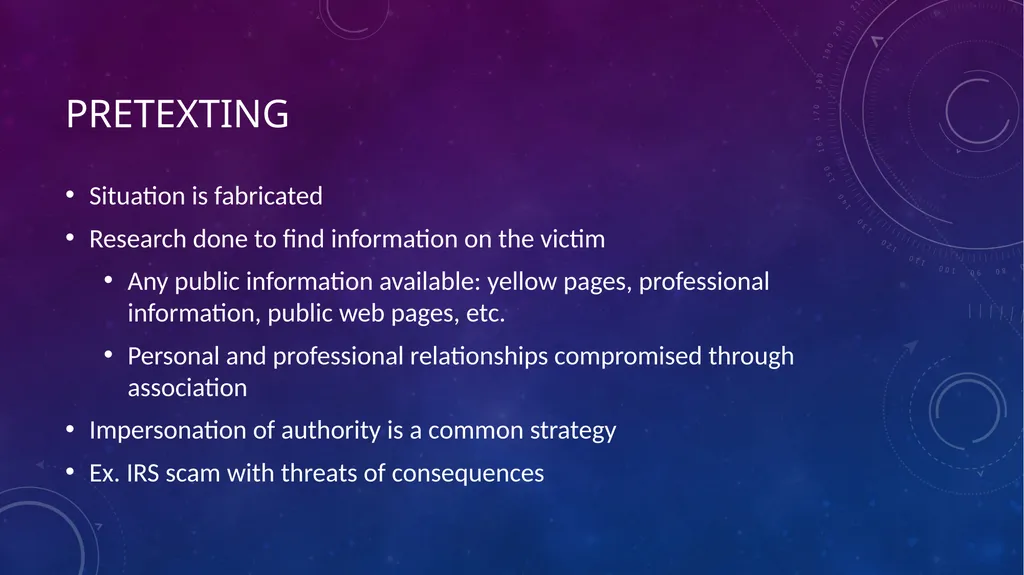
slide5. Pretexting Situation is fabricated
Research done to find information on the victim
Any public information available: yellow pages, professional information, public web pages, etc.
Personal and professional relationships compromised through association
Impersonation of authority is a common strategy
Ex. IRS scam with threats of consequences<br>
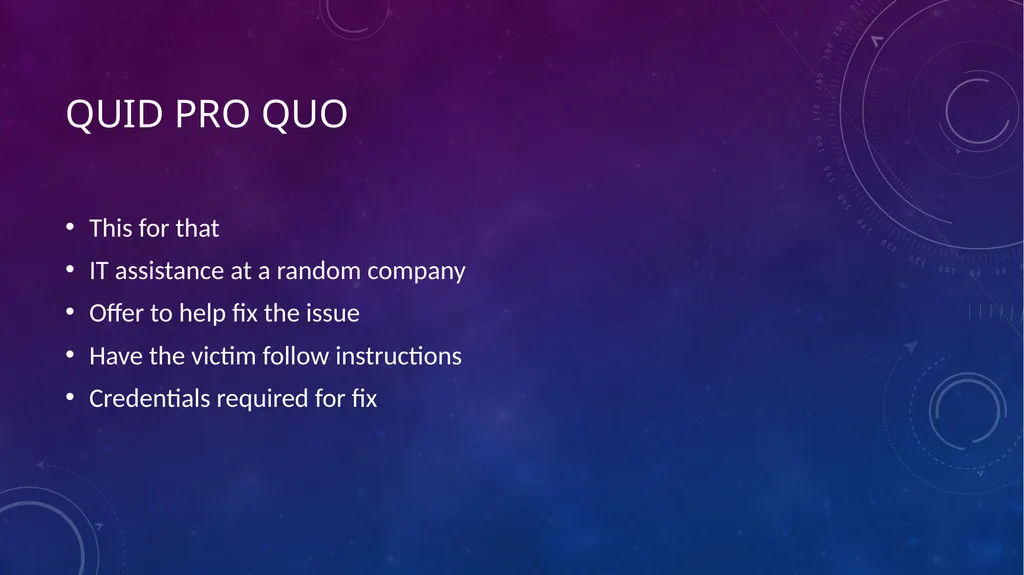
slide6. Quid Pro Quo This for that
IT assistance at a random company
Offer to help fix the issue
Have the victim follow instructions
Credentials required for fix<br>
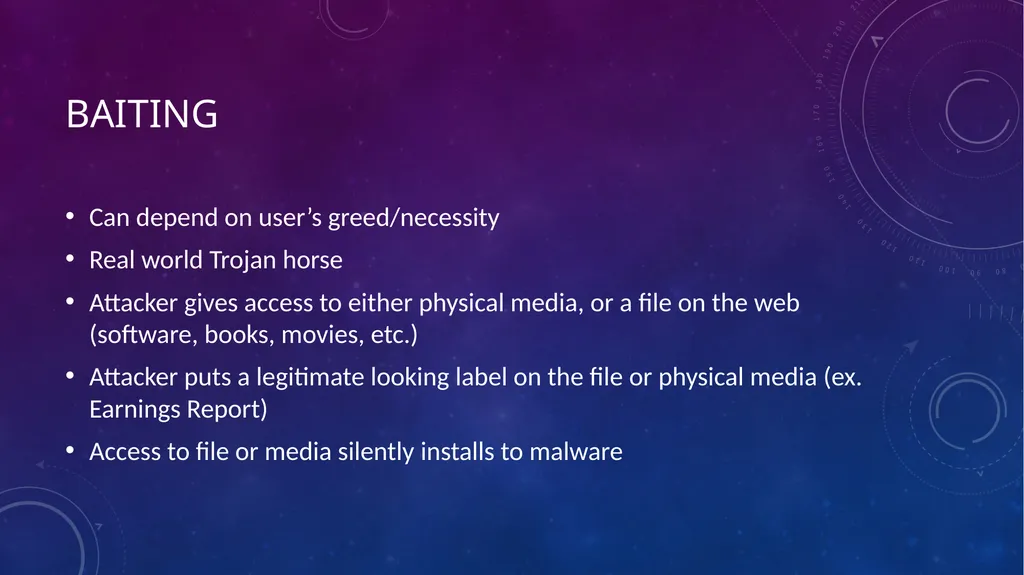
slide7. Baiting Can depend on user’s greed/necessity
Real world Trojan horse
Attacker gives access to either physical media, or a file on the web (software, books, movies, etc.)
Attacker puts a legitimate looking label on the file or physical media (ex. Earnings Report)
Access to file or media silently installs to malware<br>
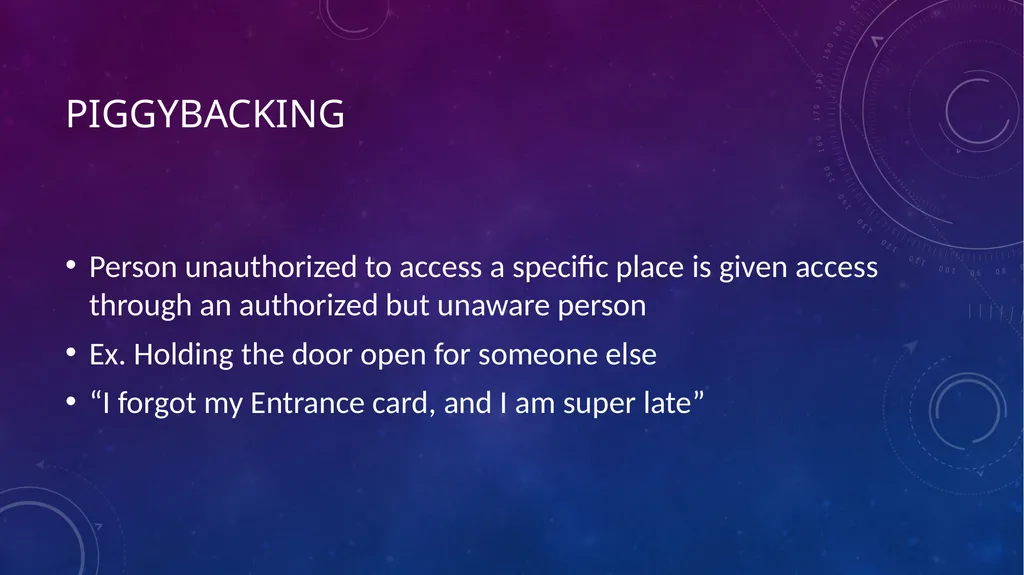
slide8. Piggybacking Person unauthorized to access a specific place is given access through an authorized but unaware person
Ex. Holding the door open for someone else
“I forgot my Entrance card, and I am super late”<br>
slide9. Shoulder Surfing Common occurrence in public places such as coffee shops
Observation of a person’s private information
Browsing habits can also be valuable<br>
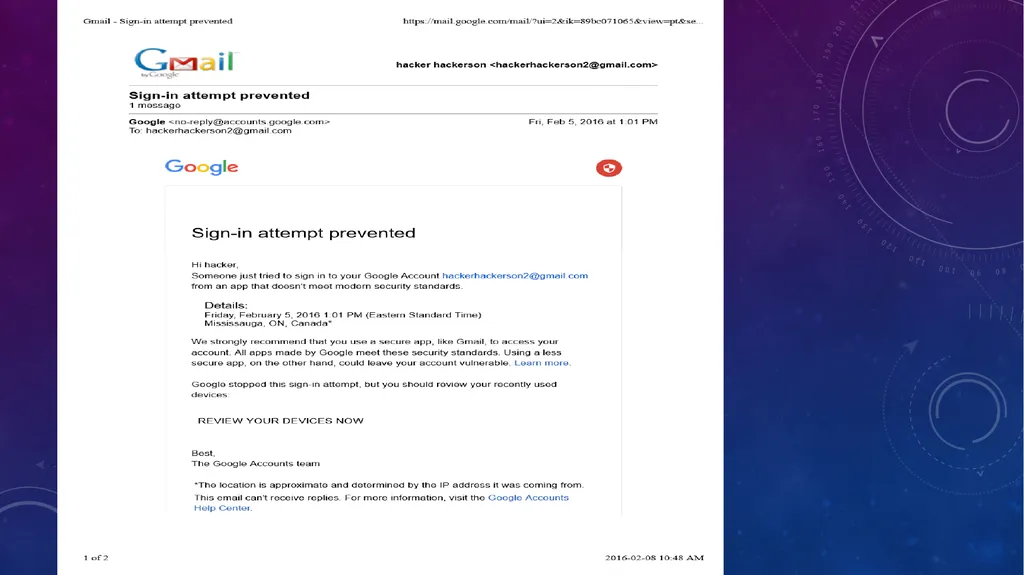
slide10. Phishing Obtaining information through fraudulent means
Email pretending to be a legitimate entity
Usually involves information requests or threats of consequence if not provided with details
Also done through click-baiting
Spear-phishing<br>
slide12. DEMO – Mass Mailer Attack<br>
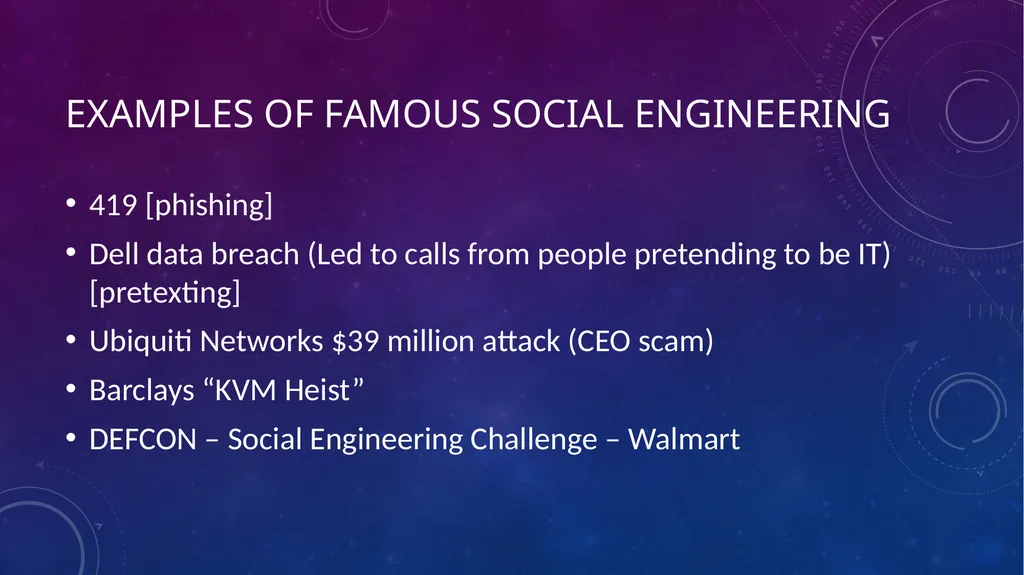
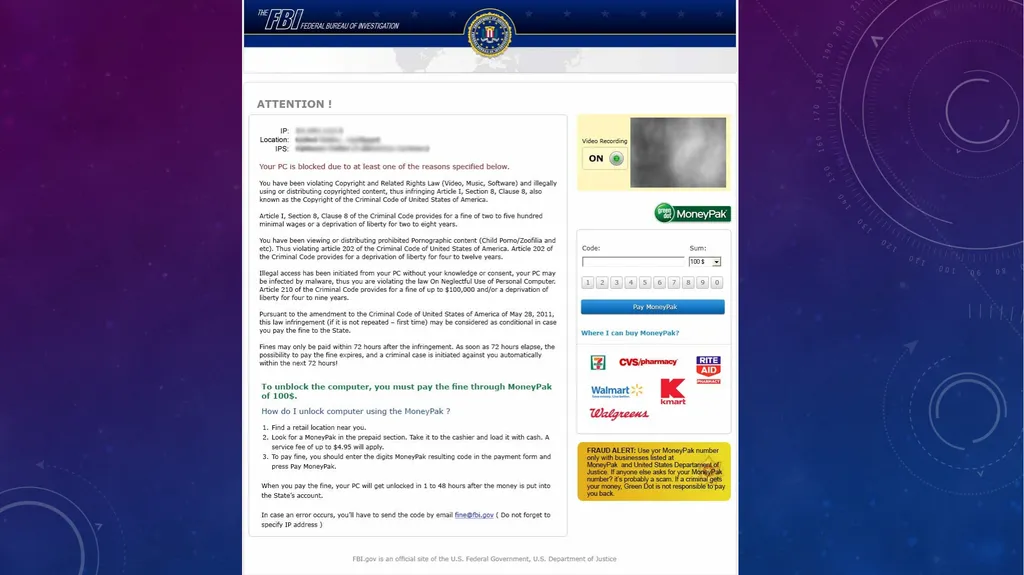
slide14. Examples of famous social engineering 419 [phishing]
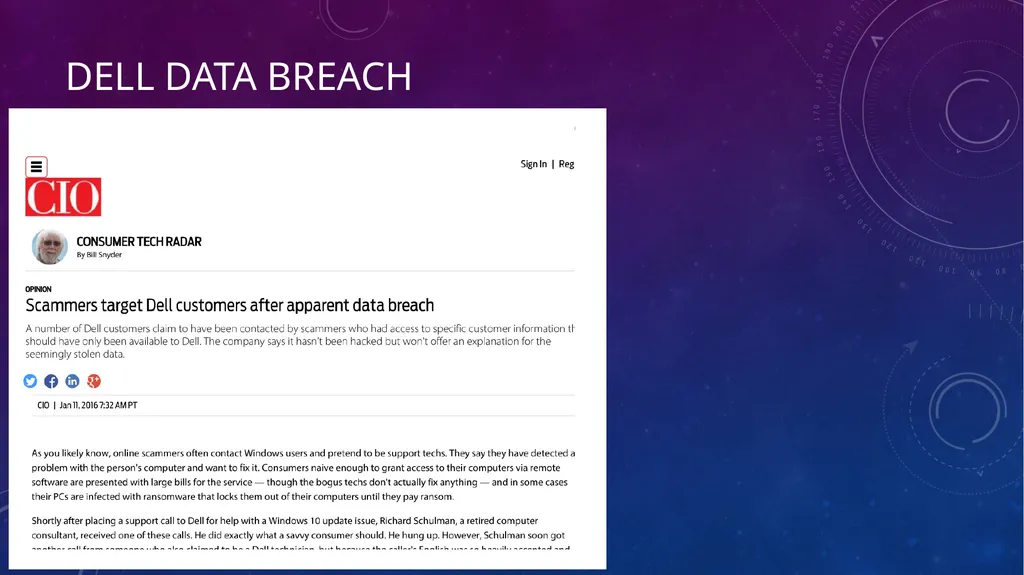
Dell data breach (Led to calls from people pretending to be IT) [pretexting]
Ubiquiti Networks $39 million attack (CEO scam)
Barclays “KVM Heist”
DEFCON – Social Engineering Challenge – Walmart<br>
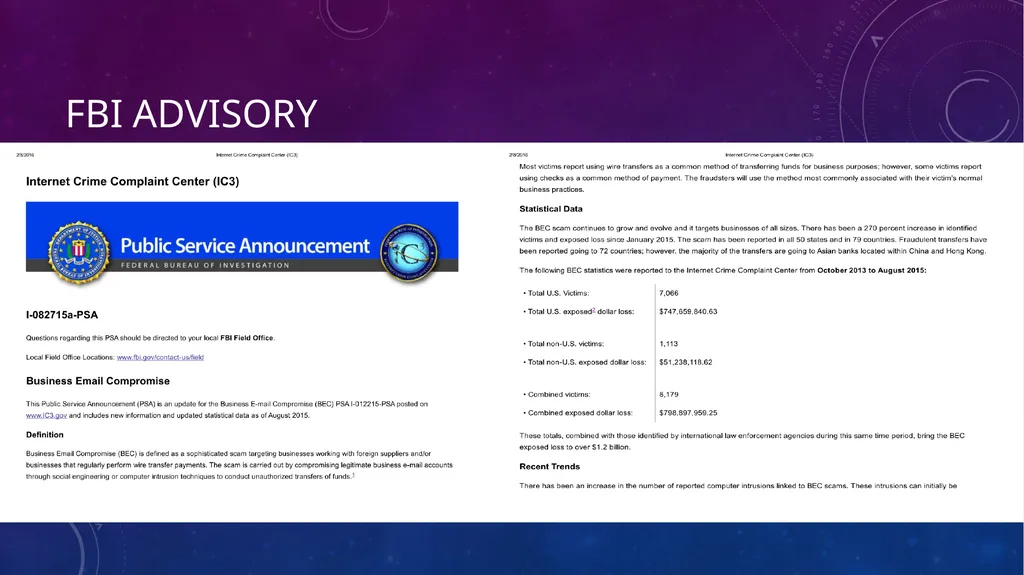
slide16. Fbi advisory<br>
slide17. Dell Data Breach<br>
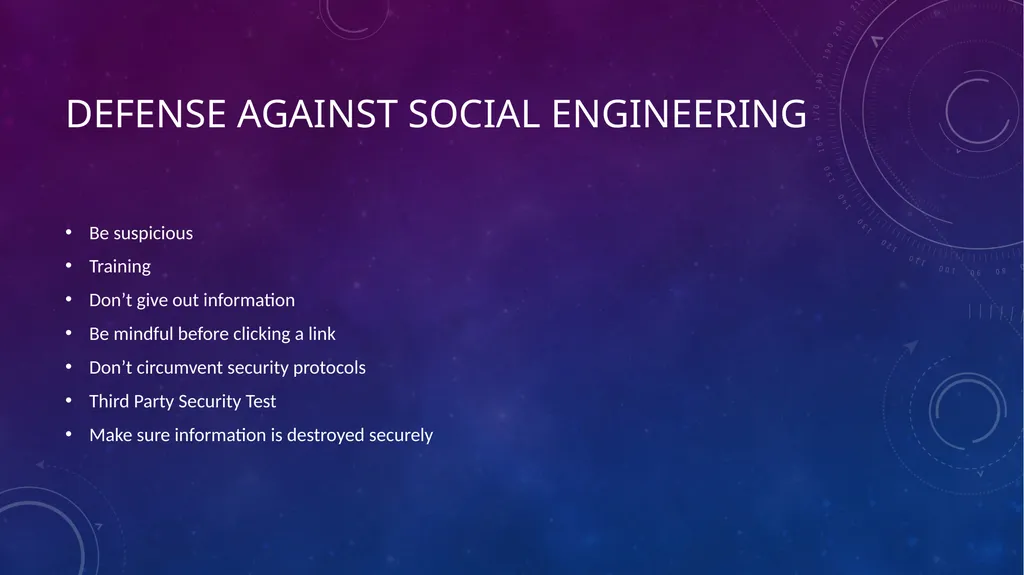
slide18. Defense against social engineering Be suspicious
Training
Don’t give out information
Be mindful before clicking a link
Don’t circumvent security protocols
Third Party Security Test
Make sure information is destroyed securely<br>
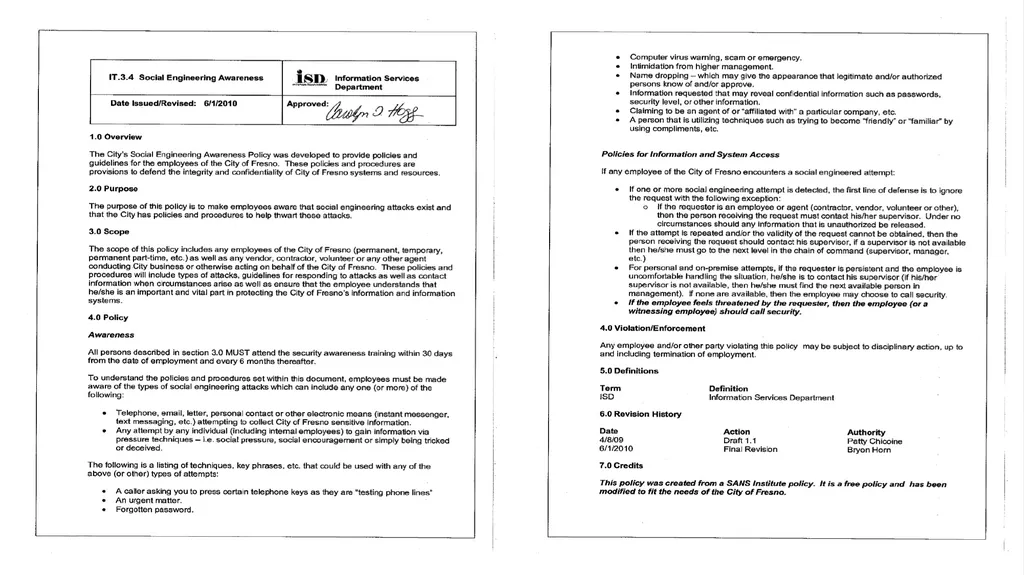
slide19. Social Engineering Policies<br>
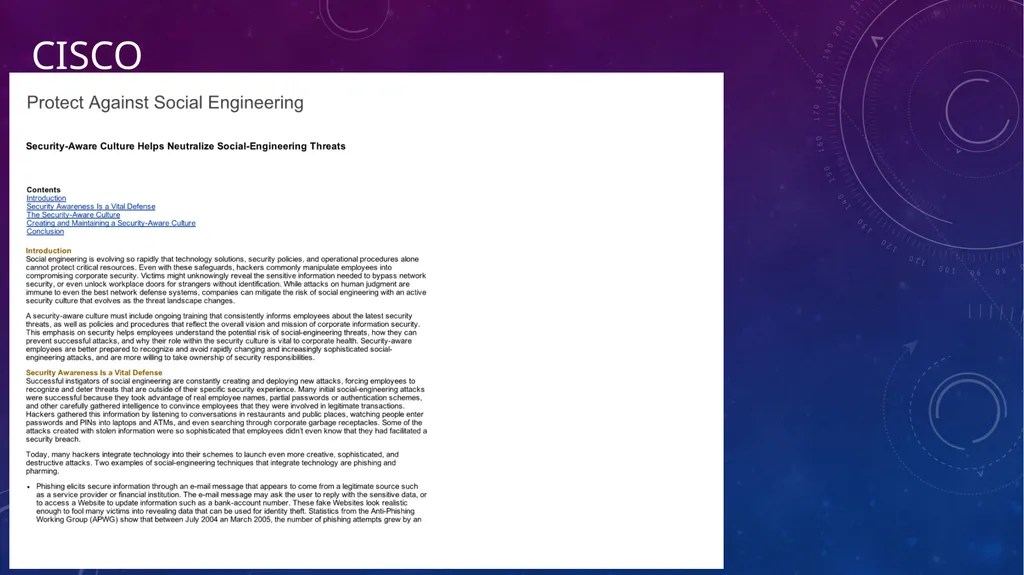
slide21. CISCO<br>
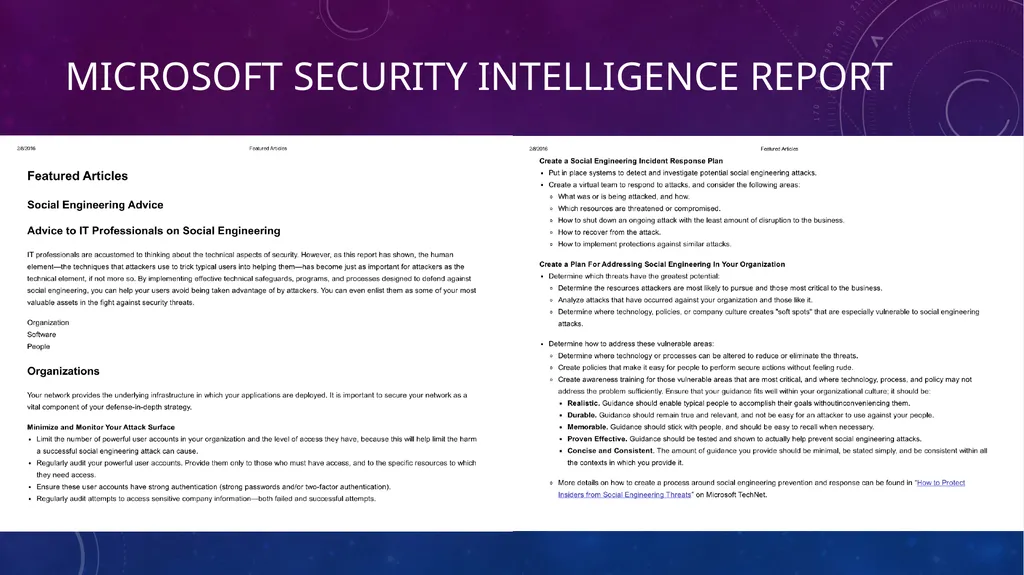
slide22. Microsoft security intelligence report<br>
slide23. DEFCON - Android Pattern password https://www.youtube.com/watch?v=6Z5NtzFA7Z8&index=11&list=PL9fPq3eQfaaB8-9l8mo9x_khCEkobzTDW<br>
slide24. Questions?<br>
slide2. What is social engineering Manipulating people into divulging confidential information or performing malicious actions.
Attacker uses human interaction to get or compromise information
Attacker my appear unassuming or respectable
Pretend to be a new employee, repair man, etc.
May even offer confidential details or credentials to prove his/legitimacy
By asking questions, the attacker is able to gather enough information to infiltrate a company’s network
May attempt to get information from many sources<br>
slide3. Why Social engineering It is often easier to trick someone into giving you their information than hacking them
Systems can be secure, but the users may not be
Cheap and easy
It is not inherently illegal
Obtaining personal information.
Gaining unauthorized access.
Circumventing established procedures.
Because they can.<br>
slide4. Type of Social Engineering Pretexting
Quid Pro Quo
Baiting
Piggybacking
Shoulder Surfing
Phishing<br>
slide5. Pretexting Situation is fabricated
Research done to find information on the victim
Any public information available: yellow pages, professional information, public web pages, etc.
Personal and professional relationships compromised through association
Impersonation of authority is a common strategy
Ex. IRS scam with threats of consequences<br>
slide6. Quid Pro Quo This for that
IT assistance at a random company
Offer to help fix the issue
Have the victim follow instructions
Credentials required for fix<br>
slide7. Baiting Can depend on user’s greed/necessity
Real world Trojan horse
Attacker gives access to either physical media, or a file on the web (software, books, movies, etc.)
Attacker puts a legitimate looking label on the file or physical media (ex. Earnings Report)
Access to file or media silently installs to malware<br>
slide8. Piggybacking Person unauthorized to access a specific place is given access through an authorized but unaware person
Ex. Holding the door open for someone else
“I forgot my Entrance card, and I am super late”<br>
slide9. Shoulder Surfing Common occurrence in public places such as coffee shops
Observation of a person’s private information
Browsing habits can also be valuable<br>
slide10. Phishing Obtaining information through fraudulent means
Email pretending to be a legitimate entity
Usually involves information requests or threats of consequence if not provided with details
Also done through click-baiting
Spear-phishing<br>
slide12. DEMO – Mass Mailer Attack<br>
slide14. Examples of famous social engineering 419 [phishing]
Dell data breach (Led to calls from people pretending to be IT) [pretexting]
Ubiquiti Networks $39 million attack (CEO scam)
Barclays “KVM Heist”
DEFCON – Social Engineering Challenge – Walmart<br>
slide16. Fbi advisory<br>
slide17. Dell Data Breach<br>
slide18. Defense against social engineering Be suspicious
Training
Don’t give out information
Be mindful before clicking a link
Don’t circumvent security protocols
Third Party Security Test
Make sure information is destroyed securely<br>
slide19. Social Engineering Policies<br>
slide21. CISCO<br>
slide22. Microsoft security intelligence report<br>
slide23. DEFCON - Android Pattern password https://www.youtube.com/watch?v=6Z5NtzFA7Z8&index=11&list=PL9fPq3eQfaaB8-9l8mo9x_khCEkobzTDW<br>
slide24. Questions?<br>