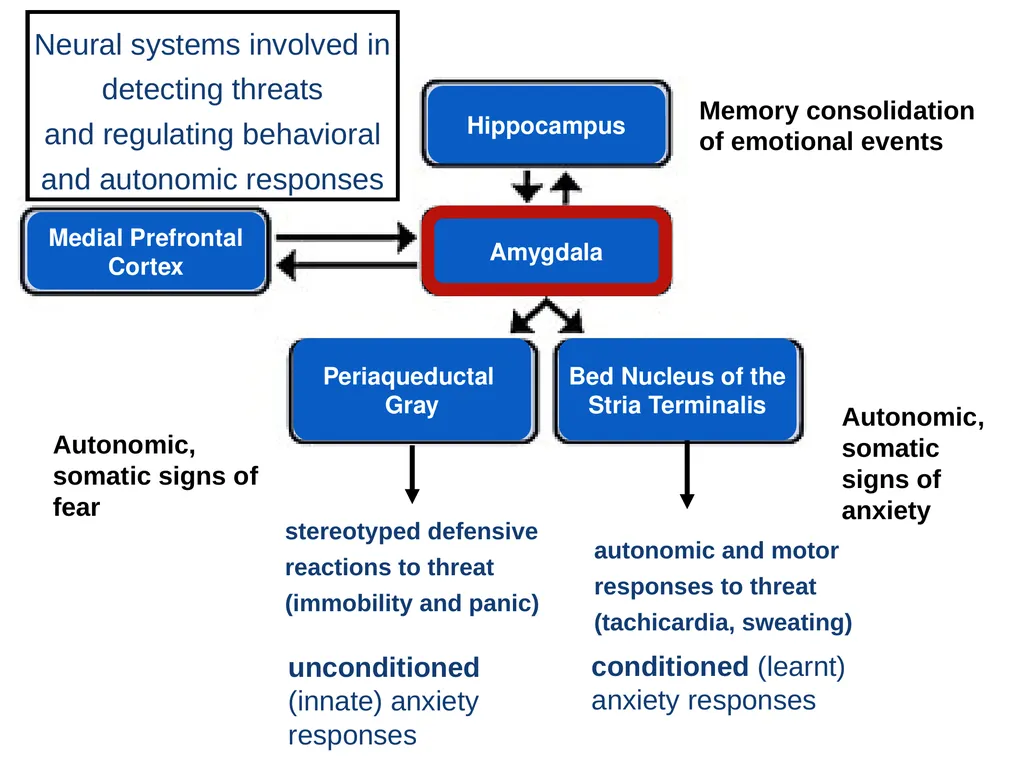
stereotyped defensive reactions to threat (immobility and panic) autonomic and motor responses to threat (tachicardia, sweating) Neural systems involved in detecting threats and regulating behavioral and autonomic responses Medial Medial
"stereotyped defensive reactions to threat" is the property of its rightful owner. Permission is granted to
download and print the materials on this website for personal, non-commercial use only, and to display it
on your personal computer provided you do not modify the materials and that you retain all copyright
notices contained in the materials. By downloading content from our website, you accept the terms of this
agreement.
Presentation Transcript
01
stereotyped defensive reactions to threat (immobility and panic) autonomic and motor responses to threat (tachicardia, sweating) Neural systems involved in detecting threats
and regulating behavioral and autonomic responses Medial Medial Prefrontal Cortex Hippocampus Amygdala Periaqueductal
Gray Bed Nucleus of the Stria Terminalis unconditioned (innate) anxiety responses conditioned (learnt) anxiety responses Memory consolidation of emotional events Autonomic, somatic signs of fear Autonomic, somatic signs of anxiety<br>
02
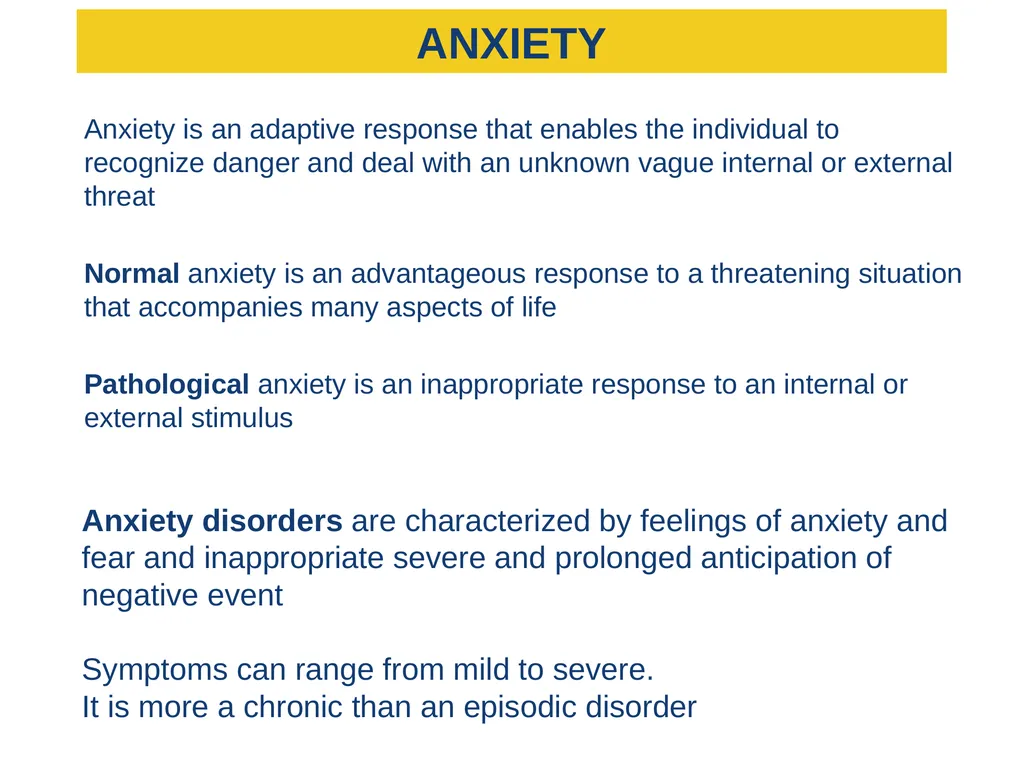
Anxiety is an adaptive response that enables the individual to recognize danger and deal with an unknown vague internal or external threat
Normal anxiety is an advantageous response to a threatening situation that accompanies many aspects of life
Pathological anxiety is an inappropriate response to an internal or external stimulus ANXIETY Anxiety disorders are characterized by feelings of anxiety and fear and inappropriate severe and prolonged anticipation of negative event
Symptoms can range from mild to severe.
It is more a chronic than an episodic disorder<br>
03
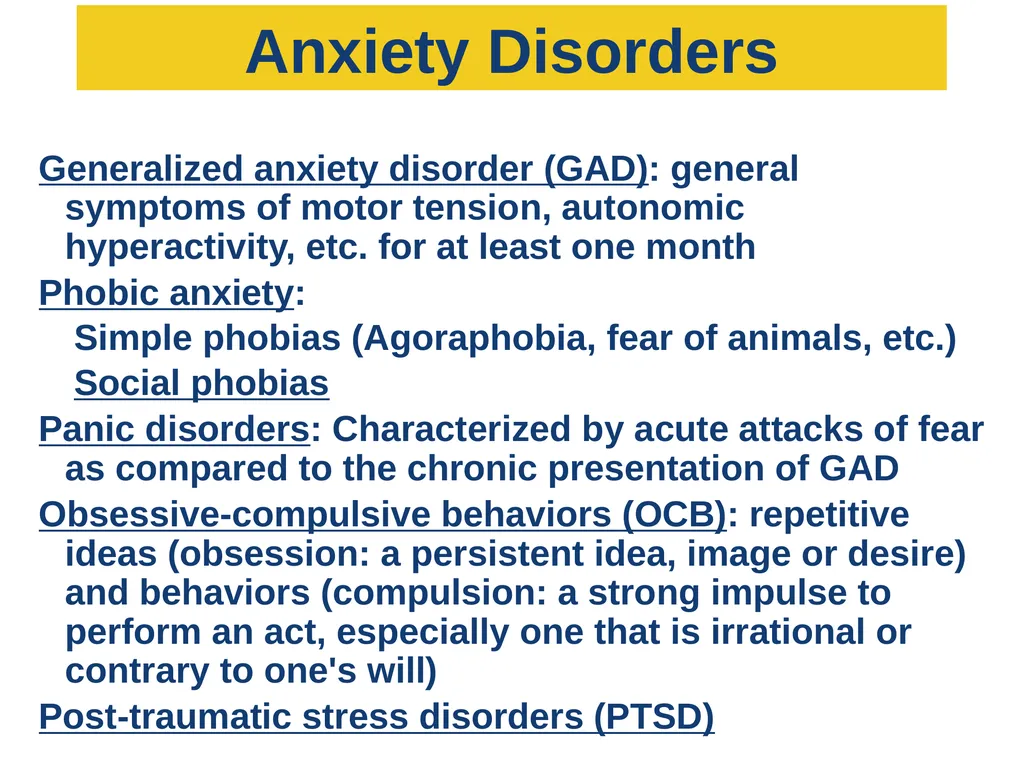
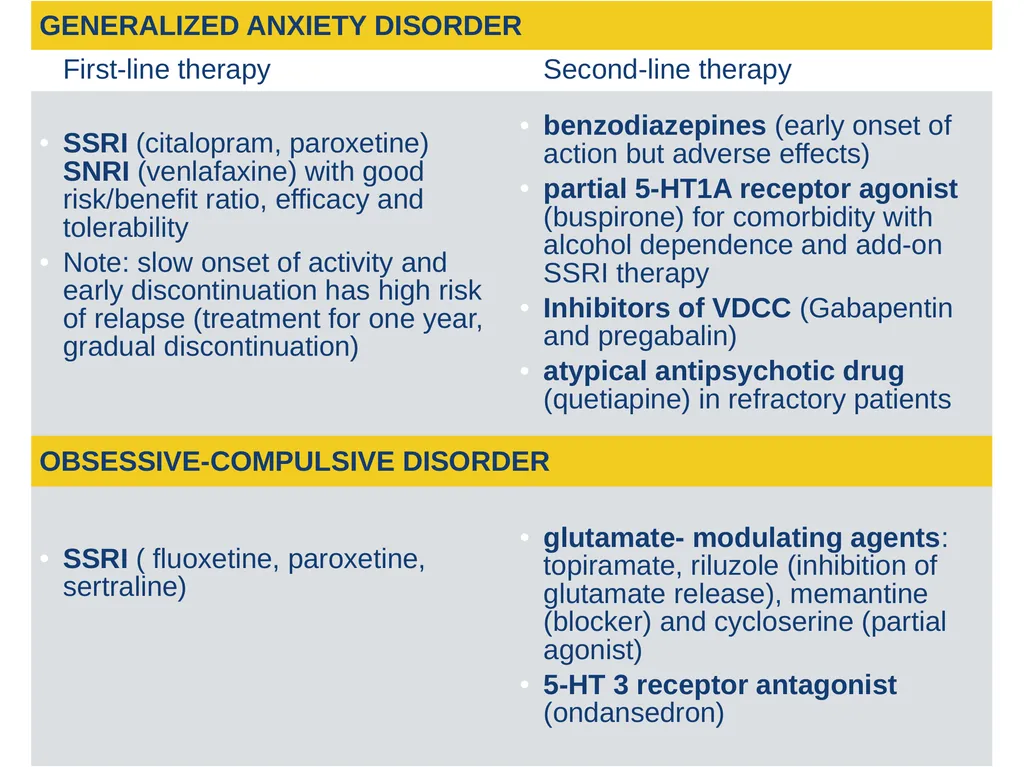
Anxiety Disorders Generalized anxiety disorder (GAD): general symptoms of motor tension, autonomic hyperactivity, etc. for at least one month
Phobic anxiety:
Simple phobias (Agoraphobia, fear of animals, etc.)
Social phobias
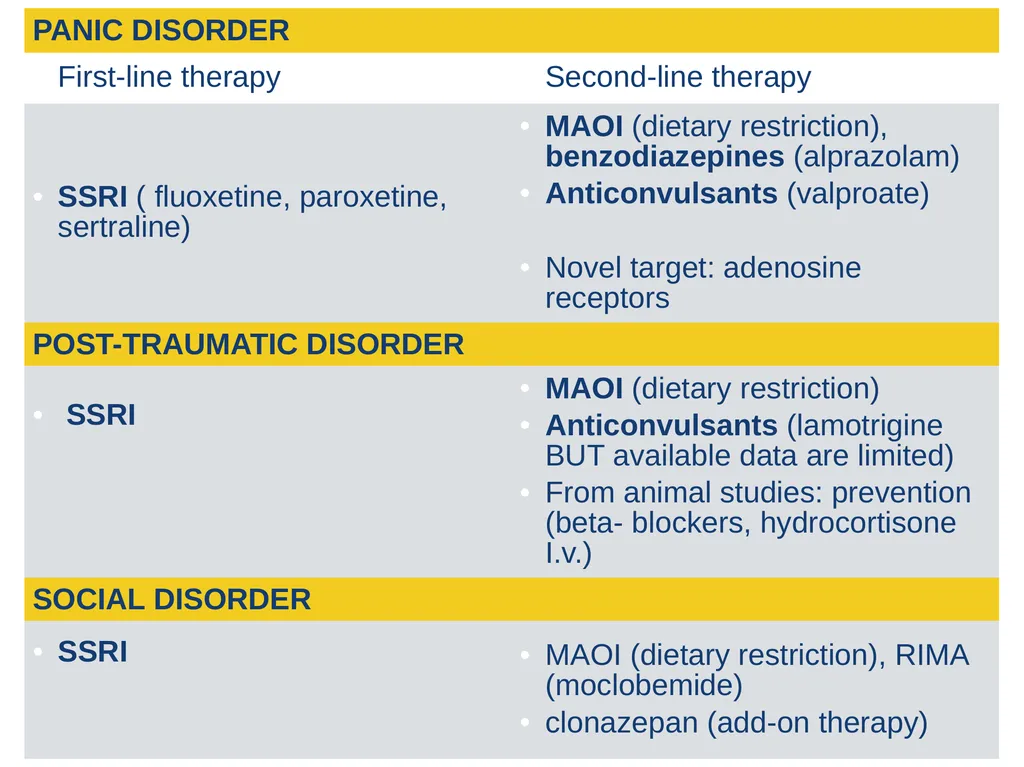
Panic disorders: Characterized by acute attacks of fear as compared to the chronic presentation of GAD
Obsessive-compulsive behaviors (OCB): repetitive ideas (obsession: a persistent idea, image or desire) and behaviors (compulsion: a strong impulse to perform an act, especially one that is irrational or contrary to one's will)
Post-traumatic stress disorders (PTSD)<br>
04
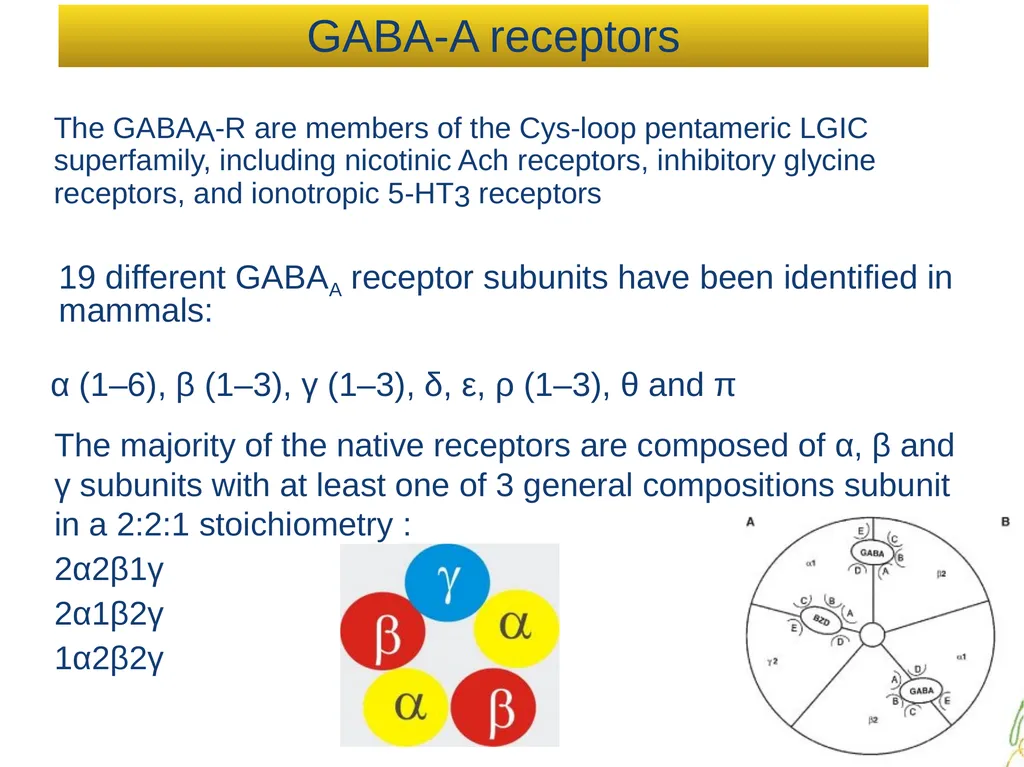
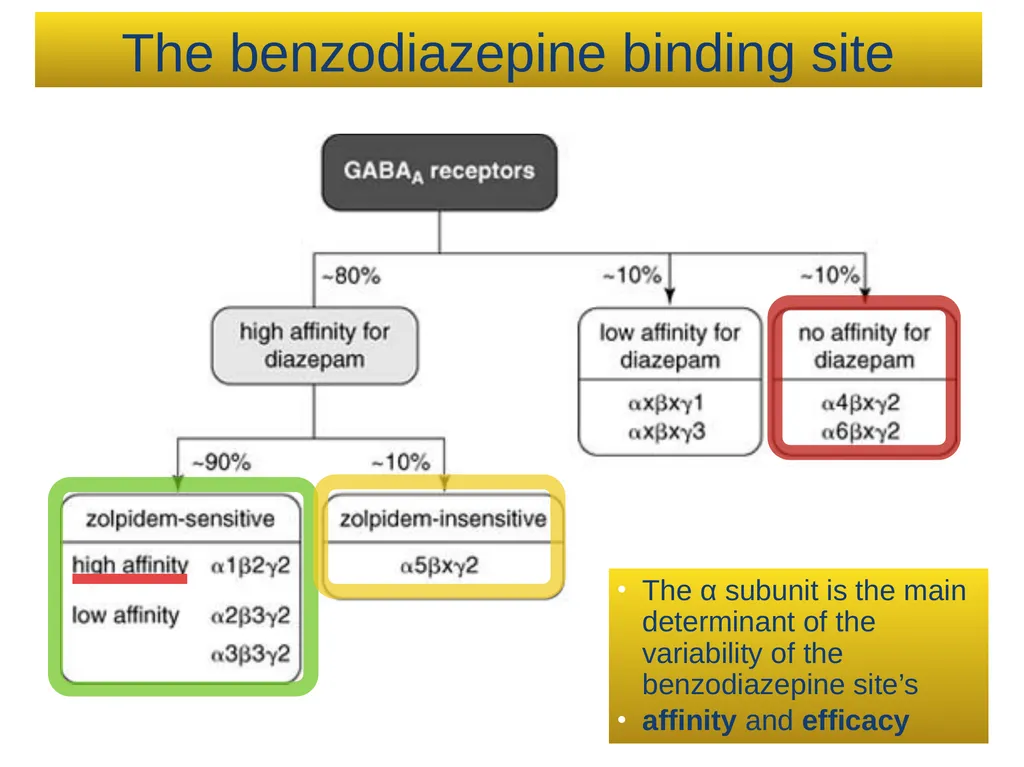
GABA-A receptors The GABAA-R are members of the Cys-loop pentameric LGIC superfamily, including nicotinic Ach receptors, inhibitory glycine receptors, and ionotropic 5-HT3 receptors 19 different GABAA receptor subunits have been identified in mammals:
α (1–6), β (1–3), γ (1–3), δ, ε, ρ (1–3), θ and π The majority of the native receptors are composed of α, β and γ subunits with at least one of 3 general compositions subunit in a 2:2:1 stoichiometry :
2α2β1γ
2α1β2γ
1α2β2γ<br>
05
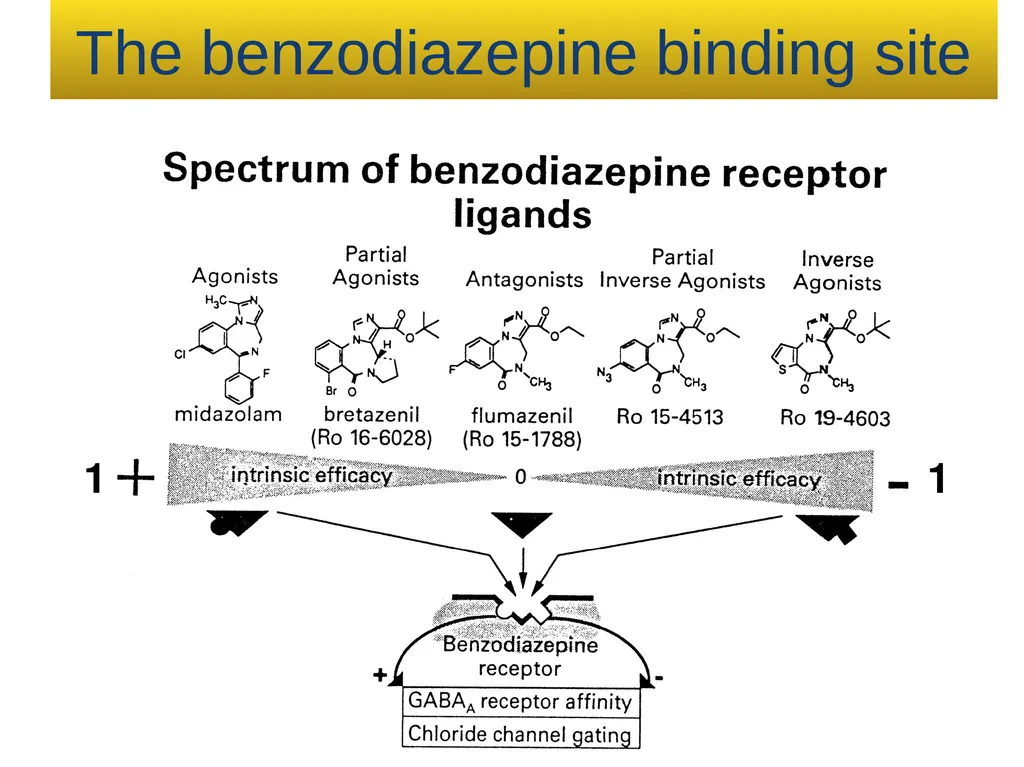
The benzodiazepine binding site 1 1<br>
06
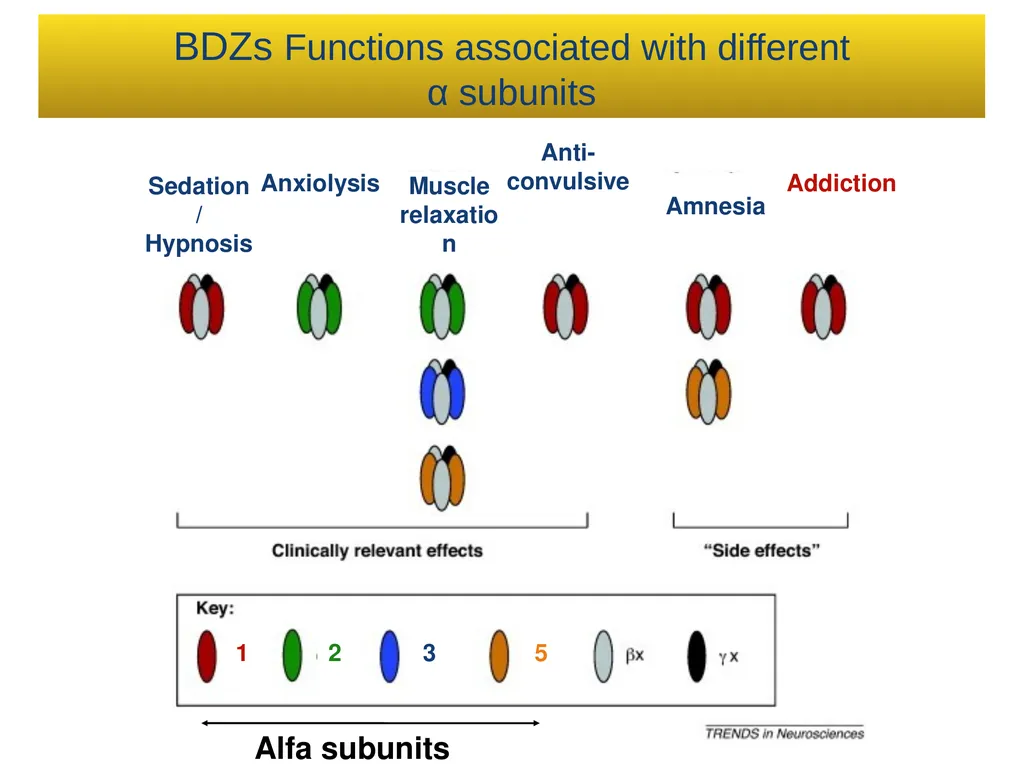
The α subunit is the main determinant of the variability of the benzodiazepine site’s
affinity and efficacy The benzodiazepine binding site<br>
Phasic inhibition is mediated by release of GABA into the synaptic cleft with rapid desensitization of postsynaptic receptors
Tonic inhibition is mediated by GABA spillover from the synapse or nonvescicular pathways acting on receptors containing δ and α6 (and β) subunits with persistent conductance
These nondesensitizing currents modulate the electrical potential of pre- and postsynaptic
membranes GABA-ergic synaptic and extrasynaptic neurotransmission<br>
09
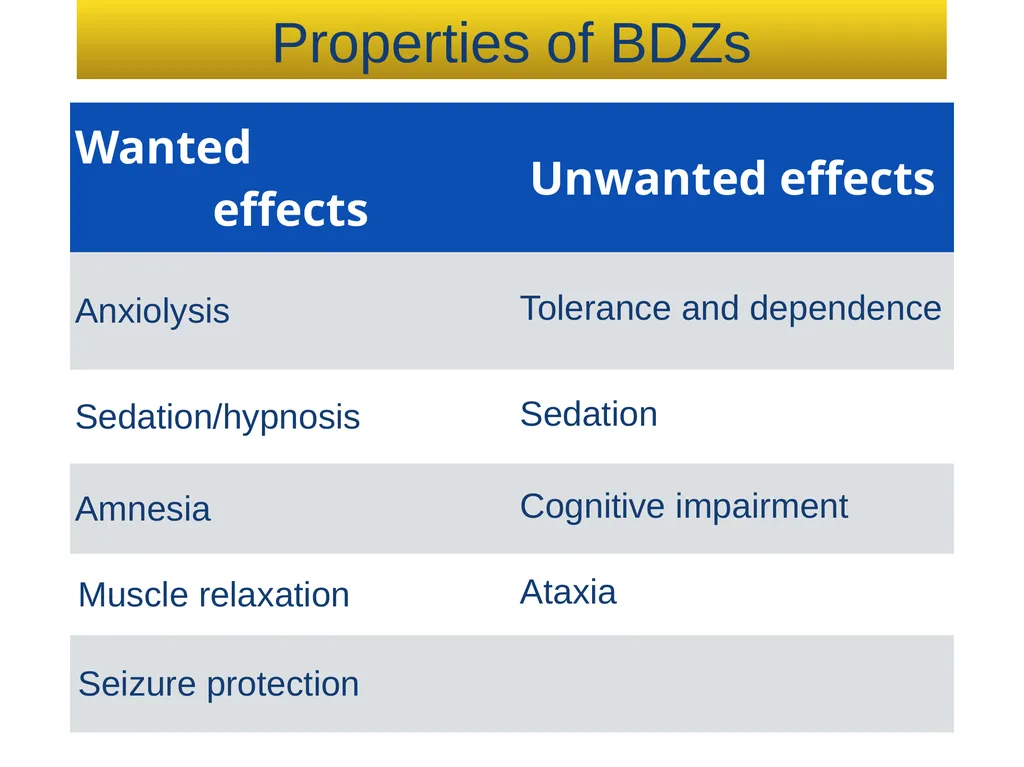
Properties of BDZs<br>
10
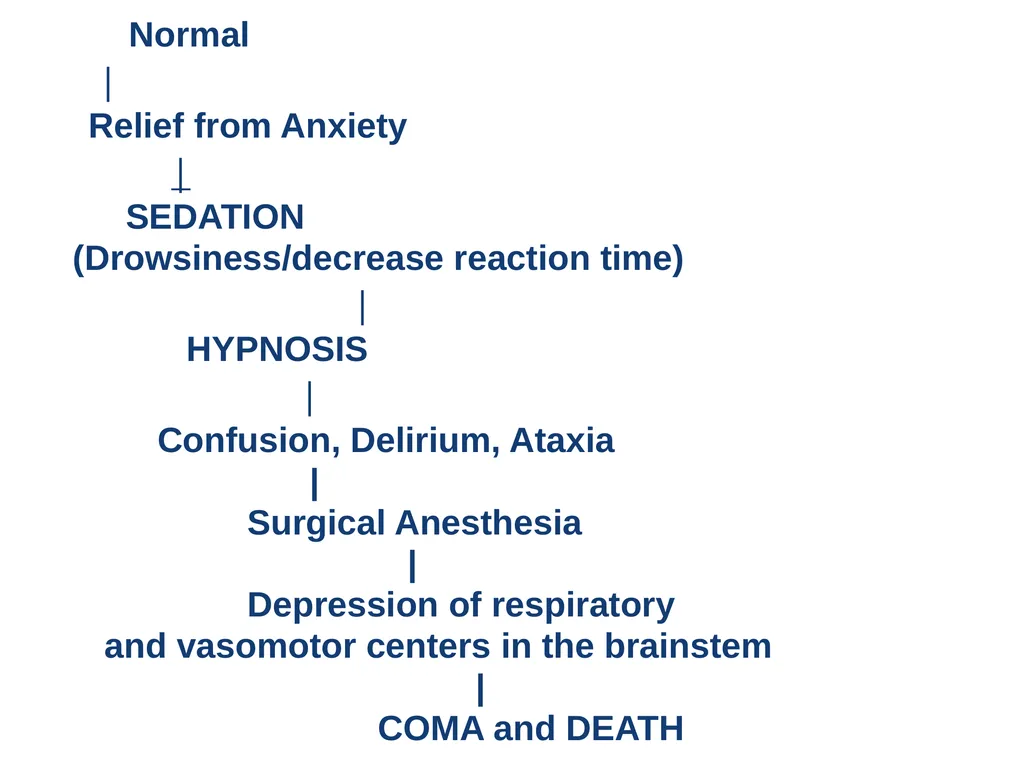
Normal
|
Relief from Anxiety
|
SEDATION
(Drowsiness/decrease reaction time)
|
HYPNOSIS
|
Confusion, Delirium, Ataxia
|
Surgical Anesthesia
|
Depression of respiratory
and vasomotor centers in the brainstem
|
COMA and DEATH<br>
11
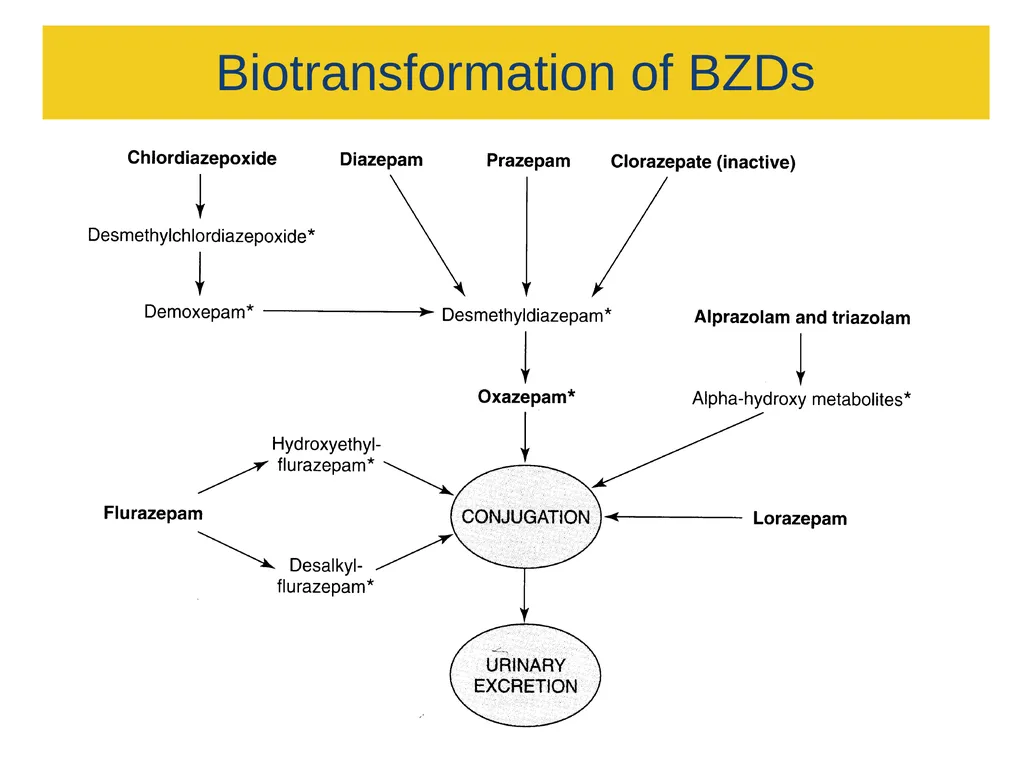
Biotransformation of BZDs<br>
12
BDZs have a wide margin of safety if used for short periods
Long-term use (> 2 weeks) increases risk for adverse effects:
Misuse, abuse, dependence
Motor impairment (reaction time)
Cognitive impairment (sedation, amnesia)
Pharmacodinamic drug interactions with other CNS depressants (alcohol, other anxiolytic drugs, OTC antihistaminic and anticholinergic drugs)
Pharmacokinetic drug interactions with SSRI’s and oral contraceptives (decrease metabolism of BDZs)
Withdrawal syndrome Side Effects of Benzodiazepines<br>
13
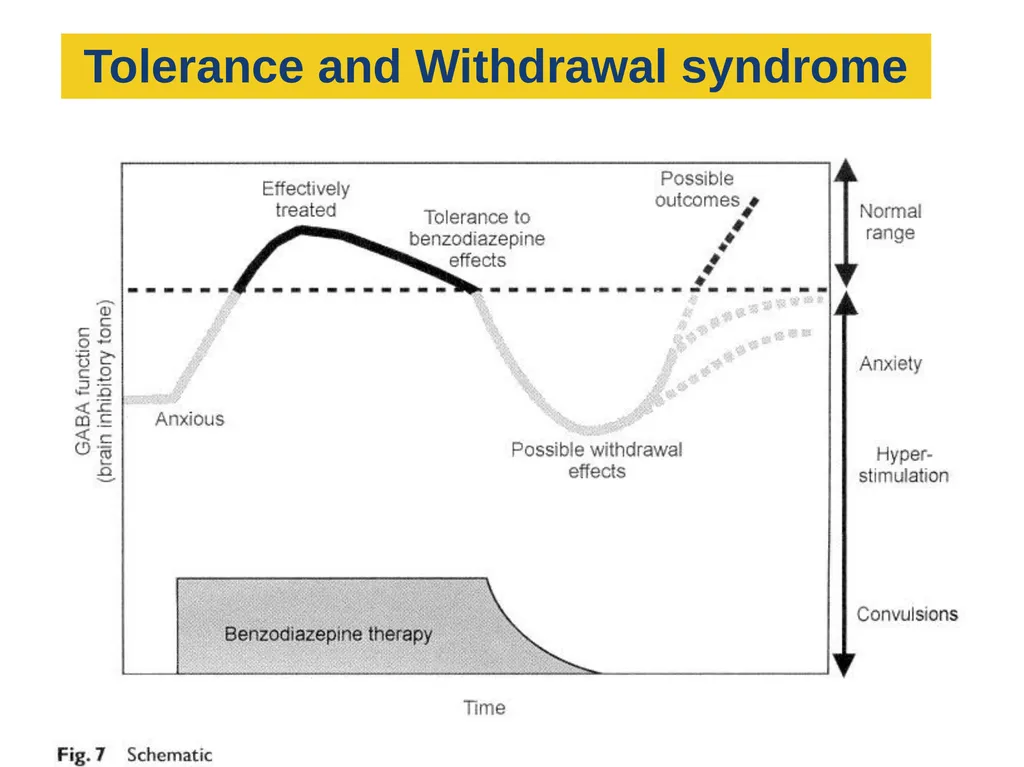
Tolerance and Withdrawal syndrome<br>
14
BDZs receptors in the VTA dopaminergic reward circuit abuse and dependence<br>