
Strength training Dr. Giuseppe Coratella Peak
Description: Strength training Dr. Giuseppe Coratella Peak Torque Factors Histological and architectural Neuromuscular Stiffness Histological and architectural Fiber Type; Pennation angle; Fascicle length; Fascicle thickness; PCSA Neuromuscular M.U.
Related Topics
Download Presentation
"Strength training Dr. Giuseppe Coratella Peak" is the property of its rightful owner. Permission is granted to download and print the materials on this website for personal, non-commercial use only, and to display it on your personal computer provided you do not modify the materials and that you retain all copyright notices contained in the materials. By downloading content from our website, you accept the terms of this agreement.
Presentation Transcript
slide1. Strength training Dr. Giuseppe Coratella<br>
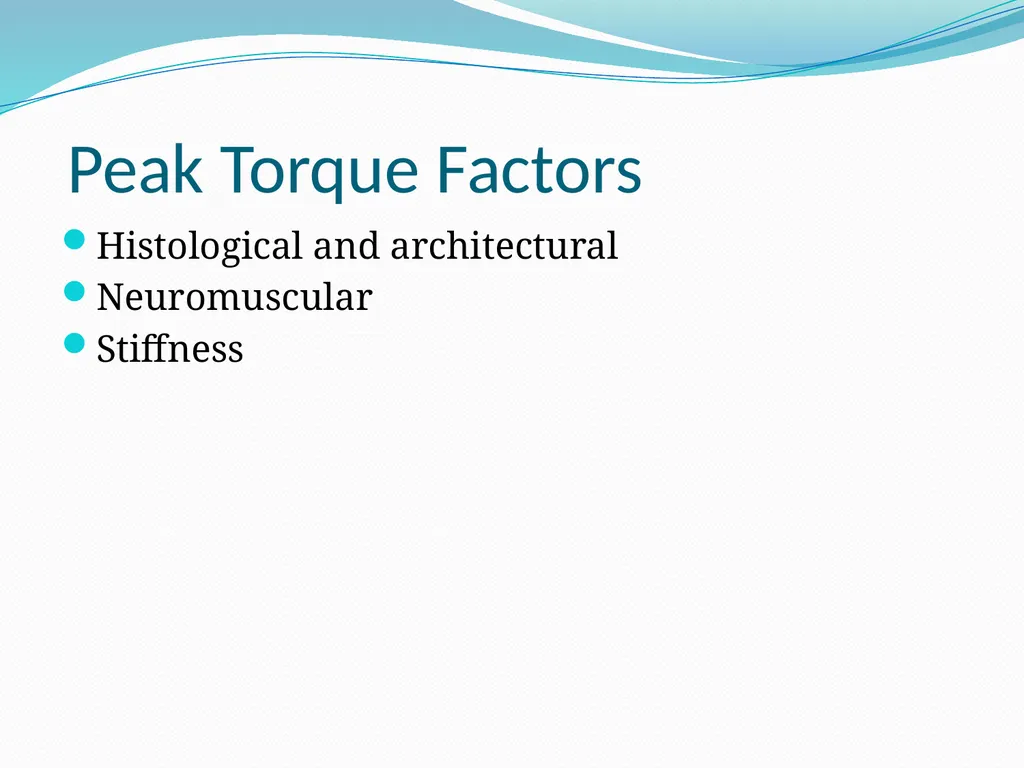
slide2. Peak Torque Factors Histological and architectural
Neuromuscular
Stiffness<br>
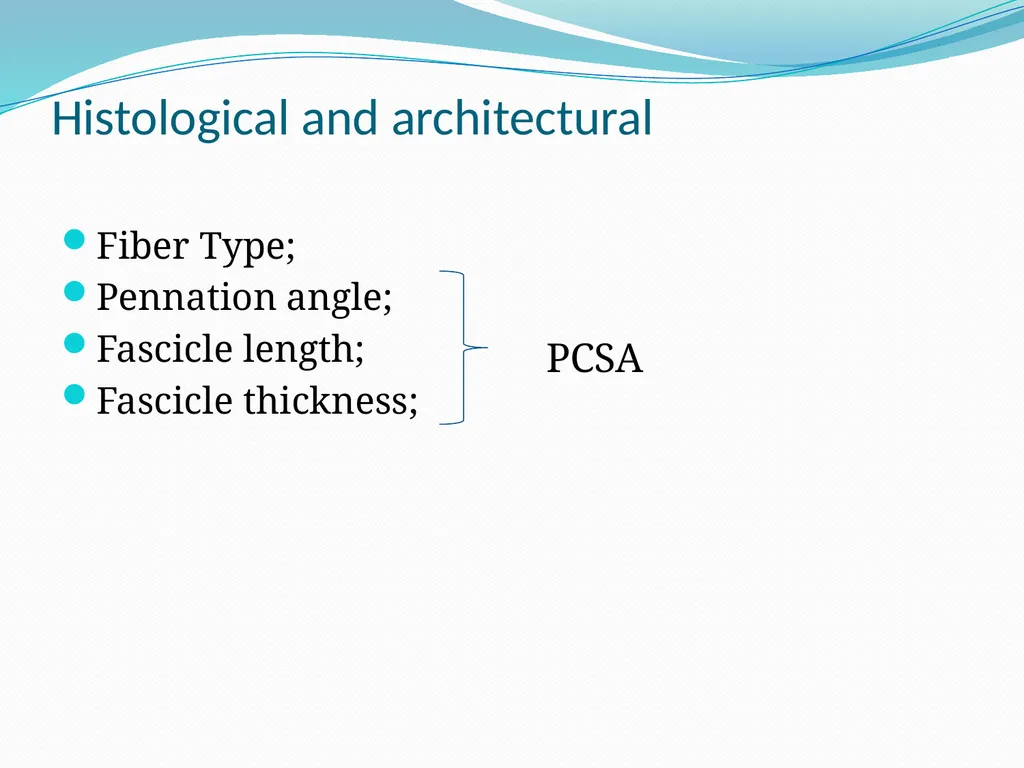
slide3. Histological and architectural Fiber Type;
Pennation angle;
Fascicle length;
Fascicle thickness; PCSA<br>
slide4. Neuromuscular M.U. recruitment;
Size principle;
Firing rate;
Intermuscular coordination;<br>
slide5. Stiffness Tendon stiffness;
Protein stiffness; Plyometric contraction<br>
slide6. Strength training Exercise can increase peak torque by the improvement of these variables;
Several methods are used to cause higher MVC;
Key factors are threshold tension and ATP/time<br>
slide2. Peak Torque Factors Histological and architectural
Neuromuscular
Stiffness<br>
slide3. Histological and architectural Fiber Type;
Pennation angle;
Fascicle length;
Fascicle thickness; PCSA<br>
slide4. Neuromuscular M.U. recruitment;
Size principle;
Firing rate;
Intermuscular coordination;<br>
slide5. Stiffness Tendon stiffness;
Protein stiffness; Plyometric contraction<br>
slide6. Strength training Exercise can increase peak torque by the improvement of these variables;
Several methods are used to cause higher MVC;
Key factors are threshold tension and ATP/time<br>