StudyMafia.Org Submitted To: Submitted By: Studymafia.org Studymafia.org Asbestosis Overview Asbestosis is a type of lung disease caused by breathing in asbestos dust and fibers. The disease causes fibrosis (scarring) of your lungs and
"StudyMafia.Org Submitted To: Submitted By:" is the property of its rightful owner. Permission is granted to
download and print the materials on this website for personal, non-commercial use only, and to display it
on your personal computer provided you do not modify the materials and that you retain all copyright
notices contained in the materials. By downloading content from our website, you accept the terms of this
agreement.
Presentation Transcript
01
StudyMafia.Org Submitted To: Submitted By:
Studymafia.org Studymafia.org Asbestosis<br>
02
Overview Asbestosis is a type of lung disease caused by breathing in asbestos dust and fibers. The disease causes fibrosis (scarring) of your lungs and pleura. Asbestosis can be managed, but not cured.<br>
03
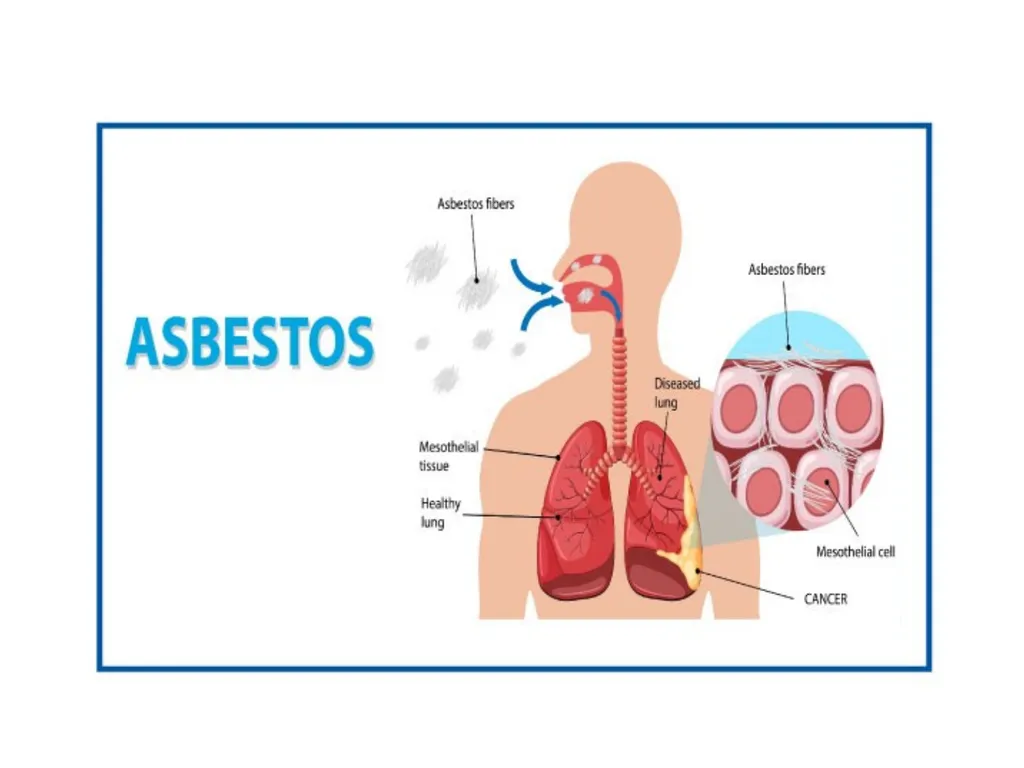
What is asbestosis? Asbestosis is a lung disease that occurs in people who inhale asbestos fibers and dust over a long period of time. Asbestos is a mineral that forms tiny and long-lasting fibers.
When asbestos fibers and dust get into your lungs, they can cause fibrosis (thickening and scarring of the lungs).
Asbestos can also cause the membranes surrounding your lungs (the pleura) to thicken. This scarring and thickening of lung tissue can make breathing difficult.<br>
04
In some cases, asbestosis can lead to life-threatening complications, including lung cancer and heart failure. In severe cases, asbestosis can be fatal.<br>
05
Symptoms of asbestosis In most cases, symptoms don’t start to appear until approximately 20 years (in the range of 10 to 40 years) after exposure to asbestos.
Common symptoms of asbestosis include:
shortness of breath
tightness in chest
persistent dry cough
chest pain
appetite loss
finger clubbing (enlarged fingertips)
nail deformities<br>
06
Causes and Risk Factors When you inhale asbestos fibers, they can become embedded in your lungs and lead to the formation of scar tissue. This scarring is known as asbestosis.
The scarring can make it difficult for you to breathe because it prevents your lung tissue from expanding and contracting normally.<br>
07
You may face a higher risk for developing the disease if you worked in an industry associated with asbestos before federal laws to regulate exposure were put into place. Asbestos was commonly found in construction and fireproofing jobs.
Asbestos is still used in certain industries, but it’s closely monitored by the government through the Occupational Safety and Health Administration (OSHA).
You also face a much higher chance of developing asbestosis and other related diseases if you smoke.<br>
08
Who is affected by asbestosis? You’re more at risk of getting asbestosis if you have long-term exposure to asbestos. This is true if your job involves handling materials containing asbestos. These types of jobs include:
Asbestos miners, installers or removers.
Auto and aircraft mechanics.
Construction crews.
Electrical workers.
Railroad and shipyard workers.<br>
09
How is asbestosis diagnosed? Your healthcare provider will examine you and ask about your medical history. Remember to tell them about your exposure to any harmful substances like asbestos.
Your healthcare provider may also order tests to complete the diagnosis. These might include:
A chest X-ray.
A computed tomography (CT) scan.
Lung function tests like spirometry.<br>
10
Treatment Treating asbestosis aims to manage symptoms and preserve function in your lungs. Your treatment depends on the severity of the disease. Your options might include:
Oxygen therapy: Receiving extra oxygen through a mask or tube in your nostrils help you breathe more comfortably.<br>
11
Pulmonary rehabilitation: Exercises and behavioral changes can improve your daily functioning.
Lung transplant surgery: In rare cases, a new, healthy lung from a lung transplant can relieve symptoms and prolong life.<br>
12
Long-Term Outlook and Complications Asbestos exposure can lead to malignant mesothelioma, a severe form of lung cancer. Other types of lung cancer may develop if you smoke.
A buildup of fluid around your lungs, known as pleural effusion, is also associated with asbestos exposure.<br>
13
Factors that affect the severity of the disease include how long you were exposed to asbestos and how much of it you inhaled.
The condition progresses at a slower rate once your exposure to asbestos stops. People who have the disease but don’t develop complications can live for decades.<br>