The End of WWI Revolution in Russia February
Description: The End of WWI Revolution in Russia February Revolution of 1917: uprising against shortages, mounting deaths in the war Facing mutinies, Nicholas II abdicated throne Provisional government established Struggle for power between provisional
Related Topics
Download Presentation
"The End of WWI Revolution in Russia February" is the property of its rightful owner. Permission is granted to download and print the materials on this website for personal, non-commercial use only, and to display it on your personal computer provided you do not modify the materials and that you retain all copyright notices contained in the materials. By downloading content from our website, you accept the terms of this agreement.
Presentation Transcript
slide1. The End of WWI<br>
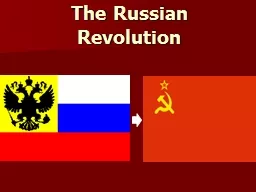
slide2. Revolution in Russia February Revolution of 1917: uprising against shortages, mounting deaths in the war
Facing mutinies, Nicholas II abdicated throne
Provisional government established<br>
slide3. Struggle for power between provisional government and Petrograd soviet
New government passed many liberal reforms
Did not undertake land reform, did not withdraw from the war<br>
slide4. V. I. Lenin (1870-1924) stepped into unstable situation
A revolutionary Marxist, exiled in Switzerland
Saw importance of a well-organized, disciplined party for revolution
German authorities delivered Lenin to Russia, 1917, to take Russia out of war
Headed radical Bolshevik Party: demanded power to soviets, withdrawal from war<br>
slide5. The October Revolution Minority Bolsheviks gained control of Petrograd soviet
Bolsheviks' slogan "Peace, Land, and Bread" appealed to workers and peasants
Armed force seized power from provisional government in name of all soviets
Russia withdrew from war, made a separate peace with Germany, lost one-third of Ukraine<br>
slide6. American Intervention U.S. intervention and collapse of the Central Powers 1914-1916, United States under President Woodrow Wilson officially neutral
American public opposed participation in a European war
U.S. companies sold supplies, gave loans to Allies
By 1917, Allied ability to repay loans depended on Allied victory<br>
slide7. U-Boats The submarine warfare helped sway American public opinion
German blockade sank merchant ships, intended to strangle Britain
1915, Germans sank Lusitania, a British passenger liner, killing 1,198 passengers<br>
slide8. Over There United States declared war on Germany, 6 April 1917<br>
slide9. Collapsing Fronts After Years of Bloodletting April 1916, Irish nationalists attempted to overthrow British rule
Central Powers: shortages, food riots, mutinies
1917, mutiny of fifty thousand French soldiers
Spring 1918, massive Germany offensive on western front failed
With fresh American troops, Allies broke the front and pushed the Germans back
Central Powers collapsed, one after another; accepted armistices November 1918<br>
slide10. “In Flander’s Field” by John McCrae, May 1915
In Flanders fields the poppies blow
Between the crosses, row on row,
That mark our place; and in the sky
The larks, still bravely singing, fly
Scarce heard amid the guns below.
We are the Dead. Short days ago
We lived, felt dawn, saw sunset glow,
Loved and were loved, and now we lie
In Flanders fields.
Take up our quarrel with the foe:
To you from failing hands we throw
The torch; be yours to hold it high.
If ye break faith with us who die
We shall not sleep, though poppies grow
In Flanders fields. Inspiration for “In Flanders Fields”
Lieutenant Alexis Helmer, 1st Brigade Canadian Field Artillery. (1)
During the early days of the Second Battle of Ypres a young Canadian artillery officer, Lieutenant Alexis Helmer, was killed on 2nd May, 1915 in the gun positions near Ypres. An exploding German artillery shell landed near him. He was serving in the same Canadian artillery unit as a friend of his, the Canadian military doctor and artillery commander Major John McCrae.
As the brigade doctor, John McCrae was asked to conduct the burial service for Alexis because the chaplain had been called away somewhere else on duty that evening. It is believed that later that evening, after the burial, John began the draft for his now famous poem “In Flanders Fields”.<br>
slide11. The Paris Peace Conference, 1919 In the end, the Great War killed fifteen million people, wounded twenty million
The Paris settlement was dominated by heads of Britain, France, and United States
Twenty-seven nations with conflicting aims participated
Leaders of Central Powers and Soviet Union not included<br>
slide12. Fourteen Points Woodrow Wilson's Fourteen Points: proposal for a just and lasting peace
Included free trade, arms treaties, rights for colonials, an association of nations
Most of the program rejected by Allies; Central Powers felt betrayed<br>
slide13. A Plan for Peace? The Peace Treaties, 1919 French insisted on destroying German military
Central Powers forced to accept war guilt and pay reparations for cost of war
Austria and Hungary were separated and reduced; the new states were added to eastern Europe
Overall, the peace settlement was a failure; left a bitter legacy<br>
slide14. Ataturk: Mustafa Kemal, father of modern Turkey 1923, drove out occupying Allied forces, proclaimed Republic of Turkey
Implemented reforms: emancipation of women, western dress, European law
Secular rule replaced Muslim authorities
Constitutional democracy, although Ataturk ruled as virtual dictator until 1938<br>
slide15. League of Nations created to maintain world peace Forty-two members, twenty-six of them outside Europe
The league had no power to enforce its decisions
Collective security depended on all major powers, but United States never joined<br>
slide16. Self-determination for ethnic nationalities: urged by Wilson at Paris Conference
Basis for redrawing map of eastern Europe: Poland, Czechoslovakia, Yugoslavia
Difficult to draw lines: German minorities left in Poland and Czechoslovakia
Yugoslavia: land of southern Slaves, uneasy mix of Serbs, Croats, and Slovenes<br>
slide17. The Mandate System United States opposed direct colonization; Allies proposed system of trusteeships
Colonies of Central Powers divided into three classes of mandates
Allies divided up Germany's African colonies, Ottoman territories in southwest Asia
Arabs outraged at betrayal by their British allies<br>
slide18. Challenges to European Preeminence Great War weakened Europe, set the stage for decolonization after World War II
Economic crises: inflation, debt, loss of overseas investments, foreign markets
Economic relationship between Europe and United States reversed; United States now creditor
Loss of prestige overseas weakened European grip on colonies<br>
slide19. Revolutionary Ideas The war helped spread concept of self-determination
Nationalist movements also sought inspiration from the Soviet Union<br>
slide2. Revolution in Russia February Revolution of 1917: uprising against shortages, mounting deaths in the war
Facing mutinies, Nicholas II abdicated throne
Provisional government established<br>
slide3. Struggle for power between provisional government and Petrograd soviet
New government passed many liberal reforms
Did not undertake land reform, did not withdraw from the war<br>
slide4. V. I. Lenin (1870-1924) stepped into unstable situation
A revolutionary Marxist, exiled in Switzerland
Saw importance of a well-organized, disciplined party for revolution
German authorities delivered Lenin to Russia, 1917, to take Russia out of war
Headed radical Bolshevik Party: demanded power to soviets, withdrawal from war<br>
slide5. The October Revolution Minority Bolsheviks gained control of Petrograd soviet
Bolsheviks' slogan "Peace, Land, and Bread" appealed to workers and peasants
Armed force seized power from provisional government in name of all soviets
Russia withdrew from war, made a separate peace with Germany, lost one-third of Ukraine<br>
slide6. American Intervention U.S. intervention and collapse of the Central Powers 1914-1916, United States under President Woodrow Wilson officially neutral
American public opposed participation in a European war
U.S. companies sold supplies, gave loans to Allies
By 1917, Allied ability to repay loans depended on Allied victory<br>
slide7. U-Boats The submarine warfare helped sway American public opinion
German blockade sank merchant ships, intended to strangle Britain
1915, Germans sank Lusitania, a British passenger liner, killing 1,198 passengers<br>
slide8. Over There United States declared war on Germany, 6 April 1917<br>
slide9. Collapsing Fronts After Years of Bloodletting April 1916, Irish nationalists attempted to overthrow British rule
Central Powers: shortages, food riots, mutinies
1917, mutiny of fifty thousand French soldiers
Spring 1918, massive Germany offensive on western front failed
With fresh American troops, Allies broke the front and pushed the Germans back
Central Powers collapsed, one after another; accepted armistices November 1918<br>
slide10. “In Flander’s Field” by John McCrae, May 1915
In Flanders fields the poppies blow
Between the crosses, row on row,
That mark our place; and in the sky
The larks, still bravely singing, fly
Scarce heard amid the guns below.
We are the Dead. Short days ago
We lived, felt dawn, saw sunset glow,
Loved and were loved, and now we lie
In Flanders fields.
Take up our quarrel with the foe:
To you from failing hands we throw
The torch; be yours to hold it high.
If ye break faith with us who die
We shall not sleep, though poppies grow
In Flanders fields. Inspiration for “In Flanders Fields”
Lieutenant Alexis Helmer, 1st Brigade Canadian Field Artillery. (1)
During the early days of the Second Battle of Ypres a young Canadian artillery officer, Lieutenant Alexis Helmer, was killed on 2nd May, 1915 in the gun positions near Ypres. An exploding German artillery shell landed near him. He was serving in the same Canadian artillery unit as a friend of his, the Canadian military doctor and artillery commander Major John McCrae.
As the brigade doctor, John McCrae was asked to conduct the burial service for Alexis because the chaplain had been called away somewhere else on duty that evening. It is believed that later that evening, after the burial, John began the draft for his now famous poem “In Flanders Fields”.<br>
slide11. The Paris Peace Conference, 1919 In the end, the Great War killed fifteen million people, wounded twenty million
The Paris settlement was dominated by heads of Britain, France, and United States
Twenty-seven nations with conflicting aims participated
Leaders of Central Powers and Soviet Union not included<br>
slide12. Fourteen Points Woodrow Wilson's Fourteen Points: proposal for a just and lasting peace
Included free trade, arms treaties, rights for colonials, an association of nations
Most of the program rejected by Allies; Central Powers felt betrayed<br>
slide13. A Plan for Peace? The Peace Treaties, 1919 French insisted on destroying German military
Central Powers forced to accept war guilt and pay reparations for cost of war
Austria and Hungary were separated and reduced; the new states were added to eastern Europe
Overall, the peace settlement was a failure; left a bitter legacy<br>
slide14. Ataturk: Mustafa Kemal, father of modern Turkey 1923, drove out occupying Allied forces, proclaimed Republic of Turkey
Implemented reforms: emancipation of women, western dress, European law
Secular rule replaced Muslim authorities
Constitutional democracy, although Ataturk ruled as virtual dictator until 1938<br>
slide15. League of Nations created to maintain world peace Forty-two members, twenty-six of them outside Europe
The league had no power to enforce its decisions
Collective security depended on all major powers, but United States never joined<br>
slide16. Self-determination for ethnic nationalities: urged by Wilson at Paris Conference
Basis for redrawing map of eastern Europe: Poland, Czechoslovakia, Yugoslavia
Difficult to draw lines: German minorities left in Poland and Czechoslovakia
Yugoslavia: land of southern Slaves, uneasy mix of Serbs, Croats, and Slovenes<br>
slide17. The Mandate System United States opposed direct colonization; Allies proposed system of trusteeships
Colonies of Central Powers divided into three classes of mandates
Allies divided up Germany's African colonies, Ottoman territories in southwest Asia
Arabs outraged at betrayal by their British allies<br>
slide18. Challenges to European Preeminence Great War weakened Europe, set the stage for decolonization after World War II
Economic crises: inflation, debt, loss of overseas investments, foreign markets
Economic relationship between Europe and United States reversed; United States now creditor
Loss of prestige overseas weakened European grip on colonies<br>
slide19. Revolutionary Ideas The war helped spread concept of self-determination
Nationalist movements also sought inspiration from the Soviet Union<br>