The Parent Transition Addressing the shift in
Description: The Parent Transition Addressing the shift in roles as students with disabilities start their college journey Laura Rosen Jessica Szivos Worcester Polytechnic Institute PTI, 2018 Agenda Generational Shift Students Parents WPI Model ODS
Related Topics
Download Presentation
"The Parent Transition Addressing the shift in" is the property of its rightful owner. Permission is granted to download and print the materials on this website for personal, non-commercial use only, and to display it on your personal computer provided you do not modify the materials and that you retain all copyright notices contained in the materials. By downloading content from our website, you accept the terms of this agreement.
Presentation Transcript
slide1. The Parent Transition Addressing the shift in roles as students with disabilities start their college journey Laura Rosen & Jessica Szivos
Worcester Polytechnic Institute
PTI, 2018<br>
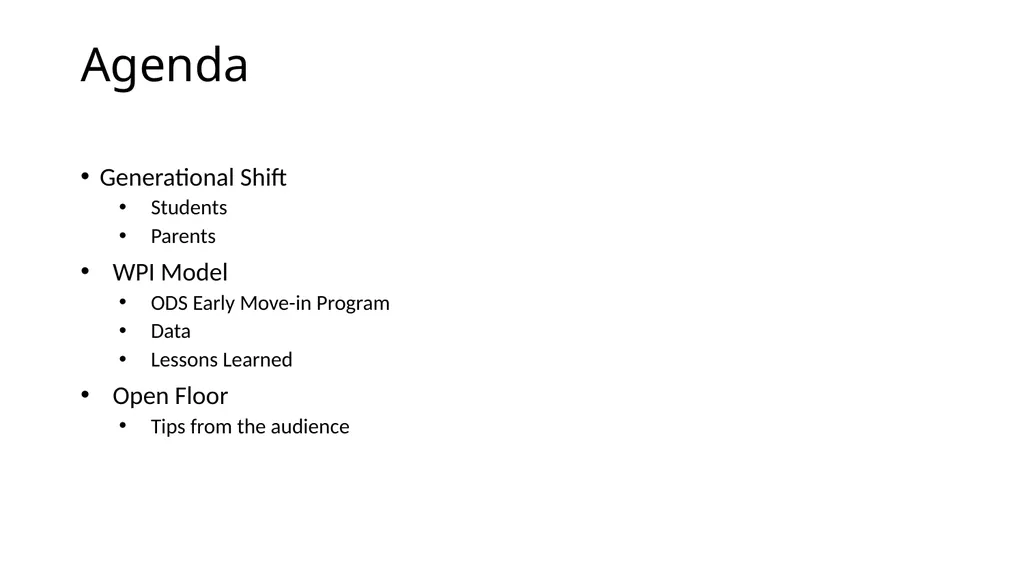
slide2. Agenda Generational Shift
Students
Parents
WPI Model
ODS Early Move-in Program
Data
Lessons Learned
Open Floor
Tips from the audience<br>
slide3. Generational Shift<br>
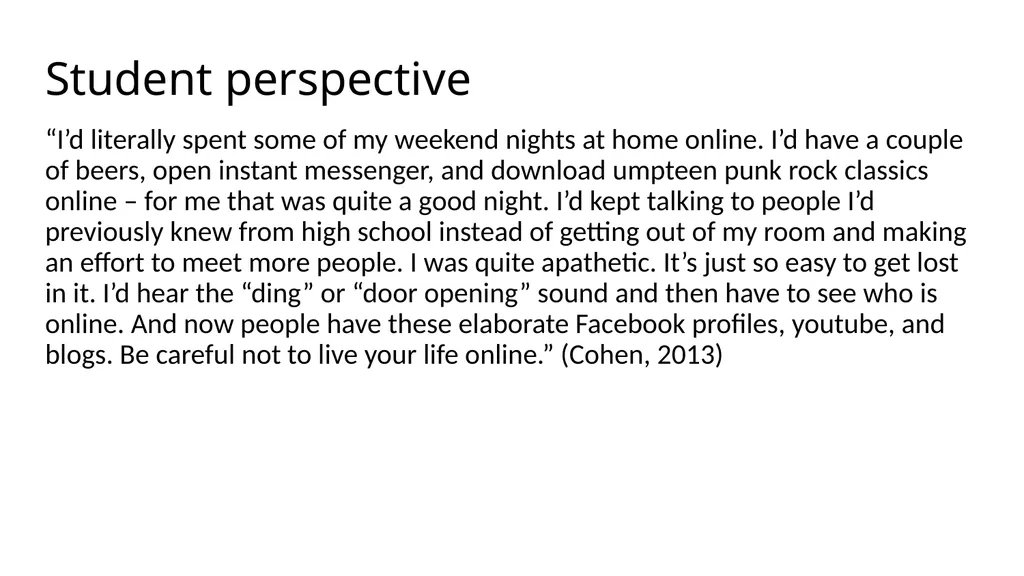
slide4. Student perspective “I’d literally spent some of my weekend nights at home online. I’d have a couple of beers, open instant messenger, and download umpteen punk rock classics online – for me that was quite a good night. I’d kept talking to people I’d previously knew from high school instead of getting out of my room and making an effort to meet more people. I was quite apathetic. It’s just so easy to get lost in it. I’d hear the “ding” or “door opening” sound and then have to see who is online. And now people have these elaborate Facebook profiles, youtube, and blogs. Be careful not to live your life online.” (Cohen, 2013)<br>
slide5. So what is iGen? Born in 1995 and later
Always had cell phones
Use of social media
Always had the Internet<br>
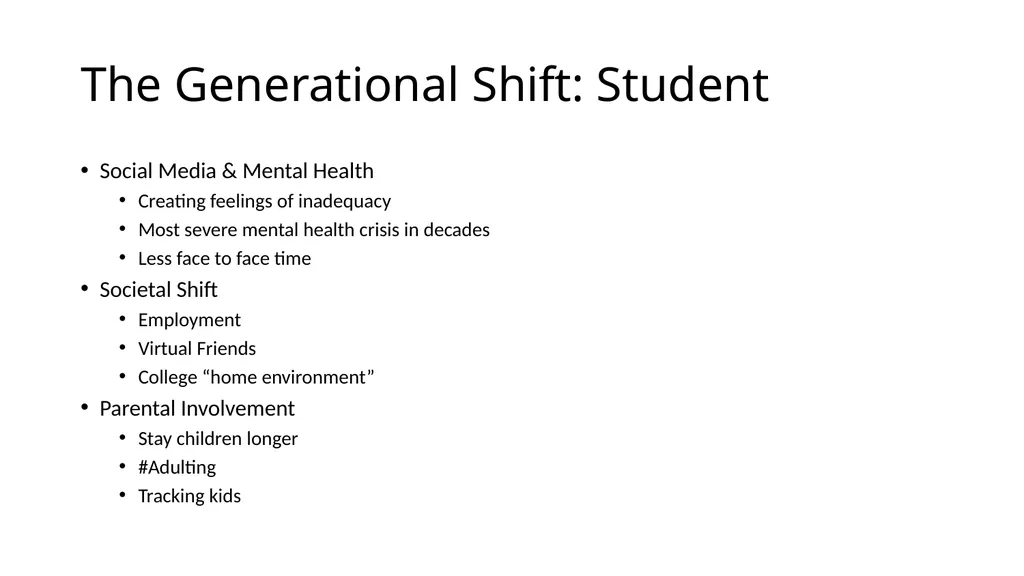
slide6. The Generational Shift: Student Social Media & Mental Health
Creating feelings of inadequacy
Most severe mental health crisis in decades
Less face to face time
Societal Shift
Employment
Virtual Friends
College “home environment”
Parental Involvement
Stay children longer
#Adulting
Tracking kids<br>
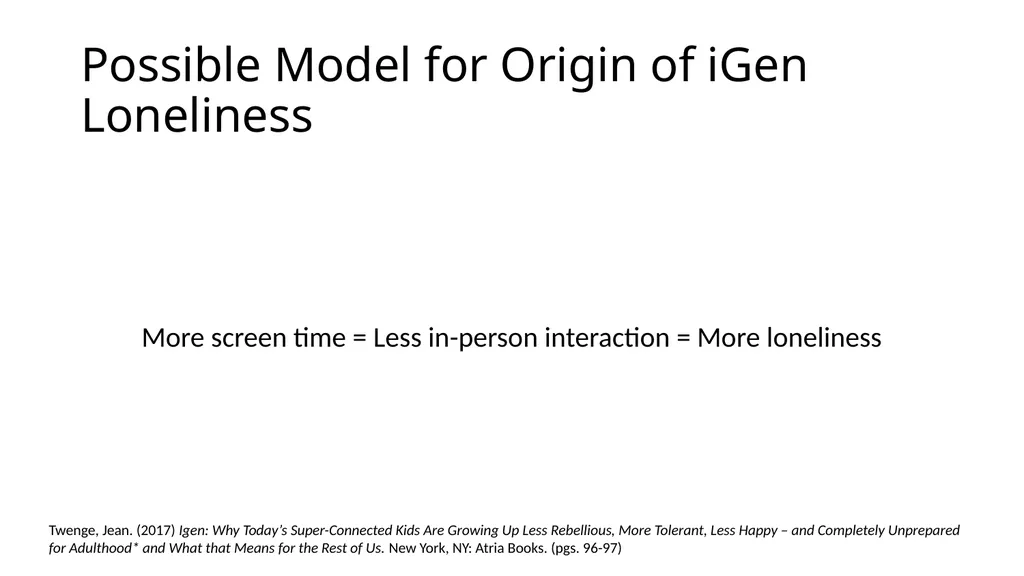
slide7. Possible Model for Origin of iGen Loneliness More screen time = Less in-person interaction = More loneliness North America Lead Asia Lead Europe Lead Dir. of Engineering Front End Lead Back End Lead Twenge, Jean. (2017) Igen: Why Today’s Super-Connected Kids Are Growing Up Less Rebellious, More Tolerant, Less Happy – and Completely Unprepared for Adulthood* and What that Means for the Rest of Us. New York, NY: Atria Books. (pgs. 96-97)<br>
slide8. Parent perspective “During the weeks before his son’s departure, the father of a Lawrence University freshman had been trying to console his wife, who was having a difficult time. He repeatedly told her that she should focus on the positive aspect of the upcoming event, that they had been preparing their son for this day for eighteen years and now it was time for him to leave. He urged her to think of this as a time of celebration, for after all, they had a terrific son who was going off to a fine school. It was all very logical. But after they dropped their son off at Lawrence and were heading back home on the interstate, his wife looked over at him and noticed his tear-streaked face.”
(Coburn & Treeger, 2016, p. 213)<br>
slide9. Generational Shift: The Parent They are coming from a place of caring
Solving problems is an important skill.
College can be uncomfortable.
Mixed messages
Grade shock: high school vs. college.
Setting expectations.
Guiding students who see things in black and white
Response based on parents.
Understanding choices.<br>
slide10. Early Move-in Model at WPI<br>
slide11. Agenda Move-in
9:00-11:00am - Key pick-up
9:00-12:00pm - Move-in
Lunch
12:00-1:00pm – Morgan Dining Hall
ODS Programming
1:00-1:30pm - Mentor Q&A
1:30-2:30pm - Breakout sessions
2:30-3:00pm - College strategies and tips
3:00-3:30pm - Accessing academic accommodations
Unpack/Dinner (on own)
Explore campus, settle into room
Dinner on own.<br>
slide12. Parent Interview<br>
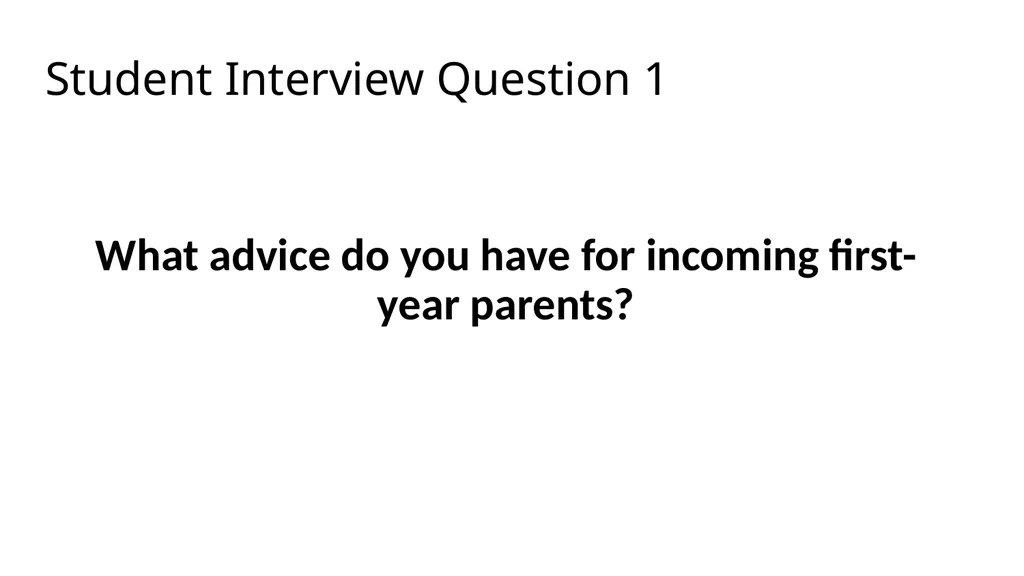
slide13. Student Interview Question 1 What advice do you have for incoming first-year parents?<br>
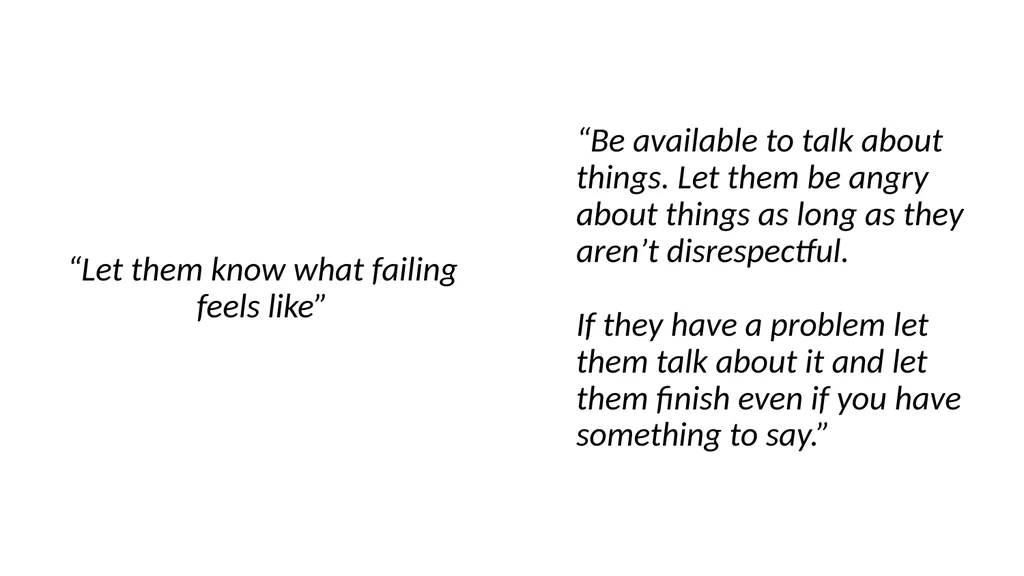
slide14. “Let them know what failing feels like” “Be available to talk about things. Let them be angry about things as long as they aren’t disrespectful.
If they have a problem let them talk about it and let them finish even if you have something to say.”<br>
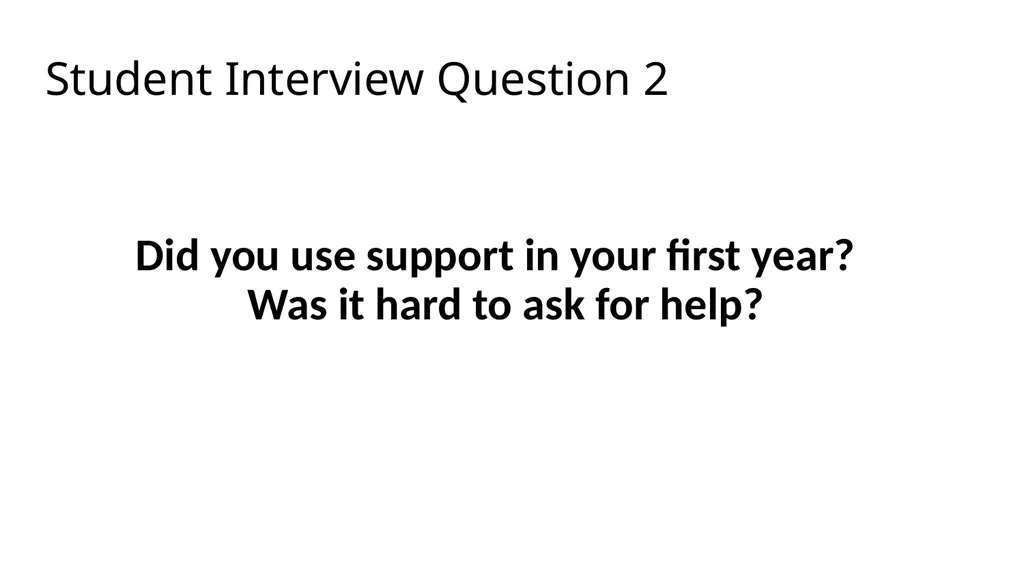
slide15. Student Interview Question 2 Did you use support in your first year?
Was it hard to ask for help?<br>
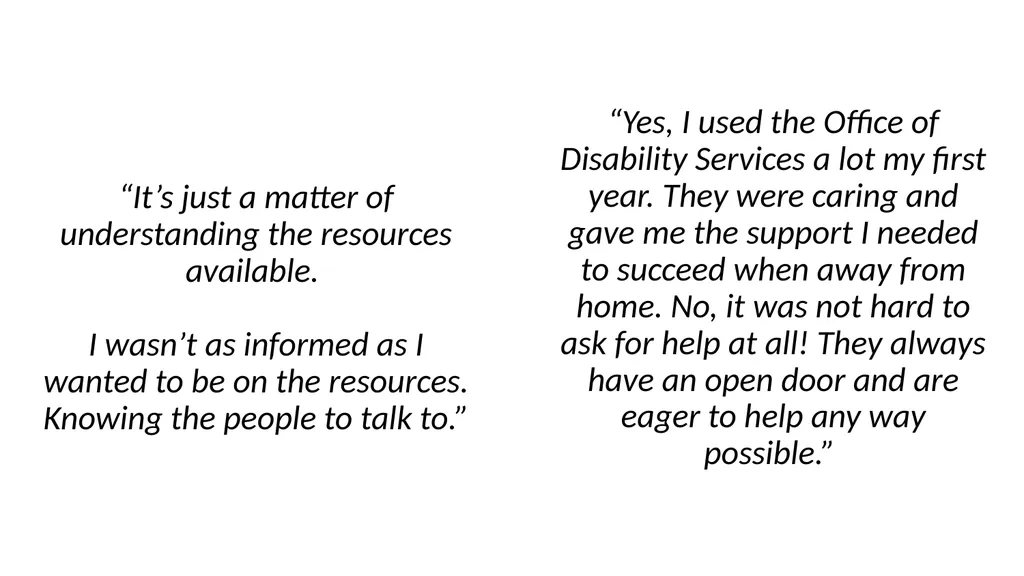
slide16. “It’s just a matter of understanding the resources available. I wasn’t as informed as I wanted to be on the resources. Knowing the people to talk to.” “Yes, I used the Office of Disability Services a lot my first year. They were caring and gave me the support I needed to succeed when away from home. No, it was not hard to ask for help at all! They always have an open door and are eager to help any way possible.”<br>
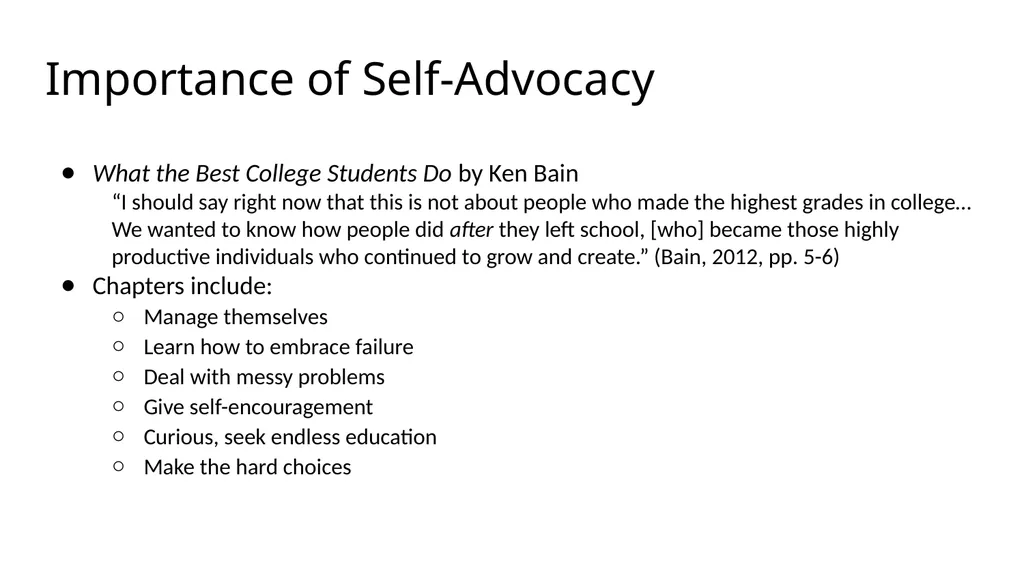
slide17. Importance of Self-Advocacy What the Best College Students Do by Ken Bain
“I should say right now that this is not about people who made the highest grades in college…We wanted to know how people did after they left school, [who] became those highly productive individuals who continued to grow and create.” (Bain, 2012, pp. 5-6)
Chapters include:
Manage themselves
Learn how to embrace failure
Deal with messy problems
Give self-encouragement
Curious, seek endless education
Make the hard choices<br>
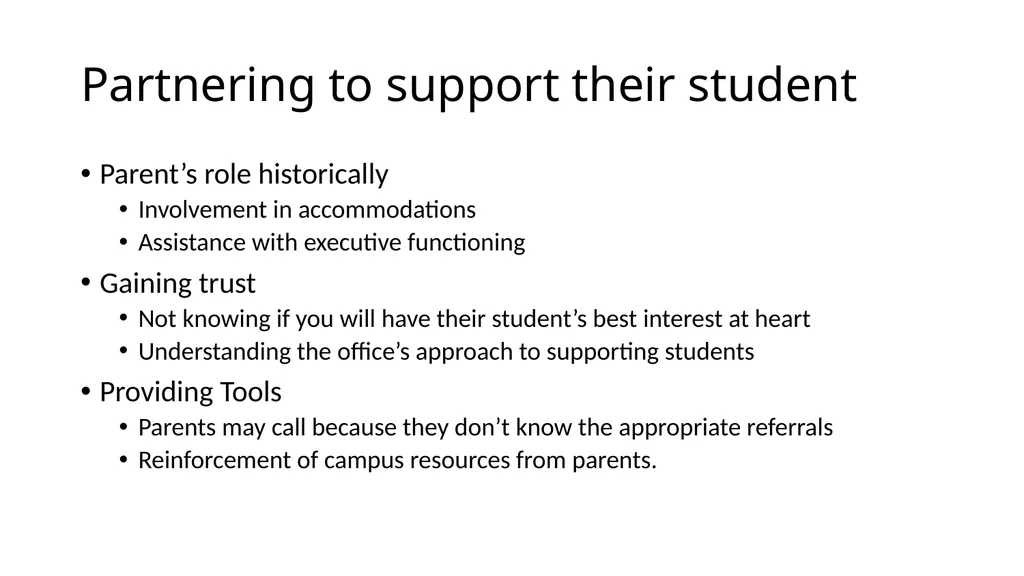
slide18. Partnering to support their student Parent’s role historically
Involvement in accommodations
Assistance with executive functioning
Gaining trust
Not knowing if you will have their student’s best interest at heart
Understanding the office’s approach to supporting students
Providing Tools
Parents may call because they don’t know the appropriate referrals
Reinforcement of campus resources from parents.<br>
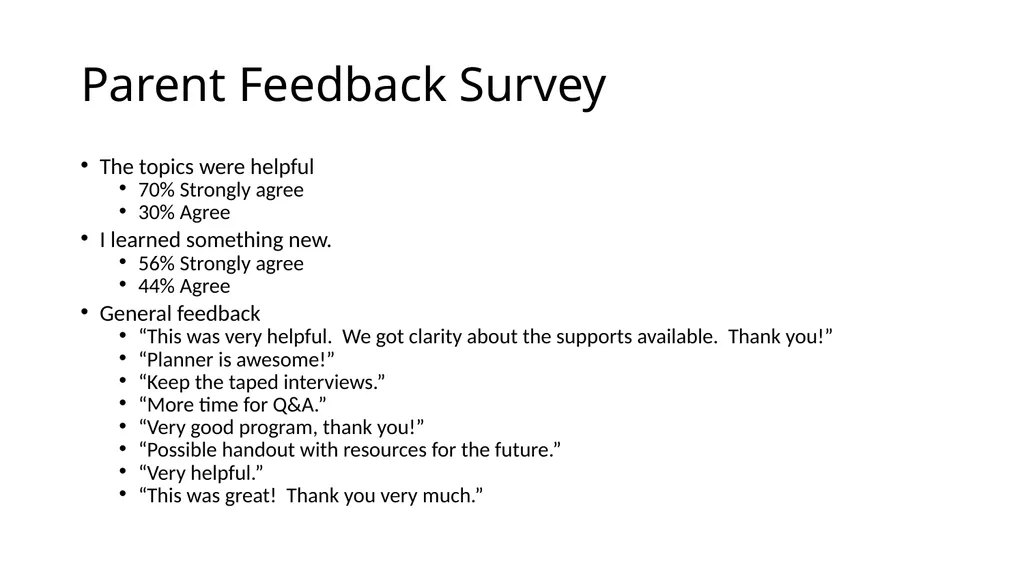
slide19. Parent Feedback Survey The topics were helpful
70% Strongly agree
30% Agree
I learned something new.
56% Strongly agree
44% Agree
General feedback
“This was very helpful. We got clarity about the supports available. Thank you!”
“Planner is awesome!”
“Keep the taped interviews.”
“More time for Q&A.”
“Very good program, thank you!”
“Possible handout with resources for the future.”
“Very helpful.”
“This was great! Thank you very much.”<br>
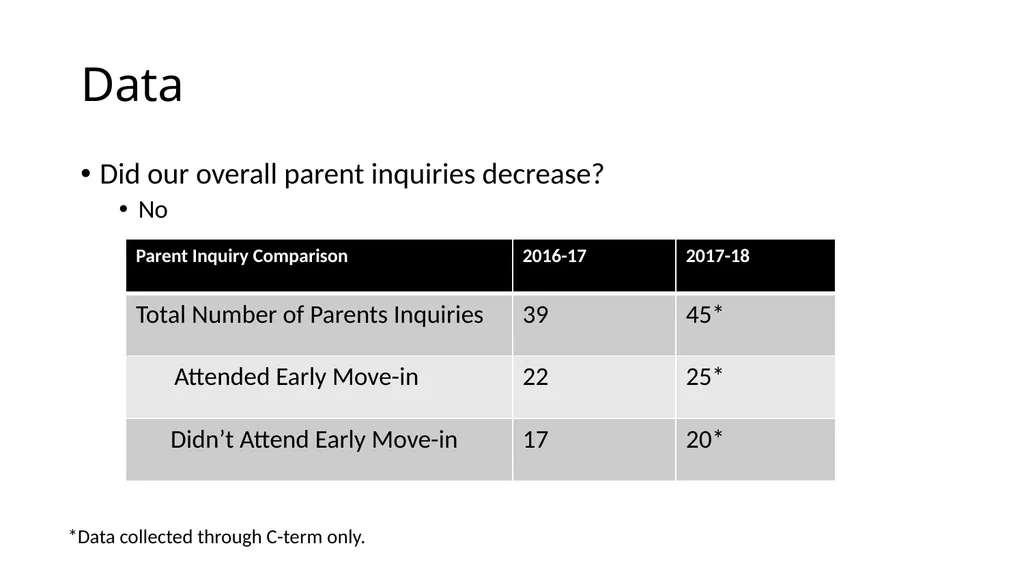
slide20. Data Did our overall parent inquiries decrease?
No *Data collected through C-term only.<br>
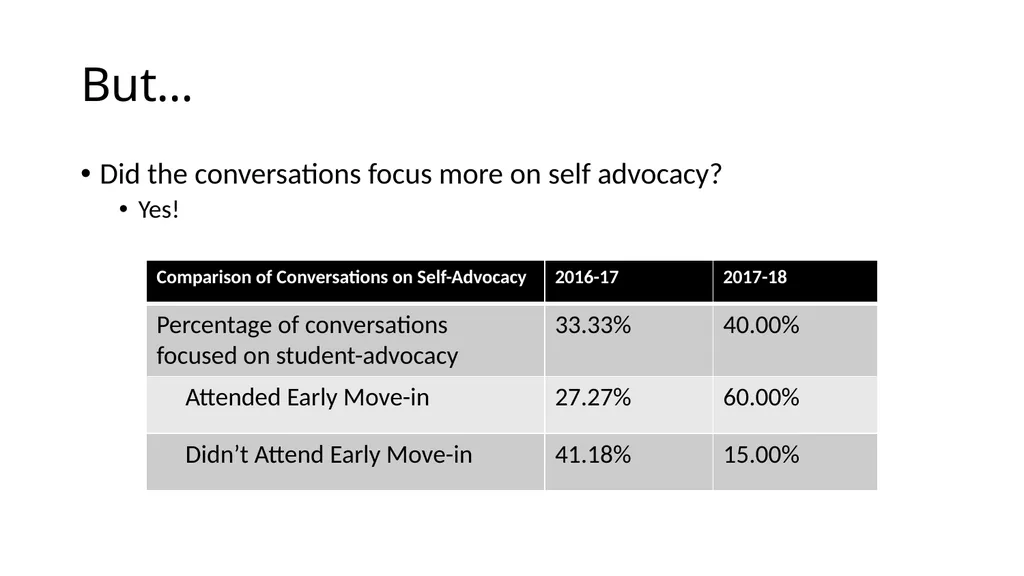
slide21. But… Did the conversations focus more on self advocacy?
Yes!<br>
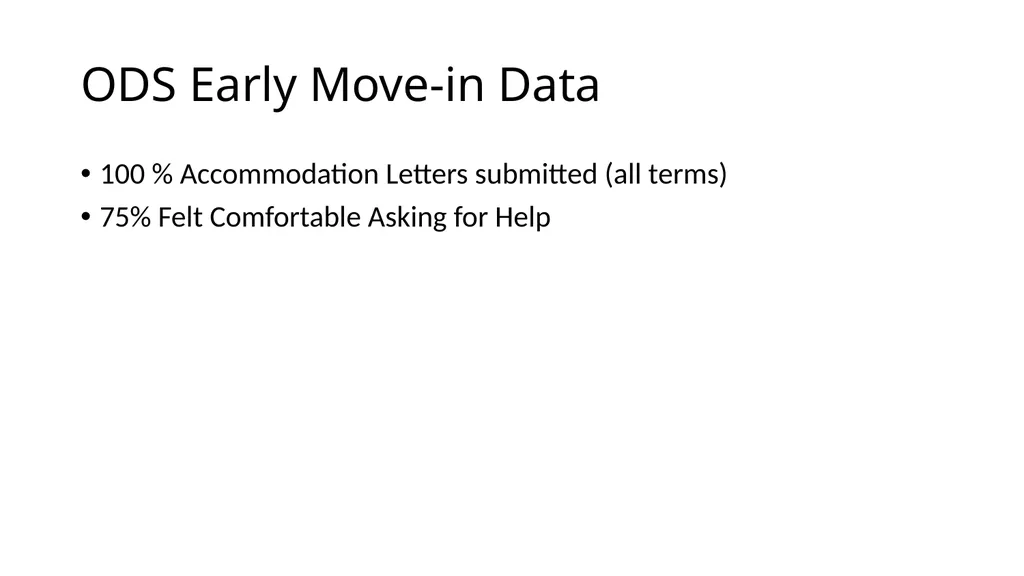
slide22. ODS Early Move-in Data 100 % Accommodation Letters submitted (all terms)
75% Felt Comfortable Asking for Help<br>
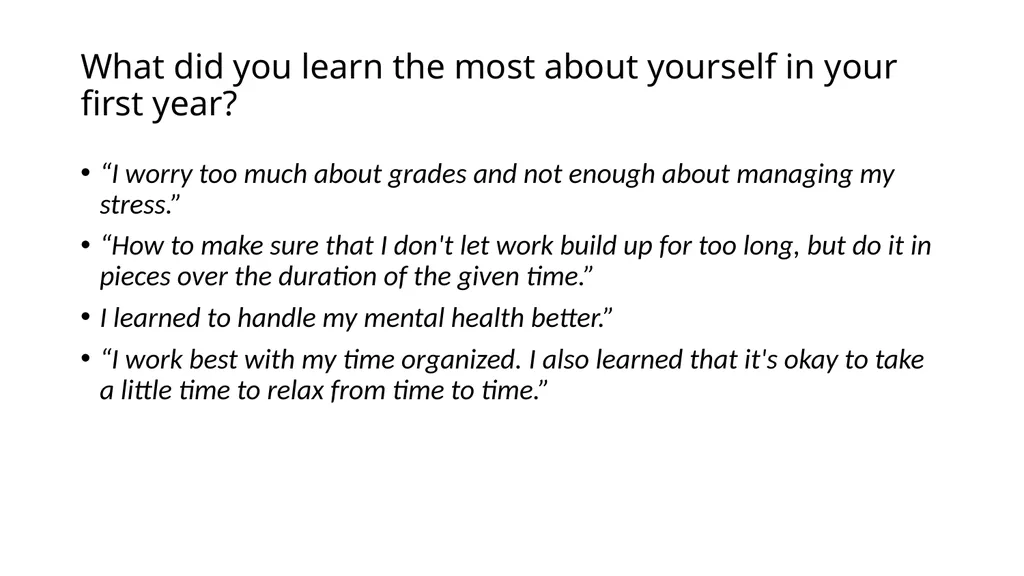
slide23. What did you learn the most about yourself in your first year? “I worry too much about grades and not enough about managing my stress.”
“How to make sure that I don't let work build up for too long, but do it in pieces over the duration of the given time.”
I learned to handle my mental health better.”
“I work best with my time organized. I also learned that it's okay to take a little time to relax from time to time.”<br>
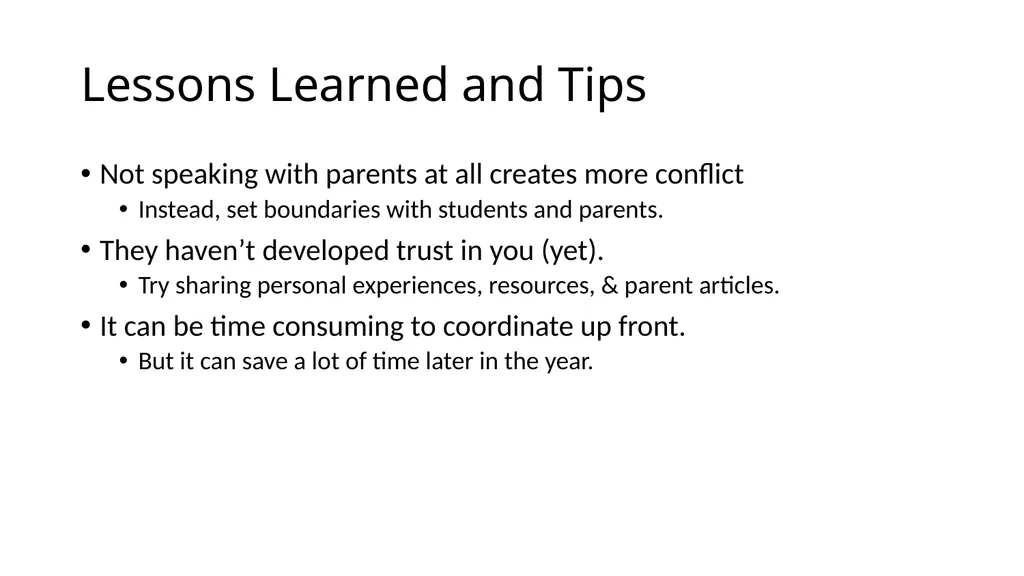
slide24. Lessons Learned and Tips Not speaking with parents at all creates more conflict
Instead, set boundaries with students and parents.
They haven’t developed trust in you (yet).
Try sharing personal experiences, resources, & parent articles.
It can be time consuming to coordinate up front.
But it can save a lot of time later in the year.<br>
slide25. Open Floor<br>
slide26. Any tips and/or success you can share with the group?<br>
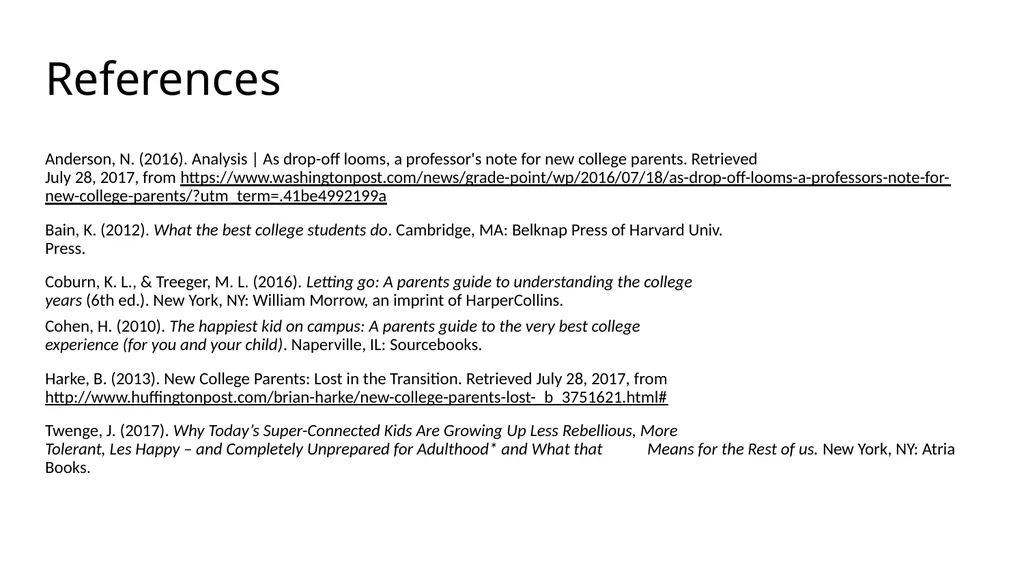
slide27. References Anderson, N. (2016). Analysis | As drop-off looms, a professor's note for new college parents. Retrieved
July 28, 2017, from https://www.washingtonpost.com/news/grade-point/wp/2016/07/18/as-drop-off-looms-a-professors-note-for-new-college-parents/?utm_term=.41be4992199a
Bain, K. (2012). What the best college students do. Cambridge, MA: Belknap Press of Harvard Univ.
Press.
Coburn, K. L., & Treeger, M. L. (2016). Letting go: A parents guide to understanding the college
years (6th ed.). New York, NY: William Morrow, an imprint of HarperCollins.
Cohen, H. (2010). The happiest kid on campus: A parents guide to the very best college
experience (for you and your child). Naperville, IL: Sourcebooks.
Harke, B. (2013). New College Parents: Lost in the Transition. Retrieved July 28, 2017, from
http://www.huffingtonpost.com/brian-harke/new-college-parents-lost-_b_3751621.html#
Twenge, J. (2017). Why Today’s Super-Connected Kids Are Growing Up Less Rebellious, More
Tolerant, Les Happy – and Completely Unprepared for Adulthood* and What that Means for the Rest of us. New York, NY: Atria Books.<br>
slide28. Thank you! WPI Office of Disability Services
508-831-4908
disabilityservices@wpi.edu
www.wpi.edu/+disabilities
Laura Rosen, Director
lrosen@wpi.edu
Jessica Szivos, Assistant Director
jlszivos@wpi.edu<br>

Worcester Polytechnic Institute
PTI, 2018<br>
slide2. Agenda Generational Shift
Students
Parents
WPI Model
ODS Early Move-in Program
Data
Lessons Learned
Open Floor
Tips from the audience<br>
slide3. Generational Shift<br>
slide4. Student perspective “I’d literally spent some of my weekend nights at home online. I’d have a couple of beers, open instant messenger, and download umpteen punk rock classics online – for me that was quite a good night. I’d kept talking to people I’d previously knew from high school instead of getting out of my room and making an effort to meet more people. I was quite apathetic. It’s just so easy to get lost in it. I’d hear the “ding” or “door opening” sound and then have to see who is online. And now people have these elaborate Facebook profiles, youtube, and blogs. Be careful not to live your life online.” (Cohen, 2013)<br>
slide5. So what is iGen? Born in 1995 and later
Always had cell phones
Use of social media
Always had the Internet<br>
slide6. The Generational Shift: Student Social Media & Mental Health
Creating feelings of inadequacy
Most severe mental health crisis in decades
Less face to face time
Societal Shift
Employment
Virtual Friends
College “home environment”
Parental Involvement
Stay children longer
#Adulting
Tracking kids<br>
slide7. Possible Model for Origin of iGen Loneliness More screen time = Less in-person interaction = More loneliness North America Lead Asia Lead Europe Lead Dir. of Engineering Front End Lead Back End Lead Twenge, Jean. (2017) Igen: Why Today’s Super-Connected Kids Are Growing Up Less Rebellious, More Tolerant, Less Happy – and Completely Unprepared for Adulthood* and What that Means for the Rest of Us. New York, NY: Atria Books. (pgs. 96-97)<br>
slide8. Parent perspective “During the weeks before his son’s departure, the father of a Lawrence University freshman had been trying to console his wife, who was having a difficult time. He repeatedly told her that she should focus on the positive aspect of the upcoming event, that they had been preparing their son for this day for eighteen years and now it was time for him to leave. He urged her to think of this as a time of celebration, for after all, they had a terrific son who was going off to a fine school. It was all very logical. But after they dropped their son off at Lawrence and were heading back home on the interstate, his wife looked over at him and noticed his tear-streaked face.”
(Coburn & Treeger, 2016, p. 213)<br>
slide9. Generational Shift: The Parent They are coming from a place of caring
Solving problems is an important skill.
College can be uncomfortable.
Mixed messages
Grade shock: high school vs. college.
Setting expectations.
Guiding students who see things in black and white
Response based on parents.
Understanding choices.<br>
slide10. Early Move-in Model at WPI<br>
slide11. Agenda Move-in
9:00-11:00am - Key pick-up
9:00-12:00pm - Move-in
Lunch
12:00-1:00pm – Morgan Dining Hall
ODS Programming
1:00-1:30pm - Mentor Q&A
1:30-2:30pm - Breakout sessions
2:30-3:00pm - College strategies and tips
3:00-3:30pm - Accessing academic accommodations
Unpack/Dinner (on own)
Explore campus, settle into room
Dinner on own.<br>
slide12. Parent Interview<br>
slide13. Student Interview Question 1 What advice do you have for incoming first-year parents?<br>
slide14. “Let them know what failing feels like” “Be available to talk about things. Let them be angry about things as long as they aren’t disrespectful.
If they have a problem let them talk about it and let them finish even if you have something to say.”<br>
slide15. Student Interview Question 2 Did you use support in your first year?
Was it hard to ask for help?<br>
slide16. “It’s just a matter of understanding the resources available. I wasn’t as informed as I wanted to be on the resources. Knowing the people to talk to.” “Yes, I used the Office of Disability Services a lot my first year. They were caring and gave me the support I needed to succeed when away from home. No, it was not hard to ask for help at all! They always have an open door and are eager to help any way possible.”<br>
slide17. Importance of Self-Advocacy What the Best College Students Do by Ken Bain
“I should say right now that this is not about people who made the highest grades in college…We wanted to know how people did after they left school, [who] became those highly productive individuals who continued to grow and create.” (Bain, 2012, pp. 5-6)
Chapters include:
Manage themselves
Learn how to embrace failure
Deal with messy problems
Give self-encouragement
Curious, seek endless education
Make the hard choices<br>
slide18. Partnering to support their student Parent’s role historically
Involvement in accommodations
Assistance with executive functioning
Gaining trust
Not knowing if you will have their student’s best interest at heart
Understanding the office’s approach to supporting students
Providing Tools
Parents may call because they don’t know the appropriate referrals
Reinforcement of campus resources from parents.<br>
slide19. Parent Feedback Survey The topics were helpful
70% Strongly agree
30% Agree
I learned something new.
56% Strongly agree
44% Agree
General feedback
“This was very helpful. We got clarity about the supports available. Thank you!”
“Planner is awesome!”
“Keep the taped interviews.”
“More time for Q&A.”
“Very good program, thank you!”
“Possible handout with resources for the future.”
“Very helpful.”
“This was great! Thank you very much.”<br>
slide20. Data Did our overall parent inquiries decrease?
No *Data collected through C-term only.<br>
slide21. But… Did the conversations focus more on self advocacy?
Yes!<br>
slide22. ODS Early Move-in Data 100 % Accommodation Letters submitted (all terms)
75% Felt Comfortable Asking for Help<br>
slide23. What did you learn the most about yourself in your first year? “I worry too much about grades and not enough about managing my stress.”
“How to make sure that I don't let work build up for too long, but do it in pieces over the duration of the given time.”
I learned to handle my mental health better.”
“I work best with my time organized. I also learned that it's okay to take a little time to relax from time to time.”<br>
slide24. Lessons Learned and Tips Not speaking with parents at all creates more conflict
Instead, set boundaries with students and parents.
They haven’t developed trust in you (yet).
Try sharing personal experiences, resources, & parent articles.
It can be time consuming to coordinate up front.
But it can save a lot of time later in the year.<br>
slide25. Open Floor<br>
slide26. Any tips and/or success you can share with the group?<br>
slide27. References Anderson, N. (2016). Analysis | As drop-off looms, a professor's note for new college parents. Retrieved
July 28, 2017, from https://www.washingtonpost.com/news/grade-point/wp/2016/07/18/as-drop-off-looms-a-professors-note-for-new-college-parents/?utm_term=.41be4992199a
Bain, K. (2012). What the best college students do. Cambridge, MA: Belknap Press of Harvard Univ.
Press.
Coburn, K. L., & Treeger, M. L. (2016). Letting go: A parents guide to understanding the college
years (6th ed.). New York, NY: William Morrow, an imprint of HarperCollins.
Cohen, H. (2010). The happiest kid on campus: A parents guide to the very best college
experience (for you and your child). Naperville, IL: Sourcebooks.
Harke, B. (2013). New College Parents: Lost in the Transition. Retrieved July 28, 2017, from
http://www.huffingtonpost.com/brian-harke/new-college-parents-lost-_b_3751621.html#
Twenge, J. (2017). Why Today’s Super-Connected Kids Are Growing Up Less Rebellious, More
Tolerant, Les Happy – and Completely Unprepared for Adulthood* and What that Means for the Rest of us. New York, NY: Atria Books.<br>
slide28. Thank you! WPI Office of Disability Services
508-831-4908
disabilityservices@wpi.edu
www.wpi.edu/+disabilities
Laura Rosen, Director
lrosen@wpi.edu
Jessica Szivos, Assistant Director
jlszivos@wpi.edu<br>