Understanding complex PTSD Dr. Jim Peightel, MD, Psychiatrist Jen Collier, MSW, MOL, Womanspace Philadelphia Program Director WOMANSPACE pHILADELPHIA Long term drug and alcohol treatment for homeless women Journey of Hope PABHH Division
"Understanding complex PTSD Dr. Jim Peightel, MD," is the property of its rightful owner. Permission is granted to
download and print the materials on this website for personal, non-commercial use only, and to display it
on your personal computer provided you do not modify the materials and that you retain all copyright
notices contained in the materials. By downloading content from our website, you accept the terms of this
agreement.
Presentation Transcript
01
Understanding complex PTSD Dr. Jim Peightel, MD, Psychiatrist
Jen Collier, MSW, MOL, Womanspace Philadelphia Program Director<br>
02
WOMANSPACE pHILADELPHIA Long term drug and alcohol treatment for homeless women
Journey of Hope
PABHH Division<br>
03
Womanspace admission criteria 3c Level of Care
Chronic Homelessness
Mental Health Conditions<br>
04
Womanspace treatment ingredients Therapeutic Community
Group Treatment
Evidence Based Practices
Member Empowerment
Milieu Treatment
Life Skill Development/ Habilitation
Healthcare Navigation
Psychiatric Consultation<br>
05
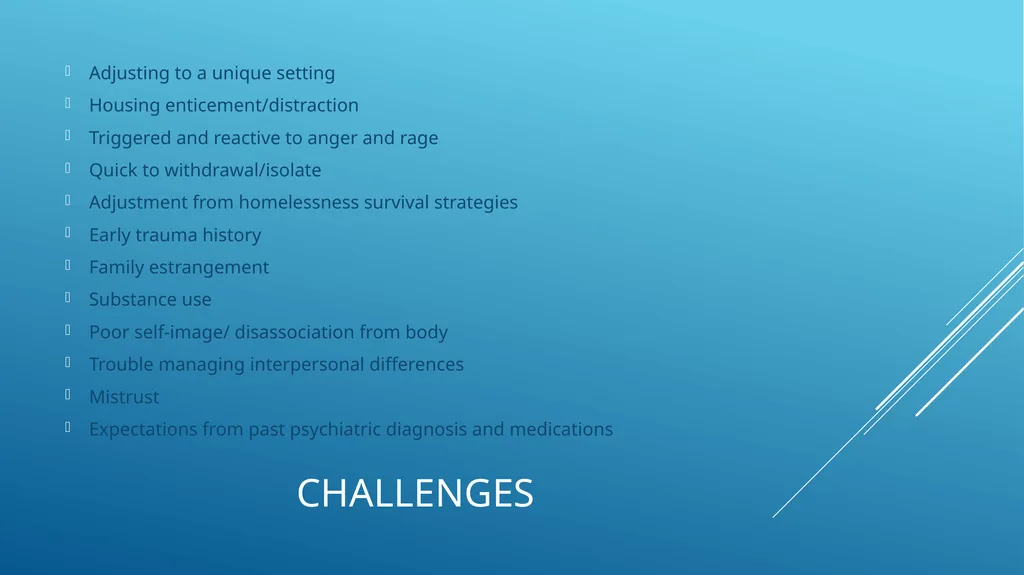
Challenges Adjusting to a unique setting
Housing enticement/distraction
Triggered and reactive to anger and rage
Quick to withdrawal/isolate
Adjustment from homelessness survival strategies
Early trauma history
Family estrangement
Substance use
Poor self-image/ disassociation from body
Trouble managing interpersonal differences
Mistrust
Expectations from past psychiatric diagnosis and medications<br>
06
Psychiatric care at Womanspace DDAP requirements- seen within a week
Continuity of medication
Projections from residents about the role of a psychiatrist
Expectations of diagnosis
Expectations of symptom relief<br>
07
Diagnosis PROCESS of determining which disease, syndrome or condition explains a person’s signs and symptoms
INFORMATION comes from history, physical and diagnostic tests
PURPOSE: find a common language, direct treatment, and inform prognosis<br>
08
BIPOLAR DISORDER Not part of this conversation
Over-diagnosed
DSM IV R- Rapid Cycling
Ultra-rapid cycling not a diagnosis
Focus on change in activity and mood
Asymptomatic between episodes<br>
09
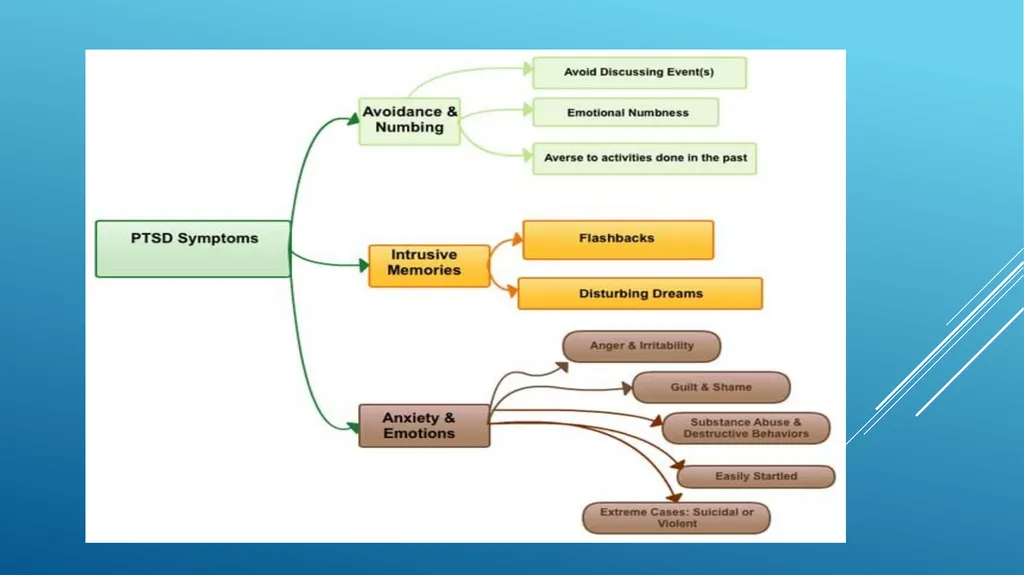
PTSD First in DSM III in 1980, connected to Vietnam veterans
Symptoms: avoidance and numbness, intensive memories, anxiety and emotions
DSM 5 changes
Negative impacts on thought patterns and mood are added
Irritable or aggressive behavior
Reckless and self-destructive behavior<br>
10
Borderline Personality Disorder A Personality Disorder
Pervasive pattern of instability in interpersonal relationships, affect, and sense of self
Diagnosis has stigma and has been avoided
Has effective treatment-DBT, others<br>
11
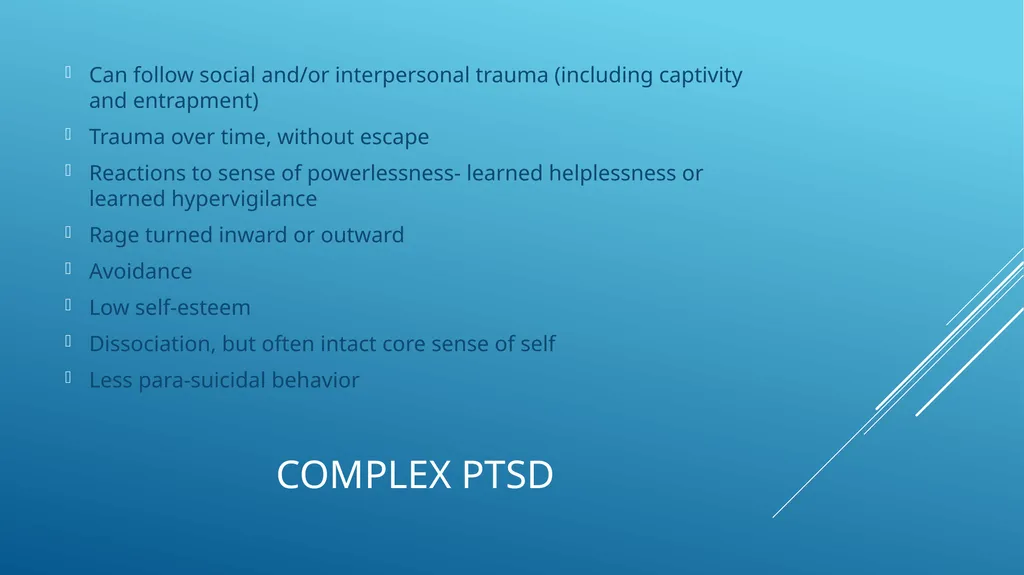
Complex ptsd Can follow social and/or interpersonal trauma (including captivity and entrapment)
Trauma over time, without escape
Reactions to sense of powerlessness- learned helplessness or learned hypervigilance
Rage turned inward or outward
Avoidance
Low self-esteem
Dissociation, but often intact core sense of self
Less para-suicidal behavior<br>
12
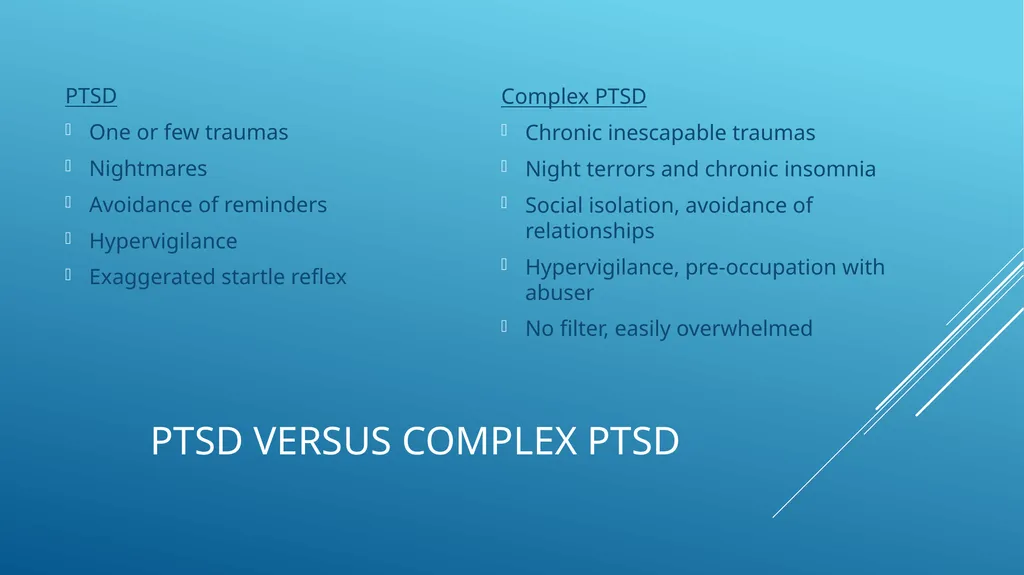
PTSD versus Complex PTSD PTSD
One or few traumas
Nightmares
Avoidance of reminders
Hypervigilance
Exaggerated startle reflex Complex PTSD
Chronic inescapable traumas
Night terrors and chronic insomnia
Social isolation, avoidance of relationships
Hypervigilance, pre-occupation with abuser
No filter, easily overwhelmed<br>
13
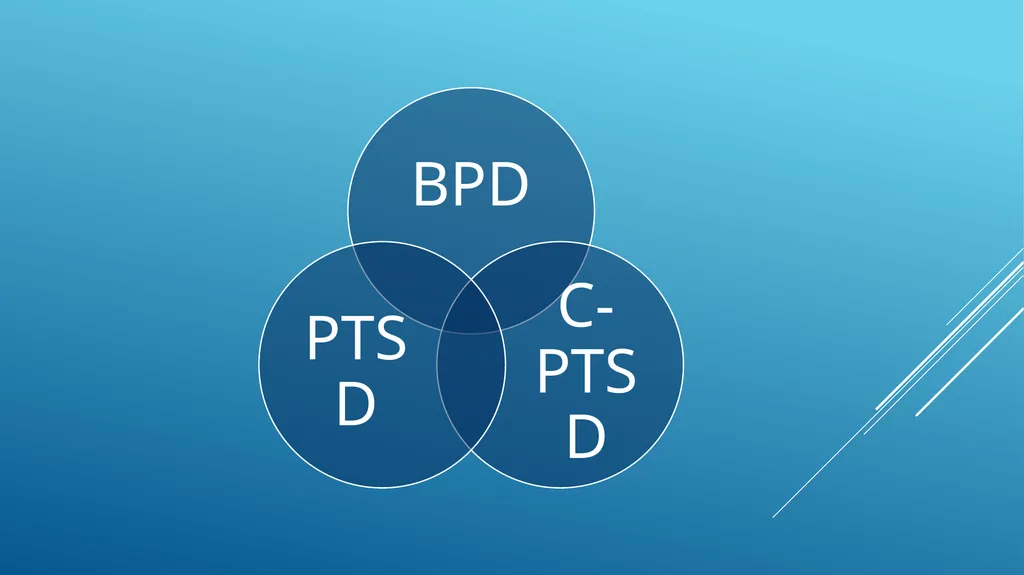
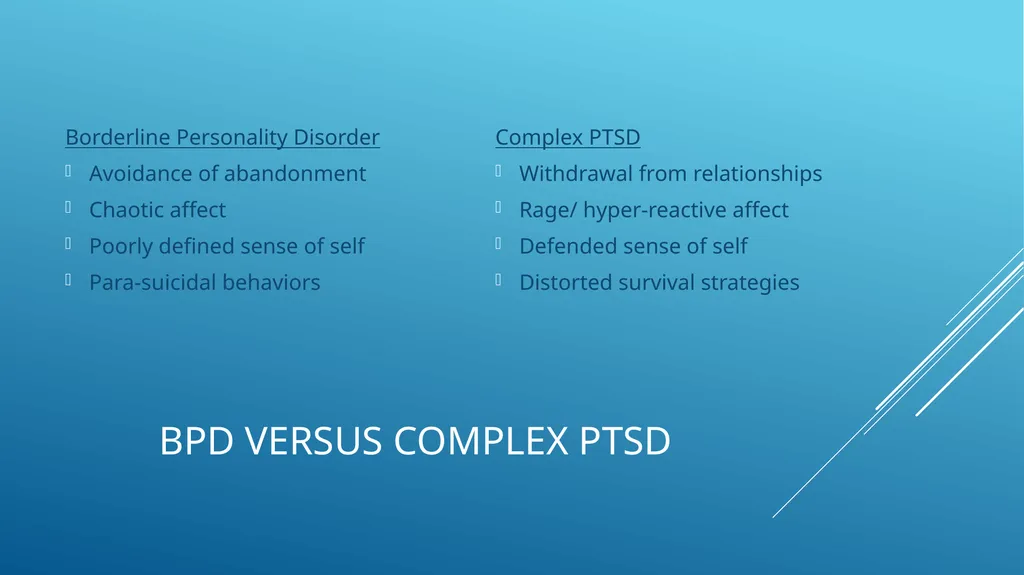
BPD versus Complex PTSD Borderline Personality Disorder
Avoidance of abandonment
Chaotic affect
Poorly defined sense of self
Para-suicidal behaviors Complex PTSD
Withdrawal from relationships
Rage/ hyper-reactive affect
Defended sense of self
Distorted survival strategies<br>
14
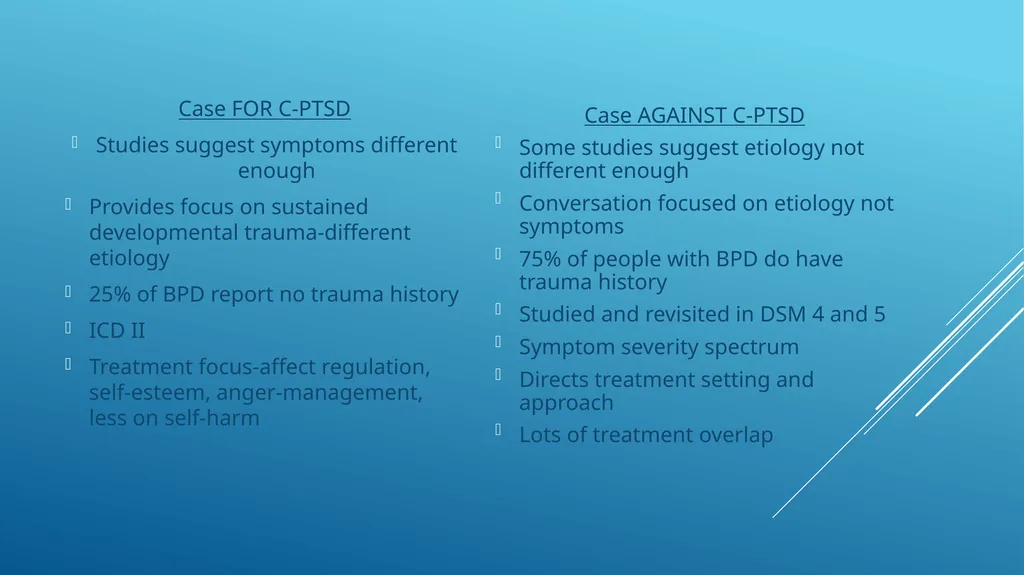
Case FOR C-PTSD
Studies suggest symptoms different enough
Provides focus on sustained developmental trauma-different etiology
25% of BPD report no trauma history
ICD II
Treatment focus-affect regulation, self-esteem, anger-management, less on self-harm Case AGAINST C-PTSD
Some studies suggest etiology not different enough
Conversation focused on etiology not symptoms
75% of people with BPD do have trauma history
Studied and revisited in DSM 4 and 5
Symptom severity spectrum
Directs treatment setting and approach
Lots of treatment overlap<br>
15
Tailoring Treatment at Womanspace Managing angry outbursts
Staff training on trauma-informed care
Choice-based programming and interventions
Focus on self-worth
Skill development, especially through DBT and Seeking Safety
Interpersonal focus, use of SCT
Case-consultations<br>
16
Next Steps Understanding substance use patterns (numbing vs. boredom)
Understanding of Therapeutic Community
Community integration
Lifestyle health and wellness
Smoking cessation<br>
17
Back to Diagnosis History: 1980, DSM 3
2013: DSM 5, RDoC<br>
18
Good News Understanding of impact of sustained trauma on individuals
We can impact prevalence (all 3 diagnosis) through public health preventive measures
City focus on social determinants of mental health<br>
19
Good News Social Determinants of Mental Health
Social Exclusion and Discrimination
Adverse Early Life Experiences
Poor Education
Unemployment/ Underemployment
Job insecurity
Income inequality
Poverty
Neighborhood Deprivation
Food Insecurity
Poor Housing/ Housing Instability
Adverse Features of the Built Environment
Poor Access to Mental Health Care Research Domain Criteria
Negative Valence Systems
Positive Valance Systems
Cognitive Systems
Social Processes
Arousal and Regulatory Systems<br>