Year 10 June Assessment Revision Guide Revision
Description: Year 10 June Assessment Revision Guide Revision Habits At Benton Park, we believe in 5 keystone revision activities that support knowledge retrieval and having fun with your revision. Mindmapping Flashcards Quizzing Model essay plans Timed
Related Topics
Download Presentation
"Year 10 June Assessment Revision Guide Revision" is the property of its rightful owner. Permission is granted to download and print the materials on this website for personal, non-commercial use only, and to display it on your personal computer provided you do not modify the materials and that you retain all copyright notices contained in the materials. By downloading content from our website, you accept the terms of this agreement.
Presentation Transcript
slide1. Year 10
June Assessment Revision Guide<br>
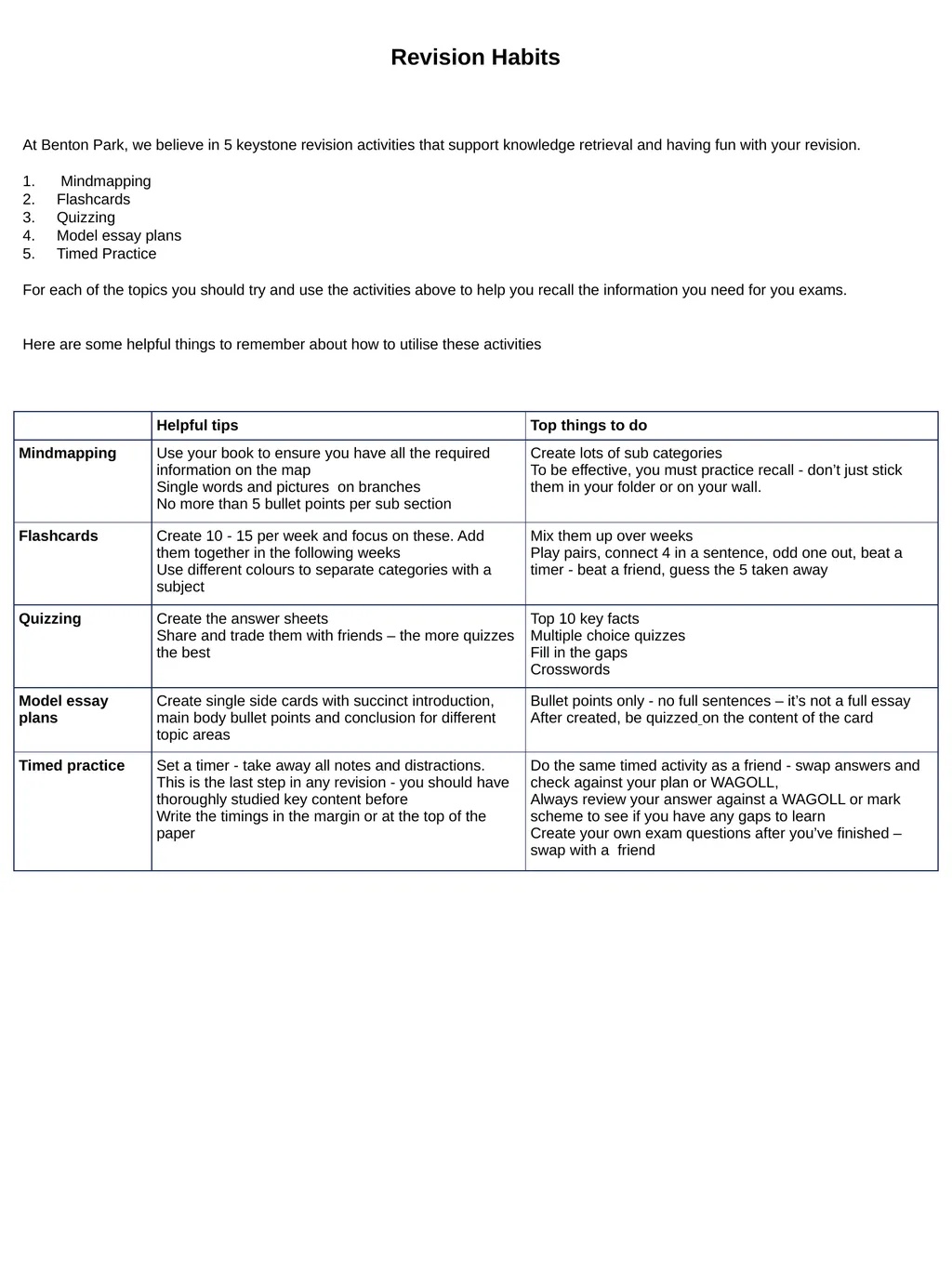
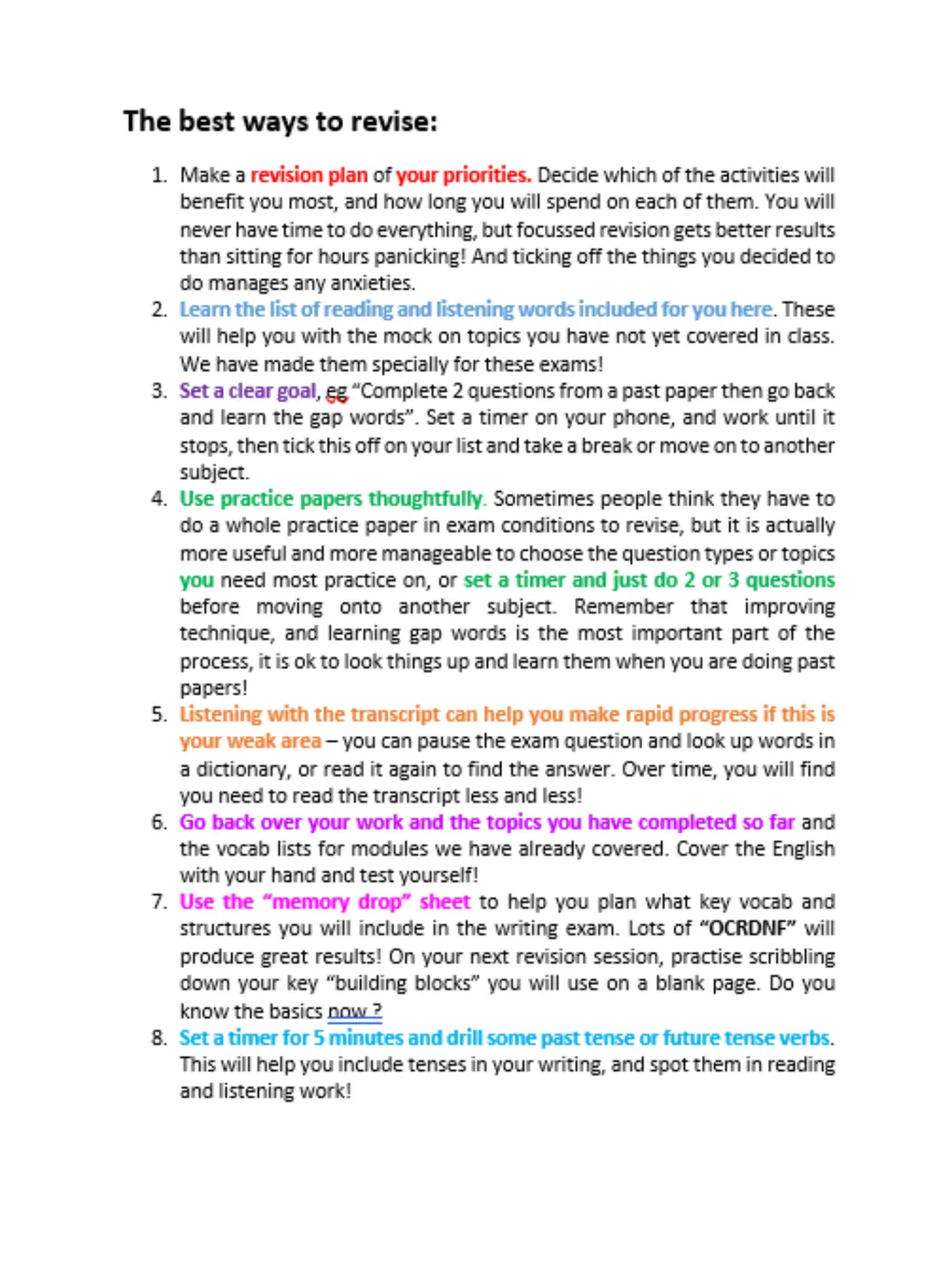
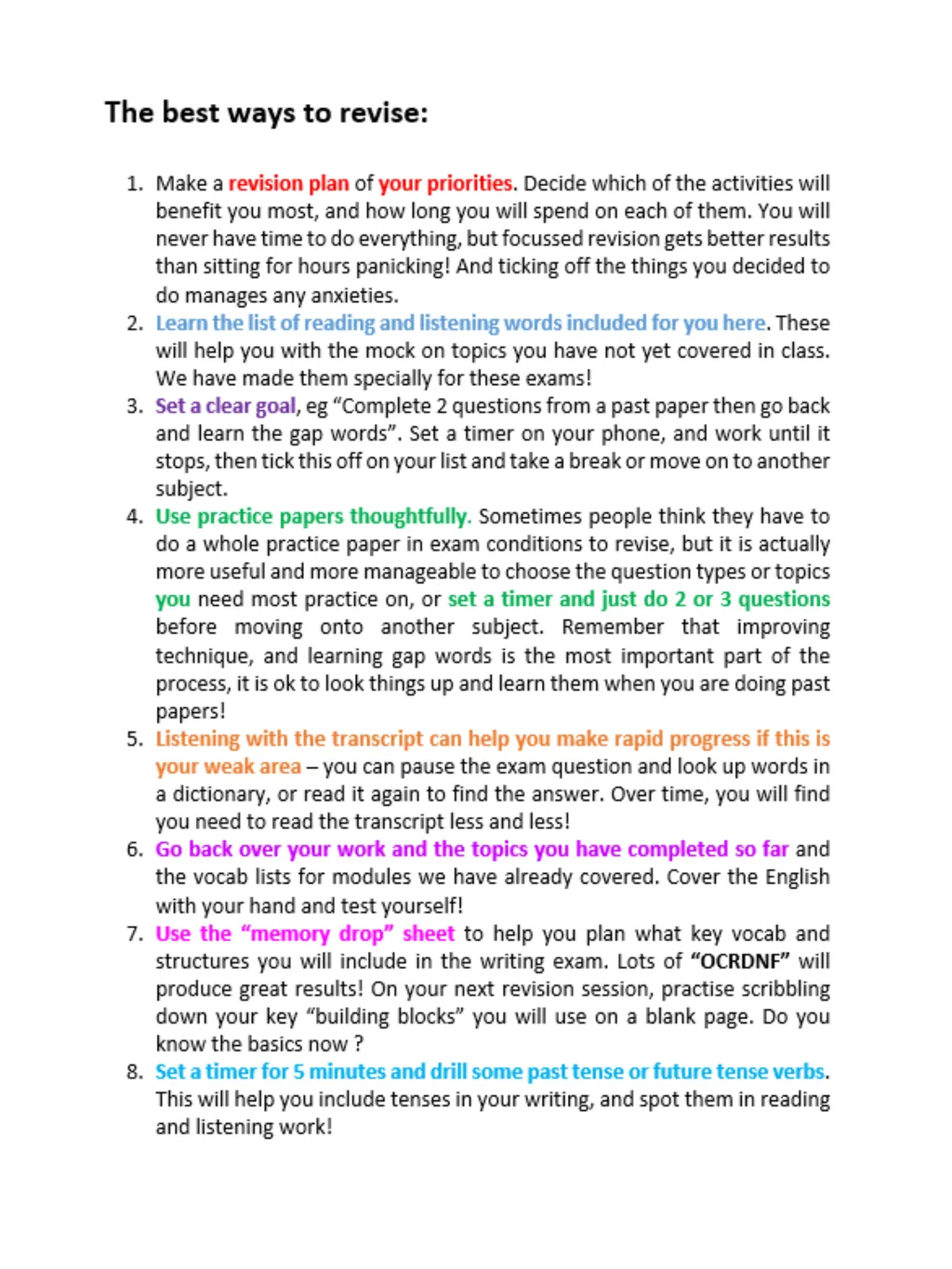
slide2. Revision Habits At Benton Park, we believe in 5 keystone revision activities that support knowledge retrieval and having fun with your revision.
Mindmapping
Flashcards
Quizzing
Model essay plans
Timed Practice
For each of the topics you should try and use the activities above to help you recall the information you need for you exams.
Here are some helpful things to remember about how to utilise these activities<br>
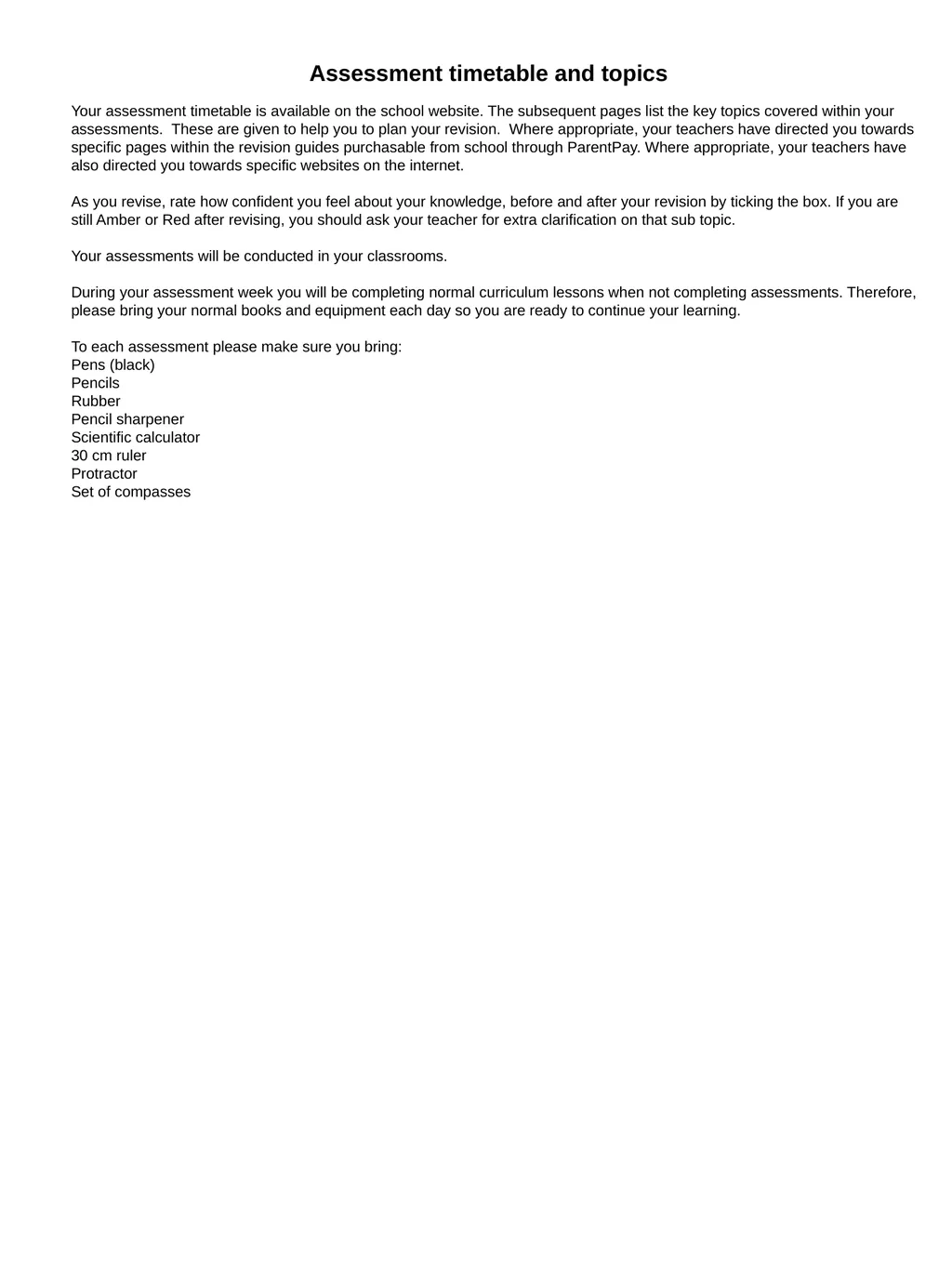
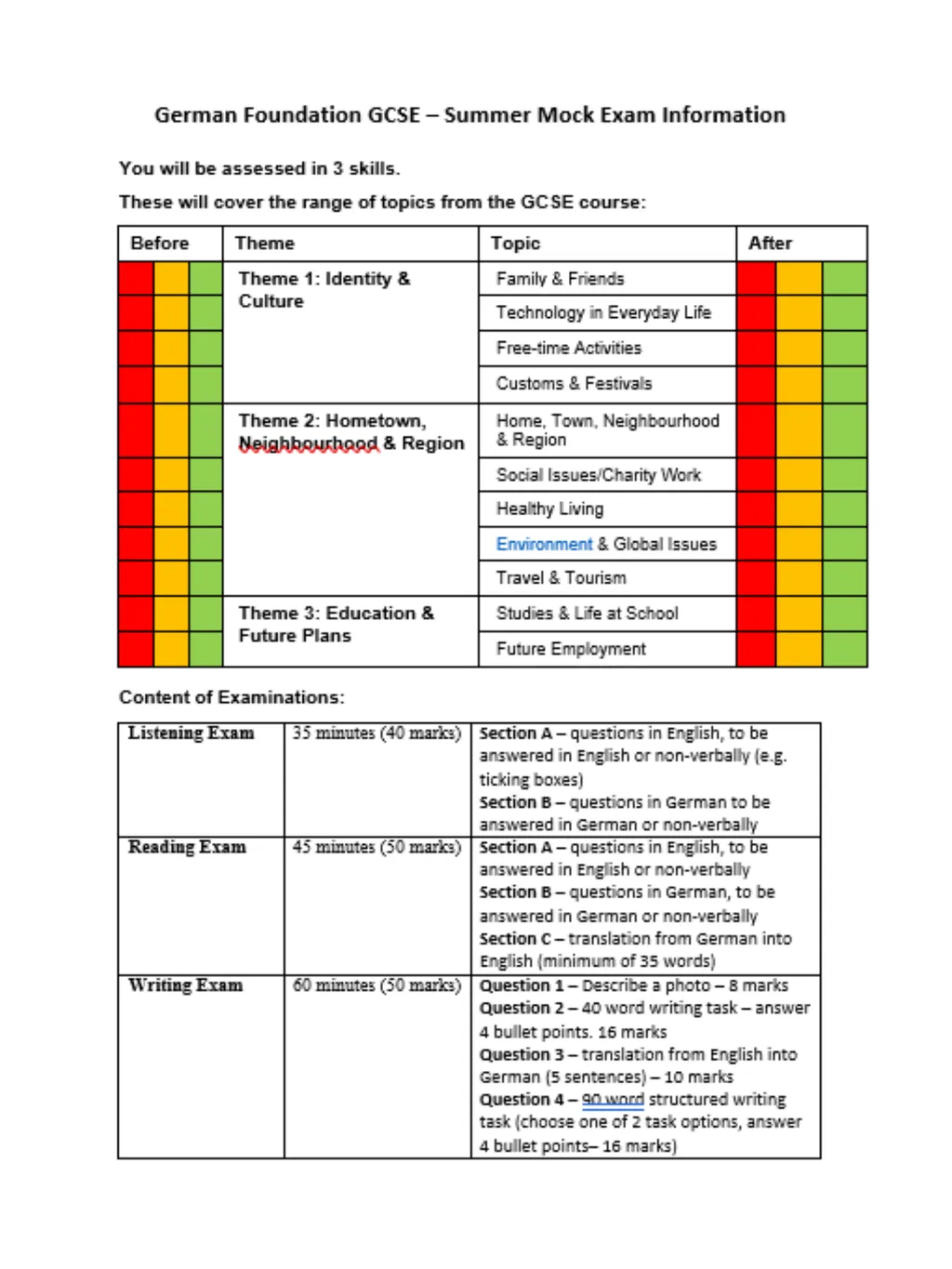
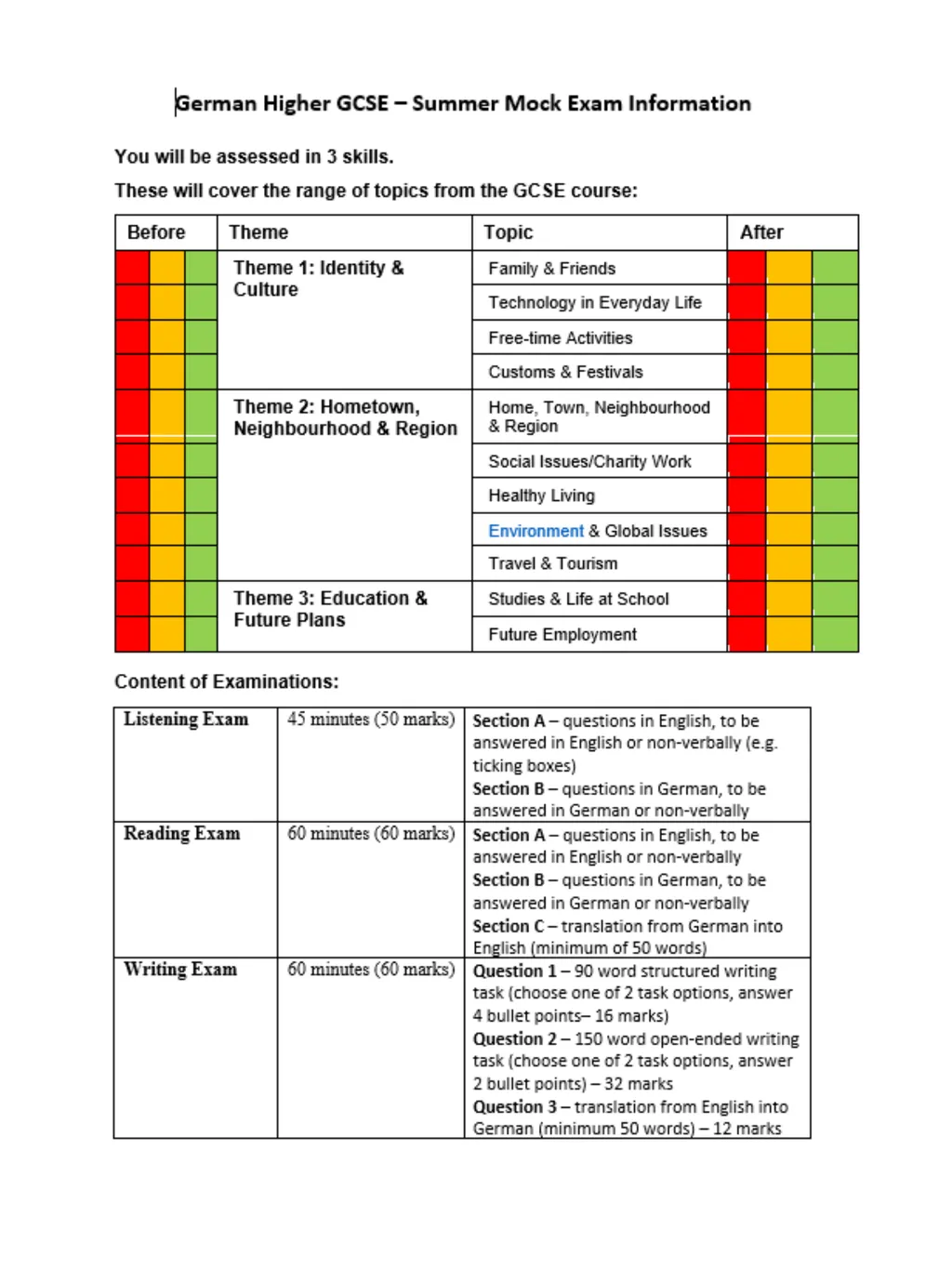
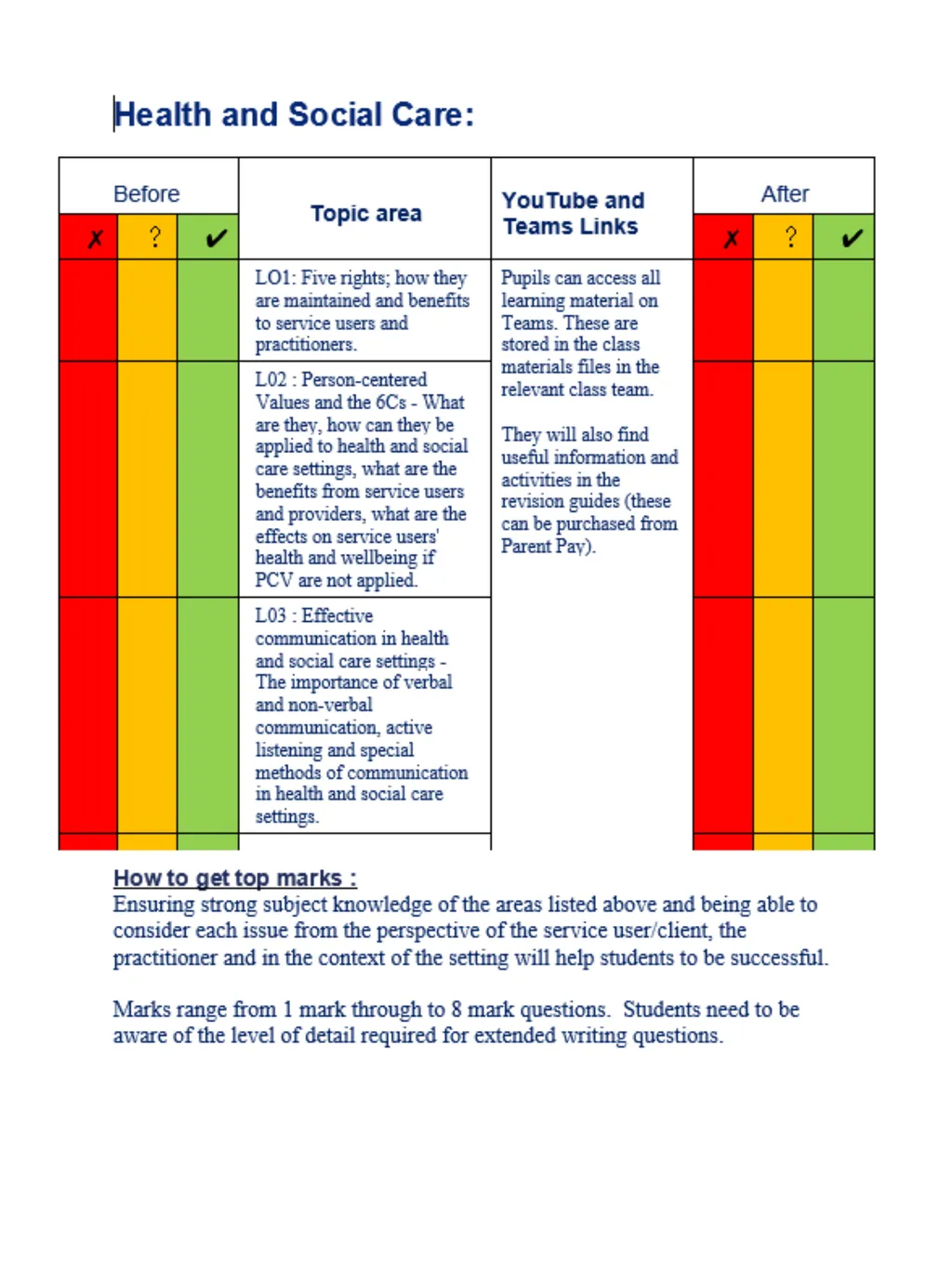
slide3. Assessment timetable and topics Your assessment timetable is available on the school website. The subsequent pages list the key topics covered within your assessments. These are given to help you to plan your revision. Where appropriate, your teachers have directed you towards specific pages within the revision guides purchasable from school through ParentPay. Where appropriate, your teachers have also directed you towards specific websites on the internet.
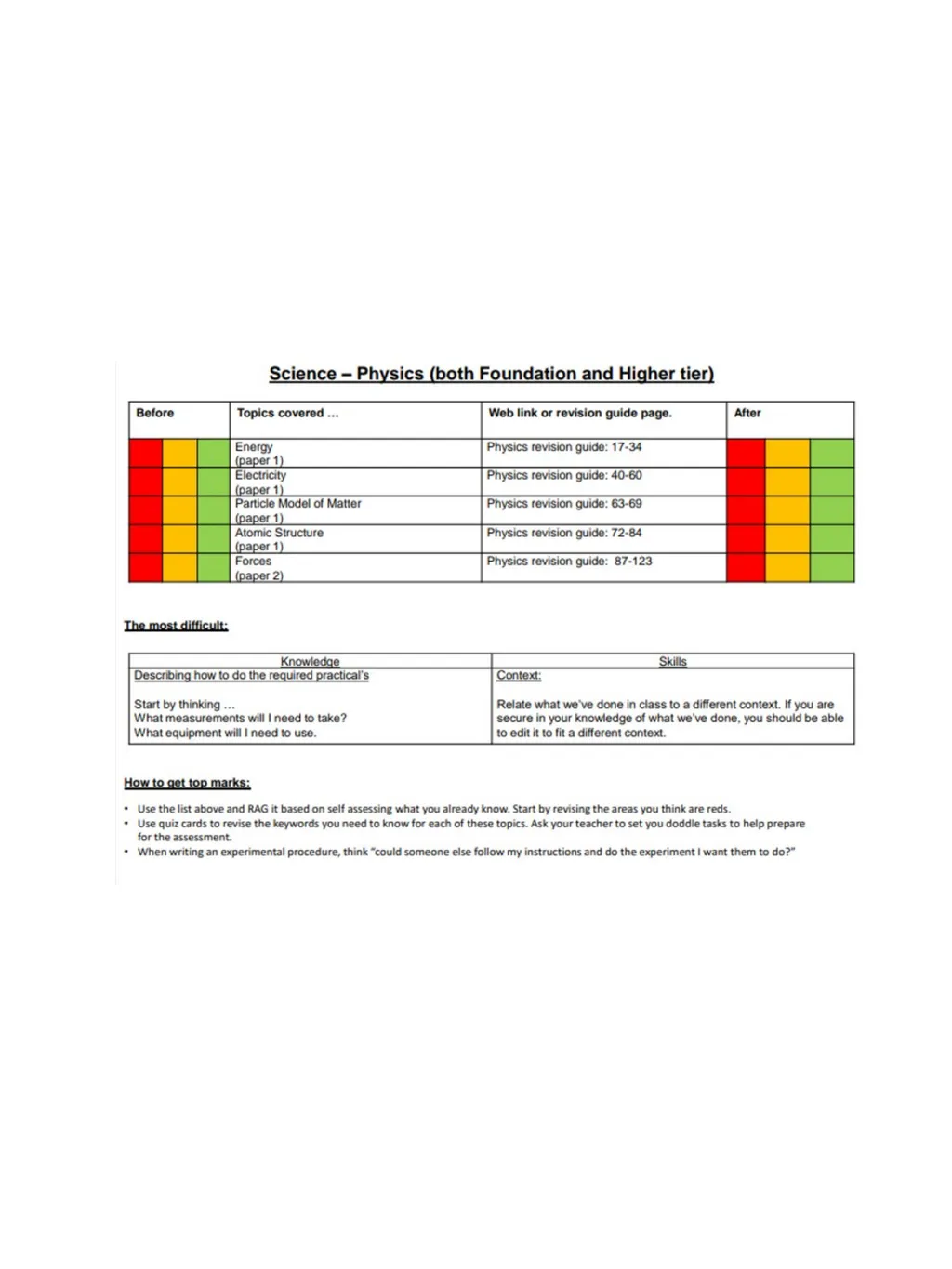
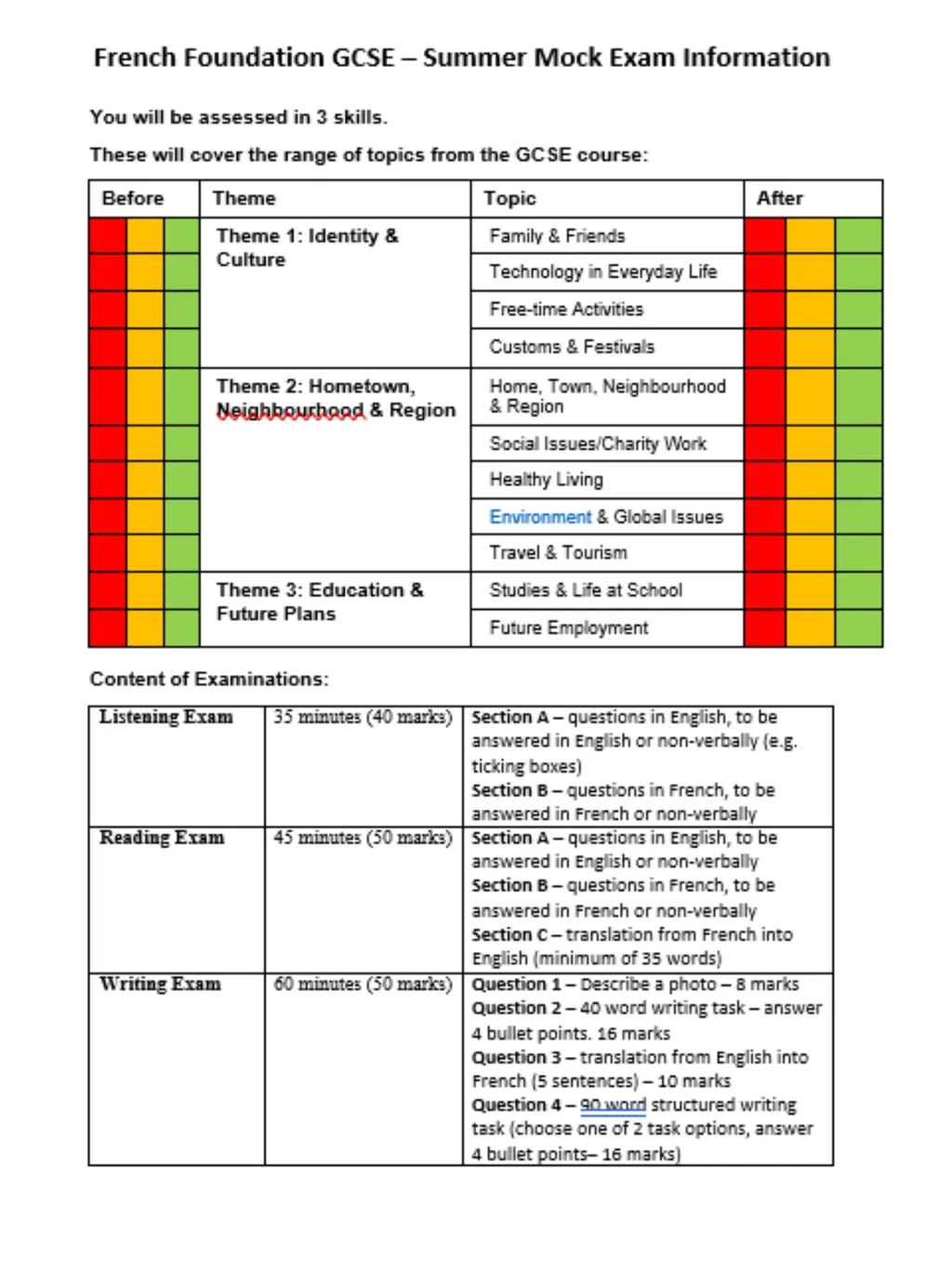
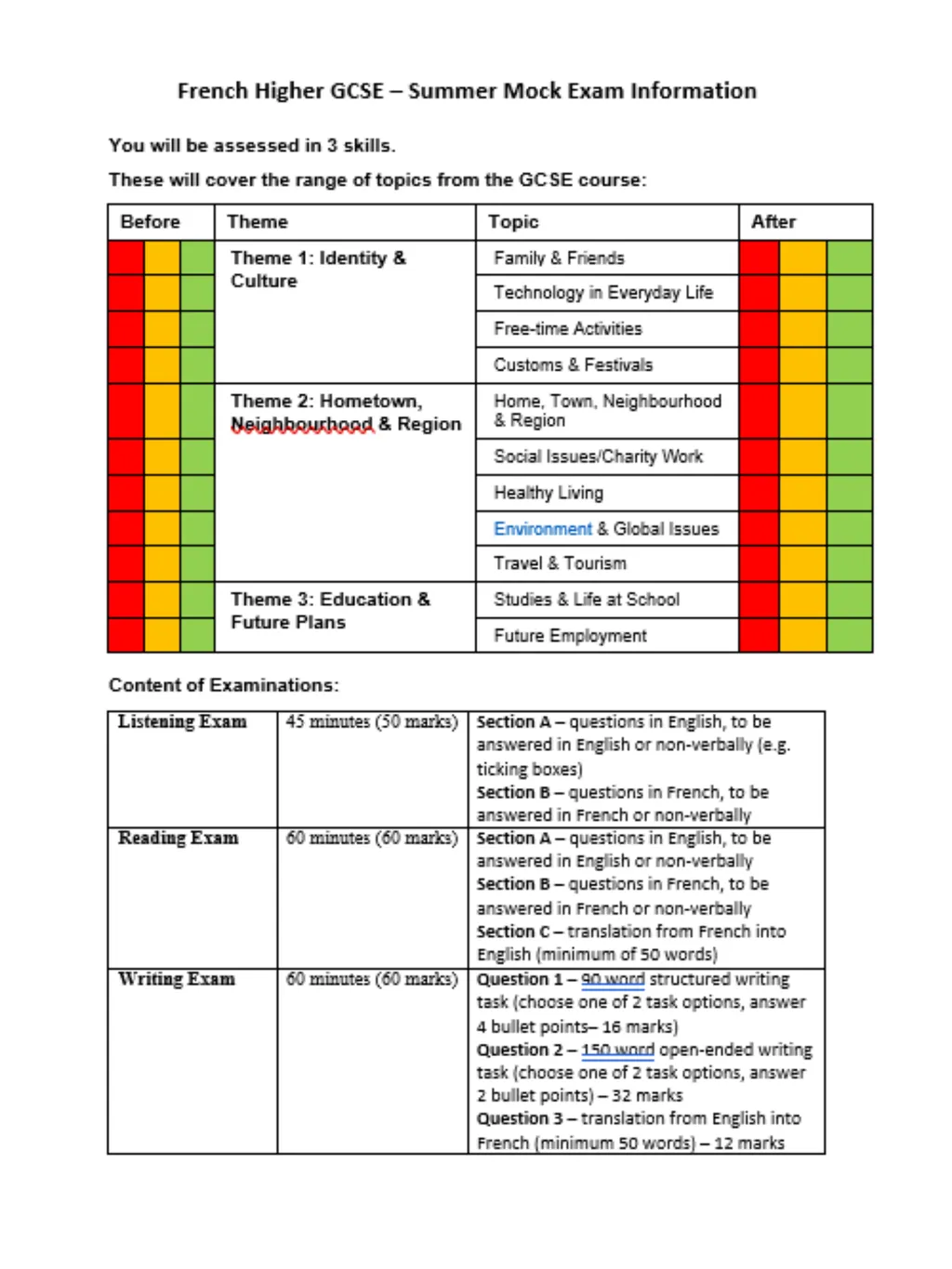
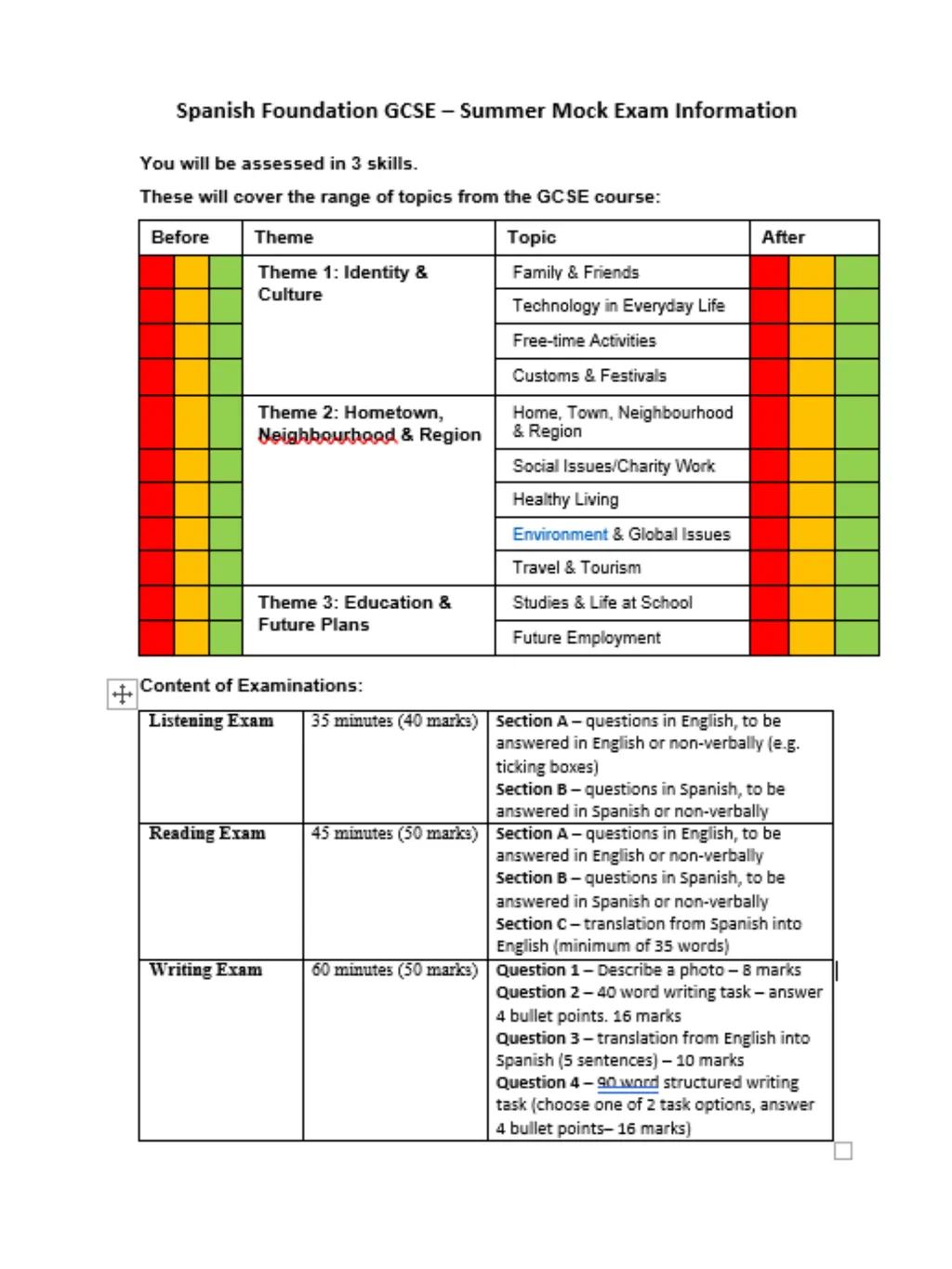
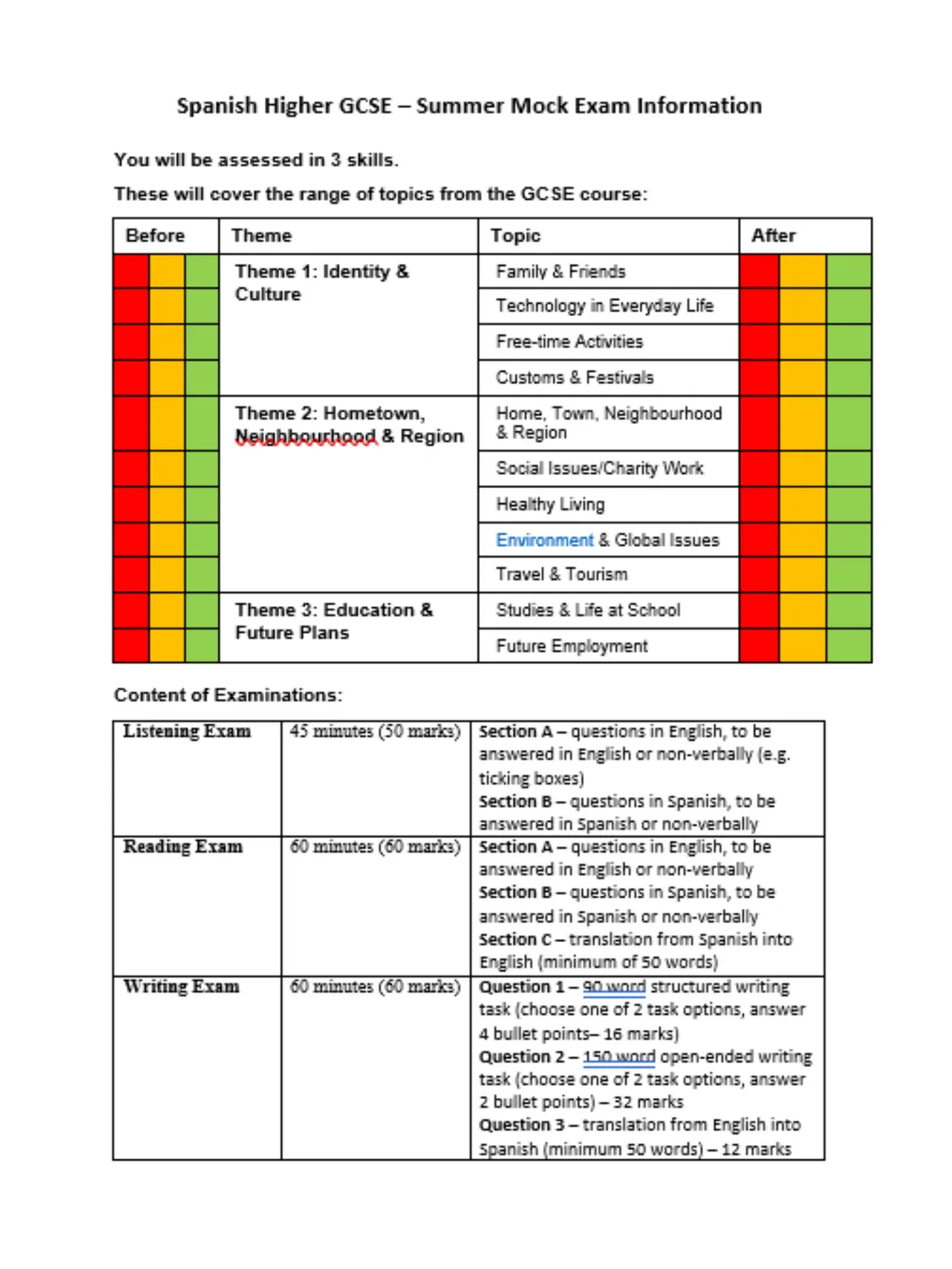
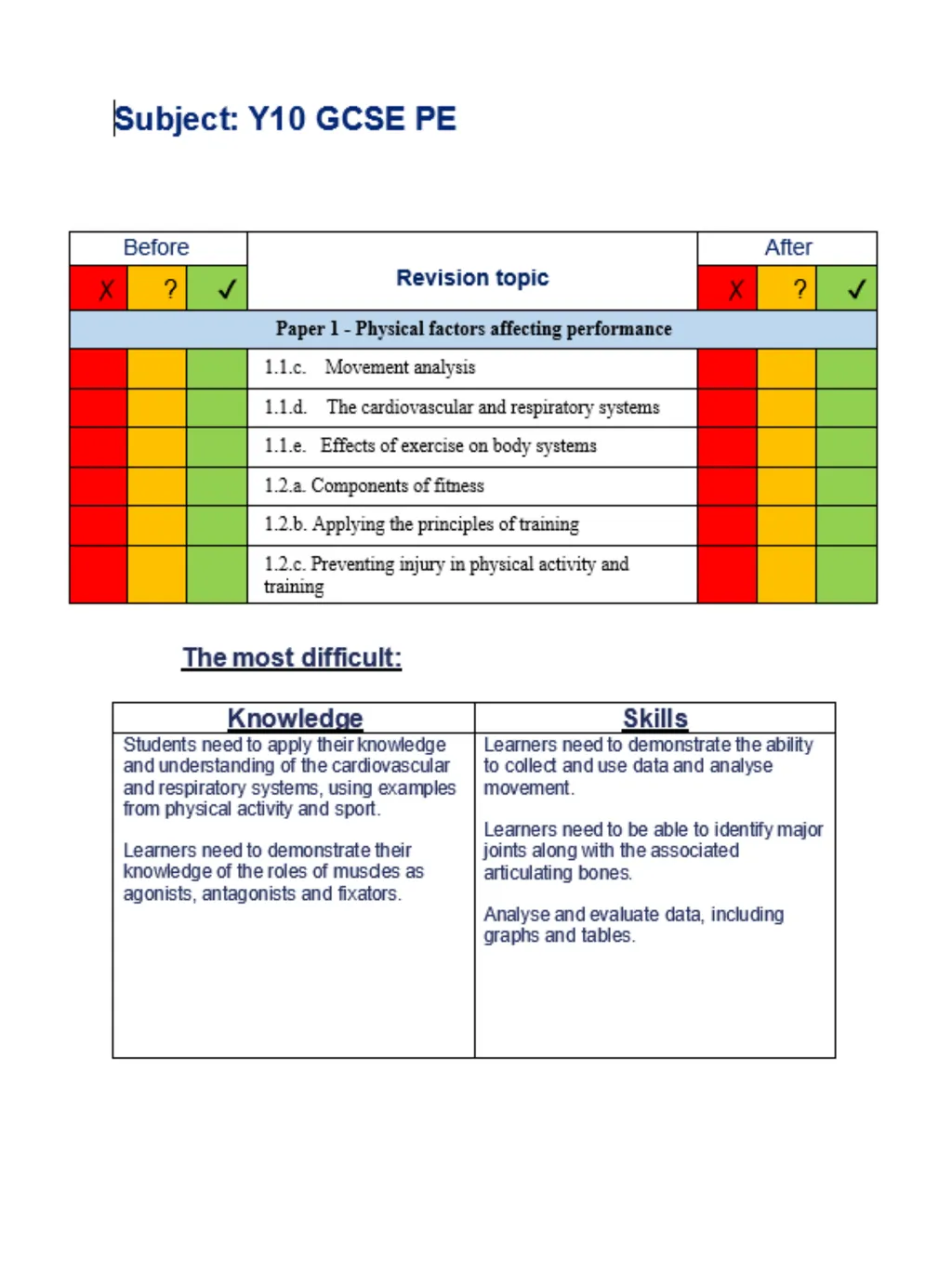
As you revise, rate how confident you feel about your knowledge, before and after your revision by ticking the box. If you are still Amber or Red after revising, you should ask your teacher for extra clarification on that sub topic.
Your assessments will be conducted in your classrooms.
During your assessment week you will be completing normal curriculum lessons when not completing assessments. Therefore, please bring your normal books and equipment each day so you are ready to continue your learning.
To each assessment please make sure you bring:
Pens (black)
Pencils
Rubber
Pencil sharpener
Scientific calculator
30 cm ruler
Protractor
Set of compasses<br>
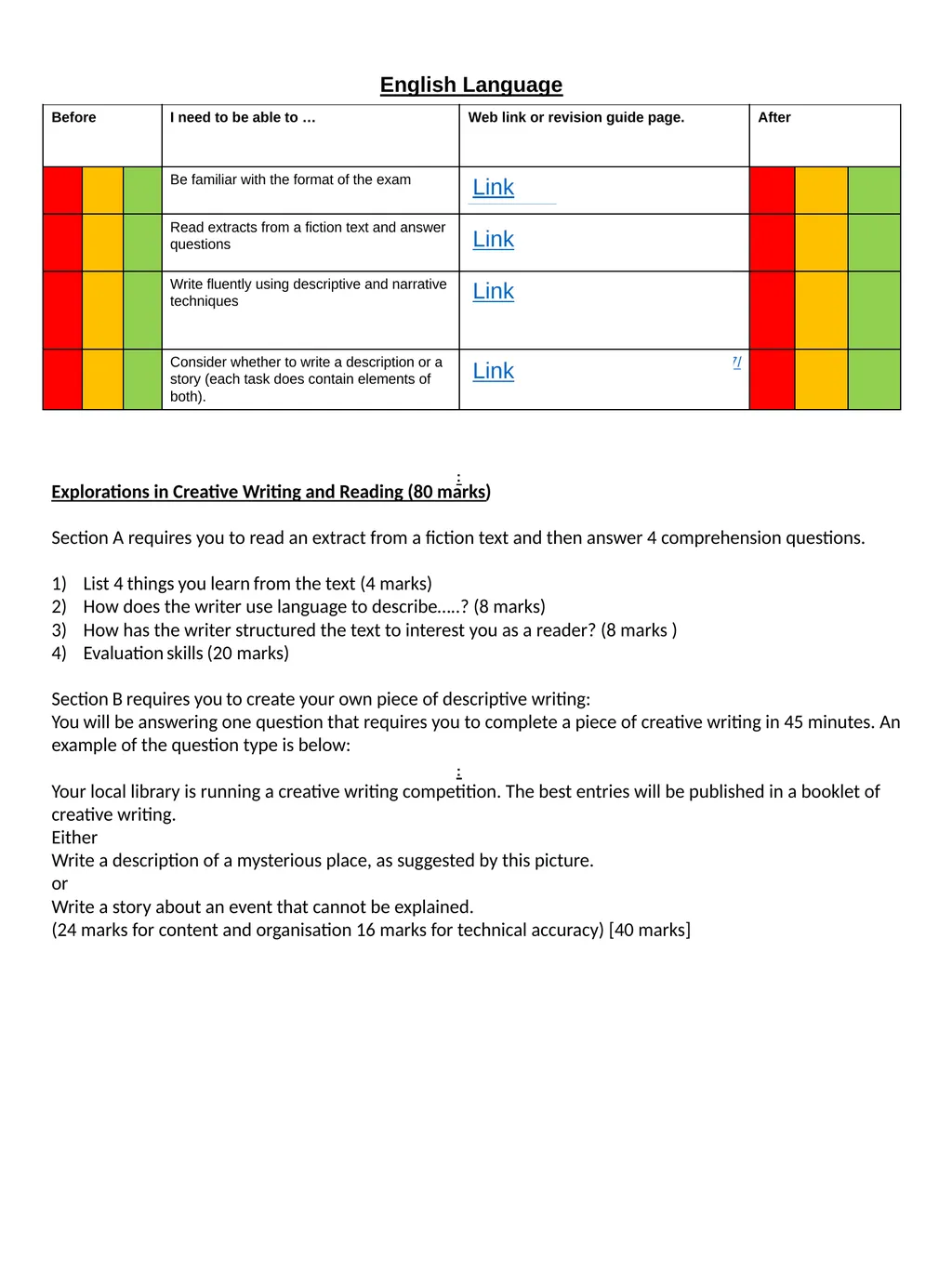
slide4. Link Link Link Link<br>
slide5. The most difficult:
How to get top marks:
Bring all your maths equipment to each paper, including pen, pencil, ruler, protractor and a calculator for paper 2 and 3.
Be able to answer exam style questions.
Read the question, have you answered what it has asked you to do?
Include all of your working.
Use resources like
Corbett Maths - https://corbettmaths.com/contents/
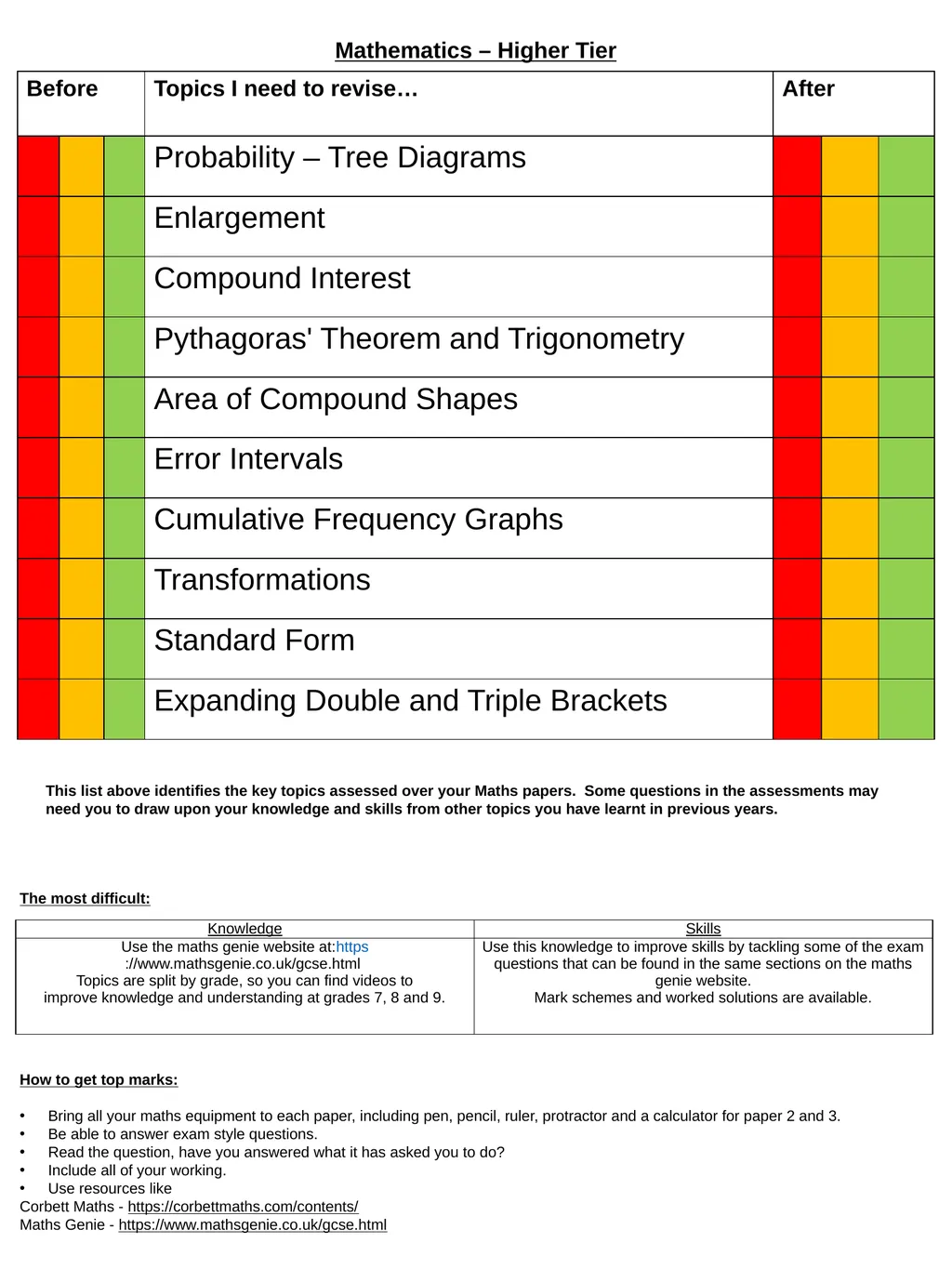
Maths Genie - https://www.mathsgenie.co.uk/gcse.html Mathematics – Higher Tier
This list above identifies the key topics assessed over your Maths papers. Some questions in the assessments may need you to draw upon your knowledge and skills from other topics you have learnt in previous years.<br>
slide6. The most difficult:
How to get top marks:
Bring all your maths equipment to each paper, including pen, pencil, ruler, protractor and a calculator for paper 2 and 3.
Be able to answer exam style questions.
Read the question, have you answered what it has asked you to do?
Include all of your working.
Use resources like
Corbett Maths - https://corbettmaths.com/contents/
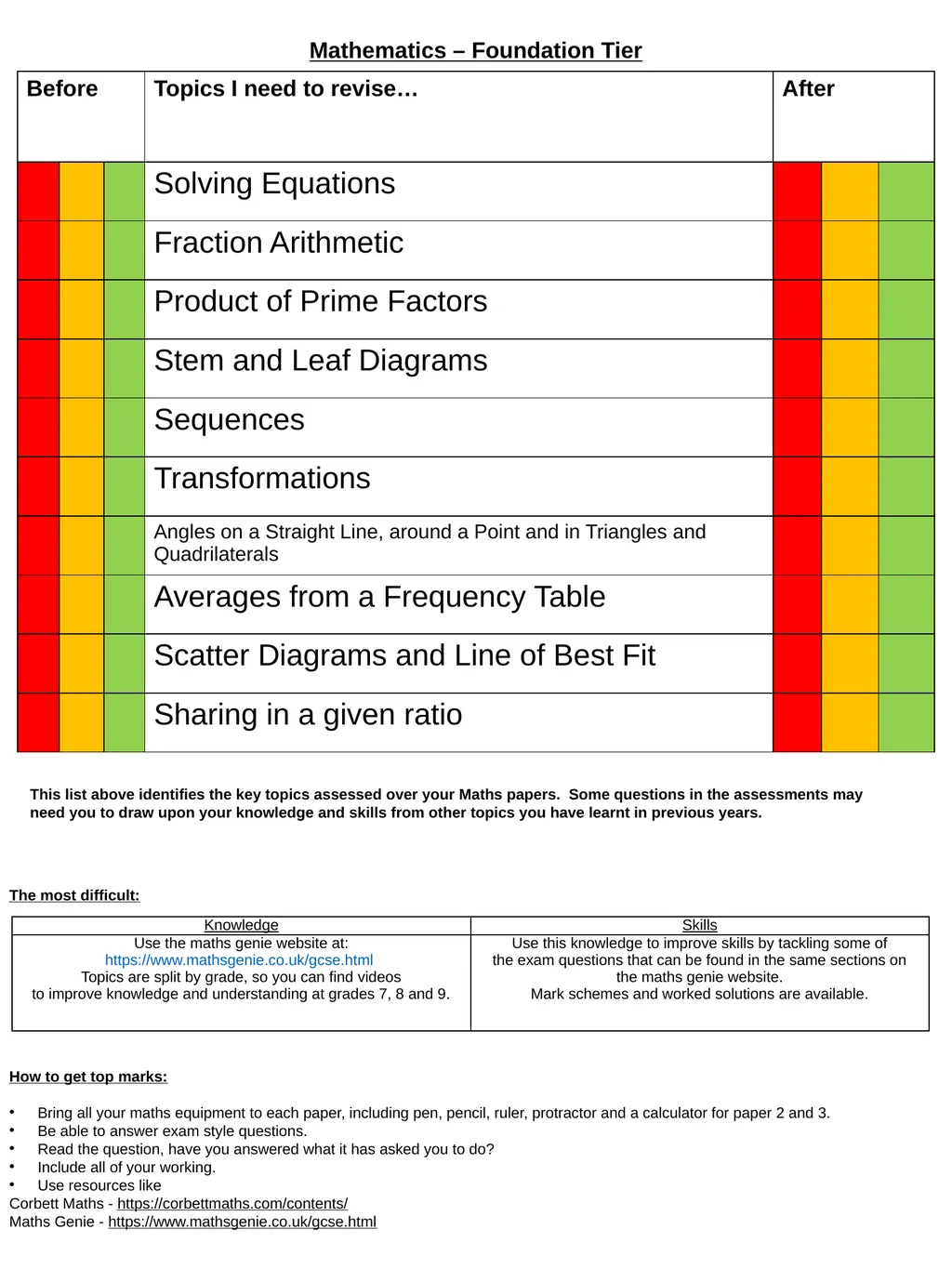
Maths Genie - https://www.mathsgenie.co.uk/gcse.html Mathematics – Foundation Tier
This list above identifies the key topics assessed over your Maths papers. Some questions in the assessments may need you to draw upon your knowledge and skills from other topics you have learnt in previous years.<br>
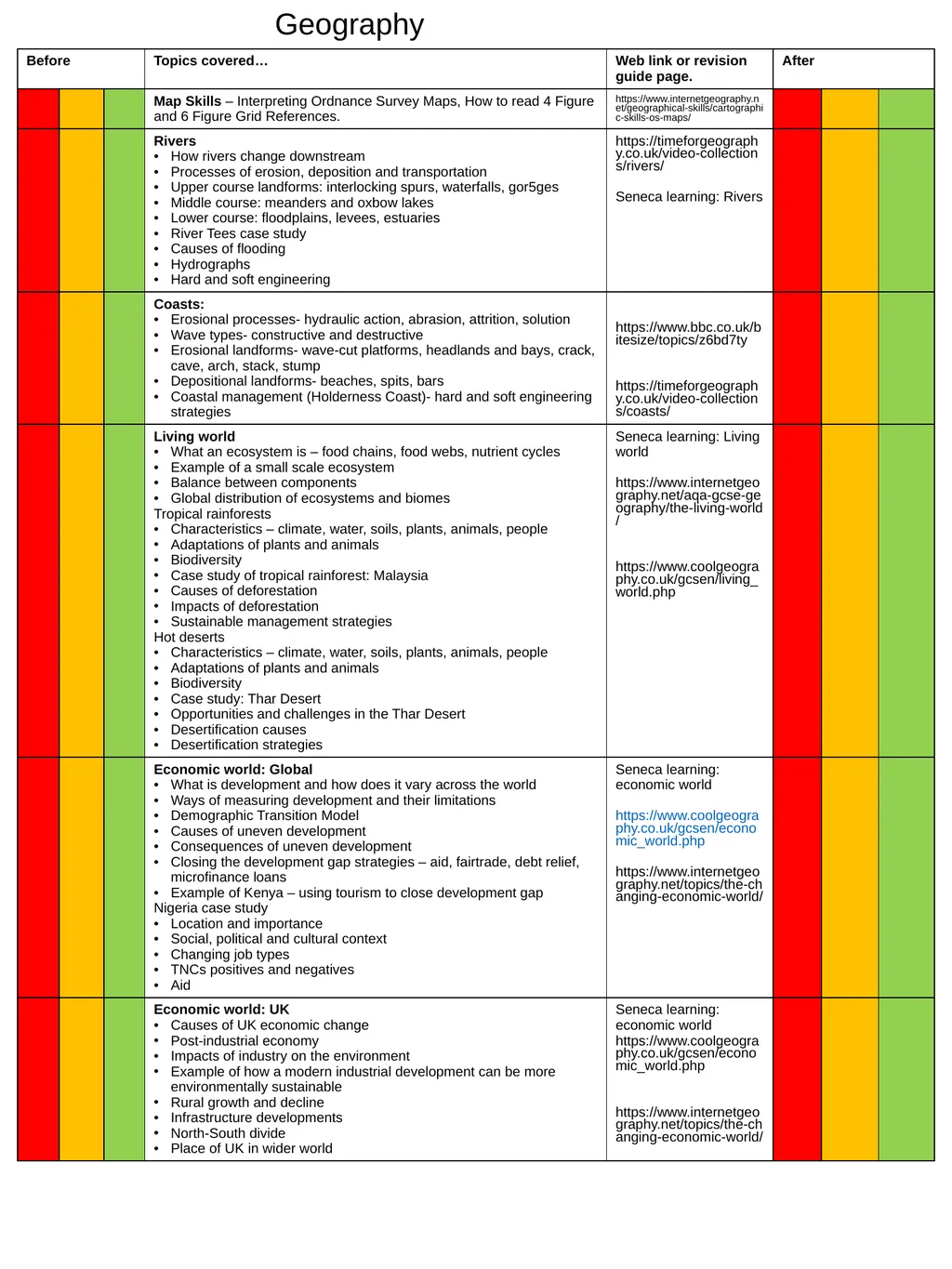
slide10. Geography<br>
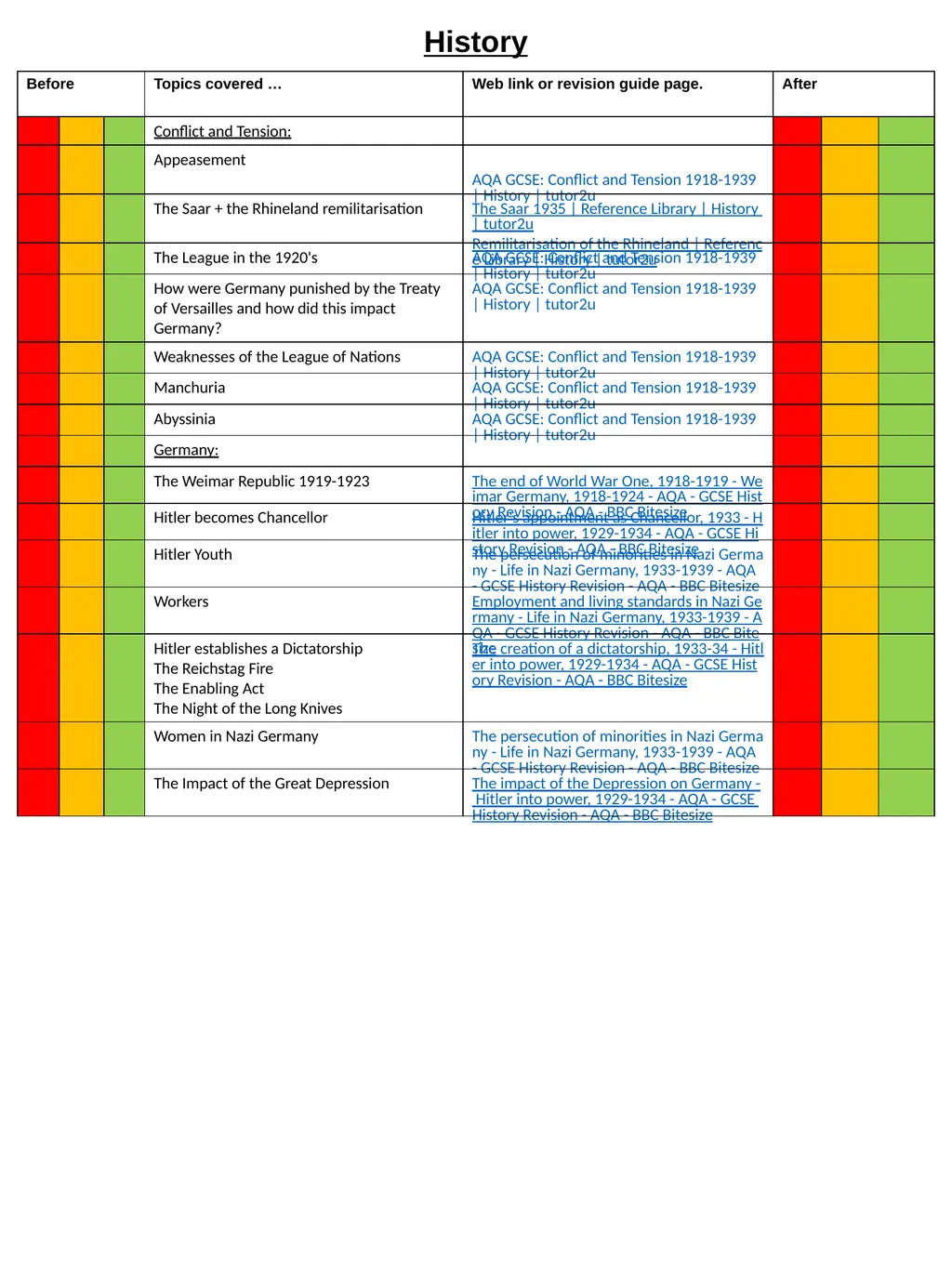
slide11. History<br>
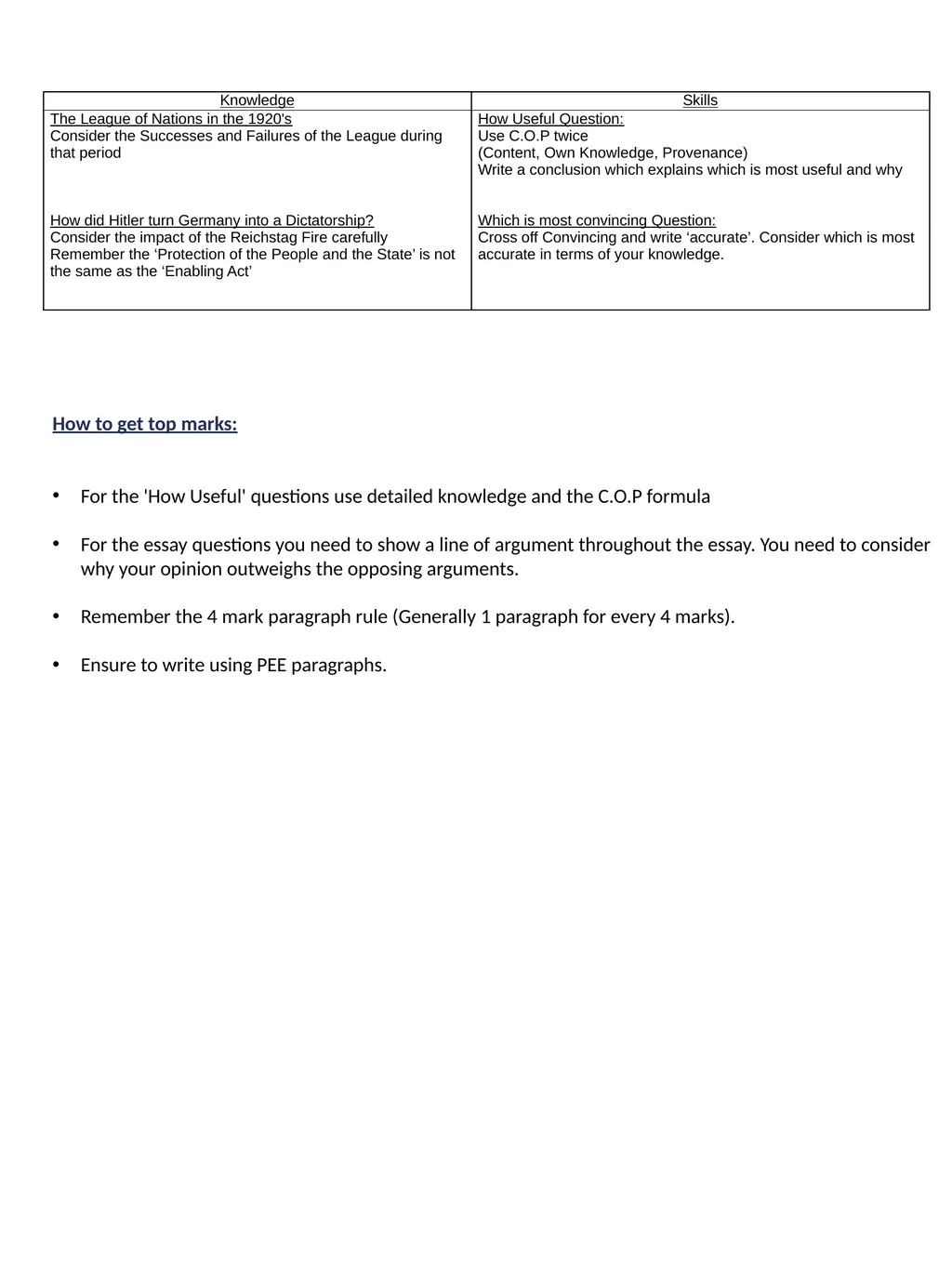
slide12. How to get top marks:
For the 'How Useful' questions use detailed knowledge and the C.O.P formula
For the essay questions you need to show a line of argument throughout the essay. You need to consider why your opinion outweighs the opposing arguments.
Remember the 4 mark paragraph rule (Generally 1 paragraph for every 4 marks).
Ensure to write using PEE paragraphs.<br>
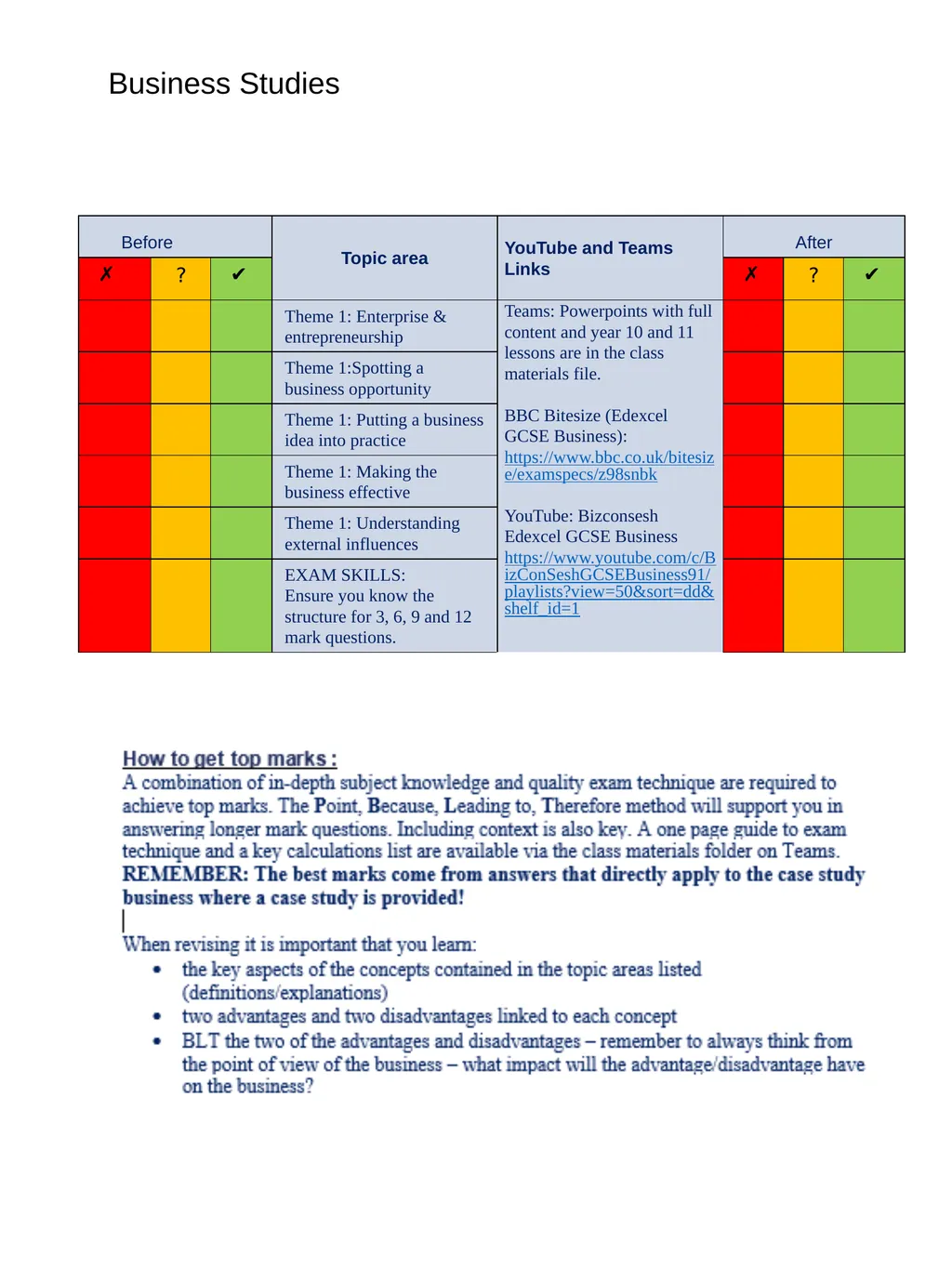
slide26. Business Studies<br>
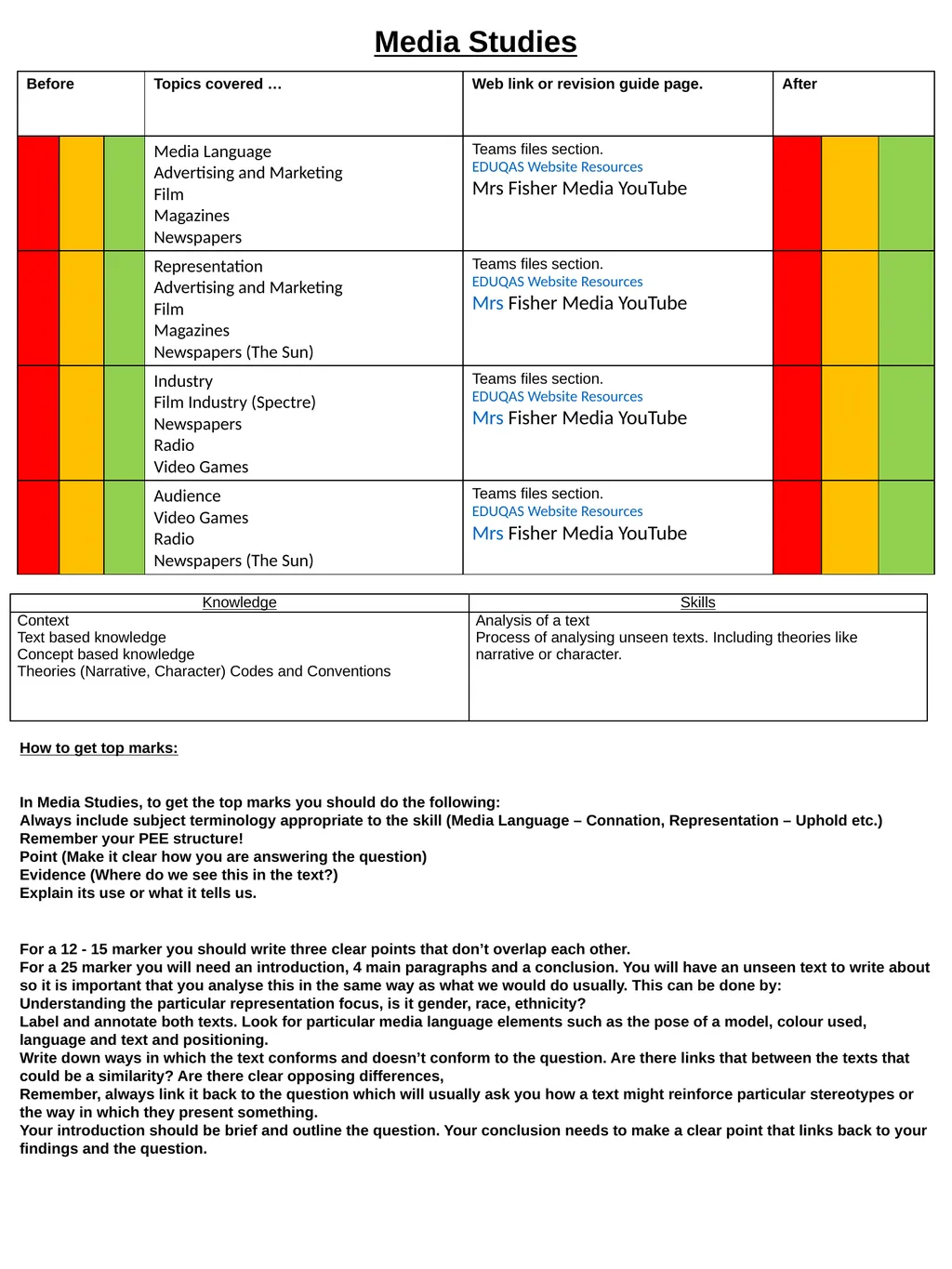
slide27. How to get top marks:
In Media Studies, to get the top marks you should do the following:
Always include subject terminology appropriate to the skill (Media Language – Connation, Representation – Uphold etc.)
Remember your PEE structure!
Point (Make it clear how you are answering the question)
Evidence (Where do we see this in the text?)
Explain its use or what it tells us.
For a 12 - 15 marker you should write three clear points that don’t overlap each other.
For a 25 marker you will need an introduction, 4 main paragraphs and a conclusion. You will have an unseen text to write about so it is important that you analyse this in the same way as what we would do usually. This can be done by:
Understanding the particular representation focus, is it gender, race, ethnicity?
Label and annotate both texts. Look for particular media language elements such as the pose of a model, colour used, language and text and positioning.
Write down ways in which the text conforms and doesn’t conform to the question. Are there links that between the texts that could be a similarity? Are there clear opposing differences,
Remember, always link it back to the question which will usually ask you how a text might reinforce particular stereotypes or the way in which they present something.
Your introduction should be brief and outline the question. Your conclusion needs to make a clear point that links back to your findings and the question. Media Studies<br>
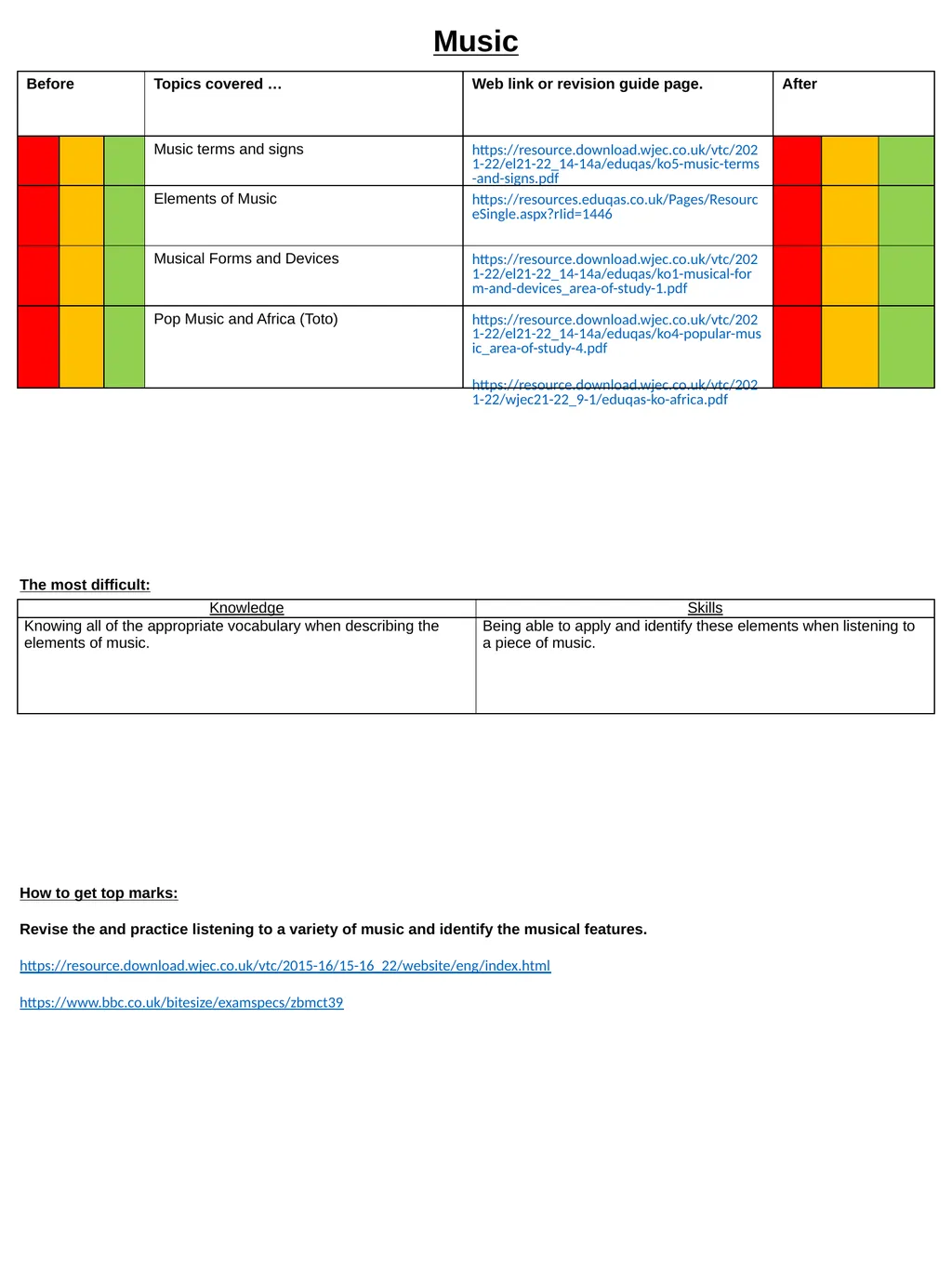
slide28. The most difficult:
How to get top marks:
Revise the and practice listening to a variety of music and identify the musical features.
https://resource.download.wjec.co.uk/vtc/2015-16/15-16_22/website/eng/index.html
https://www.bbc.co.uk/bitesize/examspecs/zbmct39 Music<br>
slide30. How to get top marks:
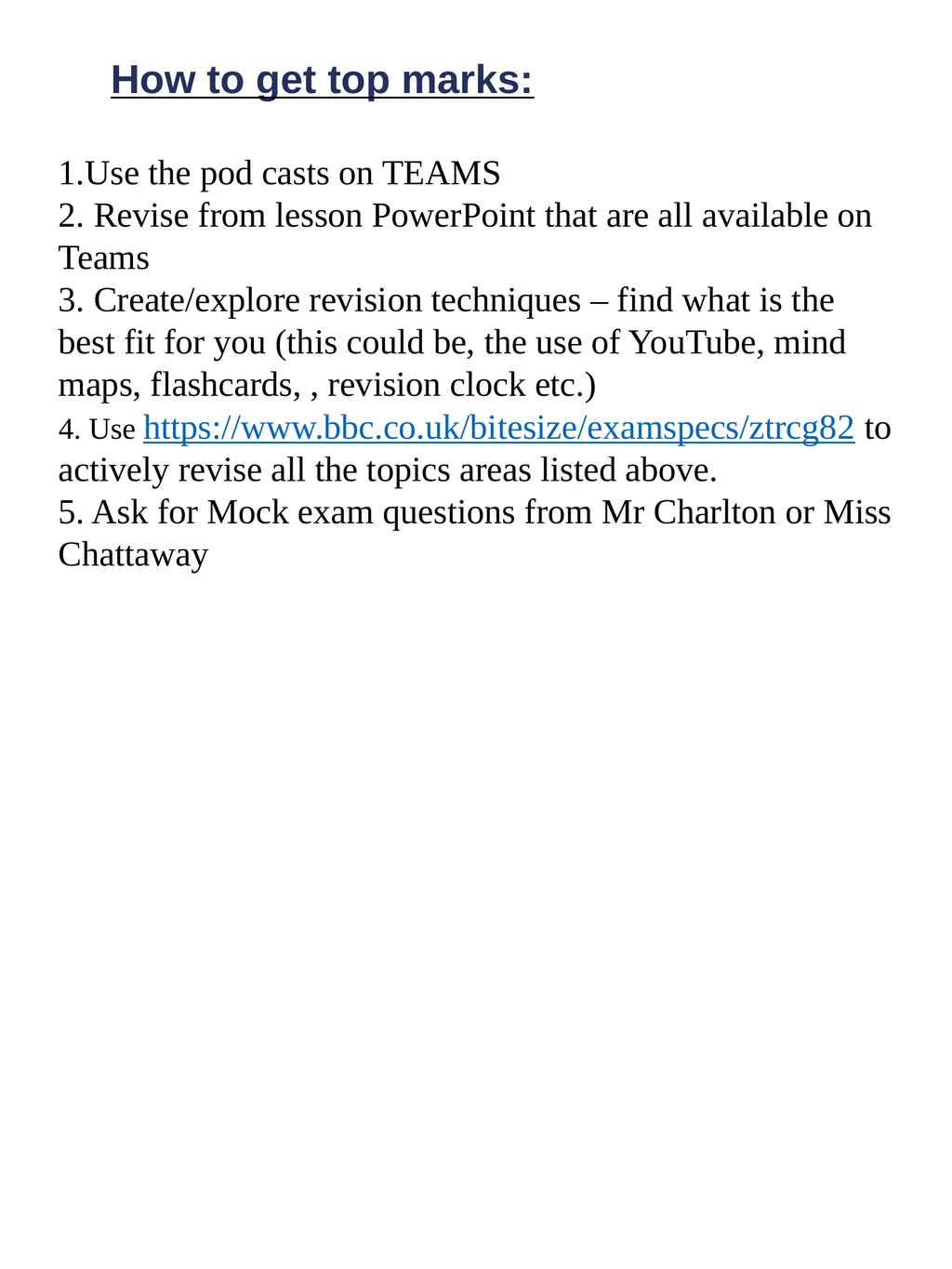
1.Use the pod casts on TEAMS
2. Revise from lesson PowerPoint that are all available on Teams
3. Create/explore revision techniques – find what is the best fit for you (this could be, the use of YouTube, mind maps, flashcards, , revision clock etc.)
4. Use https://www.bbc.co.uk/bitesize/examspecs/ztrcg82 to actively revise all the topics areas listed above.
5. Ask for Mock exam questions from Mr Charlton or Miss Chattaway<br>
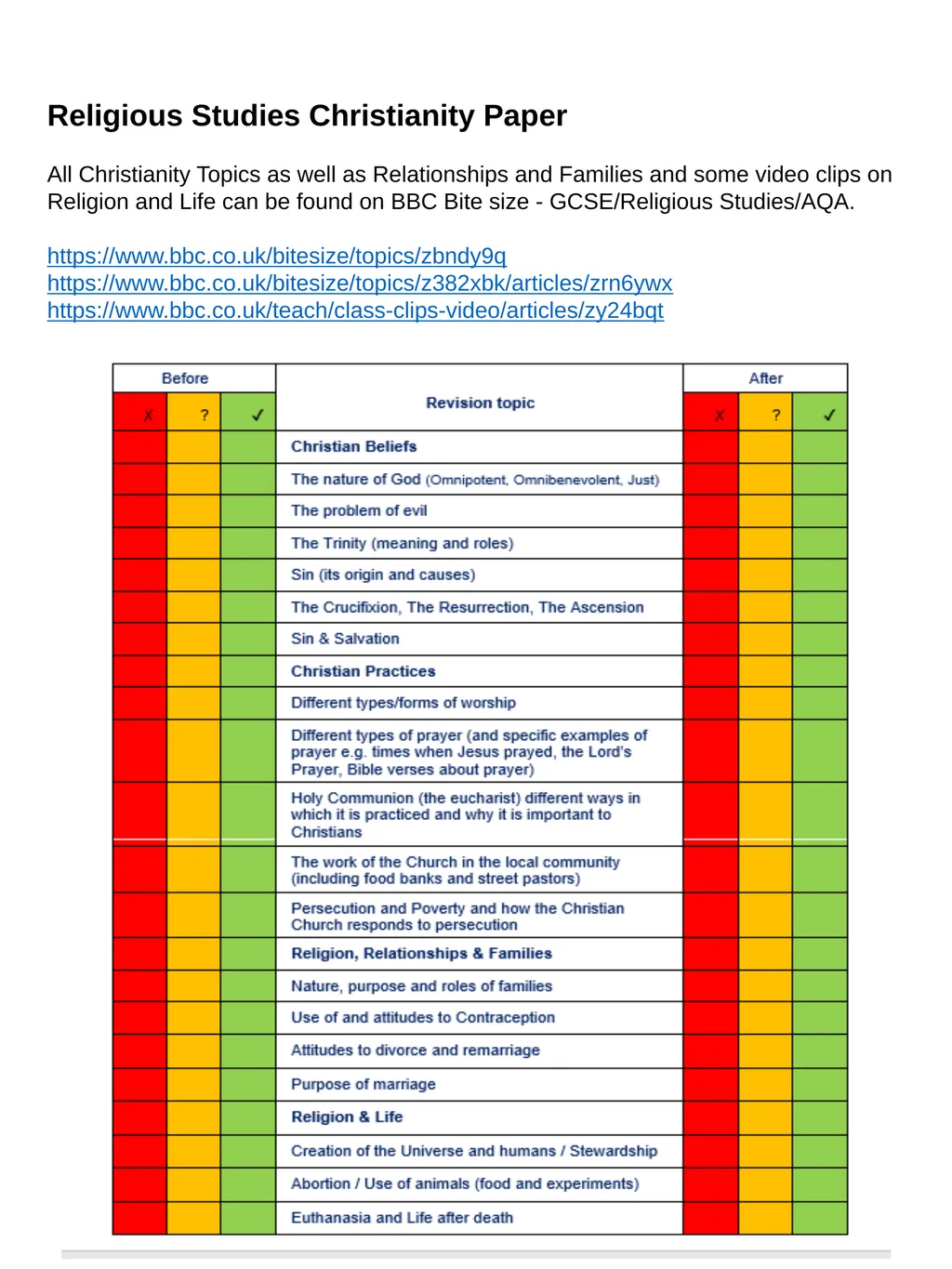
slide31. Religious Studies Christianity Paper
All Christianity Topics as well as Relationships and Families and some video clips on Religion and Life can be found on BBC Bite size - GCSE/Religious Studies/AQA.
https://www.bbc.co.uk/bitesize/topics/zbndy9q
https://www.bbc.co.uk/bitesize/topics/z382xbk/articles/zrn6ywx
https://www.bbc.co.uk/teach/class-clips-video/articles/zy24bqt<br>
slide32. The most difficult:
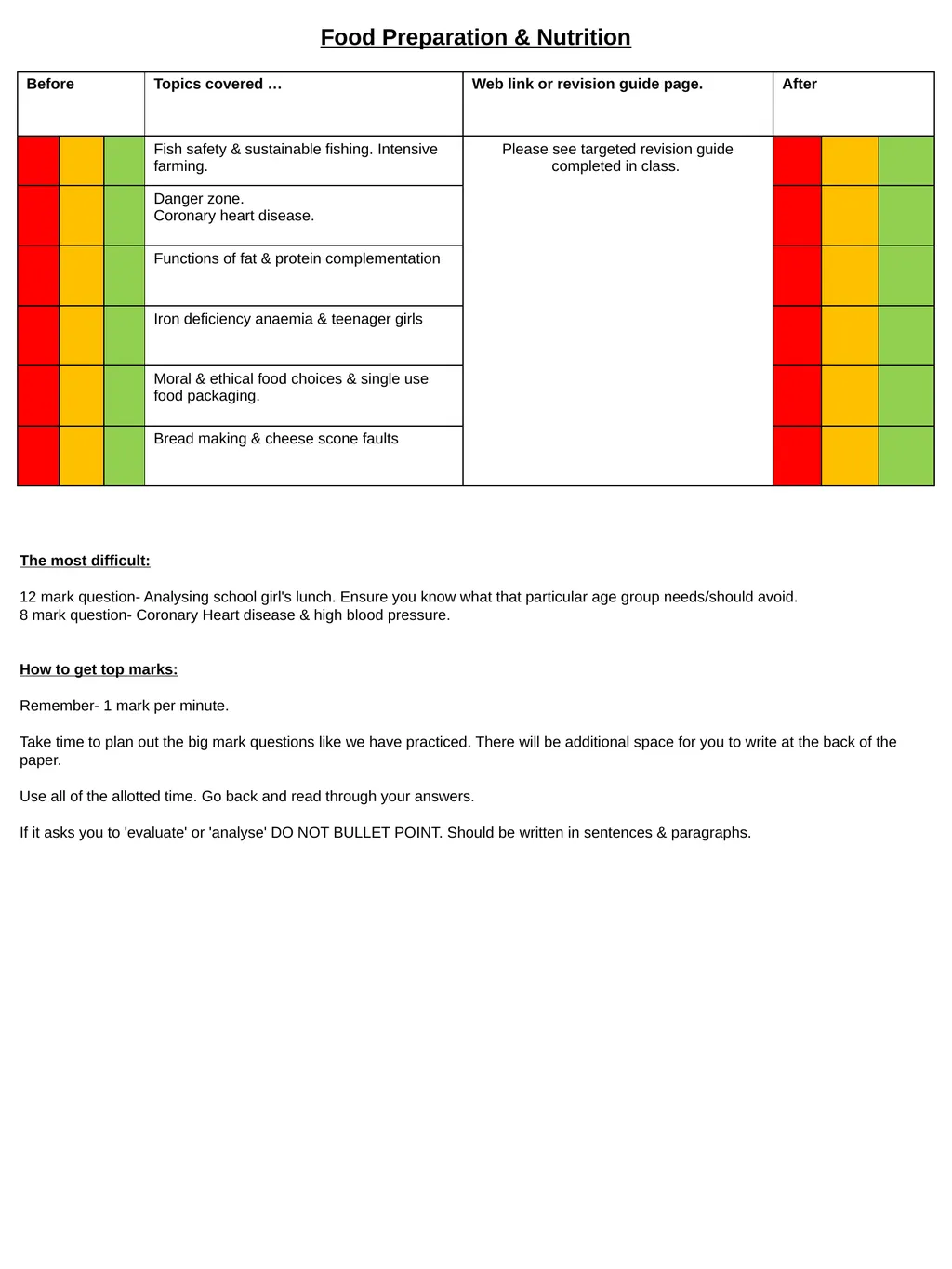
12 mark question- Analysing school girl's lunch. Ensure you know what that particular age group needs/should avoid.
8 mark question- Coronary Heart disease & high blood pressure.
How to get top marks:
Remember- 1 mark per minute.
Take time to plan out the big mark questions like we have practiced. There will be additional space for you to write at the back of the paper.
Use all of the allotted time. Go back and read through your answers.
If it asks you to 'evaluate' or 'analyse' DO NOT BULLET POINT. Should be written in sentences & paragraphs. Food Preparation & Nutrition<br>
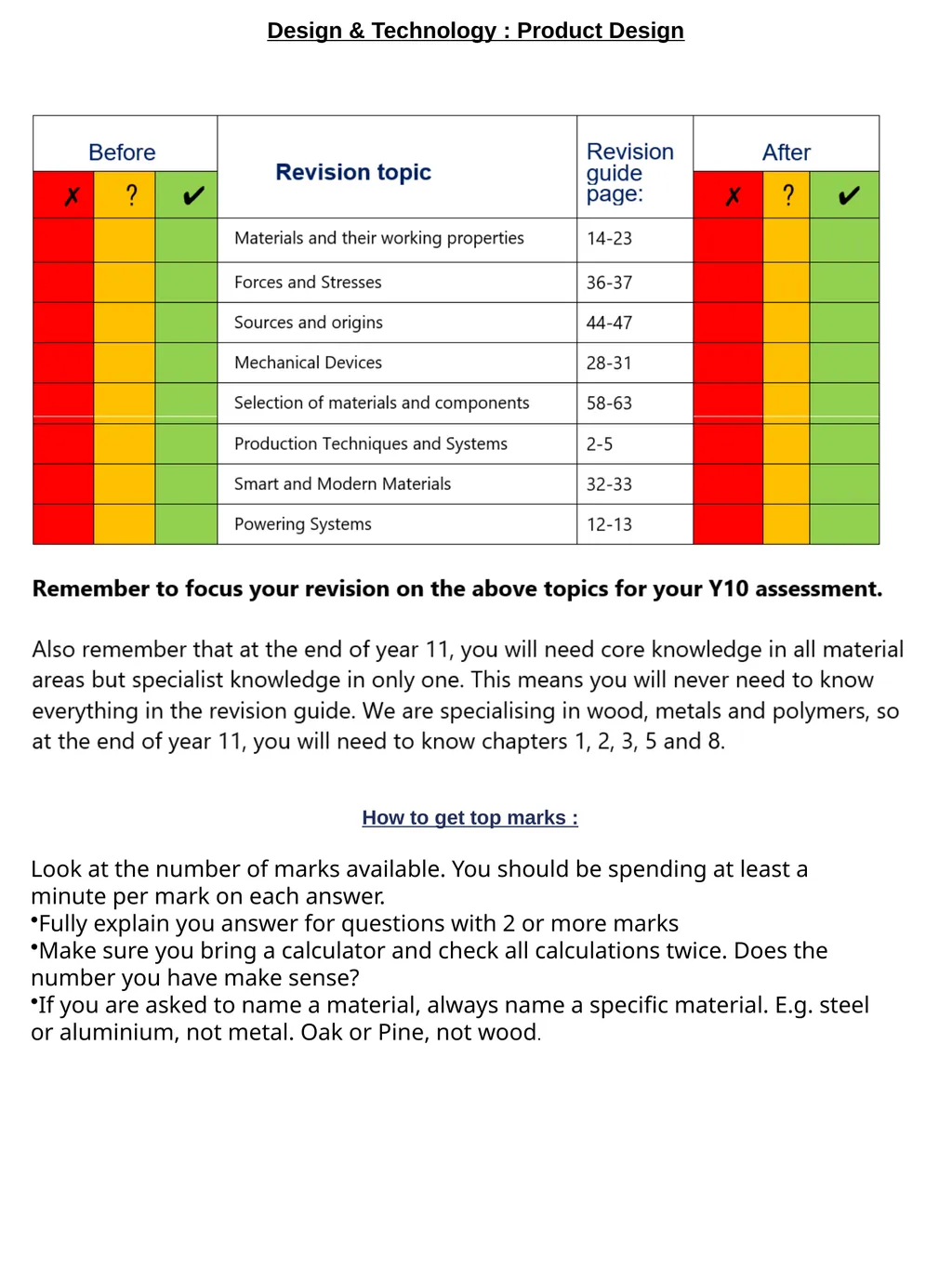
slide33. Design & Technology : Product Design How to get top marks : Look at the number of marks available. You should be spending at least a minute per mark on each answer.
Fully explain you answer for questions with 2 or more marks
Make sure you bring a calculator and check all calculations twice. Does the number you have make sense?
If you are asked to name a material, always name a specific material. E.g. steel or aluminium, not metal. Oak or Pine, not wood.<br>
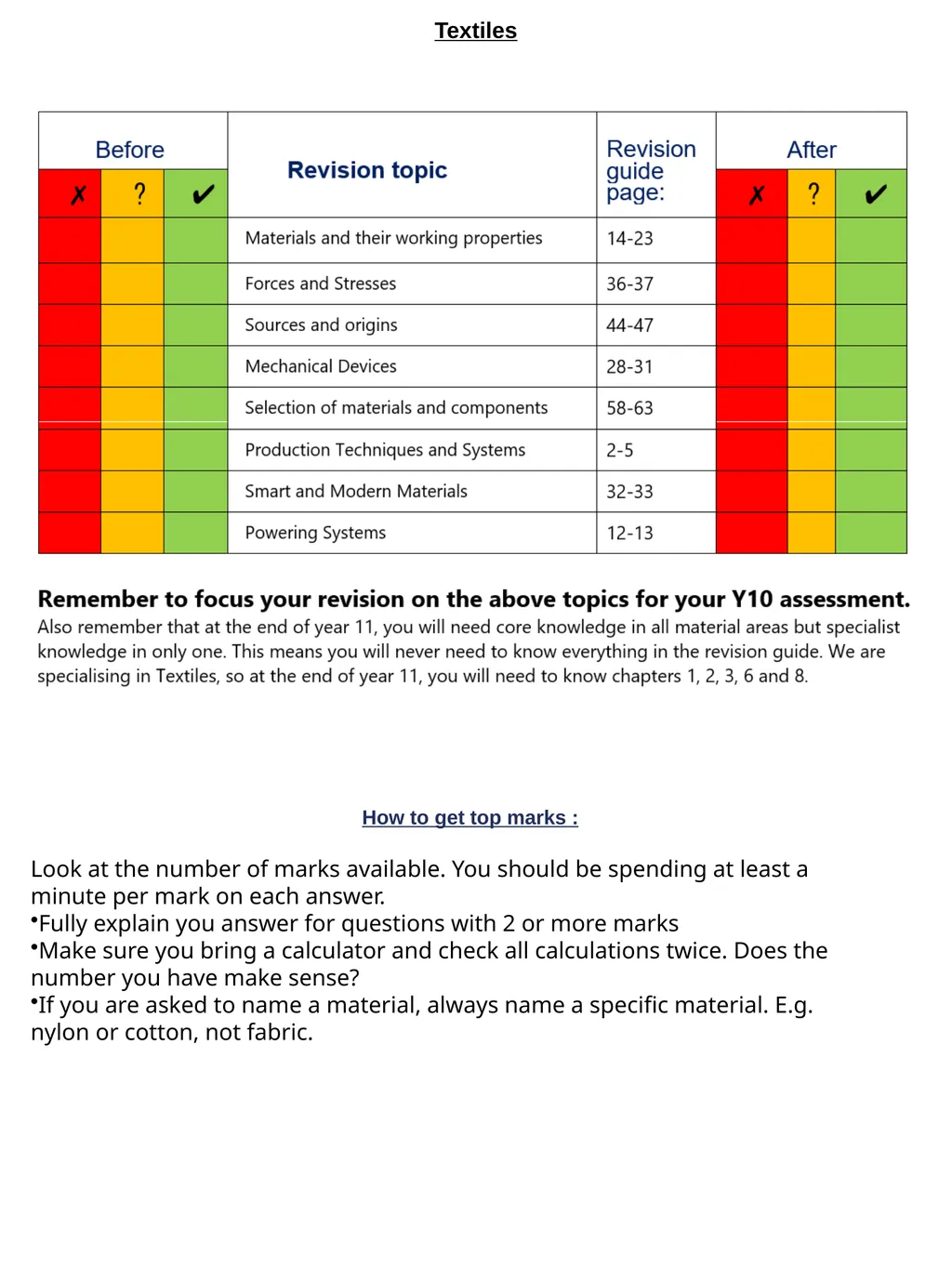
slide34. Textiles How to get top marks : Look at the number of marks available. You should be spending at least a minute per mark on each answer.
Fully explain you answer for questions with 2 or more marks
Make sure you bring a calculator and check all calculations twice. Does the number you have make sense?
If you are asked to name a material, always name a specific material. E.g. nylon or cotton, not fabric.<br>

June Assessment Revision Guide<br>
slide2. Revision Habits At Benton Park, we believe in 5 keystone revision activities that support knowledge retrieval and having fun with your revision.
Mindmapping
Flashcards
Quizzing
Model essay plans
Timed Practice
For each of the topics you should try and use the activities above to help you recall the information you need for you exams.
Here are some helpful things to remember about how to utilise these activities<br>
slide3. Assessment timetable and topics Your assessment timetable is available on the school website. The subsequent pages list the key topics covered within your assessments. These are given to help you to plan your revision. Where appropriate, your teachers have directed you towards specific pages within the revision guides purchasable from school through ParentPay. Where appropriate, your teachers have also directed you towards specific websites on the internet.
As you revise, rate how confident you feel about your knowledge, before and after your revision by ticking the box. If you are still Amber or Red after revising, you should ask your teacher for extra clarification on that sub topic.
Your assessments will be conducted in your classrooms.
During your assessment week you will be completing normal curriculum lessons when not completing assessments. Therefore, please bring your normal books and equipment each day so you are ready to continue your learning.
To each assessment please make sure you bring:
Pens (black)
Pencils
Rubber
Pencil sharpener
Scientific calculator
30 cm ruler
Protractor
Set of compasses<br>
slide4. Link Link Link Link<br>
slide5. The most difficult:
How to get top marks:
Bring all your maths equipment to each paper, including pen, pencil, ruler, protractor and a calculator for paper 2 and 3.
Be able to answer exam style questions.
Read the question, have you answered what it has asked you to do?
Include all of your working.
Use resources like
Corbett Maths - https://corbettmaths.com/contents/
Maths Genie - https://www.mathsgenie.co.uk/gcse.html Mathematics – Higher Tier
This list above identifies the key topics assessed over your Maths papers. Some questions in the assessments may need you to draw upon your knowledge and skills from other topics you have learnt in previous years.<br>
slide6. The most difficult:
How to get top marks:
Bring all your maths equipment to each paper, including pen, pencil, ruler, protractor and a calculator for paper 2 and 3.
Be able to answer exam style questions.
Read the question, have you answered what it has asked you to do?
Include all of your working.
Use resources like
Corbett Maths - https://corbettmaths.com/contents/
Maths Genie - https://www.mathsgenie.co.uk/gcse.html Mathematics – Foundation Tier
This list above identifies the key topics assessed over your Maths papers. Some questions in the assessments may need you to draw upon your knowledge and skills from other topics you have learnt in previous years.<br>
slide10. Geography<br>
slide11. History<br>
slide12. How to get top marks:
For the 'How Useful' questions use detailed knowledge and the C.O.P formula
For the essay questions you need to show a line of argument throughout the essay. You need to consider why your opinion outweighs the opposing arguments.
Remember the 4 mark paragraph rule (Generally 1 paragraph for every 4 marks).
Ensure to write using PEE paragraphs.<br>
slide26. Business Studies<br>
slide27. How to get top marks:
In Media Studies, to get the top marks you should do the following:
Always include subject terminology appropriate to the skill (Media Language – Connation, Representation – Uphold etc.)
Remember your PEE structure!
Point (Make it clear how you are answering the question)
Evidence (Where do we see this in the text?)
Explain its use or what it tells us.
For a 12 - 15 marker you should write three clear points that don’t overlap each other.
For a 25 marker you will need an introduction, 4 main paragraphs and a conclusion. You will have an unseen text to write about so it is important that you analyse this in the same way as what we would do usually. This can be done by:
Understanding the particular representation focus, is it gender, race, ethnicity?
Label and annotate both texts. Look for particular media language elements such as the pose of a model, colour used, language and text and positioning.
Write down ways in which the text conforms and doesn’t conform to the question. Are there links that between the texts that could be a similarity? Are there clear opposing differences,
Remember, always link it back to the question which will usually ask you how a text might reinforce particular stereotypes or the way in which they present something.
Your introduction should be brief and outline the question. Your conclusion needs to make a clear point that links back to your findings and the question. Media Studies<br>
slide28. The most difficult:
How to get top marks:
Revise the and practice listening to a variety of music and identify the musical features.
https://resource.download.wjec.co.uk/vtc/2015-16/15-16_22/website/eng/index.html
https://www.bbc.co.uk/bitesize/examspecs/zbmct39 Music<br>
slide30. How to get top marks:
1.Use the pod casts on TEAMS
2. Revise from lesson PowerPoint that are all available on Teams
3. Create/explore revision techniques – find what is the best fit for you (this could be, the use of YouTube, mind maps, flashcards, , revision clock etc.)
4. Use https://www.bbc.co.uk/bitesize/examspecs/ztrcg82 to actively revise all the topics areas listed above.
5. Ask for Mock exam questions from Mr Charlton or Miss Chattaway<br>
slide31. Religious Studies Christianity Paper
All Christianity Topics as well as Relationships and Families and some video clips on Religion and Life can be found on BBC Bite size - GCSE/Religious Studies/AQA.
https://www.bbc.co.uk/bitesize/topics/zbndy9q
https://www.bbc.co.uk/bitesize/topics/z382xbk/articles/zrn6ywx
https://www.bbc.co.uk/teach/class-clips-video/articles/zy24bqt<br>
slide32. The most difficult:
12 mark question- Analysing school girl's lunch. Ensure you know what that particular age group needs/should avoid.
8 mark question- Coronary Heart disease & high blood pressure.
How to get top marks:
Remember- 1 mark per minute.
Take time to plan out the big mark questions like we have practiced. There will be additional space for you to write at the back of the paper.
Use all of the allotted time. Go back and read through your answers.
If it asks you to 'evaluate' or 'analyse' DO NOT BULLET POINT. Should be written in sentences & paragraphs. Food Preparation & Nutrition<br>
slide33. Design & Technology : Product Design How to get top marks : Look at the number of marks available. You should be spending at least a minute per mark on each answer.
Fully explain you answer for questions with 2 or more marks
Make sure you bring a calculator and check all calculations twice. Does the number you have make sense?
If you are asked to name a material, always name a specific material. E.g. steel or aluminium, not metal. Oak or Pine, not wood.<br>
slide34. Textiles How to get top marks : Look at the number of marks available. You should be spending at least a minute per mark on each answer.
Fully explain you answer for questions with 2 or more marks
Make sure you bring a calculator and check all calculations twice. Does the number you have make sense?
If you are asked to name a material, always name a specific material. E.g. nylon or cotton, not fabric.<br>