
1 Psychological Flexibility Present Moment
JO
Published · 34 slides · 0 views
1 / 1
Description
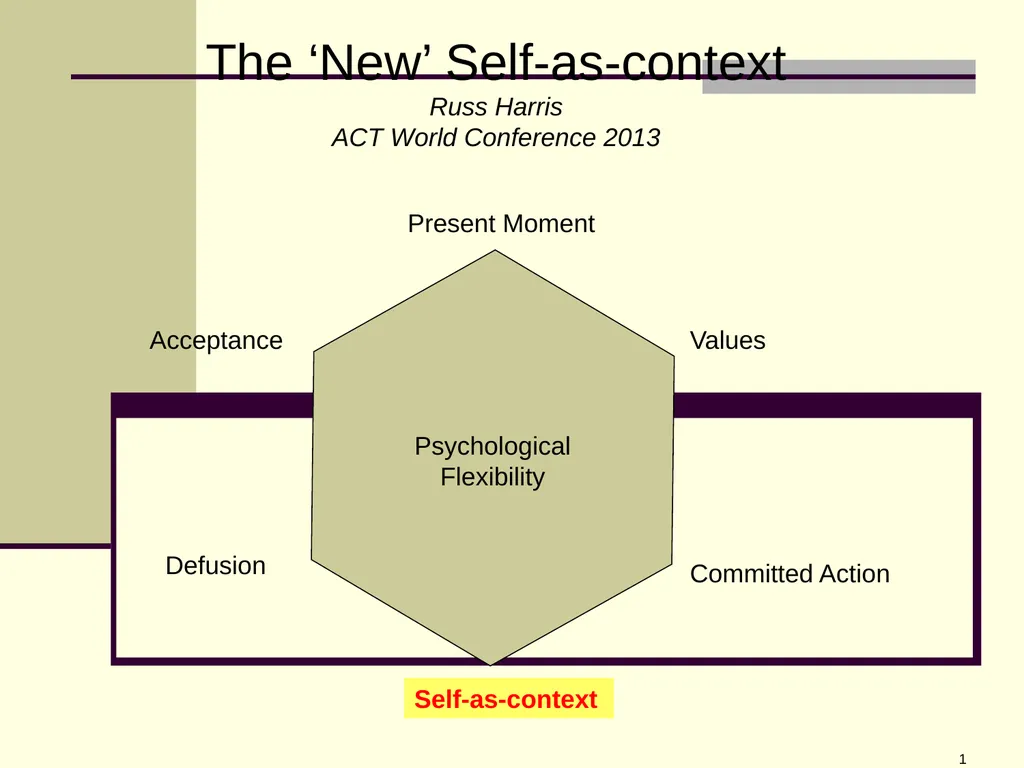
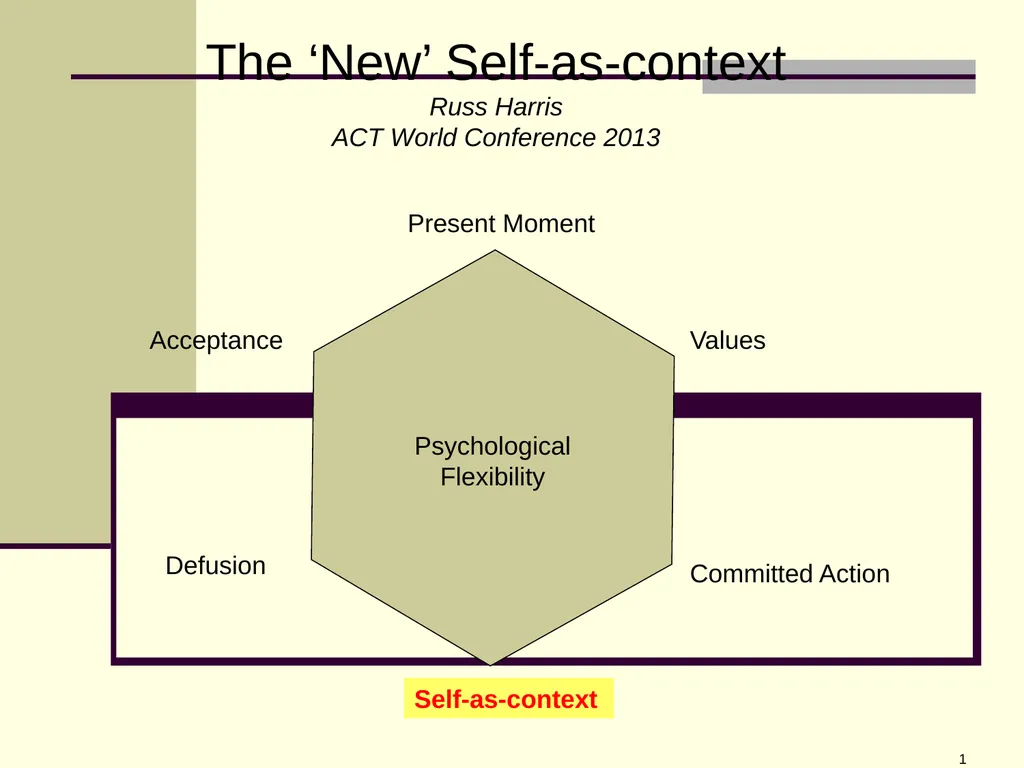
1 Psychological Flexibility Present Moment Defusion Acceptance Values Committed Action Self-as-context 1 The New Self-as-context Russ Harris ACT World Conference 2013 2 FEELINGS THOUGHTS SMELL TASTE TOUCH HEAR SEE PAIN MEMORY FEELING
Related Topics
Share
Embed code
Download this presentation From Below
"1 Psychological Flexibility Present Moment" is the property of its rightful owner. Permission is granted to download and print the materials on this website for personal, non-commercial use only, and to display it on your personal computer provided you do not modify the materials and that you retain all copyright notices contained in the materials. By downloading content from our website, you accept the terms of this agreement.
Presentation Transcript
01
1 Psychological
Flexibility Present Moment Defusion Acceptance Values Committed Action Self-as-context 1 The ‘New’ Self-as-context Russ Harris
ACT World Conference 2013<br>
Flexibility Present Moment Defusion Acceptance Values Committed Action Self-as-context 1 The ‘New’ Self-as-context Russ Harris
ACT World Conference 2013<br>
02
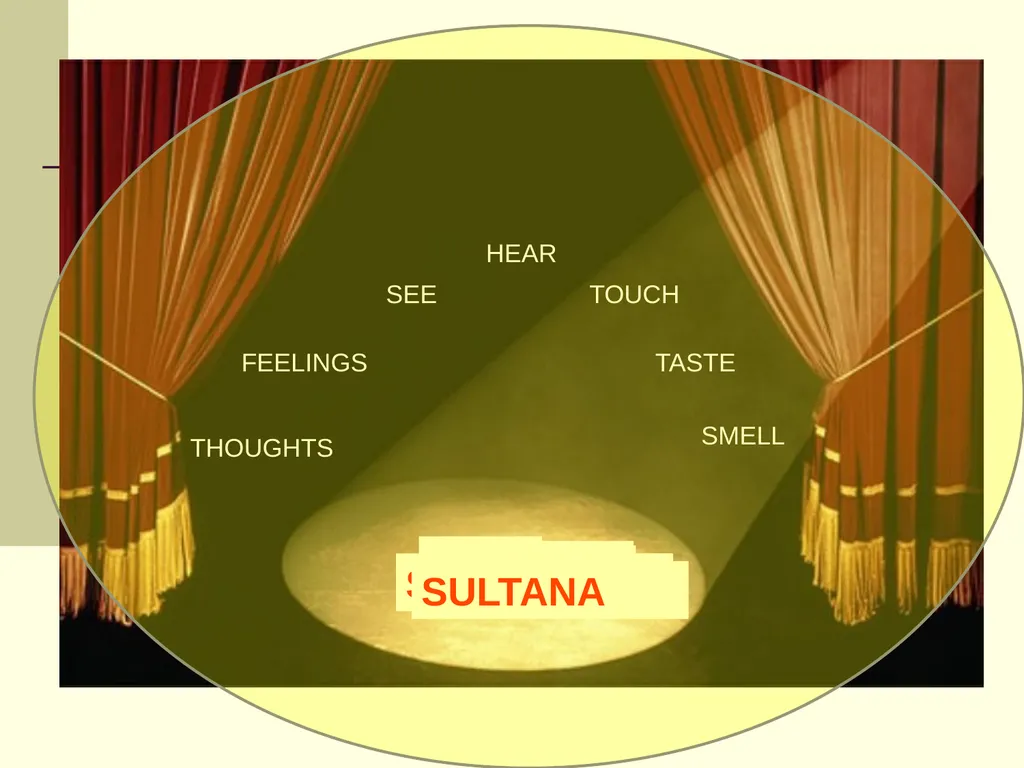
2 FEELINGS THOUGHTS SMELL TASTE TOUCH HEAR SEE PAIN MEMORY FEELING THOUGHT SENSATION SULTANA<br>
03
Self-as-context: ‘new’ definition Hayes, 2011:
“Self-as-context is the coming together and flexible social extension of a cluster of deictic relations (especially I/here/now) that enable observation and description from a perspective or point of view. 3 W T F ??!!!<br>
“Self-as-context is the coming together and flexible social extension of a cluster of deictic relations (especially I/here/now) that enable observation and description from a perspective or point of view. 3 W T F ??!!!<br>
04
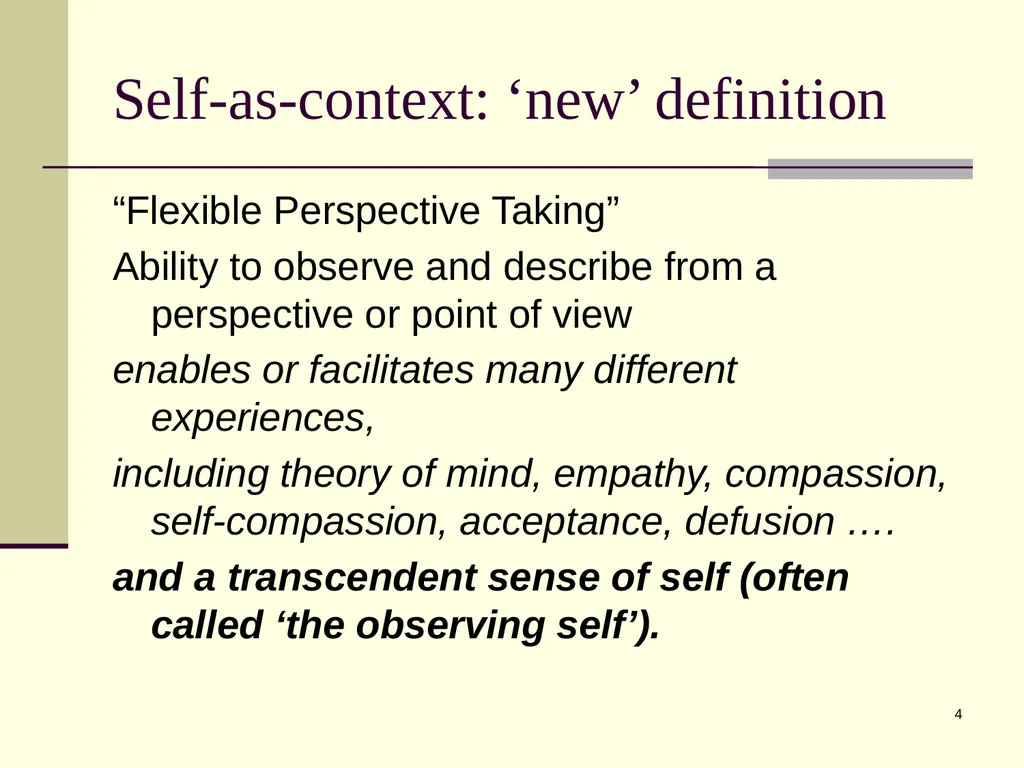
Self-as-context: ‘new’ definition “Flexible Perspective Taking”
Ability to observe and describe from a perspective or point of view
enables or facilitates many different experiences,
including theory of mind, empathy, compassion, self-compassion, acceptance, defusion ….
and a transcendent sense of self (often called ‘the observing self’). 4<br>
Ability to observe and describe from a perspective or point of view
enables or facilitates many different experiences,
including theory of mind, empathy, compassion, self-compassion, acceptance, defusion ….
and a transcendent sense of self (often called ‘the observing self’). 4<br>
05
5 A bit of RFT<br>
06
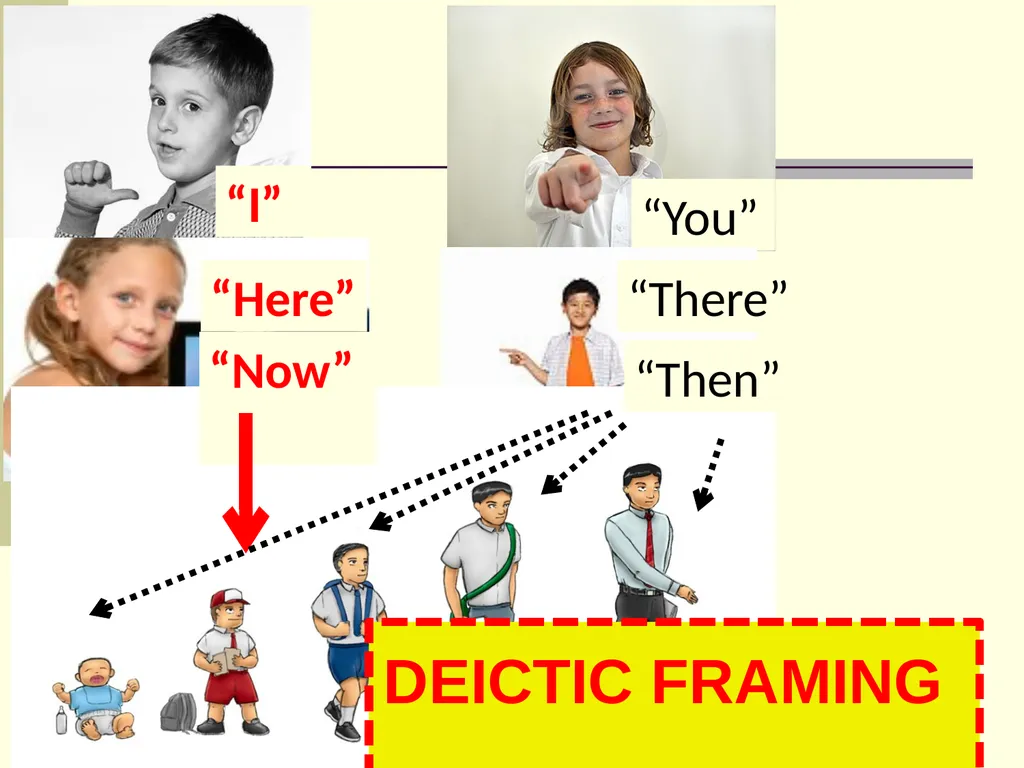
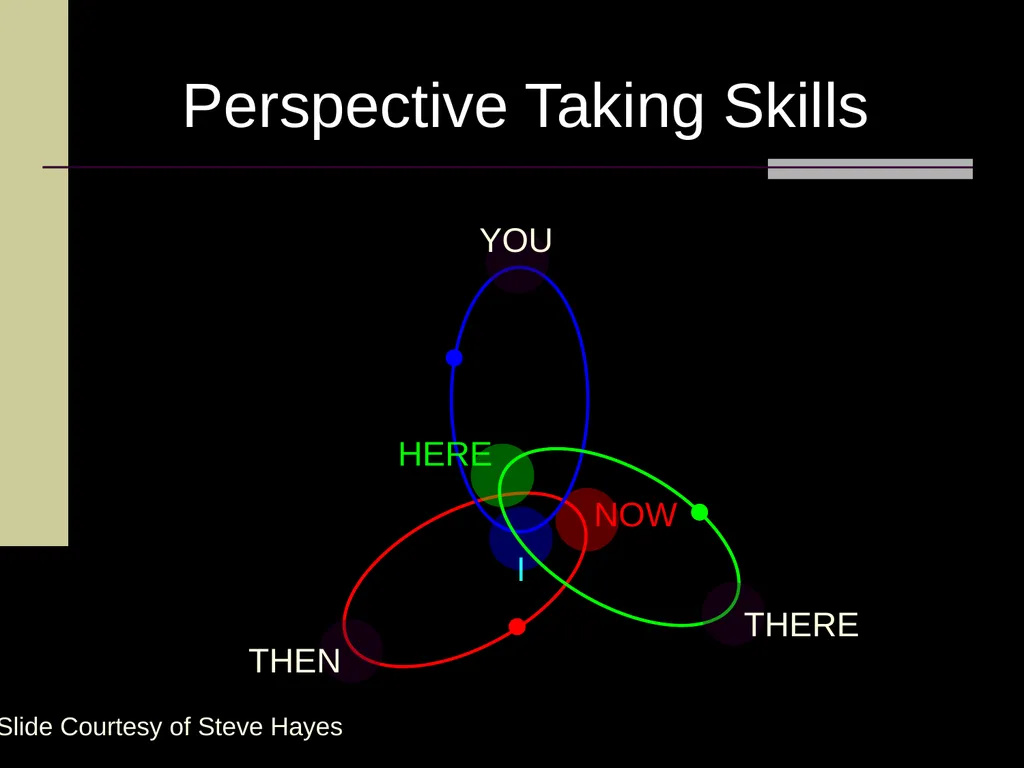
“I” “You” “Here” “There” “Now” “Then” DEICTIC FRAMING<br>
07
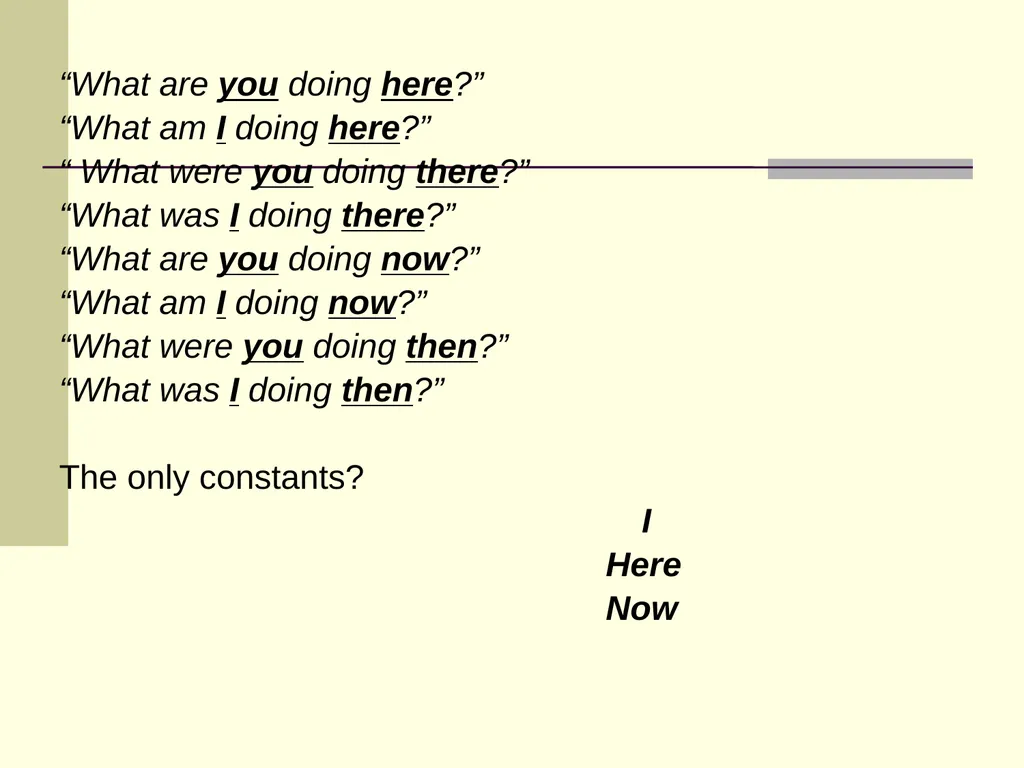
“What are you doing here?”
“What am I doing here?”
“ What were you doing there?”
“What was I doing there?”
“What are you doing now?”
“What am I doing now?”
“What were you doing then?”
“What was I doing then?”
The only constants?
I
Here
Now<br>
“What am I doing here?”
“ What were you doing there?”
“What was I doing there?”
“What are you doing now?”
“What am I doing now?”
“What were you doing then?”
“What was I doing then?”
The only constants?
I
Here
Now<br>
08
Perspective Taking Skills Slide Courtesy of Steve Hayes<br>
09
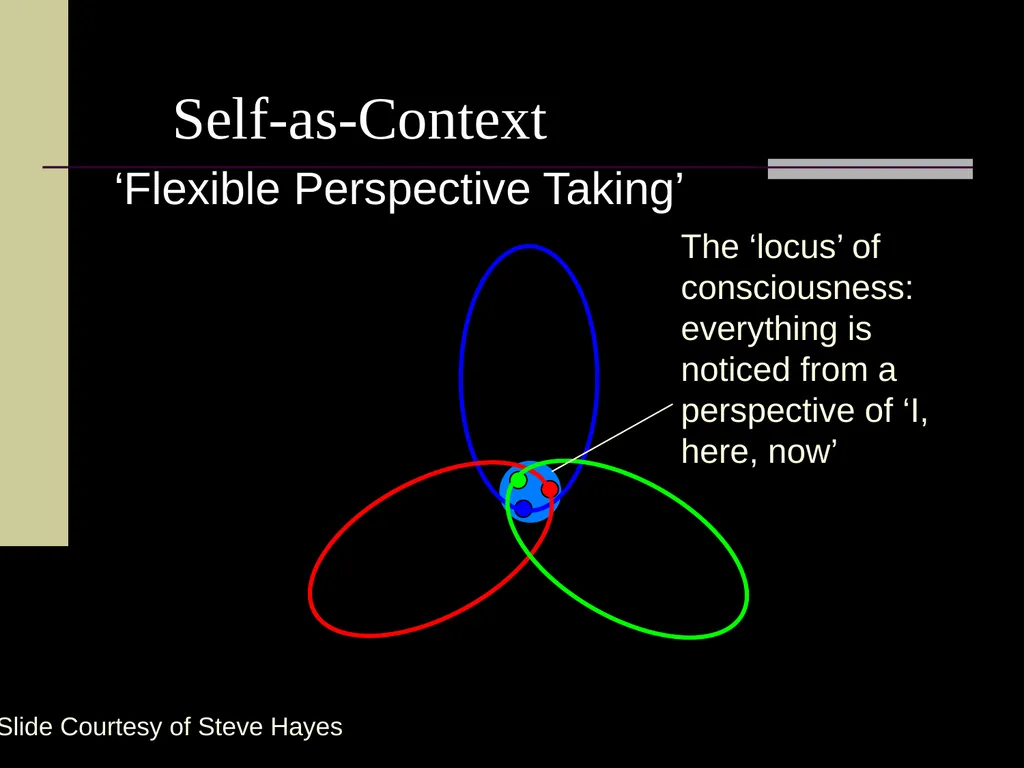
Self-as-Context The ‘locus’ of consciousness: everything is noticed from a perspective of ‘I, here, now’ Slide Courtesy of Steve Hayes ‘Flexible Perspective Taking’<br>
10
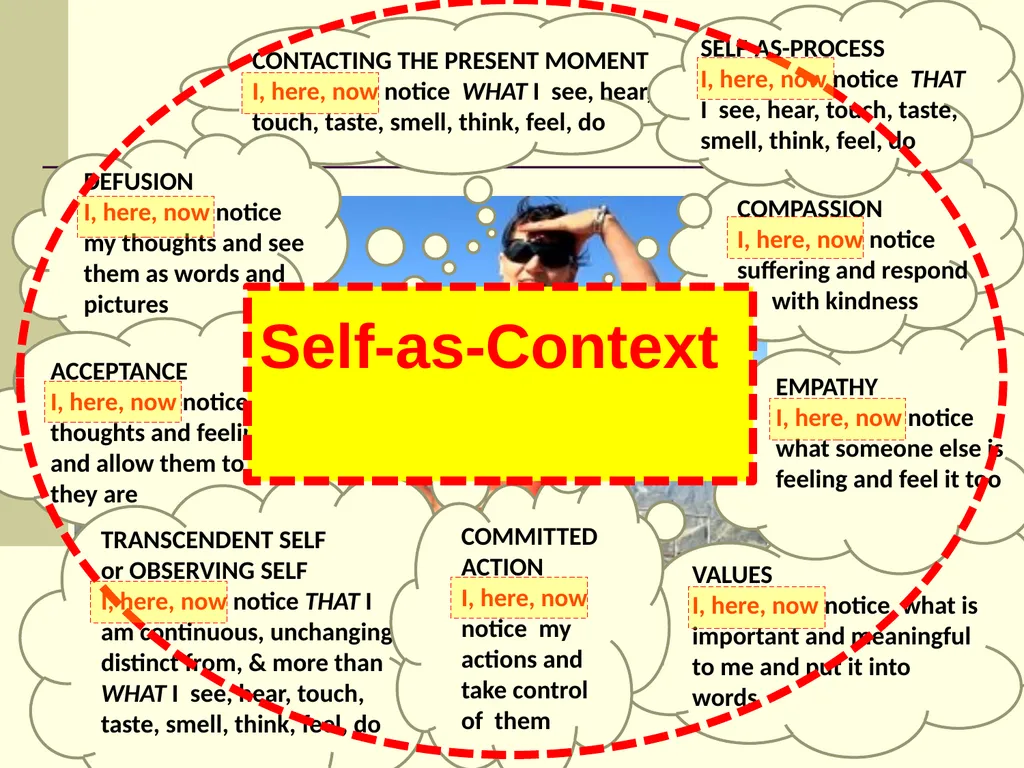
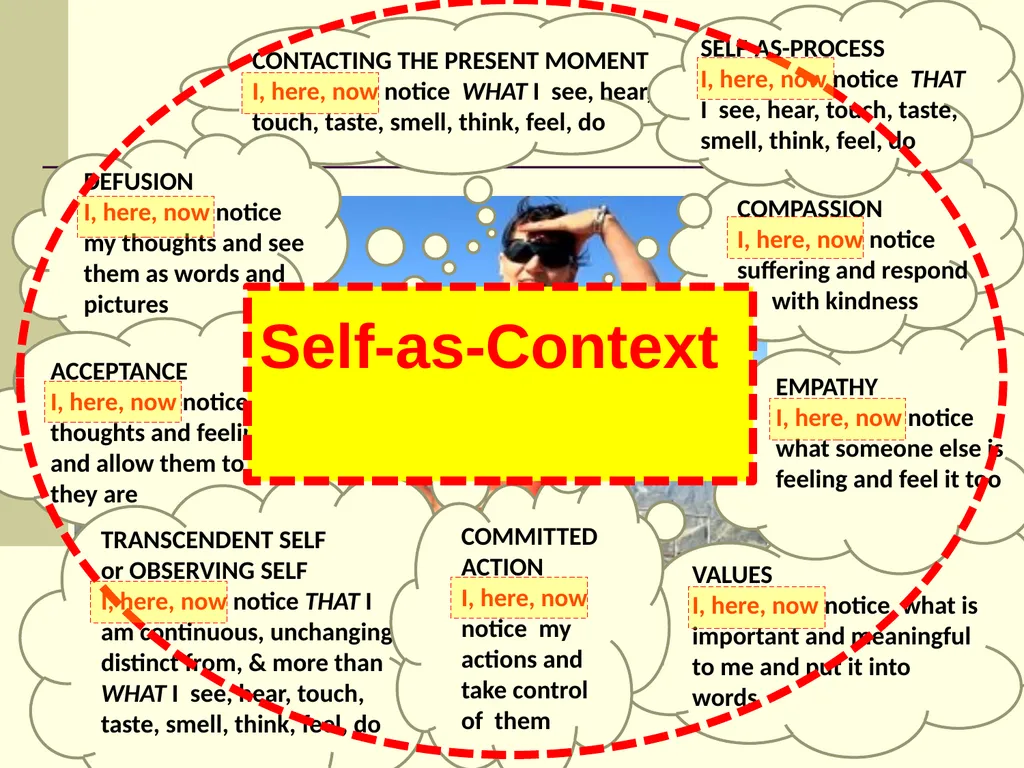
CONTACTING THE PRESENT MOMENT
I, here, now notice WHAT I see, hear, touch, taste, smell, think, feel, do DEFUSION
I, here, now notice my thoughts and see them as words and pictures ACCEPTANCE
I, here, now notice my thoughts and feelings and allow them to be as they are TRANSCENDENT SELF
or OBSERVING SELF
I, here, now notice THAT I am continuous, unchanging, distinct from, & more than WHAT I see, hear, touch, taste, smell, think, feel, do VALUES
I, here, now notice what is important and meaningful to me and put it into words COMMITTED ACTION
I, here, now notice my actions and take control of them EMPATHY
I, here, now notice what someone else is feeling and feel it too COMPASSION
I, here, now notice suffering and respond
with kindness SELF-AS-PROCESS
I, here, now notice THAT I see, hear, touch, taste, smell, think, feel, do Self-as-Context<br>
I, here, now notice WHAT I see, hear, touch, taste, smell, think, feel, do DEFUSION
I, here, now notice my thoughts and see them as words and pictures ACCEPTANCE
I, here, now notice my thoughts and feelings and allow them to be as they are TRANSCENDENT SELF
or OBSERVING SELF
I, here, now notice THAT I am continuous, unchanging, distinct from, & more than WHAT I see, hear, touch, taste, smell, think, feel, do VALUES
I, here, now notice what is important and meaningful to me and put it into words COMMITTED ACTION
I, here, now notice my actions and take control of them EMPATHY
I, here, now notice what someone else is feeling and feel it too COMPASSION
I, here, now notice suffering and respond
with kindness SELF-AS-PROCESS
I, here, now notice THAT I see, hear, touch, taste, smell, think, feel, do Self-as-Context<br>
11
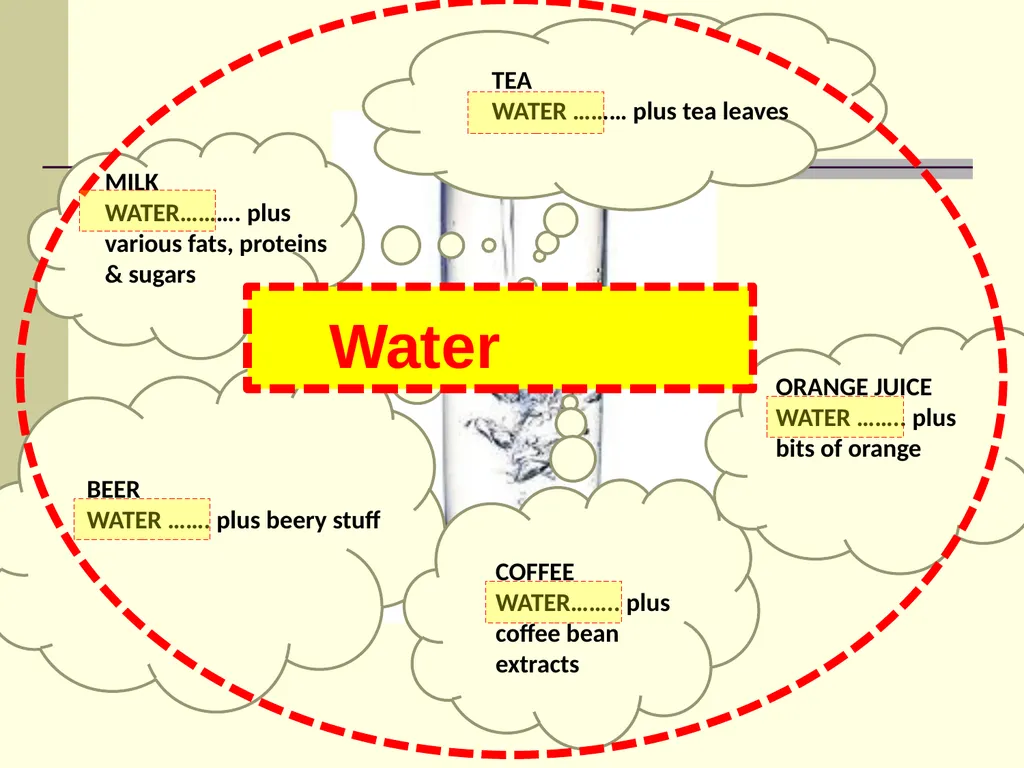
TEA
WATER ……… plus tea leaves MILK
WATER………. plus various fats, proteins & sugars BEER
WATER ……. plus beery stuff COFFEE
WATER…….. plus coffee bean extracts ORANGE JUICE
WATER …….. plus
bits of orange Water<br>
WATER ……… plus tea leaves MILK
WATER………. plus various fats, proteins & sugars BEER
WATER ……. plus beery stuff COFFEE
WATER…….. plus coffee bean extracts ORANGE JUICE
WATER …….. plus
bits of orange Water<br>
12
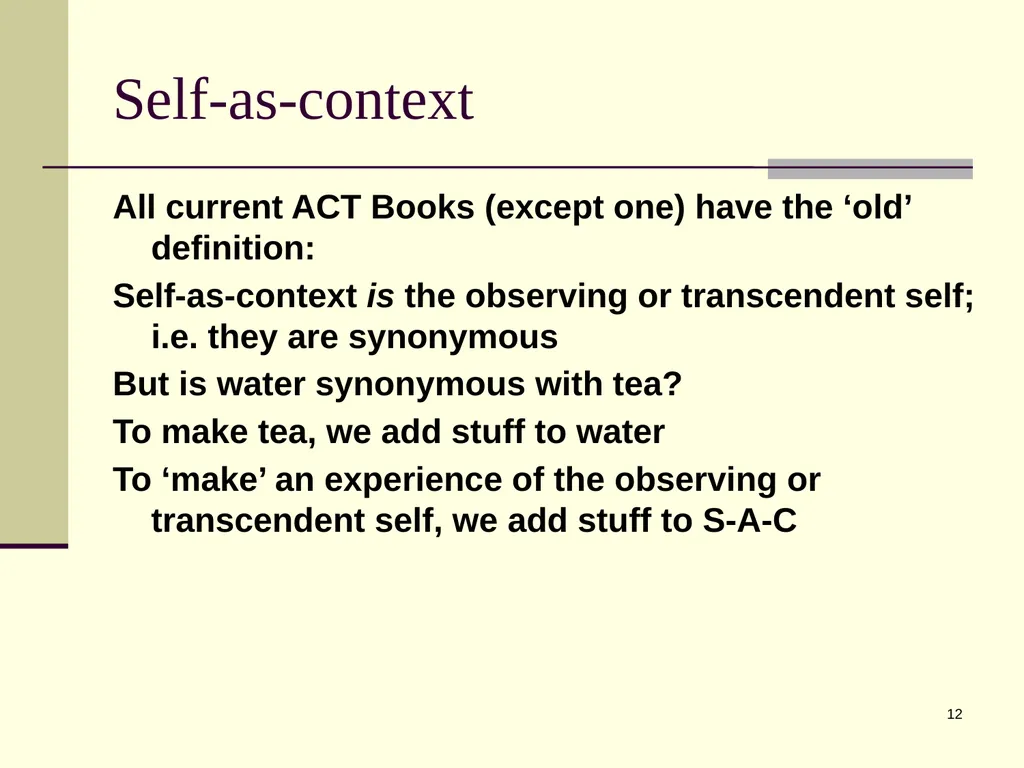
Self-as-context All current ACT Books (except one) have the ‘old’ definition:
Self-as-context is the observing or transcendent self; i.e. they are synonymous
But is water synonymous with tea?
To make tea, we add stuff to water
To ‘make’ an experience of the observing or transcendent self, we add stuff to S-A-C 12<br>
Self-as-context is the observing or transcendent self; i.e. they are synonymous
But is water synonymous with tea?
To make tea, we add stuff to water
To ‘make’ an experience of the observing or transcendent self, we add stuff to S-A-C 12<br>
13
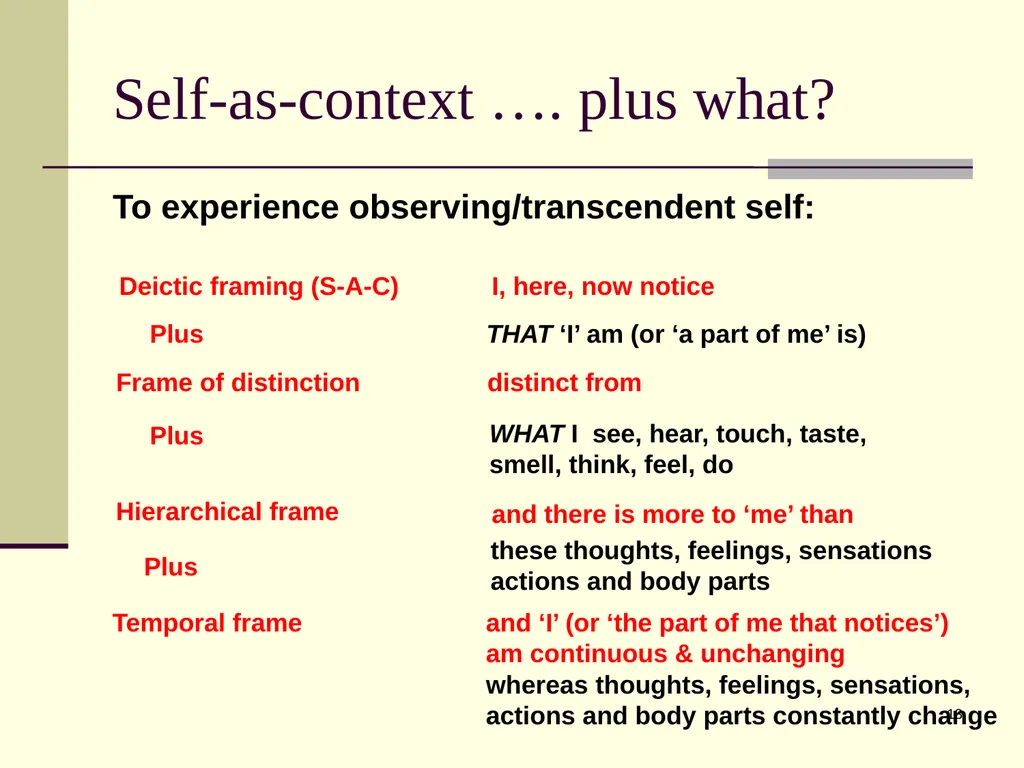
Self-as-context …. plus what? To experience observing/transcendent self: 13 I, here, now notice Frame of distinction Deictic framing (S-A-C) and ‘I’ (or ‘the part of me that notices’)
am continuous & unchanging Temporal frame Hierarchical frame distinct from WHAT I see, hear, touch, taste,
smell, think, feel, do and there is more to ‘me’ than THAT ‘I’ am (or ‘a part of me’ is) whereas thoughts, feelings, sensations,
actions and body parts constantly change these thoughts, feelings, sensations
actions and body parts Plus Plus Plus<br>
am continuous & unchanging Temporal frame Hierarchical frame distinct from WHAT I see, hear, touch, taste,
smell, think, feel, do and there is more to ‘me’ than THAT ‘I’ am (or ‘a part of me’ is) whereas thoughts, feelings, sensations,
actions and body parts constantly change these thoughts, feelings, sensations
actions and body parts Plus Plus Plus<br>
14
CONTACTING THE PRESENT MOMENT
I, here, now notice WHAT I see, hear, touch, taste, smell, think, feel, do DEFUSION
I, here, now notice my thoughts and see them as words and pictures ACCEPTANCE
I, here, now notice my thoughts and feelings and allow them to be as they are TRANSCENDENT SELF
or OBSERVING SELF
I, here, now notice THAT I am continuous, unchanging, distinct from, & more than WHAT I see, hear, touch, taste, smell, think, feel, do VALUES
I, here, now notice what is important and meaningful to me and put it into words COMMITTED ACTION
I, here, now notice my actions and take control of them EMPATHY
I, here, now notice what someone else is feeling and feel it too COMPASSION
I, here, now notice suffering and respond
with kindness SELF-AS-PROCESS
I, here, now notice THAT I see, hear, touch, taste, smell, think, feel, do Self-as-Context<br>
I, here, now notice WHAT I see, hear, touch, taste, smell, think, feel, do DEFUSION
I, here, now notice my thoughts and see them as words and pictures ACCEPTANCE
I, here, now notice my thoughts and feelings and allow them to be as they are TRANSCENDENT SELF
or OBSERVING SELF
I, here, now notice THAT I am continuous, unchanging, distinct from, & more than WHAT I see, hear, touch, taste, smell, think, feel, do VALUES
I, here, now notice what is important and meaningful to me and put it into words COMMITTED ACTION
I, here, now notice my actions and take control of them EMPATHY
I, here, now notice what someone else is feeling and feel it too COMPASSION
I, here, now notice suffering and respond
with kindness SELF-AS-PROCESS
I, here, now notice THAT I see, hear, touch, taste, smell, think, feel, do Self-as-Context<br>
15
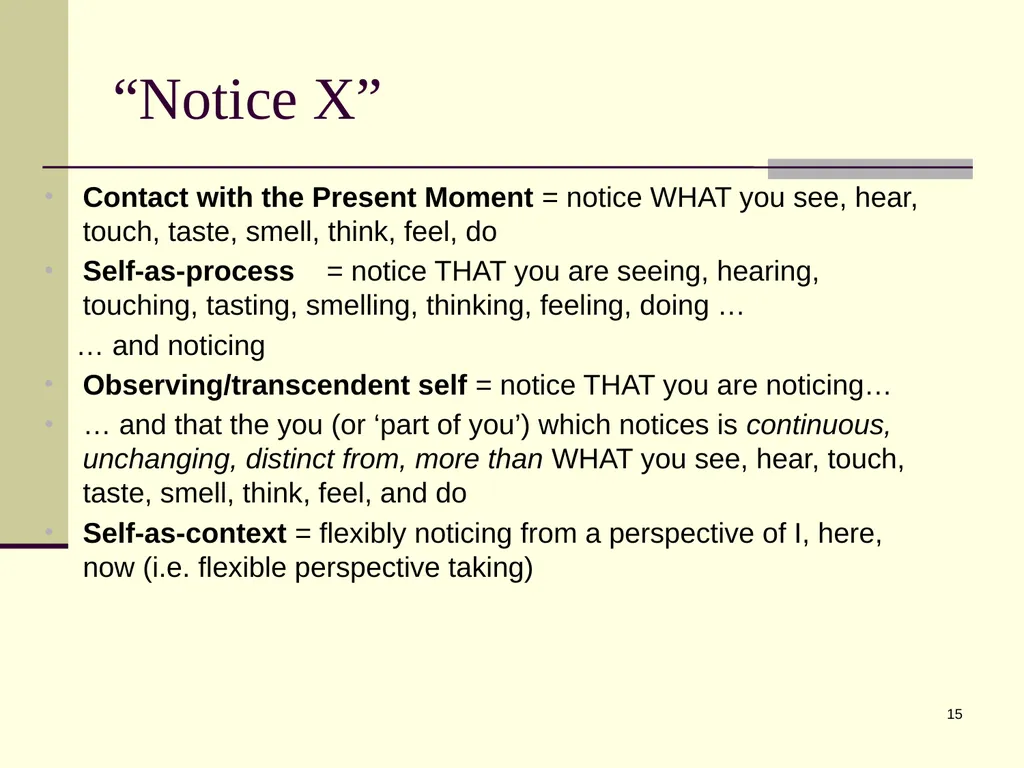
“Notice X” Contact with the Present Moment = notice WHAT you see, hear, touch, taste, smell, think, feel, do
Self-as-process = notice THAT you are seeing, hearing, touching, tasting, smelling, thinking, feeling, doing …
… and noticing
Observing/transcendent self = notice THAT you are noticing…
… and that the you (or ‘part of you’) which notices is continuous, unchanging, distinct from, more than WHAT you see, hear, touch, taste, smell, think, feel, and do
Self-as-context = flexibly noticing from a perspective of I, here, now (i.e. flexible perspective taking) 15<br>
Self-as-process = notice THAT you are seeing, hearing, touching, tasting, smelling, thinking, feeling, doing …
… and noticing
Observing/transcendent self = notice THAT you are noticing…
… and that the you (or ‘part of you’) which notices is continuous, unchanging, distinct from, more than WHAT you see, hear, touch, taste, smell, think, feel, and do
Self-as-context = flexibly noticing from a perspective of I, here, now (i.e. flexible perspective taking) 15<br>
16
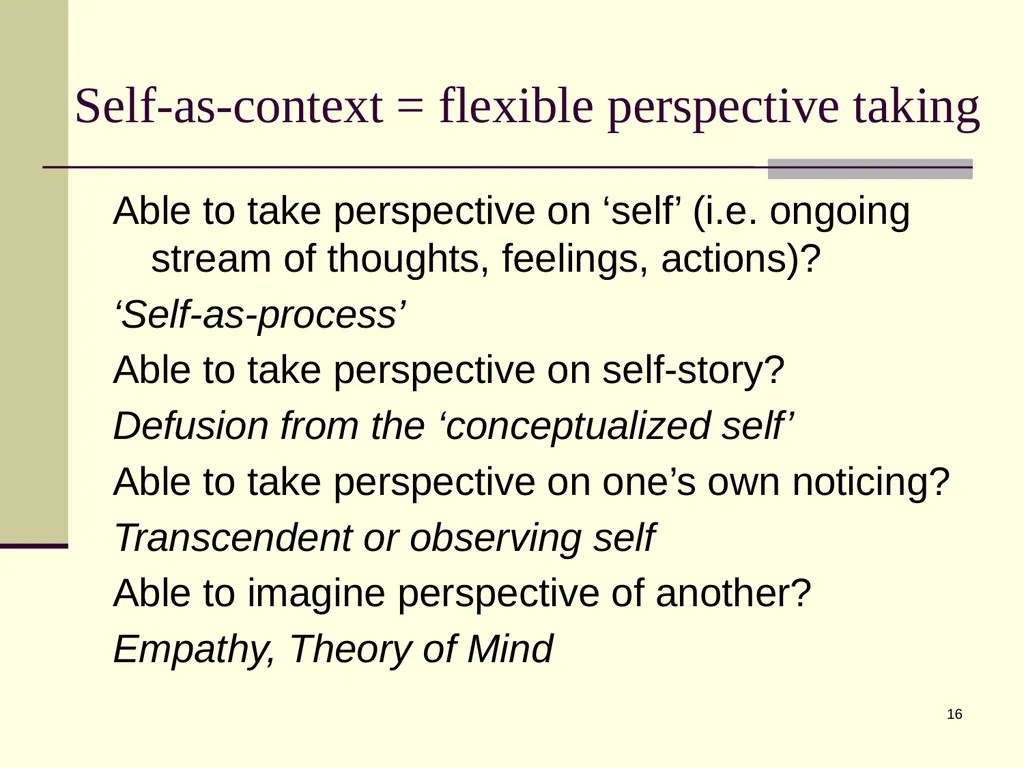
Self-as-context = flexible perspective taking Able to take perspective on ‘self’ (i.e. ongoing stream of thoughts, feelings, actions)?
‘Self-as-process’
Able to take perspective on self-story?
Defusion from the ‘conceptualized self’
Able to take perspective on one’s own noticing?
Transcendent or observing self
Able to imagine perspective of another?
Empathy, Theory of Mind 16<br>
‘Self-as-process’
Able to take perspective on self-story?
Defusion from the ‘conceptualized self’
Able to take perspective on one’s own noticing?
Transcendent or observing self
Able to imagine perspective of another?
Empathy, Theory of Mind 16<br>
17
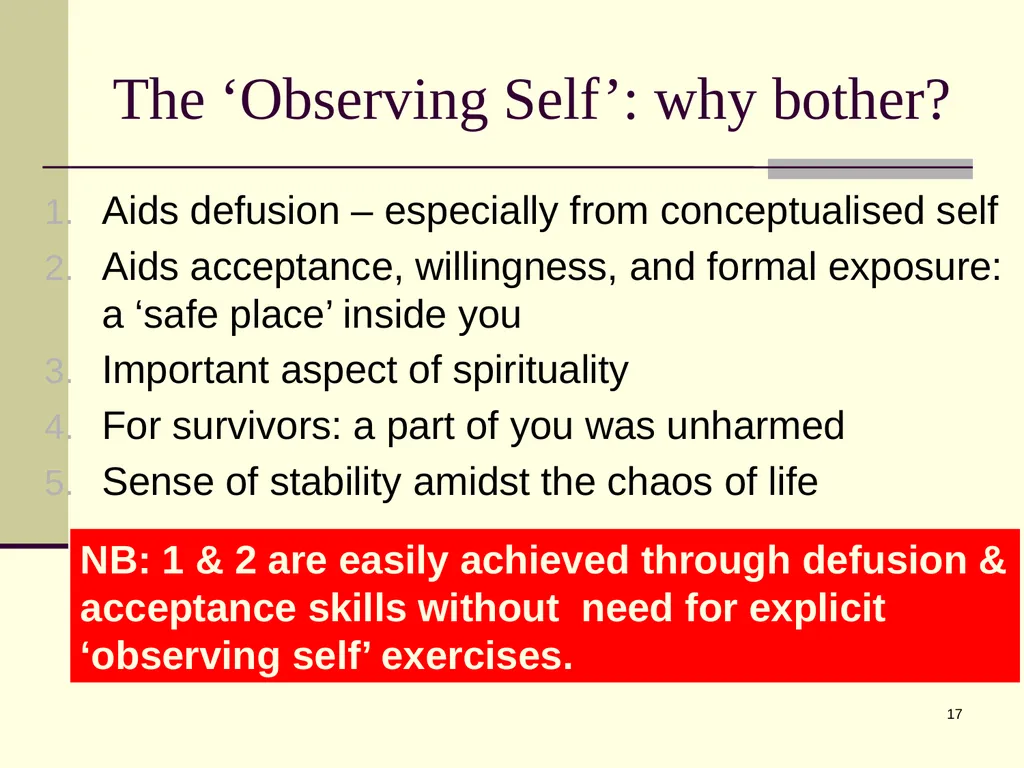
The ‘Observing Self’: why bother? Aids defusion – especially from conceptualised self
Aids acceptance, willingness, and formal exposure: a ‘safe place’ inside you
Important aspect of spirituality
For survivors: a part of you was unharmed
Sense of stability amidst the chaos of life 17 NB: 1 & 2 are easily achieved through defusion & acceptance skills without need for explicit ‘observing self’ exercises.<br>
Aids acceptance, willingness, and formal exposure: a ‘safe place’ inside you
Important aspect of spirituality
For survivors: a part of you was unharmed
Sense of stability amidst the chaos of life 17 NB: 1 & 2 are easily achieved through defusion & acceptance skills without need for explicit ‘observing self’ exercises.<br>
18
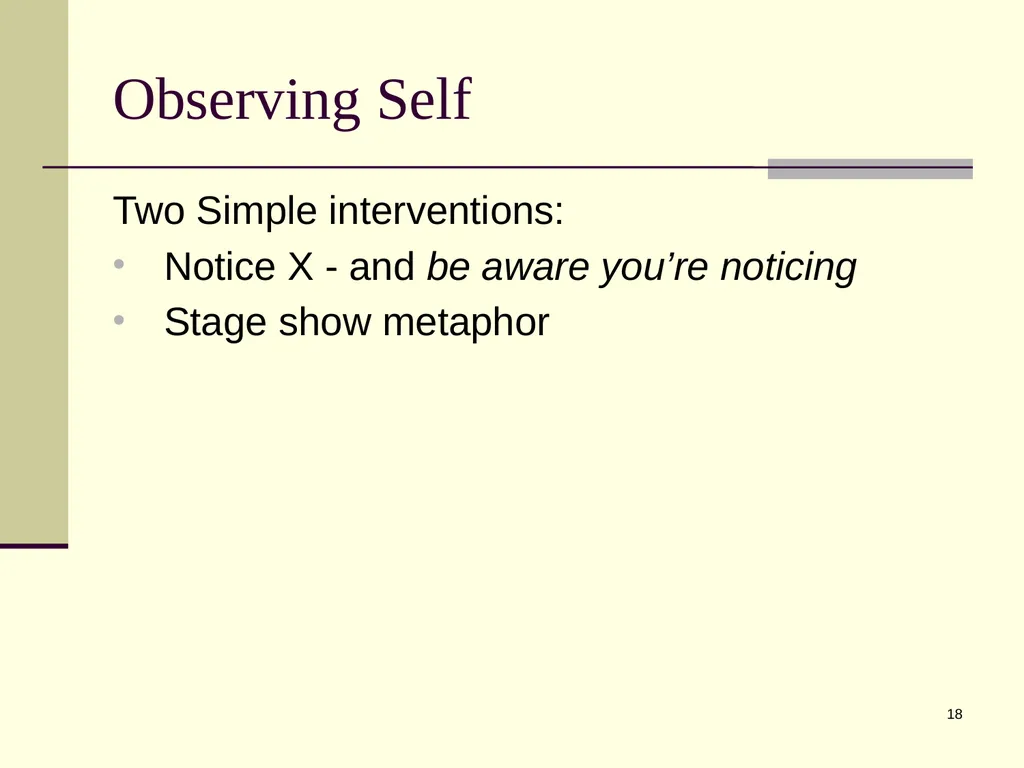
Observing Self Two Simple interventions:
Notice X - and be aware you’re noticing
Stage show metaphor 18<br>
Notice X - and be aware you’re noticing
Stage show metaphor 18<br>
19
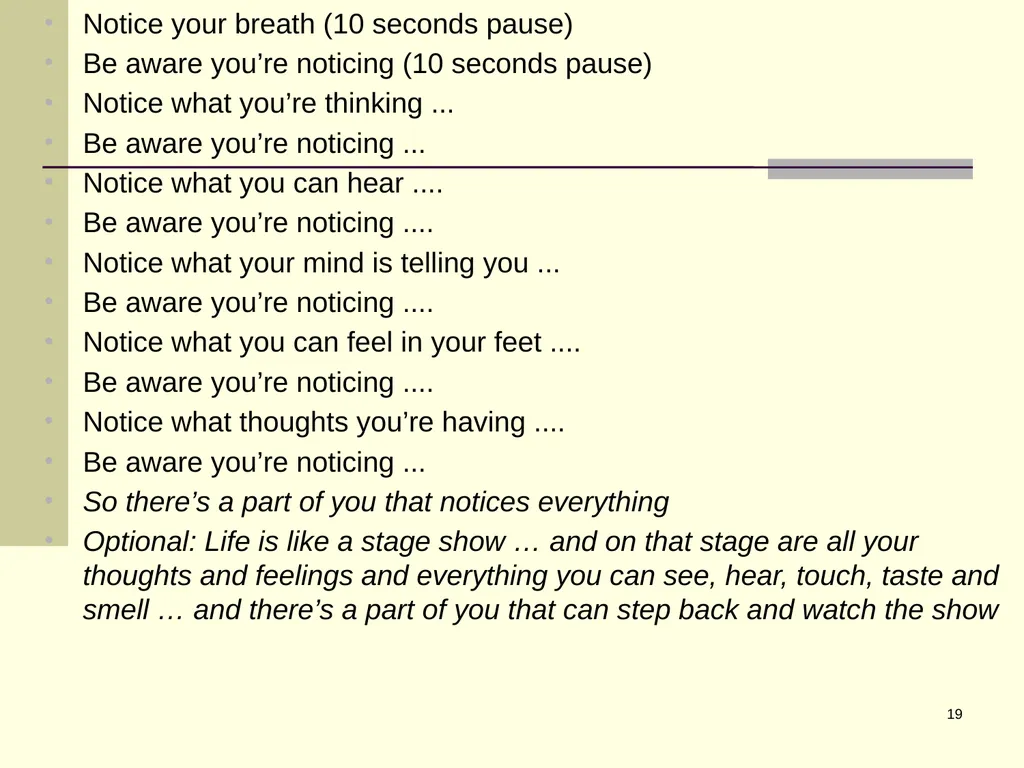
Notice your breath (10 seconds pause)
Be aware you’re noticing (10 seconds pause)
Notice what you’re thinking ...
Be aware you’re noticing ...
Notice what you can hear ....
Be aware you’re noticing ....
Notice what your mind is telling you ...
Be aware you’re noticing ....
Notice what you can feel in your feet ....
Be aware you’re noticing ....
Notice what thoughts you’re having ....
Be aware you’re noticing ...
So there’s a part of you that notices everything
Optional: Life is like a stage show … and on that stage are all your thoughts and feelings and everything you can see, hear, touch, taste and smell … and there’s a part of you that can step back and watch the show 19<br>
Be aware you’re noticing (10 seconds pause)
Notice what you’re thinking ...
Be aware you’re noticing ...
Notice what you can hear ....
Be aware you’re noticing ....
Notice what your mind is telling you ...
Be aware you’re noticing ....
Notice what you can feel in your feet ....
Be aware you’re noticing ....
Notice what thoughts you’re having ....
Be aware you’re noticing ...
So there’s a part of you that notices everything
Optional: Life is like a stage show … and on that stage are all your thoughts and feelings and everything you can see, hear, touch, taste and smell … and there’s a part of you that can step back and watch the show 19<br>
20
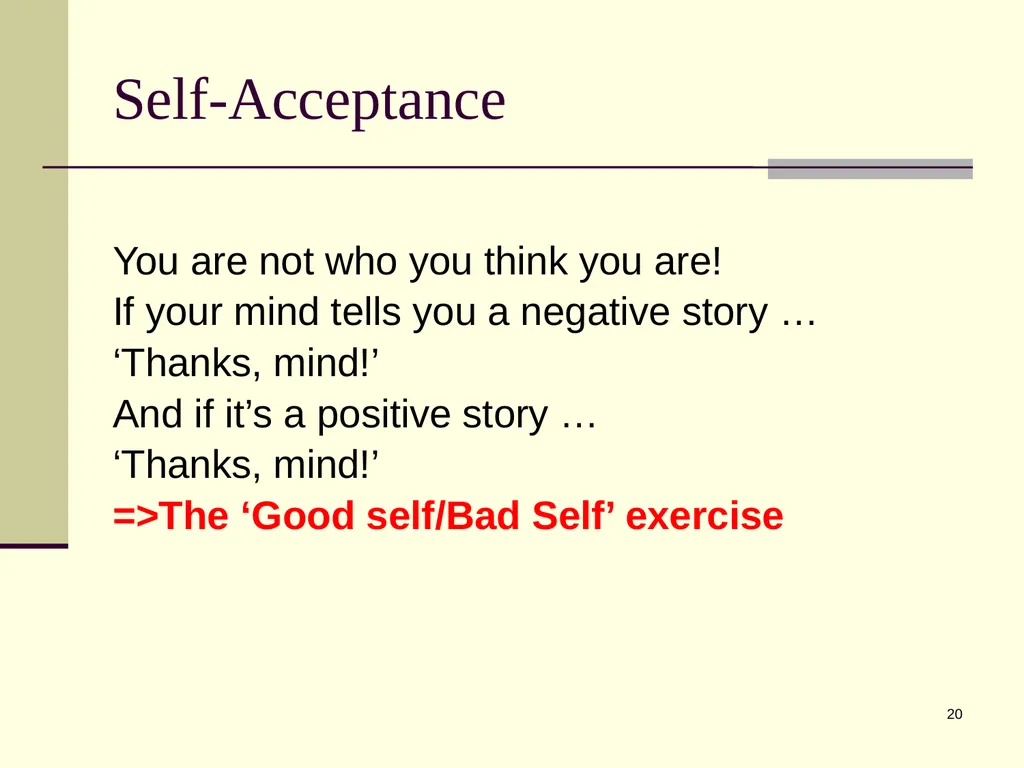
20 Self-Acceptance You are not who you think you are!
If your mind tells you a negative story …
‘Thanks, mind!’
And if it’s a positive story …
‘Thanks, mind!’
=>The ‘Good self/Bad Self’ exercise<br>
If your mind tells you a negative story …
‘Thanks, mind!’
And if it’s a positive story …
‘Thanks, mind!’
=>The ‘Good self/Bad Self’ exercise<br>
21
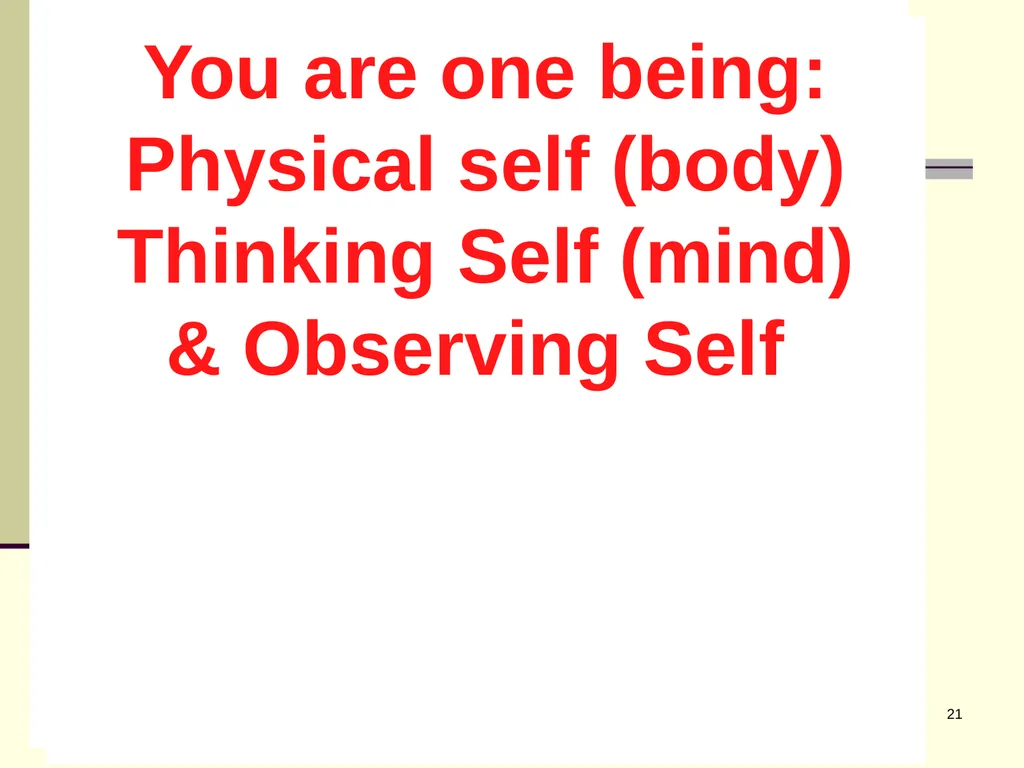
21 Self-Acceptance She was so caring, loving, kind. Always there for me when I needed her! She had a really high opinion of herself! So who am I? You are one being:
Physical self (body)
Thinking Self (mind)
& Observing Self<br>
Physical self (body)
Thinking Self (mind)
& Observing Self<br>
22
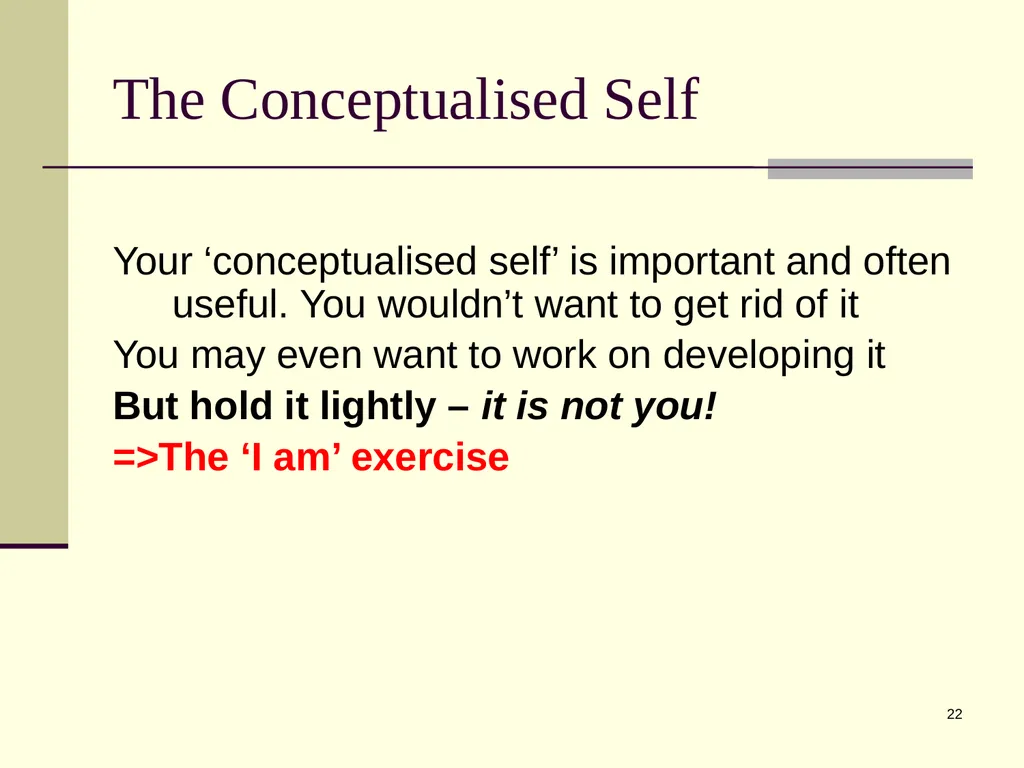
22 The Conceptualised Self Your ‘conceptualised self’ is important and often useful. You wouldn’t want to get rid of it
You may even want to work on developing it
But hold it lightly – it is not you!
=>The ‘I am’ exercise<br>
You may even want to work on developing it
But hold it lightly – it is not you!
=>The ‘I am’ exercise<br>
23
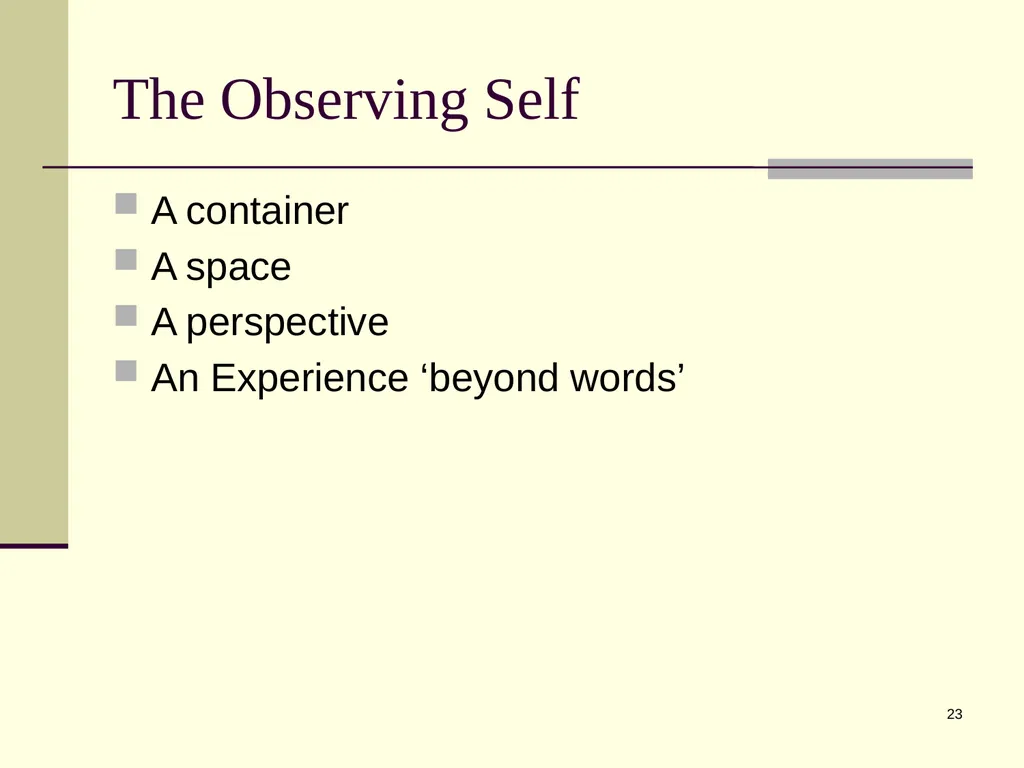
23 The Observing Self A container
A space
A perspective
An Experience ‘beyond words’<br>
A space
A perspective
An Experience ‘beyond words’<br>
24
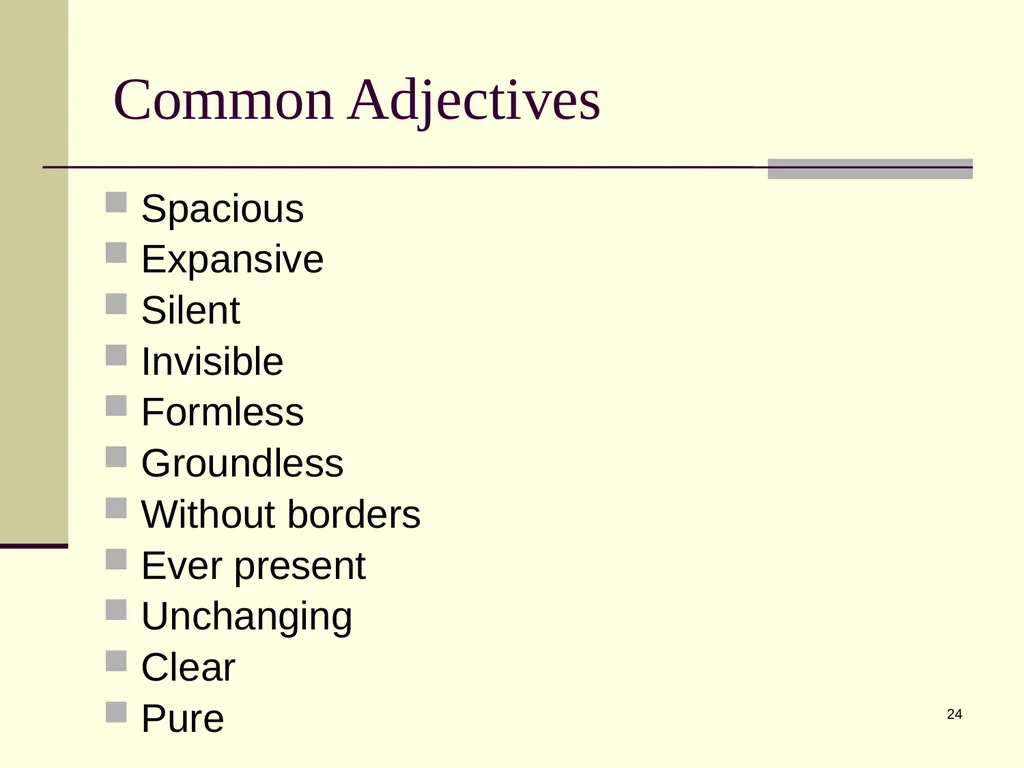
24 Common Adjectives Spacious
Expansive
Silent
Invisible
Formless
Groundless
Without borders
Ever present
Unchanging
Clear
Pure<br>
Expansive
Silent
Invisible
Formless
Groundless
Without borders
Ever present
Unchanging
Clear
Pure<br>
25
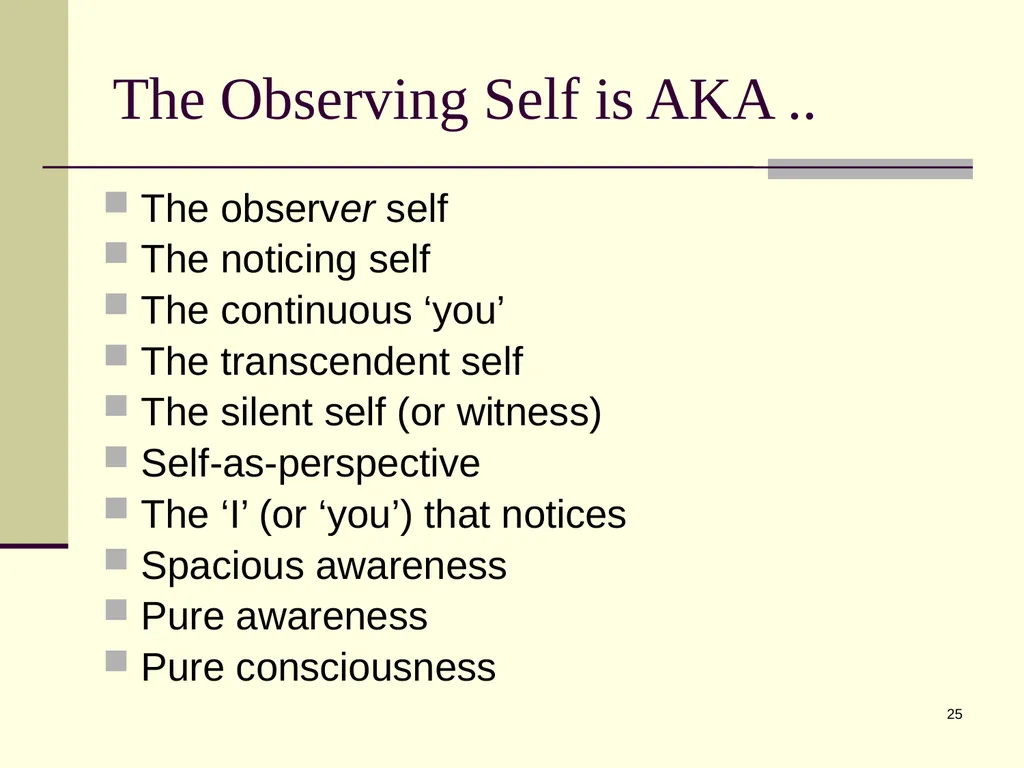
25 The Observing Self is AKA .. The observer self
The noticing self
The continuous ‘you’
The transcendent self
The silent self (or witness)
Self-as-perspective
The ‘I’ (or ‘you’) that notices
Spacious awareness
Pure awareness
Pure consciousness<br>
The noticing self
The continuous ‘you’
The transcendent self
The silent self (or witness)
Self-as-perspective
The ‘I’ (or ‘you’) that notices
Spacious awareness
Pure awareness
Pure consciousness<br>
26
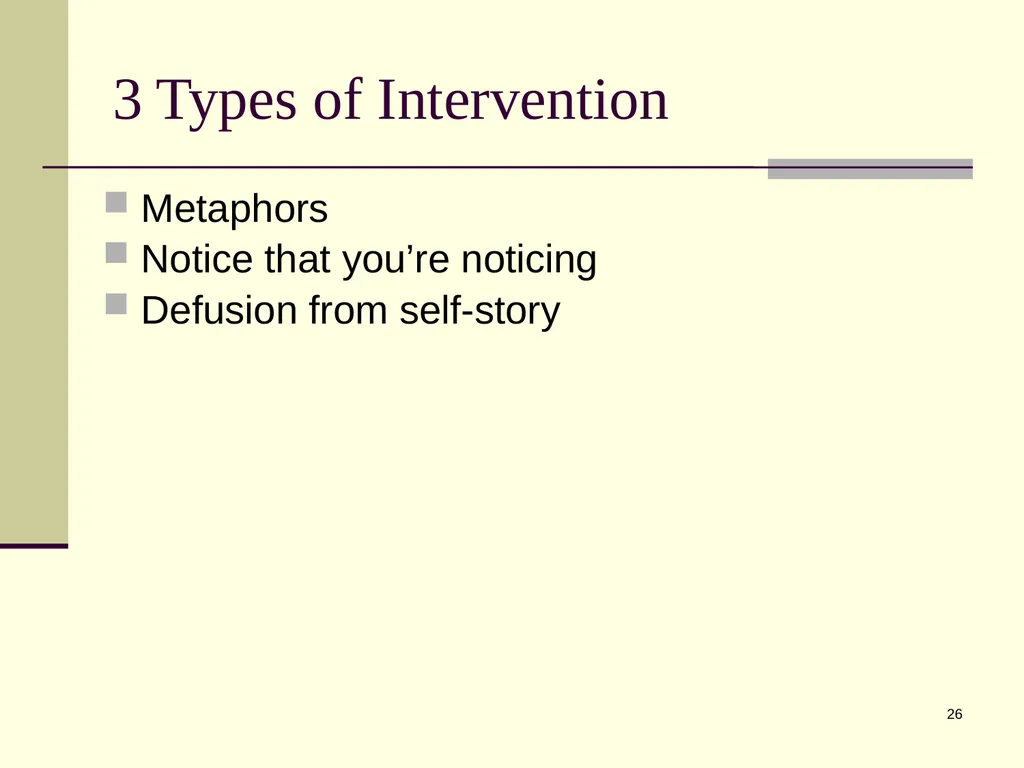
26 3 Types of Intervention Metaphors
Notice that you’re noticing
Defusion from self-story<br>
Notice that you’re noticing
Defusion from self-story<br>
27
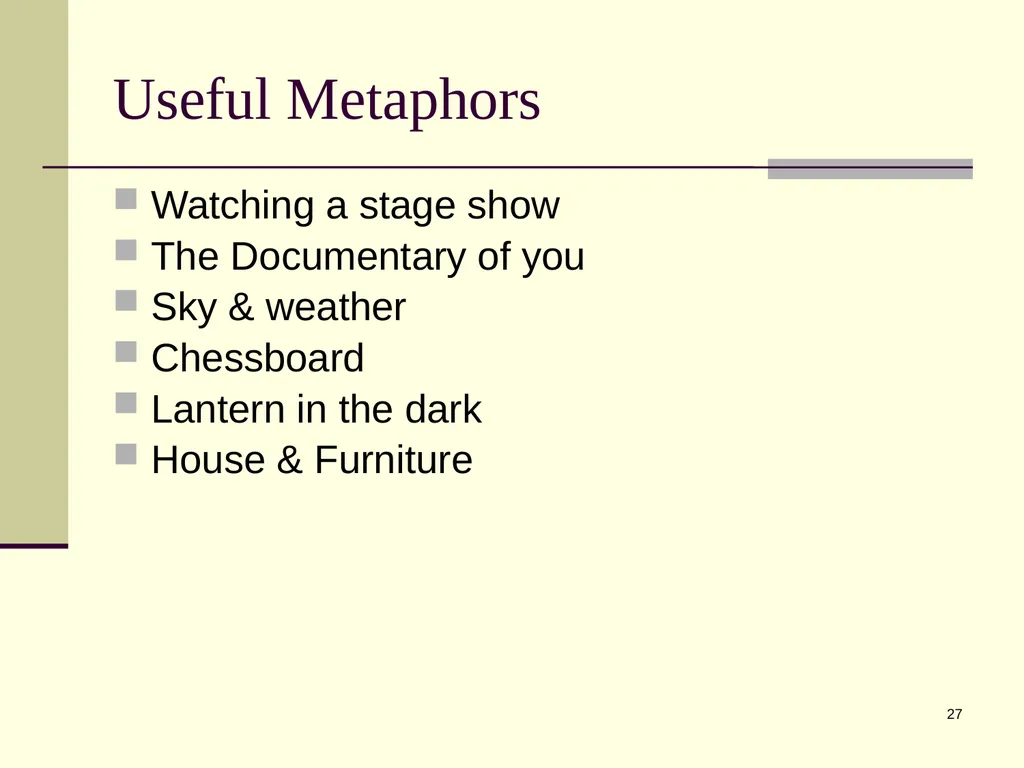
27 Useful Metaphors Watching a stage show
The Documentary of you
Sky & weather
Chessboard
Lantern in the dark
House & Furniture<br>
The Documentary of you
Sky & weather
Chessboard
Lantern in the dark
House & Furniture<br>
28
28 How To Introduce ‘Observing Self’ In many ACT protocols, comes after defusion/acceptance/ present moment
‘So you’ve been doing all these mindfulness exercises – noticing thoughts, noticing feelings, noticing your breath etc. What is this part of you that does all the noticing?’<br>
‘So you’ve been doing all these mindfulness exercises – noticing thoughts, noticing feelings, noticing your breath etc. What is this part of you that does all the noticing?’<br>
29
29 How To Introduce ‘Observing Self’ But good to plant seeds early, even from first session:
‘As you notice x, be aware you’re noticing’.
‘There’s x – and there’s a part of you noticing x’
‘Life is like a stage show ….’<br>
‘As you notice x, be aware you’re noticing’.
‘There’s x – and there’s a part of you noticing x’
‘Life is like a stage show ….’<br>
30
30 Brief Observing Self Exercise 1 Close your eyes. Notice: where are your thoughts? Above you, behind you, in front of you, to one side? Inside your head or body?
Are they pictures, words or sounds? Moving or still? What speed & what direction?
So your thinking self is generating thoughts – and another part of ‘you’ is noticing them
The thoughts keep changing. But the ‘you’ that notices them does not change.
This gets your mind whirring/ debating/ analyzing – so let’s do that again. Notice: where are your thoughts? (Repeat as needs)<br>
Are they pictures, words or sounds? Moving or still? What speed & what direction?
So your thinking self is generating thoughts – and another part of ‘you’ is noticing them
The thoughts keep changing. But the ‘you’ that notices them does not change.
This gets your mind whirring/ debating/ analyzing – so let’s do that again. Notice: where are your thoughts? (Repeat as needs)<br>
31
31 Brief Observing Self Exercise 2 Notice how you’re sitting (5 secs)
Notice what you can see (5 secs)
Notice what you can smell and taste (5 secs)
Notice what you can hear (5 secs)
Notice what you’re thinking (5 secs)
Notice what you’re feeling (5 secs)
Notice what you’re doing (5 secs)
There’s a part of you in there notices everything you see, hear, touch, taste, smell, think, feel, or do … is it good, bad, or ‘just there’?<br>
Notice what you can see (5 secs)
Notice what you can smell and taste (5 secs)
Notice what you can hear (5 secs)
Notice what you’re thinking (5 secs)
Notice what you’re feeling (5 secs)
Notice what you’re doing (5 secs)
There’s a part of you in there notices everything you see, hear, touch, taste, smell, think, feel, or do … is it good, bad, or ‘just there’?<br>
32
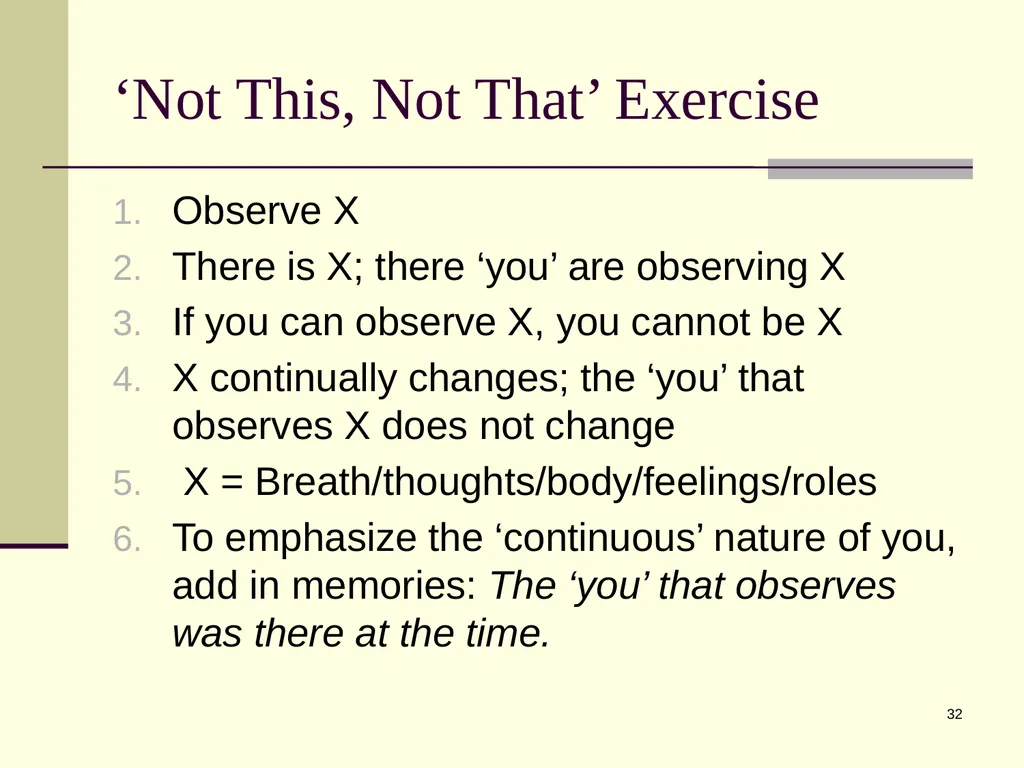
32 ‘Not This, Not That’ Exercise Observe X
There is X; there ‘you’ are observing X
If you can observe X, you cannot be X
X continually changes; the ‘you’ that observes X does not change
X = Breath/thoughts/body/feelings/roles
To emphasize the ‘continuous’ nature of you, add in memories: The ‘you’ that observes was there at the time.<br>
There is X; there ‘you’ are observing X
If you can observe X, you cannot be X
X continually changes; the ‘you’ that observes X does not change
X = Breath/thoughts/body/feelings/roles
To emphasize the ‘continuous’ nature of you, add in memories: The ‘you’ that observes was there at the time.<br>
33
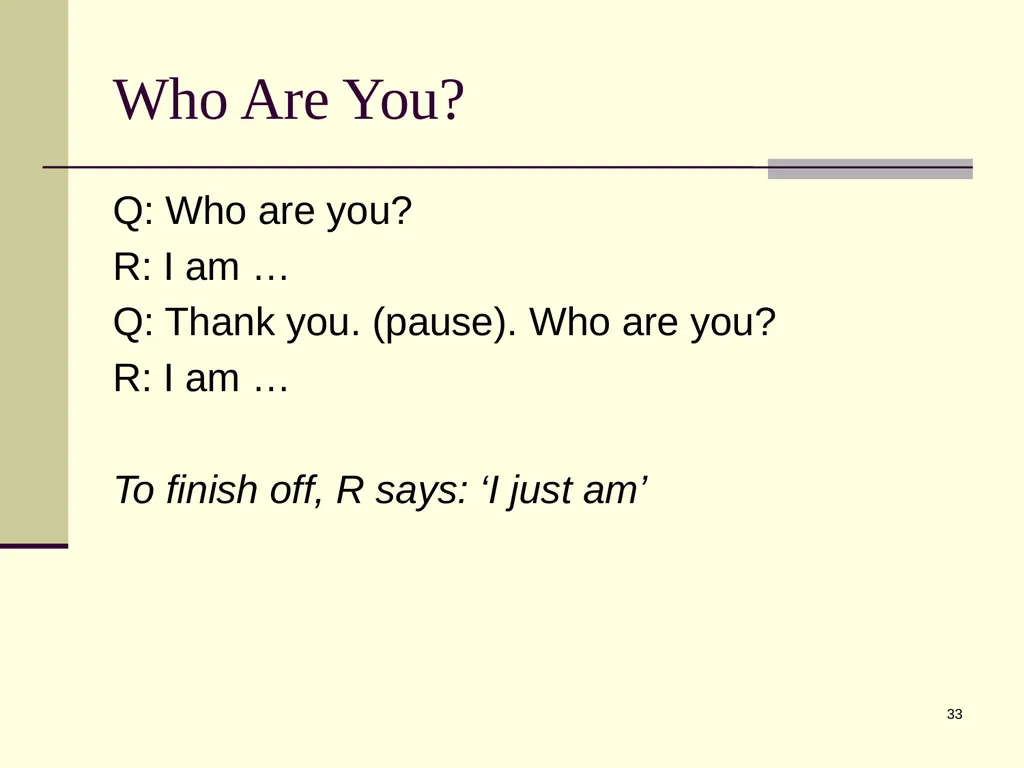
33 Who Are You? Q: Who are you?
R: I am …
Q: Thank you. (pause). Who are you?
R: I am …
To finish off, R says: ‘I just am’<br>
R: I am …
Q: Thank you. (pause). Who are you?
R: I am …
To finish off, R says: ‘I just am’<br>
34
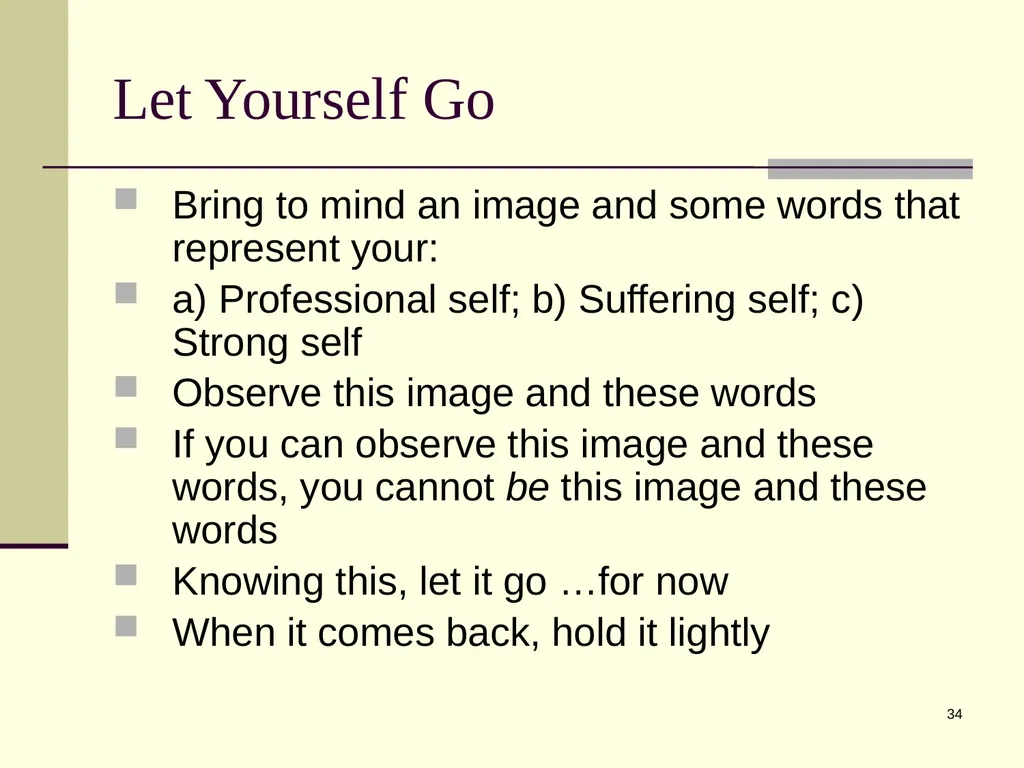
34 Let Yourself Go Bring to mind an image and some words that represent your:
a) Professional self; b) Suffering self; c) Strong self
Observe this image and these words
If you can observe this image and these words, you cannot be this image and these words
Knowing this, let it go …for now
When it comes back, hold it lightly<br>
a) Professional self; b) Suffering self; c) Strong self
Observe this image and these words
If you can observe this image and these words, you cannot be this image and these words
Knowing this, let it go …for now
When it comes back, hold it lightly<br>