
140MIC: Microbiology Lecture- 3 Principles of

Description: 140MIC: Microbiology Lecture- 3 Principles of Microbiology (Part-2) 1.1 Microbiology and Microorganisms The importance of microorganisms 1.2 Microbial Cells Cell chemistry and key structure Characteristics of living systems Cell functions:
Related Topics
Download Presentation
"140MIC: Microbiology Lecture- 3 Principles of" is the property of its rightful owner. Permission is granted to download and print the materials on this website for personal, non-commercial use only, and to display it on your personal computer provided you do not modify the materials and that you retain all copyright notices contained in the materials. By downloading content from our website, you accept the terms of this agreement.
Presentation Transcript
slide1. 140MIC: Microbiology Lecture- 3
Principles of Microbiology (Part-2)<br>
slide2. 1.1 Microbiology and Microorganisms
The importance of microorganisms
1.2 Microbial Cells
Cell chemistry and key structure
Characteristics of living systems
Cell functions: coding and metabolism.
1.3 Microorganisms and Their Environments
Microbial interaction
1.4 The Impact of Microorganisms on Humans
Microorganisms as disease agents
Microorganisms and agriculture
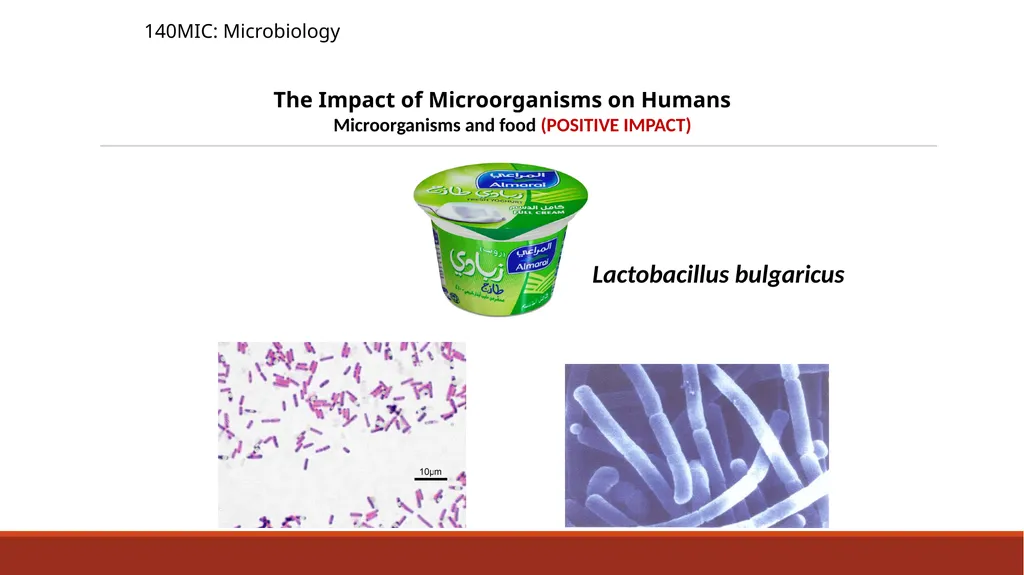
Microorganisms and food
Microorganisms, energy and there environment
Microorganisms and their genetic resources
Microbiology as a career Principles of Microbiology
Content 140MIC: Microbiology<br>
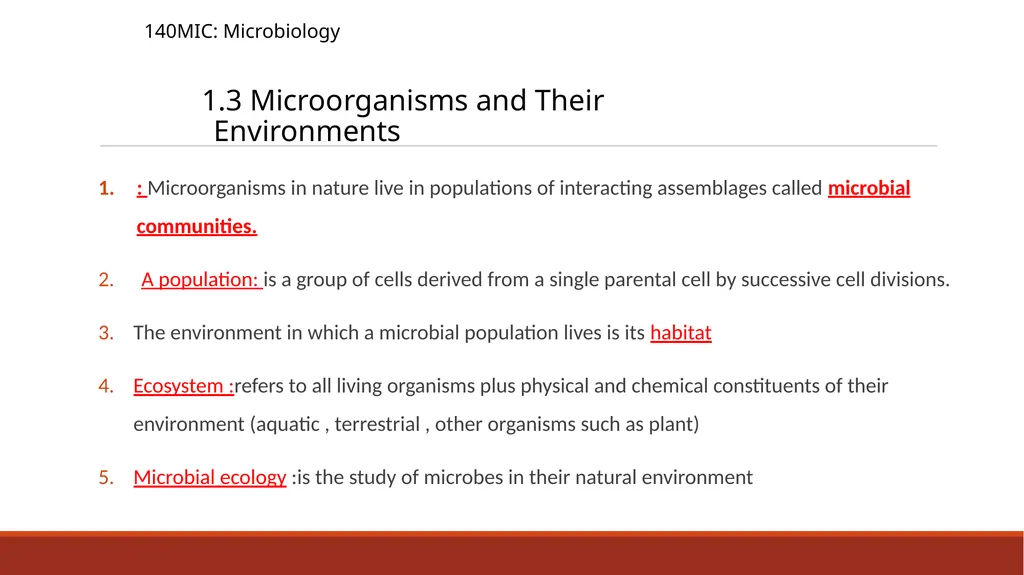
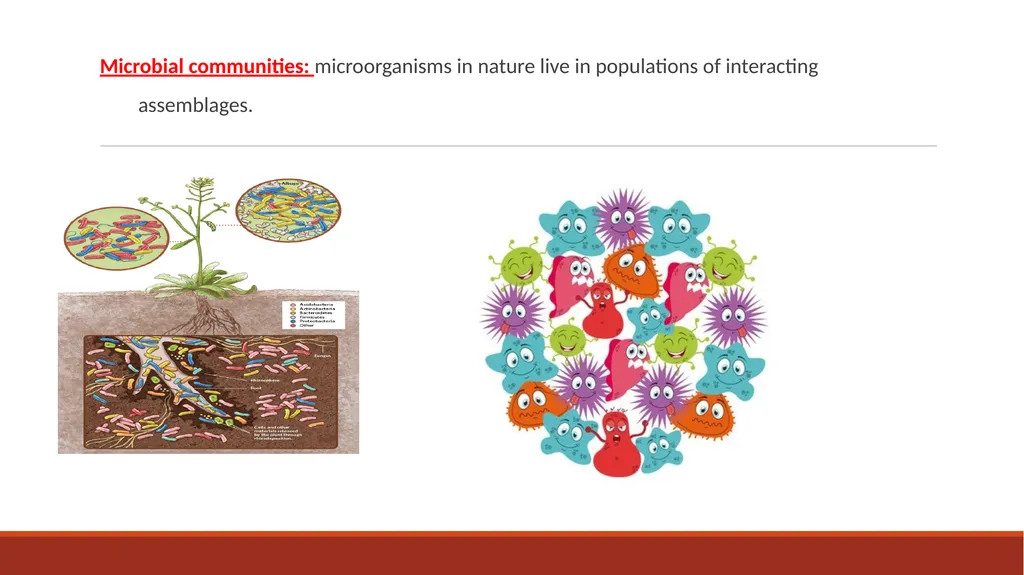
slide3. : Microorganisms in nature live in populations of interacting assemblages called microbial communities.
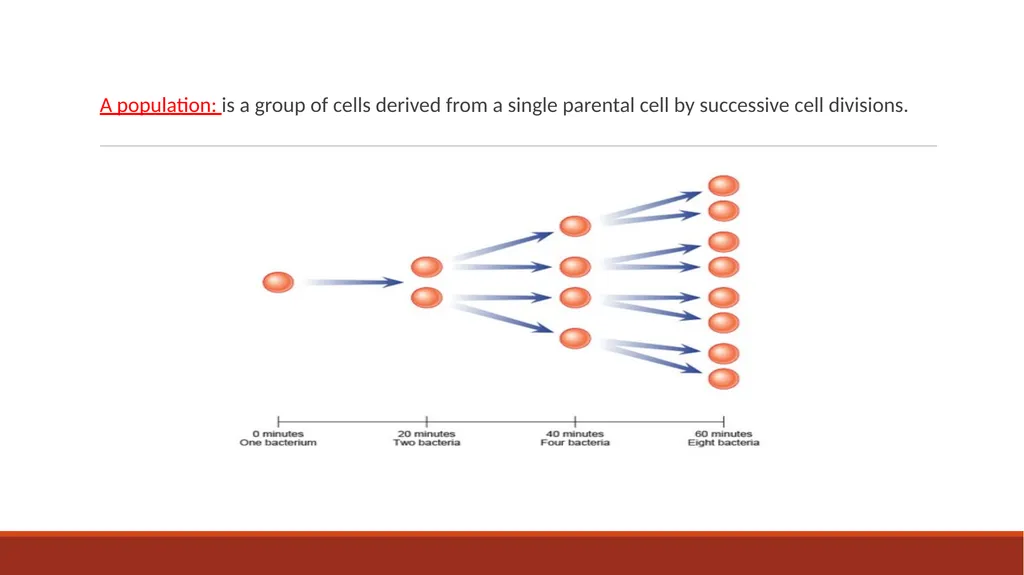
A population: is a group of cells derived from a single parental cell by successive cell divisions.
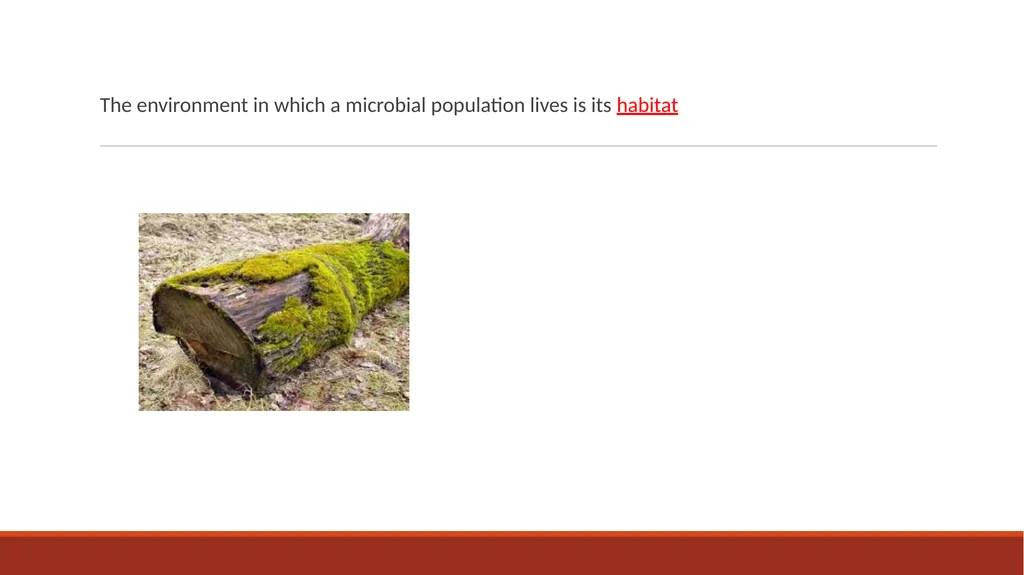
The environment in which a microbial population lives is its habitat
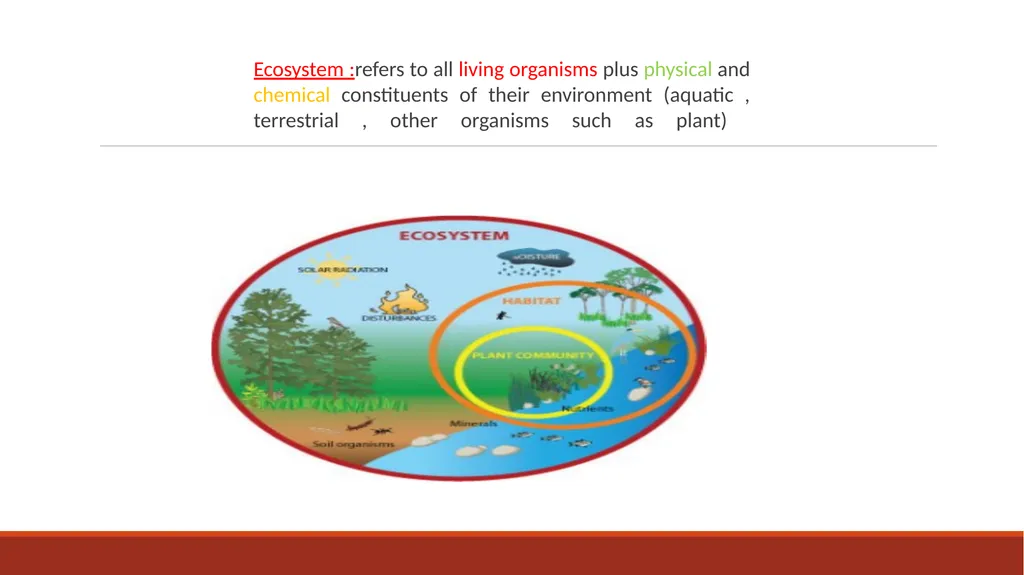
Ecosystem :refers to all living organisms plus physical and chemical constituents of their environment (aquatic , terrestrial , other organisms such as plant)
Microbial ecology :is the study of microbes in their natural environment 1.3 Microorganisms and Their Environments 140MIC: Microbiology<br>
slide4. Microbial communities: microorganisms in nature live in populations of interacting assemblages.<br>
slide5. A population: is a group of cells derived from a single parental cell by successive cell divisions.<br>
slide6. The environment in which a microbial population lives is its habitat<br>
slide7. Ecosystem :refers to all living organisms plus physical and chemical constituents of their environment (aquatic , terrestrial , other organisms such as plant)<br>
slide8. Microbial ecology :is the study of microbes in their natural environment<br>
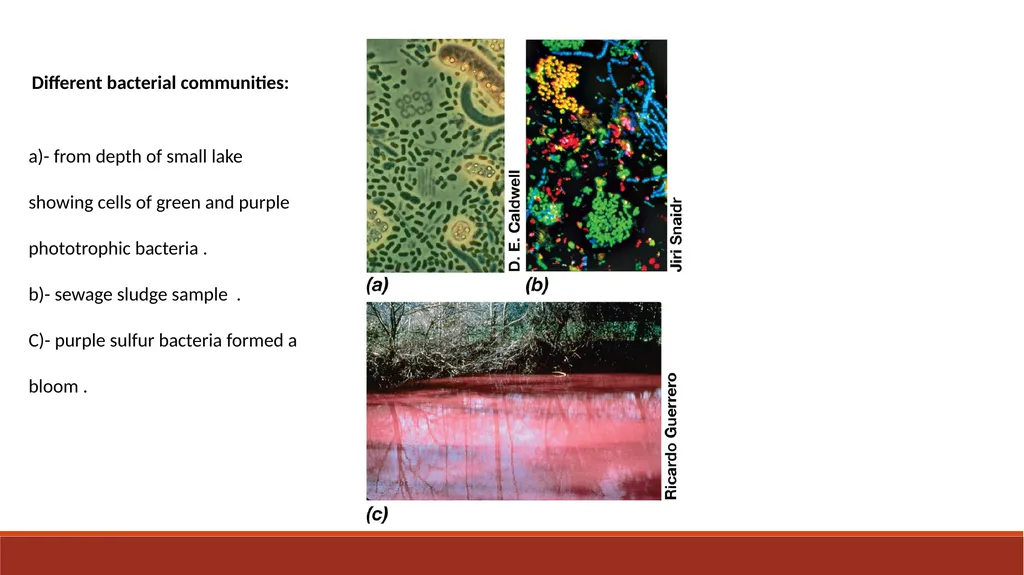
slide9. Different bacterial communities: a)- from depth of small lake showing cells of green and purple phototrophic bacteria .
b)- sewage sludge sample .
C)- purple sulfur bacteria formed a bloom .<br>
slide10. Diversity and abundances of microbes are controlled by
A- resources (nutrients , food ).
b- environmental conditions (e.g., temperature , pH, O2)
2. The activities of microbial communities can affect the chemical and physical properties of their habitats. 1.3 Microorganisms and Their Environments 140MIC: Microbiology<br>
slide11. Microbes also interact with their physical and chemical environment
Ecosystems greatly influenced (if not controlled) by microbial activities
Microorganisms change the chemical and physical properties of their habitats through their activities
For example, removal of nutrients from the environment and use them to build new cells
At the same time , they excrete waste products back into the environment.
Microbial ecosystems expand and contract depending on the resources and conditions available. 1.3 Microorganisms and Their Environments 140MIC: Microbiology<br>
slide12. The Impact of Microorganisms on Humans
Microorganisms as disease agents 140MIC: Microbiology Microorganisms can be both beneficial and harmful to humans
Emphasis typically on harmful microorganisms (infectious disease agents which known as pathogens).
Pathogens pose a major threat to human’s life in developing countries
Some disease caused by microorganisms include:
Malaria, tuberculosis, cholera, African sleeping sickness, measles, pneumonia and other respiratory diseases and diarrheal syndromes.
Emerging infectious diseases are of particular importance because they spread quickly
Such as Ebola, bird flu and MERS-CoV
Many more microorganisms are beneficial than are harmful
Microbial flora<br>
slide13. The Impact of Microorganisms on Humans
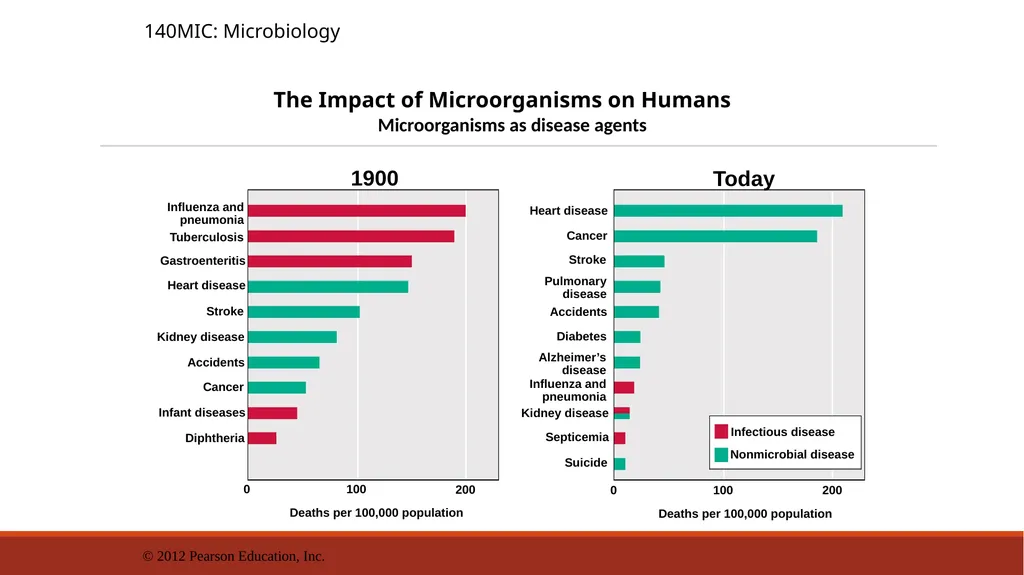
Microorganisms as disease agents 140MIC: Microbiology Heart disease Cancer Stroke Pulmonary disease Accidents Diabetes Kidney disease Septicemia Suicide Alzheimer’s disease Influenza and pneumonia Influenza and pneumonia Heart disease Stroke Kidney disease Cancer Tuberculosis Gastroenteritis Accidents Infant diseases Diphtheria Infectious disease Nonmicrobial disease Deaths per 100,000 population Deaths per 100,000 population 200 100 0 200 100 0 1900 Today © 2012 Pearson Education, Inc.<br>
slide14. The Impact of Microorganisms on Humans
Microorganisms and agriculture 140MIC: Microbiology Microorganisms and Agriculture
Many aspects of agriculture depend on microbial activities.
Positive impacts
Microbes to fix chemical components in the soil (Nitrogen, Sulfate)
cellulose-degradination microbes in the rumen
regeneration of nutrients in soil and water
Negative impacts
diseases in plants and animals<br>
slide15. The Impact of Microorganisms on Humans
Microorganisms and agriculture 140MIC: Microbiology Microorganisms and Agriculture
Many aspects of agriculture depend on microbial activities.
Positive impacts
Microbes to fix chemical components in the soil (Nitrogen, Sulfate)
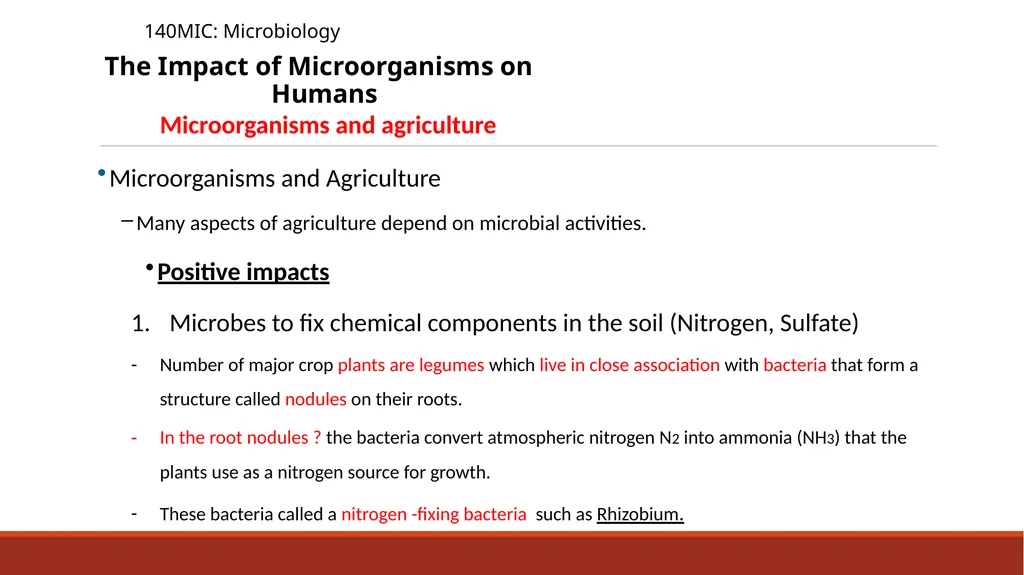
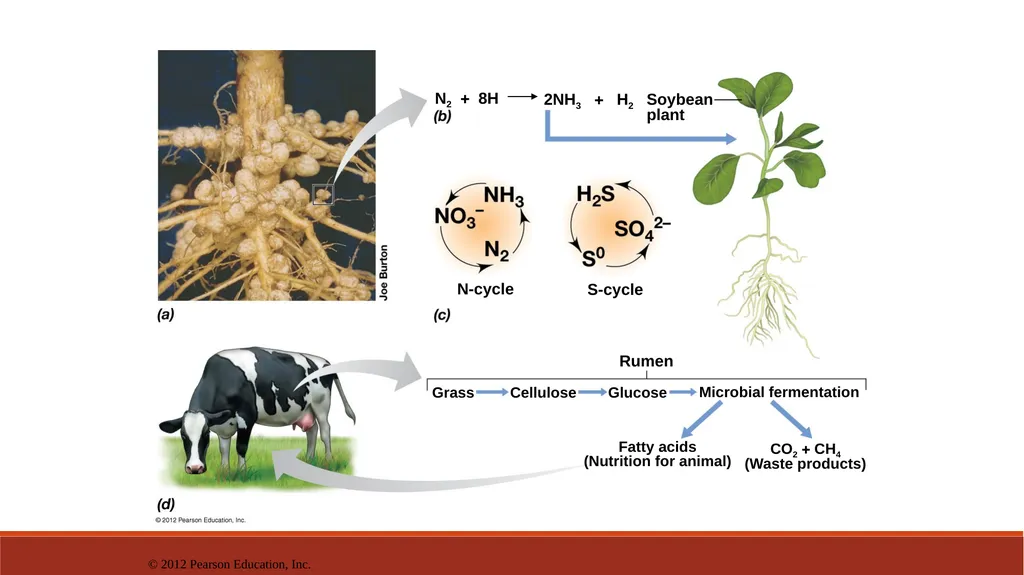
Number of major crop plants are legumes which live in close association with bacteria that form a structure called nodules on their roots.
In the root nodules ? the bacteria convert atmospheric nitrogen N2 into ammonia (NH3) that the plants use as a nitrogen source for growth.
These bacteria called a nitrogen -fixing bacteria such as Rhizobium.<br>
slide16. The Impact of Microorganisms on Humans
Microorganisms and agriculture 140MIC: Microbiology - Many aspects of agriculture depend on microbial activities.
Positive impacts
Microbes to fix chemical components in the soil (Nitrogen, Sulfate)
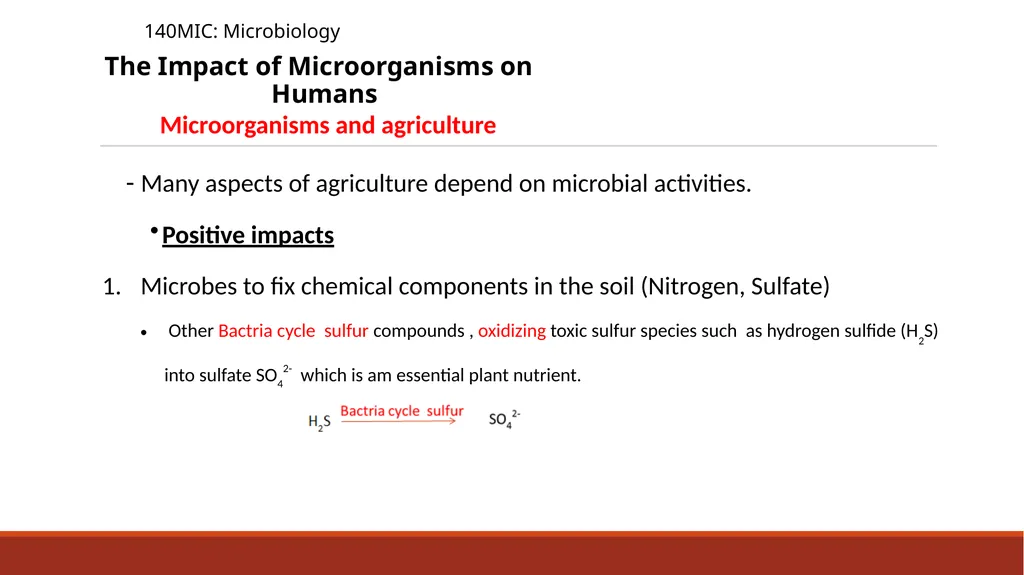
Other Bactria cycle sulfur compounds , oxidizing toxic sulfur species such as hydrogen sulfide (H2S) into sulfate SO42- which is am essential plant nutrient.<br>
slide17. The Impact of Microorganisms on Humans
Microorganisms and agriculture 140MIC: Microbiology Many aspects of agriculture depend on microbial activities.
Positive impacts
cellulose-degradination microbes in the rumen
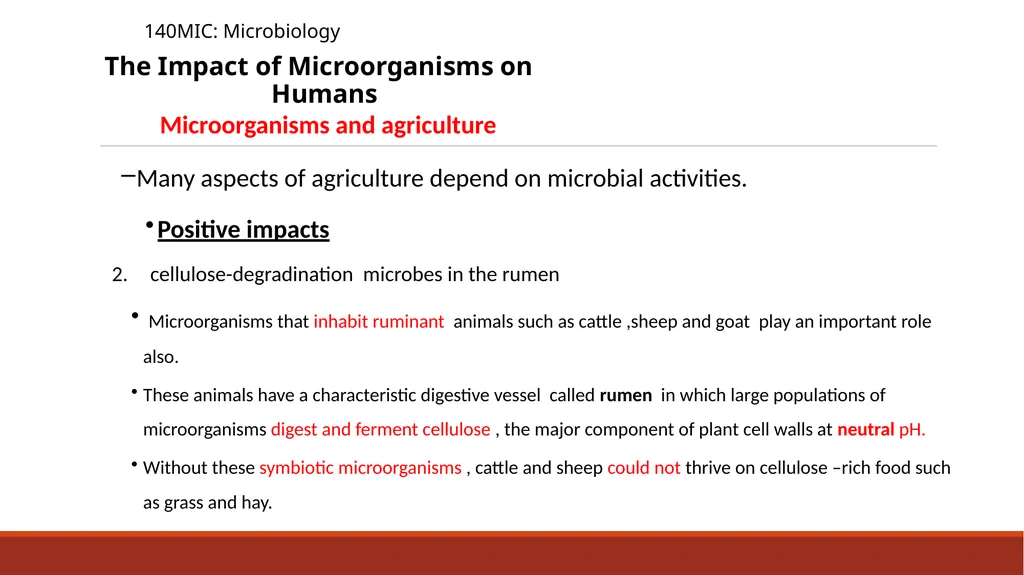
Microorganisms that inhabit ruminant animals such as cattle ,sheep and goat play an important role also.
These animals have a characteristic digestive vessel called rumen in which large populations of microorganisms digest and ferment cellulose , the major component of plant cell walls at neutral pH.
Without these symbiotic microorganisms , cattle and sheep could not thrive on cellulose –rich food such as grass and hay.<br>
slide18. Rumen Grass Cellulose Glucose Microbial fermentation N-cycle S-cycle Soybean plant Fatty acids (Nutrition for animal) CO2 CH4 (Waste products) N2 8H 2NH3 H2 © 2012 Pearson Education, Inc.<br>
slide19. The Impact of Microorganisms on Humans
Microorganisms and agriculture 140MIC: Microbiology Many aspects of agriculture depend on microbial activities.
Positive impacts
regeneration of nutrients in soil and water
Negative impacts
diseases in plants and animals used for human food cause major economic losses in the agricultural industry .<br>
slide20. The Impact of Microorganisms on Humans
Microorganisms and food 140MIC: Microbiology Microorganisms and Food
Negative impacts
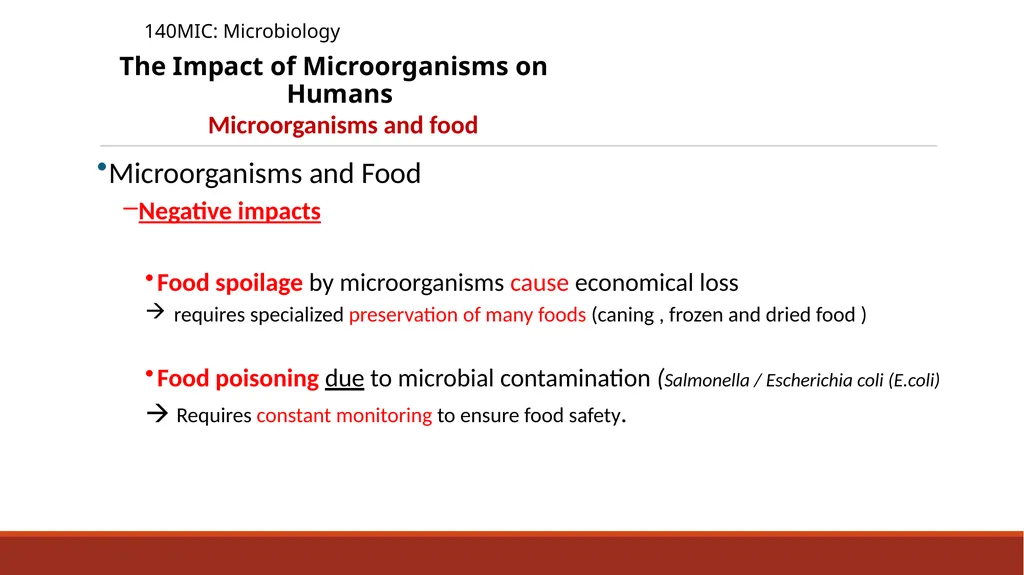
Food spoilage by microorganisms cause economical loss
requires specialized preservation of many foods (caning , frozen and dried food )
Food poisoning due to microbial contamination (Salmonella / Escherichia coli (E.coli)
Requires constant monitoring to ensure food safety.<br>
slide21. The Impact of Microorganisms on Humans
Microorganisms and food 140MIC: Microbiology Microorganisms and Food
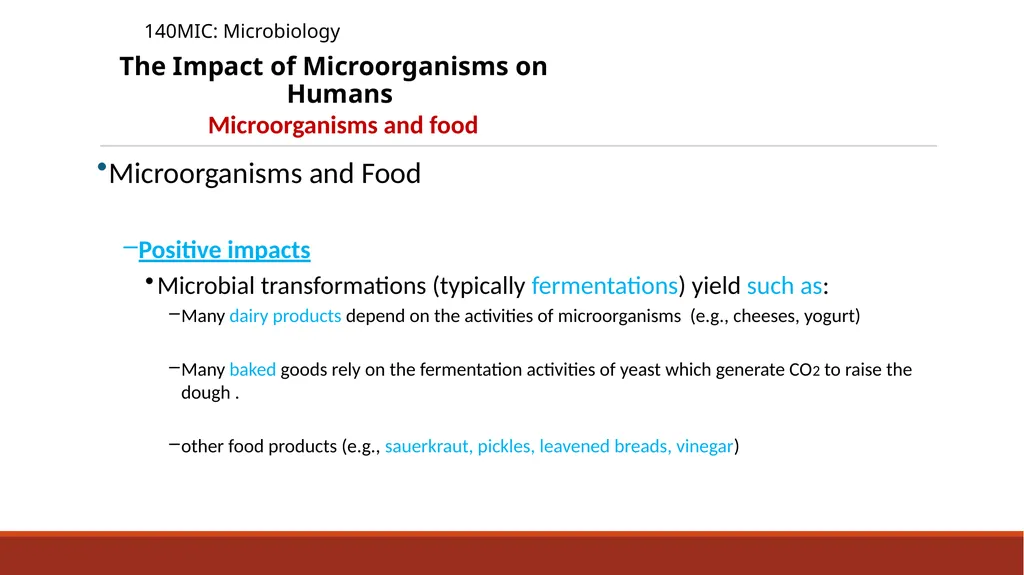
Positive impacts
Microbial transformations (typically fermentations) yield such as:
Many dairy products depend on the activities of microorganisms (e.g., cheeses, yogurt)
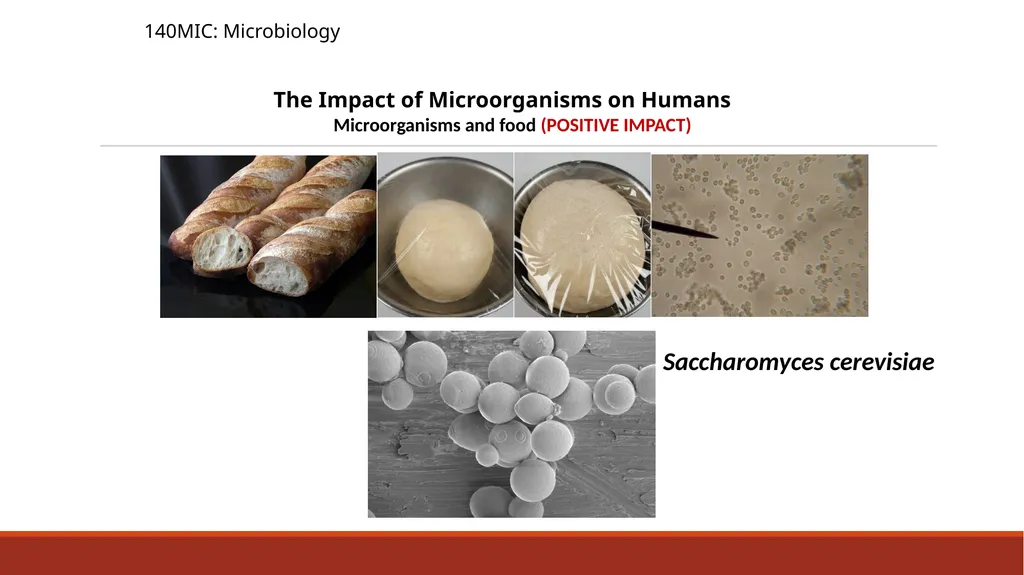
Many baked goods rely on the fermentation activities of yeast which generate CO2 to raise the dough .
other food products (e.g., sauerkraut, pickles, leavened breads, vinegar)<br>
slide22. The Impact of Microorganisms on Humans
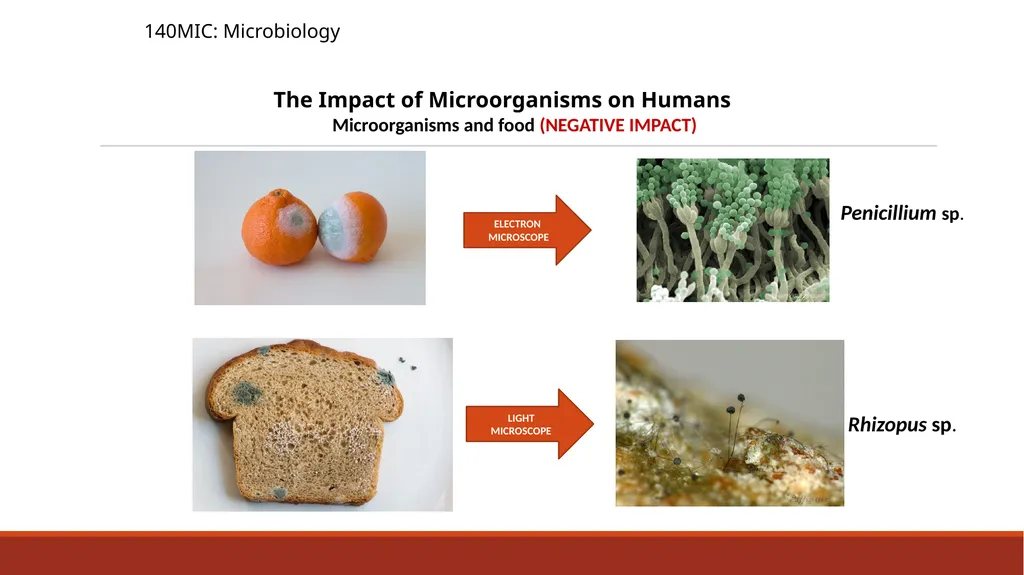
Microorganisms and food (NEGATIVE IMPACT) 140MIC: Microbiology ELECTRON
MICROSCOPE LIGHT
MICROSCOPE Penicillium sp. Rhizopus sp.<br>
slide23. The Impact of Microorganisms on Humans
Microorganisms and food (POSITIVE IMPACT) 140MIC: Microbiology Saccharomyces cerevisiae<br>
slide24. The Impact of Microorganisms on Humans
Microorganisms and food (POSITIVE IMPACT) 140MIC: Microbiology Lactobacillus bulgaricus<br>
slide25. The Impact of Microorganisms on Humans
Microorganisms, Energy, and the Environment 140MIC: Microbiology The role of microbes in biofuels production . For example:
methane a natural gas , which is a product of anaerobic degradation of organic matter by methanogenic bacteria.
ethanol , which is prouduced by microbial fermentation of glucose .
Industrial microbiology: Growing microorganisms in large scales to make products of low commercial value. e.g. antibiotics and various chemicals (such as citric acid).<br>
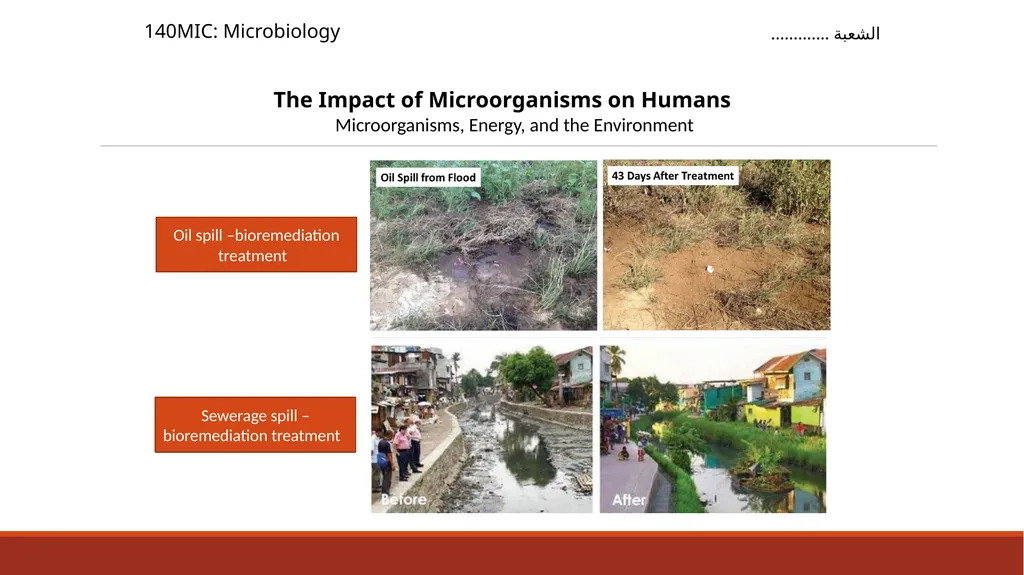
slide26. The role of microbes in cleaning up pollutants (bioremediation).
- There are 2 ways:
By introducing specific microorganisms to a polluted environment
By adding nutrients that stimulate preexisting microorganisms to degrade the pollutants. The Impact of Microorganisms on Humans Microorganisms, Energy, and the Environment<br>
slide27. الشعبة ............. The Impact of Microorganisms on Humans
Microorganisms, Energy, and the Environment 140MIC: Microbiology Sewerage spill –bioremediation treatment Oil spill –bioremediation treatment<br>
slide28. The Impact of Microorganisms on Humans
Microorganisms and Their Genetic Resources 140MIC: Microbiology Biotechnology employs genetically engineered microorganisms to generate products of high value to humans, such as insulin and human proteins.
Microbiology as a Career:
Clinical medicine
Research and development – pharmaceutical, chemical/biochemical, biotechnology
Microbial monitoring in food and beverage industries, public health, government.<br>
slide29. REMEMBER You can always ask questions through our discussion board on www.lms.ksu.edu.sa<br>
Principles of Microbiology (Part-2)<br>
slide2. 1.1 Microbiology and Microorganisms
The importance of microorganisms
1.2 Microbial Cells
Cell chemistry and key structure
Characteristics of living systems
Cell functions: coding and metabolism.
1.3 Microorganisms and Their Environments
Microbial interaction
1.4 The Impact of Microorganisms on Humans
Microorganisms as disease agents
Microorganisms and agriculture
Microorganisms and food
Microorganisms, energy and there environment
Microorganisms and their genetic resources
Microbiology as a career Principles of Microbiology
Content 140MIC: Microbiology<br>
slide3. : Microorganisms in nature live in populations of interacting assemblages called microbial communities.
A population: is a group of cells derived from a single parental cell by successive cell divisions.
The environment in which a microbial population lives is its habitat
Ecosystem :refers to all living organisms plus physical and chemical constituents of their environment (aquatic , terrestrial , other organisms such as plant)
Microbial ecology :is the study of microbes in their natural environment 1.3 Microorganisms and Their Environments 140MIC: Microbiology<br>
slide4. Microbial communities: microorganisms in nature live in populations of interacting assemblages.<br>
slide5. A population: is a group of cells derived from a single parental cell by successive cell divisions.<br>
slide6. The environment in which a microbial population lives is its habitat<br>
slide7. Ecosystem :refers to all living organisms plus physical and chemical constituents of their environment (aquatic , terrestrial , other organisms such as plant)<br>
slide8. Microbial ecology :is the study of microbes in their natural environment<br>
slide9. Different bacterial communities: a)- from depth of small lake showing cells of green and purple phototrophic bacteria .
b)- sewage sludge sample .
C)- purple sulfur bacteria formed a bloom .<br>
slide10. Diversity and abundances of microbes are controlled by
A- resources (nutrients , food ).
b- environmental conditions (e.g., temperature , pH, O2)
2. The activities of microbial communities can affect the chemical and physical properties of their habitats. 1.3 Microorganisms and Their Environments 140MIC: Microbiology<br>
slide11. Microbes also interact with their physical and chemical environment
Ecosystems greatly influenced (if not controlled) by microbial activities
Microorganisms change the chemical and physical properties of their habitats through their activities
For example, removal of nutrients from the environment and use them to build new cells
At the same time , they excrete waste products back into the environment.
Microbial ecosystems expand and contract depending on the resources and conditions available. 1.3 Microorganisms and Their Environments 140MIC: Microbiology<br>
slide12. The Impact of Microorganisms on Humans
Microorganisms as disease agents 140MIC: Microbiology Microorganisms can be both beneficial and harmful to humans
Emphasis typically on harmful microorganisms (infectious disease agents which known as pathogens).
Pathogens pose a major threat to human’s life in developing countries
Some disease caused by microorganisms include:
Malaria, tuberculosis, cholera, African sleeping sickness, measles, pneumonia and other respiratory diseases and diarrheal syndromes.
Emerging infectious diseases are of particular importance because they spread quickly
Such as Ebola, bird flu and MERS-CoV
Many more microorganisms are beneficial than are harmful
Microbial flora<br>
slide13. The Impact of Microorganisms on Humans
Microorganisms as disease agents 140MIC: Microbiology Heart disease Cancer Stroke Pulmonary disease Accidents Diabetes Kidney disease Septicemia Suicide Alzheimer’s disease Influenza and pneumonia Influenza and pneumonia Heart disease Stroke Kidney disease Cancer Tuberculosis Gastroenteritis Accidents Infant diseases Diphtheria Infectious disease Nonmicrobial disease Deaths per 100,000 population Deaths per 100,000 population 200 100 0 200 100 0 1900 Today © 2012 Pearson Education, Inc.<br>
slide14. The Impact of Microorganisms on Humans
Microorganisms and agriculture 140MIC: Microbiology Microorganisms and Agriculture
Many aspects of agriculture depend on microbial activities.
Positive impacts
Microbes to fix chemical components in the soil (Nitrogen, Sulfate)
cellulose-degradination microbes in the rumen
regeneration of nutrients in soil and water
Negative impacts
diseases in plants and animals<br>
slide15. The Impact of Microorganisms on Humans
Microorganisms and agriculture 140MIC: Microbiology Microorganisms and Agriculture
Many aspects of agriculture depend on microbial activities.
Positive impacts
Microbes to fix chemical components in the soil (Nitrogen, Sulfate)
Number of major crop plants are legumes which live in close association with bacteria that form a structure called nodules on their roots.
In the root nodules ? the bacteria convert atmospheric nitrogen N2 into ammonia (NH3) that the plants use as a nitrogen source for growth.
These bacteria called a nitrogen -fixing bacteria such as Rhizobium.<br>
slide16. The Impact of Microorganisms on Humans
Microorganisms and agriculture 140MIC: Microbiology - Many aspects of agriculture depend on microbial activities.
Positive impacts
Microbes to fix chemical components in the soil (Nitrogen, Sulfate)
Other Bactria cycle sulfur compounds , oxidizing toxic sulfur species such as hydrogen sulfide (H2S) into sulfate SO42- which is am essential plant nutrient.<br>
slide17. The Impact of Microorganisms on Humans
Microorganisms and agriculture 140MIC: Microbiology Many aspects of agriculture depend on microbial activities.
Positive impacts
cellulose-degradination microbes in the rumen
Microorganisms that inhabit ruminant animals such as cattle ,sheep and goat play an important role also.
These animals have a characteristic digestive vessel called rumen in which large populations of microorganisms digest and ferment cellulose , the major component of plant cell walls at neutral pH.
Without these symbiotic microorganisms , cattle and sheep could not thrive on cellulose –rich food such as grass and hay.<br>
slide18. Rumen Grass Cellulose Glucose Microbial fermentation N-cycle S-cycle Soybean plant Fatty acids (Nutrition for animal) CO2 CH4 (Waste products) N2 8H 2NH3 H2 © 2012 Pearson Education, Inc.<br>
slide19. The Impact of Microorganisms on Humans
Microorganisms and agriculture 140MIC: Microbiology Many aspects of agriculture depend on microbial activities.
Positive impacts
regeneration of nutrients in soil and water
Negative impacts
diseases in plants and animals used for human food cause major economic losses in the agricultural industry .<br>
slide20. The Impact of Microorganisms on Humans
Microorganisms and food 140MIC: Microbiology Microorganisms and Food
Negative impacts
Food spoilage by microorganisms cause economical loss
requires specialized preservation of many foods (caning , frozen and dried food )
Food poisoning due to microbial contamination (Salmonella / Escherichia coli (E.coli)
Requires constant monitoring to ensure food safety.<br>
slide21. The Impact of Microorganisms on Humans
Microorganisms and food 140MIC: Microbiology Microorganisms and Food
Positive impacts
Microbial transformations (typically fermentations) yield such as:
Many dairy products depend on the activities of microorganisms (e.g., cheeses, yogurt)
Many baked goods rely on the fermentation activities of yeast which generate CO2 to raise the dough .
other food products (e.g., sauerkraut, pickles, leavened breads, vinegar)<br>
slide22. The Impact of Microorganisms on Humans
Microorganisms and food (NEGATIVE IMPACT) 140MIC: Microbiology ELECTRON
MICROSCOPE LIGHT
MICROSCOPE Penicillium sp. Rhizopus sp.<br>
slide23. The Impact of Microorganisms on Humans
Microorganisms and food (POSITIVE IMPACT) 140MIC: Microbiology Saccharomyces cerevisiae<br>
slide24. The Impact of Microorganisms on Humans
Microorganisms and food (POSITIVE IMPACT) 140MIC: Microbiology Lactobacillus bulgaricus<br>
slide25. The Impact of Microorganisms on Humans
Microorganisms, Energy, and the Environment 140MIC: Microbiology The role of microbes in biofuels production . For example:
methane a natural gas , which is a product of anaerobic degradation of organic matter by methanogenic bacteria.
ethanol , which is prouduced by microbial fermentation of glucose .
Industrial microbiology: Growing microorganisms in large scales to make products of low commercial value. e.g. antibiotics and various chemicals (such as citric acid).<br>
slide26. The role of microbes in cleaning up pollutants (bioremediation).
- There are 2 ways:
By introducing specific microorganisms to a polluted environment
By adding nutrients that stimulate preexisting microorganisms to degrade the pollutants. The Impact of Microorganisms on Humans Microorganisms, Energy, and the Environment<br>
slide27. الشعبة ............. The Impact of Microorganisms on Humans
Microorganisms, Energy, and the Environment 140MIC: Microbiology Sewerage spill –bioremediation treatment Oil spill –bioremediation treatment<br>
slide28. The Impact of Microorganisms on Humans
Microorganisms and Their Genetic Resources 140MIC: Microbiology Biotechnology employs genetically engineered microorganisms to generate products of high value to humans, such as insulin and human proteins.
Microbiology as a Career:
Clinical medicine
Research and development – pharmaceutical, chemical/biochemical, biotechnology
Microbial monitoring in food and beverage industries, public health, government.<br>
slide29. REMEMBER You can always ask questions through our discussion board on www.lms.ksu.edu.sa<br>