04
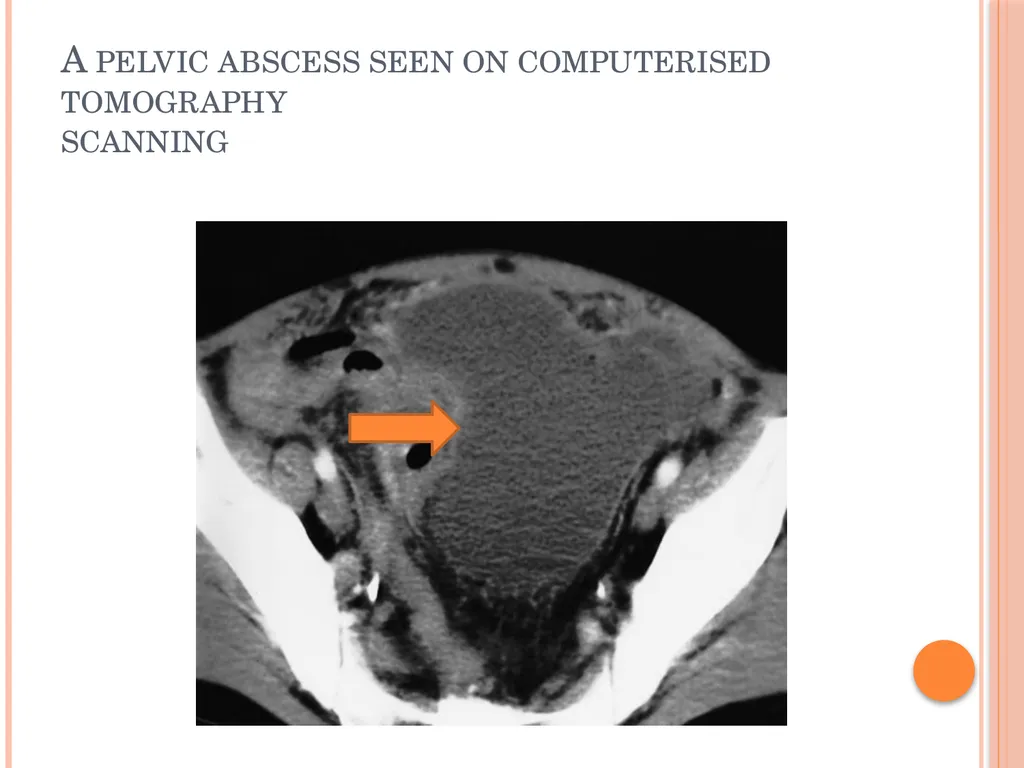
A pelvic abscess seen on computerised tomography�scanning<br>
05
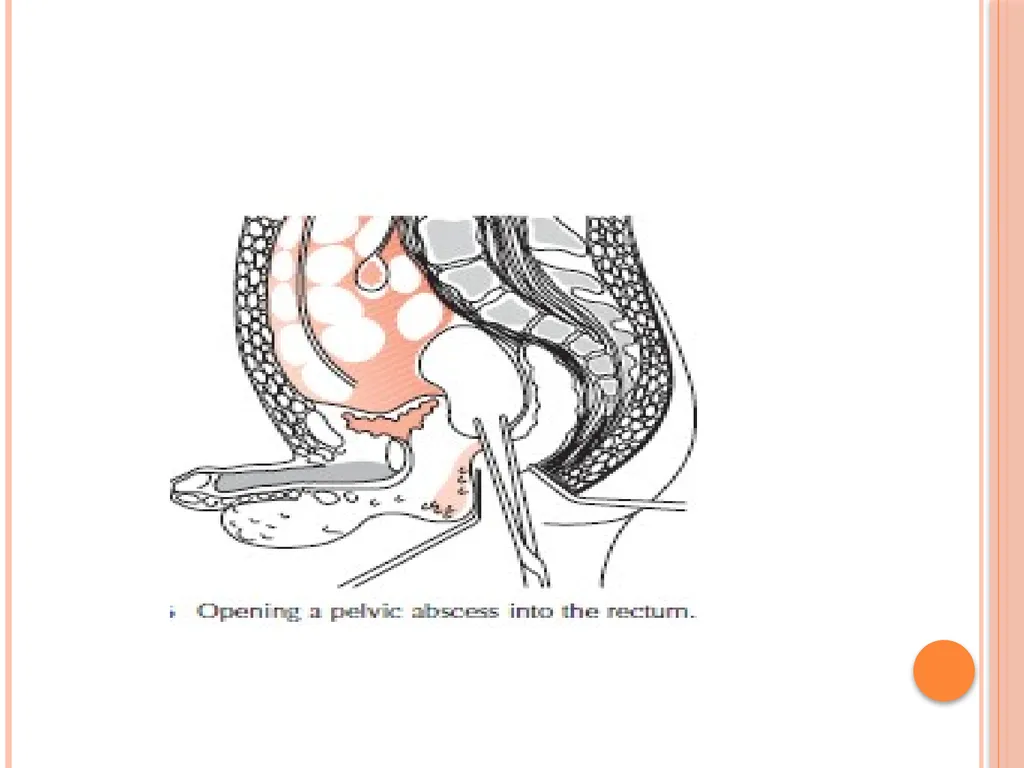
Rectal examination reveals a bulging of the anterior rectal wall, which, when the abscess is ripe, becomes softly cystic.
a proportion of these abscesses burst into the rectum, after which the patient nearly always recovers rapidly.
If this does not occur, the abscess should be drained. In women, vaginal drainage through the posterior fornix is often chosen. In other cases, when the abscess is definitely pointing into the rectum, rectal drainage employed.<br>
07
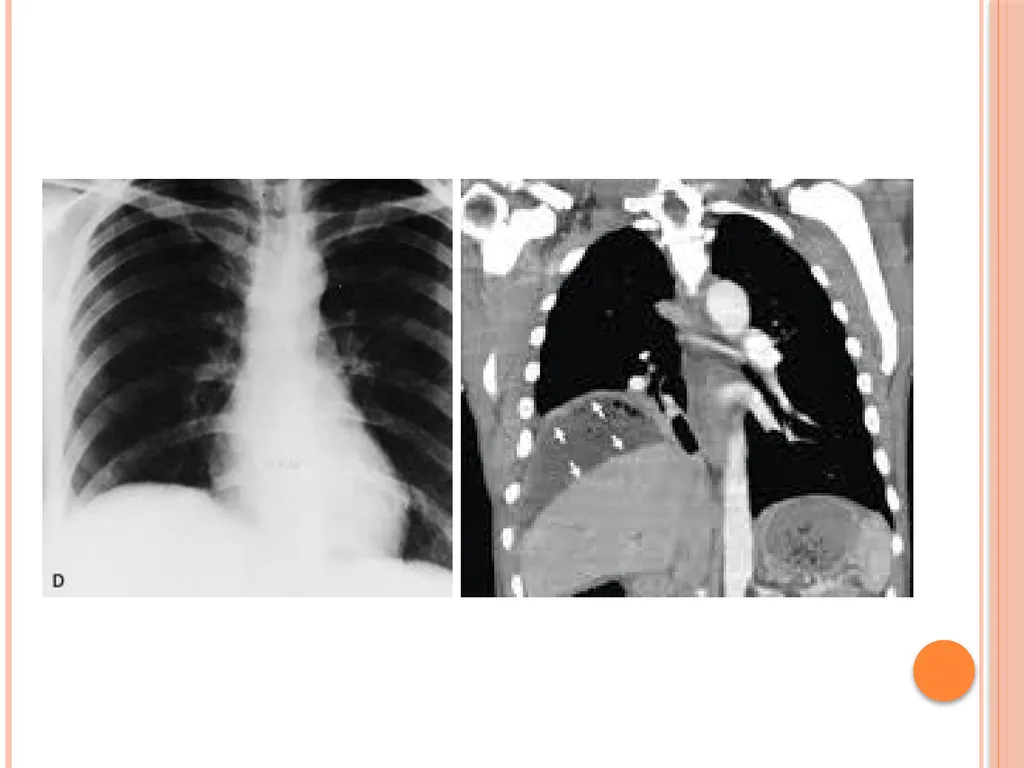
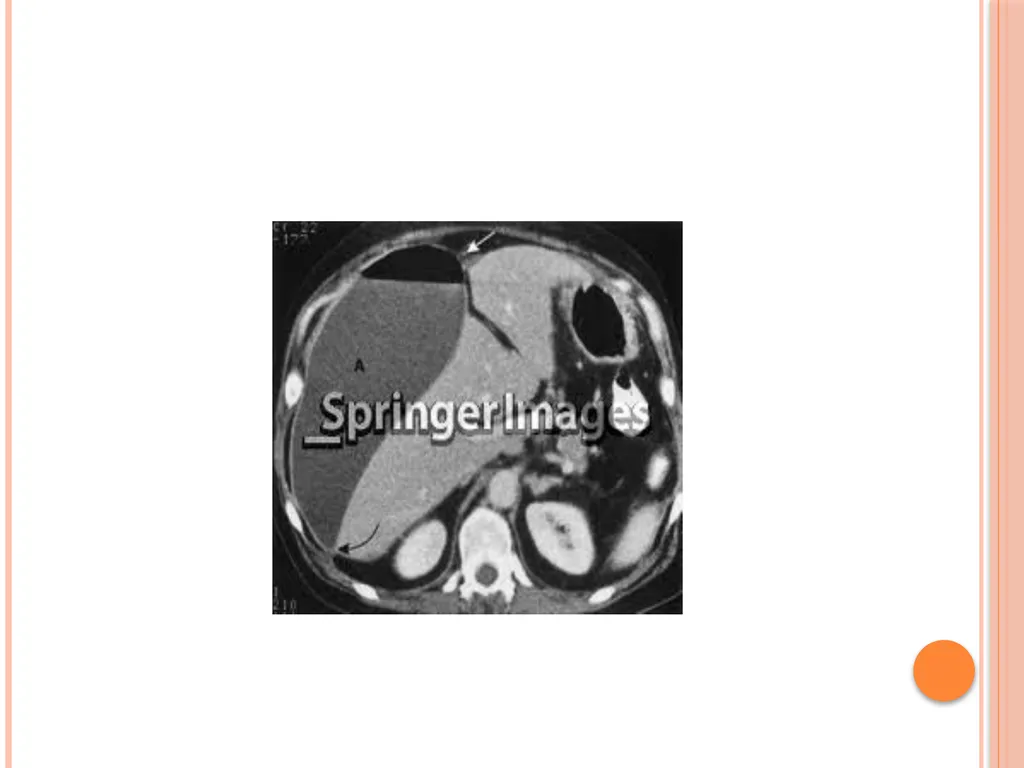
Subphrenic abscess Anatomy
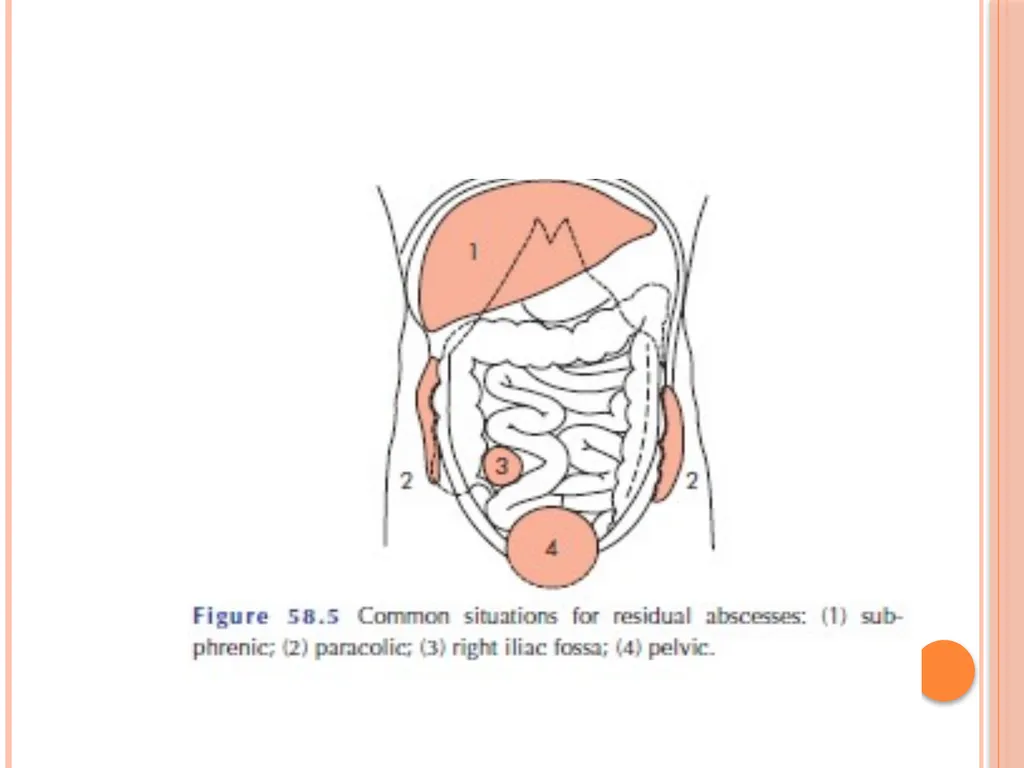
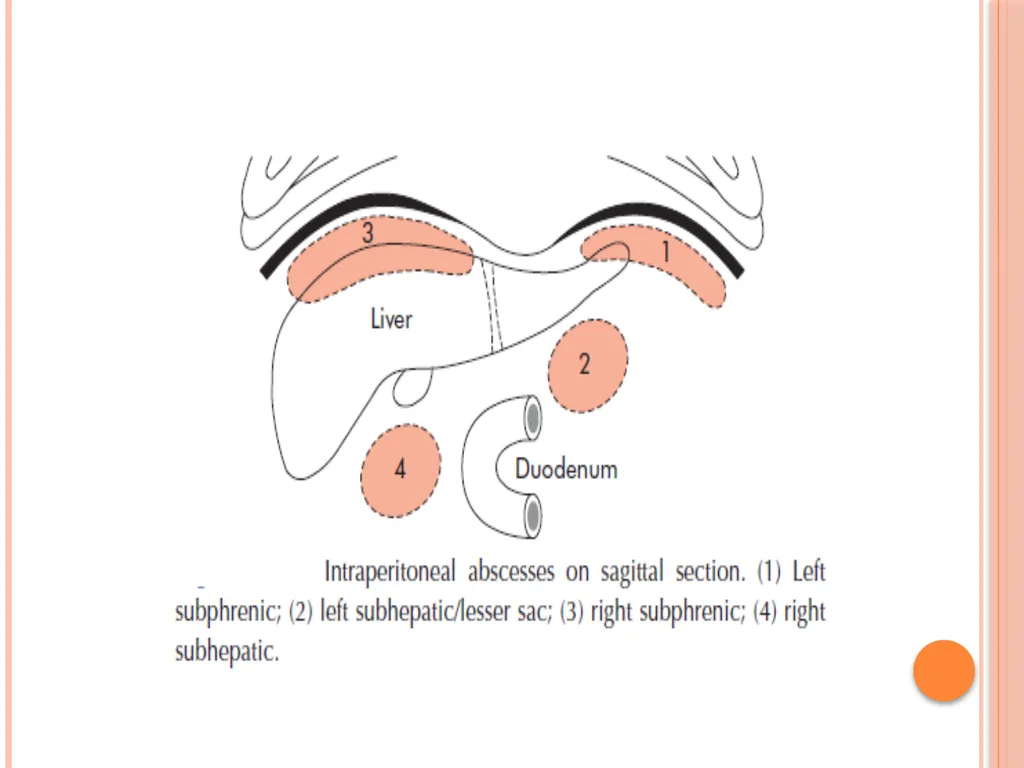
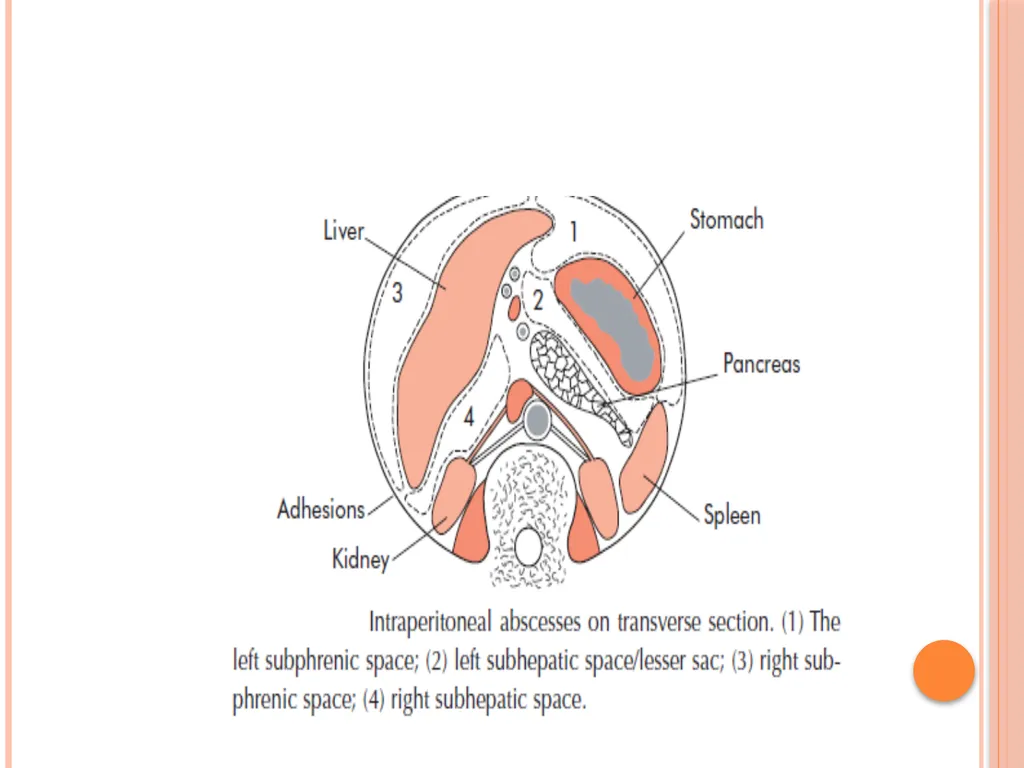
The complicated arrangement of the peritoneum results in the formation of four peritoneal and three extraperitoneal spaces in which pus may collect.
Intraperitoneal abscess;
1-Left subphrenic space This is bounded above by the diaphragm and behind by the left triangular ligament and the left lobe of the liver, the gastrohepatic omentum and the anterior surface of the stomach.<br>
08
The common cause of an abscess here is an operation on the stomach, the tail of the pancreas, the spleen or the splenic flexure of the colon.
2-Right subphrenic space ;This space lies between the right lobe of the liver and the diaphragm. It is limited posteriorly by the anterior layer of the coronary and the right triangular ligaments and to the left by the falciform ligament. Common causes of abscess here are perforating cholecystitis, a perforated duodenal ulcer, a duodenal cap ‘blow-out’ following gastrectomy and appendicitis.<br>
09
3-Right subhepatic spaceThis lies transversely beneath the right lobe of the liver in Rutherford Morison’s pouch. It is bounded on the right by the right lobe of the liver and the diaphragm. To the left is situated the foramen of Winslow and below this lies the duodenum The space is bounded above by the liver and below by the transverse colon and hepatic flexure.
It is the deepest space of the four and the commonest site of a subphrenic abscess, which usually arises from appendicitis, cholecystitis, a perforated duodenal ulcer or following upper abdominal surgery.<br>
10
4-Left subhepatic space/lesser sac The commonest cause of infection here is complicated acute pancreatitis<br>
11
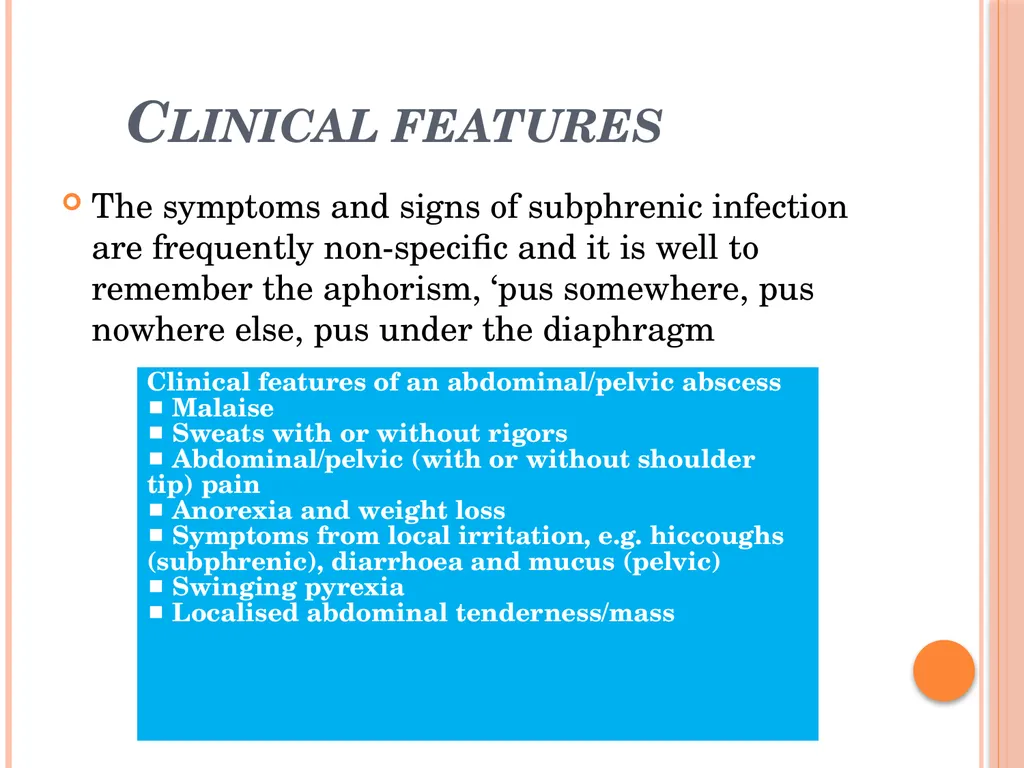
Clinical features The symptoms and signs of subphrenic infection are frequently non-specific and it is well to remember the aphorism, ‘pus somewhere, pus nowhere else, pus under the diaphragm<br>
12
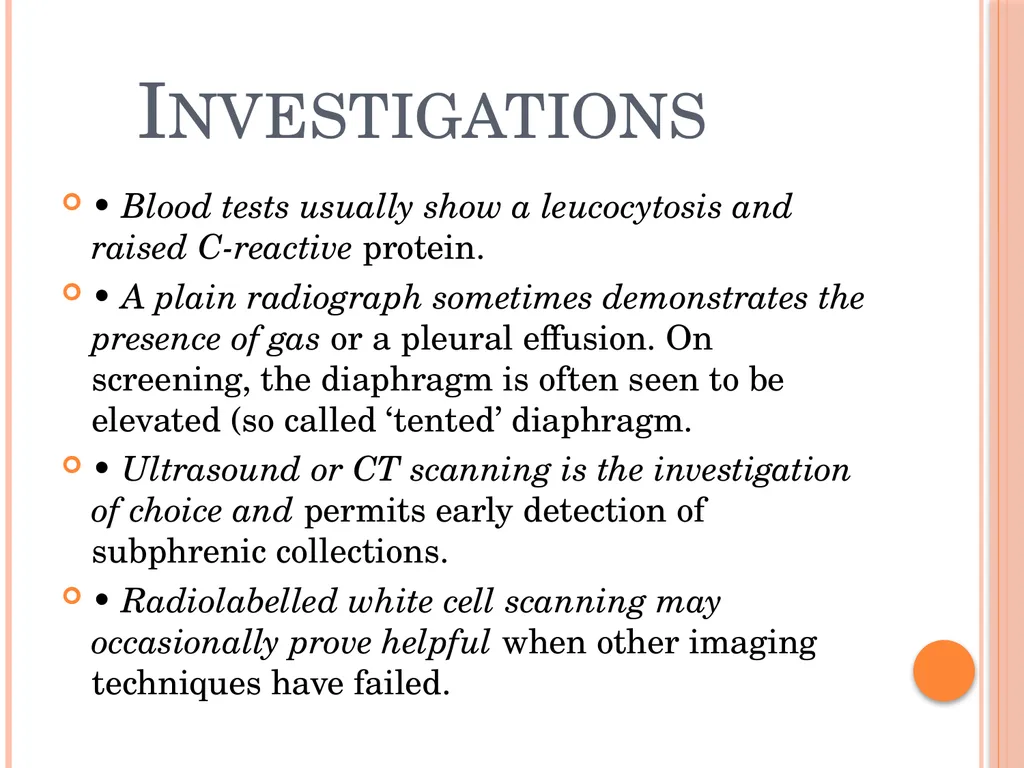
Investigations • Blood tests usually show a leucocytosis and raised C-reactive protein.
• A plain radiograph sometimes demonstrates the presence of gas or a pleural effusion. On screening, the diaphragm is often seen to be elevated (so called ‘tented’ diaphragm.
• Ultrasound or CT scanning is the investigation of choice and permits early detection of subphrenic collections.
• Radiolabelled white cell scanning may occasionally prove helpful when other imaging techniques have failed.<br>
13
Treatment If skilled help is available it is usually possible to insert a percutaneous drainage tube under ultrasound or CT control. The same tube can be used to instil antibiotic solutions or irrigate the abscess cavity
If an operative approach is necessary and a swelling can be detected in the subcostal region or in the loin, an incision is made over the site of maximum tenderness or over any area where oedema or redness is discovered.
If no swelling is apparent, the subphrenic spaces should be explored by either an anterior subcostal approach or from behind after removal of the outer part of the 12th rib according to the position of the abscess on imaging<br>
14
ADHESIONS Adhesions are strands of fibrous tissue that form, usually as a result of surgery, between surgically injured tissues
After injury, there is bleeding and an increase in vascular permeability with extravasation of fibrinogen-rich fluid from the injured surfaces forming a temporary fibrin matrix.
In the absence of fibrinolysis, adhesions will form within 5–7 days as the matrix gradually
becomes more organised with collagen secretion by fibroblasts<br>
15
Fibrinolysis is therefore the key factor in determining whether an adhesion persists
The most common adhesion-related problem is small bowel obstruction (SBO). Adhesions are the most frequent cause of SBO in the developed world and are responsible for 60–70 percent of SBO
Adhesions are implicated as a major cause of secondary infertility
The relationship of adhesions to chronic abdominal and pelvic pain is contentious.<br>
16
Careful operative technique, including meticulous control of bleeding, remain however the most critical concepts.in prevention of adhesions.<br>
17
Familial Mediterranean fever (periodic peritonitis) Characterised by abdominal pain and tenderness, mild pyrexia, polymorphonuclear leukocytosis
The duration of an attack is 24–72 hours, when it is followed by complete remission
Most of the patients have undergone appendicectomy in childhood.
This disease, often familial, is
limited principally to Arab, Armenian and Jewish populations
Colchicine therapy is used during attacks and to
prevent recurrent attacks.<br>
18
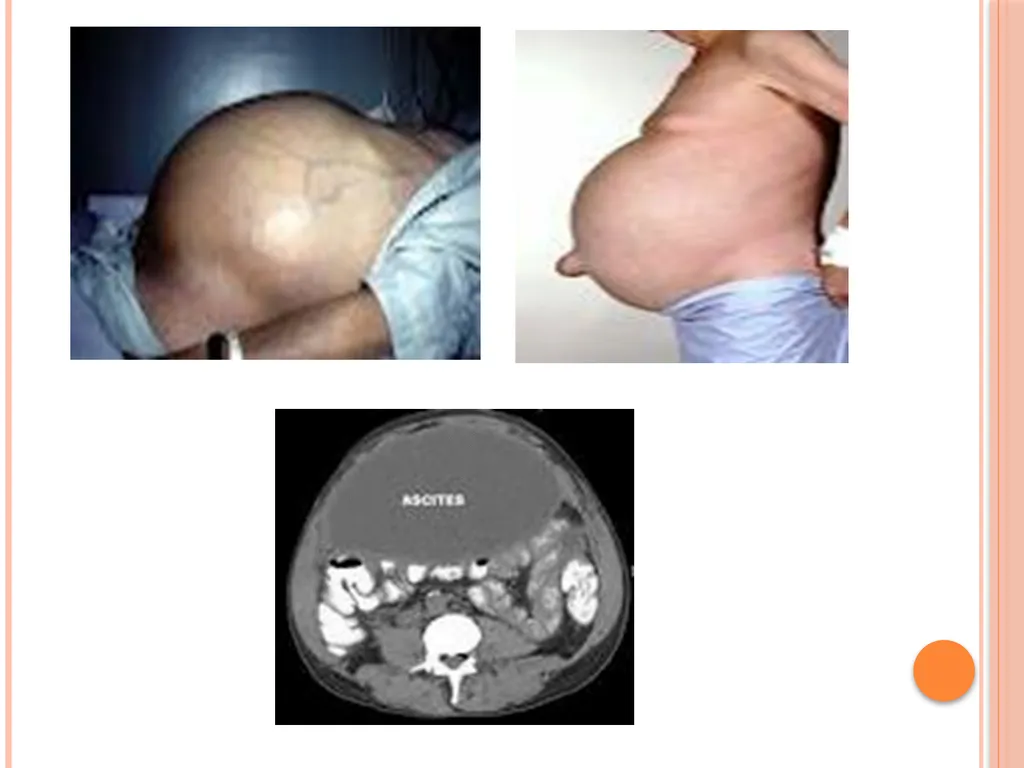
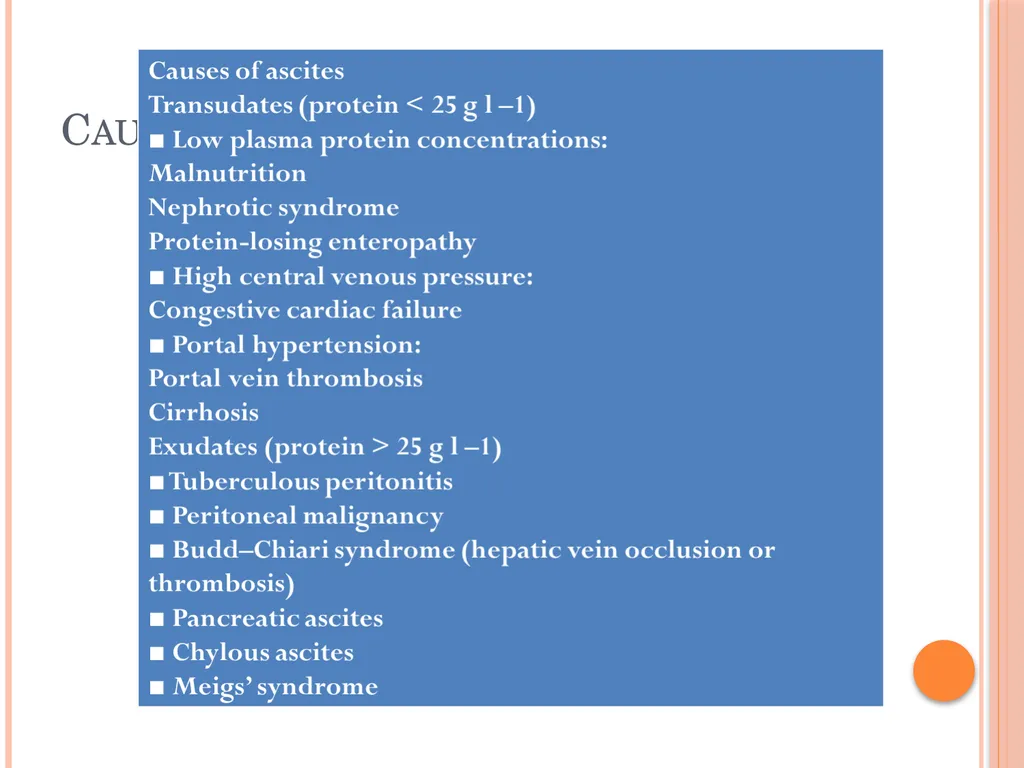
ِAscites Ascites, an excess of serous fluid within the peritoneal cavity, can be recognised clinically only when the amount of fluid present exceeds 1500 ml;<br>
19
The balanced effects of plasma and peritoneal colloid osmotic and hydrostatic pressures determine the exchange of fluid between the capillaries and the peritoneal fluid.
Protein-rich fluid enters the peritoneal cavity when capillary permeability is increased, as in peritonitis and carcinomatosis peritonei.
Capillary pressure may be increased because of generalised water retention, cardiac failure, constrictive pericarditis or vena cava obstruction. Capillary pressure is raised selectively in the portal venous system in the Budd–Chiari syndrome, cirrhosis of the liver<br>
20
Plasma colloid osmotic pressure may be lowered in patients with reduced nutritional intake, diminished intestinal absorption, abnormal protein losses or defective protein synthesis such as occurs in cirrhosis.Peritoneal lymphatic drainage may be impaired, resulting in the accumulation of protein-rich fluid<br>
21
The abdomen is distended evenly with fullness of the flanks,which are dull to percussion.
shifting dullness is present.
Congestive heart failure, the commonest cause of ascites<br>
23
Treatment Treatment of the specific cause is undertaken whenever possible; for example, if portal venous pressure is raised, it may be possible to lower it by treatment of the primary condition.
Dietary sodium restriction to 200 mg day-1 may be helpful, but diuretics are usually required.
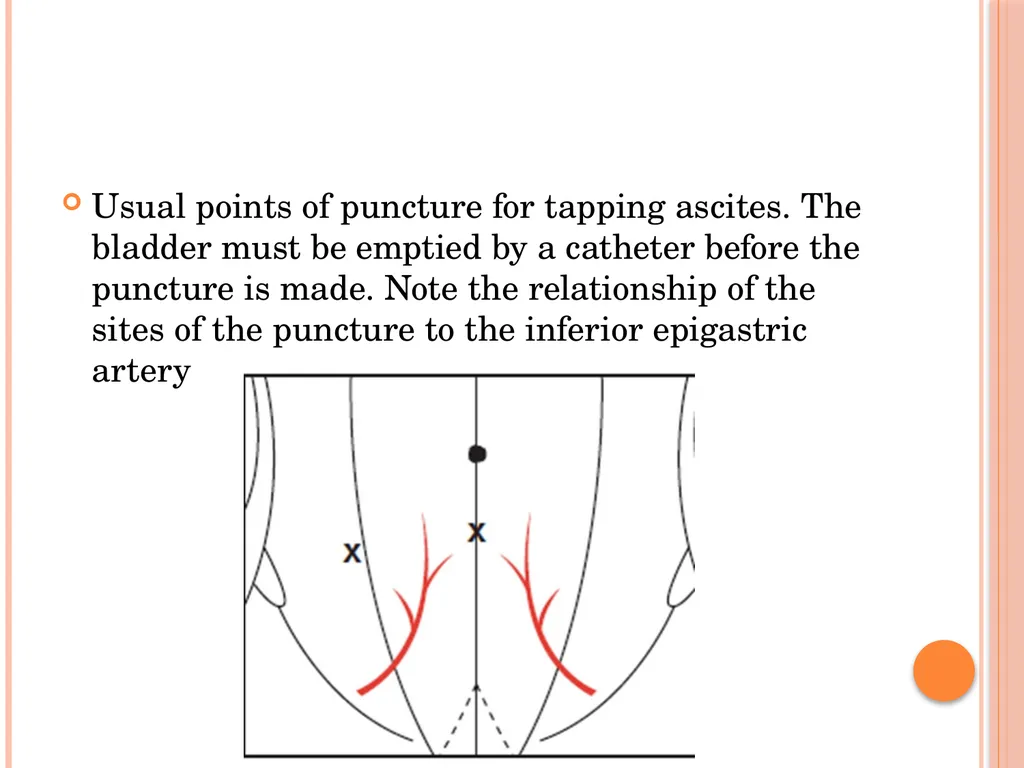
Paracentesis abdominis
Permanent drainage of ascitic fluid; In rare cases fit, permanent drainage of the ascitic fluid via a peritoneovenous shunt (e.g. LeVeen, Denver) a catheter is constructed with a valve so as to allow one-way flow from the peritoneum to a central vein (e.g. internal jugular).<br>
24
Usual points of puncture for tapping ascites. The�bladder must be emptied by a catheter before the puncture is made. Note the relationship of the sites of the puncture to the inferior epigastric�artery<br>