Amit Kumar Ghosh, IAS MD, NRHM-UP Revitalizing NRHM in UP Srinagar, July 2013 Challenges and Concerns in NRHM-UP High Population 20 Crore (5th Largest country in terms of Popn) Low Female Literacy rate 59 18 Divisions and 75 Districts
"Amit Kumar Ghosh, IAS MD, NRHM-UP Revitalizing" is the property of its rightful owner. Permission is granted to
download and print the materials on this website for personal, non-commercial use only, and to display it
on your personal computer provided you do not modify the materials and that you retain all copyright
notices contained in the materials. By downloading content from our website, you accept the terms of this
agreement.
Presentation Transcript
01
Amit Kumar Ghosh, IAS
MD, NRHM-UP Revitalizing NRHM in UP Srinagar, July 2013<br>
02
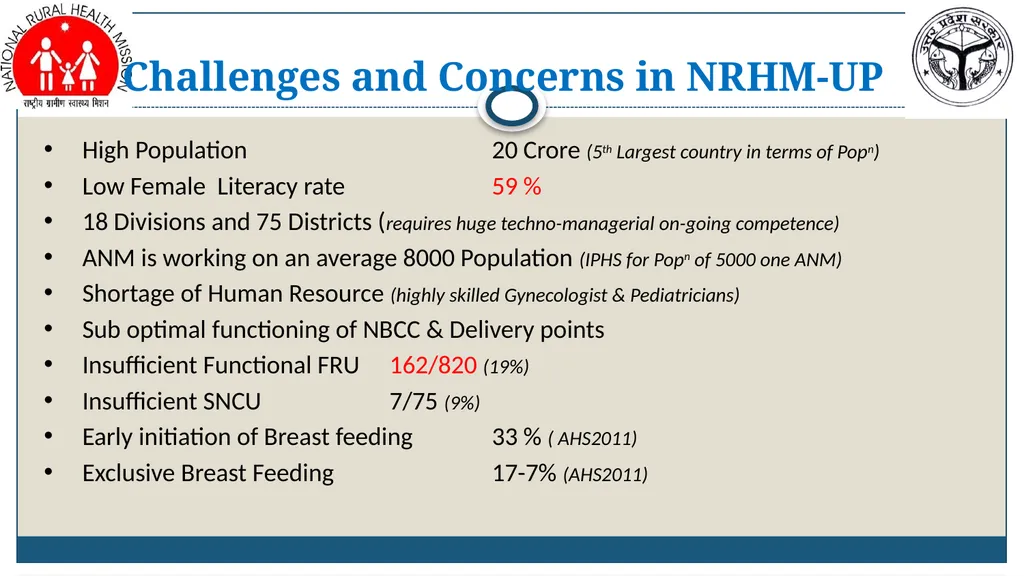
Challenges and Concerns in NRHM-UP High Population 20 Crore (5th Largest country in terms of Popn)
Low Female Literacy rate 59 %
18 Divisions and 75 Districts (requires huge techno-managerial on-going competence)
ANM is working on an average 8000 Population (IPHS for Popn of 5000 one ANM)
Shortage of Human Resource (highly skilled Gynecologist & Pediatricians)
Sub optimal functioning of NBCC & Delivery points
Insufficient Functional FRU 162/820 (19%)
Insufficient SNCU 7/75 (9%)
Early initiation of Breast feeding 33 % ( AHS2011)
Exclusive Breast Feeding 17-7% (AHS2011)<br>
03
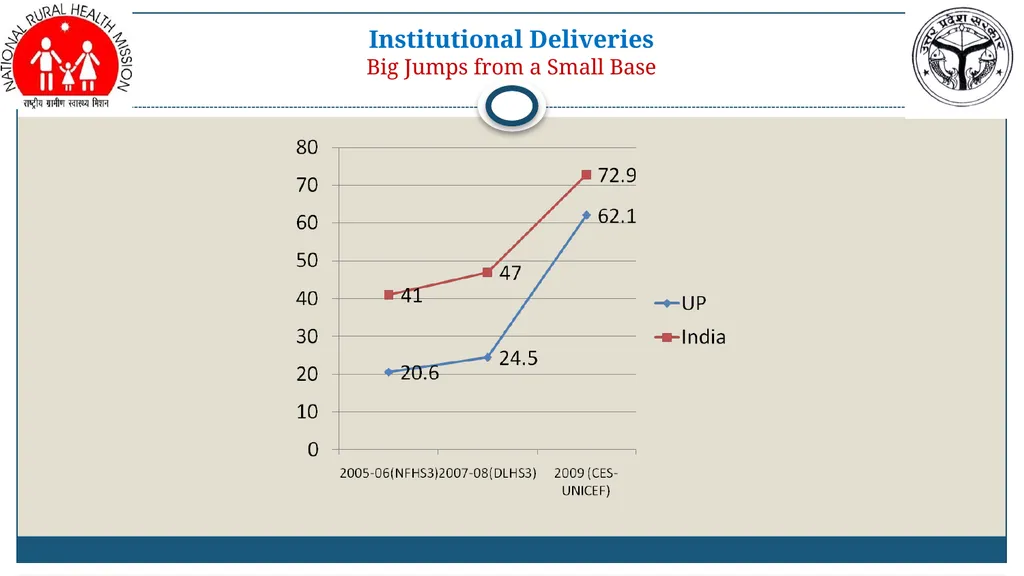
Institutional Deliveries Big Jumps from a Small Base<br>
04
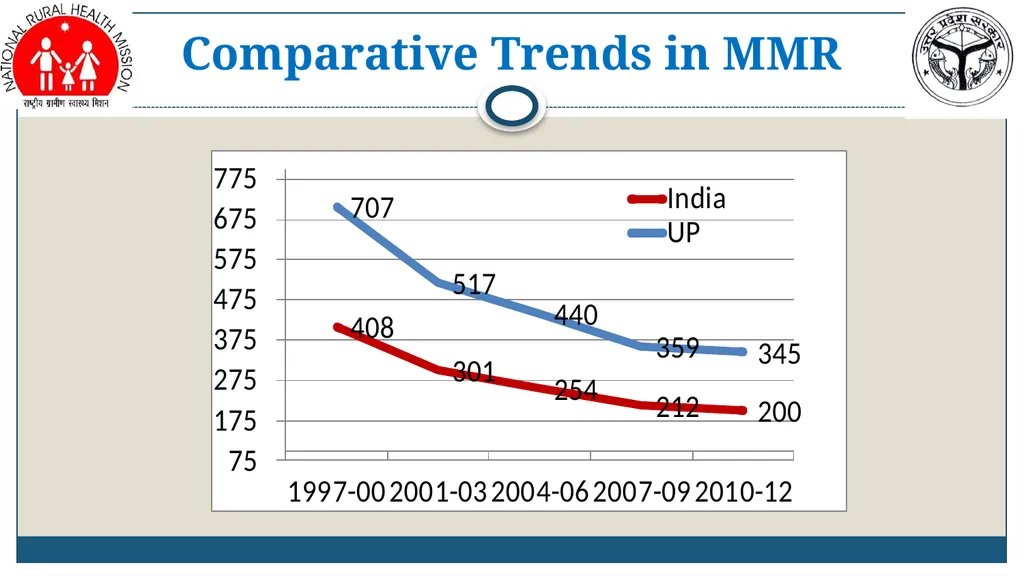
Comparative Trends in MMR<br>
05
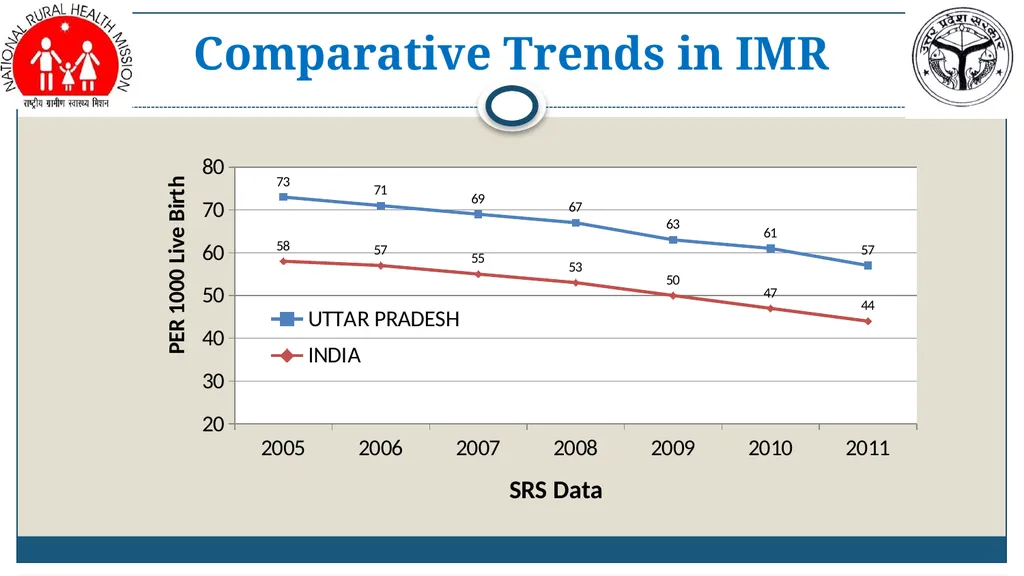
Comparative Trends in IMR<br>
06
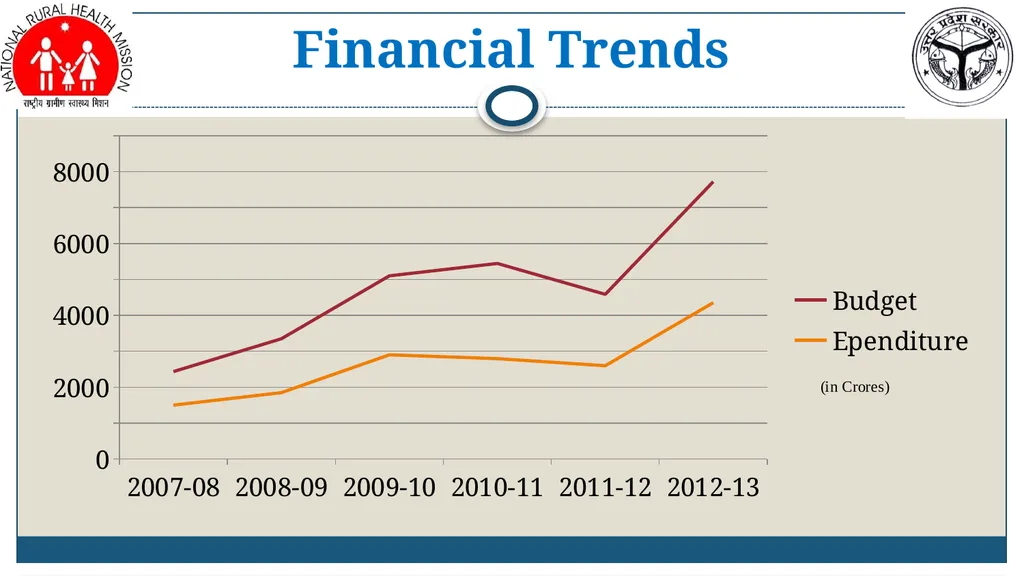
Financial Trends<br>
07
Conditions at the End of Phase 1<br>
08
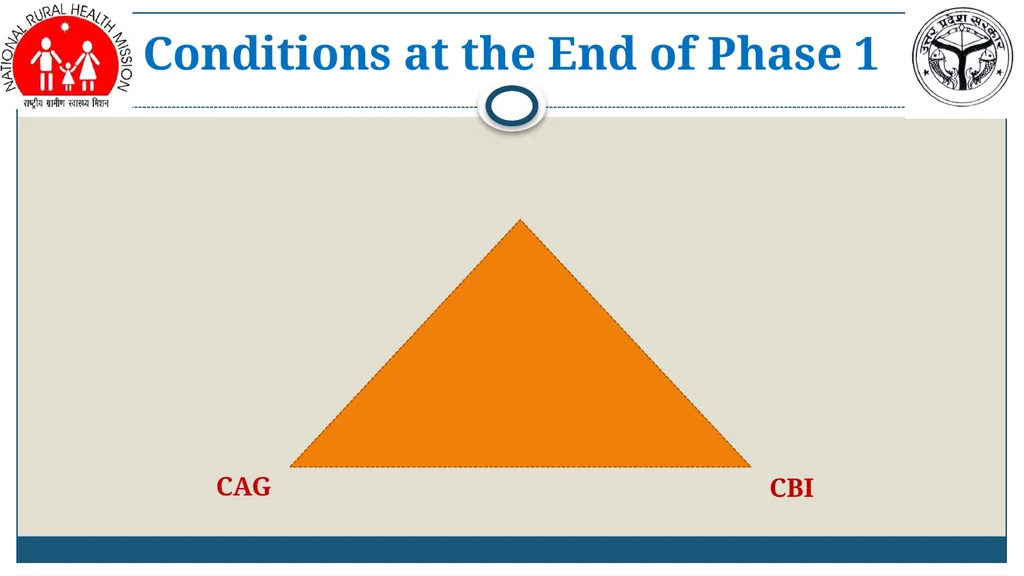
Conditions at the End of Phase 1 CAG<br>
09
Conditions at the End of Phase 1 CAG CBI<br>
10
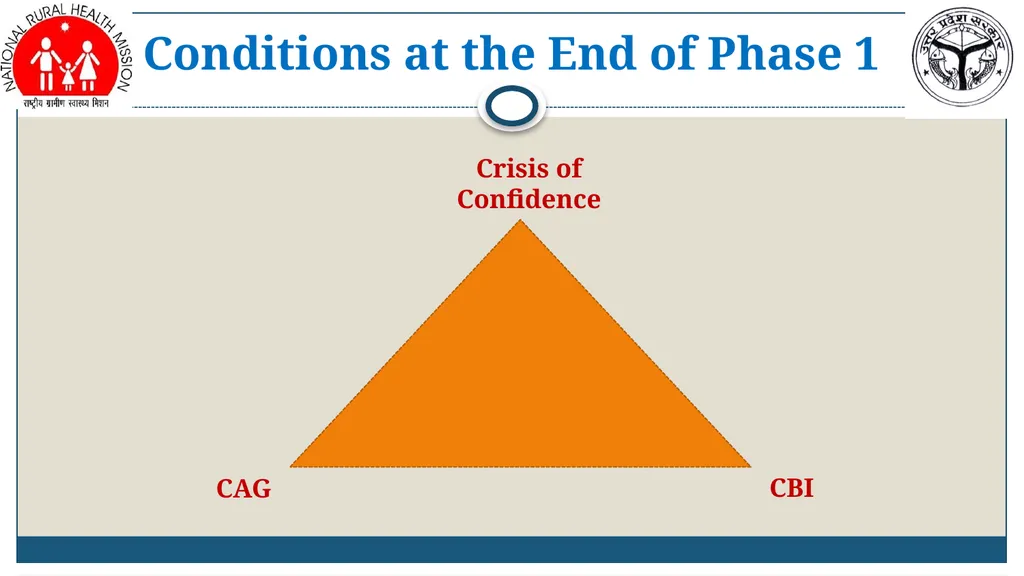
Conditions at the End of Phase 1 CAG CBI Crisis of Confidence<br>
11
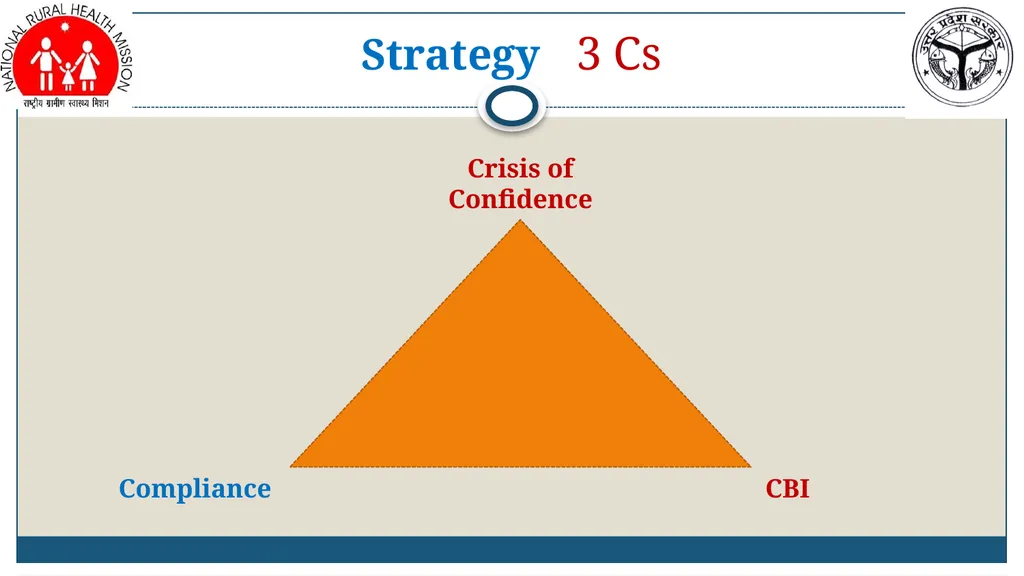
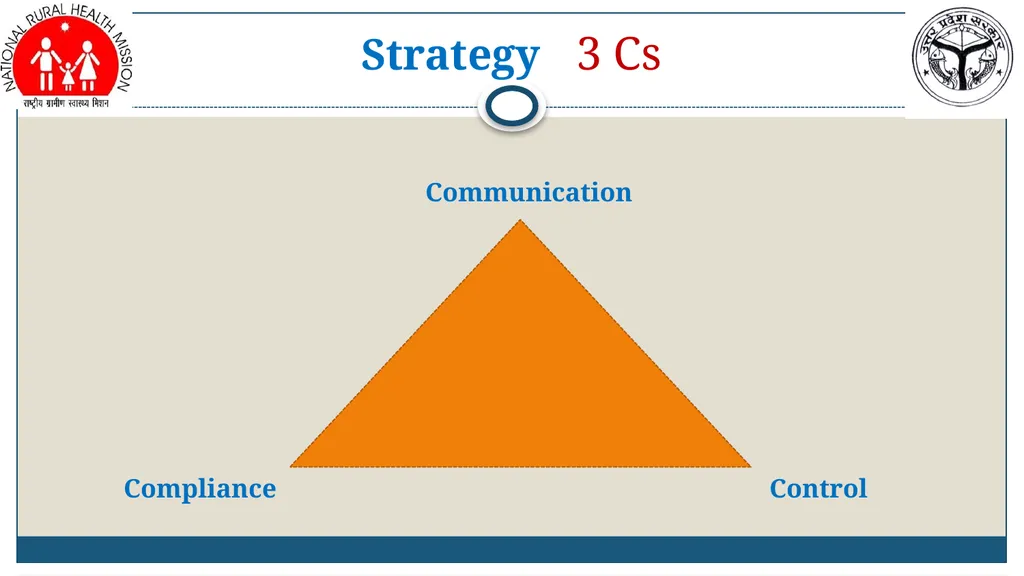
Strategy 3 Cs Compliance CBI Crisis of Confidence<br>
12
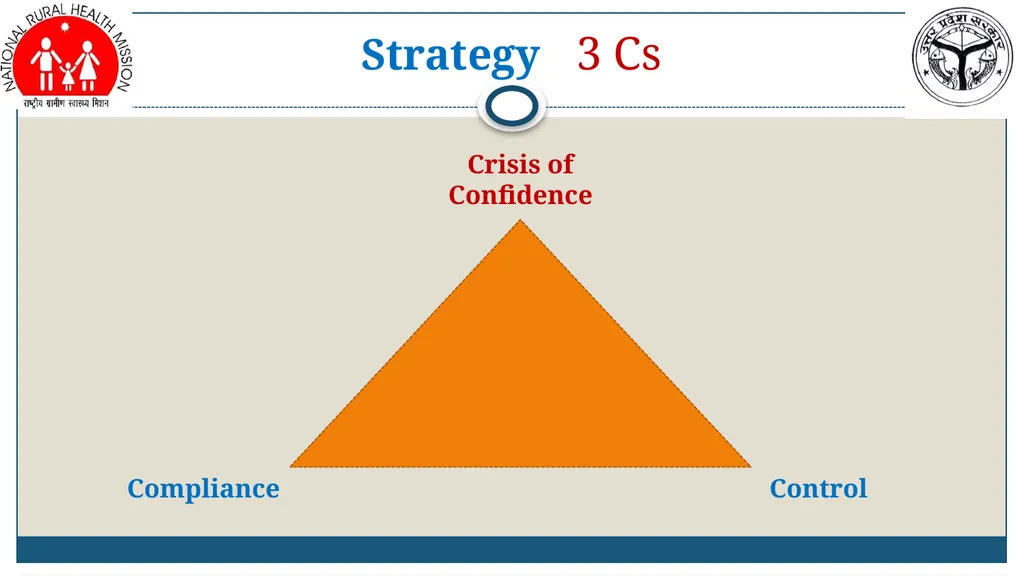
Strategy 3 Cs Compliance Control Crisis of Confidence<br>
13
Strategy 3 Cs Compliance Control Communication<br>
14
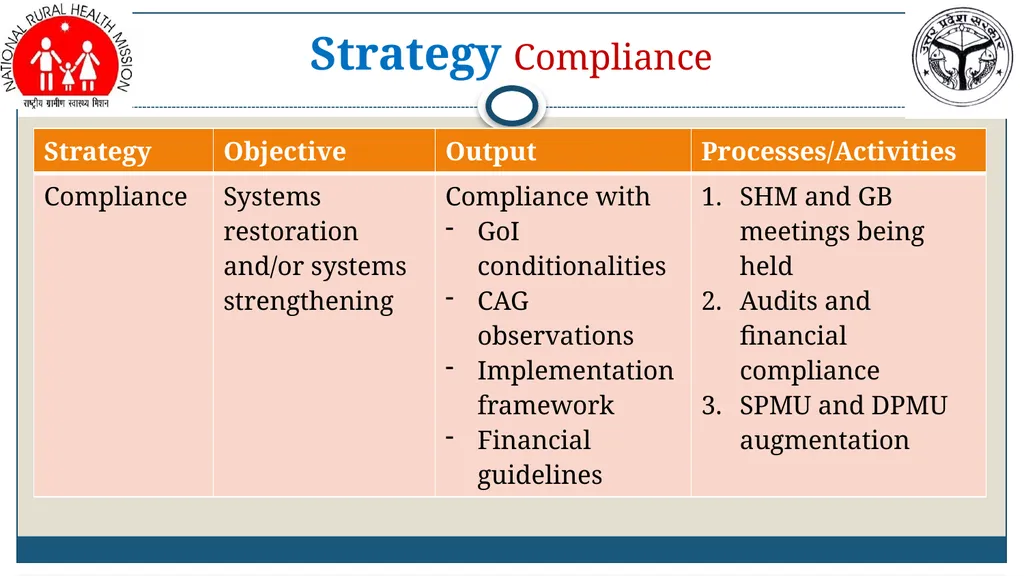
Strategy Compliance<br>
15
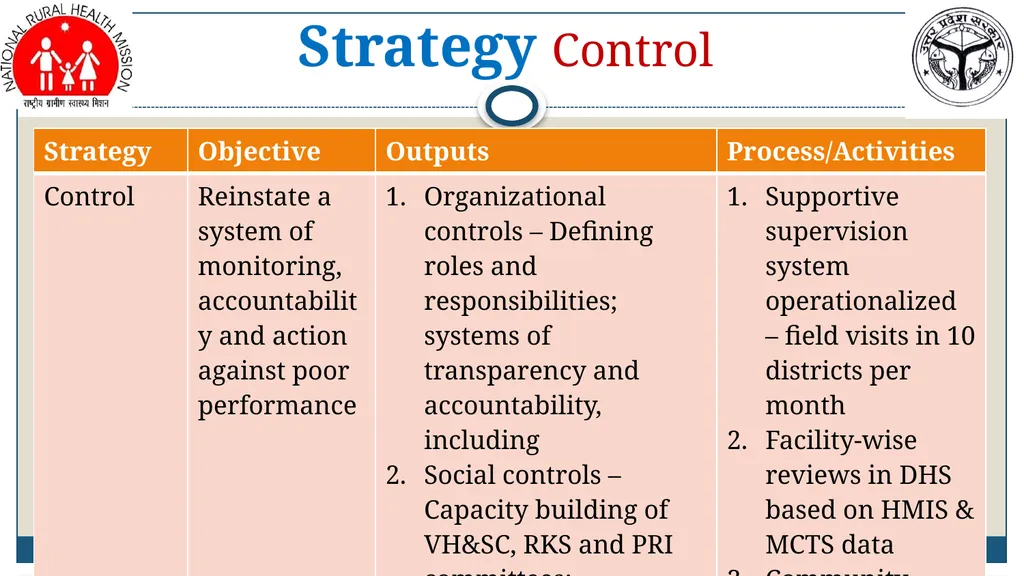
Strategy Control<br>
16
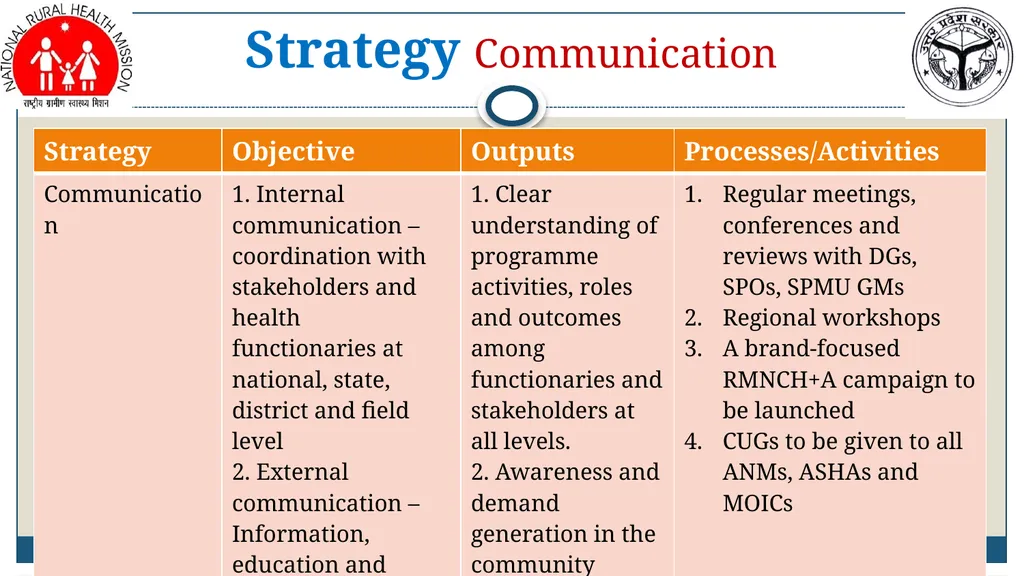
Strategy Communication<br>
17
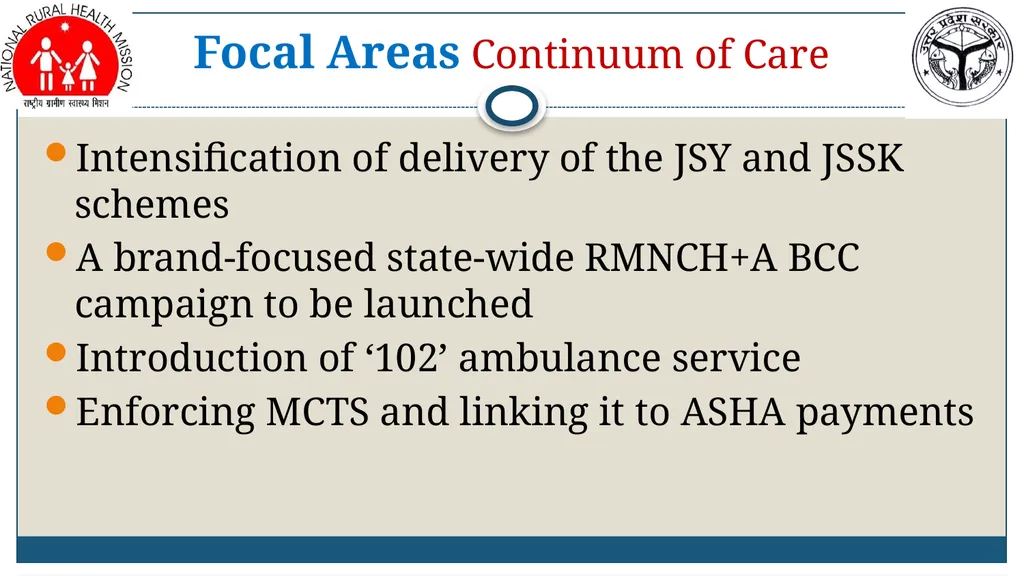
Focal Areas Continuum of Care Intensification of delivery of the JSY and JSSK schemes
A brand-focused state-wide RMNCH+A BCC campaign to be launched
Introduction of ‘102’ ambulance service
Enforcing MCTS and linking it to ASHA payments<br>
18
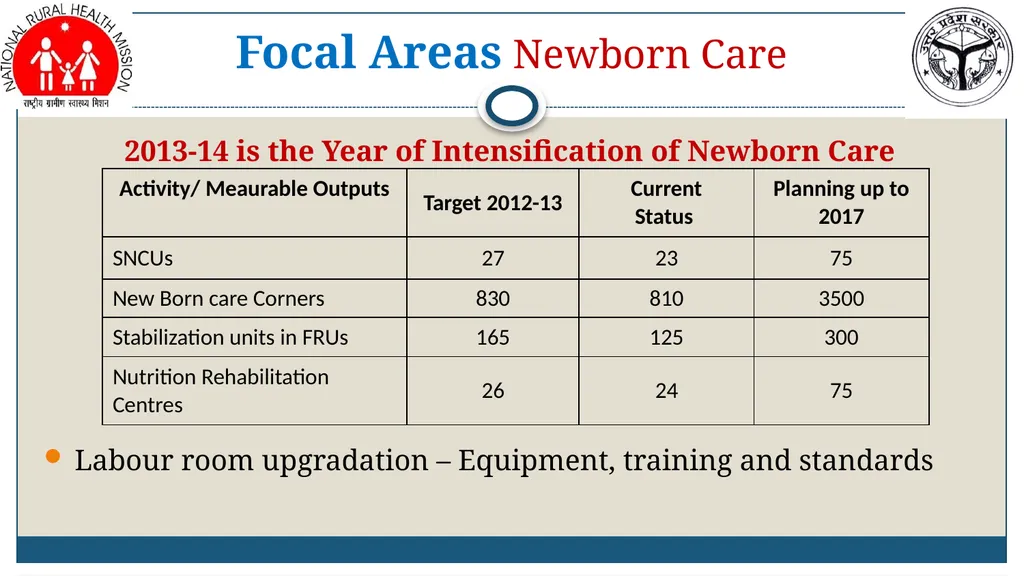
Focal Areas Newborn Care 2013-14 is the Year of Intensification of Newborn Care
Labour room upgradation – Equipment, training and standards<br>
19
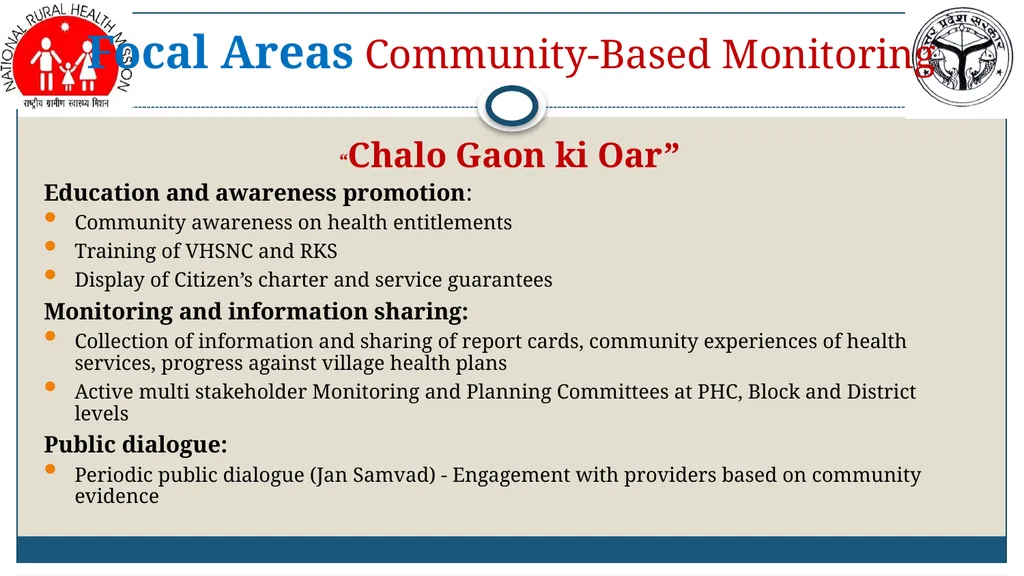
Focal Areas Community-Based Monitoring “Chalo Gaon ki Oar”
Education and awareness promotion:
Community awareness on health entitlements
Training of VHSNC and RKS
Display of Citizen’s charter and service guarantees
Monitoring and information sharing:
Collection of information and sharing of report cards, community experiences of health services, progress against village health plans
Active multi stakeholder Monitoring and Planning Committees at PHC, Block and District levels
Public dialogue:
Periodic public dialogue (Jan Samvad) - Engagement with providers based on community evidence<br>
20
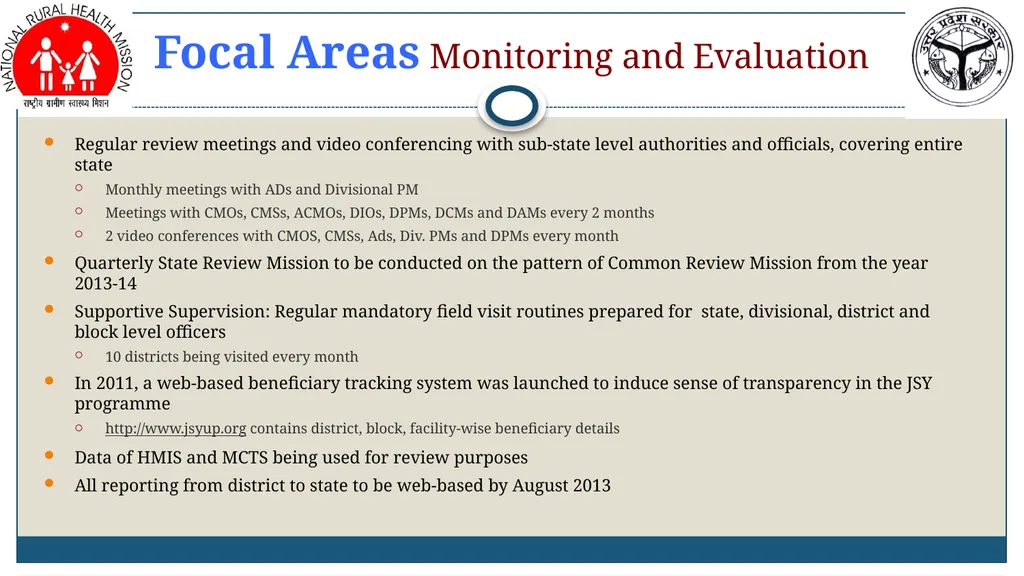
Focal Areas Monitoring and Evaluation Regular review meetings and video conferencing with sub-state level authorities and officials, covering entire state
Monthly meetings with ADs and Divisional PM
Meetings with CMOs, CMSs, ACMOs, DIOs, DPMs, DCMs and DAMs every 2 months
2 video conferences with CMOS, CMSs, Ads, Div. PMs and DPMs every month
Quarterly State Review Mission to be conducted on the pattern of Common Review Mission from the year 2013-14
Supportive Supervision: Regular mandatory field visit routines prepared for state, divisional, district and block level officers
10 districts being visited every month
In 2011, a web-based beneficiary tracking system was launched to induce sense of transparency in the JSY programme
http://www.jsyup.org contains district, block, facility-wise beneficiary details
Data of HMIS and MCTS being used for review purposes
All reporting from district to state to be web-based by August 2013<br>