ASSESSING DEMOCRATIC EDUCATION PRACTICES IN THE TEACHER-TRAINEE PROGRAM: PERSPECTIVES FROM NIGERIA BY DR. GRACE OGECHUKWU UGWONNA PROF. UJU CLARA UMO FACULTY OF EDUCATION UNIVERSITY OF NIGERIA, NSUKKA Paper presented at the SIG 11 13
"ASSESSING DEMOCRATIC EDUCATION PRACTICES IN THE" is the property of its rightful owner. Permission is granted to
download and print the materials on this website for personal, non-commercial use only, and to display it
on your personal computer provided you do not modify the materials and that you retain all copyright
notices contained in the materials. By downloading content from our website, you accept the terms of this
agreement.
Presentation Transcript
01
ASSESSING DEMOCRATIC EDUCATION PRACTICES IN THE TEACHER-TRAINEE PROGRAM: PERSPECTIVES FROM NIGERIA BY
DR. GRACE OGECHUKWU UGWONNA
&
PROF. UJU CLARA UMO
FACULTY OF EDUCATION
UNIVERSITY OF NIGERIA, NSUKKA Paper presented at the SIG 11 & 13 Conference at the University of Oxford United Kingdom held from 12th to 14th August, 2024<br>
02
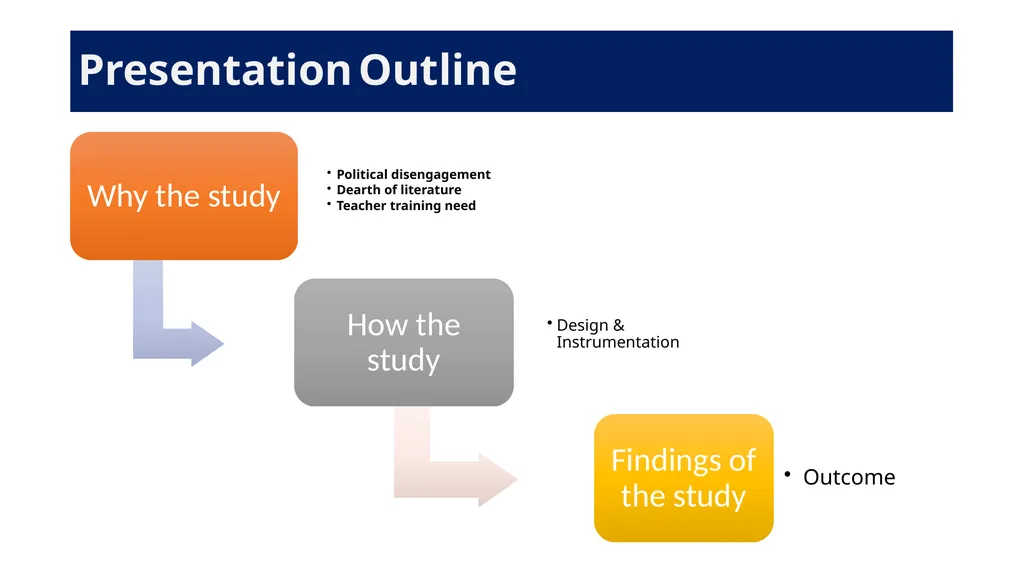
Presentation Outline<br>
03
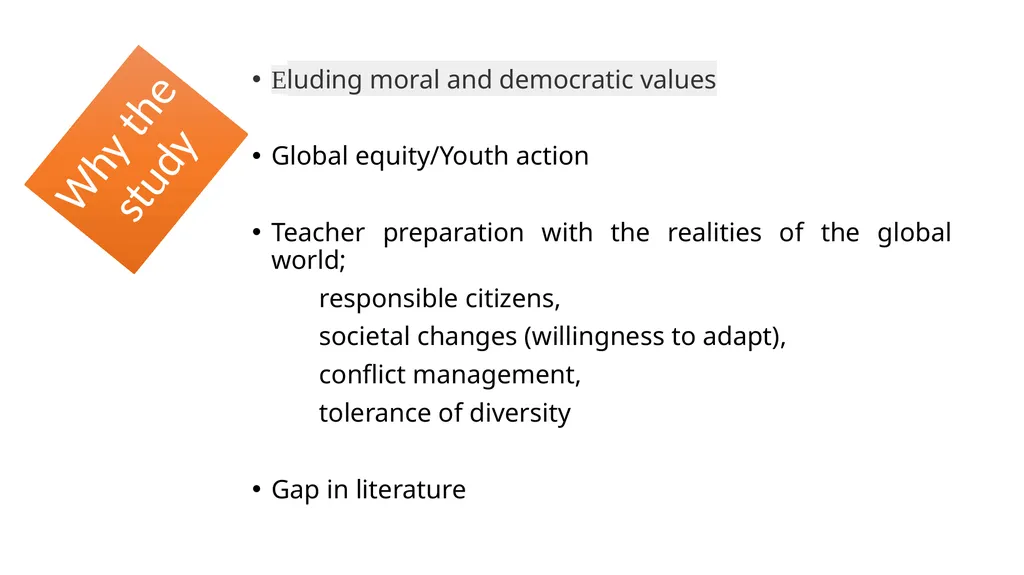
Eluding moral and democratic values
Global equity/Youth action
Teacher preparation with the realities of the global world;
responsible citizens,
societal changes (willingness to adapt),
conflict management,
tolerance of diversity
Gap in literature<br>
04
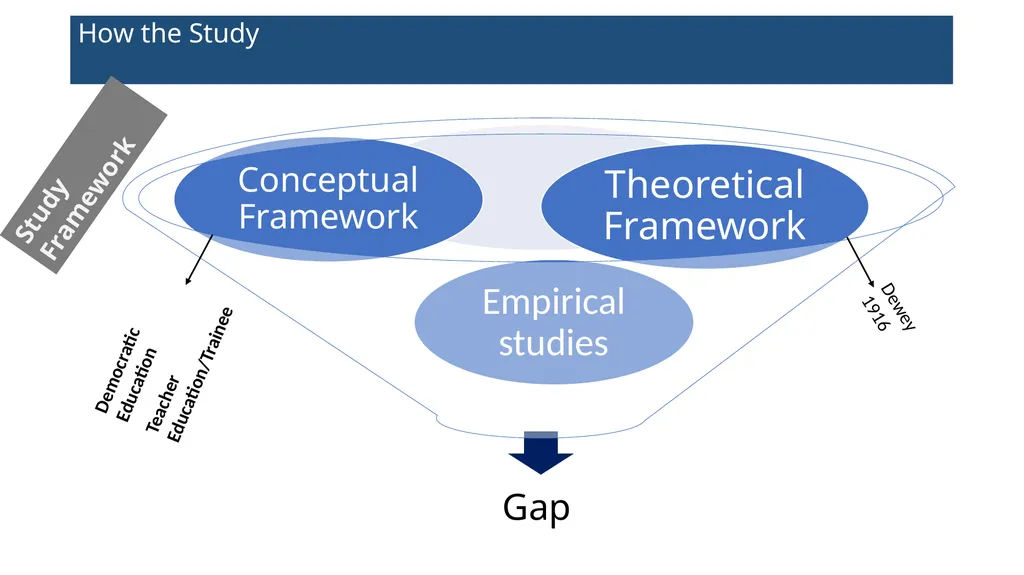
How the Study Study Framework Democratic Education
Teacher Education/Trainee Dewey 1916 How the Study<br>
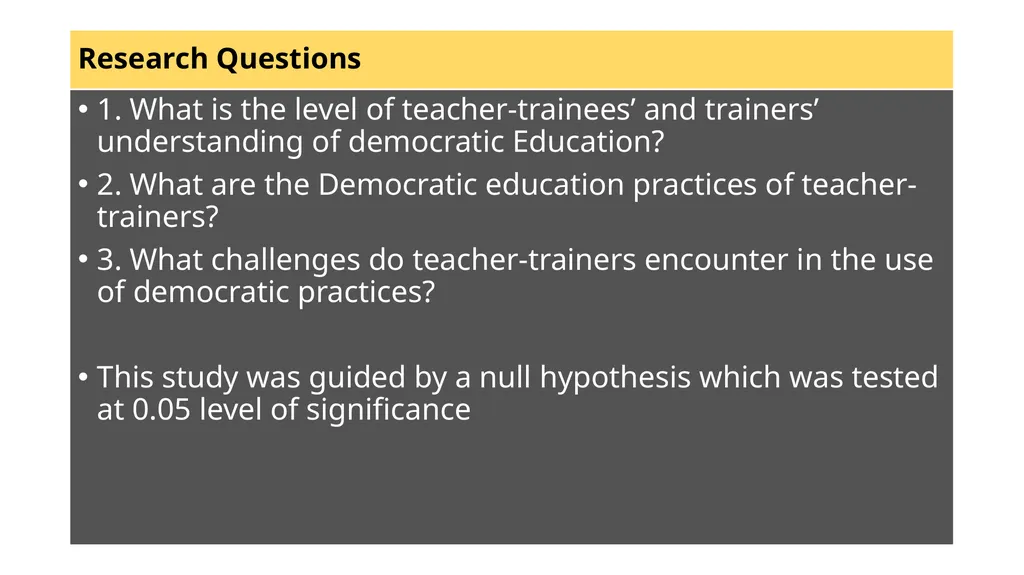
Research Questions 1. What is the level of teacher-trainees’ and trainers’ understanding of democratic Education?
2. What are the Democratic education practices of teacher-trainers?
3. What challenges do teacher-trainers encounter in the use of democratic practices?
This study was guided by a null hypothesis which was tested at 0.05 level of significance<br>
07
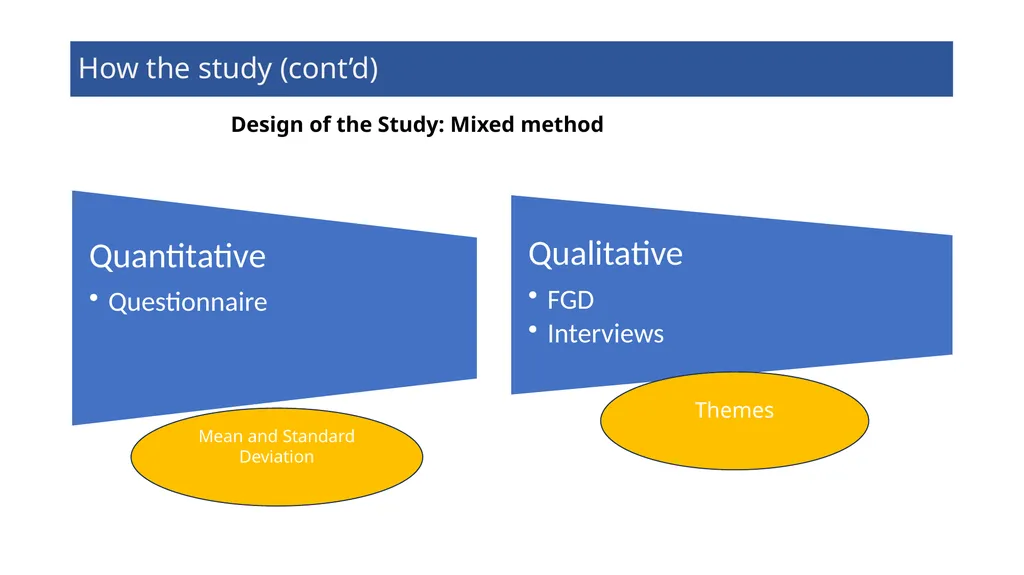
How the study (cont’d) Design of the Study: Mixed method Mean and Standard Deviation Themes<br>
08
How the study (cont’d): Population The study population was made up of teacher trainees and trainers, specifically those in Civic/Social Studies, and Political Science Education.
Multistage sampling procedure was used to draw the sample size for the study for both teacher-trainees and the trainers.<br>
09
Findings of the study 1. Teacher-trainees and the trainers (Lecturers) positively perceive democratic classrooms. However, some study participants seem not to have been abreast with the context of democratic education and how to apply it in their teaching.
2. Findings also show that not much emphases is laid on democratic education at the teacher-traininig programs
3. Democratic education practices in teacher-education program are problem-solving, project work, collaboration among others.<br>
10
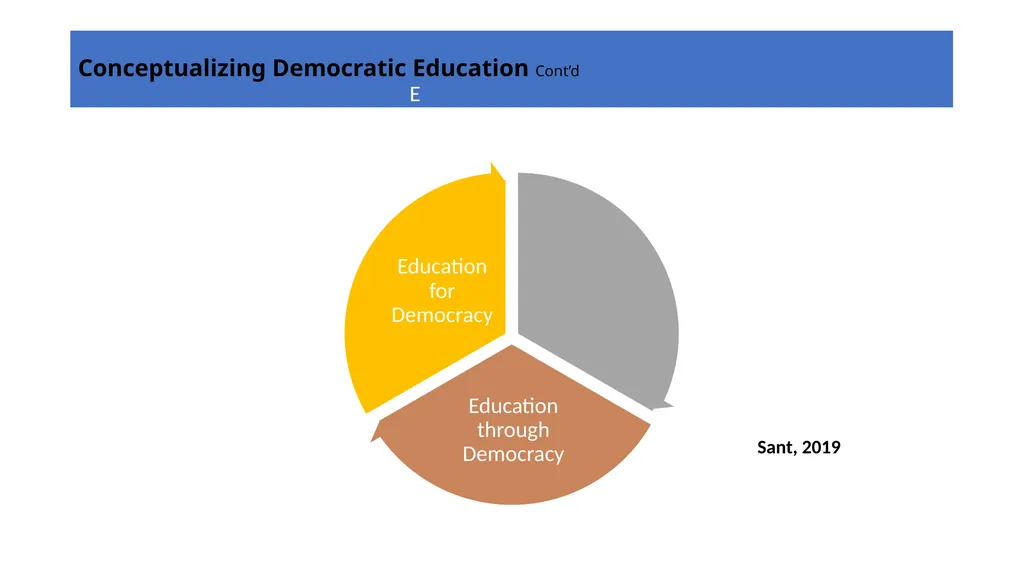
4. Among the different approaches of democratic education, the focus is on ‘education for democracy’.
5. The challenges include class size, as well as understanding the various approaches that depict democratic education<br>
11
Discussion of the findings of the Study The study revealed the democratic education practices in teacher education program in Nigeria. Although perceived positively, not much is emphasized concerning democratic principles that can promote democratic character in the learners.
There is a vacuum on how pre-service teachers are prepared for democratic education in terms of the understanding of the context and the learning approaches.
Conclusion
Whether 'education for democracy', or 'education through democracy', the need for teacher preparation in this regard is sacrosanct.<br>