Bioaccumulation and Biomagnification www.lab-initio.com Cartoon Video: What are you toxin about? Definitions Bioaccumulation is the process by which substances not readily broken down or excreted can build up and be stored in living tissue
"Bioaccumulation and Biomagnification" is the property of its rightful owner. Permission is granted to
download and print the materials on this website for personal, non-commercial use only, and to display it
on your personal computer provided you do not modify the materials and that you retain all copyright
notices contained in the materials. By downloading content from our website, you accept the terms of this
agreement.
Presentation Transcript
01
Bioaccumulation and Biomagnification<br>
02
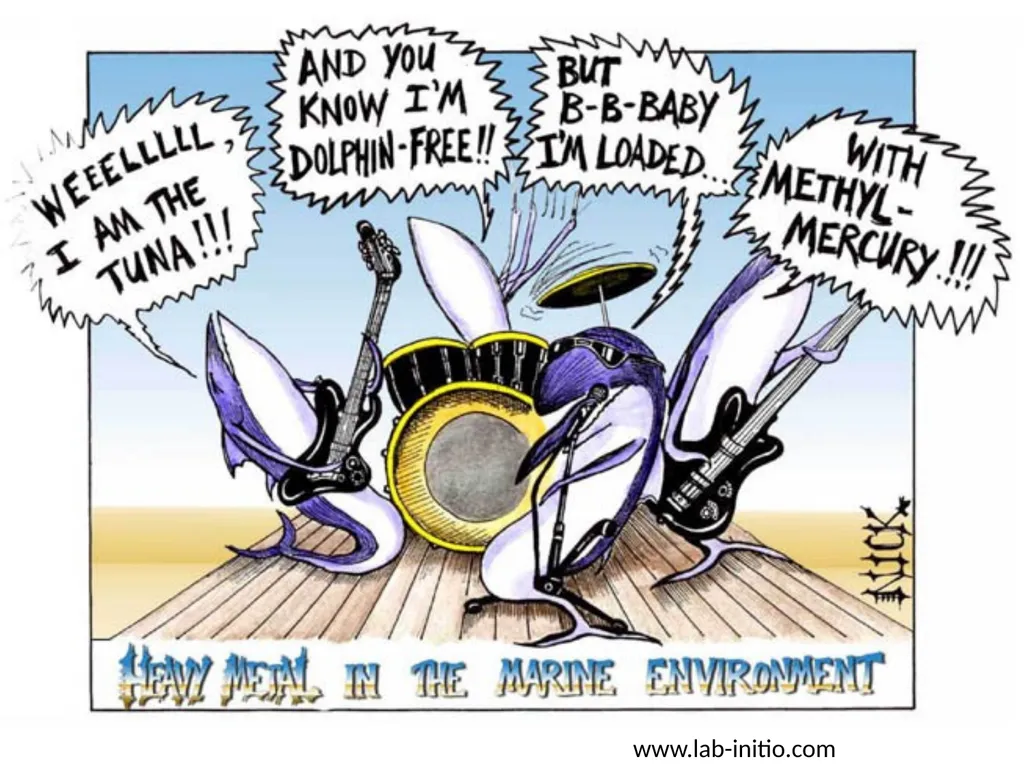
www.lab-initio.com Cartoon<br>
03
Video: What are you toxin about?<br>
04
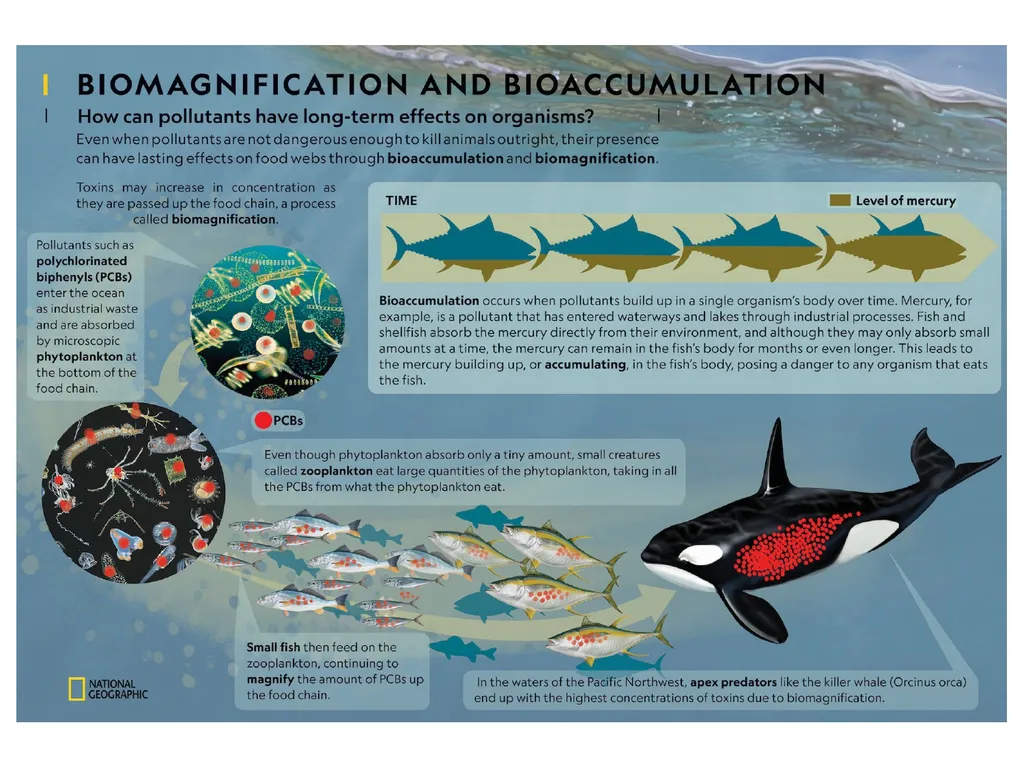
Definitions Bioaccumulation is the process by which substances not readily broken down or excreted can build up and be stored in living tissue (usually in fat).
Biomagnification is the process by which substances become more concentrated in the bodies of consumers as one moves up the food chain (trophic levels).<br>
05
Definitions A Contaminant is a substance that makes something less pure or makes it poisonous. Most contamination is caused by human activities such as industrial waste, spills, run-off, wastewater and sewage. Contaminants can cause harm to organisms living in a polluted environment as well as throughout the food chain.<br>
06
FACTORS AFFECTING BIOACCUMULATION Some chemicals bind to specific sites in the body, particularly in fat tissue, prolonging their stay. http://extoxnet.orst.edu/tibs/bioaccum.htm<br>
07
FACTORS AFFECTING BIOACCUMULATION Chemicals that are immediately eliminated do not bioaccumulate. http://extoxnet.orst.edu/tibs/bioaccum.htm<br>
08
FACTORS AFFECTING BIOACCUMULATION Duration of exposure is also a factor in bioaccumulation. Most exposures to chemicals in the environment vary continually in concentration and duration, sometimes including periods of no exposure. http://extoxnet.orst.edu/tibs/bioaccum.htm<br>
09
FACTORS AFFECTING BIOACCUMULATION Bioaccumulation varies between individual organisms as well as between species. Large, fat, long-lived individuals or species with low rates of metabolism or excretion of a chemical will bioaccumulate more than small, thin, short-lived organisms.
Thus, an old lake trout may bioaccumulate much more than a young bluegill in the same lake. http://extoxnet.orst.edu/tibs/bioaccum.htm<br>
10
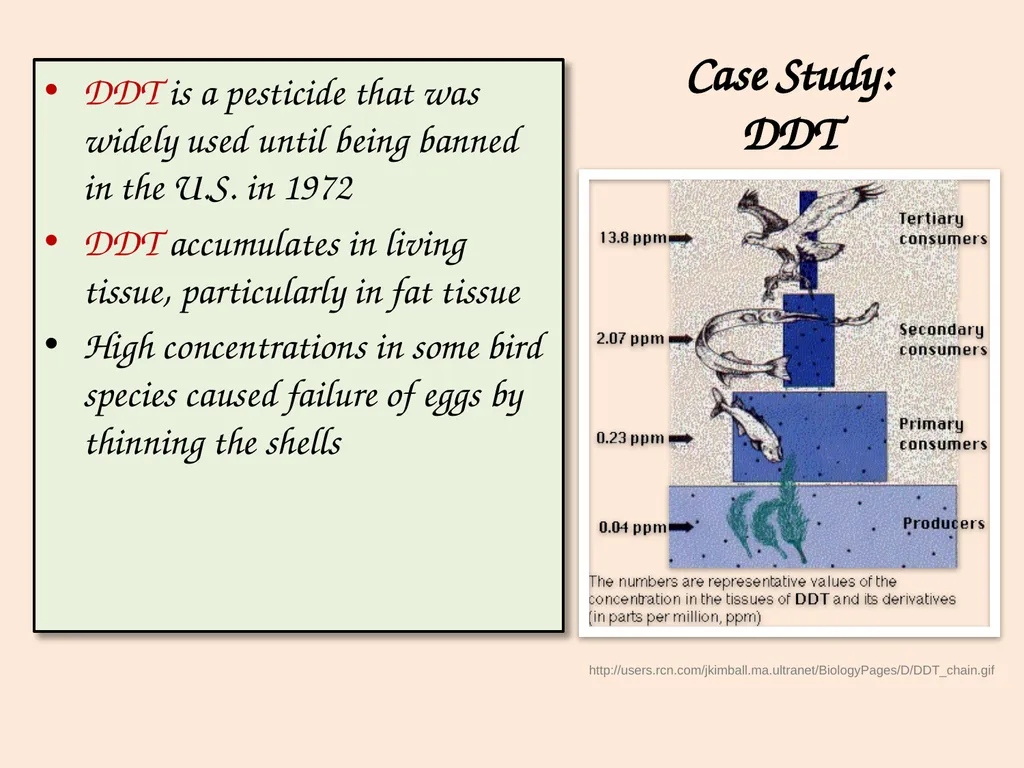
Case Study: DDT DDT is a pesticide that was widely used until being banned in the U.S. in 1972
DDT accumulates in living tissue, particularly in fat tissue
High concentrations in some bird species caused failure of eggs by thinning the shells http://users.rcn.com/jkimball.ma.ultranet/BiologyPages/D/DDT_chain.gif<br>
11
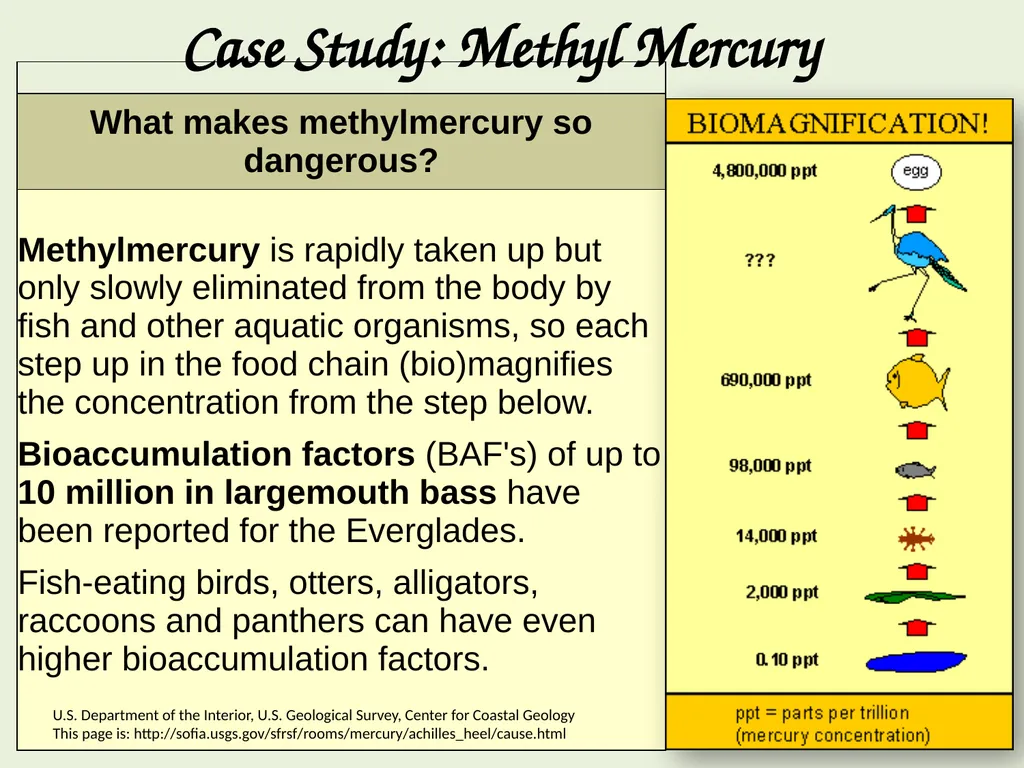
U.S. Department of the Interior, U.S. Geological Survey, Center for Coastal Geology This page is: http://sofia.usgs.gov/sfrsf/rooms/mercury/achilles_heel/cause.html Case Study: Methyl Mercury<br>
12
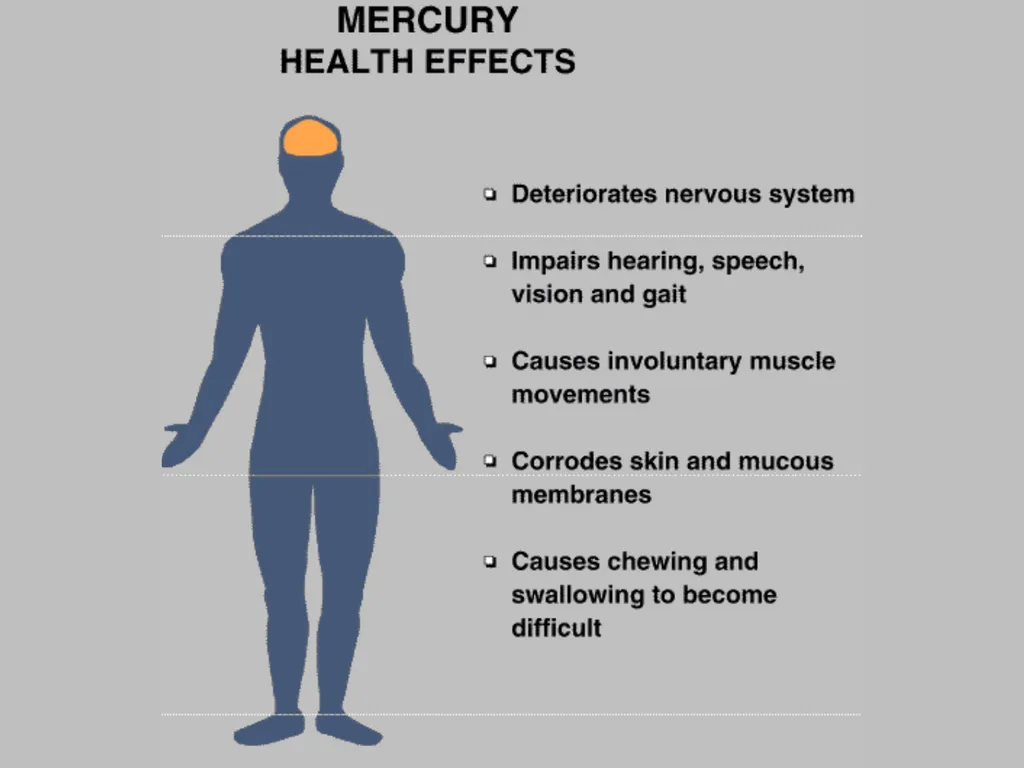
Mercury Health Effects<br>
13
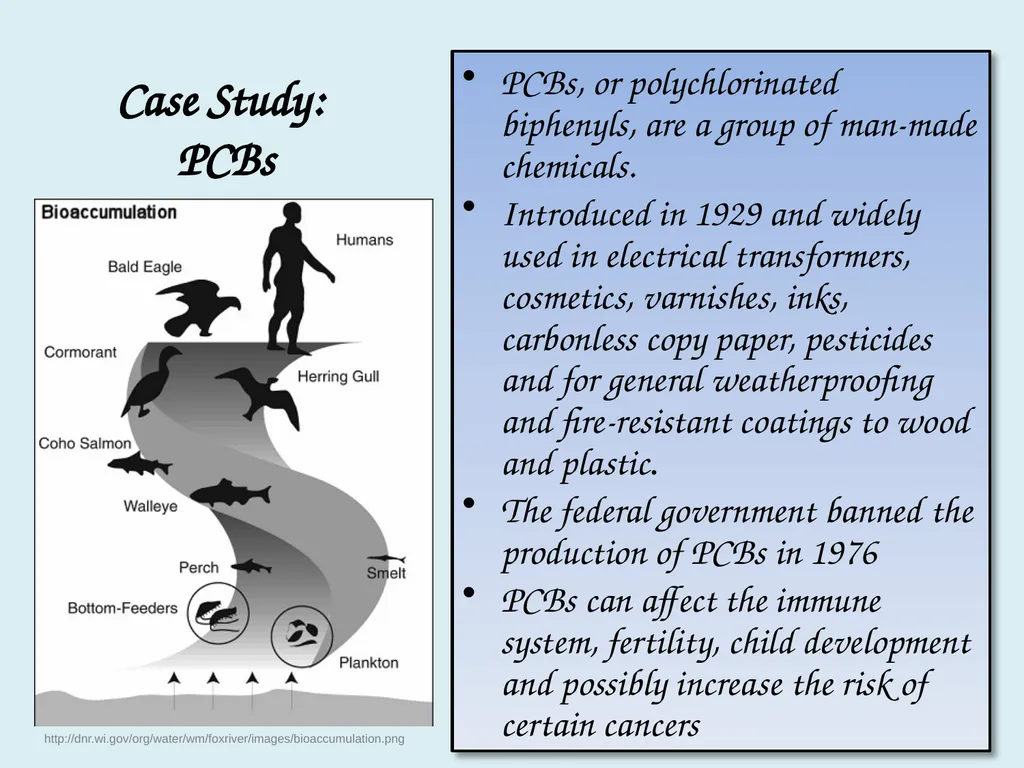
Case Study: PCBs PCBs, or polychlorinated biphenyls, are a group of man-made chemicals.
Introduced in 1929 and widely used in electrical transformers, cosmetics, varnishes, inks, carbonless copy paper, pesticides and for general weatherproofing and fire-resistant coatings to wood and plastic.
The federal government banned the production of PCBs in 1976
PCBs can affect the immune system, fertility, child development and possibly increase the risk of certain cancers http://dnr.wi.gov/org/water/wm/foxriver/images/bioaccumulation.png<br>