
Biopsychosocial approach for serving individuals
MJ
Published · 62 slides · 0 views

1 / 1





Description
Biopsychosocial approach for serving individuals with a co-occurring IDD and behavioral health need Bryan Camphire, Integral Care David R. Gunter, MHMR Tarrant Amanda Willis, The Harris Center Learning Objectives Attendees will understand
Related Topics
Share
Embed code
Download this presentation From Below
"Biopsychosocial approach for serving individuals" is the property of its rightful owner. Permission is granted to download and print the materials on this website for personal, non-commercial use only, and to display it on your personal computer provided you do not modify the materials and that you retain all copyright notices contained in the materials. By downloading content from our website, you accept the terms of this agreement.
Presentation Transcript
01
Biopsychosocial approach for serving individuals with a co-occurring IDD and behavioral health need Bryan Camphire, Integral Care
David R. Gunter, MHMR Tarrant
Amanda Willis, The Harris Center<br>
David R. Gunter, MHMR Tarrant
Amanda Willis, The Harris Center<br>
02
Learning Objectives Attendees will understand the importance of delivering a cross-systems approach to service delivery to address the unique needs of individuals with Intellectual and Developmental Disabilities (IDD) with complex behavioral health needs.
Attendees will understand implications related to diversity, inclusion, and equity.
Attendees will understand the significance of the Collaborative Care Case Manager (CCCM) in supporting individual program participants and their systems of support along with other members of the treatment team.<br>
Attendees will understand implications related to diversity, inclusion, and equity.
Attendees will understand the significance of the Collaborative Care Case Manager (CCCM) in supporting individual program participants and their systems of support along with other members of the treatment team.<br>
03
Agenda What is OBI?
What is so great about OBI?
Biopsychosocial (BPS) assessment & other assessments
Person-Centered Recovery Plan (PCRP)
Skills training
Collaborative Care Case Management (CCCM)
Cross training
Final Success stories<br>
What is so great about OBI?
Biopsychosocial (BPS) assessment & other assessments
Person-Centered Recovery Plan (PCRP)
Skills training
Collaborative Care Case Management (CCCM)
Cross training
Final Success stories<br>
04
What is OBI?<br>
05
Outpatient Biopsychosocial Approach for IDD Services (OBI) OBI started as a pilot program in November 2020 in response to an identified need for behavioral health services for individuals who have IDD and autism.
HHSC selected the following five LIDDAs throughout Texas to develop and implement the pilot program.
Bluebonnet Trails
Integral Care
Lakes Regional
MHMR Tarrant
The Harris Center<br>
HHSC selected the following five LIDDAs throughout Texas to develop and implement the pilot program.
Bluebonnet Trails
Integral Care
Lakes Regional
MHMR Tarrant
The Harris Center<br>
06
Outpatient Biopsychosocial Approach for IDD Services (OBI) The five sites continue to run this program at the present.
Plans for expansion state-wide are in the works.<br>
Plans for expansion state-wide are in the works.<br>
07
Population Served Children and adults who have IDD or who are presumed to have an IDD, and who have a co-occurring mental health condition, substance abuse disorder, or behavior support needs.
This may present as: Psychiatric hospitalizations, incarcerations, potential homelessness, behavioral challenges, or involvement with crisis teams and first responders.<br>
This may present as: Psychiatric hospitalizations, incarcerations, potential homelessness, behavioral challenges, or involvement with crisis teams and first responders.<br>
08
What does OBI stand for? Biopsychosocial Assessments- Is an evidenced-based biopsychosocial approach to care including a person-centered and trauma-informed treatment plan.
Collaborative Care Case Management- Is a holistic case management approach focused on increasing access and creating a team of medical, psychiatric, mental health, and paraprofessionals to address the person’s unique needs.<br>
Collaborative Care Case Management- Is a holistic case management approach focused on increasing access and creating a team of medical, psychiatric, mental health, and paraprofessionals to address the person’s unique needs.<br>
09
What does OBI stand for? Skills Training- Offers both the person and their support system mental wellness support and skills training.
Training and Education- Provides education and training on co-occurring IDD and MH conditions to practitioners in the mental health, substance abuse, or other related fields.<br>
Training and Education- Provides education and training on co-occurring IDD and MH conditions to practitioners in the mental health, substance abuse, or other related fields.<br>
10
OBI Services A Collaborative Care Case Manager (CCCM) is assigned to each participant in OBI. The CCCM provides the following services:
Biopsychosocial (BPS) assessment to gather information regarding each participant’s history of IDD and mental health services, medical concerns, medication history (e.g., medical and psychiatric), trauma history as well as current services, concerns and services requested through the duration of the program.
Person-Centered Recovery Plan (PCRP) informed by the BPS assessment that guides the services provided during the participant’s engagement in OBI.
Referral to community center and community-based services including, but not limited to: IDD; Behavioral Health; medical; transportation; housing; financial; and recreational.<br>
Biopsychosocial (BPS) assessment to gather information regarding each participant’s history of IDD and mental health services, medical concerns, medication history (e.g., medical and psychiatric), trauma history as well as current services, concerns and services requested through the duration of the program.
Person-Centered Recovery Plan (PCRP) informed by the BPS assessment that guides the services provided during the participant’s engagement in OBI.
Referral to community center and community-based services including, but not limited to: IDD; Behavioral Health; medical; transportation; housing; financial; and recreational.<br>
11
OBI Services (cont.) Ongoing consultation with medical, behavioral health, and specialized service practitioners on the specific needs of OBI participants.
Individual skills training to assist participants in working towards their identified recovery goals.
Caregiver skills training to participant’s support system on the unique needs of individuals diagnosed with IDD and complex behavioral health needs.<br>
Individual skills training to assist participants in working towards their identified recovery goals.
Caregiver skills training to participant’s support system on the unique needs of individuals diagnosed with IDD and complex behavioral health needs.<br>
12
What is so great about OBI?<br>
13
How is it similar & different? So much in social services involves responding after the fact.
The tools that the biopsychosocial approach provides allows for the treatment team to be better prepared to serve the individual.
Because CCCMs have taken a significant amount of time in doing assessments for the individuals they serve, they have identified needs that they can effectively target. Getting a bigger picture on a person provides more clarity on what to work on with the individual.<br>
The tools that the biopsychosocial approach provides allows for the treatment team to be better prepared to serve the individual.
Because CCCMs have taken a significant amount of time in doing assessments for the individuals they serve, they have identified needs that they can effectively target. Getting a bigger picture on a person provides more clarity on what to work on with the individual.<br>
14
How is it different? OBI CCCM caseloads are capped at 25 individuals. Some sites have more than one CCCM, which allows for even smaller caseload size.
This relatively small caseload size affords the opportunity to offer more in-depth services to address the complex needs of participants.
Other IDD crisis prevention programs such as Crisis Intervention Specialist (CIS) have significantly larger caseloads and are short-term.<br>
This relatively small caseload size affords the opportunity to offer more in-depth services to address the complex needs of participants.
Other IDD crisis prevention programs such as Crisis Intervention Specialist (CIS) have significantly larger caseloads and are short-term.<br>
15
How is it different? Using the BPS, we are getting to know the whole person in their environment, we are not just responding to a behavior or crisis. It allows us to really focus on the behavioral health, wellness, and trauma history of an individual. The whole timeline of individuals rather than just the point in time they are assigned to us.
For example, Integral Care began serving a client who was having a lot of conflict with the staff in his group home. He was identified as targeting women and was called a ‘devil’ by the staff serving him. Through completing the BPS with him, we identified that his mother had just passed away. His mom had been his primary caregiver his whole life. Now he has been thrust into living in group homes in a different state. That’s grief. That’s adjustment disorder. This client was not on a huge amount of medication before he got here, and he was not having these significant behavioral episodes. This approach brings awareness to the treatment team in efforts to promote a more trauma informed and person-centered approach.<br>
For example, Integral Care began serving a client who was having a lot of conflict with the staff in his group home. He was identified as targeting women and was called a ‘devil’ by the staff serving him. Through completing the BPS with him, we identified that his mother had just passed away. His mom had been his primary caregiver his whole life. Now he has been thrust into living in group homes in a different state. That’s grief. That’s adjustment disorder. This client was not on a huge amount of medication before he got here, and he was not having these significant behavioral episodes. This approach brings awareness to the treatment team in efforts to promote a more trauma informed and person-centered approach.<br>
16
Success Story- Integral Integral Care’s OBI program enrolled an adult male age 21 who was experiencing homelessness. He has diagnoses of bipolar disorder, autism spectrum disorder and a significant trauma history. Through advocacy, his OBI Collaborative Care Case Manager (CCCM) was able to access grant funds and got him a hotel. After that, he returned to staying on the streets. His HCS provider said that they had a place for him but then that place fell through. His CCCM able to advocate for him with his provider and called Consumer Rights, the result of which was that his provider eventually found him temporary housing.
He then had a need to access a Crisis Respite Unit to help with a mental health crisis. A barrier to accessing respite was that he did not have seizure medicine on him. He had it at his group home. He didn’t want us to talk to his group home. The CCCM was able to get around this by calling the main office of the HCS provider, and they went to the provider and got the necessary medicine. The CCCM then picked up his medication from his provider’s main office, brought the medicine to him and provided him with a cab voucher to get to respite.
Without this advocacy every step of the way from the OBI program, he would not have been able to be successfully connected with these resources to meet his basic needs and to treat his complex mental health needs. After getting out of respite, he was hoping to stay with a friend, but that did not work out, so he returned to sleeping on the street. Through advocacy from the OBI CCCM, the HCS provider was able to find him another home and pick him up and admit him there. Getting him into a new HCS home was another success.<br>
He then had a need to access a Crisis Respite Unit to help with a mental health crisis. A barrier to accessing respite was that he did not have seizure medicine on him. He had it at his group home. He didn’t want us to talk to his group home. The CCCM was able to get around this by calling the main office of the HCS provider, and they went to the provider and got the necessary medicine. The CCCM then picked up his medication from his provider’s main office, brought the medicine to him and provided him with a cab voucher to get to respite.
Without this advocacy every step of the way from the OBI program, he would not have been able to be successfully connected with these resources to meet his basic needs and to treat his complex mental health needs. After getting out of respite, he was hoping to stay with a friend, but that did not work out, so he returned to sleeping on the street. Through advocacy from the OBI CCCM, the HCS provider was able to find him another home and pick him up and admit him there. Getting him into a new HCS home was another success.<br>
17
Services Provided- Integral Care In the 4th quarter of FY22, Integral Care served 27 clients.
So far this year, Integral Care has seen a 31% increase in clients served.
Focused on helping clients to access long term supportive services, including housing.
Provided skills training on impulse control, making choices consistent with personal goals, communication, emotions, building community connections, and learning when to use therapeutic coping skills. Therapeutic skills trainings were based on Motivational interviewing, DBT, and CBT.<br>
So far this year, Integral Care has seen a 31% increase in clients served.
Focused on helping clients to access long term supportive services, including housing.
Provided skills training on impulse control, making choices consistent with personal goals, communication, emotions, building community connections, and learning when to use therapeutic coping skills. Therapeutic skills trainings were based on Motivational interviewing, DBT, and CBT.<br>
18
Services Provided- Integral Care Assisted clients with physical health goals and in accessing community based mental health services, including Intensive Outpatient Programs.
Focused on strengthening client support systems.
Helped clients manage their schedules and appointments using visual aides to ensure clients will get to essential medical appointments.
Legal advocacy for clients who become criminal justice involved.
All services provided though a trauma informed, person centered lens with respect for each participant’s diverse background and life experience.<br>
Focused on strengthening client support systems.
Helped clients manage their schedules and appointments using visual aides to ensure clients will get to essential medical appointments.
Legal advocacy for clients who become criminal justice involved.
All services provided though a trauma informed, person centered lens with respect for each participant’s diverse background and life experience.<br>
19
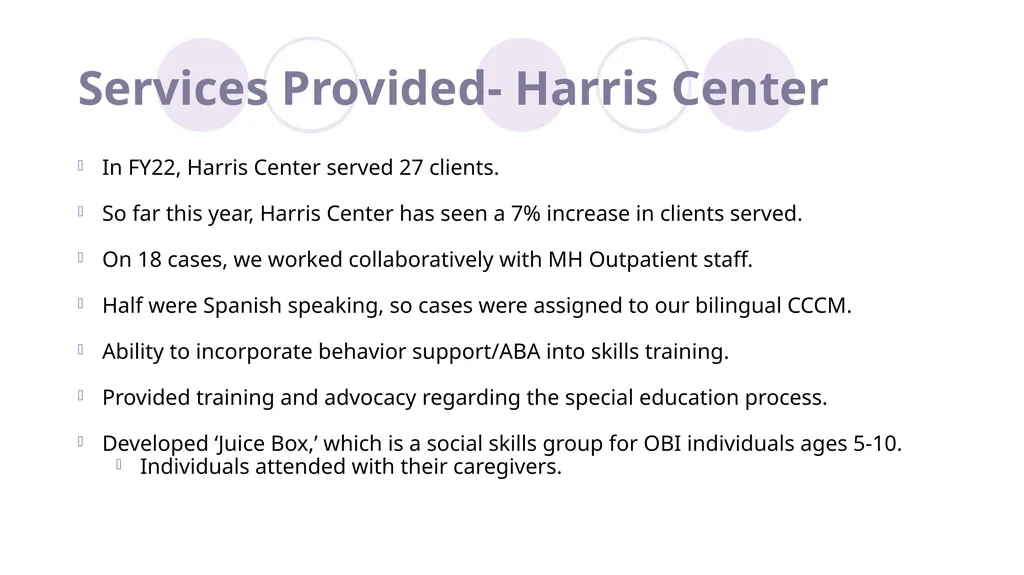
Services Provided- Harris Center In FY22, Harris Center served 27 clients.
So far this year, Harris Center has seen a 7% increase in clients served.
On 18 cases, we worked collaboratively with MH Outpatient staff.
Half were Spanish speaking, so cases were assigned to our bilingual CCCM.
Ability to incorporate behavior support/ABA into skills training.
Provided training and advocacy regarding the special education process.
Developed ‘Juice Box,’ which is a social skills group for OBI individuals ages 5-10.
Individuals attended with their caregivers.<br>
So far this year, Harris Center has seen a 7% increase in clients served.
On 18 cases, we worked collaboratively with MH Outpatient staff.
Half were Spanish speaking, so cases were assigned to our bilingual CCCM.
Ability to incorporate behavior support/ABA into skills training.
Provided training and advocacy regarding the special education process.
Developed ‘Juice Box,’ which is a social skills group for OBI individuals ages 5-10.
Individuals attended with their caregivers.<br>
20
BPS assessment &
other assessments<br>
21
Biopsychosocial Assessment The BPS assessment is a comprehensive 18-page document.
Plain language document was developed to aid with staff completing the BPS assessment.
Initiated within 10 workdays from enrollment into OBI. It will take several sessions to complete it with individual and support system.
Meant to be a “living” document and will be referenced and updated over time.
Assists with identifying treatment goals, desired supports, and needed referrals for development of the Person-Centered Recovery Plan (PCRP).<br>
Plain language document was developed to aid with staff completing the BPS assessment.
Initiated within 10 workdays from enrollment into OBI. It will take several sessions to complete it with individual and support system.
Meant to be a “living” document and will be referenced and updated over time.
Assists with identifying treatment goals, desired supports, and needed referrals for development of the Person-Centered Recovery Plan (PCRP).<br>
22
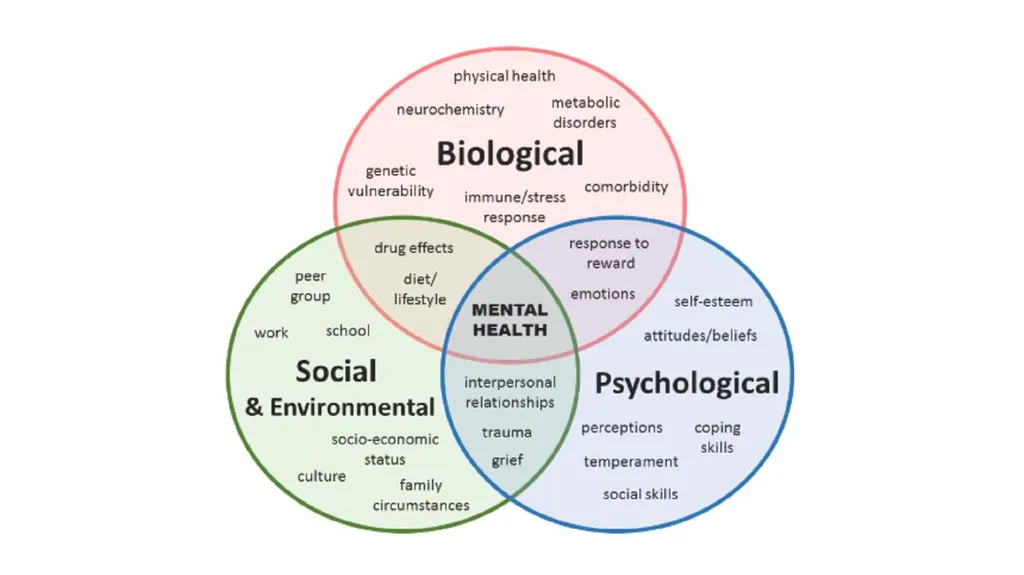
Bio in Biopsychosocial When trying to determine the causes of dysregulation, it is important to understand what is going on physically.
The BPS assessment helps us to avoid typical pitfalls of treatment such as diagnostic overshadowing by filling in information about the individual’s needs in greater detail.<br>
The BPS assessment helps us to avoid typical pitfalls of treatment such as diagnostic overshadowing by filling in information about the individual’s needs in greater detail.<br>
23
Psycho in Biopsychosocial Individual’s histories are explored to ensure that diagnoses are accurate.
Medication lists are examined closely. In this process, we try to advocate for best practices. For example, advocating for only one medication to be prescribed in its class.
Referrals are made for prescriber appointments, lab work, and neurology appointments as needed.<br>
Medication lists are examined closely. In this process, we try to advocate for best practices. For example, advocating for only one medication to be prescribed in its class.
Referrals are made for prescriber appointments, lab work, and neurology appointments as needed.<br>
24
Social in Biopsychosocial We examine everyone's social situation to identify changes that may contribute to dysregulation.
Changes in school, home, work, etc.
Recent loss of a caregiver or family member
Recent breakup
Financial stress
Housing challenges
Trauma
Puberty<br>
Changes in school, home, work, etc.
Recent loss of a caregiver or family member
Recent breakup
Financial stress
Housing challenges
Trauma
Puberty<br>
25
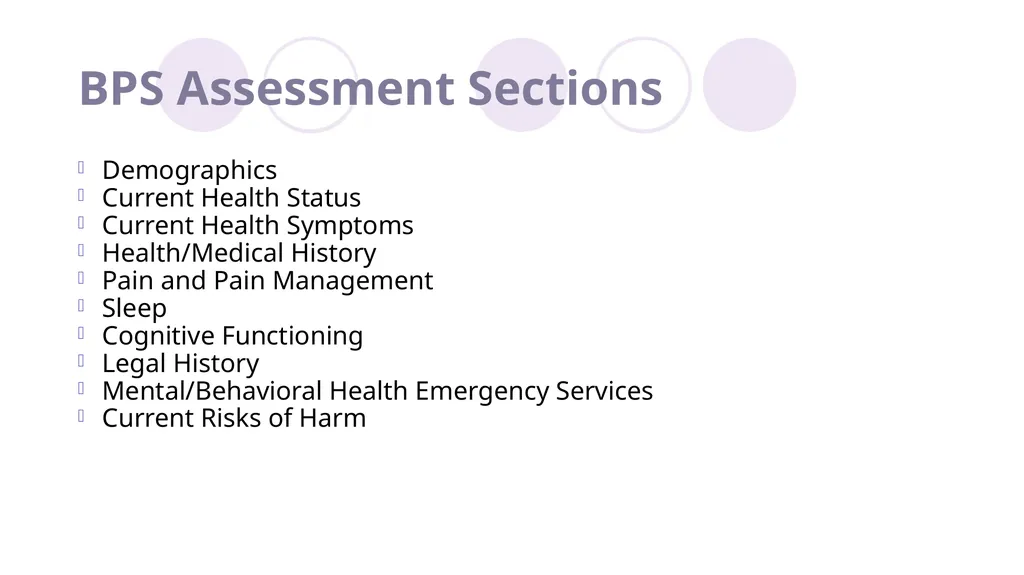
BPS Assessment Sections Demographics
Current Health Status
Current Health Symptoms
Health/Medical History
Pain and Pain Management
Sleep
Cognitive Functioning
Legal History
Mental/Behavioral Health Emergency Services
Current Risks of Harm<br>
Current Health Status
Current Health Symptoms
Health/Medical History
Pain and Pain Management
Sleep
Cognitive Functioning
Legal History
Mental/Behavioral Health Emergency Services
Current Risks of Harm<br>
26
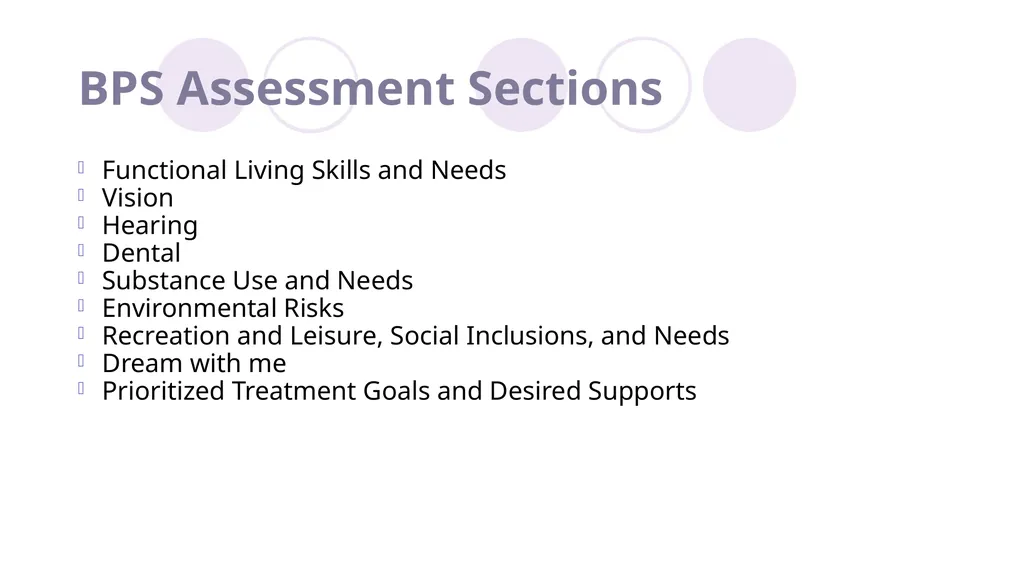
BPS Assessment Sections Functional Living Skills and Needs
Vision
Hearing
Dental
Substance Use and Needs
Environmental Risks
Recreation and Leisure, Social Inclusions, and Needs
Dream with me
Prioritized Treatment Goals and Desired Supports<br>
Vision
Hearing
Dental
Substance Use and Needs
Environmental Risks
Recreation and Leisure, Social Inclusions, and Needs
Dream with me
Prioritized Treatment Goals and Desired Supports<br>
27
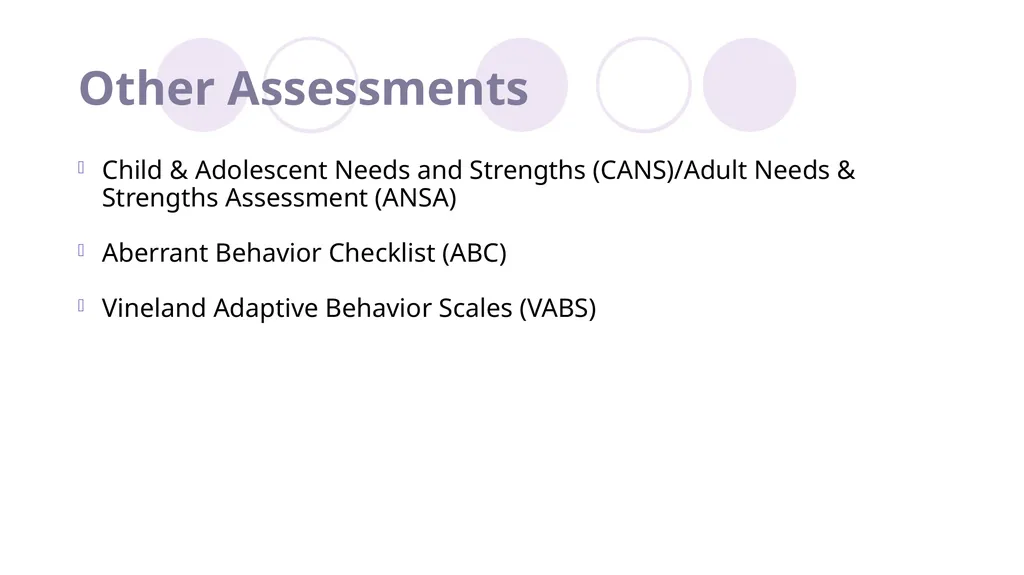
Other Assessments Child & Adolescent Needs and Strengths (CANS)/Adult Needs & Strengths Assessment (ANSA)
Aberrant Behavior Checklist (ABC)
Vineland Adaptive Behavior Scales (VABS)<br>
Aberrant Behavior Checklist (ABC)
Vineland Adaptive Behavior Scales (VABS)<br>
28
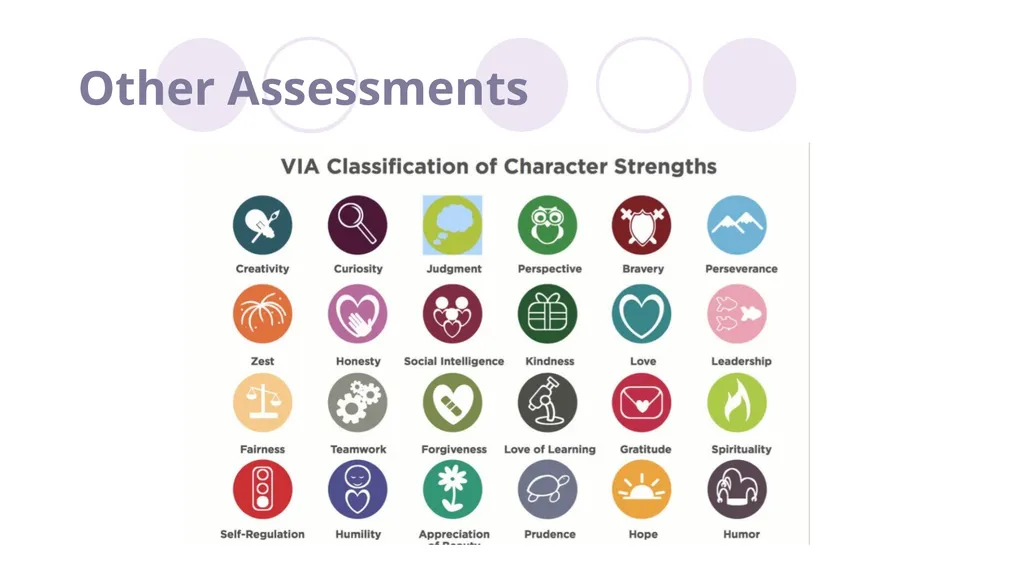
Other Assessments<br>
29
Person-Centered Recovery Plan<br>
30
Person-Centered Recovery Plan The PCRP is a tool that extracts individual’s goals identified in the BPS assessment. It offers a workable plan that guides treatment for the participant.
The PCRP provides structure to help case managers stay on track. Most treatment plans used in behavioral health services are based on Adult Needs and Strengths Assessments (ANSAs). The PCRP used in OBI services has the added benefit of pulling information from a larger more thorough assessment that is the BPS.<br>
The PCRP provides structure to help case managers stay on track. Most treatment plans used in behavioral health services are based on Adult Needs and Strengths Assessments (ANSAs). The PCRP used in OBI services has the added benefit of pulling information from a larger more thorough assessment that is the BPS.<br>
31
Person-Centered Recovery Plan If you are making a PCRP, it is based on what the individual wants. However, so many of our participants have significant deficits of expressive and receptive communication and may not accurately communicate what they want and need. Having the BPS as a backbone enables us to better understand what a participant wants and what we can do to help them get there.
This Plan helps case managers focus on what individuals say they want. This tool helps in grounding case managers against caregiver fatigue, showing them that they do not have to solve everything, but rather provides areas in which to focus.<br>
This Plan helps case managers focus on what individuals say they want. This tool helps in grounding case managers against caregiver fatigue, showing them that they do not have to solve everything, but rather provides areas in which to focus.<br>
32
Skills Training<br>
33
Skills Training Client identified needs are discovered through the Biopsychosocial (BPS) assessment.
Person-Centered Recovery Plan (PCRP) creates a roadmap for how to address those needs.<br>
Person-Centered Recovery Plan (PCRP) creates a roadmap for how to address those needs.<br>
34
Skills Training Skills training sessions come from these client identified needs and plans for addressing them.
Skills training has targeted needs related to emotions, stress, health, behavior, problem solving, relationships, communication, and much more.<br>
Skills training has targeted needs related to emotions, stress, health, behavior, problem solving, relationships, communication, and much more.<br>
35
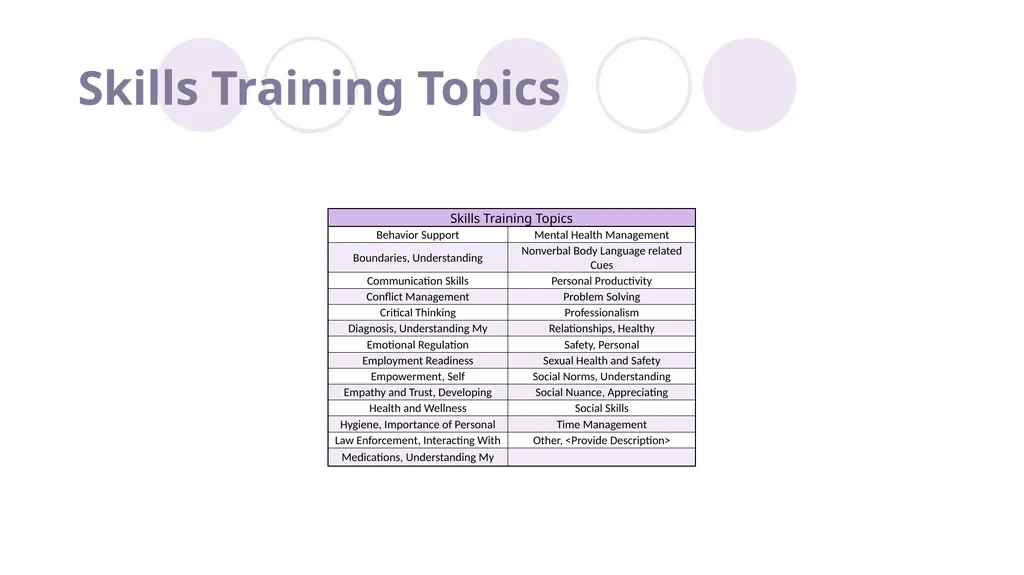
Skills Training Topics<br>
36
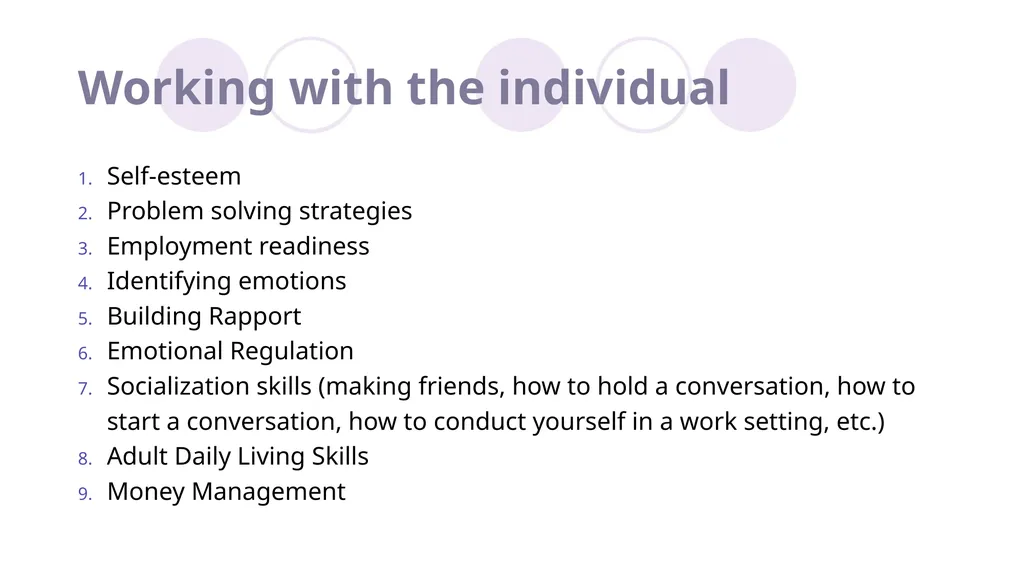
Working with the individual Self-esteem
Problem solving strategies
Employment readiness
Identifying emotions
Building Rapport
Emotional Regulation
Socialization skills (making friends, how to hold a conversation, how to start a conversation, how to conduct yourself in a work setting, etc.)
Adult Daily Living Skills
Money Management<br>
Problem solving strategies
Employment readiness
Identifying emotions
Building Rapport
Emotional Regulation
Socialization skills (making friends, how to hold a conversation, how to start a conversation, how to conduct yourself in a work setting, etc.)
Adult Daily Living Skills
Money Management<br>
37
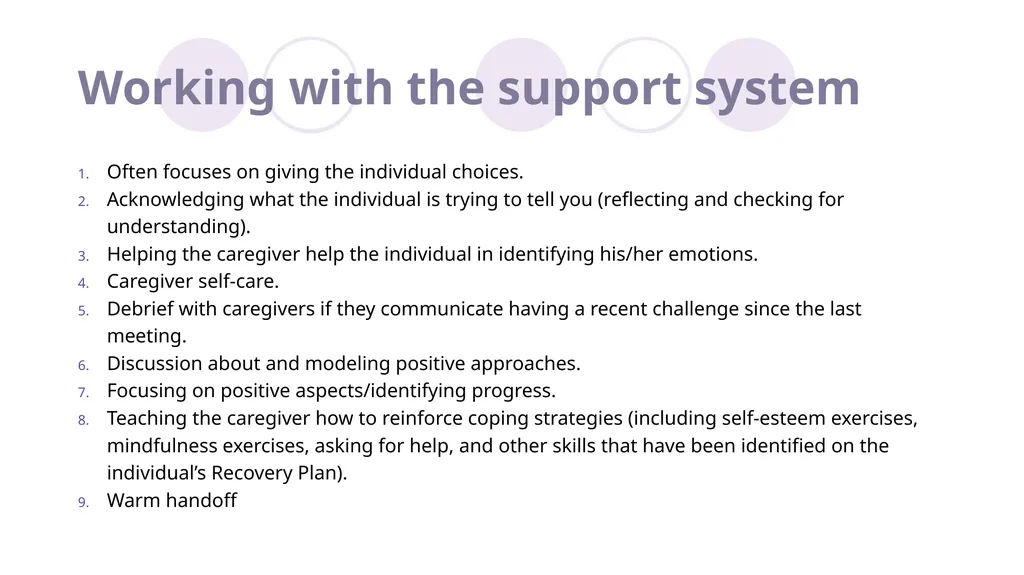
Working with the support system Often focuses on giving the individual choices.
Acknowledging what the individual is trying to tell you (reflecting and checking for understanding).
Helping the caregiver help the individual in identifying his/her emotions.
Caregiver self-care.
Debrief with caregivers if they communicate having a recent challenge since the last meeting.
Discussion about and modeling positive approaches.
Focusing on positive aspects/identifying progress.
Teaching the caregiver how to reinforce coping strategies (including self-esteem exercises, mindfulness exercises, asking for help, and other skills that have been identified on the individual’s Recovery Plan).
Warm handoff<br>
Acknowledging what the individual is trying to tell you (reflecting and checking for understanding).
Helping the caregiver help the individual in identifying his/her emotions.
Caregiver self-care.
Debrief with caregivers if they communicate having a recent challenge since the last meeting.
Discussion about and modeling positive approaches.
Focusing on positive aspects/identifying progress.
Teaching the caregiver how to reinforce coping strategies (including self-esteem exercises, mindfulness exercises, asking for help, and other skills that have been identified on the individual’s Recovery Plan).
Warm handoff<br>
38
Success Story- Tarrant Sally was a 26-year-old woman in OBI services for one year. She was hypersexual and did not understand social boundaries. She had a history of victimization of sexual assault.
Earlier in the course of the services, the coach would work with her on grounding techniques using the 5,4,3,2,1 method. Initially, the young woman would only identify her own body, particularly her sexual and secondary sexual parts. She had a history of going up to strangers and acting in sexual ways. She was able to work through the “Turtle Technique” and other grounding techniques to help her stop and think of different solutions. Grounding techniques helped bring her back to the present moment and switch tracks from more dysregulating thoughts.
She was also able to work with her coach to talk with her staff and develop workable strategies she could use when she felt she needed some time to herself such as going for walks in the yard, having her own chair on the porch, etc. rather than eloping and possibly putting herself in dangerous situations.<br>
Earlier in the course of the services, the coach would work with her on grounding techniques using the 5,4,3,2,1 method. Initially, the young woman would only identify her own body, particularly her sexual and secondary sexual parts. She had a history of going up to strangers and acting in sexual ways. She was able to work through the “Turtle Technique” and other grounding techniques to help her stop and think of different solutions. Grounding techniques helped bring her back to the present moment and switch tracks from more dysregulating thoughts.
She was also able to work with her coach to talk with her staff and develop workable strategies she could use when she felt she needed some time to herself such as going for walks in the yard, having her own chair on the porch, etc. rather than eloping and possibly putting herself in dangerous situations.<br>
39
Resources Socially Savvy (An assessment and curriculum guide for young children) by James L. Ellis and Christine Almeida
Mindfulness workbook for kids by Hannah Sherrman, LCSW
The Teen’s Guide to Social Skills: Practical Advice for Building Empathy, Self-Esteem, and Confidence by Kate Gladdin
Mindful Kids: 50 Mindfulness Activities for Kindness, Focus and Calm by Whitney Stewart and Mina Braun<br>
Mindfulness workbook for kids by Hannah Sherrman, LCSW
The Teen’s Guide to Social Skills: Practical Advice for Building Empathy, Self-Esteem, and Confidence by Kate Gladdin
Mindful Kids: 50 Mindfulness Activities for Kindness, Focus and Calm by Whitney Stewart and Mina Braun<br>
40
Resources The Emotion Regulation Skills System for Cognitively Challenged Clients: A DBT-Informed Approach by Julie F. Brown
https://skillssystem.com/
Therapist Aid, Essential tools for mental health professionals:
https://www.therapistaid.com/
A Manual of Cognitive Behaviour Therapy for People with Learning Disabilities and Common Mental Disorders Book by Angela Hassiotis
https://www.ucl.ac.uk/psychiatry/sites/psychiatry/files/cbt-id-manual.pdf<br>
https://skillssystem.com/
Therapist Aid, Essential tools for mental health professionals:
https://www.therapistaid.com/
A Manual of Cognitive Behaviour Therapy for People with Learning Disabilities and Common Mental Disorders Book by Angela Hassiotis
https://www.ucl.ac.uk/psychiatry/sites/psychiatry/files/cbt-id-manual.pdf<br>
41
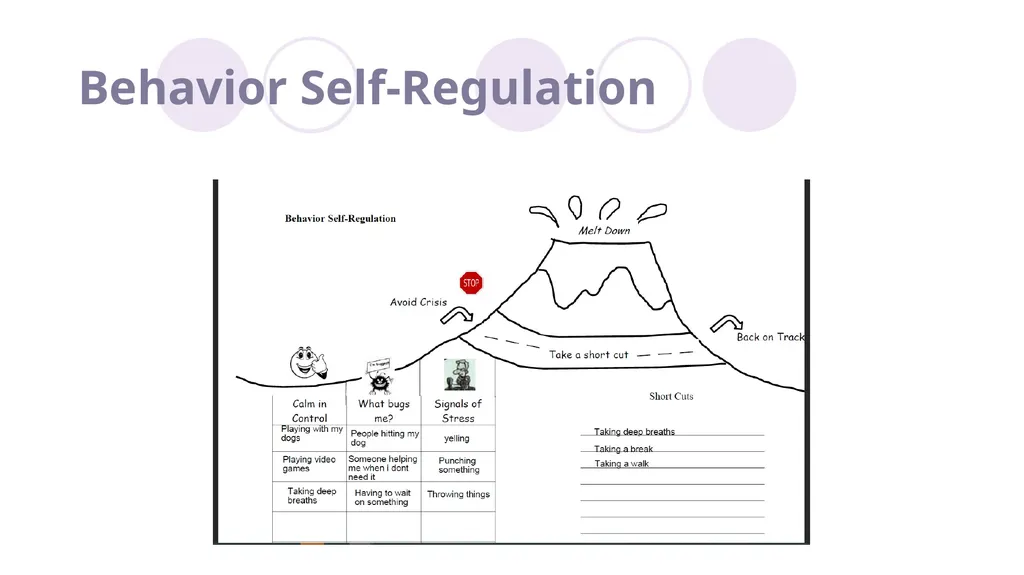
Behavior Self-Regulation<br>
42
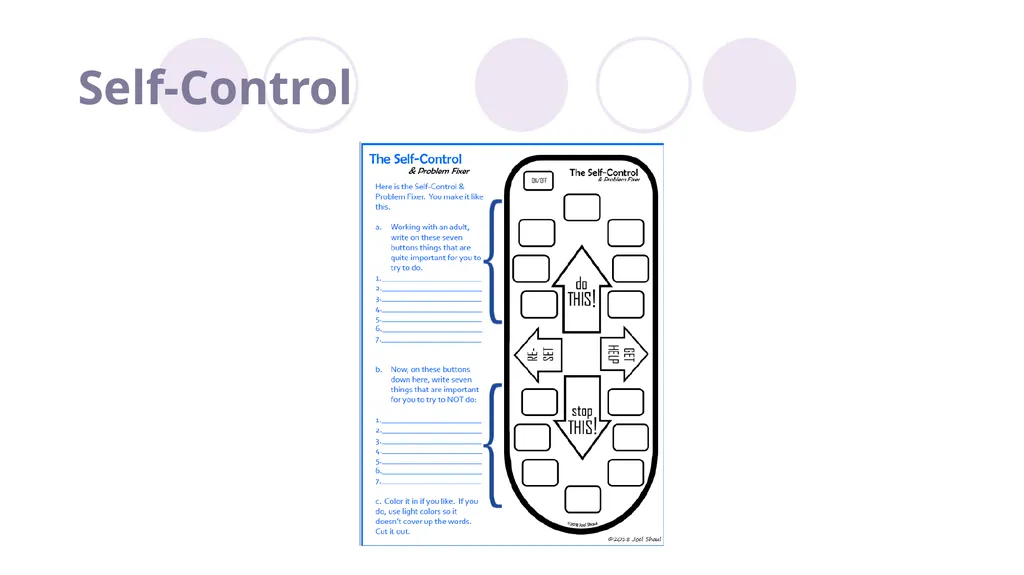
Self-Control<br>
43
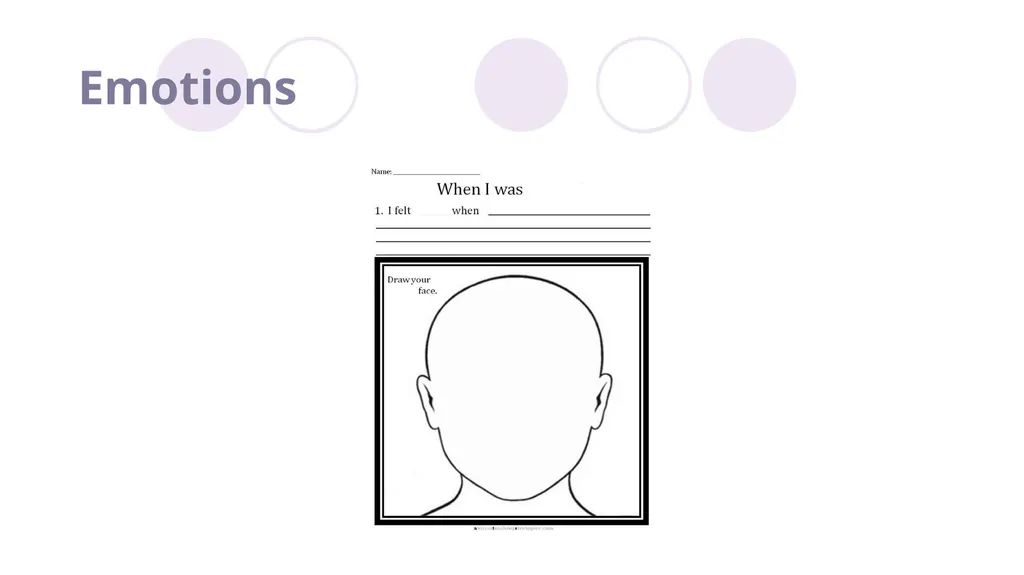
Emotions<br>
44
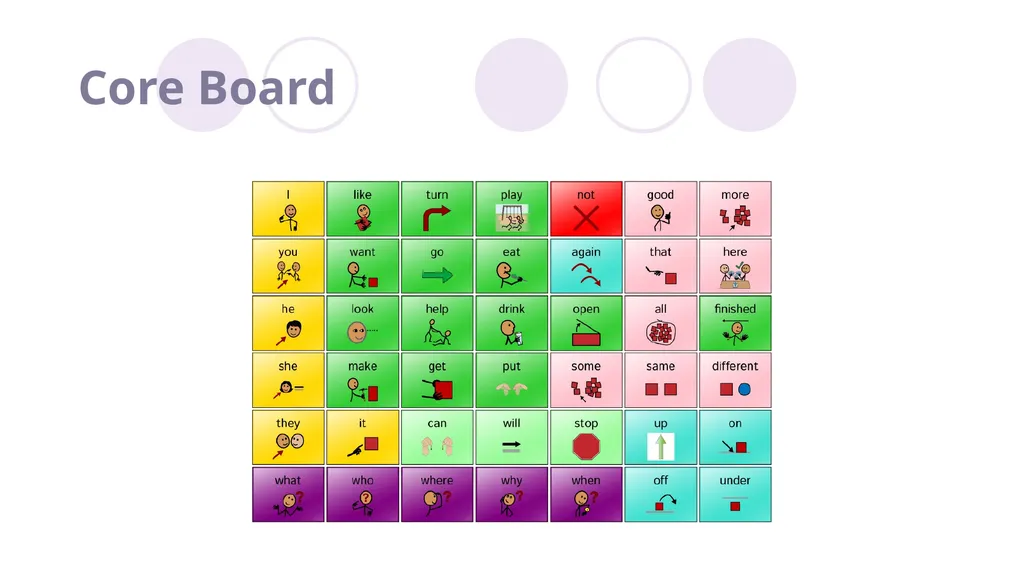
Core Board<br>
45
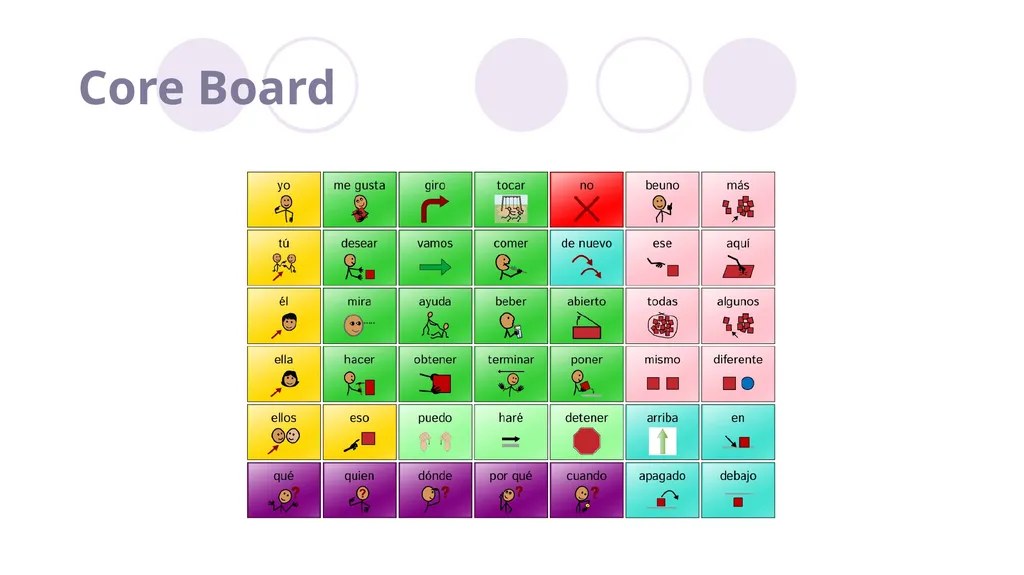
Core Board<br>
46
Collaborative Care Case Management<br>
47
Case Management OBI offers dramatically intensive case management.
In the course of one encounter, Collaborative Care Case Managers (CCCMs) are addressing clients needs that may relate to any numbers of things including the following:
Relationships
Health needs
Referrals and scheduling appointments for services
Transportation needs
Ongoing continuity of care
Connecting with prescriber needs<br>
In the course of one encounter, Collaborative Care Case Managers (CCCMs) are addressing clients needs that may relate to any numbers of things including the following:
Relationships
Health needs
Referrals and scheduling appointments for services
Transportation needs
Ongoing continuity of care
Connecting with prescriber needs<br>
48
Case Management As with skills training, client identified needs are addressed in a way that informed by the Biopsychosocial (BPS) assessment and the Person-Centered Recovery Plan (PCRP).
These tools allow Collaborative Care Case Managers (CCCMs) to be well-equipped to address emergent needs that clients face in their day-to-day lives.
Examples of how intensive case management can be in the OBI program will be highlighted towards the end of the presentation when we discuss success stories.<br>
These tools allow Collaborative Care Case Managers (CCCMs) to be well-equipped to address emergent needs that clients face in their day-to-day lives.
Examples of how intensive case management can be in the OBI program will be highlighted towards the end of the presentation when we discuss success stories.<br>
49
Success Story- Harris 9-year-old male with ASD, ADHD, and ODD.
Mother struggled with the concept of ignoring problem behavior and not reinforcing it by providing attention (positive or negative) of any kind prior to working in the group setting. CCCM modeled providing only positive verbal reinforcement to individual and the other participant only when warranted (waiting his turn, providing an answer, attending to activity) and ignoring all other behaviors (yelling, cursing, eloping).
After implementing strategies/interventions consistently with mother’s cooperation, a decrease in all negative behaviors was seen.
At a recent skills training session, individual and his younger brother were able to successfully play a game of Jenga together. They then transitioned into using the Jenga blocks to build together (parallel play). Mother commented enthusiastically that this was the first time they had ever played together.
Also, CCCM made referral for furniture bank and the furniture has been delivered to their home.<br>
Mother struggled with the concept of ignoring problem behavior and not reinforcing it by providing attention (positive or negative) of any kind prior to working in the group setting. CCCM modeled providing only positive verbal reinforcement to individual and the other participant only when warranted (waiting his turn, providing an answer, attending to activity) and ignoring all other behaviors (yelling, cursing, eloping).
After implementing strategies/interventions consistently with mother’s cooperation, a decrease in all negative behaviors was seen.
At a recent skills training session, individual and his younger brother were able to successfully play a game of Jenga together. They then transitioned into using the Jenga blocks to build together (parallel play). Mother commented enthusiastically that this was the first time they had ever played together.
Also, CCCM made referral for furniture bank and the furniture has been delivered to their home.<br>
50
Cross Training<br>
51
Cross Training OBI serves to address an identified lack of awareness of the behavioral health needs of individuals with IDD.
One requirement of the OBI program is to provide training to mental health professionals and other community members who encounter individuals with IDD.
The OBI sites are responsible for administering ten trainings per fiscal year to different agencies.<br>
One requirement of the OBI program is to provide training to mental health professionals and other community members who encounter individuals with IDD.
The OBI sites are responsible for administering ten trainings per fiscal year to different agencies.<br>
52
Cross Training Trainings have been put together to help mental health professionals better understand co-occurring diagnoses that include IDD. These trainings bring awareness on how to best serve individuals with co-occurring mental health diagnoses and IDD.
Trainings have been administered to organizations such as Child and Family Services, Psychiatric Emergency Services, Crisis Respite Units, EMS, medical professionals, social workers, and licensed therapists.<br>
Trainings have been administered to organizations such as Child and Family Services, Psychiatric Emergency Services, Crisis Respite Units, EMS, medical professionals, social workers, and licensed therapists.<br>
53
Final Success Stories<br>
54
Success Story- Integral Care When this male client was assigned to us, he was having crisis involving biting hands or scratching face that resulted in injury, as well as property destruction. His triggers were unknown. His mental health had deteriorated. He graduated high school during the start of the pandemic and has not left the house in over two years. His parents are afraid to take him out of the home. Over the last month, his parents called 911 several times a week for help. He was referred to CIS twice over the last few months but could not establish ongoing services with the family due to the time needed to build rapport and the essential need for a Spanish speaking case manager. The language line was not sufficient to convey the nuanced situation.
Collaboration and consultation have been huge! We have consulted weekly re: his meds. A new med was added to reduce self harming. We eventually weaned him off many of the heavy antipsychotics that were not affecting the behavior and only causing dangerous metabolic side effects. We also were able to easily use the Arc funds to pay for a mobile lab to get bloodwork for him in the home.
We collaborated with Crisis Respite Support Professionals (CRSP) to help ease the isolation and get him acquainted with other people and doing enrichment activities. He has made such observable progress! CRSP meets with him 3 times a week and OBI meets with him once a week. Currently, no self harming or crisis since OBI was assigned three weeks ago.
In addition to medication management, goals for the next couple months include skills training for parents, assisting with identifying BCBA and day habilitation, and skills training for the client to help him get acquainted going back outside and to day hab and medical appointments.<br>
Collaboration and consultation have been huge! We have consulted weekly re: his meds. A new med was added to reduce self harming. We eventually weaned him off many of the heavy antipsychotics that were not affecting the behavior and only causing dangerous metabolic side effects. We also were able to easily use the Arc funds to pay for a mobile lab to get bloodwork for him in the home.
We collaborated with Crisis Respite Support Professionals (CRSP) to help ease the isolation and get him acquainted with other people and doing enrichment activities. He has made such observable progress! CRSP meets with him 3 times a week and OBI meets with him once a week. Currently, no self harming or crisis since OBI was assigned three weeks ago.
In addition to medication management, goals for the next couple months include skills training for parents, assisting with identifying BCBA and day habilitation, and skills training for the client to help him get acquainted going back outside and to day hab and medical appointments.<br>
55
Success Story- Harris 16-year-old male with ASD, ADHD, and Anxiety Disorder was admitted into OBI from Espresso (agency social skills group).
Client struggled with engaging with his family, hoarding food in his bedroom, and did not like attending school.
CCM provided parent with behavior support/ABA principles.
Client now eats all meals at the dining room table, sometimes with/without his family.
Client no longer hoards food in his bedroom.
Client will now play video games with his brothers, watch TV with his family, engage with
his sister to complete chores, etc.
CCCM attended client’s annual ARD in April. Client spoke up frequently during the ARD
and advocated for himself appropriately and effectively. The ARD committee expressed
that they noticed a significant change in him during the school year and he is much more
vocal and engaged at school.
Client has been successfully discharged from OBI.<br>
Client struggled with engaging with his family, hoarding food in his bedroom, and did not like attending school.
CCM provided parent with behavior support/ABA principles.
Client now eats all meals at the dining room table, sometimes with/without his family.
Client no longer hoards food in his bedroom.
Client will now play video games with his brothers, watch TV with his family, engage with
his sister to complete chores, etc.
CCCM attended client’s annual ARD in April. Client spoke up frequently during the ARD
and advocated for himself appropriately and effectively. The ARD committee expressed
that they noticed a significant change in him during the school year and he is much more
vocal and engaged at school.
Client has been successfully discharged from OBI.<br>
56
Q & A<br>
57
Q & A Any questions?<br>
58
Contact Information Bryan Camphire, Integral Care
Bryan.Camphire@IntegralCare.org
David R. Gunter, MHMR Tarrant
David.Gunter@mhmrtc.org
Amanda Willis, The Harris Center
Amanda.Willis@theharriscenter.org<br>
Bryan.Camphire@IntegralCare.org
David R. Gunter, MHMR Tarrant
David.Gunter@mhmrtc.org
Amanda Willis, The Harris Center
Amanda.Willis@theharriscenter.org<br>
59
Evaluation<br>