Consumer Behavior Twelfth Edition, Global Edition Chapter 2 Market Segmentation and Real-Time Bidding Copyright 2019 Pearson Education, Ltd. All Rights Reserved. Learning Objectives 2.1 To understand how to segment markets along
"Consumer Behavior Twelfth Edition, Global Edition" is the property of its rightful owner. Permission is granted to
download and print the materials on this website for personal, non-commercial use only, and to display it
on your personal computer provided you do not modify the materials and that you retain all copyright
notices contained in the materials. By downloading content from our website, you accept the terms of this
agreement.
Learning Objectives 2.1 To understand how to segment markets along demographics, lifestyles, product benefits and usage, and media exposure.
2.2 To understand how to identify, select, and reach target markets.
2.3 To understand real-time bidding as compared with market segmentation.<br>
03
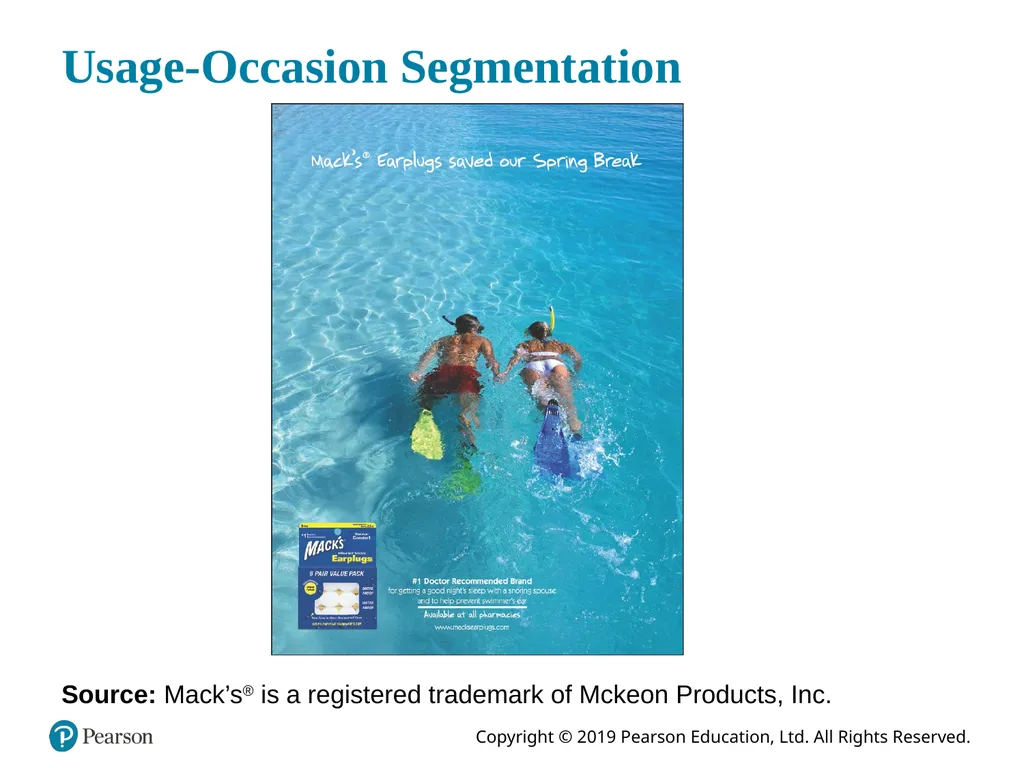
Usage-Occasion Segmentation Source: Mack’s® is a registered trademark of Mckeon Products, Inc.<br>
04
Learning Objective 2.1 2.1 To understand how to segment markets along demographics, lifestyles, product benefits and usage, and media exposure.<br>
05
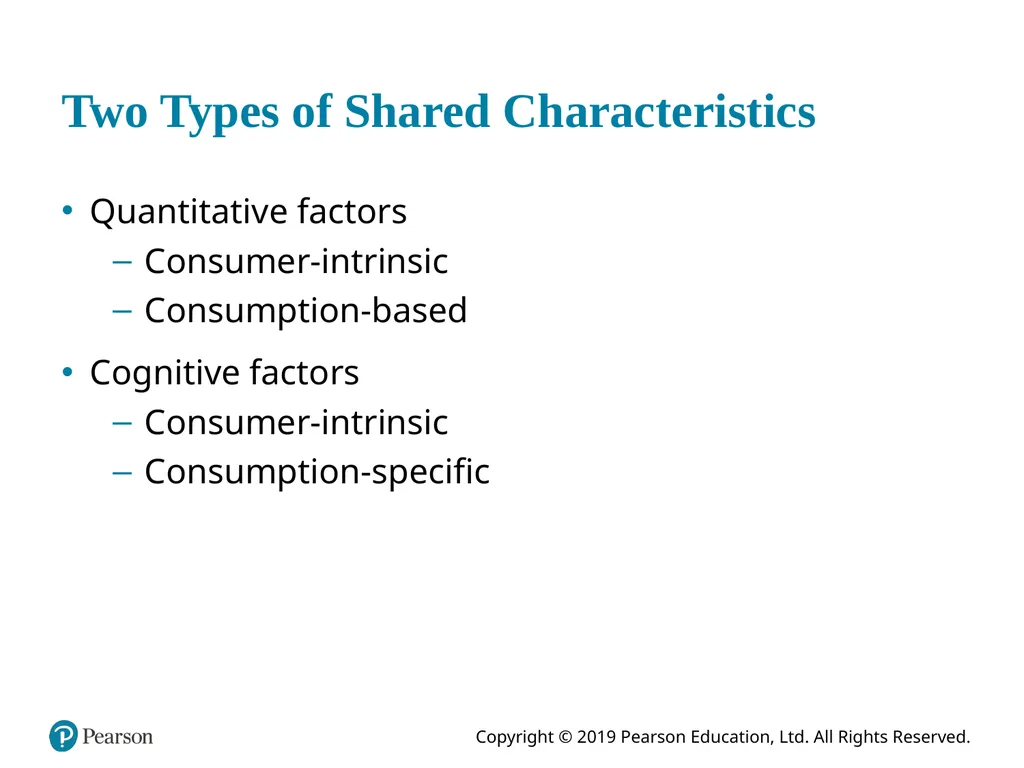
Two Types of Shared Characteristics Quantitative factors
Consumer-intrinsic
Consumption-based
Cognitive factors
Consumer-intrinsic
Consumption-specific<br>
06
Marketers Combine Factors Demographics determine needs for products
Psychographics explain buyers’ purchase decisions and choices<br>
07
Demographic Segmentation Age
Gender
Marital Status
Household type and Size
Income and Wealth; Occupation
Geographical location<br>
08
Age Age influences buying priorities
Marketers target age groups
Example: movie studios compete for teens and young adults each summer<br>
09
Gender Gender roles have blurred
Gender less accurate to distinguish among consumers in some product categories than it used to be
Some ads depict mean and women in roles traditionally occupied by the opposite gender
Some products (e.g. skin care and snacks) are marketed differently to men and women<br>
10
Households Family life cycle
Important occasions change consumption patterns<br>
11
Social Standing Social class
Fluctuations affect marketing<br>
12
Ethnicity Members of the same culture often share the same values, beliefs, and customs.
Marketers may target culturally distinct segments with the same product using different promotional appeals.<br>
13
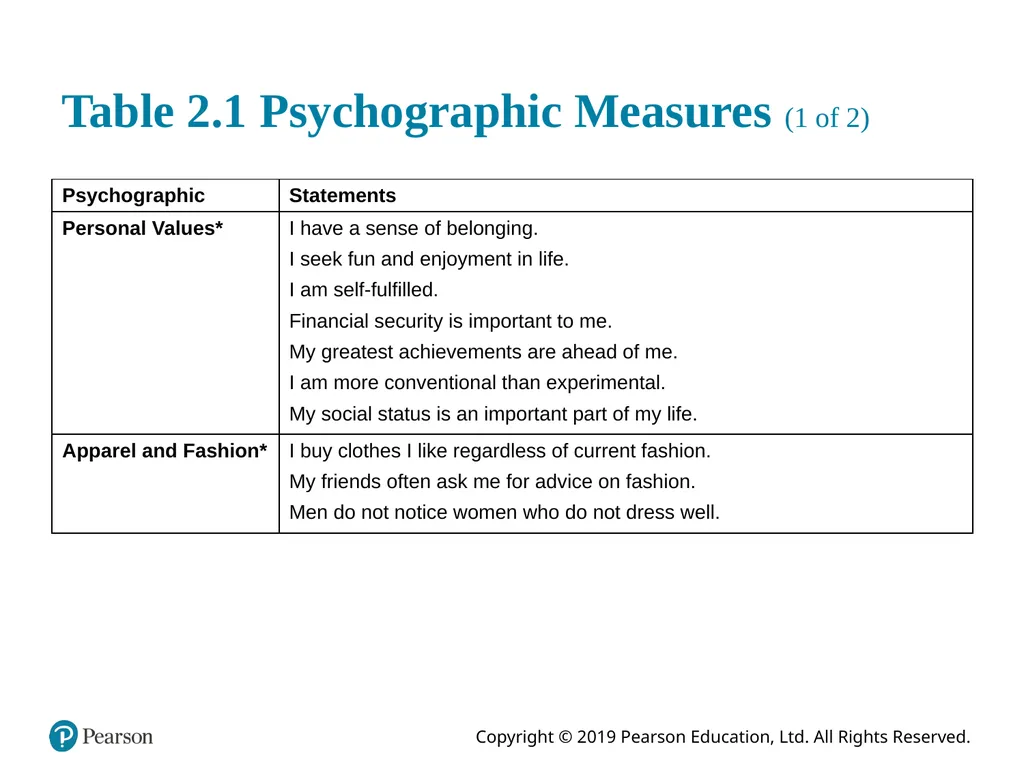
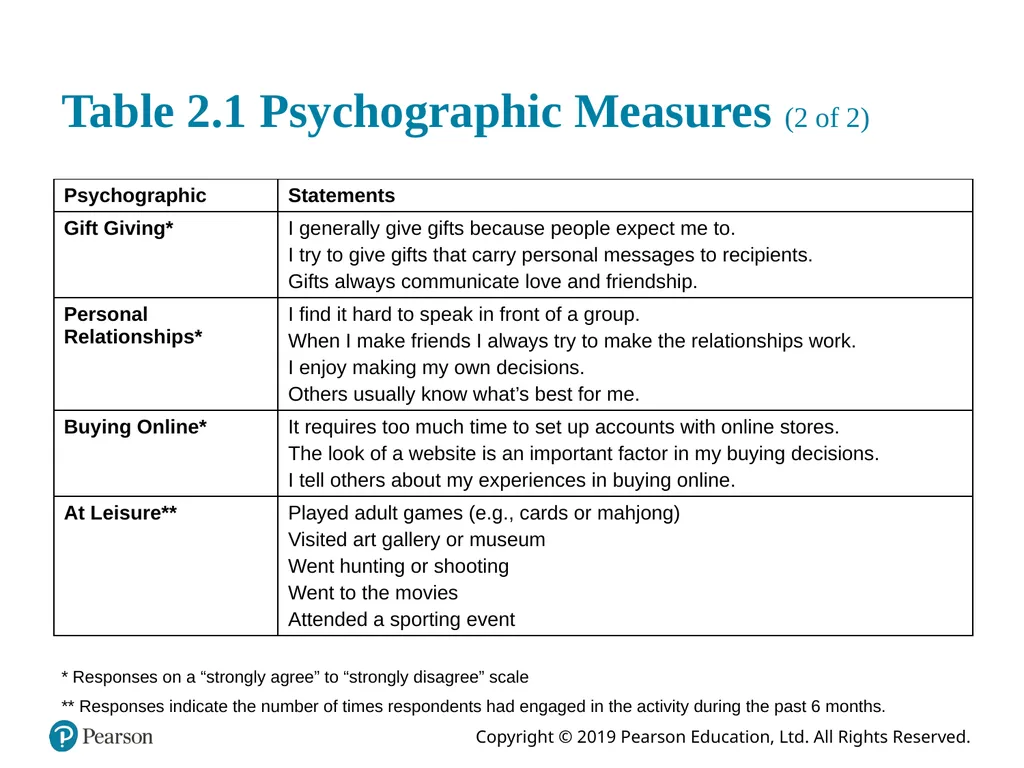
Psychographics Defined
Consumers’ lifestyles, which include consumers’ activities, interests, and opinions<br>
14
Table 2.1 Psychographic Measures (1 of 2)<br>
15
Table 2.1 Psychographic Measures (2 of 2) * Responses on a “strongly agree” to “strongly disagree” scale
** Responses indicate the number of times respondents had engaged in the activity during the past 6 months.<br>
16
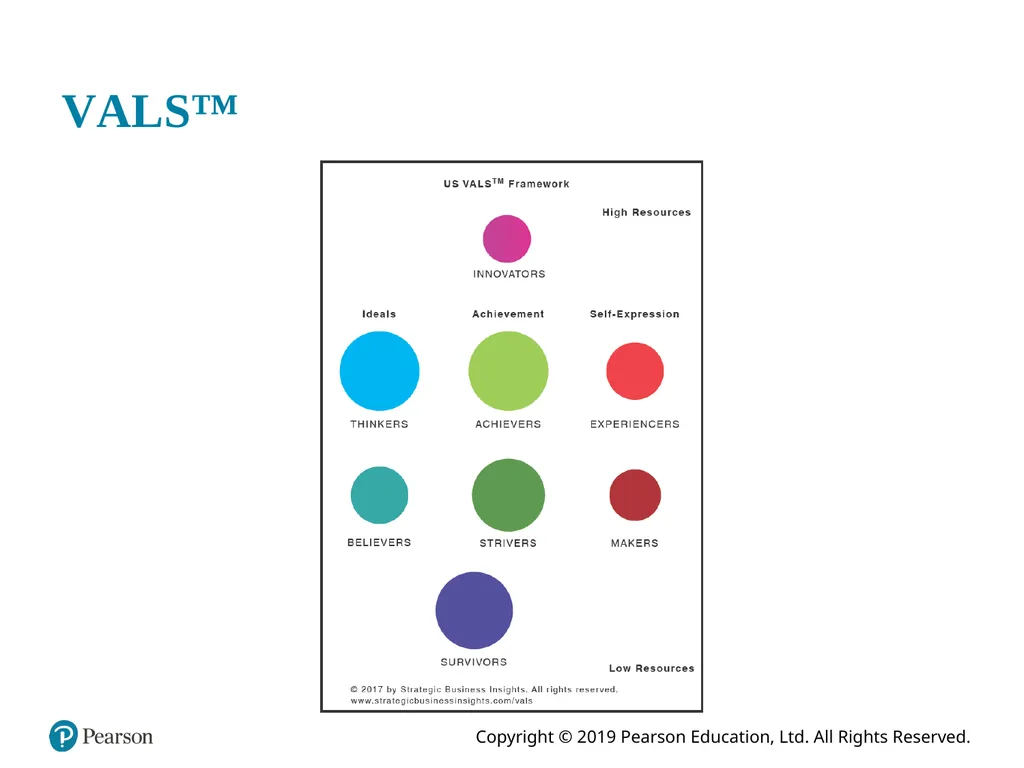
V A L S™<br>
17
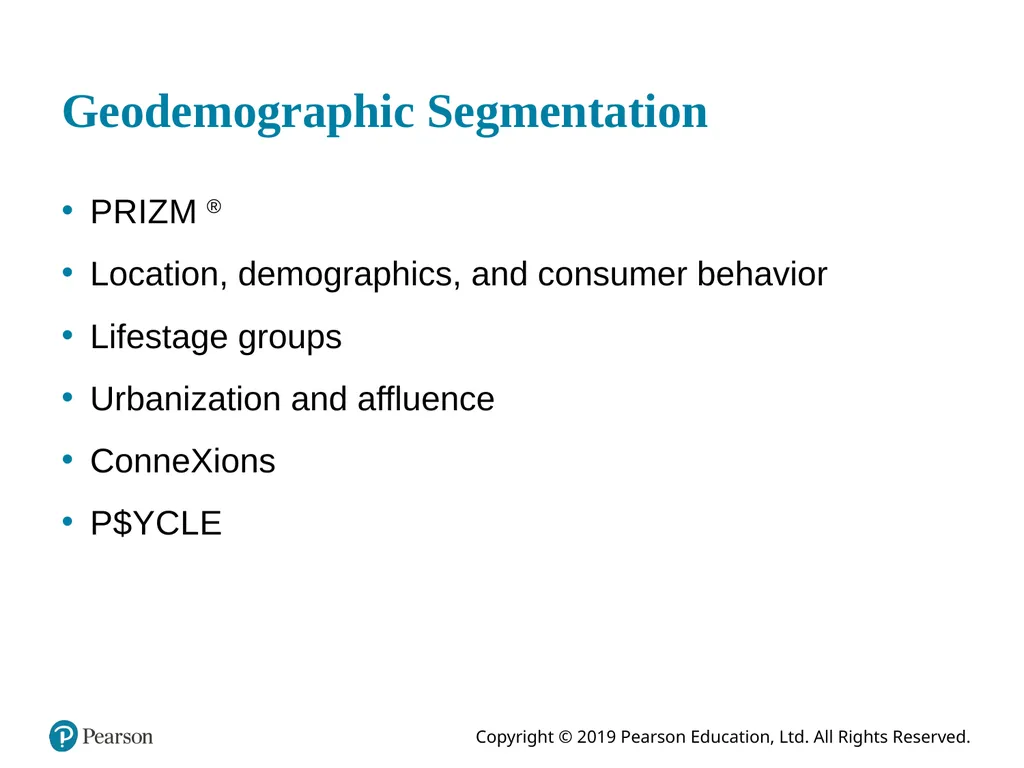
Geodemographic Segmentation P R I Z M ®
Location, demographics, and consumer behavior
Lifestage groups
Urbanization and affluence
ConneXions
P $ Y C L E<br>
18
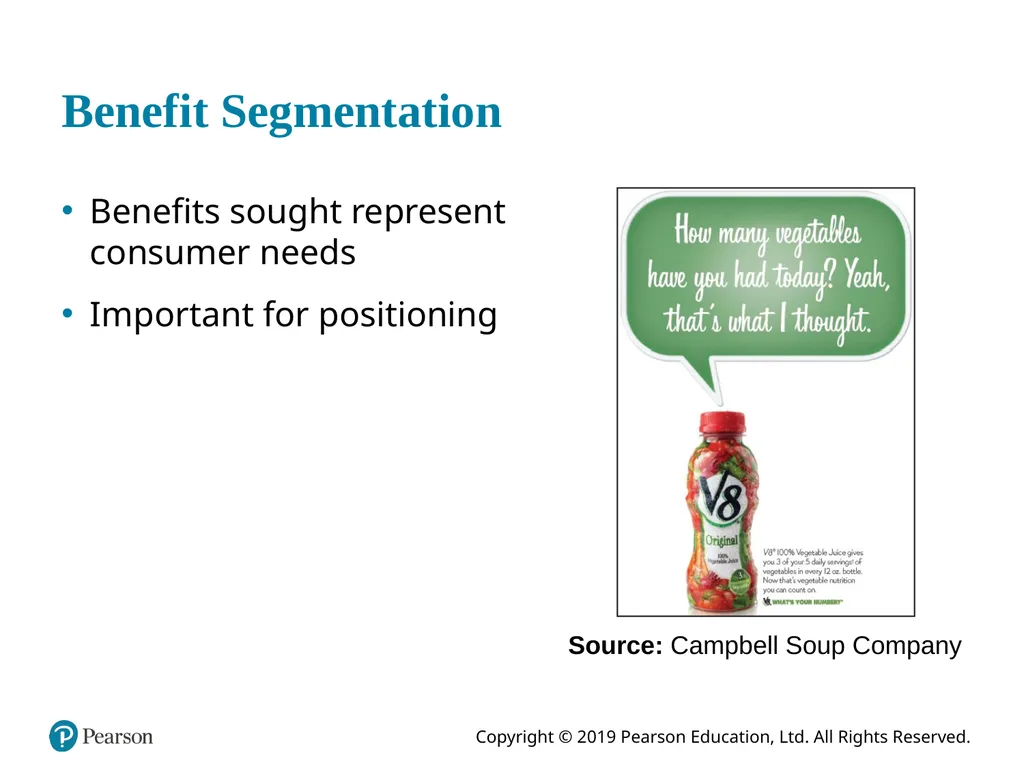
Benefit Segmentation Benefits sought represent consumer needs
Important for positioning Source: Campbell Soup Company<br>
19
Expectations of Service Providers Social Benefits
Recognized/known by staff
Treated in a way that they feel important/friendship
Special Treatment Benefits
Helping when something goes wrong
Receiving priority treatment
Confidence-Related Benefits
Feel confident service will be provided correctly
Clear descriptions of services and what to expect<br>
20
Product Usage Usage-rate segmentation (heavy, medium, light)
Lots of competition for heavy users<br>
21
Learning Objective 2.2 2.2 To understand how to identify, select, and reach target markets.<br>
22
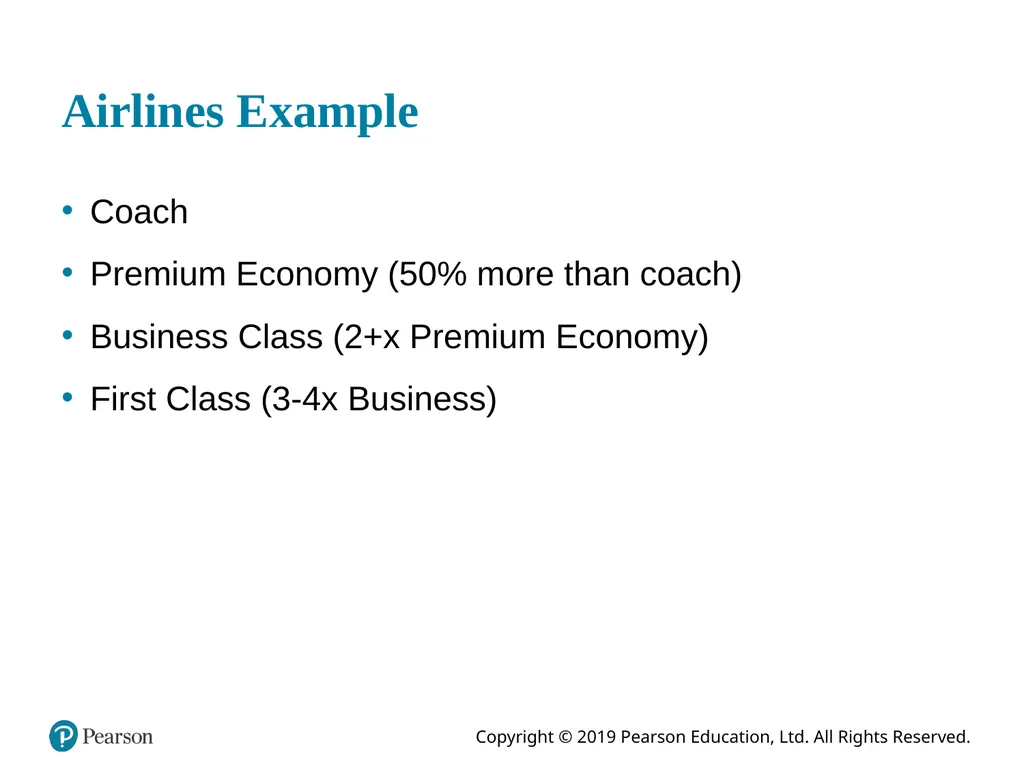
Airlines Example Coach
Premium Economy (50% more than coach)
Business Class (2+x Premium Economy)
First Class (3-4x Business)<br>
23
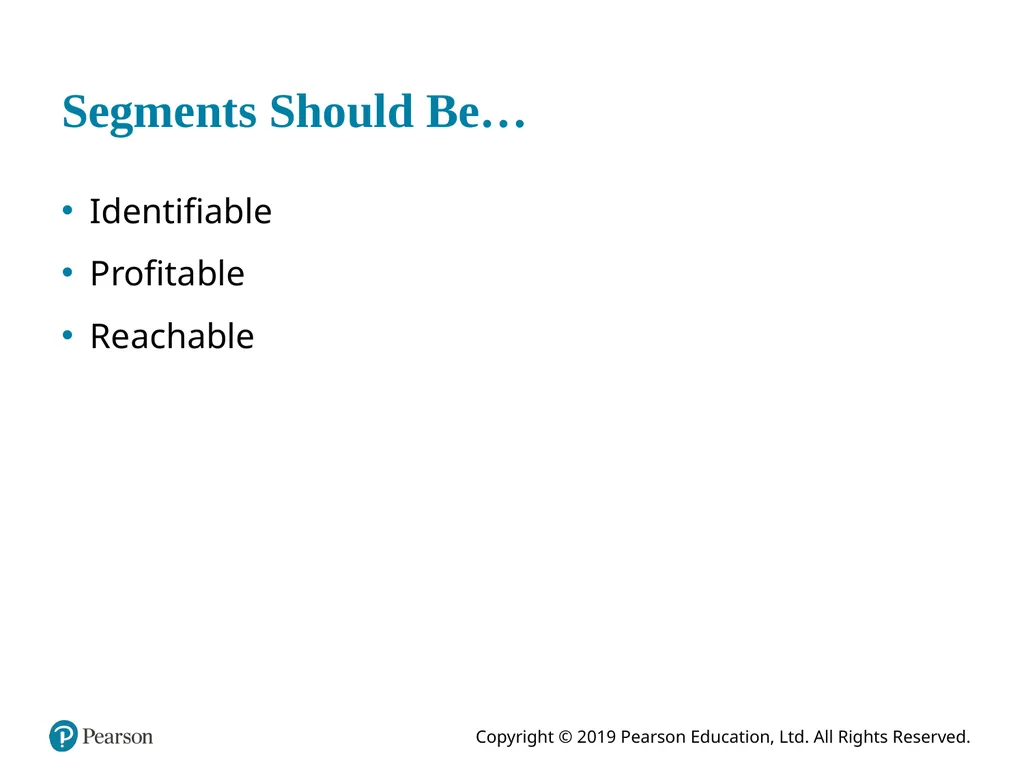
Segments Should Be… Identifiable
Profitable
Reachable<br>
24
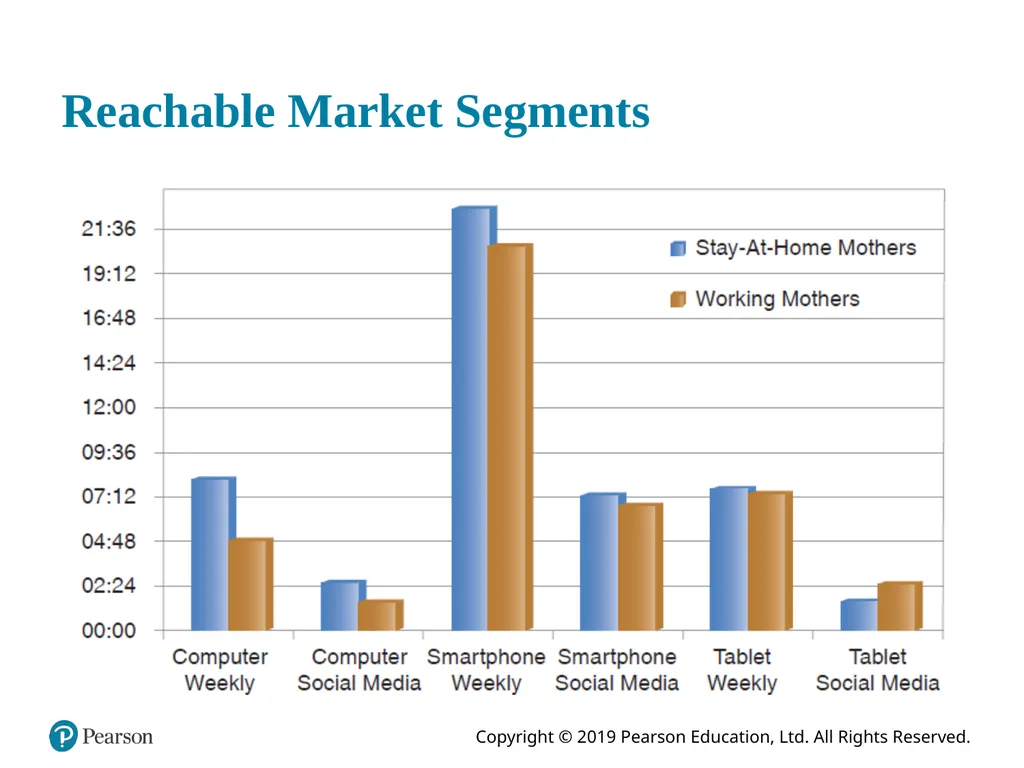
Reachable Market Segments<br>
25
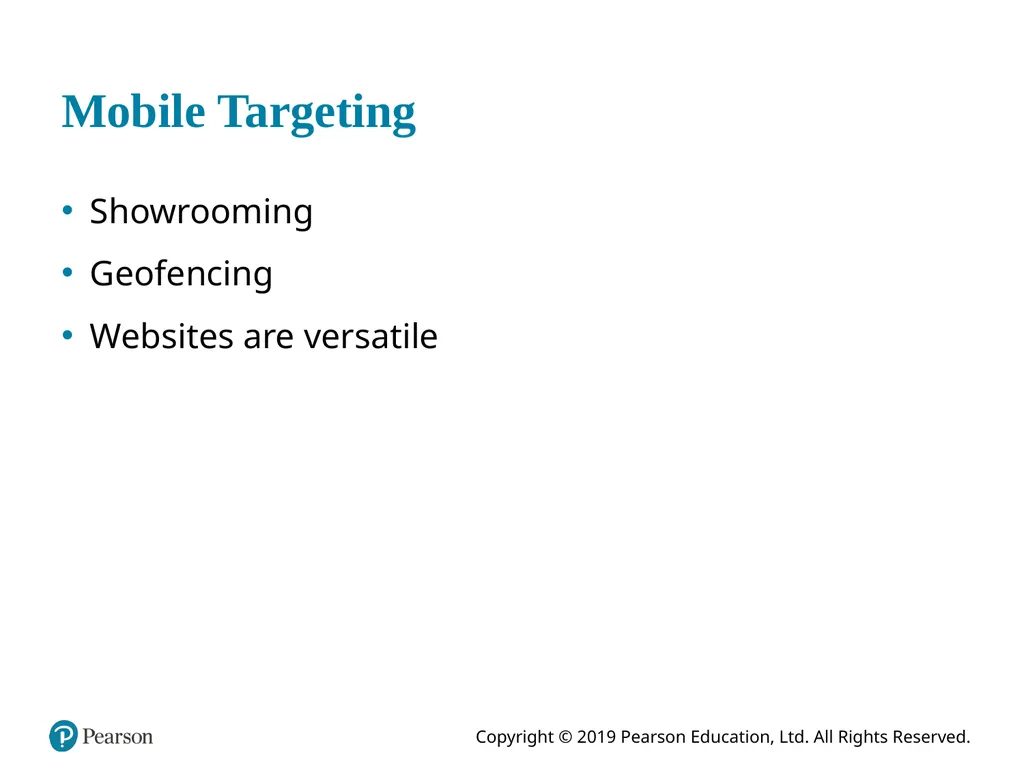
Mobile Targeting Showrooming
Geofencing
Websites are versatile<br>
26
Learning Objective 2.3 2.3 To understand real-time bidding as compared with market segmentation.<br>
27
Real-Time Bidding (R T B) Defined
A technique that allows advertisers to reach the right user in the right place at the right time, which also sets the price advertisers pay per impression or action<br>
28
Web Crawlers Defined
Programs that capture content across the internet and transmit it to the data broker’s servers<br>
29
Predictive Analytics Defined
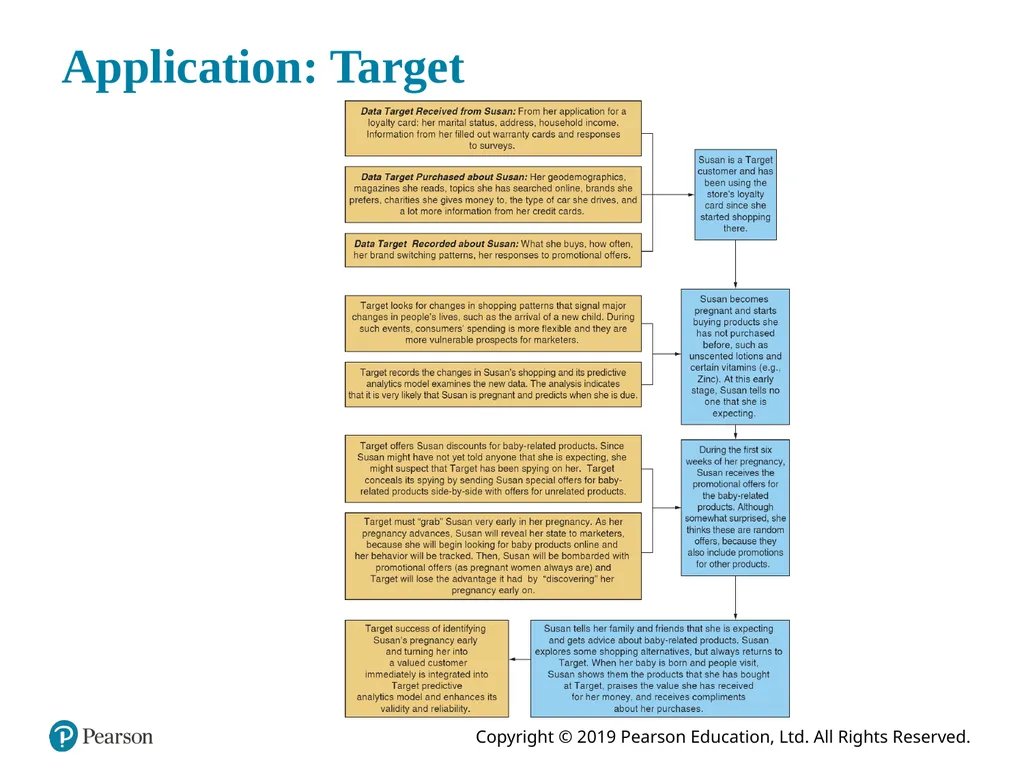
Measures that predict consumers’ future purchases on the bases of past buying information and other data, and also evaluate the impact of personalized promotions stemming from the predictions.<br>
30
Application: Target<br>
31
Ad Exchange Defined
A big pool of ad impressions – websites – paste their ad impressions into the pool, hoping someone will buy them<br>