
Coping Thoughts “You become what you think about.”

Description: Coping Thoughts You become what you think about. Earl Nightingale Pruning Proliferation Any good gardener knows that you have to prune back a plant to help it to grow. In the same way, pruning our thoughts is essential to declutter our
Related Topics
Download Presentation
"Coping Thoughts “You become what you think about.”" is the property of its rightful owner. Permission is granted to download and print the materials on this website for personal, non-commercial use only, and to display it on your personal computer provided you do not modify the materials and that you retain all copyright notices contained in the materials. By downloading content from our website, you accept the terms of this agreement.
Presentation Transcript
slide1. Coping Thoughts<br>
slide2. “You become what you think about.”
Earl Nightingale<br>
slide3. Pruning & Proliferation Any good gardener knows that you have to prune back a plant to help it to grow.
In the same way, pruning our thoughts is essential to declutter our minds, and let go of thoughts that don’t serve us.
Your mind is a garden. You can grow flowers or you can grow weeds.<br>
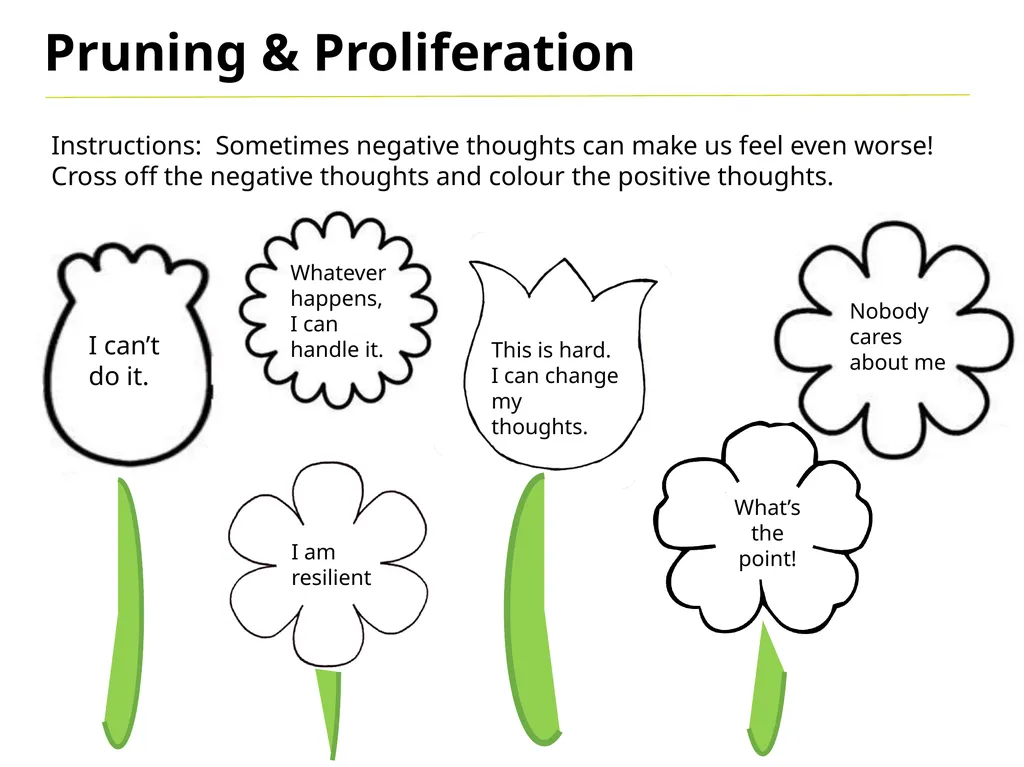
slide4. Pruning & Proliferation Instructions: Sometimes negative thoughts can make us feel even worse! Cross off the negative thoughts and colour the positive thoughts. This is hard. I can change my thoughts. I can’t do it. What’s the point! Whatever happens, I can handle it. I am resilient Nobody cares about me<br>
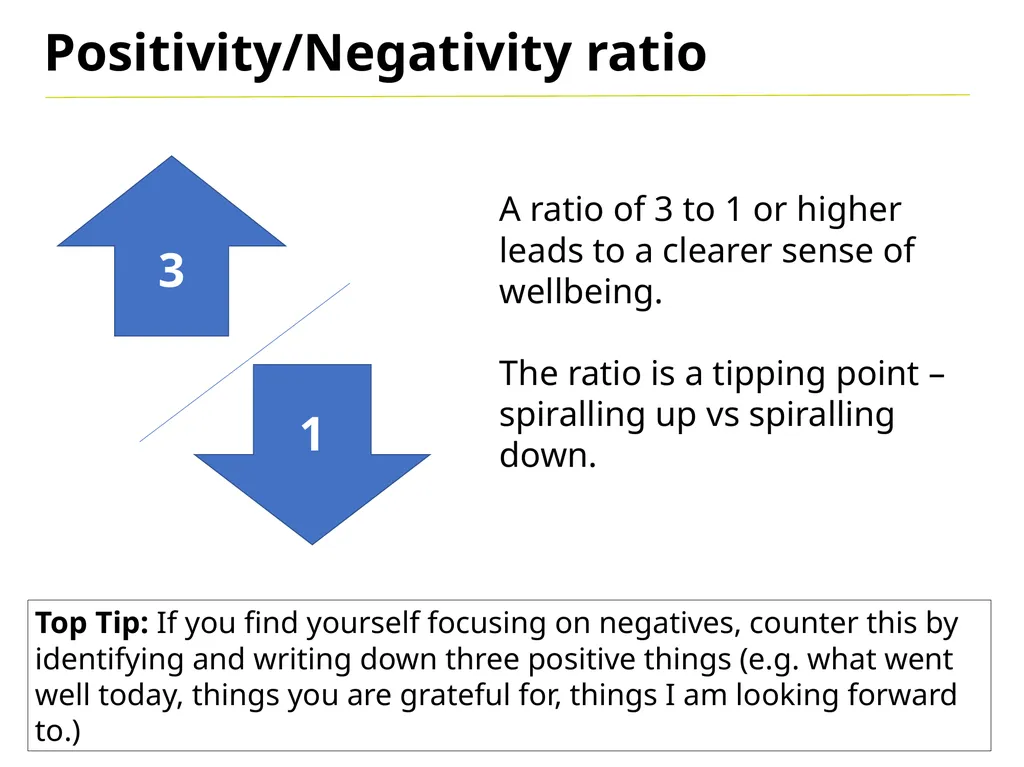
slide5. Positivity/Negativity ratio 3 1 A ratio of 3 to 1 or higher leads to a clearer sense of wellbeing.
The ratio is a tipping point – spiralling up vs spiralling down. Top Tip: If you find yourself focusing on negatives, counter this by identifying and writing down three positive things (e.g. what went well today, things you are grateful for, things I am looking forward to.)<br>
slide6. Coping Thoughts Coping is a process and THINKING is one of the best tools we have to cope.
There are things that happen that are outside of our control. What we can control is how we respond.
There is a strong connection between what we think, what we feel and what we do.<br>
slide7. Coping Thoughts Positive coping thoughts encourage us and help us cope through distressing times. We can say these encouraging statements to ourselves.
Like any skill, the more you practice your coping statements, the more quickly they will become part of your automatic thought processes.<br>
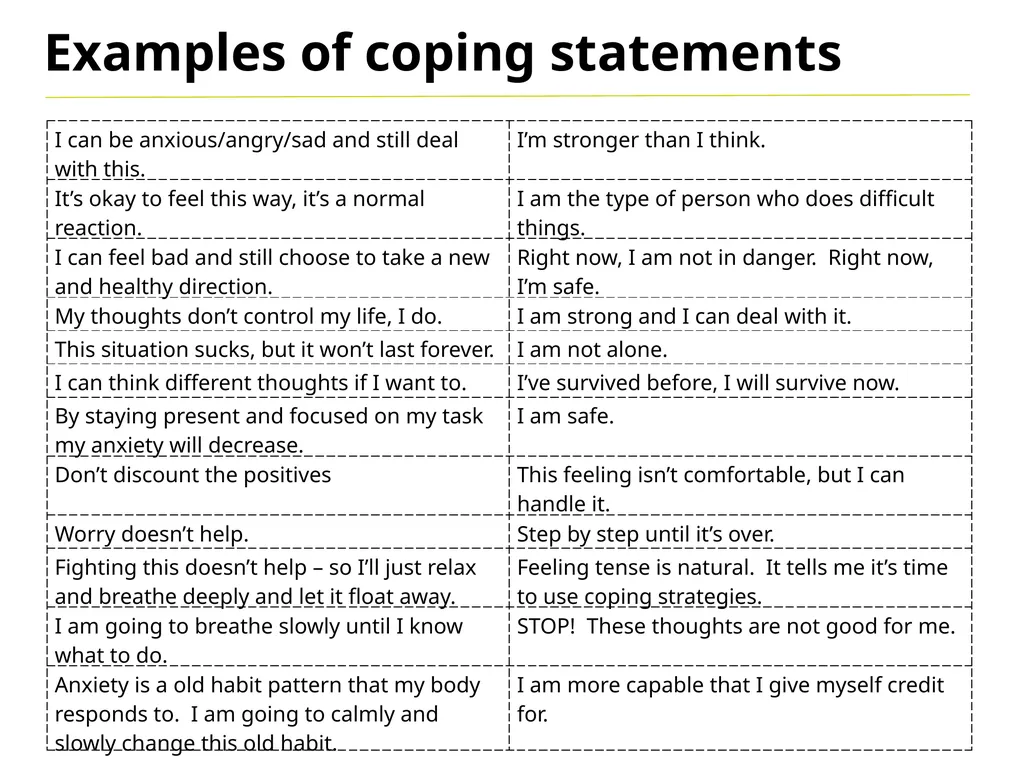
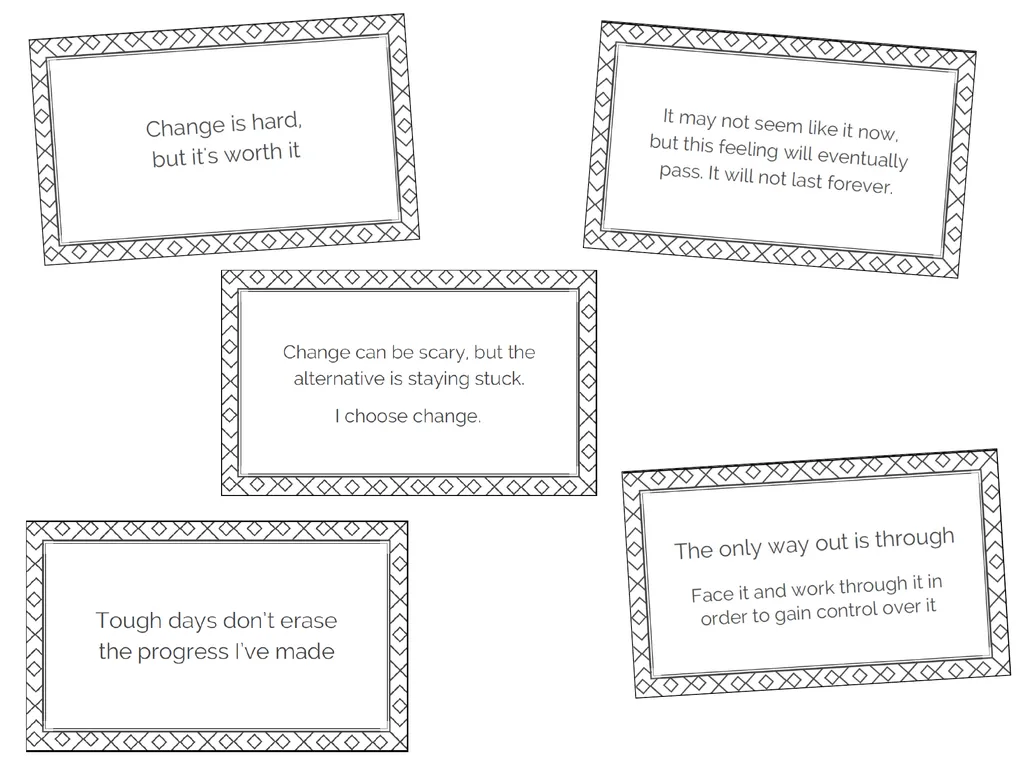
slide8. Examples of coping statements<br>
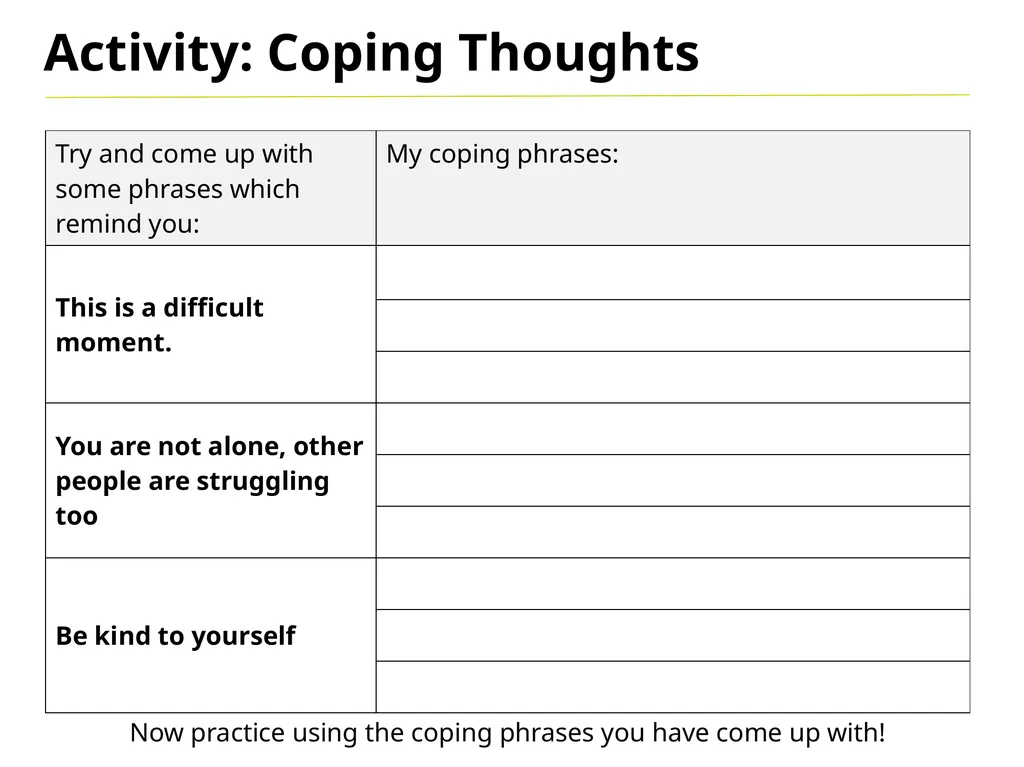
slide9. Now practice using the coping phrases you have come up with! Activity: Coping Thoughts<br>
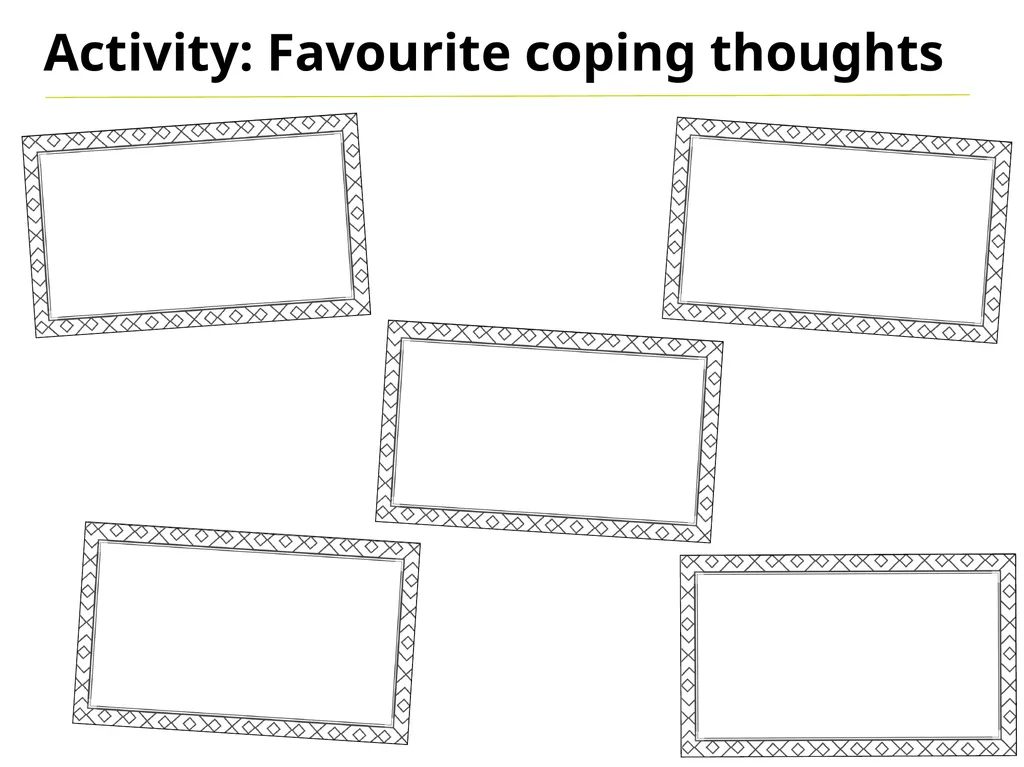
slide11. Activity: Favourite coping thoughts<br>
slide2. “You become what you think about.”
Earl Nightingale<br>
slide3. Pruning & Proliferation Any good gardener knows that you have to prune back a plant to help it to grow.
In the same way, pruning our thoughts is essential to declutter our minds, and let go of thoughts that don’t serve us.
Your mind is a garden. You can grow flowers or you can grow weeds.<br>
slide4. Pruning & Proliferation Instructions: Sometimes negative thoughts can make us feel even worse! Cross off the negative thoughts and colour the positive thoughts. This is hard. I can change my thoughts. I can’t do it. What’s the point! Whatever happens, I can handle it. I am resilient Nobody cares about me<br>
slide5. Positivity/Negativity ratio 3 1 A ratio of 3 to 1 or higher leads to a clearer sense of wellbeing.
The ratio is a tipping point – spiralling up vs spiralling down. Top Tip: If you find yourself focusing on negatives, counter this by identifying and writing down three positive things (e.g. what went well today, things you are grateful for, things I am looking forward to.)<br>
slide6. Coping Thoughts Coping is a process and THINKING is one of the best tools we have to cope.
There are things that happen that are outside of our control. What we can control is how we respond.
There is a strong connection between what we think, what we feel and what we do.<br>
slide7. Coping Thoughts Positive coping thoughts encourage us and help us cope through distressing times. We can say these encouraging statements to ourselves.
Like any skill, the more you practice your coping statements, the more quickly they will become part of your automatic thought processes.<br>
slide8. Examples of coping statements<br>
slide9. Now practice using the coping phrases you have come up with! Activity: Coping Thoughts<br>
slide11. Activity: Favourite coping thoughts<br>