Credentials as a building block to recognize prior learning for entry to higher education Laura Widger Sergio Botelho Junior South East Technological University, Ireland Meg Benke Empire State University, USA and Visiting SETU Larger
"Credentials as a building block to recognize prior" is the property of its rightful owner. Permission is granted to
download and print the materials on this website for personal, non-commercial use only, and to display it
on your personal computer provided you do not modify the materials and that you retain all copyright
notices contained in the materials. By downloading content from our website, you accept the terms of this
agreement.
Share
Embed code
Presentation Transcript
01
Credentials as a building block to recognize prior learning for entry to higher education Laura Widger Sergio Botelho Junior
South East Technological University, Ireland
Meg Benke
Empire State University, USA and Visiting SETU<br>
02
Larger Context of RPL in Ireland; Contextualized in Focus on Individualized RPL Cohort-based RPL is an emergent focus of policy making
Better tracking of cohort-based RPL could be in place for benchmarking, research and promotion of impact<br>
03
Examples of cohort enterprises partnerships in higher education in Ireland SETU – Army partnership: the project facilitated employees, especially cadets, lacking formal education to attain Level 5 qualifications. Upon recognition, participants could progress to a NFQ Level 6 leadership course, enhancing their educational opportunities.
SETU – CILT bridging programme: Certification pathway jointly developed by CILT and SETU, enabling a cohort of learners to bridge from level 6 Higher Certificate in Sustainable Supply Chains to a Level 8 Higher Diploma in Business in Supply Chain Management or a Level 8 Bachelor of Business (Honours) in Supply Chain Management.<br>
04
Examples of cohort enterprises partnerships in higher education in Ireland UCC – RPL Project: Initiated in 2016, a collaborative effort from ACE (Adult Continuing Education, UCC) facilitated farmers from West Cork to achieve exemptions on 40 credits of the Diploma in Environmental Science and Social Policy (NFQ Level 7). A strategic plan spanning three academic cycles was devised to optimise the RPL entry route and enable blended learning for subsequent farmer cohorts. To date, three cohorts have successfully completed the Diploma.
Boston Scientific – MTU Partnership: Strategic collaboration to upskill and reskill employees for career advancement. Leveraging MTU's training programs, employees build on existing knowledge and role-based experiences, accelerating talent development. RPL serves as a catalyst for quickly building qualified talent, delivering a clear return on investment for both organizations and individuals. Benefits include increased confidence, improved skills, enhanced career prospects, and higher earning potential.<br>
05
Examples of cohort enterprises partnerships in higher education in Ireland Tirlán Ireland – UCC Partnership: Collaborating to establish Ireland’s first Sustainable Farming Academy. Through UCC’s Adult Continuing Education unit, Tirlán Ireland and Baileys Irish Cream support farm families in advancing environmental practices. The diploma programme empowers farmers to address sustainability challenges, with flexible part-time learning and continuous assessment. By accrediting and enhancing existing farming knowledge, the initiative promotes confidence and peer learning among participants.
ETB/FET Tutor Collaboration: FET tutors from the Education and Training Board in Waterford, with trade qualifications, were RPLed into the L7 BA in Adult and Further Education. Through structured RPL workshops, in-person training sessions, and ongoing support, they successfully completed the program, with three advancing to the L8 Teacher Ed program.<br>
06
Examples of cohort enterprises partnerships in higher education in Ireland ATU – Optum partnership: Inaugural RPL for Enterprise Cohort at ATU. 20 Optum employees graduated with a BSc in Applied Data Technologies, leveraging prior learning for advanced entry and module exemptions. This collaboration highlights RPL's role in upskilling, reskilling and staff retention, aligning with ATU's commitment to industry-education collaboration and social inclusion.<br>
07
Challenges in RPL management at SETU Establishing a systematic method for tracking RPL data for analysis and benchmarking:
Distinguishing between the different types of RPL applications;
Discerning differences across different schools and faculties;
Differentiating between cohort and individual RPL applications
The development of a centralised RPL process for enterprise cohort applications is currently in progress
Scalability impact & reaching higher numbers<br>
08
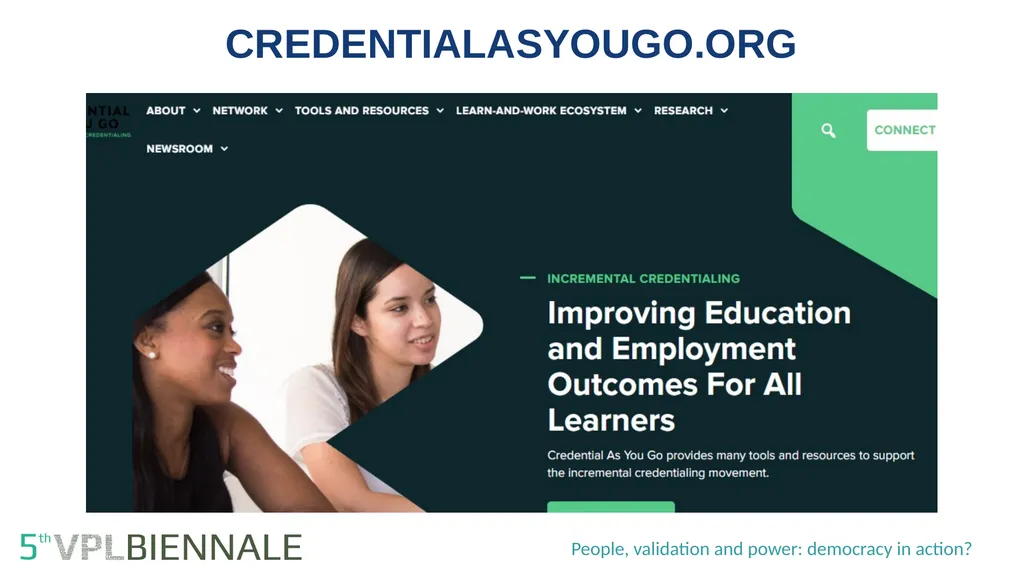
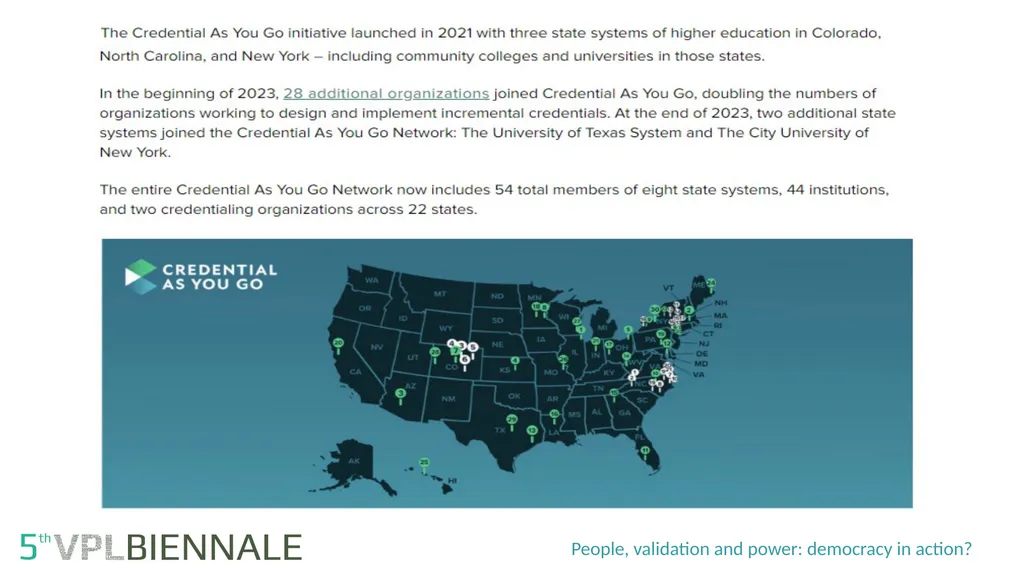
CREDENTIALASYOUGO.ORG<br>
09
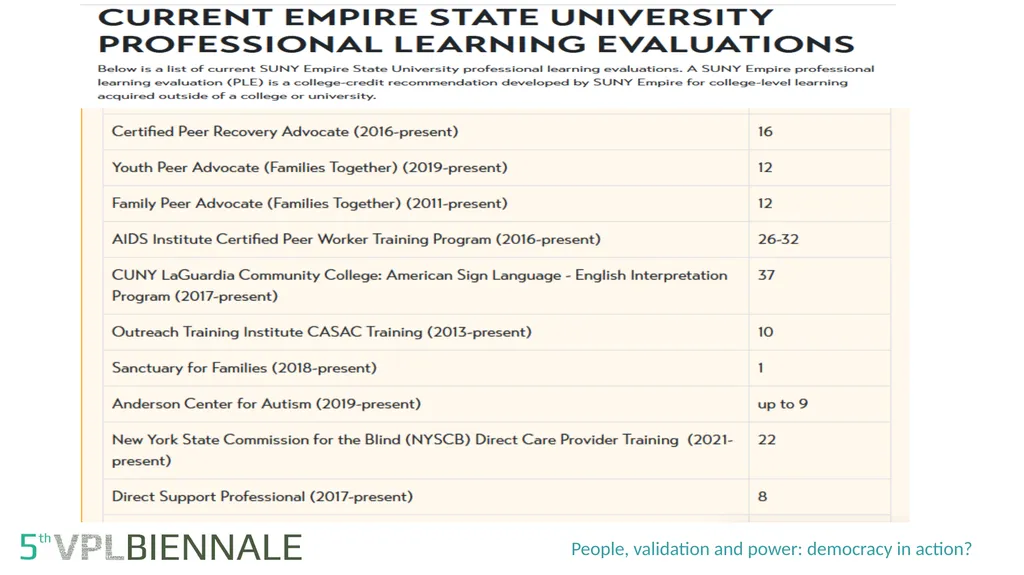
Visible and Invisible Disabilities<br>
10
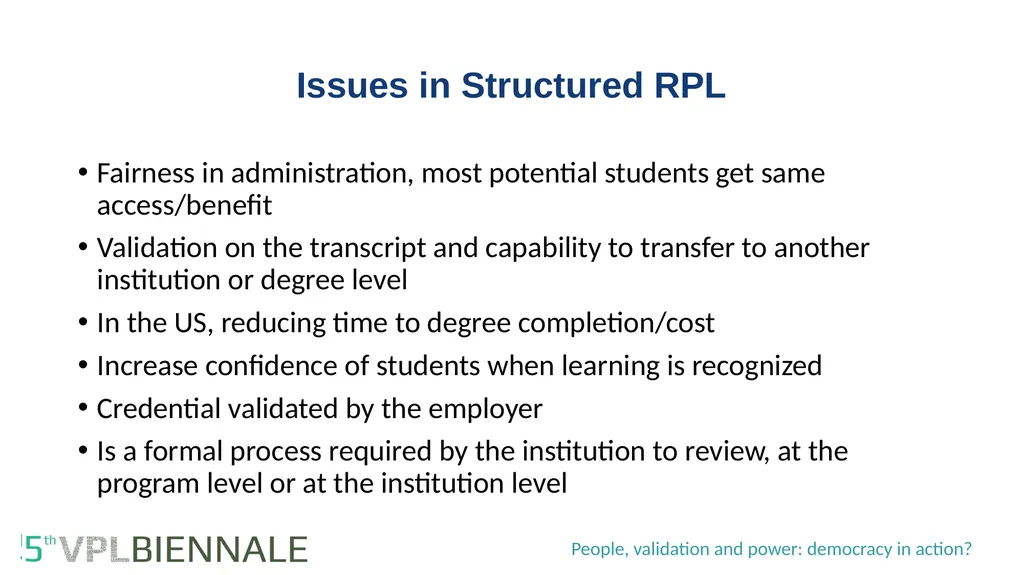
Issues in Structured RPL Fairness in administration, most potential students get same access/benefit
Validation on the transcript and capability to transfer to another institution or degree level
In the US, reducing time to degree completion/cost
Increase confidence of students when learning is recognized
Credential validated by the employer
Is a formal process required by the institution to review, at the program level or at the institution level<br>
11
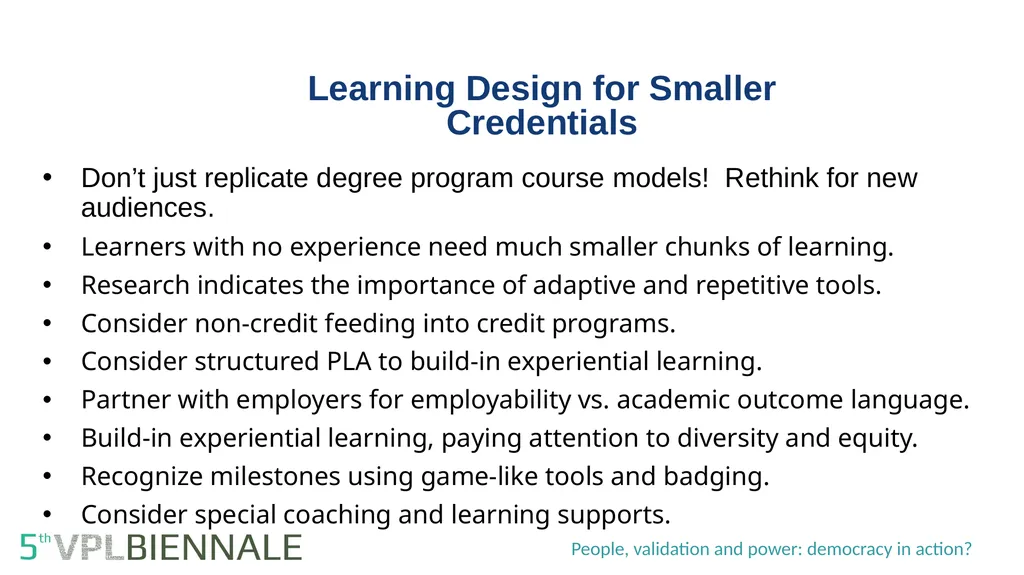
Learning Design for Smaller Credentials Don’t just replicate degree program course models! Rethink for new audiences.
Learners with no experience need much smaller chunks of learning.
Research indicates the importance of adaptive and repetitive tools.
Consider non-credit feeding into credit programs.
Consider structured PLA to build-in experiential learning.
Partner with employers for employability vs. academic outcome language.
Build-in experiential learning, paying attention to diversity and equity.
Recognize milestones using game-like tools and badging.
Consider special coaching and learning supports.<br>
12
Shorter Credentials and Administration Learner record systems are mostly designed around degree structures. This makes it difficult to integrate other types of credentials.
Noncredit programs or departments often lack learner record systems, and learner data are often stored ineffectively
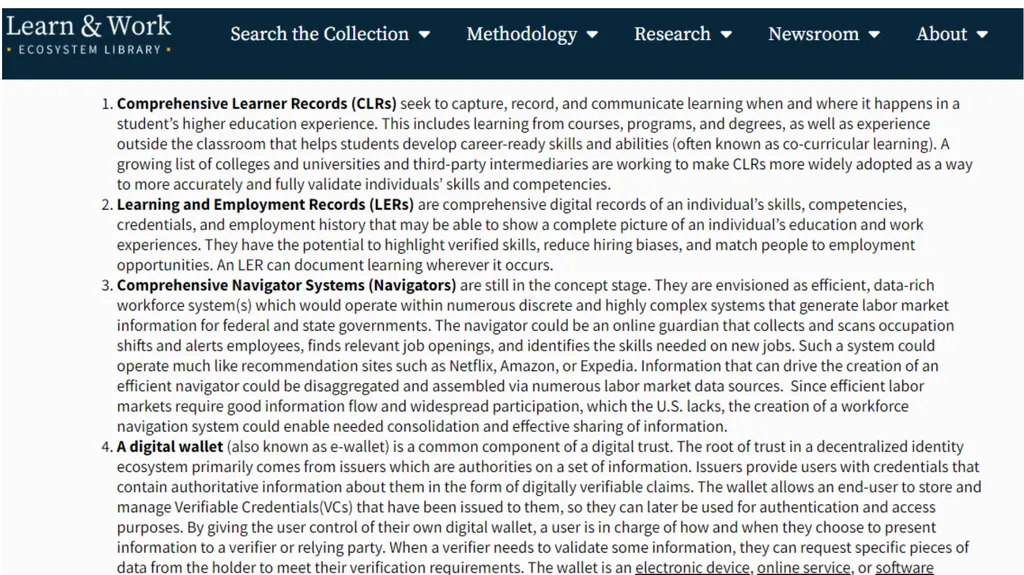
Higher education learner records and employer records for industry certifications and other verified knowledge and skills are disconnected.
Need comprehensive learning records.
New York State now allowing Pell financial aid for short credentials.<br>
13
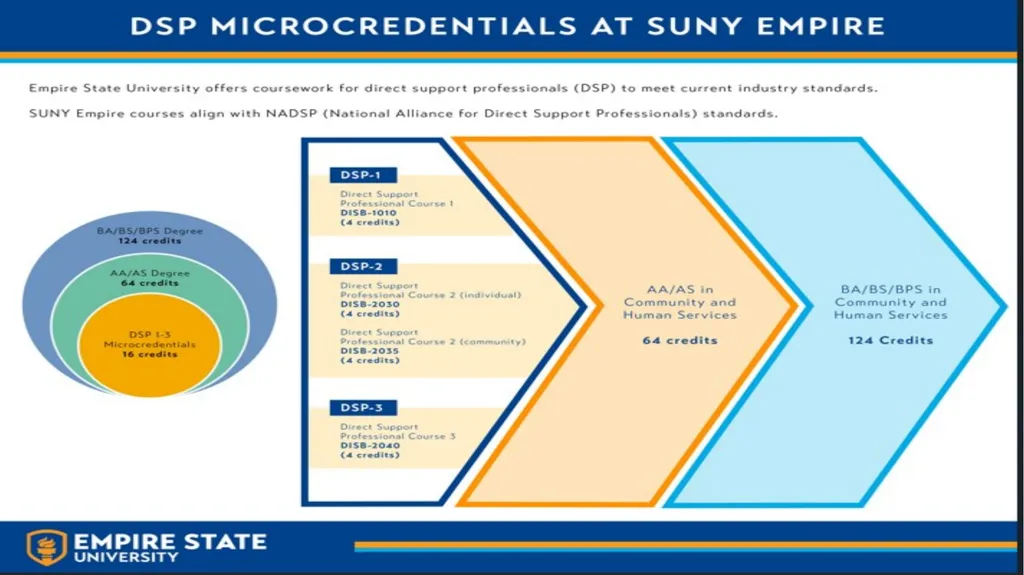
Visible and Invisible Disabilities<br>
14
Our Contact Information Laura Widger, Assistant Head of Department, School of Education and LifelongLearning, South East Technological University, Ireland laura.widger@SETU.ie
Meg Benke, Professor EdD program; Coordinator Master of Arts in Educational Technologies and Learning Design and Master of Arts in Adult Education; Meg.Benke@esc.edu
Visiting Instructor, South East Technological University, Ireland
Credentialasyougo.org
Dr Sergio Botelho Junior, Education Research Officer, South East Technological University, Ireland; Sergio.botelhojunior@setu.ie<br>