04
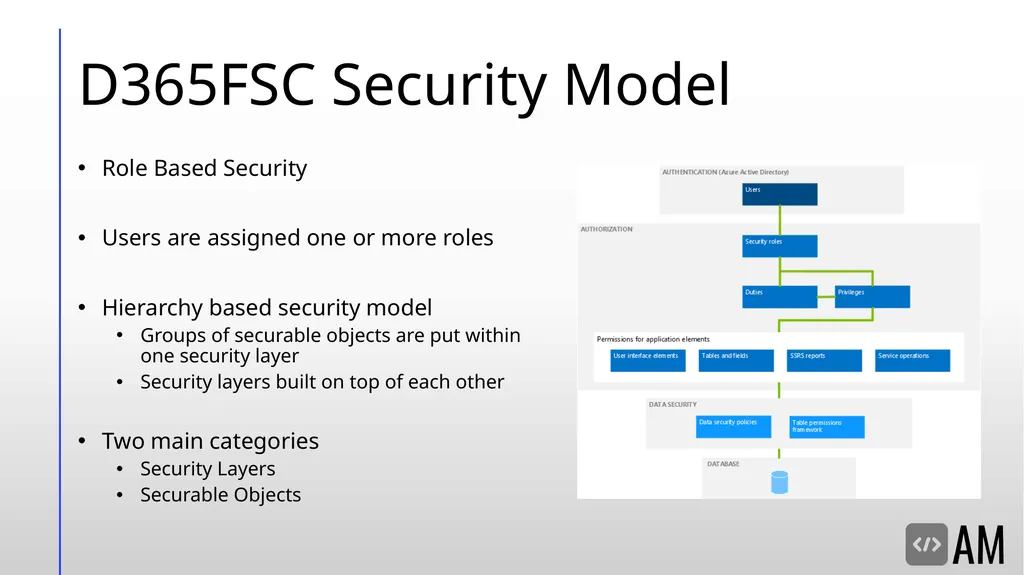
D365FSC Security Model<br>
05
D365FSC Security Model Role Based Security
Users are assigned one or more roles
Hierarchy based security model
Groups of securable objects are put within one security layer
Security layers built on top of each other
Two main categories
Security Layers
Securable Objects<br>
06
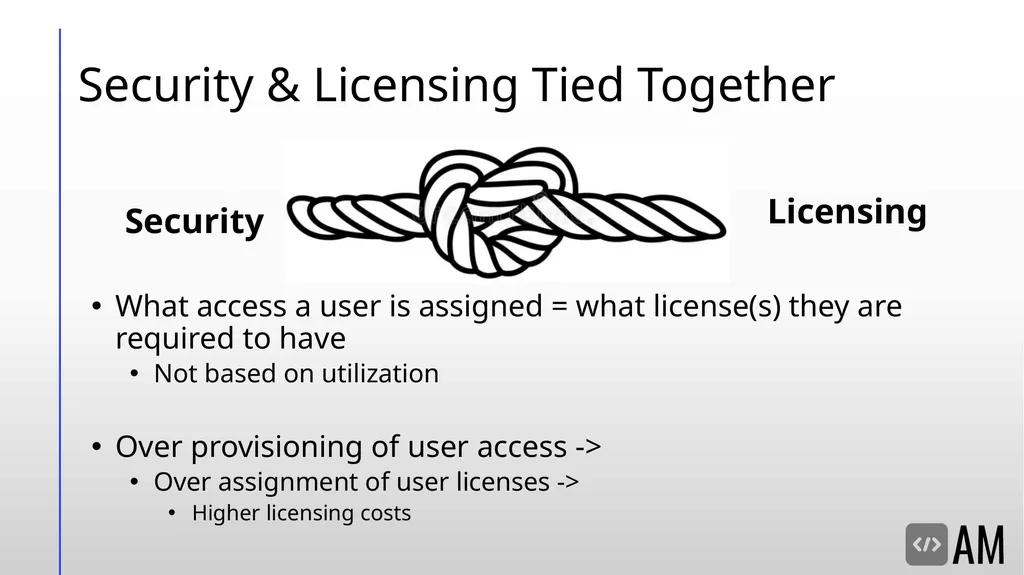
Security & Licensing Tied Together What access a user is assigned = what license(s) they are required to have
Not based on utilization
Over provisioning of user access ->
Over assignment of user licenses ->
Higher licensing costs Security Licensing<br>
07
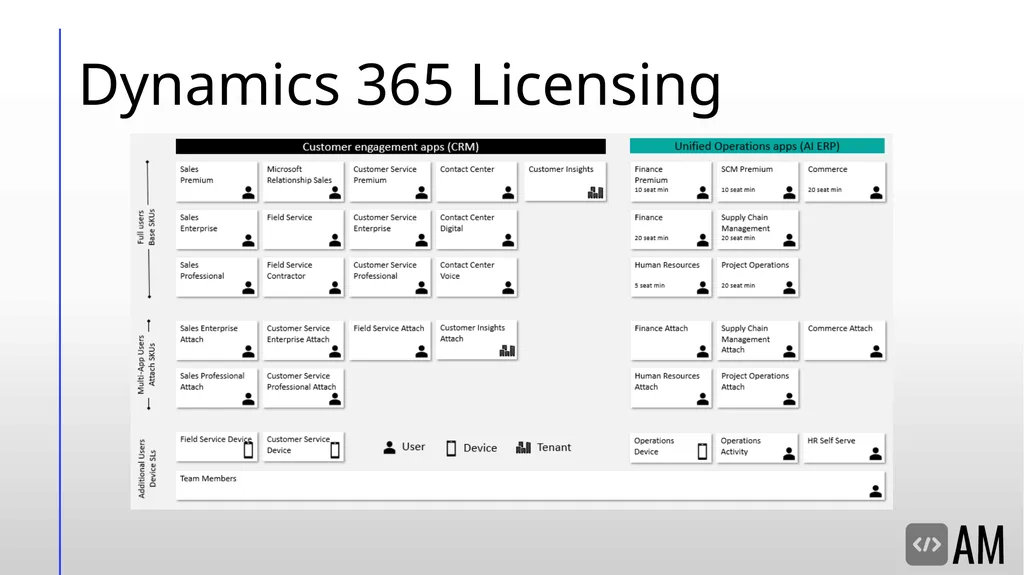
Dynamics 365 Licensing<br>
08
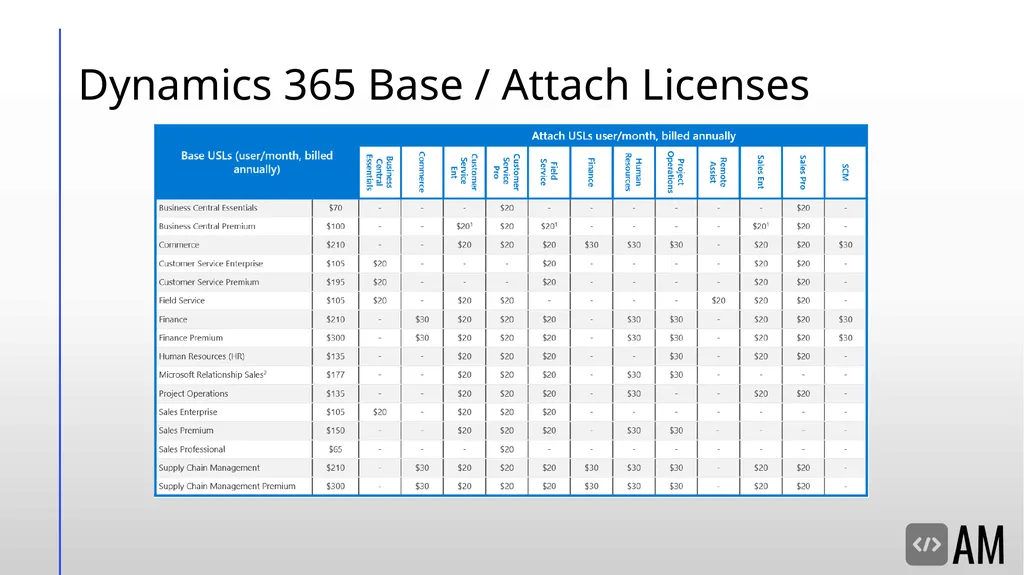
Dynamics 365 Base / Attach Licenses<br>
09
Updates to D365 Licensing Methodology<br>
10
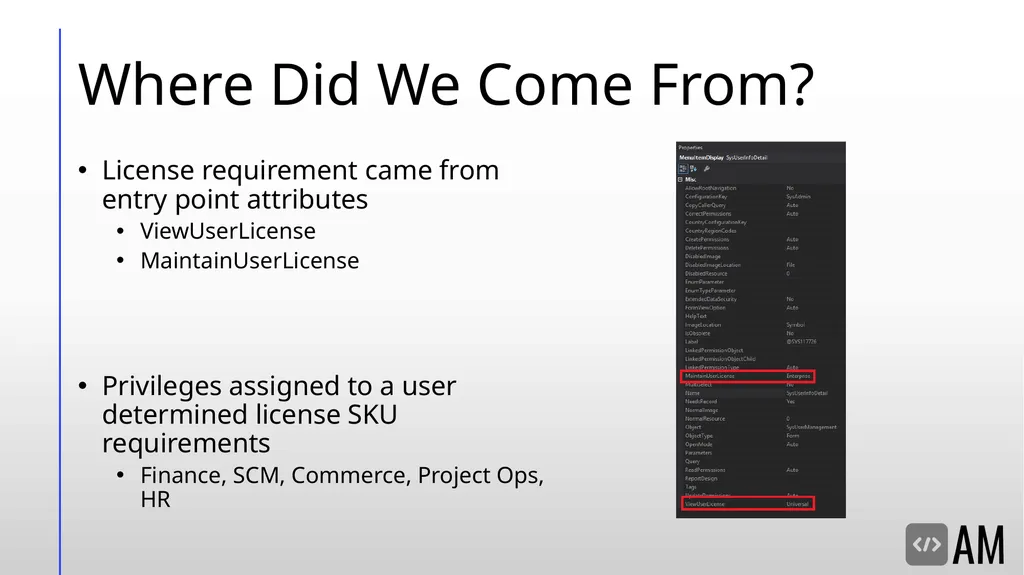
Where Did We Come From? License requirement came from entry point attributes
ViewUserLicense
MaintainUserLicense
Privileges assigned to a user determined license SKU requirements
Finance, SCM, Commerce, Project Ops, HR<br>
11
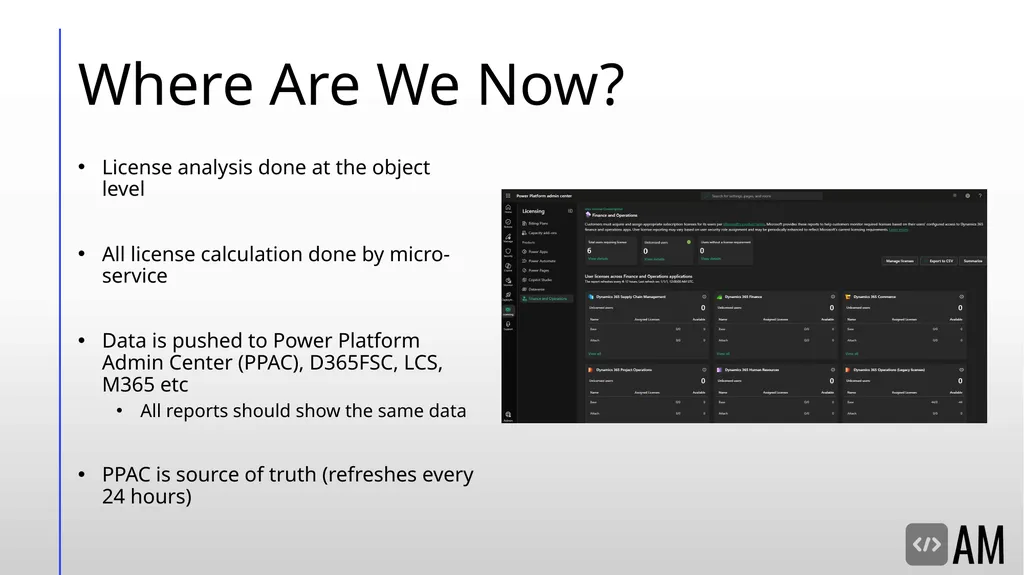
Where Are We Now? License analysis done at the object level
All license calculation done by micro-service
Data is pushed to Power Platform Admin Center (PPAC), D365FSC, LCS, M365 etc
All reports should show the same data
PPAC is source of truth (refreshes every 24 hours)<br>
12
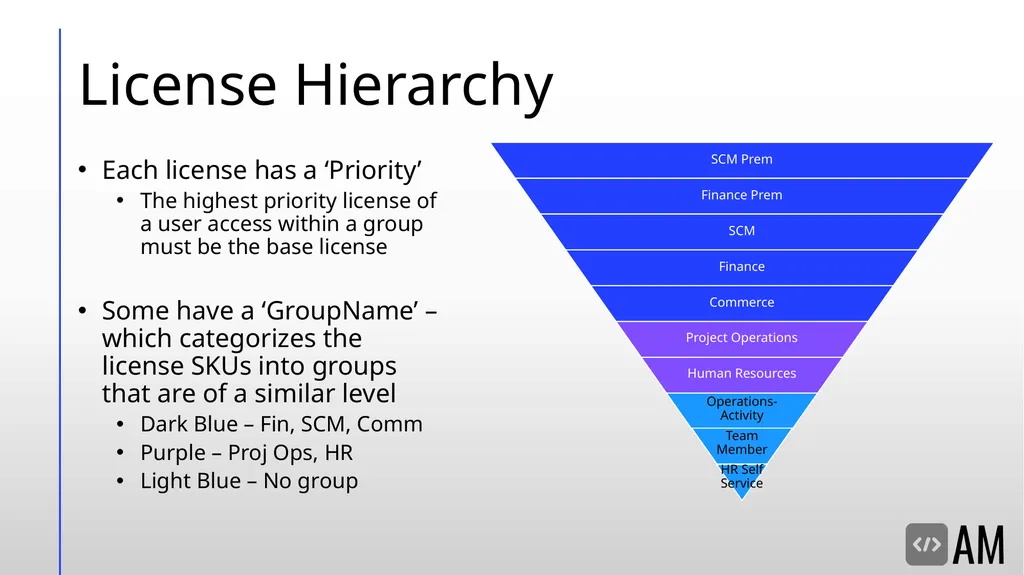
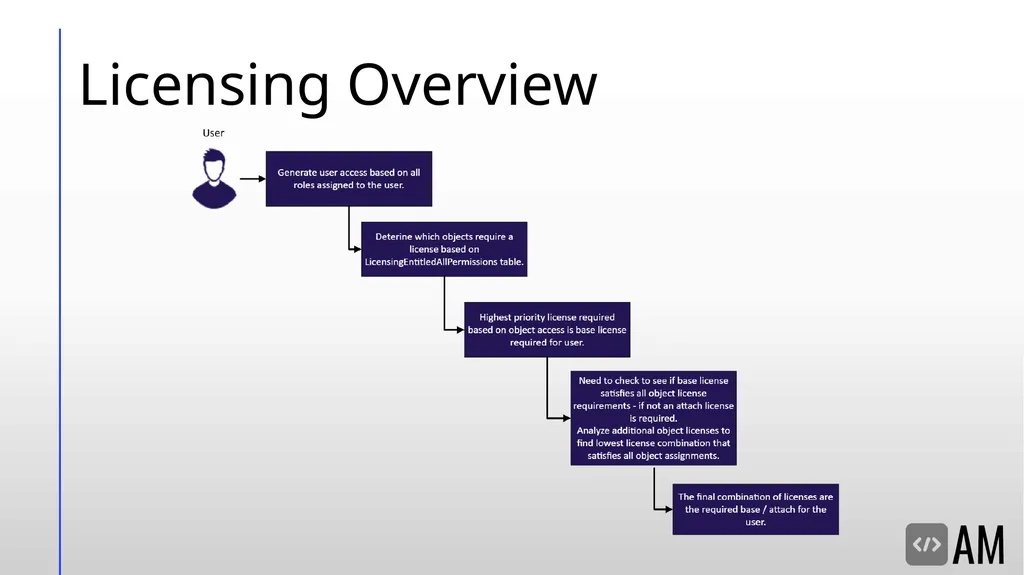
License Hierarchy Each license has a ‘Priority’
The highest priority license of a user access within a group must be the base license
Some have a ‘GroupName’ – which categorizes the license SKUs into groups that are of a similar level
Dark Blue – Fin, SCM, Comm
Purple – Proj Ops, HR
Light Blue – No group<br>
13
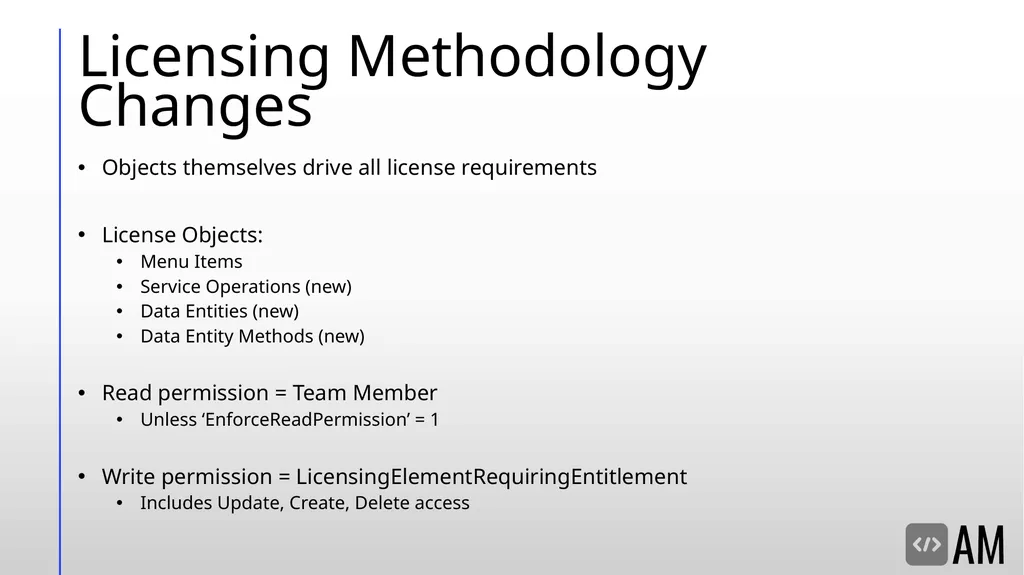
Licensing Methodology Changes Objects themselves drive all license requirements
License Objects:
Menu Items
Service Operations (new)
Data Entities (new)
Data Entity Methods (new)
Read permission = Team Member
Unless ‘EnforceReadPermission’ = 1
Write permission = LicensingElementRequiringEntitlement
Includes Update, Create, Delete access<br>
14
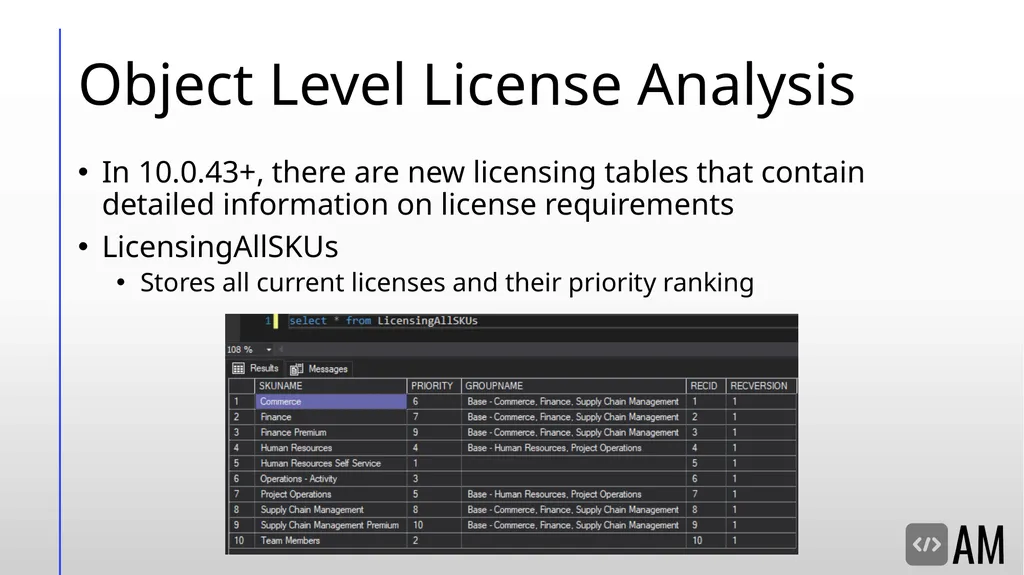
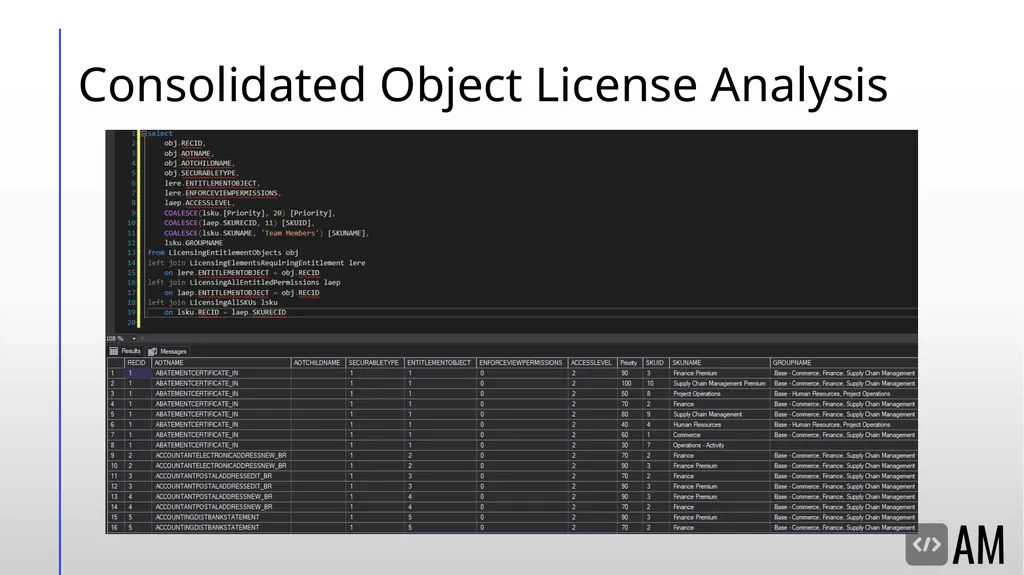
Object Level License Analysis In 10.0.43+, there are new licensing tables that contain detailed information on license requirements
LicensingAllSKUs
Stores all current licenses and their priority ranking<br>
15
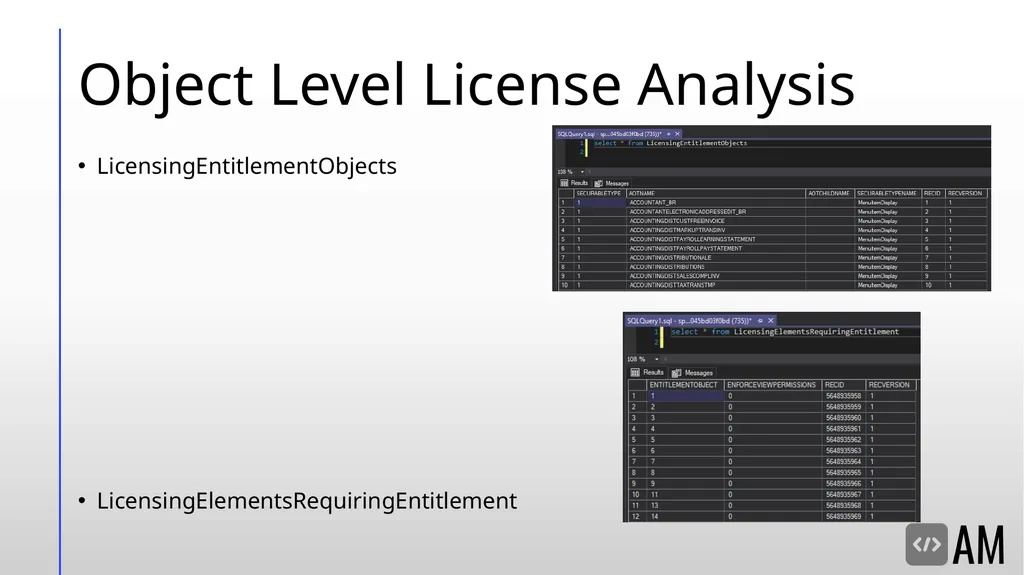
Object Level License Analysis LicensingEntitlementObjects
LicensingElementsRequiringEntitlement<br>
16
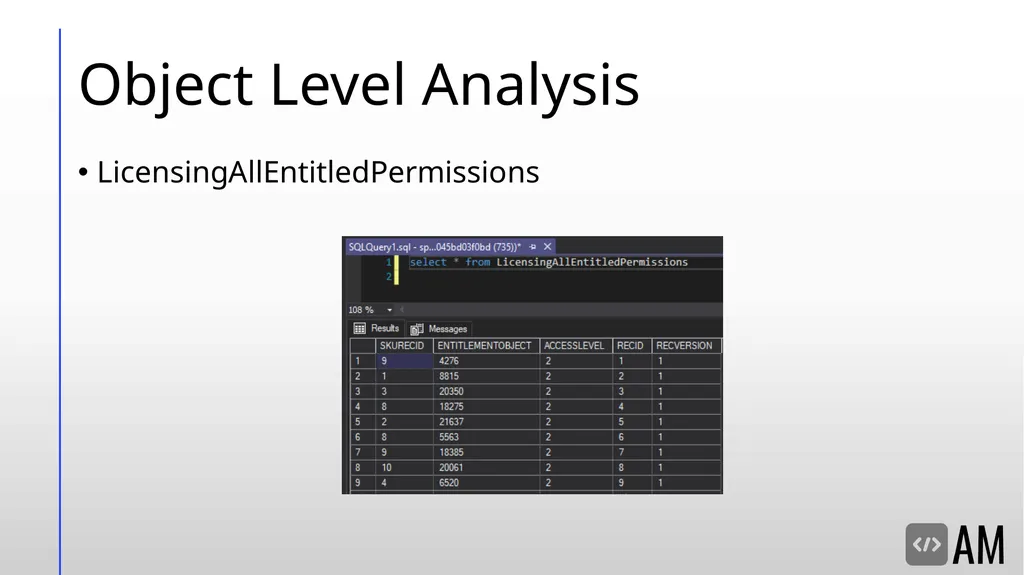
Object Level Analysis LicensingAllEntitledPermissions<br>
17
Consolidated Object License Analysis<br>
18
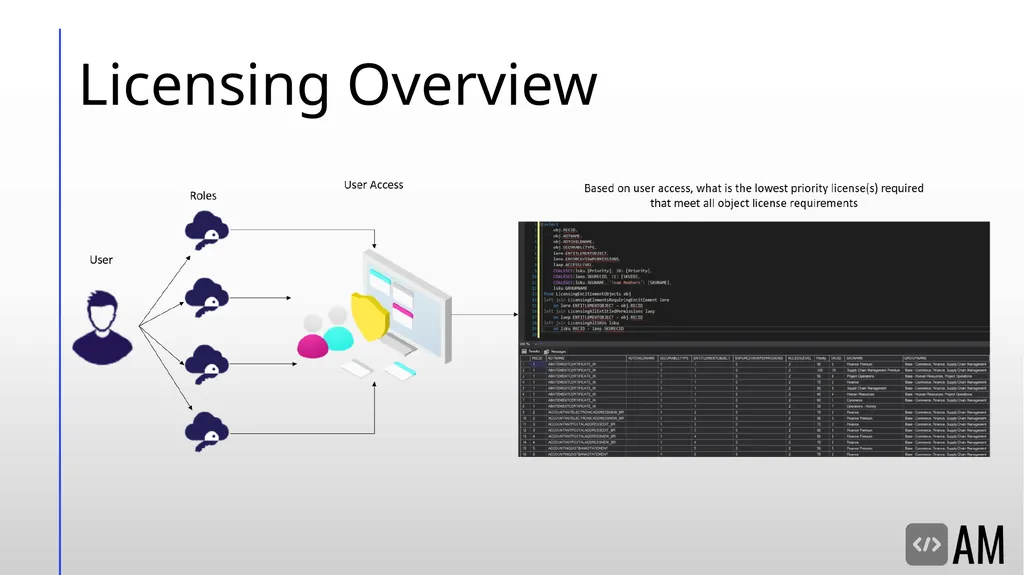
Licensing Overview<br>
19
Licensing Overview<br>
20
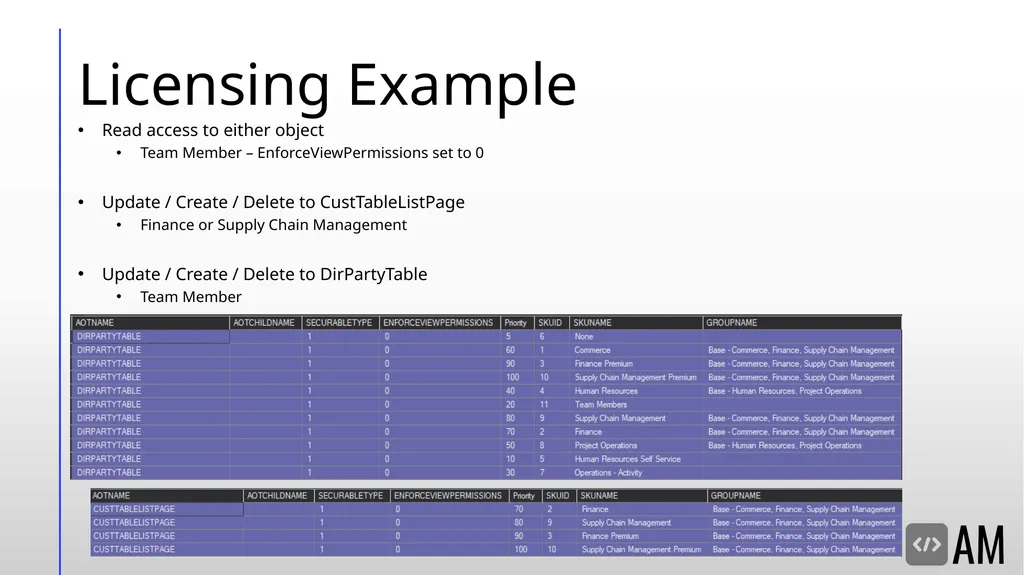
Licensing Example Read access to either object
Team Member – EnforceViewPermissions set to 0
Update / Create / Delete to CustTableListPage
Finance or Supply Chain Management
Update / Create / Delete to DirPartyTable
Team Member<br>
21
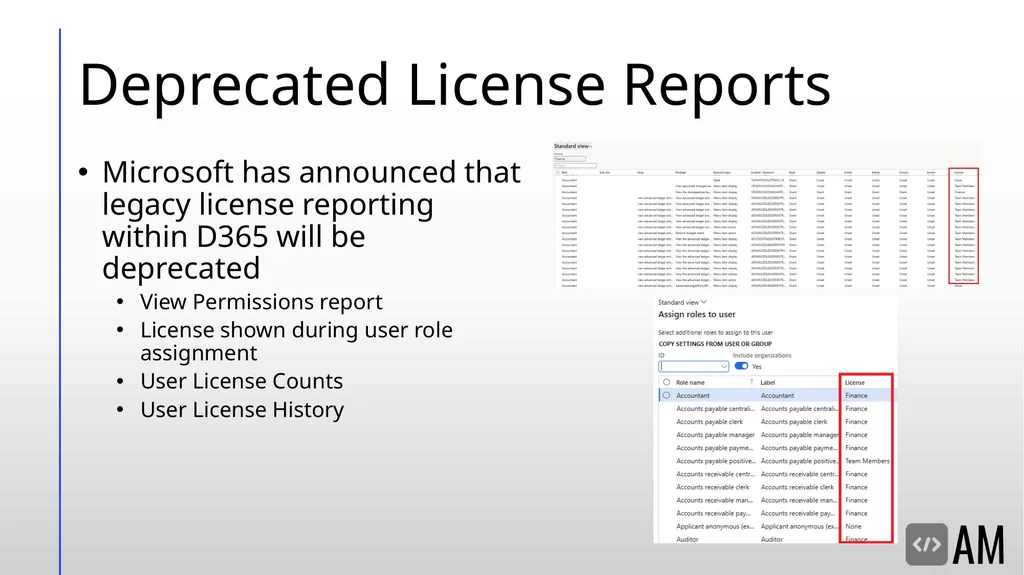
Deprecated License Reports Microsoft has announced that legacy license reporting within D365 will be deprecated
View Permissions report
License shown during user role assignment
User License Counts
User License History<br>
23
Licensing Validation / Enforcement<br>
24
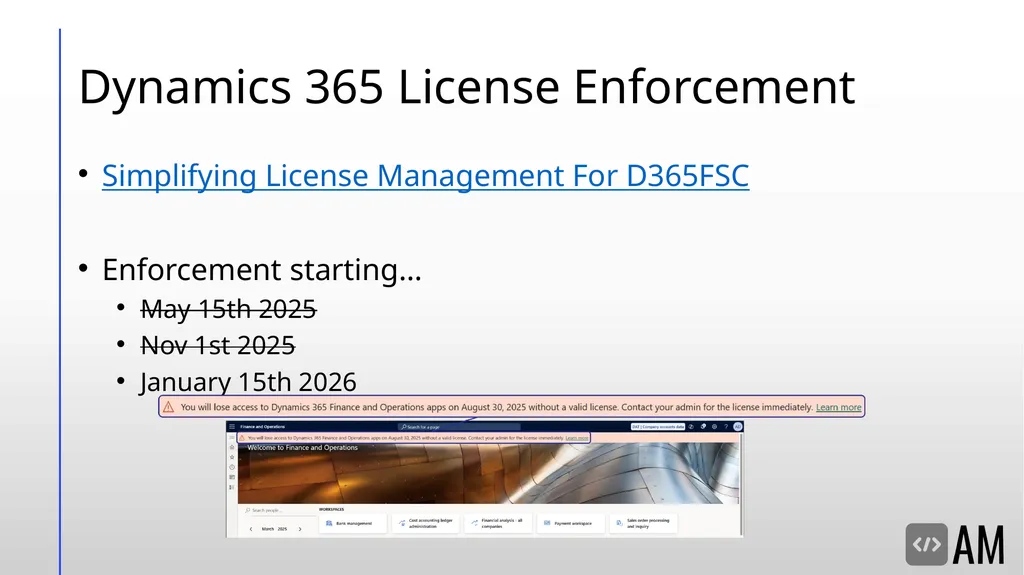
Dynamics 365 License Enforcement Simplifying License Management For D365FSC
Enforcement starting…
May 15th 2025
Nov 1st 2025
January 15th 2026<br>
25
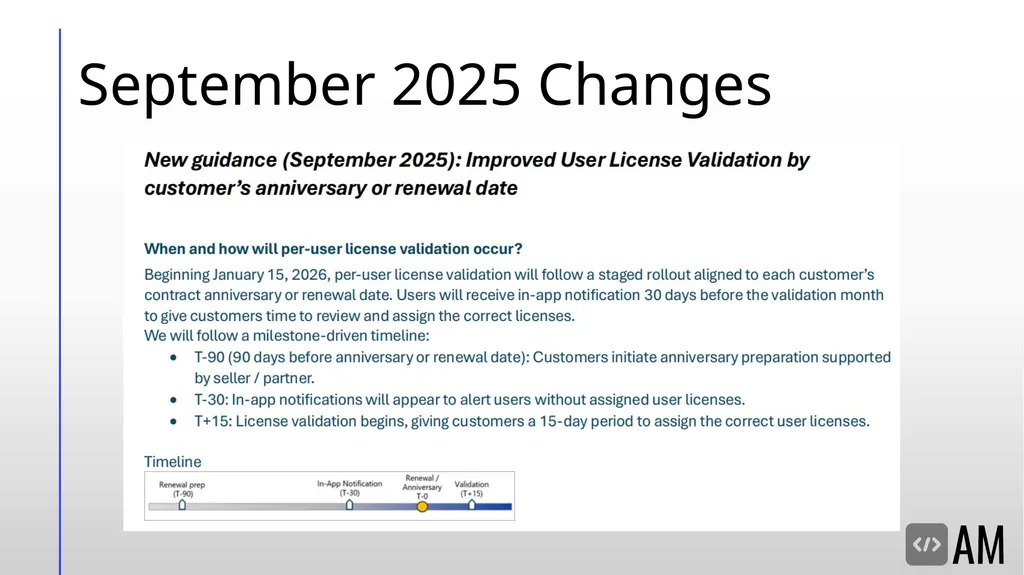
September 2025 Changes<br>
26
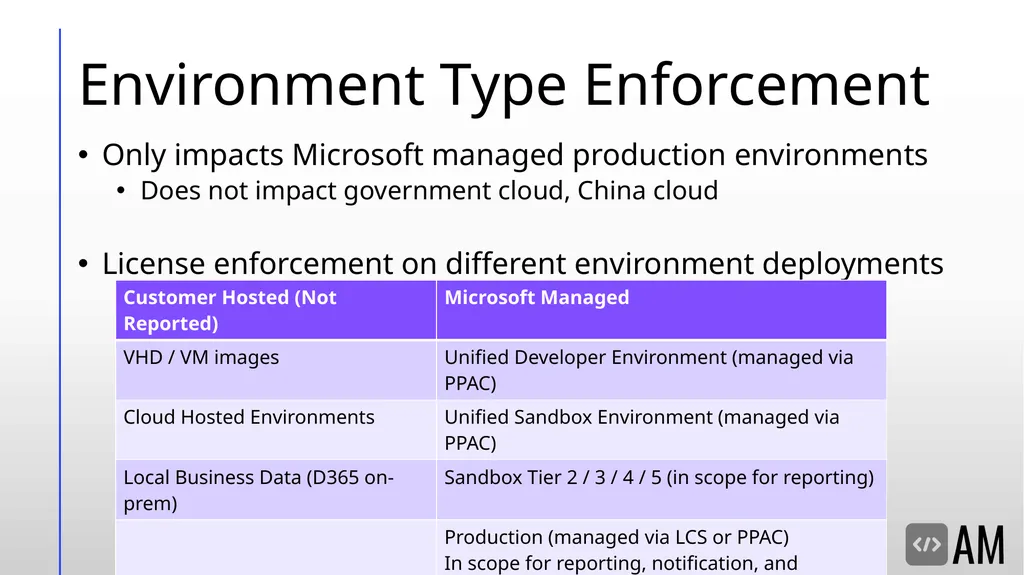
Environment Type Enforcement Only impacts Microsoft managed production environments
Does not impact government cloud, China cloud
License enforcement on different environment deployments<br>
27
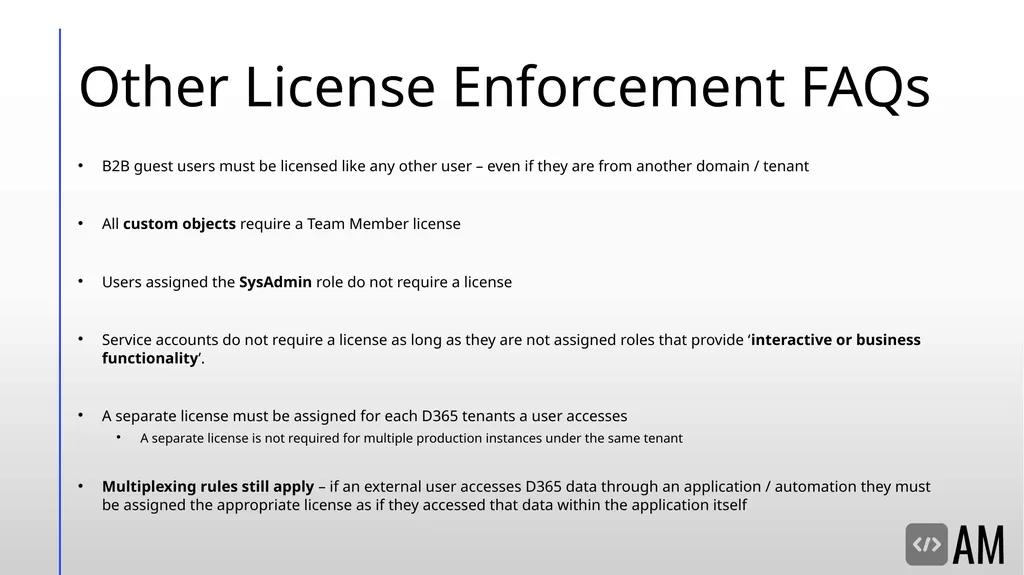
Other License Enforcement FAQs B2B guest users must be licensed like any other user – even if they are from another domain / tenant
All custom objects require a Team Member license
Users assigned the SysAdmin role do not require a license
Service accounts do not require a license as long as they are not assigned roles that provide ‘interactive or business functionality’.
A separate license must be assigned for each D365 tenants a user accesses
A separate license is not required for multiple production instances under the same tenant
Multiplexing rules still apply – if an external user accesses D365 data through an application / automation they must be assigned the appropriate license as if they accessed that data within the application itself<br>
28
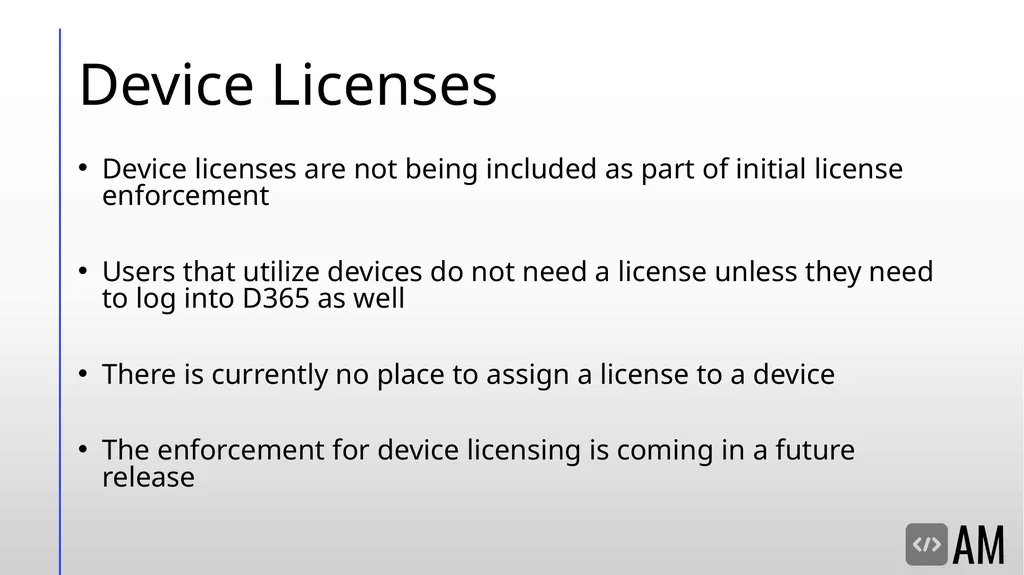
Device Licenses Device licenses are not being included as part of initial license enforcement
Users that utilize devices do not need a license unless they need to log into D365 as well
There is currently no place to assign a license to a device
The enforcement for device licensing is coming in a future release<br>
29
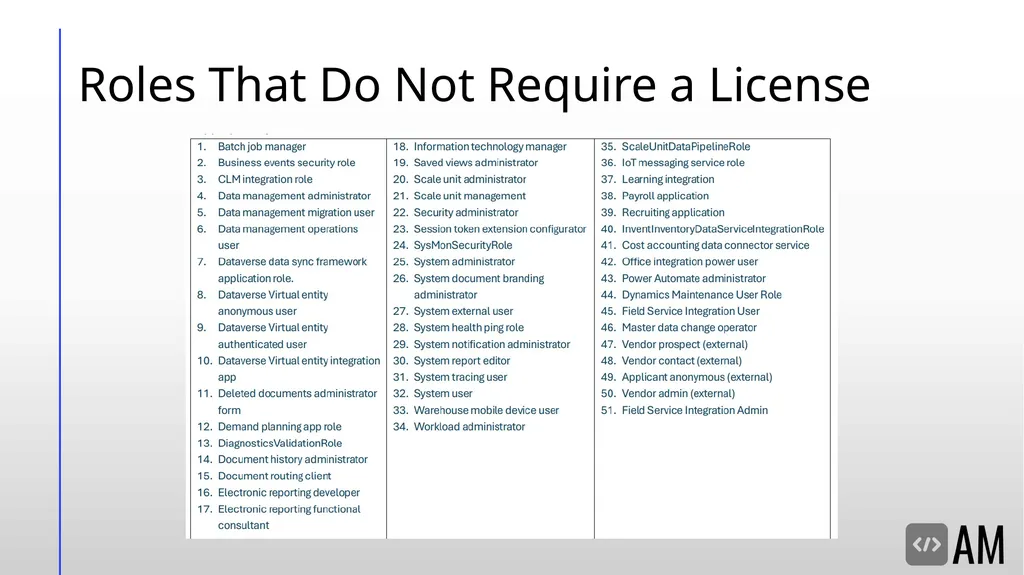
Roles That Do Not Require a License<br>
31
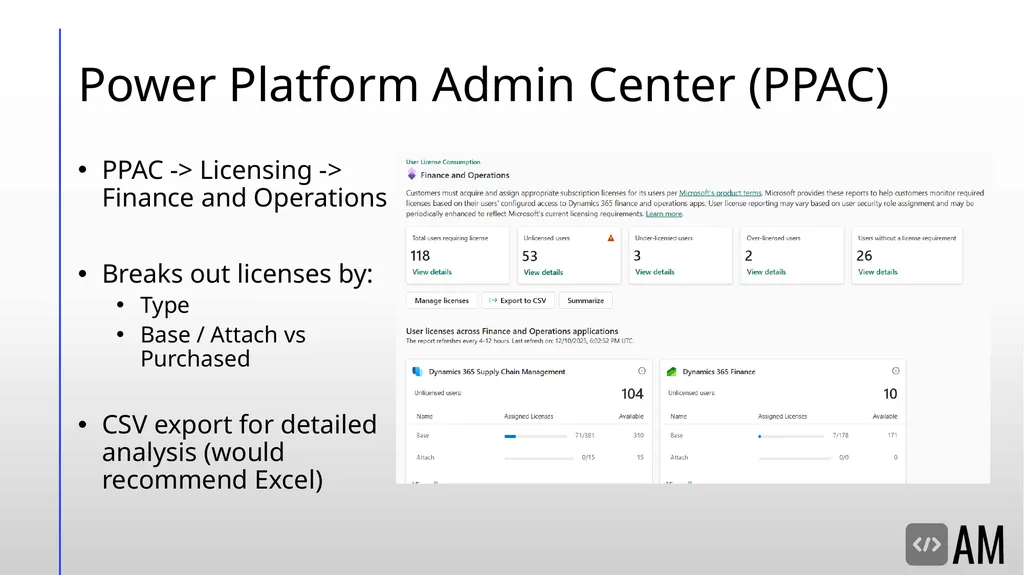
Power Platform Admin Center (PPAC) PPAC -> Licensing -> Finance and Operations
Breaks out licenses by:
Type
Base / Attach vs Purchased
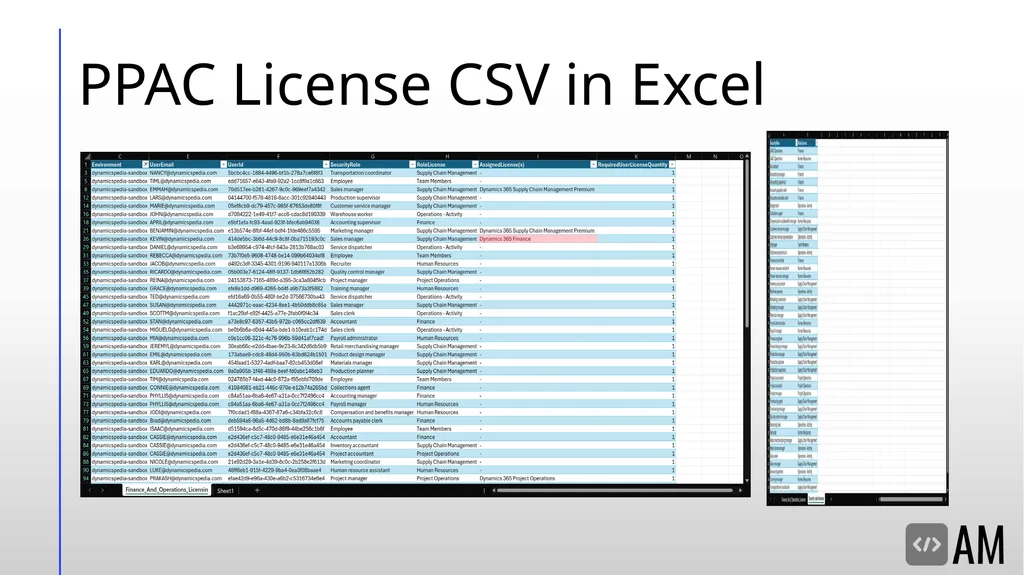
CSV export for detailed analysis (would recommend Excel)<br>
32
PPAC License CSV in Excel<br>
33
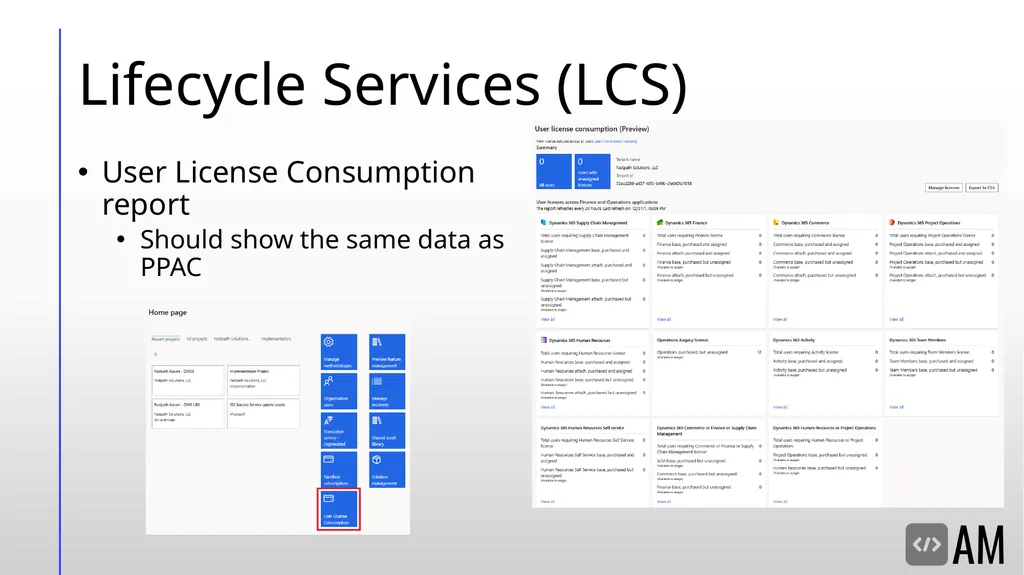
Lifecycle Services (LCS) User License Consumption report
Should show the same data as PPAC<br>
34
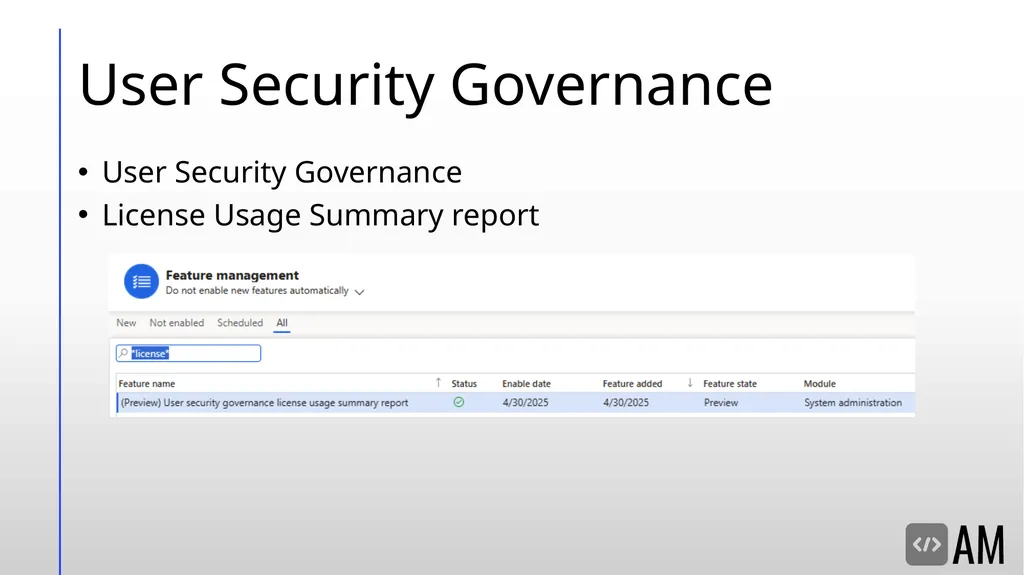
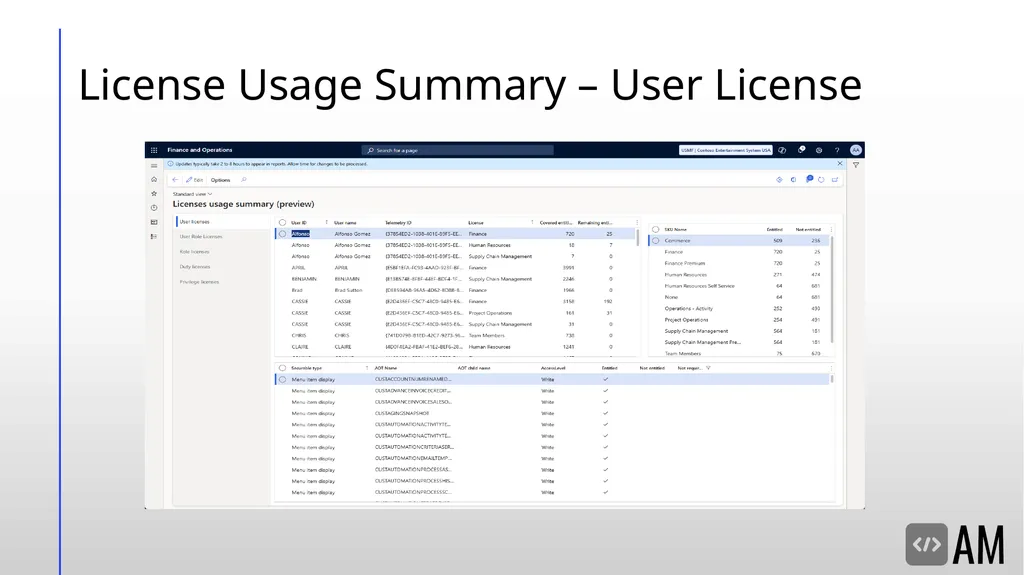
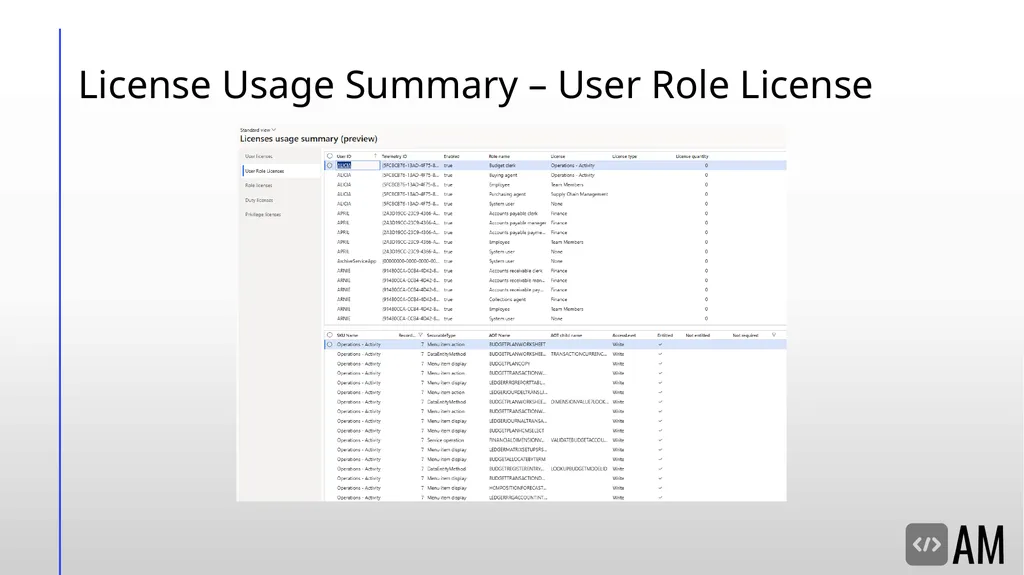
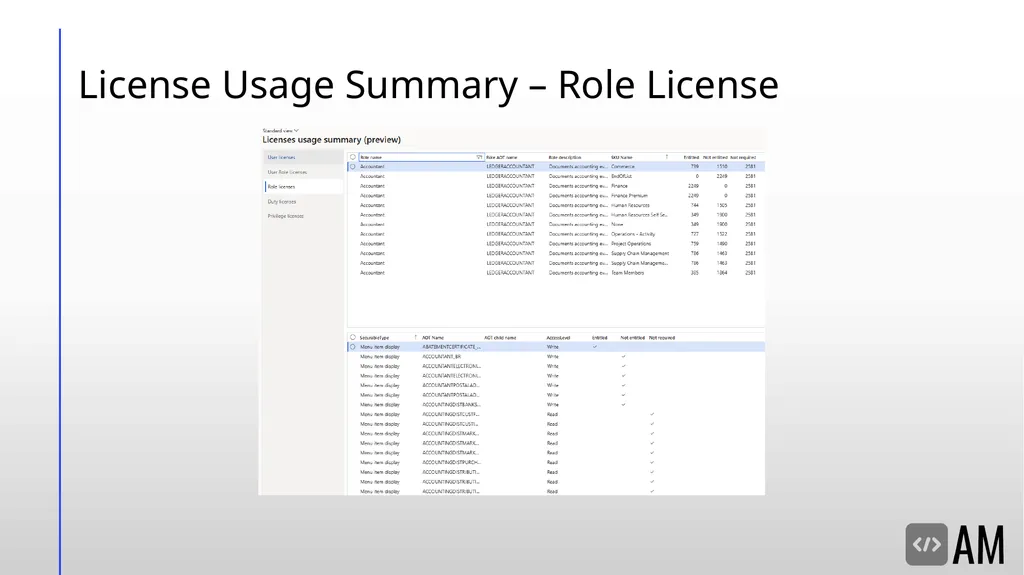
User Security Governance User Security Governance
License Usage Summary report<br>
35
License Usage Summary – User License<br>
36
License Usage Summary – User Role License<br>
37
License Usage Summary – Role License<br>
38
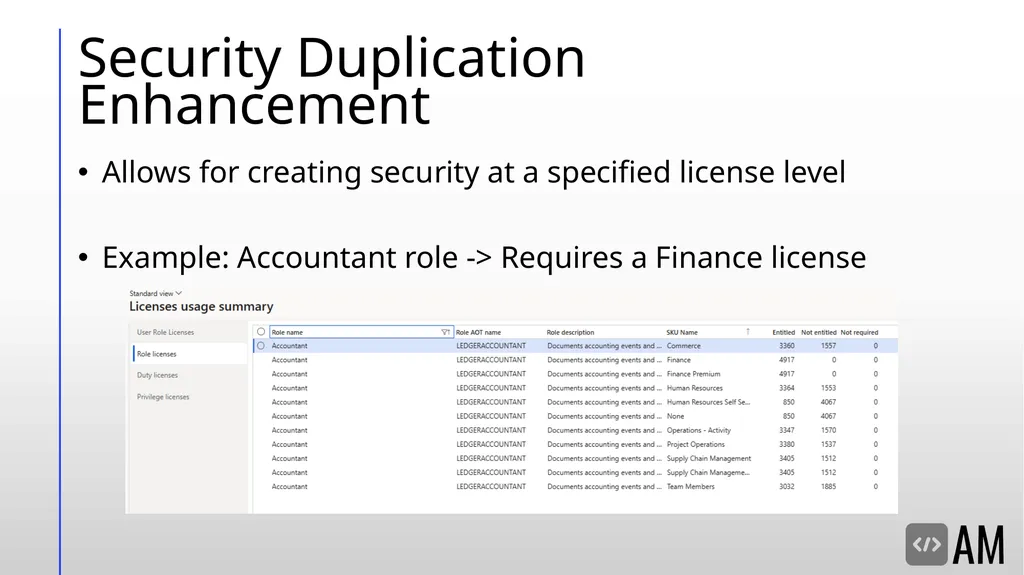
Security Duplication Enhancement Allows for creating security at a specified license level
Example: Accountant role -> Requires a Finance license<br>
39
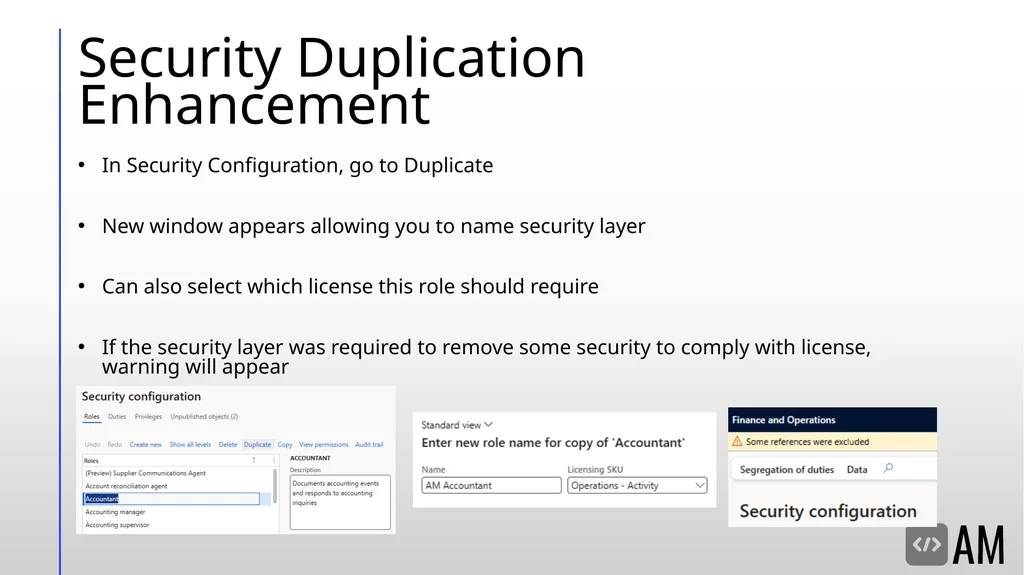
Security Duplication Enhancement In Security Configuration, go to Duplicate
New window appears allowing you to name security layer
Can also select which license this role should require
If the security layer was required to remove some security to comply with license, warning will appear<br>
40
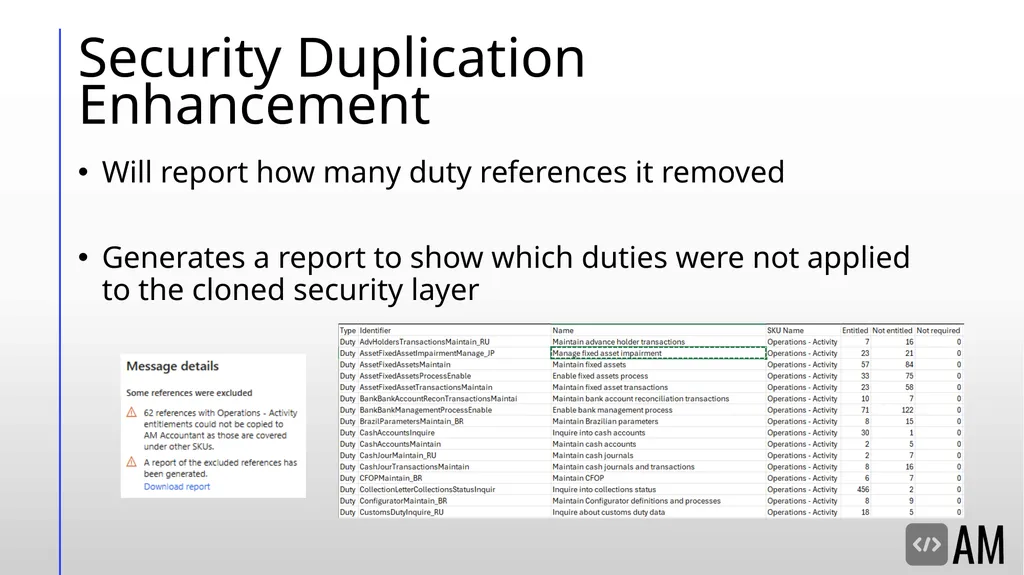
Security Duplication Enhancement Will report how many duty references it removed
Generates a report to show which duties were not applied to the cloned security layer<br>
41
Dataverse Storage Licensing<br>
42
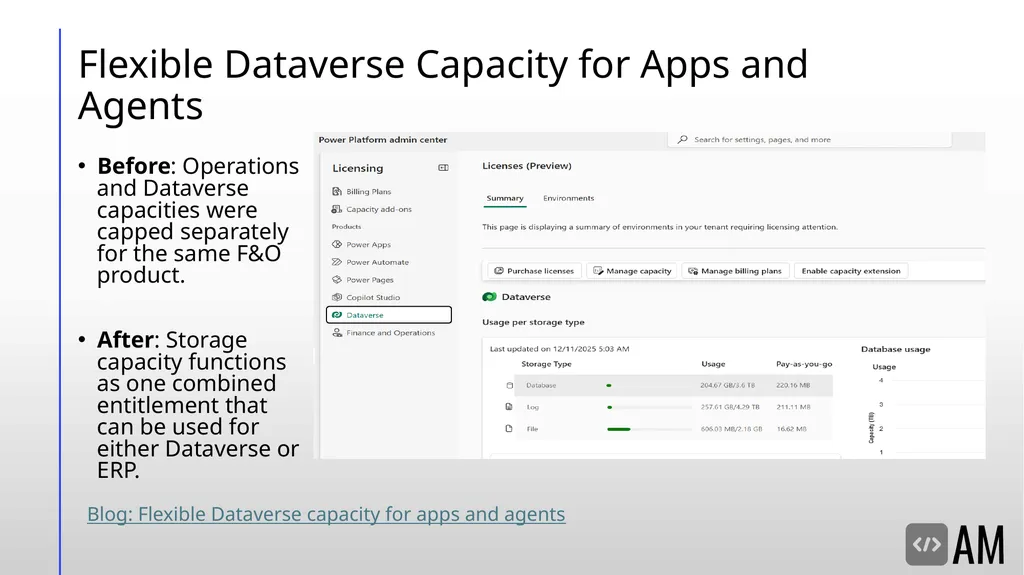
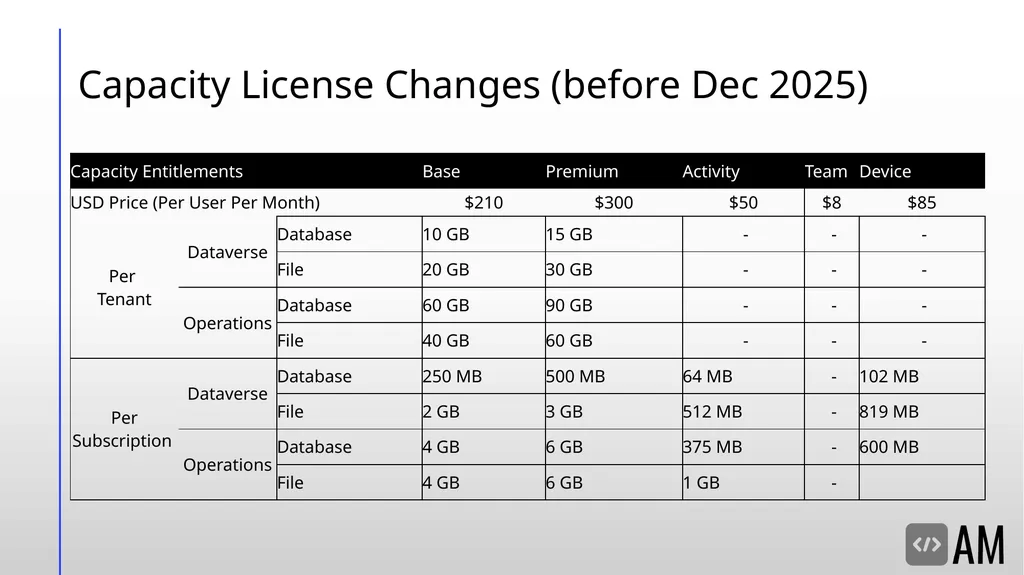
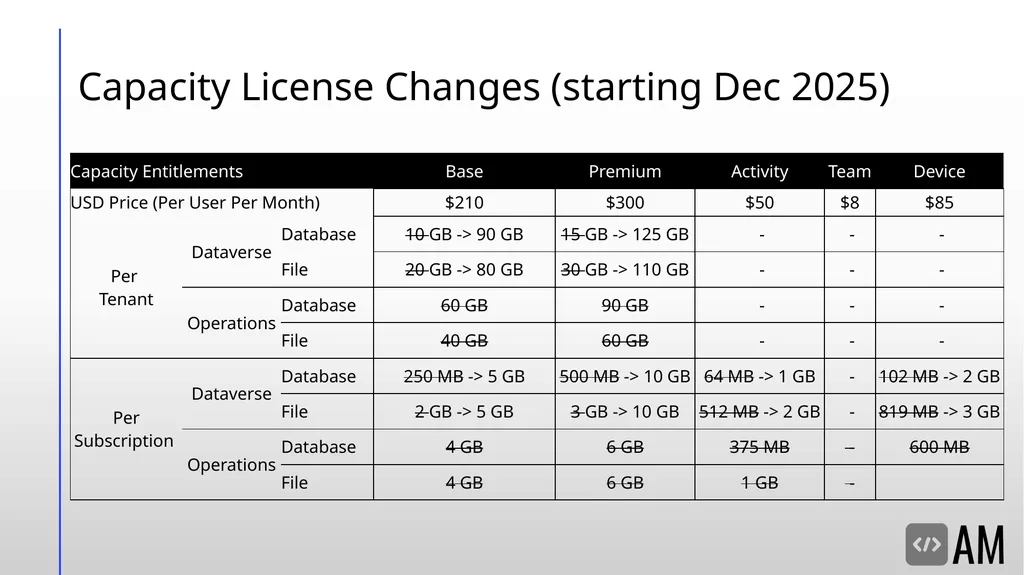
Flexible Dataverse Capacity for Apps and Agents Before: Operations and Dataverse capacities were capped separately for the same F&O product.
After: Storage capacity functions as one combined entitlement that can be used for either Dataverse or ERP. Blog: Flexible Dataverse capacity for apps and agents<br>
43
Capacity License Changes (before Dec 2025)<br>
44
Capacity License Changes (starting Dec 2025)<br>
45
Security and Licensing Wrap Up<br>
46
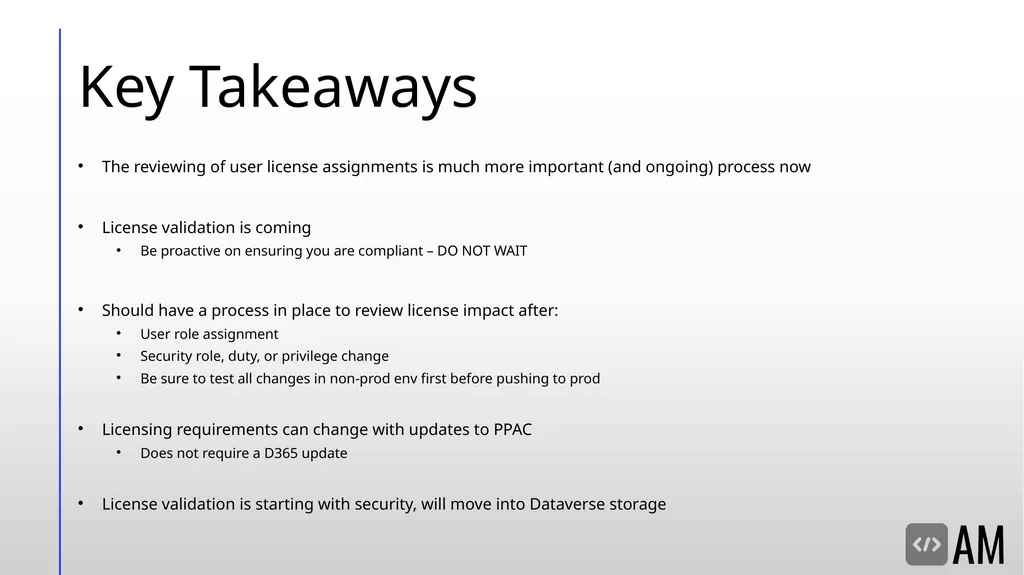
Key Takeaways The reviewing of user license assignments is much more important (and ongoing) process now
License validation is coming
Be proactive on ensuring you are compliant – DO NOT WAIT
Should have a process in place to review license impact after:
User role assignment
Security role, duty, or privilege change
Be sure to test all changes in non-prod env first before pushing to prod
Licensing requirements can change with updates to PPAC
Does not require a D365 update
License validation is starting with security, will move into Dataverse storage<br>
47
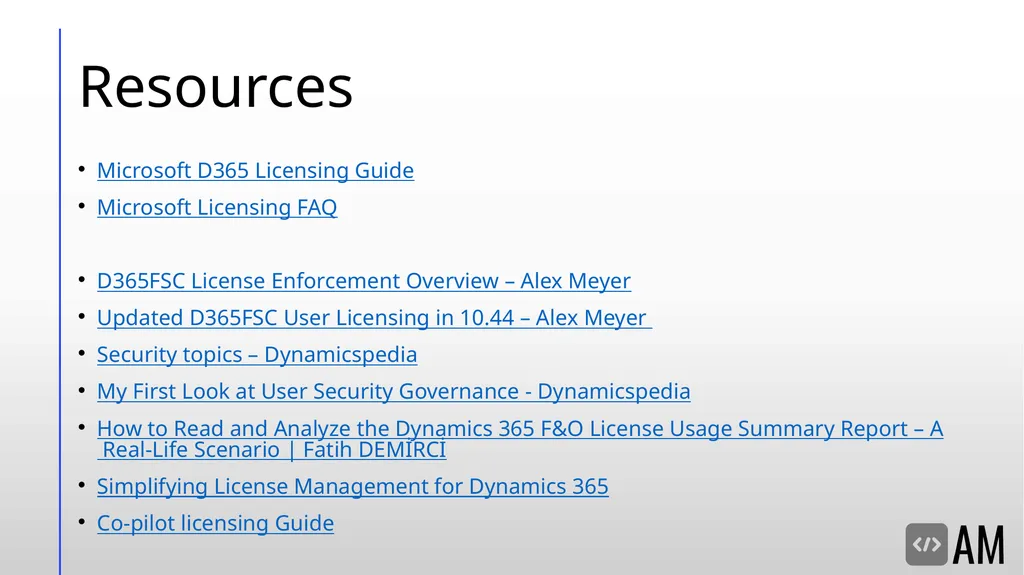
Resources Microsoft D365 Licensing Guide
Microsoft Licensing FAQ
D365FSC License Enforcement Overview – Alex Meyer
Updated D365FSC User Licensing in 10.44 – Alex Meyer
Security topics – Dynamicspedia
My First Look at User Security Governance - Dynamicspedia
How to Read and Analyze the Dynamics 365 F&O License Usage Summary Report – A Real-Life Scenario | Fatih DEMİRCİ
Simplifying License Management for Dynamics 365
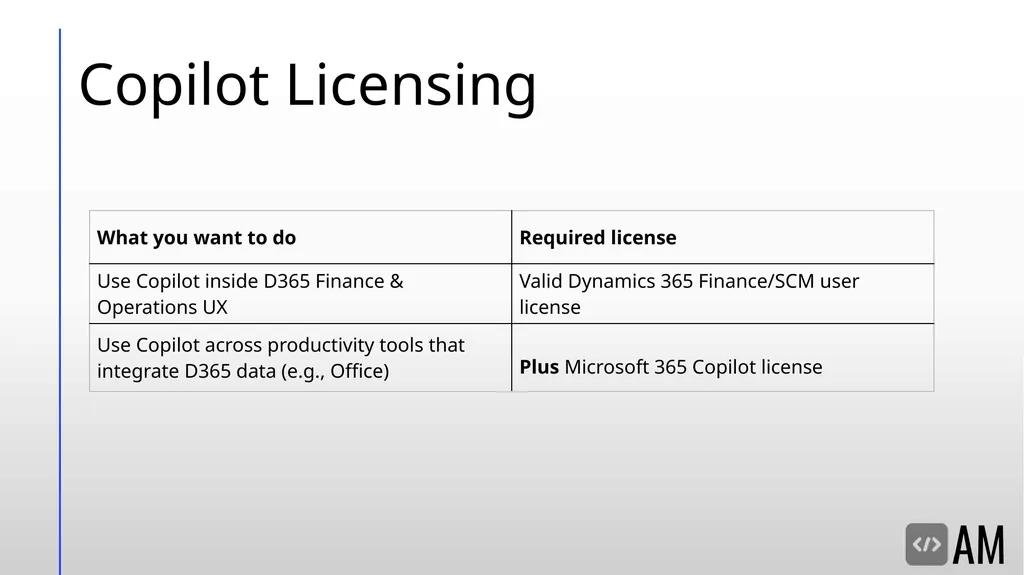
Co-pilot licensing Guide<br>
48
Questions? Name: Alex Meyer
Email: alex.itguy@outlook.com
Blog: http://d365fscblog.com<br>