Dr. Prativa Deka Associate Professor Department of Botany Mangaldai College, Mangaldai E-Mail: pdeka.mldgmail.com Bioinformatics Biologists Collect Molecular Data: DNA Protein Sequences, Gene Expression, etc. Computer scientists
"Dr. Prativa Deka Associate Professor Department of" is the property of its rightful owner. Permission is granted to
download and print the materials on this website for personal, non-commercial use only, and to display it
on your personal computer provided you do not modify the materials and that you retain all copyright
notices contained in the materials. By downloading content from our website, you accept the terms of this
agreement.
Presentation Transcript
01
Dr. Prativa Deka
Associate Professor
Department of Botany
Mangaldai College, Mangaldai
E-Mail: pdeka.mld@gmail.com Bioinformatics<br>
02
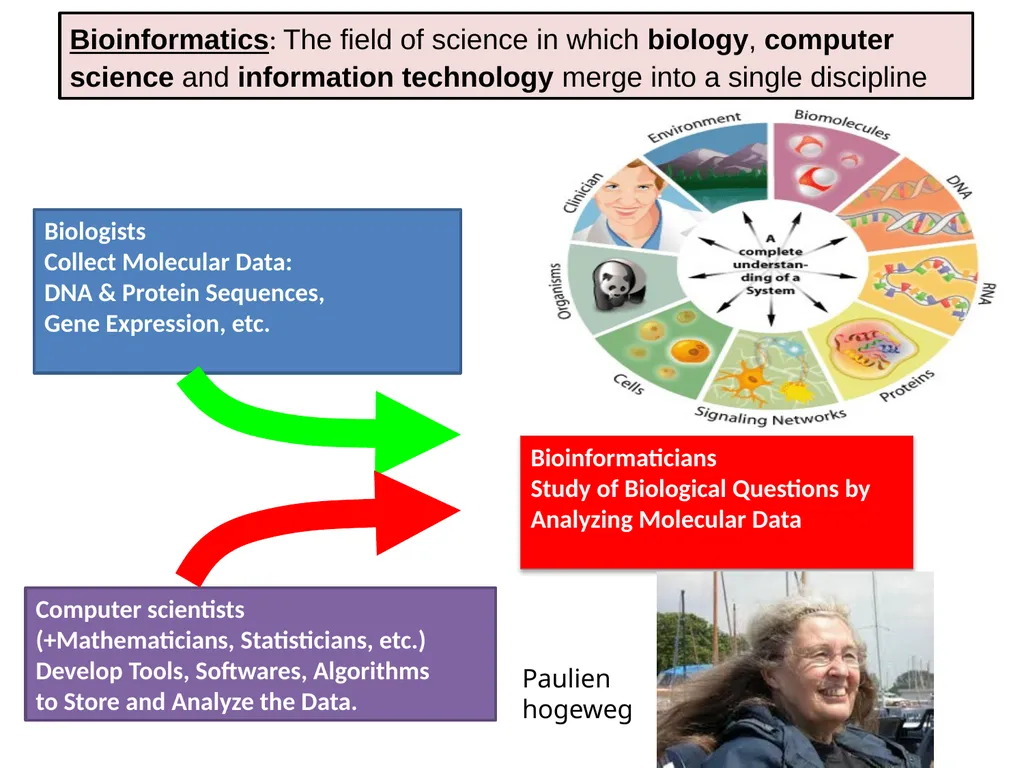
Biologists
Collect Molecular Data:
DNA & Protein Sequences,
Gene Expression, etc. Computer scientists
(+Mathematicians, Statisticians, etc.)
Develop Tools, Softwares, Algorithms to Store and Analyze the Data. Bioinformaticians
Study of Biological Questions by Analyzing Molecular Data Bioinformatics: The field of science in which biology, computer science and information technology merge into a single discipline Paulien hogeweg<br>
03
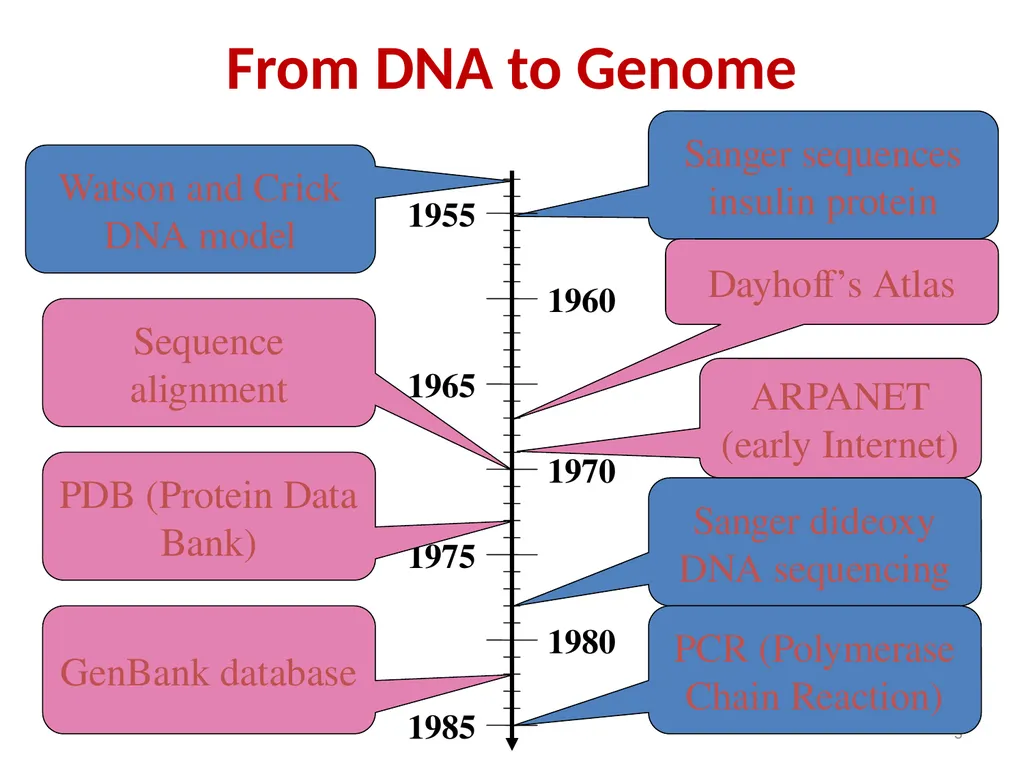
From DNA to Genome 3 1955 1960 1965 1970 1975 1980 1985<br>
04
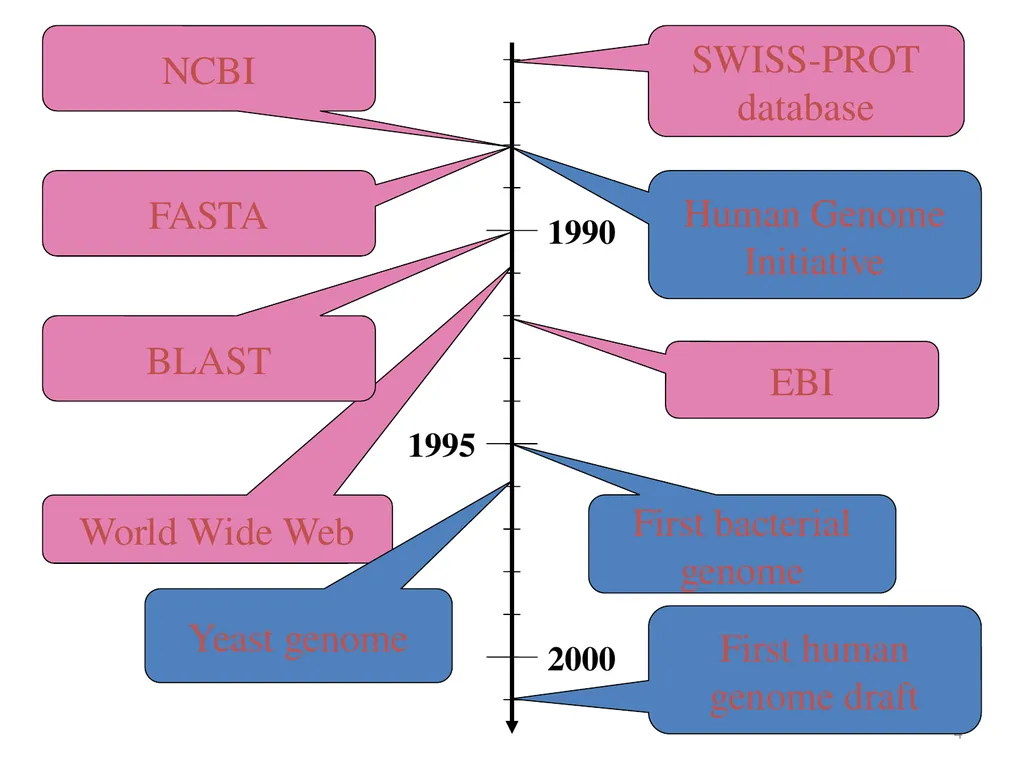
4 1995 1990 2000<br>
05
Biological Databases What is a database? A collection of related data elements
tables
columns (fields)
rows (records)
Records retrieved using a query language
Database technology is well established 11/15/2017 5<br>
06
Tables (entitites)
basic elements of information to track, e.g., gene, organism, sequence, citation
Columns (fields)
attributes of tables, e.g. for citation table, title, journal, volume, author
Rows (records)
actual data
whereas fields describe what data is stored, the rows of a table are where the actual data is stored 11/15/2017 6<br>
07
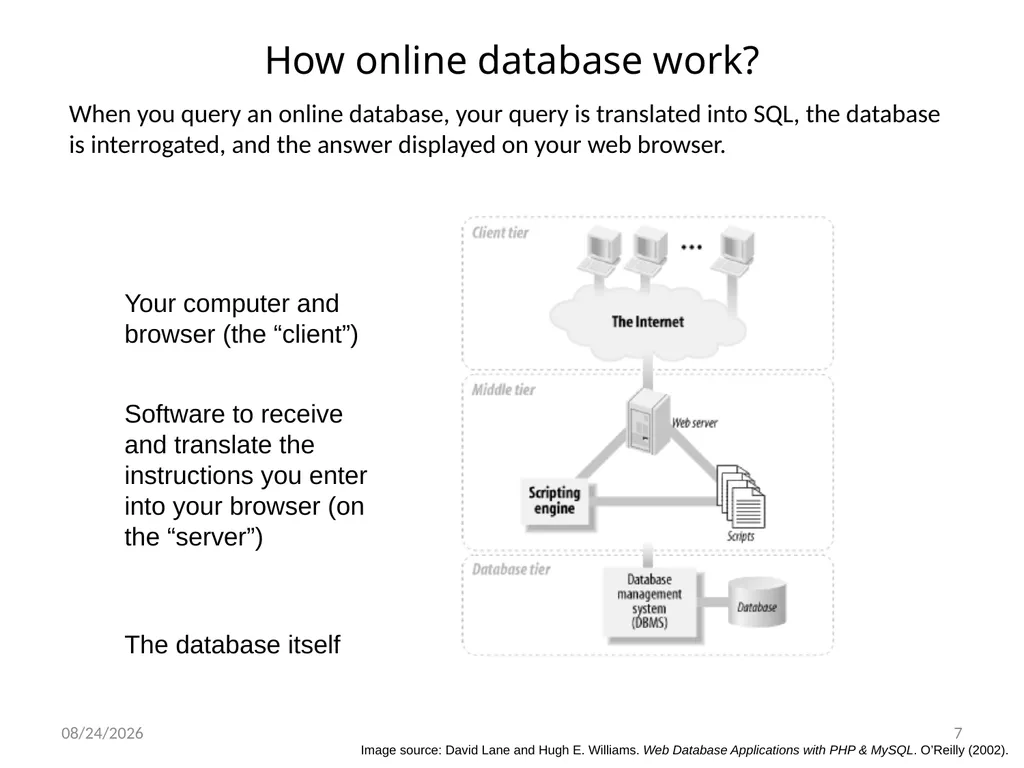
How online database work? 11/15/2017 7 When you query an online database, your query is translated into SQL, the database is interrogated, and the answer displayed on your web browser. Your computer and browser (the “client”) Software to receive and translate the instructions you enter into your browser (on the “server”) The database itself Image source: David Lane and Hugh E. Williams. Web Database Applications with PHP & MySQL. O’Reilly (2002).<br>
08
Why biological databases? Make biological data available to scientists
Consolidation of data (gather data from different sources)
Provide access to large dataset that cannot be published explicitly (genome, proteome,…)
Make biological data available in computer-readable format
Make data accessible for automated analysis
Bioinformatics: “To extract, store and to analysis the biological data”<br>
09
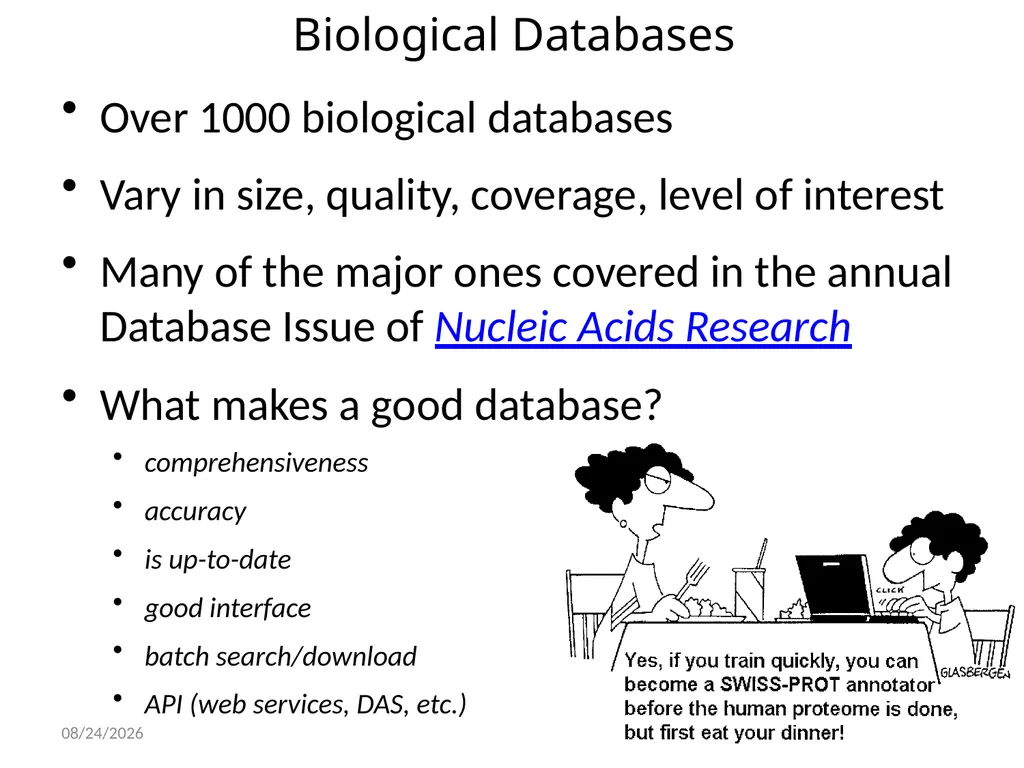
Biological Databases Over 1000 biological databases
Vary in size, quality, coverage, level of interest
Many of the major ones covered in the annual Database Issue of Nucleic Acids Research
What makes a good database?
comprehensiveness
accuracy
is up-to-date
good interface
batch search/download
API (web services, DAS, etc.) 11/15/2017 9<br>
10
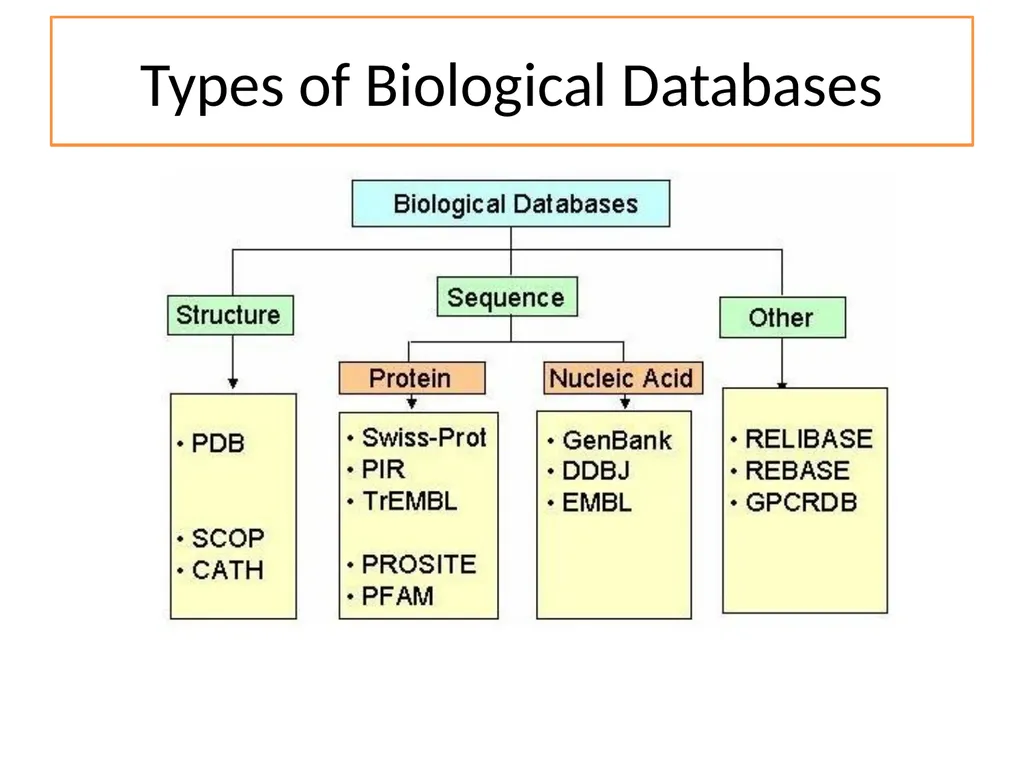
Types of Biological Databases<br>
11
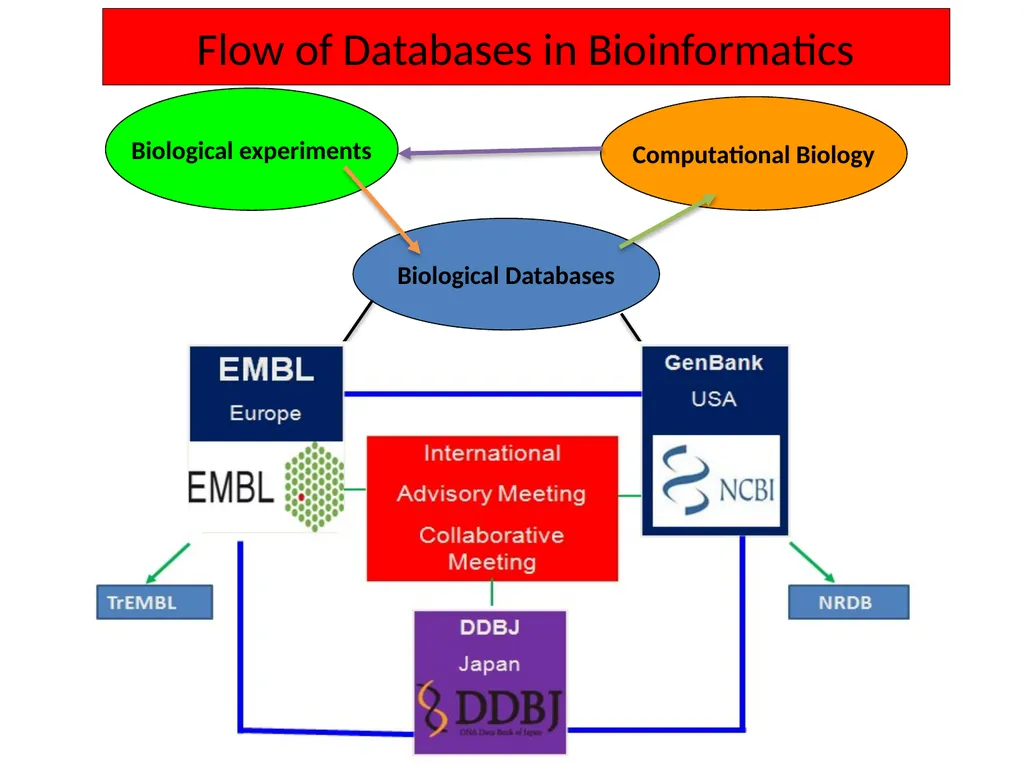
Flow of Databases in Bioinformatics Biological experiments Biological Databases Computational Biology<br>
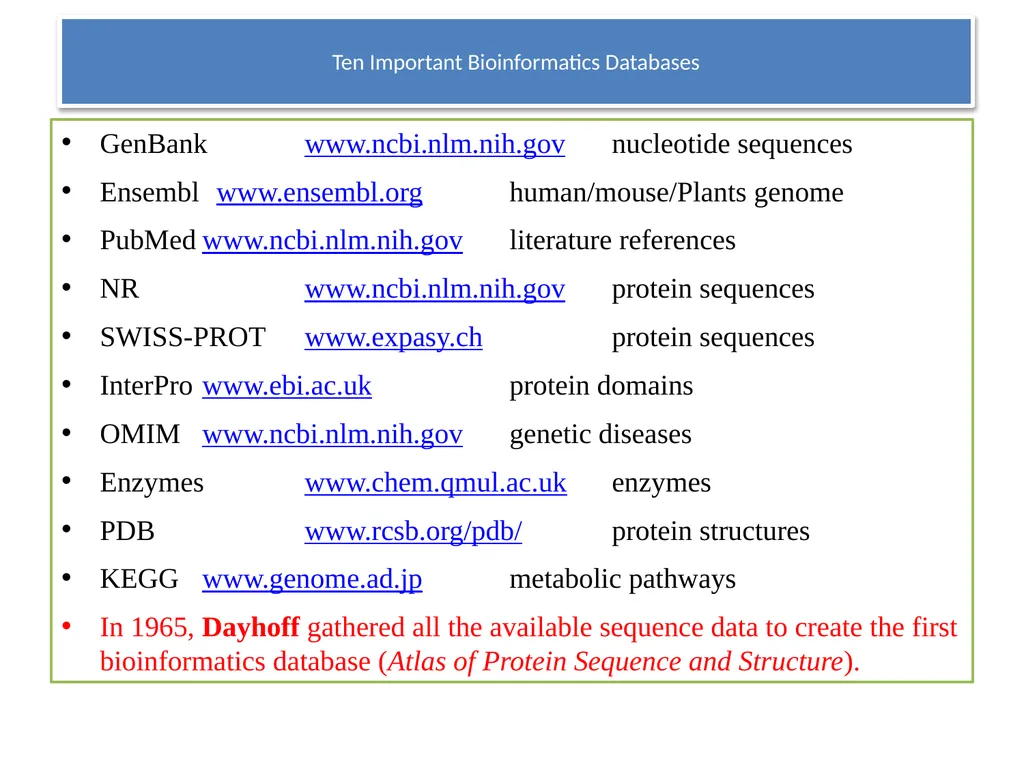
Ten Important Bioinformatics Databases GenBank www.ncbi.nlm.nih.gov nucleotide sequences
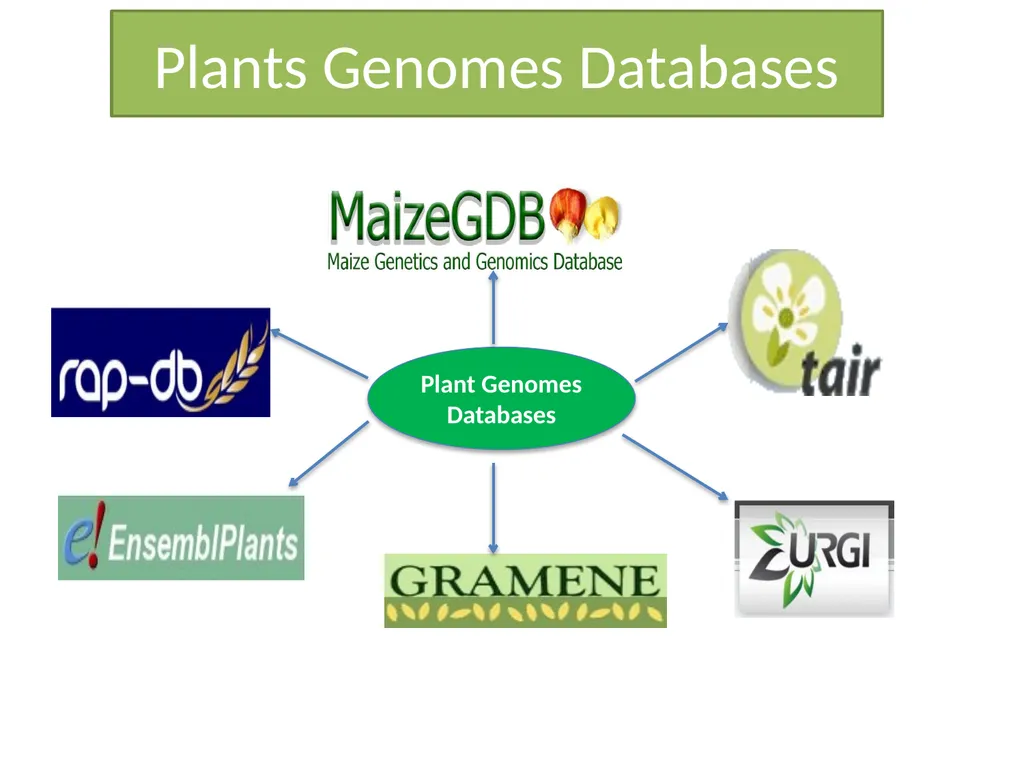
Ensembl www.ensembl.org human/mouse/Plants genome
PubMed www.ncbi.nlm.nih.gov literature references
NR www.ncbi.nlm.nih.gov protein sequences
SWISS-PROT www.expasy.ch protein sequences
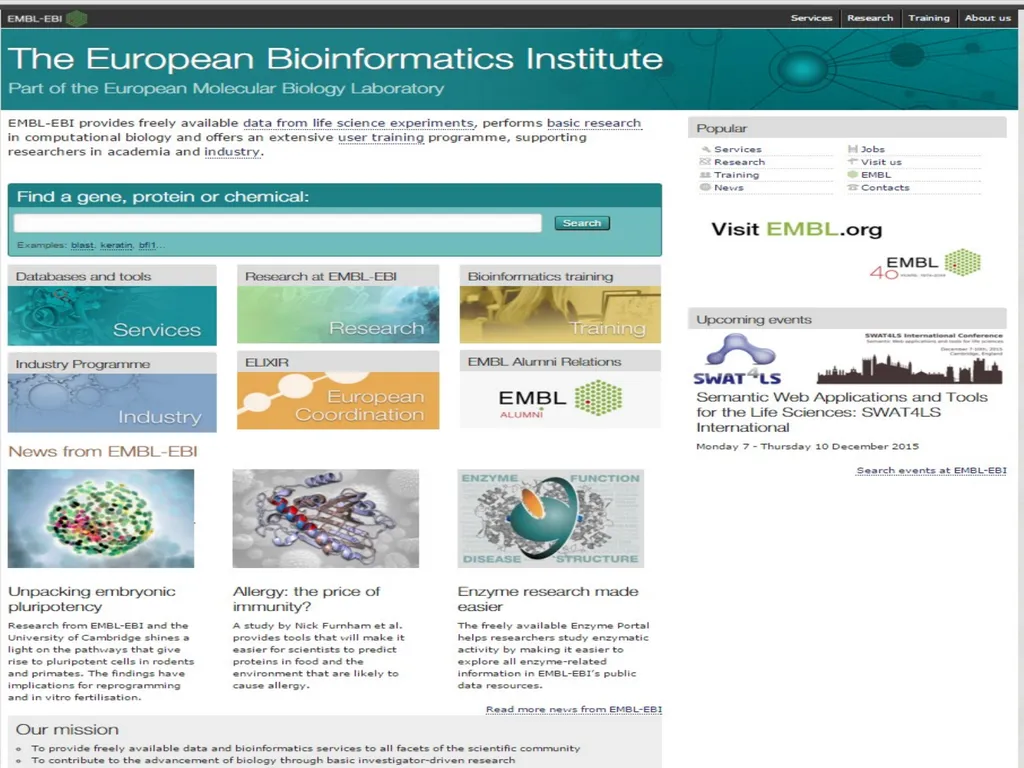
InterPro www.ebi.ac.uk protein domains
OMIM www.ncbi.nlm.nih.gov genetic diseases
Enzymes www.chem.qmul.ac.uk enzymes
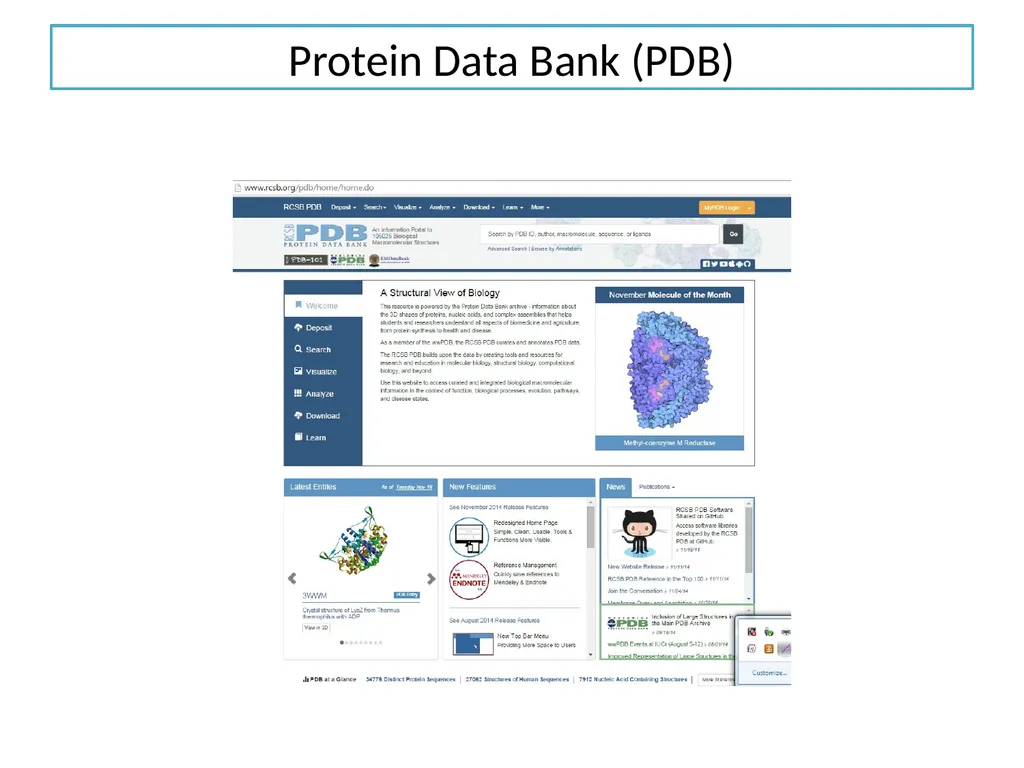
PDB www.rcsb.org/pdb/ protein structures
KEGG www.genome.ad.jp metabolic pathways
In 1965, Dayhoff gathered all the available sequence data to create the first bioinformatics database (Atlas of Protein Sequence and Structure).<br>
14
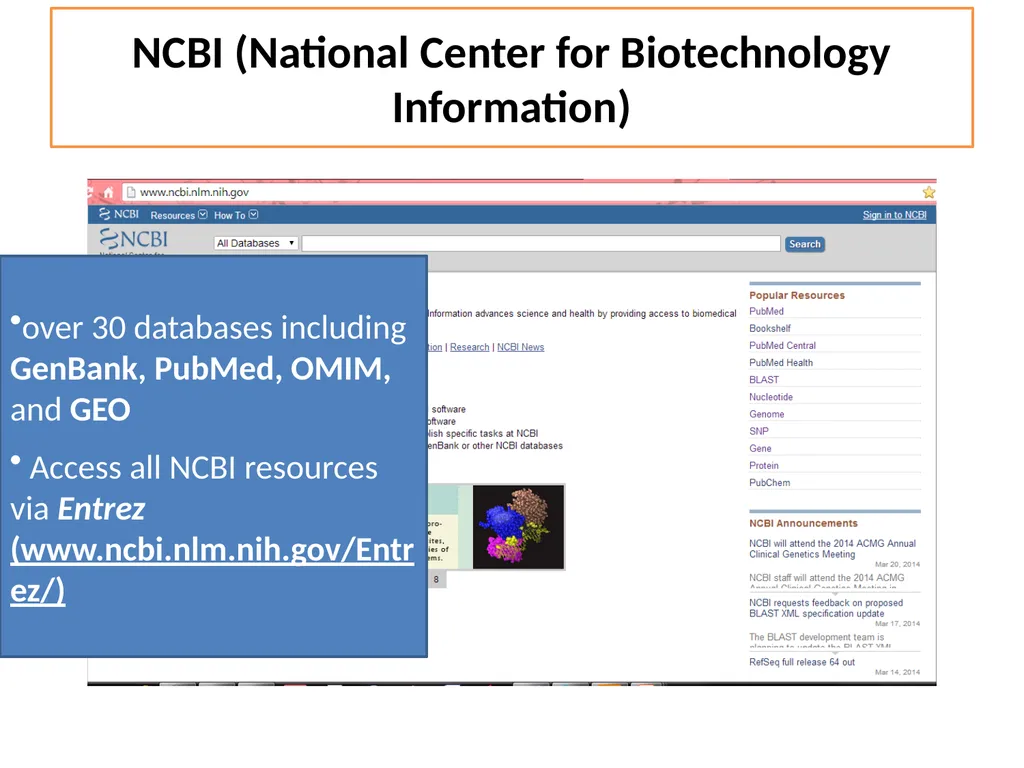
NCBI (National Center for Biotechnology Information) over 30 databases including GenBank, PubMed, OMIM, and GEO
Access all NCBI resources via Entrez (www.ncbi.nlm.nih.gov/Entrez/)<br>
15
Protein Data Bank (PDB)<br>
16
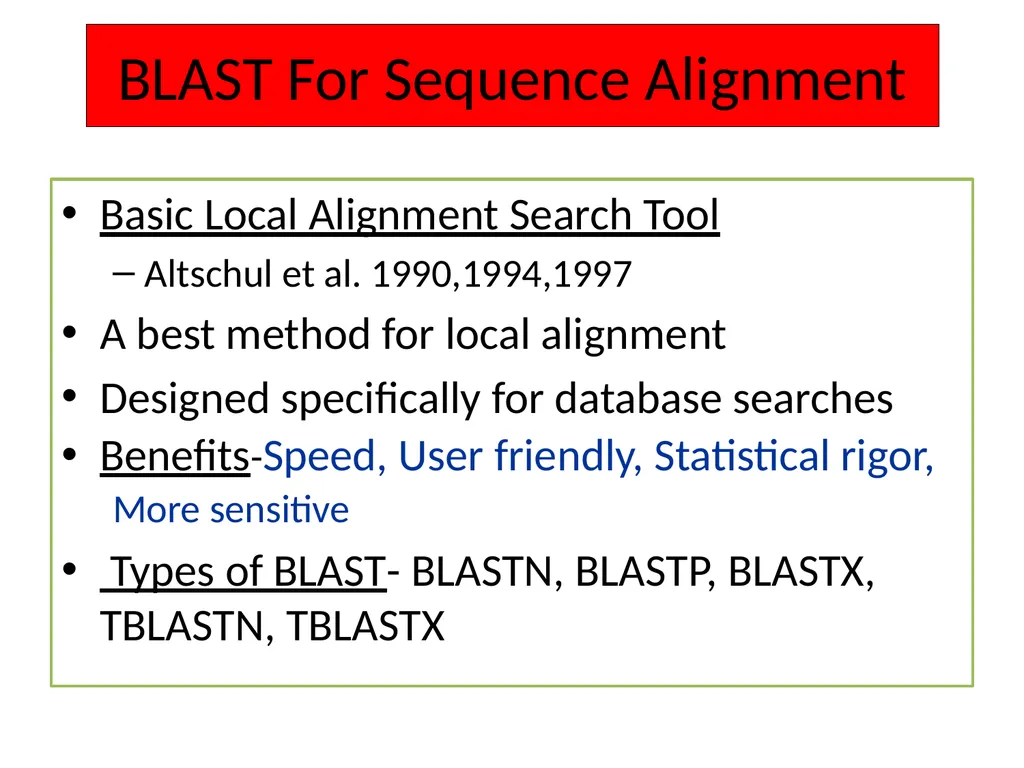
BLAST For Sequence Alignment Basic Local Alignment Search Tool
Altschul et al. 1990,1994,1997
A best method for local alignment
Designed specifically for database searches
Benefits-Speed, User friendly, Statistical rigor,
More sensitive
Types of BLAST- BLASTN, BLASTP, BLASTX, TBLASTN, TBLASTX<br>