
EFFECTIVE REPORT WRITING Performance Objectives




Description: EFFECTIVE REPORT WRITING Performance Objectives NAC 289.160 Please refer to your POST Performance Objectives. PUPOSE OF POLICE REPORTS State facts of a crime Witness to a certain event Obtain a conviction An investigation process One of the
Related Topics
Download Presentation
"EFFECTIVE REPORT WRITING Performance Objectives" is the property of its rightful owner. Permission is granted to download and print the materials on this website for personal, non-commercial use only, and to display it on your personal computer provided you do not modify the materials and that you retain all copyright notices contained in the materials. By downloading content from our website, you accept the terms of this agreement.
Presentation Transcript
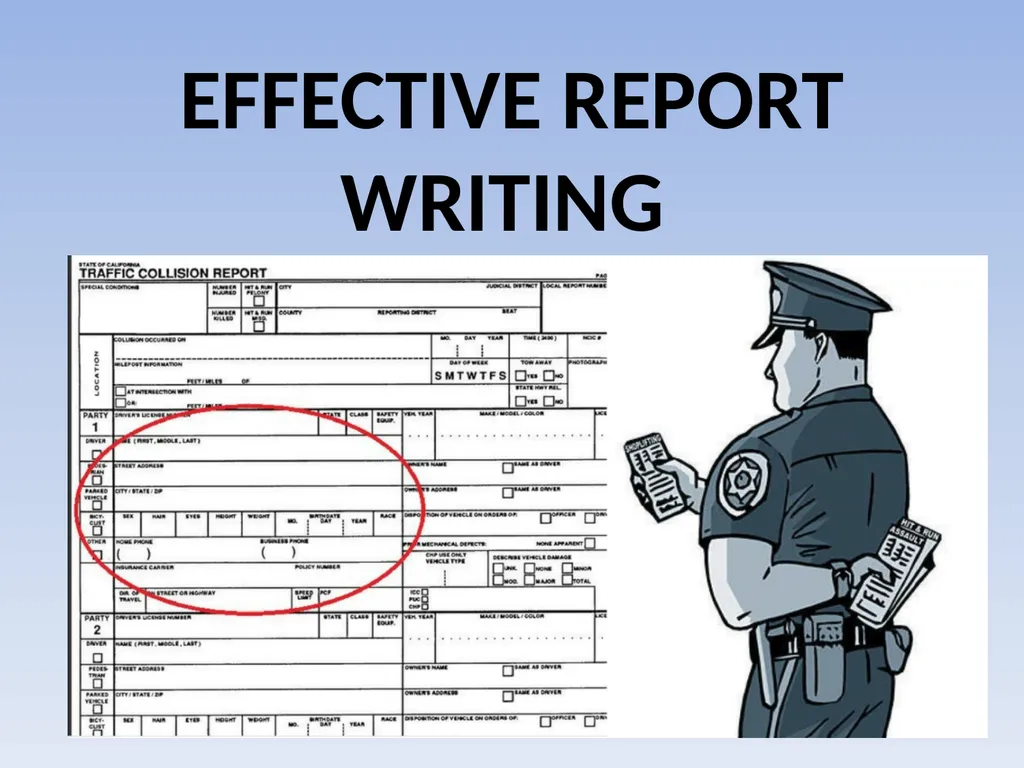
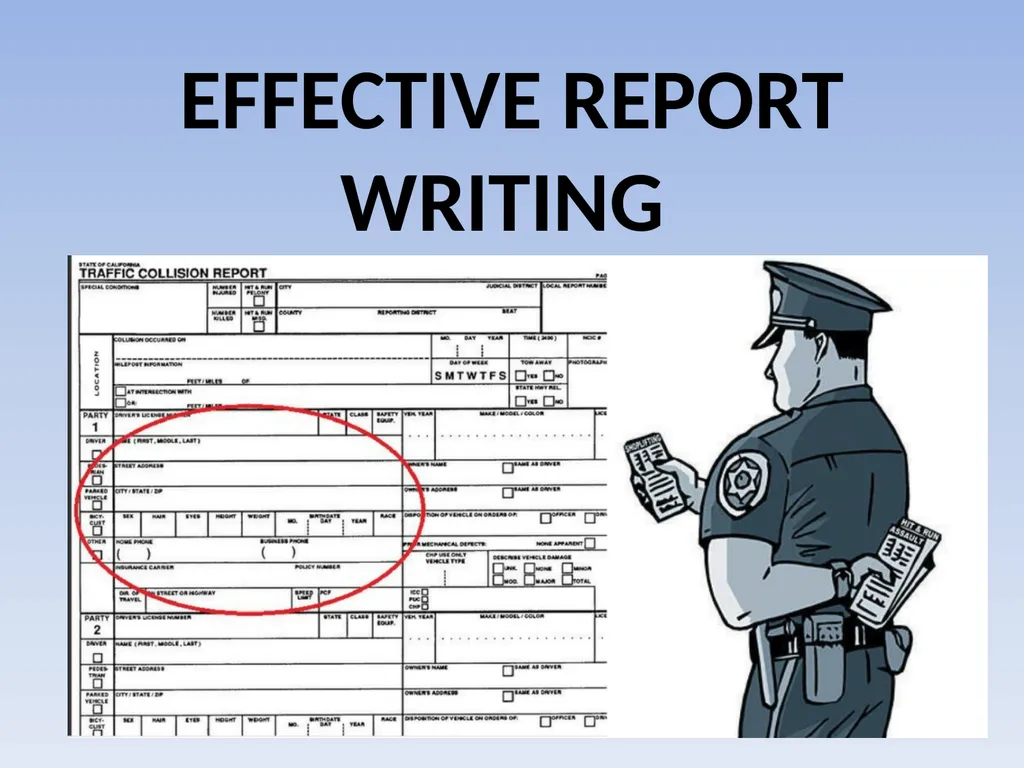
slide1. EFFECTIVE REPORT WRITING<br>
slide2. Performance Objectives NAC 289.160
Please refer to your POST Performance Objectives.<br>
slide3. PUPOSE OF POLICE REPORTS State facts of a crime
Witness to a certain event
Obtain a conviction
An investigation process
One of the most important, yet often ignored aspects of police work, is report writing.<br>
slide4. Who will read my reports? Supervisors
Judges
Attorneys
Media
Warden
Peers
Just about anyone you can think of.<br>
slide5. What's wrong with it? Doxycycline is primarily bacteriostatic and is thought to exert its antimicrobial effect by the inhibition of protein synthesis. Doxycycline is active against a wide range of gram-positive and gram-negative organisms.<br>
slide6. Reports The writing of reports is not to entertain or be creative. It is to communicate and maintain records
Recent articles on the topic of report writing suggests that writing is a method of recording and communicating ideas through a system of visual marks.<br>
slide7. Importance of Reports Reports provide a means for maintaining official records of events and incidents, including those actions that officers may have done or may have been unable to do, or simply failed to do. Law enforcement reports are important documents and must be understood as representing official records or specific agencies.<br>
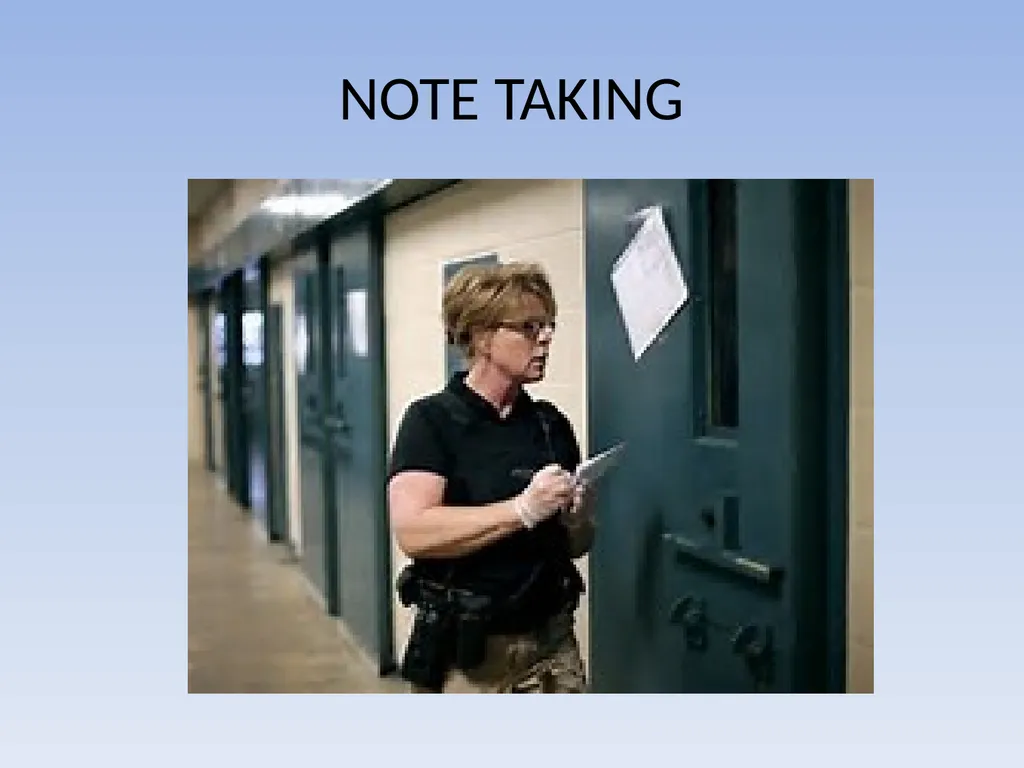
slide8. NOTE TAKING<br>
slide9. Why Take notes The information you collect will be used to refresh your memory in preparation for writing a formal report on a field interview /event.
Date/time/location of incident
Witnesses, Suspects, Victims
What happened
Evidence<br>
slide10. NOTETAKING You will most likely have to write your notes quickly- you don’t need to write down every word someone says, but make sure they are accurate and concise.
Use abbreviations and leave out unnecessary words such as a, an, and the.<br>
slide11. NOTETAKING Every officer should be prepared to take notes in the field
Have a pen and notepad available at all times.
Take sufficient notes- paper is cheap and abundant, but shame and embarrassment can be expensive.
Make sure your notes are legible<br>
slide12. NOTETAKING While writing your field notes at the scene, be sure to think ahead of what you will need to write and include in your report.
Review your notes to be sure you covered all 6 elements
If an element is missing, it will require follow up<br>
slide13. Discuss and distinguish between: Opinion vs. Fact
What is a conclusion?<br>
slide14. Opinions An opinion is a belief; it is normally subjective, meaning that it can vary based on a person's perspective, emotions, or individual understanding of something.<br>
slide15. Facts A fact is a statement that is true and can be verified objectively, or proven. In other words, a fact is true and correct no matter what.<br>
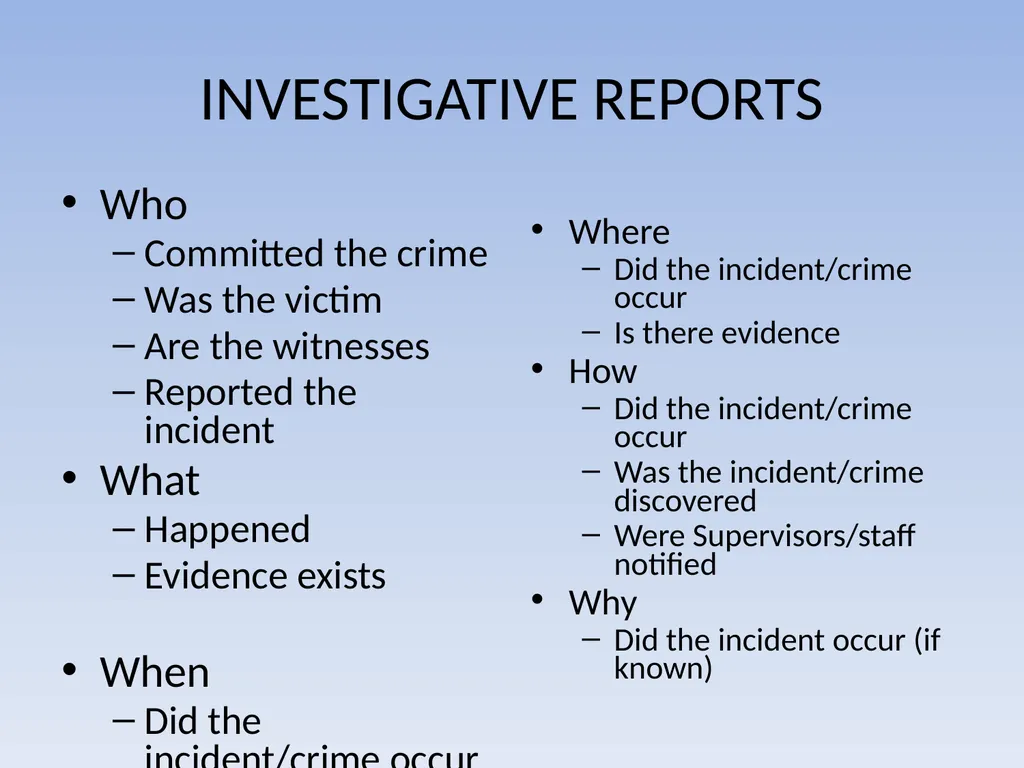
slide16. INVESTIGATIVE REPORTS Who
Committed the crime
Was the victim
Are the witnesses
Reported the incident
What
Happened
Evidence exists
When
Did the incident/crime occur
Was the incident/crime reported Where
Did the incident/crime occur
Is there evidence
How
Did the incident/crime occur
Was the incident/crime discovered
Were Supervisors/staff notified
Why
Did the incident occur (if known)<br>
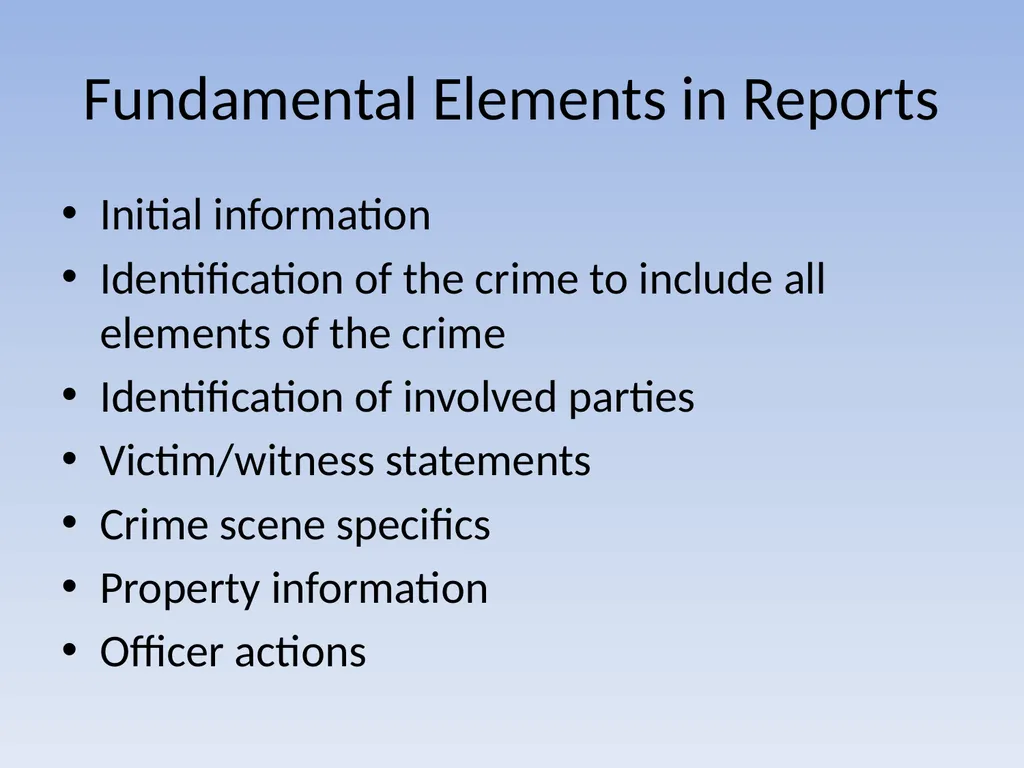
slide17. Fundamental Elements in Reports Initial information
Identification of the crime to include all elements of the crime
Identification of involved parties
Victim/witness statements
Crime scene specifics
Property information
Officer actions<br>
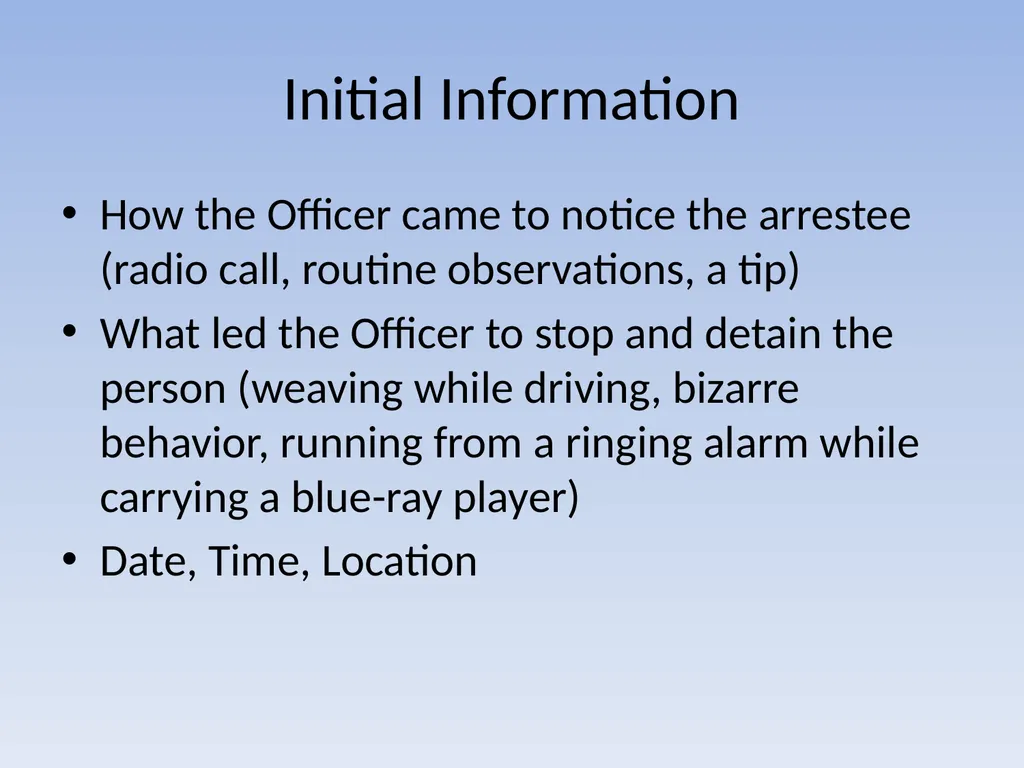
slide18. Initial Information How the Officer came to notice the arrestee (radio call, routine observations, a tip)
What led the Officer to stop and detain the person (weaving while driving, bizarre behavior, running from a ringing alarm while carrying a blue-ray player)
Date, Time, Location<br>
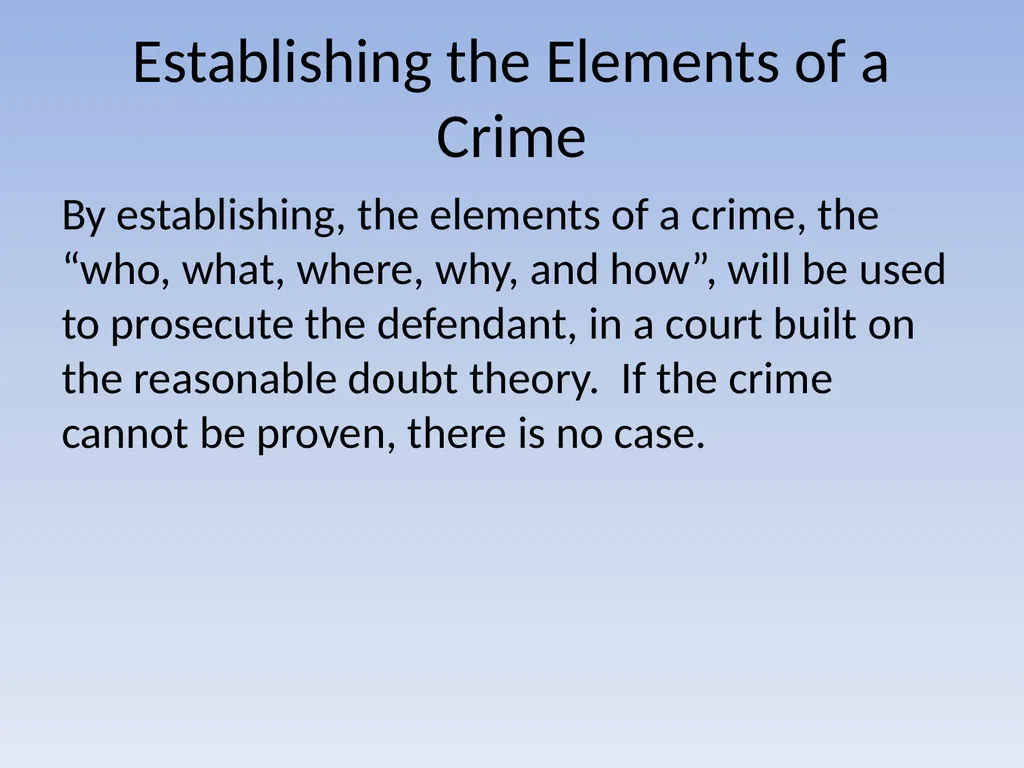
slide19. Establishing the Elements of a Crime By establishing, the elements of a crime, the “who, what, where, why, and how”, will be used to prosecute the defendant, in a court built on the reasonable doubt theory. If the crime cannot be proven, there is no case.<br>
slide20. Identification of Involved Parties Victims
Suspects
Witnesses<br>
slide21. Victim and Witness Statements Descriptive statements based on comments the Officer solicited from crime victims and nearby witnesses
Typically written in a looser, paraphrased style
"The witness told me he was sitting on the bus bench when he saw the suspect run up and knock the victim to the ground. ..."<br>
slide22. Crime Scene Specifics Detailed description of scene upon approach, including anything unusual and out of place
Weather and environment conditions
Evidence observed, its location, condition, or anything remarkable about the item<br>
slide23. Property Information Inventory of any evidence recovered at the scene or taken from the suspect, including the disposition of the evidence
"One small plastic bag containing a green leafy material, removed from the suspect's right front pants pocket. Impounded at the station on Tag #1234."<br>
slide24. Officer Actions What actions the Officer took to apprehend the person
Why the Officer took the actions to apprehend the person<br>
slide25. The Value of Reports 25 Reports provide the data needed to investigate and apprehend criminals and to solve crimes. Investigators and officers frequently use reports to refresh their memory before testifying in court. Trials and court hearings may occur months or years after an incident or arrest. A well-written report can make an officer’s testimony much more accurate and valuable. . A poorly written or inaccurate report can create doubt in the mind of the jury as to the veracity or competence of the officer.<br>
slide26. What reports can do for your agency. Provide a written record and a readily accessible memory bank of police facility business and information.
Refresh an officer’s memory regarding further investigation and administration.
Provide a means of controlling communication throughout the department associated agencies.
Provide a database of information for solving similar crimes, perhaps committed by the same criminal or inmate.<br>
slide27. What reports can do for your agency. Furnish a base of accurate statistical information on which decisions about resource allocation and policy may be based.
Aid in identifying criminal, problem, or behavioral patterns, which in turn allows the development of intervention plans.
Aid in assessing the effectiveness of personnel distribution and analyzing overall agency operations.
Assist in identifying unusual or periodic intra-agency problems.<br>
slide28. What reports can do for your agency Assist in documenting needs for budget requests and justifications.
Produce statistical information to be contributed it local, state, or FBI crime databases.
Provide a vital tool for an agency in carrying out its varied objectives.
Provide a source of accurate, detailed, and succinct information to prosecute a criminal or inmate where a law has been violated.<br>
slide29. Basic Writing Elements Spelling and Jargon
Verb tense
Passive/ Active Voice
Pronoun Agreement
1st/3rd person writing
Gender Neutrality
Verbiage/legalese
Accuracy/Consiseness/Clarity<br>
slide30. Spelling and jargon use When writing on a computer, most word processing programs will have a spelling and grammar check that will automatically underline a misspelled word, usually in red.
Similarly, avoid using jargon/slang; these are specialized terms with specific meanings associated with a particular occupation or profession.<br>
slide31. Examples of Jargon/Slang Shank
Pruno
Code 4
I/M (inmate)
Stinger
Cellie
When slang or jargon is used, it should be only when the subject of the report has used these terms, and you are quoting directly.<br>
slide33. Verb Tense Three major tenses tend to be used in report writing: present, past, and future.<br>
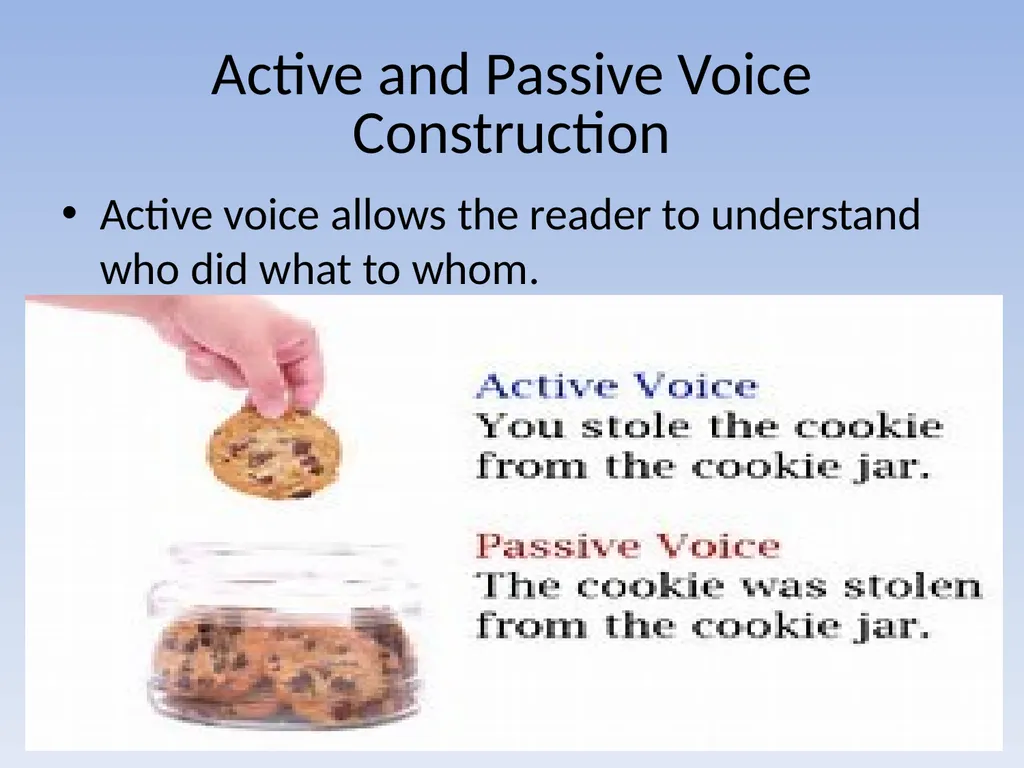
slide34. Active and Passive Voice Construction Active voice allows the reader to understand who did what to whom.<br>
slide35. Pronoun Agreement Pronouns are words that are used to take the place of, or to refer back to, nouns or some other pronoun.<br>
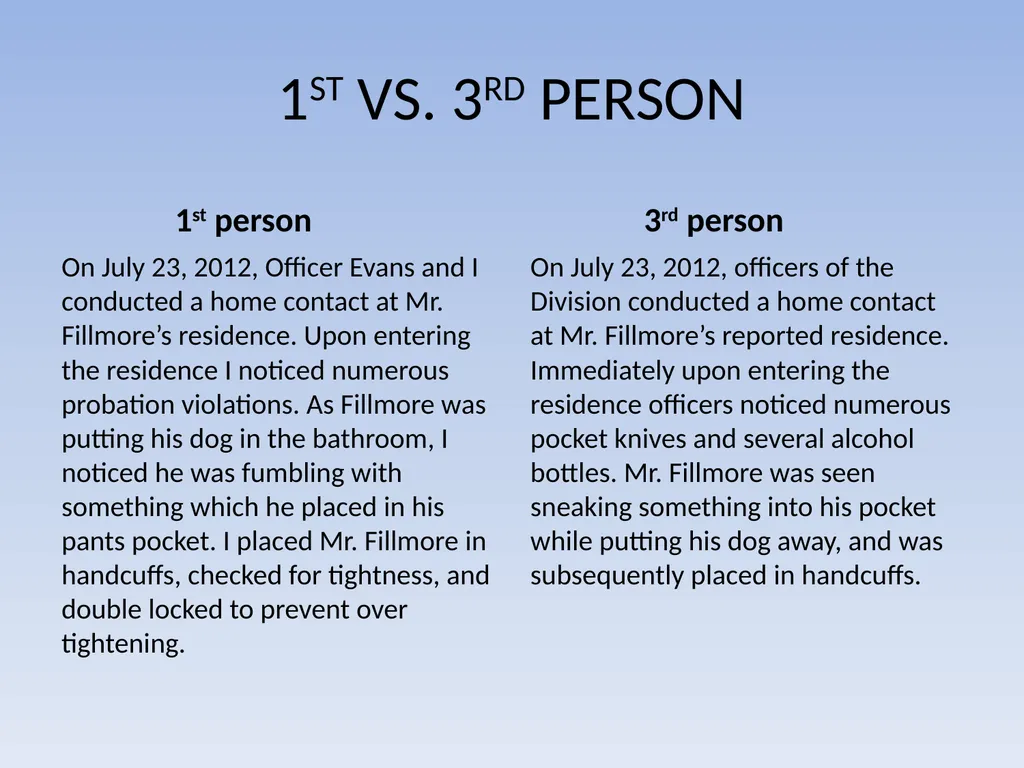
slide36. 1st person vs. 3rd person Writing Although many law enforcement agencies have traditionally instructed their new officers to draft reports using third person but Law enforcement officers must take ownership of their statements by using the first person in their reports. A style of writing where the writer uses “I” to describe what he or she observed, did, or said, and what was told to him or her by others.<br>
slide37. 1ST VS. 3RD PERSON 1st person On July 23, 2012, Officer Evans and I conducted a home contact at Mr. Fillmore’s residence. Upon entering the residence I noticed numerous probation violations. As Fillmore was putting his dog in the bathroom, I noticed he was fumbling with something which he placed in his pants pocket. I placed Mr. Fillmore in handcuffs, checked for tightness, and double locked to prevent over tightening. 3rd person On July 23, 2012, officers of the Division conducted a home contact at Mr. Fillmore’s reported residence. Immediately upon entering the residence officers noticed numerous pocket knives and several alcohol bottles. Mr. Fillmore was seen sneaking something into his pocket while putting his dog away, and was subsequently placed in handcuffs.<br>
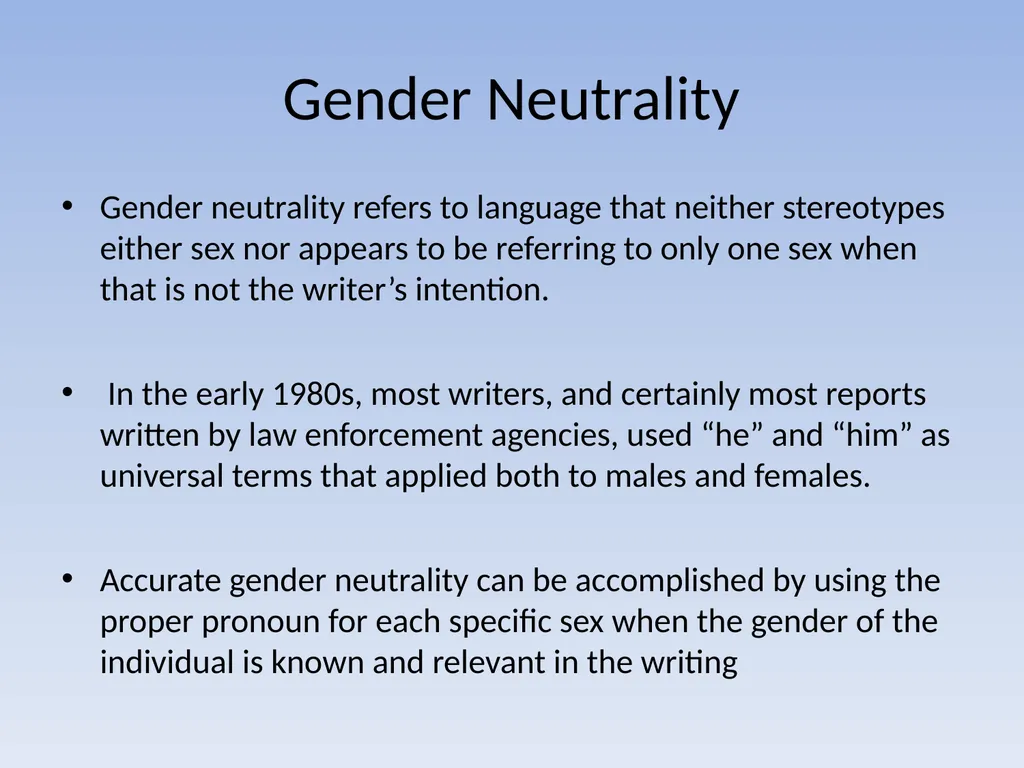
slide39. Gender Neutrality Gender neutrality refers to language that neither stereotypes either sex nor appears to be referring to only one sex when that is not the writer’s intention.
In the early 1980s, most writers, and certainly most reports written by law enforcement agencies, used “he” and “him” as universal terms that applied both to males and females.
Accurate gender neutrality can be accomplished by using the proper pronoun for each specific sex when the gender of the individual is known and relevant in the writing<br>
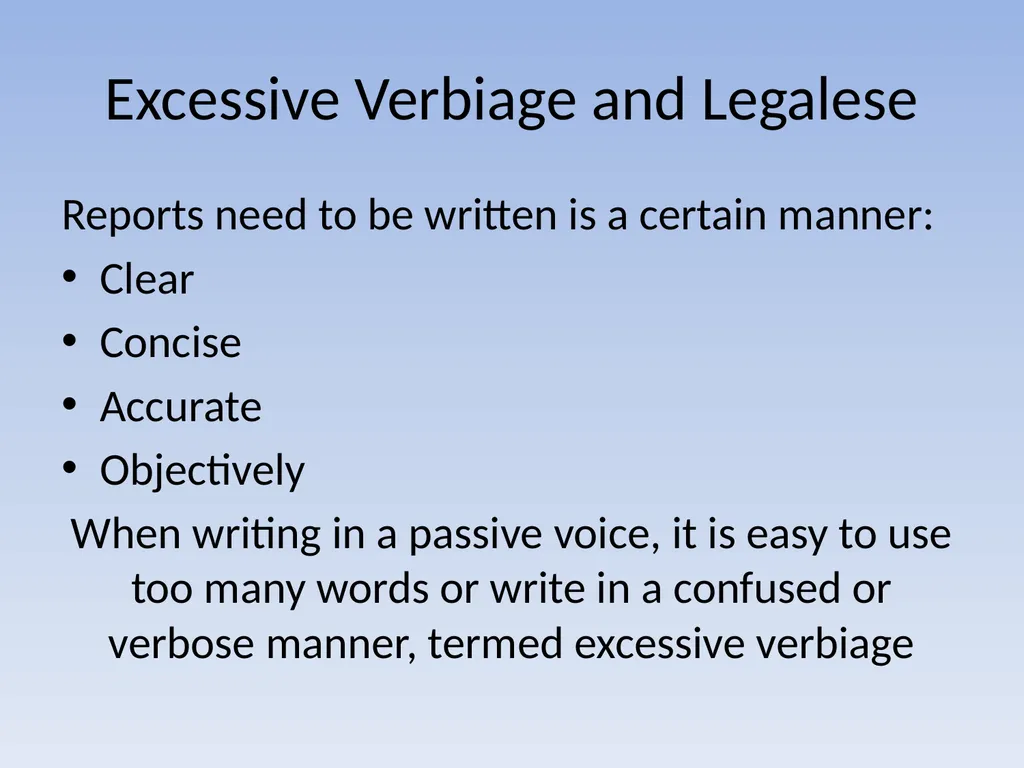
slide40. Excessive Verbiage and Legalese Reports need to be written is a certain manner:
Clear
Concise
Accurate
Objectively
When writing in a passive voice, it is easy to use too many words or write in a confused or verbose manner, termed excessive verbiage<br>
slide41. Legalese Many agencies encourage the convention of using legalese in their efforts to sound both objective and professional. Unfortunately, these efforts often result in the writing sounding unnatural, mechanical, and difficult to understand.<br>
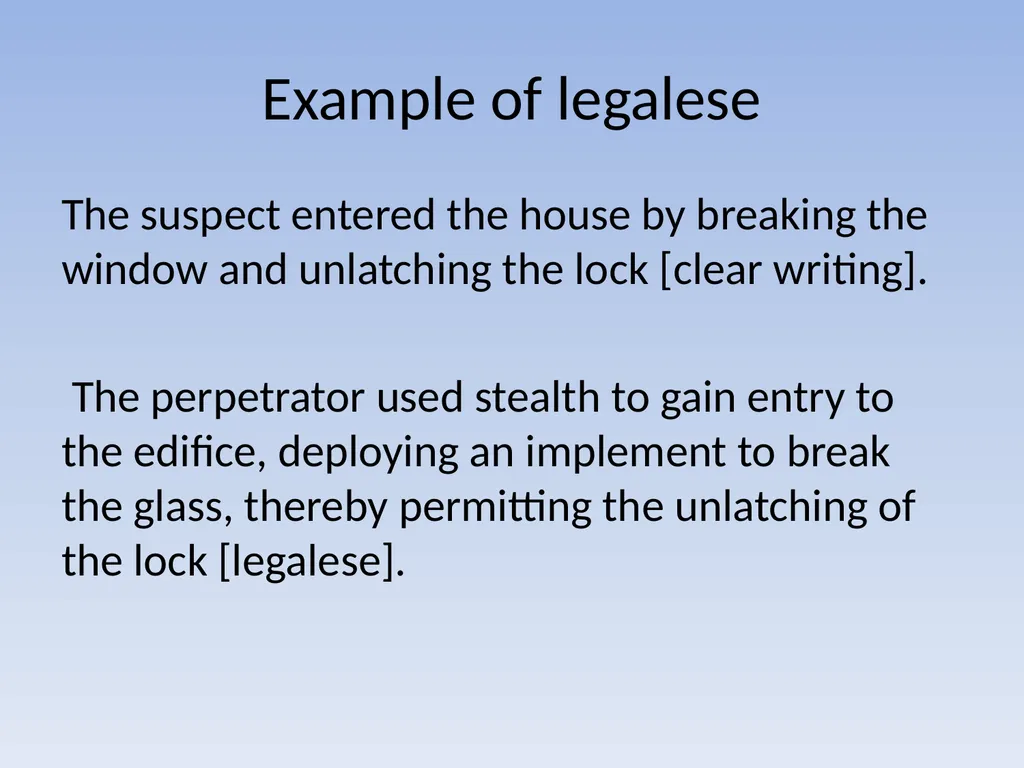
slide42. Example of legalese The suspect entered the house by breaking the window and unlatching the lock [clear writing].
The perpetrator used stealth to gain entry to the edifice, deploying an implement to break the glass, thereby permitting the unlatching of the lock [legalese].<br>
slide43. Accuracy and Factual Statements Law enforcement reports should include clearly worded, accurate facts about what is going on, who is present, and what was observed, actual behavior.
Do not add personal opinions
Avoid adding “furtive gesture”
Anything that would confuse the reader<br>
slide44. Accuracy<br>
slide45. Conciseness and Clarity<br>
slide46. Conciseness is related to an economy of words used in a report.
Reports should not be super wordy in their construction.
Be mindful about writing long, unwieldy and run-on sentences that are not only grammatically inaccurate but also very hard to follow.
On the other hand, do not write in such an abbreviated or stilted fashion that sentences do not provide sufficient information to accurately convey the facts, or the necessary elements of a crime or incident.
The better the writing, the clearer the information will be conveyed. Clarity has to do with clear, concisely created sentences.<br>
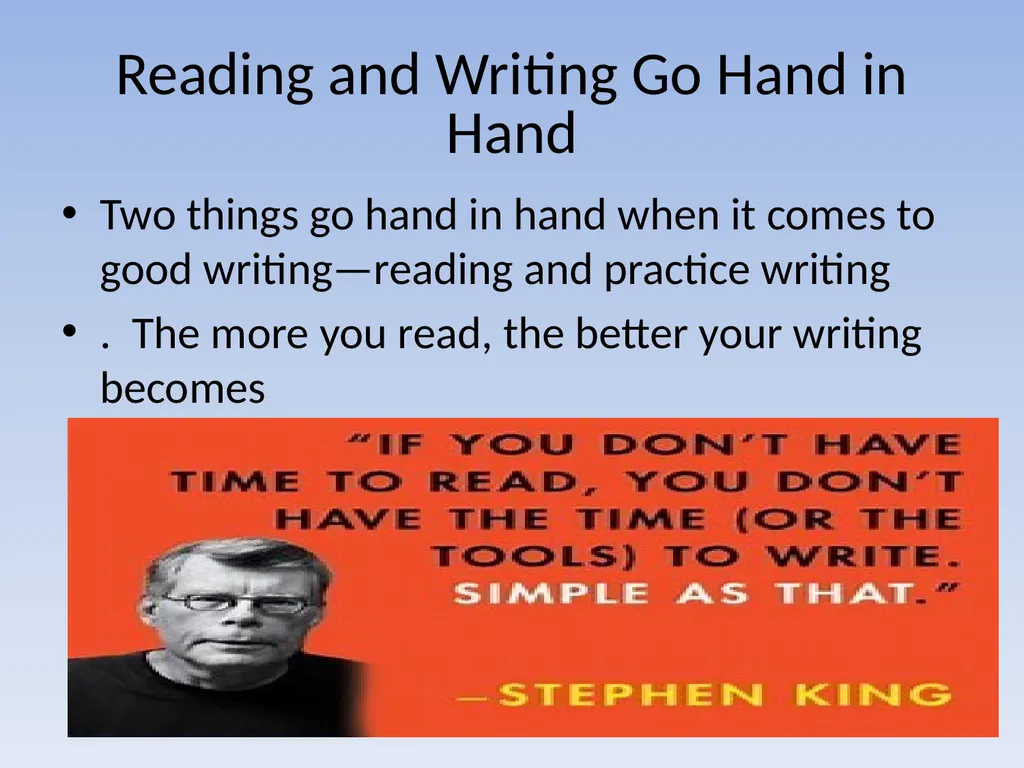
slide47. Reading and Writing Go Hand in Hand Two things go hand in hand when it comes to good writing—reading and practice writing
. The more you read, the better your writing becomes<br>
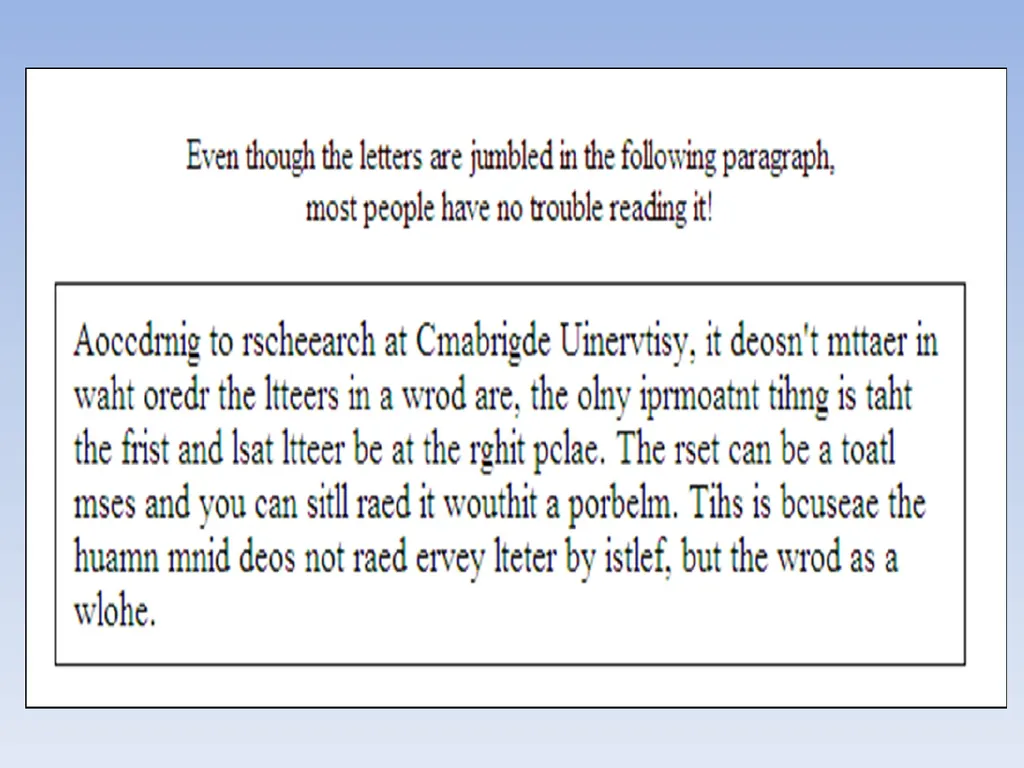
slide48. Always proofread your reports never rely solely on a computer’s grammar and spelling check tool. There is no shortcut to a real physical proofreading of your work.<br>
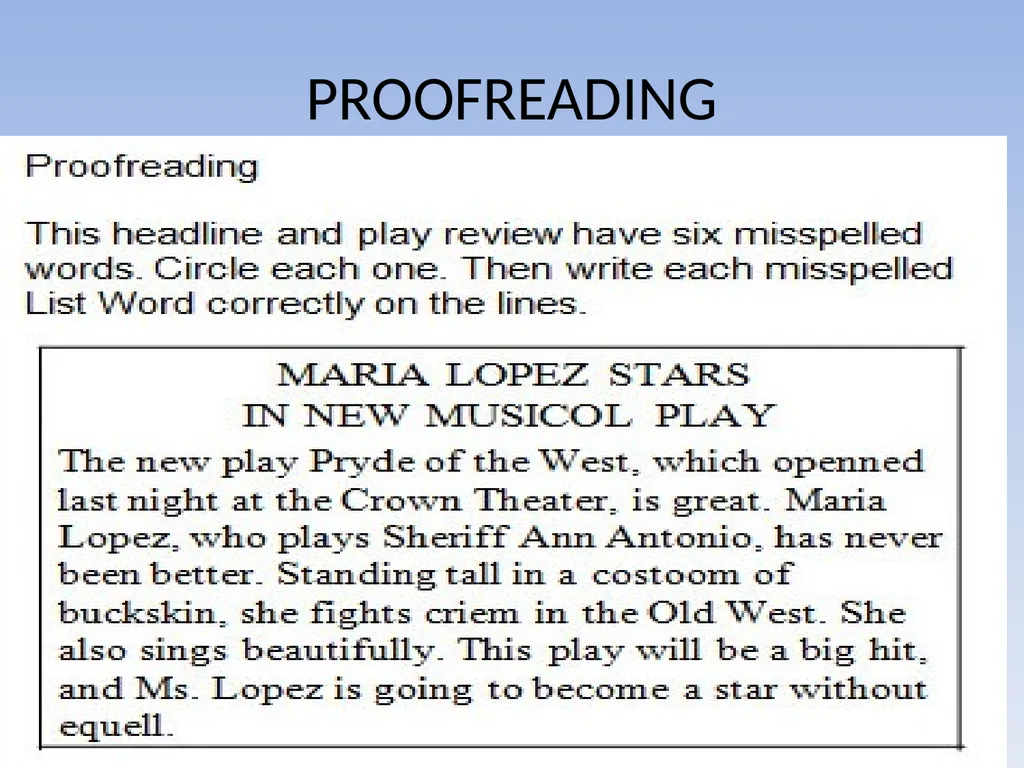
slide49. PROOFREADING<br>
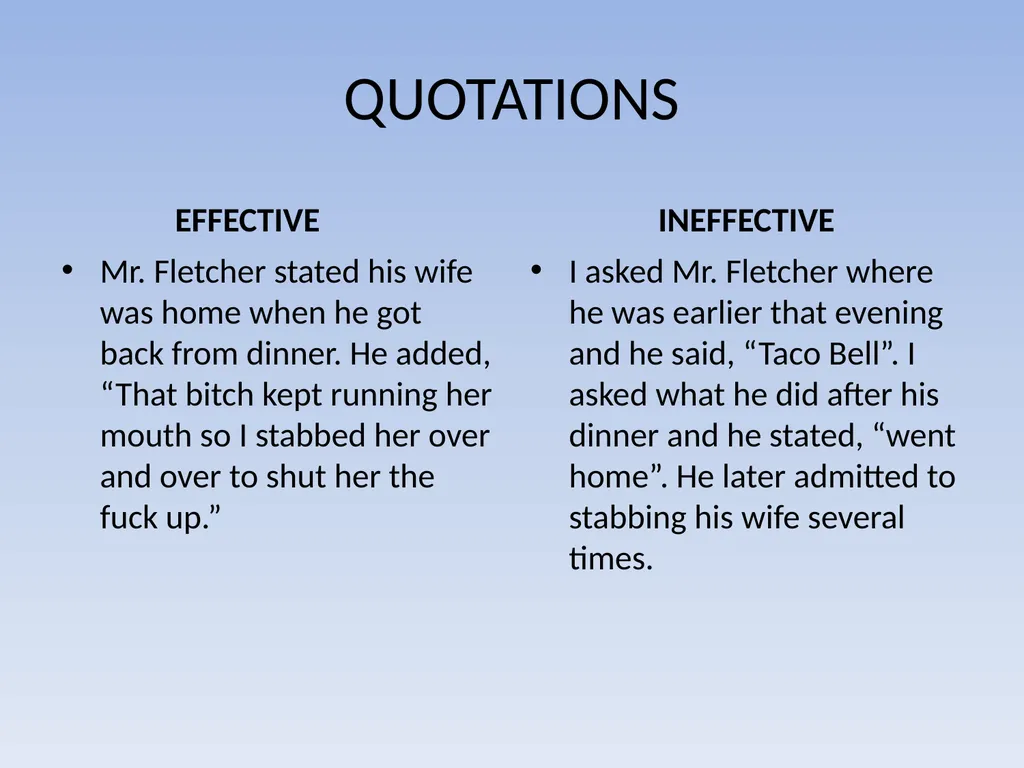
slide50. QUOTATIONS EFFECTIVE Mr. Fletcher stated his wife was home when he got back from dinner. He added, “That bitch kept running her mouth so I stabbed her over and over to shut her the fuck up.” INEFFECTIVE I asked Mr. Fletcher where he was earlier that evening and he said, “Taco Bell”. I asked what he did after his dinner and he stated, “went home”. He later admitted to stabbing his wife several times.<br>
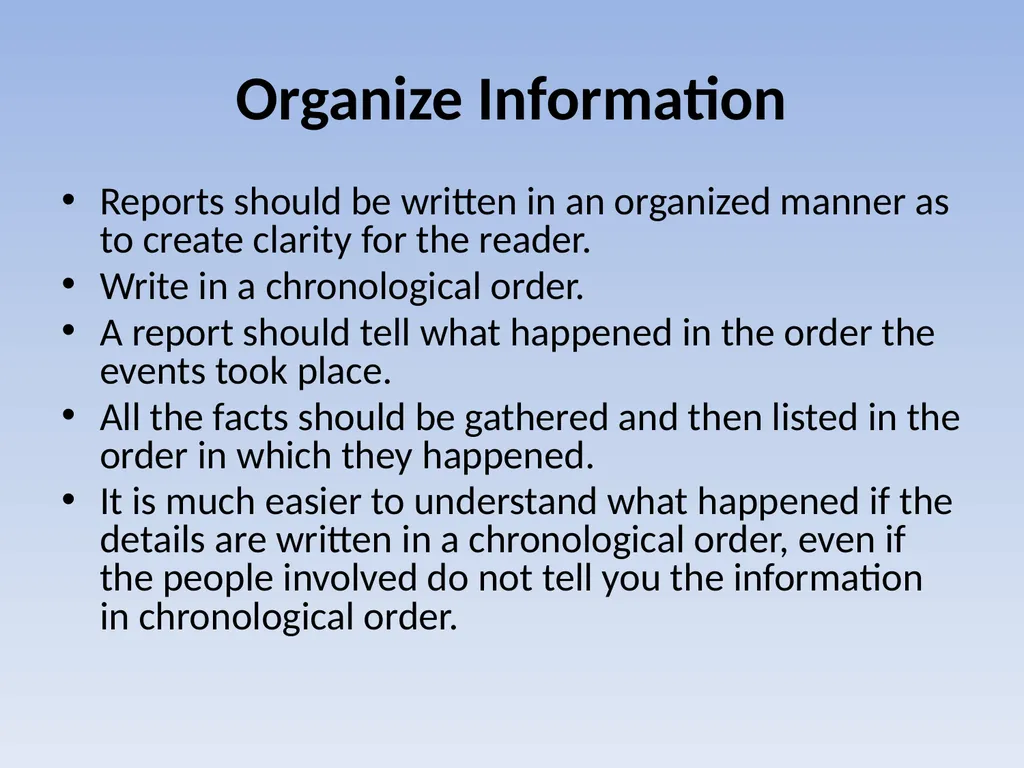
slide51. Organize Information Reports should be written in an organized manner as to create clarity for the reader.
Write in a chronological order.
A report should tell what happened in the order the events took place.
All the facts should be gathered and then listed in the order in which they happened.
It is much easier to understand what happened if the details are written in a chronological order, even if the people involved do not tell you the information in chronological order.<br>
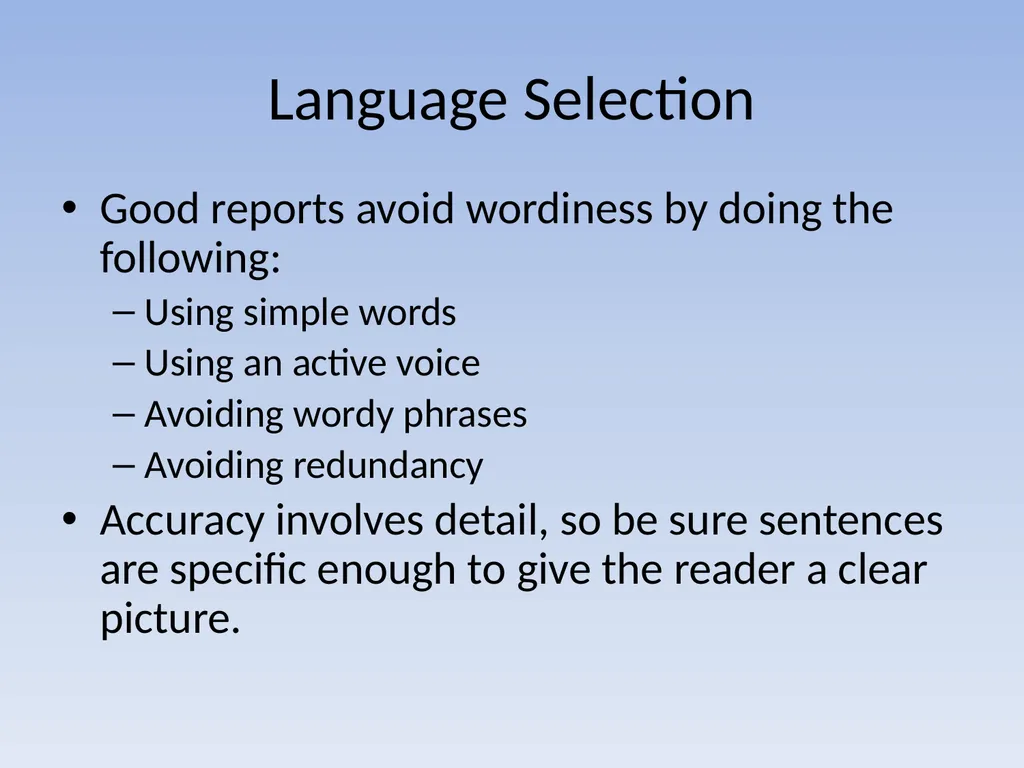
slide52. Language Selection Good reports avoid wordiness by doing the following:
Using simple words
Using an active voice
Avoiding wordy phrases
Avoiding redundancy
Accuracy involves detail, so be sure sentences are specific enough to give the reader a clear picture.<br>
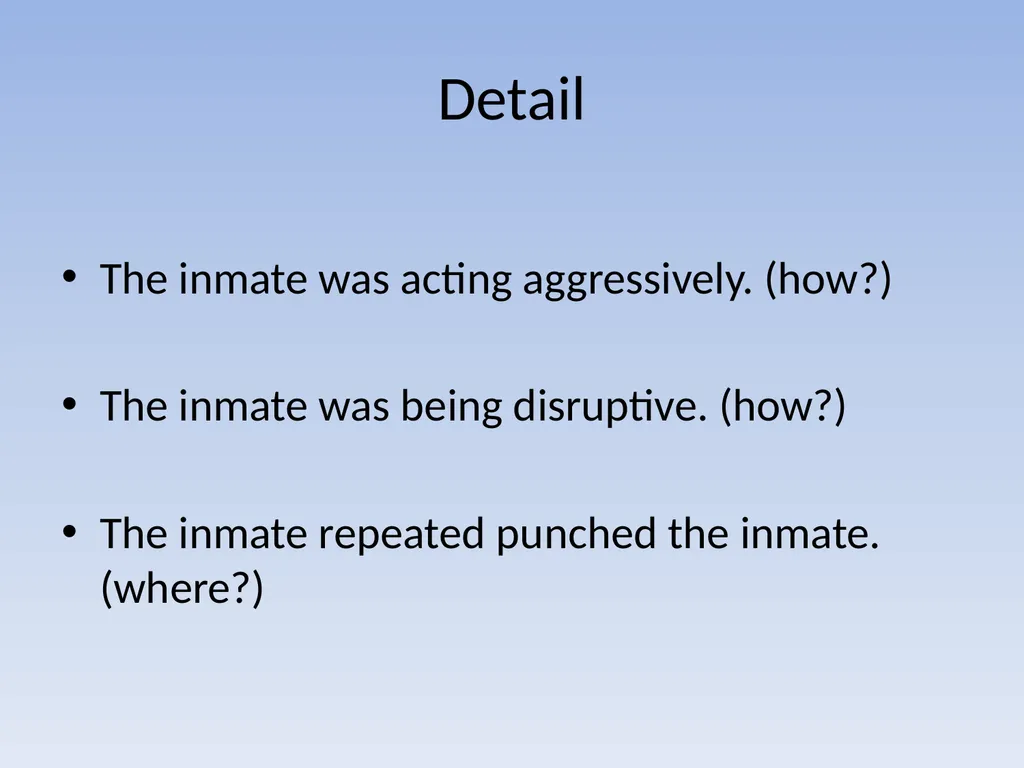
slide53. Detail The inmate was acting aggressively. (how?)
The inmate was being disruptive. (how?)
The inmate repeated punched the inmate. (where?)<br>
slide54. A Complete Report Missing information can be used to infer you are:
Not very professional
Not thorough
Do not have certain expertise
Not truthful<br>
slide55. Commonly used words that sound alike Homonyms are two words that sound like each other but have different meanings.
Many people make mistakes with them.
Be careful when you read and write these words.<br>
slide56. Homonyms here- in this place. Please come here.
hear- using your ears to listen. Do you hear that?
capital- this has a few different meanings. One means a big letter in the alphabet.
capitol- the place where the government resides. The capitol of the United States is Washington, D.C.
they're- they + are. They're from Canada.
their- something belongs to "them." This is their car.
there- in that place. The park is over there.<br>
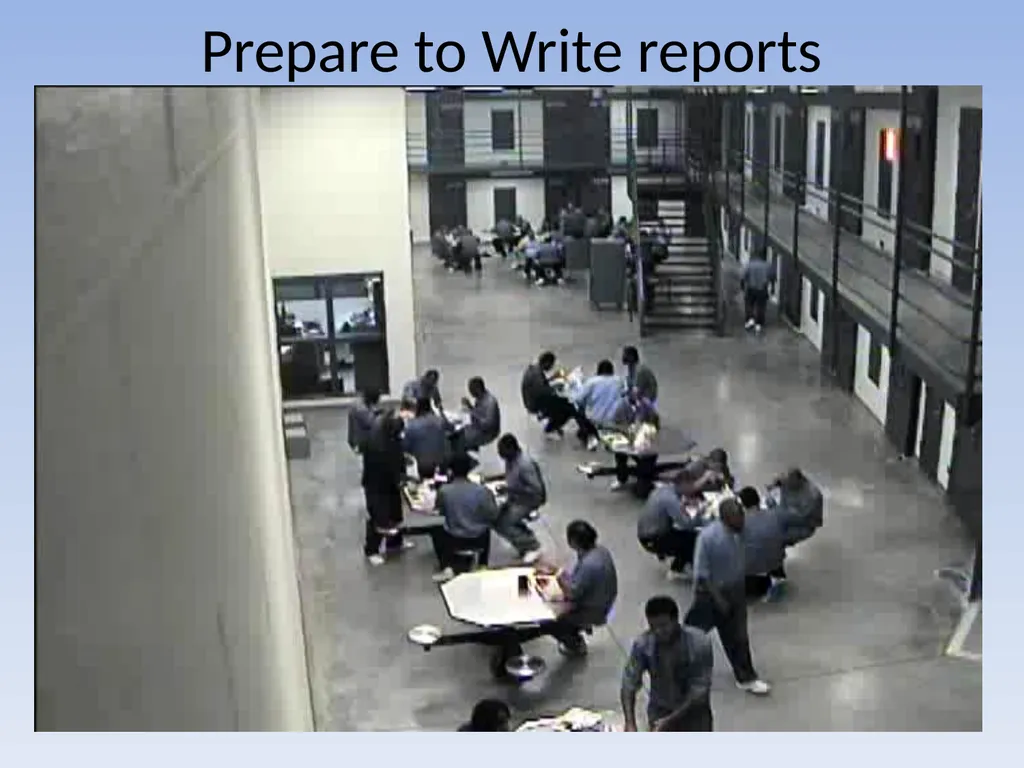
slide57. Prepare to Write reports<br>
slide58. Organizing and Writing Types of Police Reports
Type one: In this type of report, your narrative may be very brief because you don’t do an investigation or make an arrest. You simply record the facts.
In Type 1, the officer is primarily a recorder. (Incident reports fall into this category.) Someone calls to report a crime, and you write down what happened.<br>
slide59. Organizing and Writing Types of Police Reports
Type two: Adds the officer’s investigation to the “who, what, when, where, why” that’s required in a basic Type 1 report. You will write a Type 2 report any time you took action at the scene: Searching for the point of entry, or taking fingerprints, or doing a sobriety test—any action you used to gather information.<br>
slide60. Organizing and Writing Types of Police Reports
Type three: The officer becomes a participant. You might intervene in a domestic dispute, settle a fight in a bar, or chase a person suspected of robbing a convenience store. Now you have to report not only what others did, but what you did. Often you’ll make an arrest; other possibilities are calling for a backup or medical assistance. You might also ask protective services to get involved. The complications here are that there’s a back story—what happened before you arrived—that has to be coordinated with your story, plus the additional challenge of demonstrating that you followed procedures and guidelines.<br>
slide61. Organizing and Writing Types of Police Reports
Type four: The officer sets the story in motion. There’s no back story. You see a crime in progress and intervene. For example, you might see an erratic driver and make a traffic stop. Since you set the investigation in motion, you have to be particularly careful to establish probable cause for getting involved. Type 4 reports can also be challenging because you have to justify becoming involved.<br>
slide62. Five TIPS FOR WRITING REPORTS EFFICIENTLY 1. Use simple language.
2. Stick to observable facts.
3. Write in paragraphs.
4. Use active voice.
5. Use bullet style.<br>
slide63. Conclusion In conclusion, report writing could easily be argued that it’s a very important aspect of officer survival in the workplace. As much as one might hate it, writing reports is perhaps one of the most important skills an officer need.<br>
slide64. FAILURE TO REPORT - Consequences if you fail to write a report, falsifying a report, or writing an inaccurate report.
-Lose your job
-Possible Prosecution
-Lose trust of your department and colleagues.
-Unethical<br>
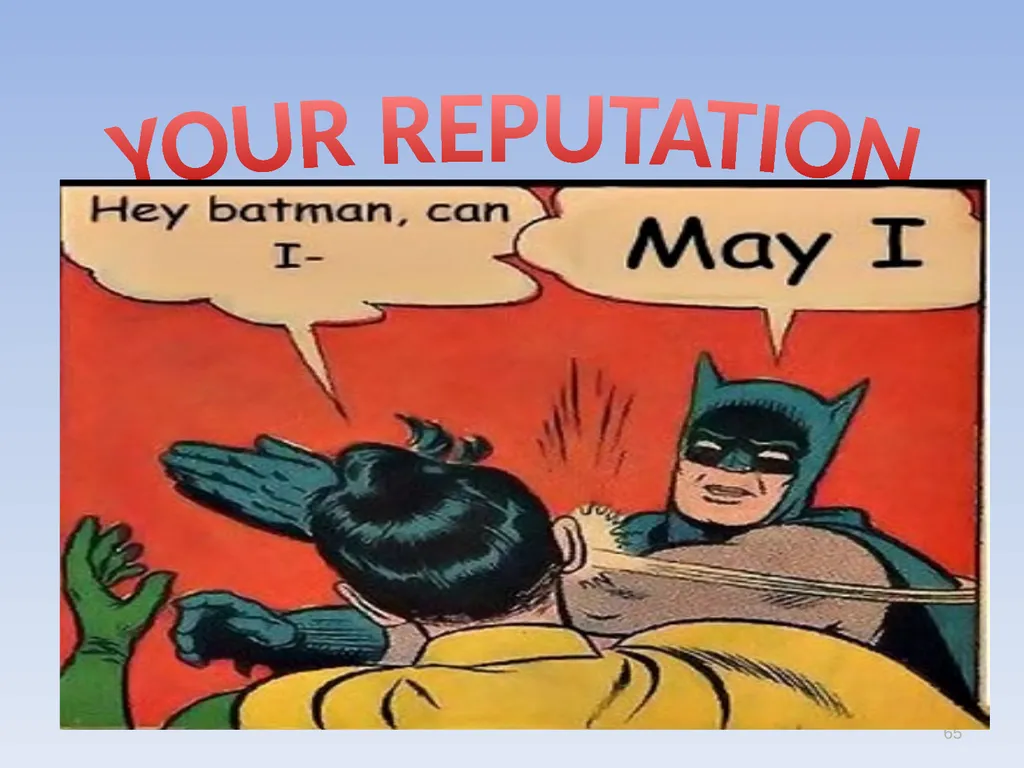
slide65. “They might not know your face, but they will know your name from the multiple reports that slide across their desk.”
Sgt. Dave Winslow (Ret.) 65 YOUR REPUTATION<br>
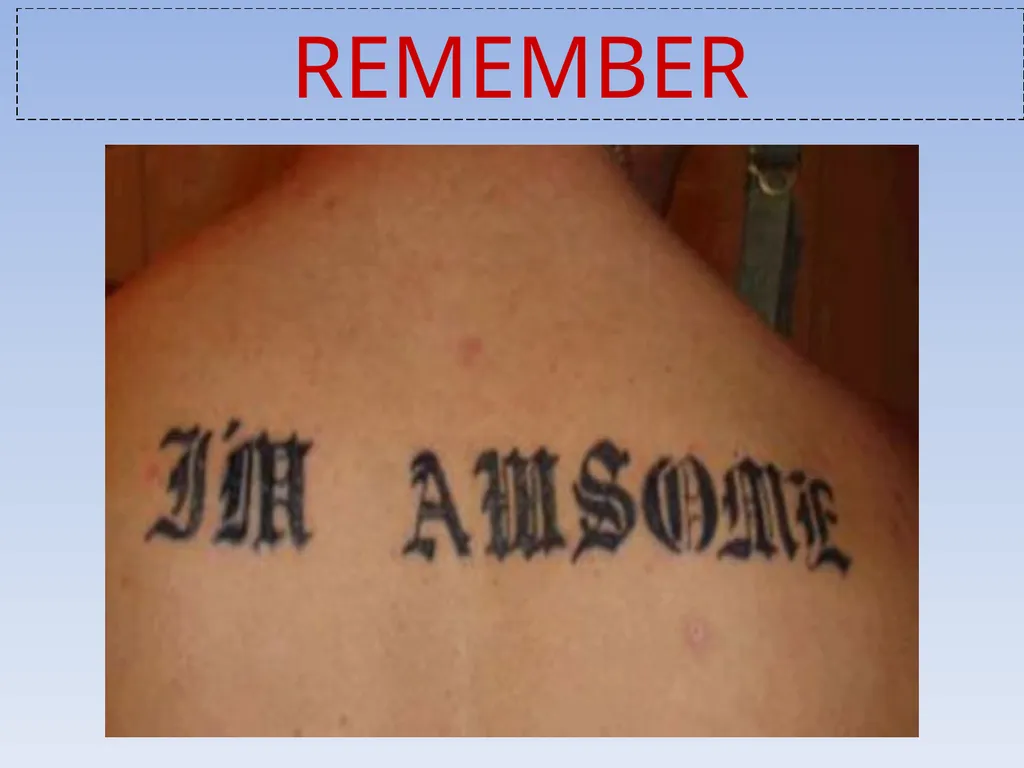
slide66. REMEMBER On the written page, being
clear and concise
is more important
than being
impressive, brilliant,
literary, or academic.<br>
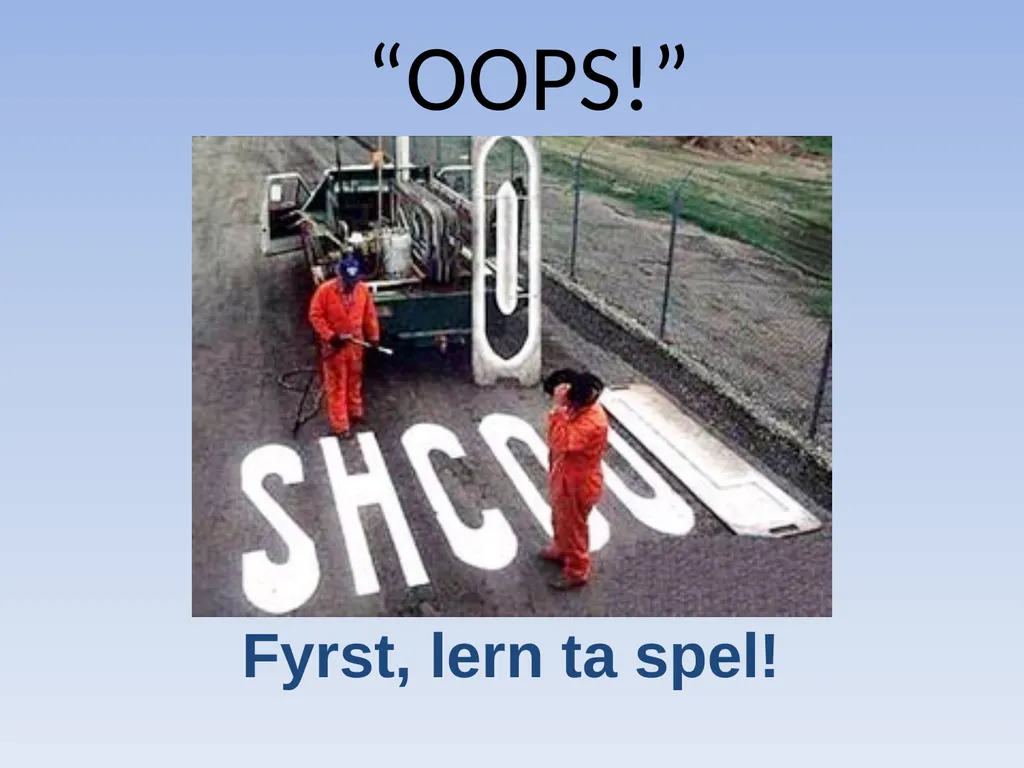
slide67. Fyrst, lern ta spel! “OOPS!”<br>
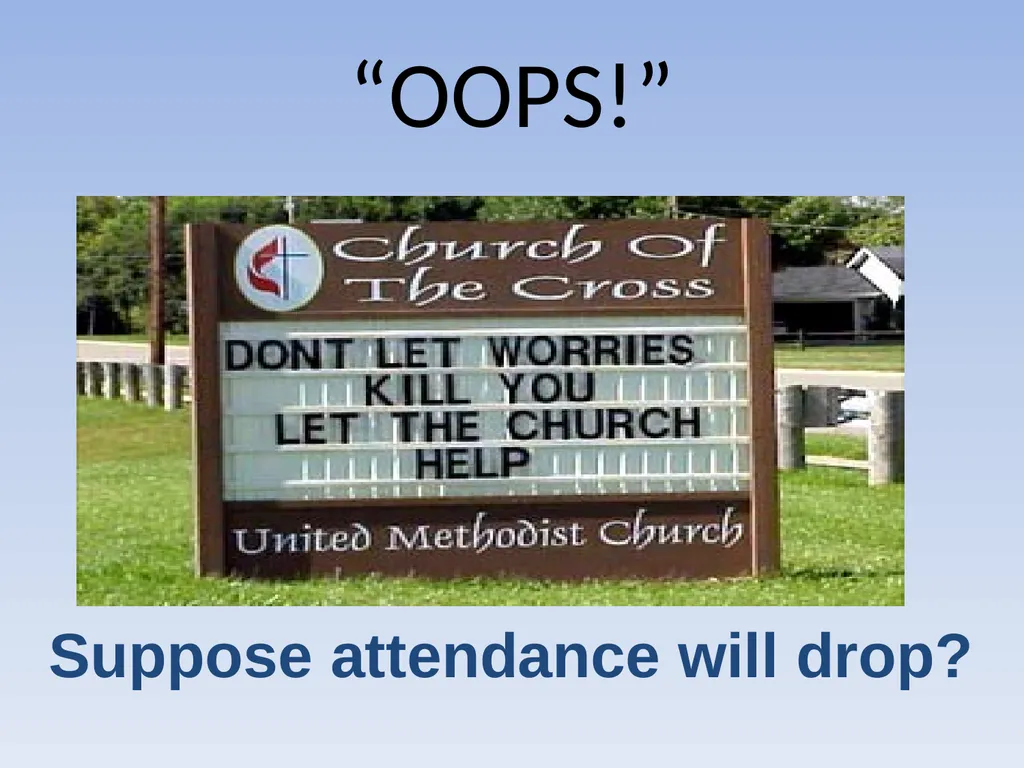
slide68. Suppose attendance will drop? “OOPS!”<br>
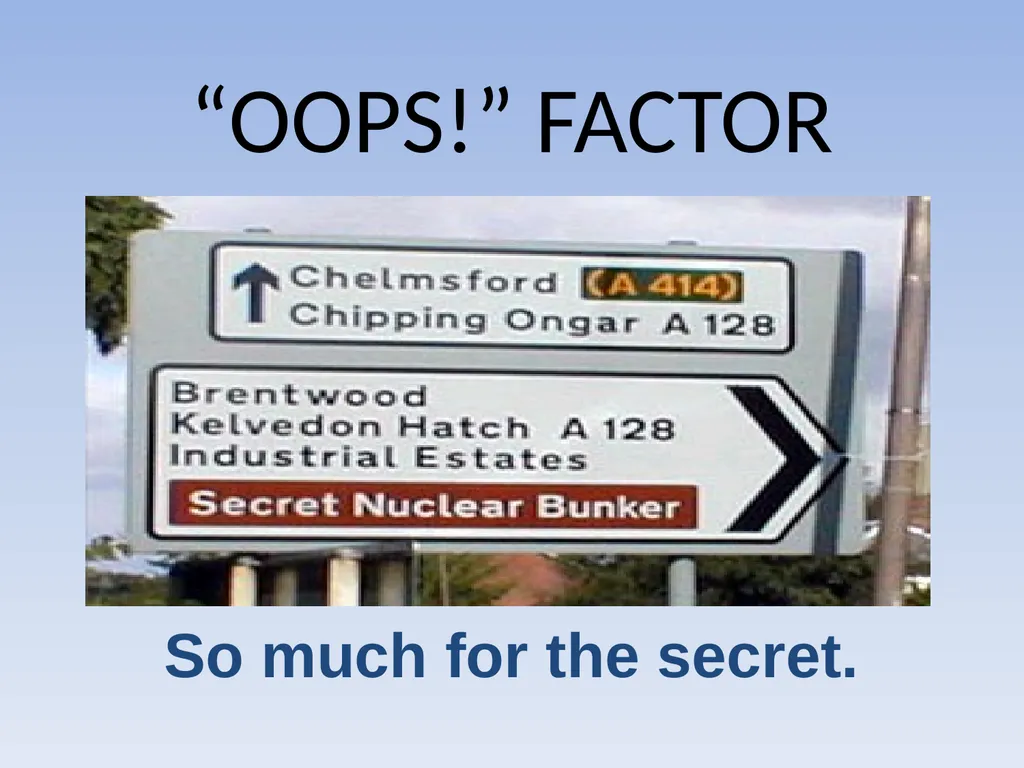
slide69. So much for the secret. “OOPS!” FACTOR<br>
slide70. New product offering? “OOPS<br>
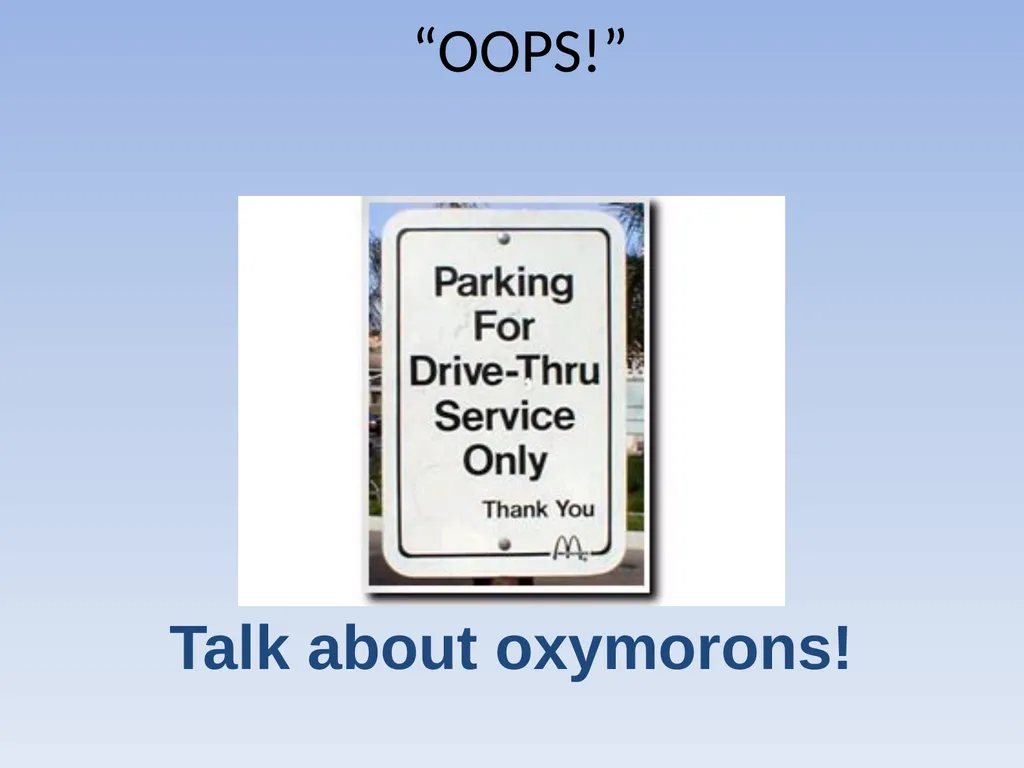
slide71. Talk about oxymorons! “OOPS!”<br>
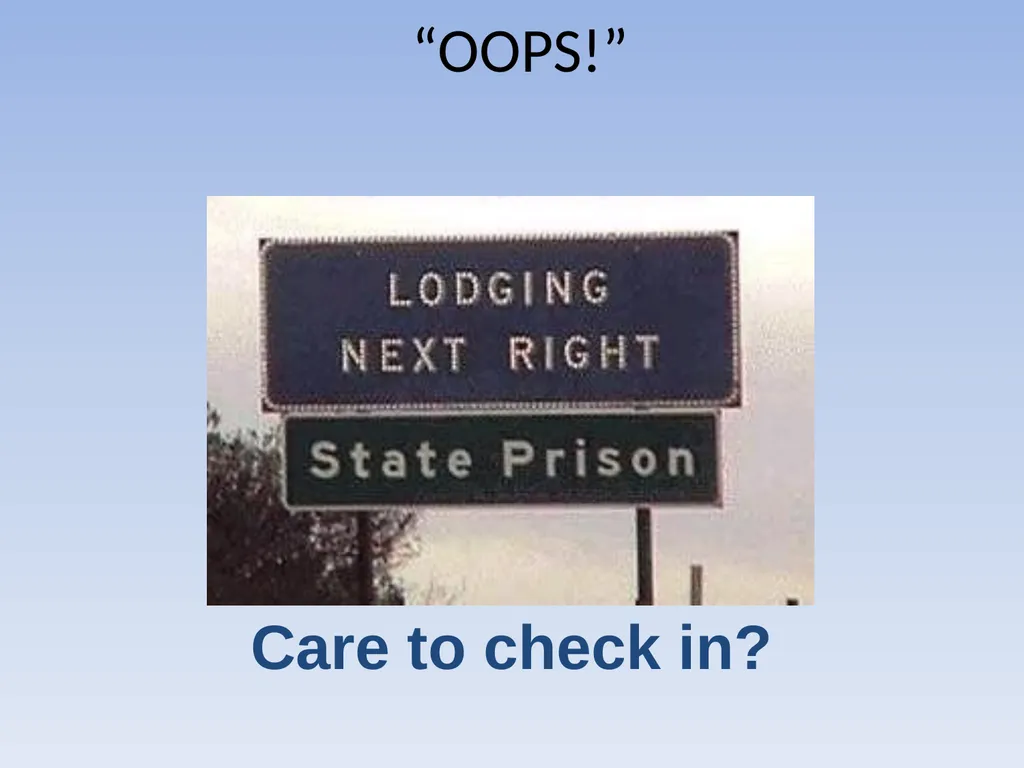
slide72. Care to check in? “OOPS!”<br>
slide73. QUESTIONS<br>
slide2. Performance Objectives NAC 289.160
Please refer to your POST Performance Objectives.<br>
slide3. PUPOSE OF POLICE REPORTS State facts of a crime
Witness to a certain event
Obtain a conviction
An investigation process
One of the most important, yet often ignored aspects of police work, is report writing.<br>
slide4. Who will read my reports? Supervisors
Judges
Attorneys
Media
Warden
Peers
Just about anyone you can think of.<br>
slide5. What's wrong with it? Doxycycline is primarily bacteriostatic and is thought to exert its antimicrobial effect by the inhibition of protein synthesis. Doxycycline is active against a wide range of gram-positive and gram-negative organisms.<br>
slide6. Reports The writing of reports is not to entertain or be creative. It is to communicate and maintain records
Recent articles on the topic of report writing suggests that writing is a method of recording and communicating ideas through a system of visual marks.<br>
slide7. Importance of Reports Reports provide a means for maintaining official records of events and incidents, including those actions that officers may have done or may have been unable to do, or simply failed to do. Law enforcement reports are important documents and must be understood as representing official records or specific agencies.<br>
slide8. NOTE TAKING<br>
slide9. Why Take notes The information you collect will be used to refresh your memory in preparation for writing a formal report on a field interview /event.
Date/time/location of incident
Witnesses, Suspects, Victims
What happened
Evidence<br>
slide10. NOTETAKING You will most likely have to write your notes quickly- you don’t need to write down every word someone says, but make sure they are accurate and concise.
Use abbreviations and leave out unnecessary words such as a, an, and the.<br>
slide11. NOTETAKING Every officer should be prepared to take notes in the field
Have a pen and notepad available at all times.
Take sufficient notes- paper is cheap and abundant, but shame and embarrassment can be expensive.
Make sure your notes are legible<br>
slide12. NOTETAKING While writing your field notes at the scene, be sure to think ahead of what you will need to write and include in your report.
Review your notes to be sure you covered all 6 elements
If an element is missing, it will require follow up<br>
slide13. Discuss and distinguish between: Opinion vs. Fact
What is a conclusion?<br>
slide14. Opinions An opinion is a belief; it is normally subjective, meaning that it can vary based on a person's perspective, emotions, or individual understanding of something.<br>
slide15. Facts A fact is a statement that is true and can be verified objectively, or proven. In other words, a fact is true and correct no matter what.<br>
slide16. INVESTIGATIVE REPORTS Who
Committed the crime
Was the victim
Are the witnesses
Reported the incident
What
Happened
Evidence exists
When
Did the incident/crime occur
Was the incident/crime reported Where
Did the incident/crime occur
Is there evidence
How
Did the incident/crime occur
Was the incident/crime discovered
Were Supervisors/staff notified
Why
Did the incident occur (if known)<br>
slide17. Fundamental Elements in Reports Initial information
Identification of the crime to include all elements of the crime
Identification of involved parties
Victim/witness statements
Crime scene specifics
Property information
Officer actions<br>
slide18. Initial Information How the Officer came to notice the arrestee (radio call, routine observations, a tip)
What led the Officer to stop and detain the person (weaving while driving, bizarre behavior, running from a ringing alarm while carrying a blue-ray player)
Date, Time, Location<br>
slide19. Establishing the Elements of a Crime By establishing, the elements of a crime, the “who, what, where, why, and how”, will be used to prosecute the defendant, in a court built on the reasonable doubt theory. If the crime cannot be proven, there is no case.<br>
slide20. Identification of Involved Parties Victims
Suspects
Witnesses<br>
slide21. Victim and Witness Statements Descriptive statements based on comments the Officer solicited from crime victims and nearby witnesses
Typically written in a looser, paraphrased style
"The witness told me he was sitting on the bus bench when he saw the suspect run up and knock the victim to the ground. ..."<br>
slide22. Crime Scene Specifics Detailed description of scene upon approach, including anything unusual and out of place
Weather and environment conditions
Evidence observed, its location, condition, or anything remarkable about the item<br>
slide23. Property Information Inventory of any evidence recovered at the scene or taken from the suspect, including the disposition of the evidence
"One small plastic bag containing a green leafy material, removed from the suspect's right front pants pocket. Impounded at the station on Tag #1234."<br>
slide24. Officer Actions What actions the Officer took to apprehend the person
Why the Officer took the actions to apprehend the person<br>
slide25. The Value of Reports 25 Reports provide the data needed to investigate and apprehend criminals and to solve crimes. Investigators and officers frequently use reports to refresh their memory before testifying in court. Trials and court hearings may occur months or years after an incident or arrest. A well-written report can make an officer’s testimony much more accurate and valuable. . A poorly written or inaccurate report can create doubt in the mind of the jury as to the veracity or competence of the officer.<br>
slide26. What reports can do for your agency. Provide a written record and a readily accessible memory bank of police facility business and information.
Refresh an officer’s memory regarding further investigation and administration.
Provide a means of controlling communication throughout the department associated agencies.
Provide a database of information for solving similar crimes, perhaps committed by the same criminal or inmate.<br>
slide27. What reports can do for your agency. Furnish a base of accurate statistical information on which decisions about resource allocation and policy may be based.
Aid in identifying criminal, problem, or behavioral patterns, which in turn allows the development of intervention plans.
Aid in assessing the effectiveness of personnel distribution and analyzing overall agency operations.
Assist in identifying unusual or periodic intra-agency problems.<br>
slide28. What reports can do for your agency Assist in documenting needs for budget requests and justifications.
Produce statistical information to be contributed it local, state, or FBI crime databases.
Provide a vital tool for an agency in carrying out its varied objectives.
Provide a source of accurate, detailed, and succinct information to prosecute a criminal or inmate where a law has been violated.<br>
slide29. Basic Writing Elements Spelling and Jargon
Verb tense
Passive/ Active Voice
Pronoun Agreement
1st/3rd person writing
Gender Neutrality
Verbiage/legalese
Accuracy/Consiseness/Clarity<br>
slide30. Spelling and jargon use When writing on a computer, most word processing programs will have a spelling and grammar check that will automatically underline a misspelled word, usually in red.
Similarly, avoid using jargon/slang; these are specialized terms with specific meanings associated with a particular occupation or profession.<br>
slide31. Examples of Jargon/Slang Shank
Pruno
Code 4
I/M (inmate)
Stinger
Cellie
When slang or jargon is used, it should be only when the subject of the report has used these terms, and you are quoting directly.<br>
slide33. Verb Tense Three major tenses tend to be used in report writing: present, past, and future.<br>
slide34. Active and Passive Voice Construction Active voice allows the reader to understand who did what to whom.<br>
slide35. Pronoun Agreement Pronouns are words that are used to take the place of, or to refer back to, nouns or some other pronoun.<br>
slide36. 1st person vs. 3rd person Writing Although many law enforcement agencies have traditionally instructed their new officers to draft reports using third person but Law enforcement officers must take ownership of their statements by using the first person in their reports. A style of writing where the writer uses “I” to describe what he or she observed, did, or said, and what was told to him or her by others.<br>
slide37. 1ST VS. 3RD PERSON 1st person On July 23, 2012, Officer Evans and I conducted a home contact at Mr. Fillmore’s residence. Upon entering the residence I noticed numerous probation violations. As Fillmore was putting his dog in the bathroom, I noticed he was fumbling with something which he placed in his pants pocket. I placed Mr. Fillmore in handcuffs, checked for tightness, and double locked to prevent over tightening. 3rd person On July 23, 2012, officers of the Division conducted a home contact at Mr. Fillmore’s reported residence. Immediately upon entering the residence officers noticed numerous pocket knives and several alcohol bottles. Mr. Fillmore was seen sneaking something into his pocket while putting his dog away, and was subsequently placed in handcuffs.<br>
slide39. Gender Neutrality Gender neutrality refers to language that neither stereotypes either sex nor appears to be referring to only one sex when that is not the writer’s intention.
In the early 1980s, most writers, and certainly most reports written by law enforcement agencies, used “he” and “him” as universal terms that applied both to males and females.
Accurate gender neutrality can be accomplished by using the proper pronoun for each specific sex when the gender of the individual is known and relevant in the writing<br>
slide40. Excessive Verbiage and Legalese Reports need to be written is a certain manner:
Clear
Concise
Accurate
Objectively
When writing in a passive voice, it is easy to use too many words or write in a confused or verbose manner, termed excessive verbiage<br>
slide41. Legalese Many agencies encourage the convention of using legalese in their efforts to sound both objective and professional. Unfortunately, these efforts often result in the writing sounding unnatural, mechanical, and difficult to understand.<br>
slide42. Example of legalese The suspect entered the house by breaking the window and unlatching the lock [clear writing].
The perpetrator used stealth to gain entry to the edifice, deploying an implement to break the glass, thereby permitting the unlatching of the lock [legalese].<br>
slide43. Accuracy and Factual Statements Law enforcement reports should include clearly worded, accurate facts about what is going on, who is present, and what was observed, actual behavior.
Do not add personal opinions
Avoid adding “furtive gesture”
Anything that would confuse the reader<br>
slide44. Accuracy<br>
slide45. Conciseness and Clarity<br>
slide46. Conciseness is related to an economy of words used in a report.
Reports should not be super wordy in their construction.
Be mindful about writing long, unwieldy and run-on sentences that are not only grammatically inaccurate but also very hard to follow.
On the other hand, do not write in such an abbreviated or stilted fashion that sentences do not provide sufficient information to accurately convey the facts, or the necessary elements of a crime or incident.
The better the writing, the clearer the information will be conveyed. Clarity has to do with clear, concisely created sentences.<br>
slide47. Reading and Writing Go Hand in Hand Two things go hand in hand when it comes to good writing—reading and practice writing
. The more you read, the better your writing becomes<br>
slide48. Always proofread your reports never rely solely on a computer’s grammar and spelling check tool. There is no shortcut to a real physical proofreading of your work.<br>
slide49. PROOFREADING<br>
slide50. QUOTATIONS EFFECTIVE Mr. Fletcher stated his wife was home when he got back from dinner. He added, “That bitch kept running her mouth so I stabbed her over and over to shut her the fuck up.” INEFFECTIVE I asked Mr. Fletcher where he was earlier that evening and he said, “Taco Bell”. I asked what he did after his dinner and he stated, “went home”. He later admitted to stabbing his wife several times.<br>
slide51. Organize Information Reports should be written in an organized manner as to create clarity for the reader.
Write in a chronological order.
A report should tell what happened in the order the events took place.
All the facts should be gathered and then listed in the order in which they happened.
It is much easier to understand what happened if the details are written in a chronological order, even if the people involved do not tell you the information in chronological order.<br>
slide52. Language Selection Good reports avoid wordiness by doing the following:
Using simple words
Using an active voice
Avoiding wordy phrases
Avoiding redundancy
Accuracy involves detail, so be sure sentences are specific enough to give the reader a clear picture.<br>
slide53. Detail The inmate was acting aggressively. (how?)
The inmate was being disruptive. (how?)
The inmate repeated punched the inmate. (where?)<br>
slide54. A Complete Report Missing information can be used to infer you are:
Not very professional
Not thorough
Do not have certain expertise
Not truthful<br>
slide55. Commonly used words that sound alike Homonyms are two words that sound like each other but have different meanings.
Many people make mistakes with them.
Be careful when you read and write these words.<br>
slide56. Homonyms here- in this place. Please come here.
hear- using your ears to listen. Do you hear that?
capital- this has a few different meanings. One means a big letter in the alphabet.
capitol- the place where the government resides. The capitol of the United States is Washington, D.C.
they're- they + are. They're from Canada.
their- something belongs to "them." This is their car.
there- in that place. The park is over there.<br>
slide57. Prepare to Write reports<br>
slide58. Organizing and Writing Types of Police Reports
Type one: In this type of report, your narrative may be very brief because you don’t do an investigation or make an arrest. You simply record the facts.
In Type 1, the officer is primarily a recorder. (Incident reports fall into this category.) Someone calls to report a crime, and you write down what happened.<br>
slide59. Organizing and Writing Types of Police Reports
Type two: Adds the officer’s investigation to the “who, what, when, where, why” that’s required in a basic Type 1 report. You will write a Type 2 report any time you took action at the scene: Searching for the point of entry, or taking fingerprints, or doing a sobriety test—any action you used to gather information.<br>
slide60. Organizing and Writing Types of Police Reports
Type three: The officer becomes a participant. You might intervene in a domestic dispute, settle a fight in a bar, or chase a person suspected of robbing a convenience store. Now you have to report not only what others did, but what you did. Often you’ll make an arrest; other possibilities are calling for a backup or medical assistance. You might also ask protective services to get involved. The complications here are that there’s a back story—what happened before you arrived—that has to be coordinated with your story, plus the additional challenge of demonstrating that you followed procedures and guidelines.<br>
slide61. Organizing and Writing Types of Police Reports
Type four: The officer sets the story in motion. There’s no back story. You see a crime in progress and intervene. For example, you might see an erratic driver and make a traffic stop. Since you set the investigation in motion, you have to be particularly careful to establish probable cause for getting involved. Type 4 reports can also be challenging because you have to justify becoming involved.<br>
slide62. Five TIPS FOR WRITING REPORTS EFFICIENTLY 1. Use simple language.
2. Stick to observable facts.
3. Write in paragraphs.
4. Use active voice.
5. Use bullet style.<br>
slide63. Conclusion In conclusion, report writing could easily be argued that it’s a very important aspect of officer survival in the workplace. As much as one might hate it, writing reports is perhaps one of the most important skills an officer need.<br>
slide64. FAILURE TO REPORT - Consequences if you fail to write a report, falsifying a report, or writing an inaccurate report.
-Lose your job
-Possible Prosecution
-Lose trust of your department and colleagues.
-Unethical<br>
slide65. “They might not know your face, but they will know your name from the multiple reports that slide across their desk.”
Sgt. Dave Winslow (Ret.) 65 YOUR REPUTATION<br>
slide66. REMEMBER On the written page, being
clear and concise
is more important
than being
impressive, brilliant,
literary, or academic.<br>
slide67. Fyrst, lern ta spel! “OOPS!”<br>
slide68. Suppose attendance will drop? “OOPS!”<br>
slide69. So much for the secret. “OOPS!” FACTOR<br>
slide70. New product offering? “OOPS<br>
slide71. Talk about oxymorons! “OOPS!”<br>
slide72. Care to check in? “OOPS!”<br>
slide73. QUESTIONS<br>