04
What exactly are hormones? Hormones are chemical substances that act like messenger molecules in the body.
They are made in one part of the body (called glands) & travel via the blood to other parts of the body where they control how cells and organs do their work.
Hormones control body metabolism, growth & reproduction, among other functions.<br>
05
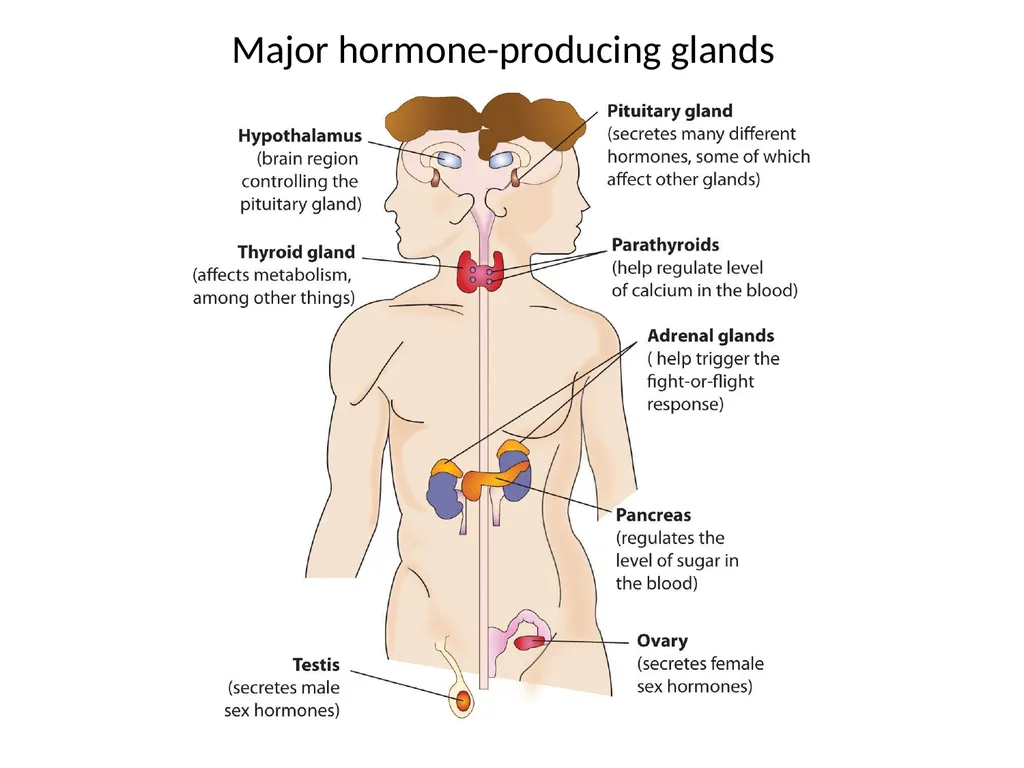
Major hormone-producing glands<br>
06
What does an endocrinologist do? An endocrinologist diagnoses and treats hormone problems and the complications that arise from them.
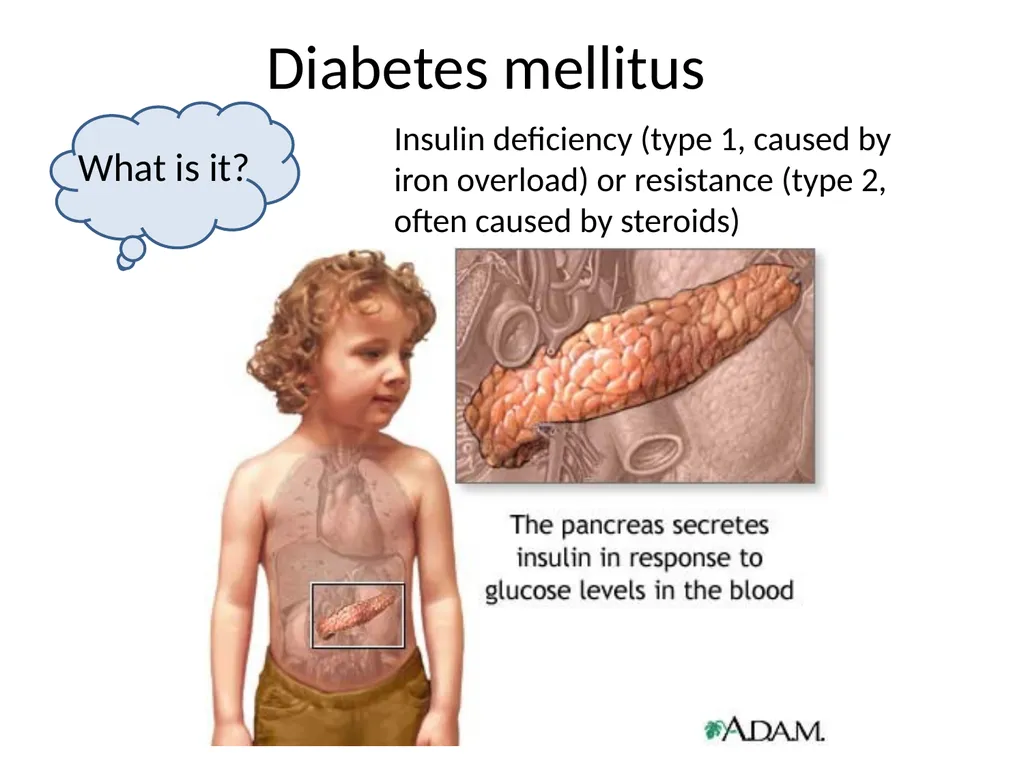
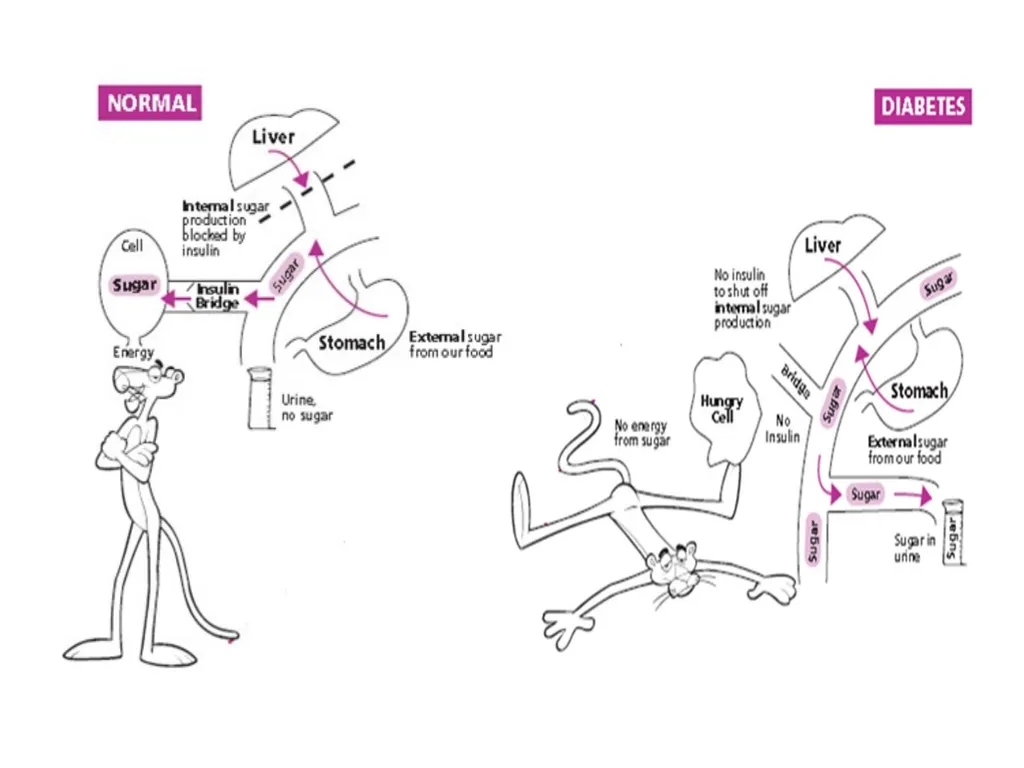
An example of a hormone is insulin made by the beta cells in the pancreas. Insulin regulates the body’s energy (glucose) supplies.
Without insulin, a person develops high blood glucose called diabetes mellitus
Endocrinologists are experts in treating diabetes<br>
07
The utility of rare disease registries For rare conditions, clear guidelines on how to manage the disease or its complications are seldom available.
A registry provides a unique opportunity to do systematic research.
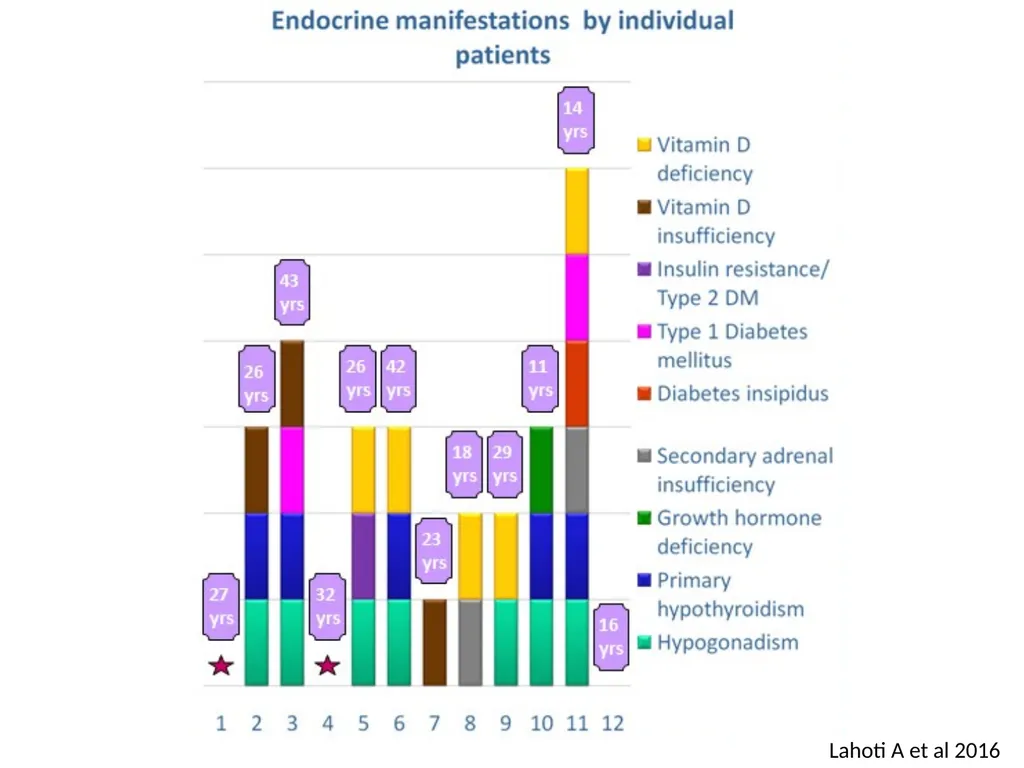
In collaboration with the DBA Registry we investigated the prevalence of hormone disorders in order to develop best practices.<br>
08
Lahoti A et al 2016<br>
09
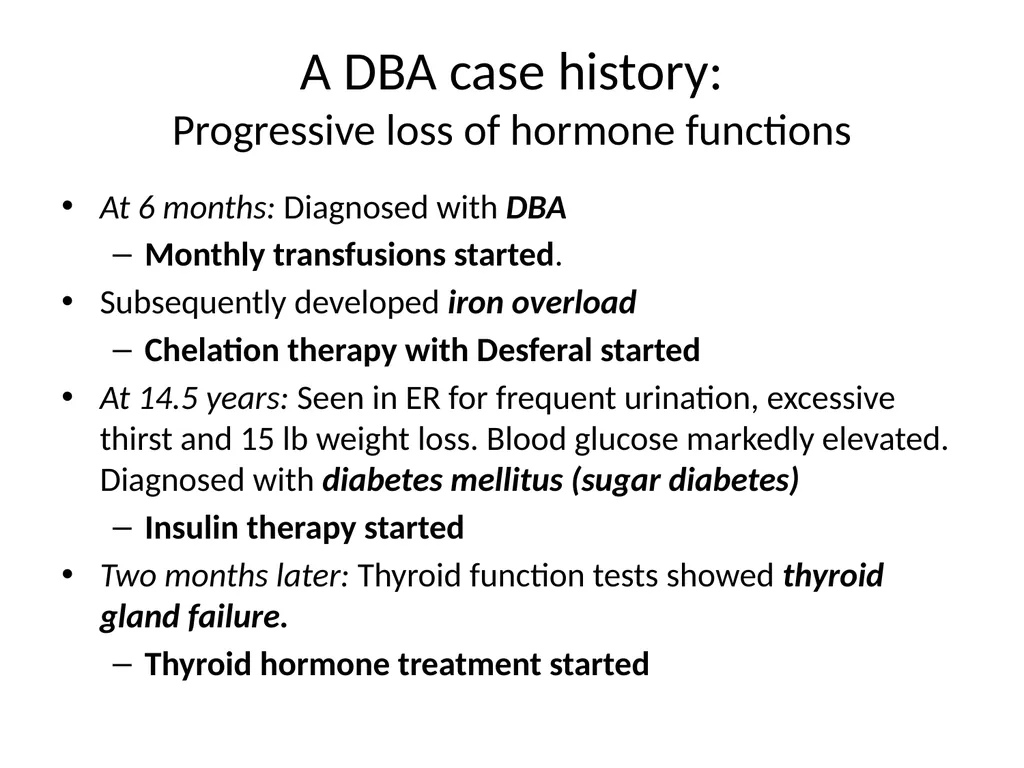
A DBA case history: �Progressive loss of hormone functions At 6 months: Diagnosed with DBA
Monthly transfusions started.
Subsequently developed iron overload
Chelation therapy with Desferal started
At 14.5 years: Seen in ER for frequent urination, excessive thirst and 15 lb weight loss. Blood glucose markedly elevated. Diagnosed with diabetes mellitus (sugar diabetes)
Insulin therapy started
Two months later: Thyroid function tests showed thyroid gland failure.
Thyroid hormone treatment started<br>
10
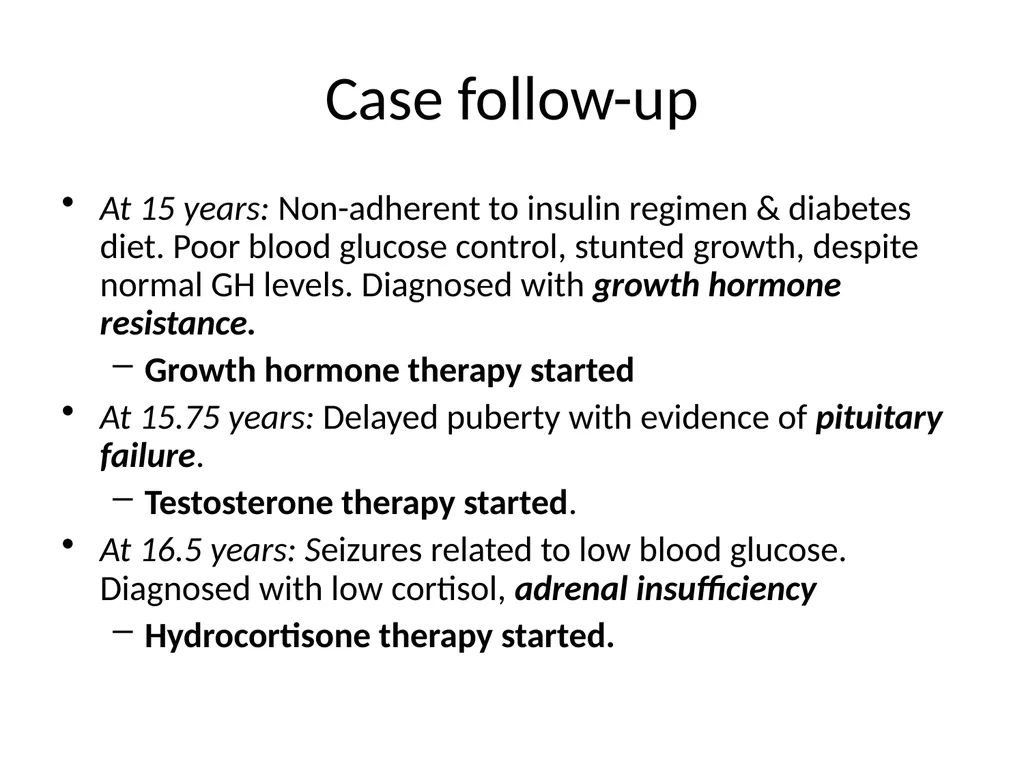
Case follow-up At 15 years: Non-adherent to insulin regimen & diabetes diet. Poor blood glucose control, stunted growth, despite normal GH levels. Diagnosed with growth hormone resistance.
Growth hormone therapy started
At 15.75 years: Delayed puberty with evidence of pituitary failure.
Testosterone therapy started.
At 16.5 years: Seizures related to low blood glucose. Diagnosed with low cortisol, adrenal insufficiency
Hydrocortisone therapy started.<br>
11
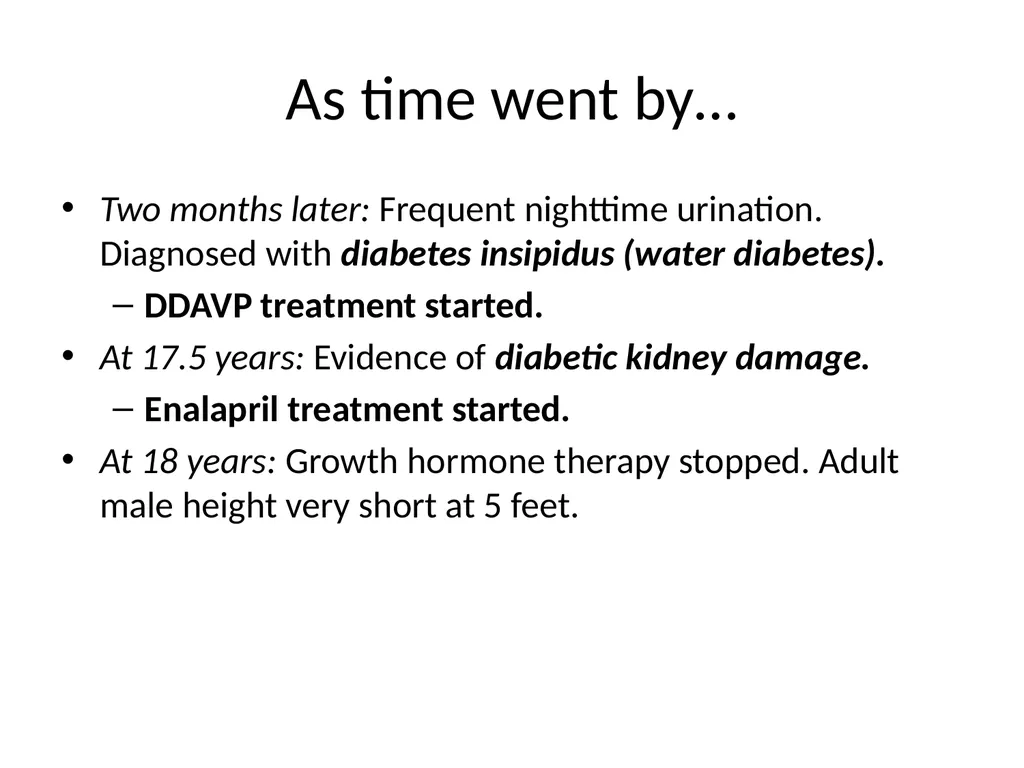
As time went by… Two months later: Frequent nighttime urination. Diagnosed with diabetes insipidus (water diabetes).
DDAVP treatment started.
At 17.5 years: Evidence of diabetic kidney damage.
Enalapril treatment started.
At 18 years: Growth hormone therapy stopped. Adult male height very short at 5 feet.<br>
12
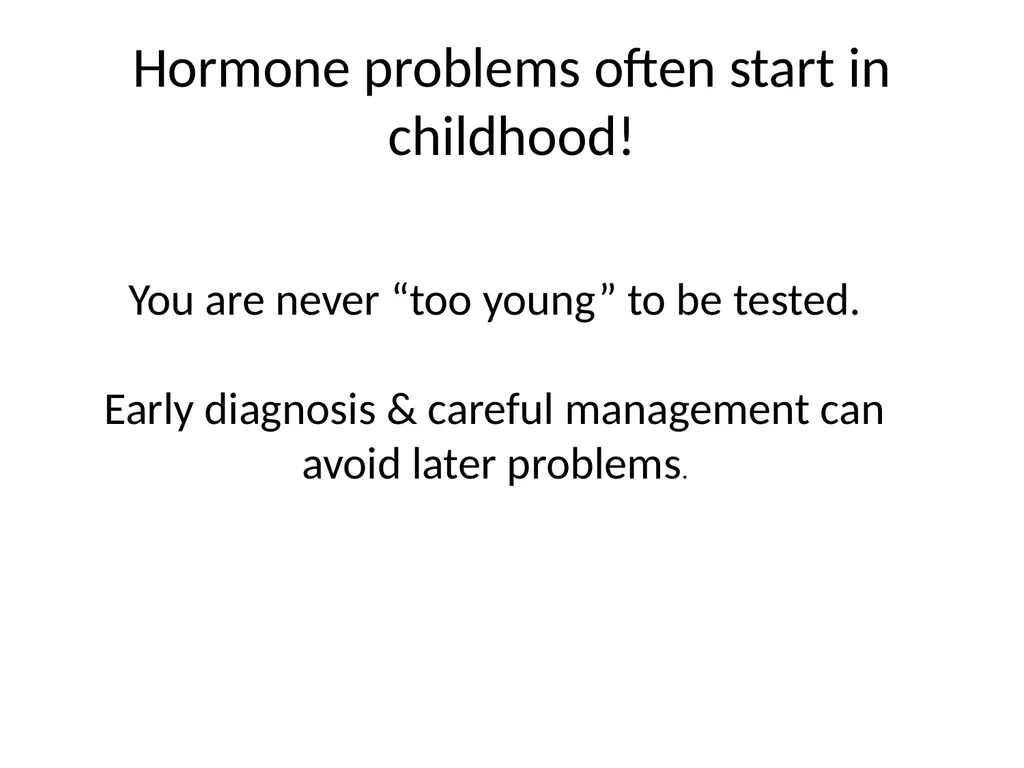
Hormone problems often start in childhood! You are never “too young” to be tested.
�Early diagnosis & careful management can avoid later problems.<br>
13
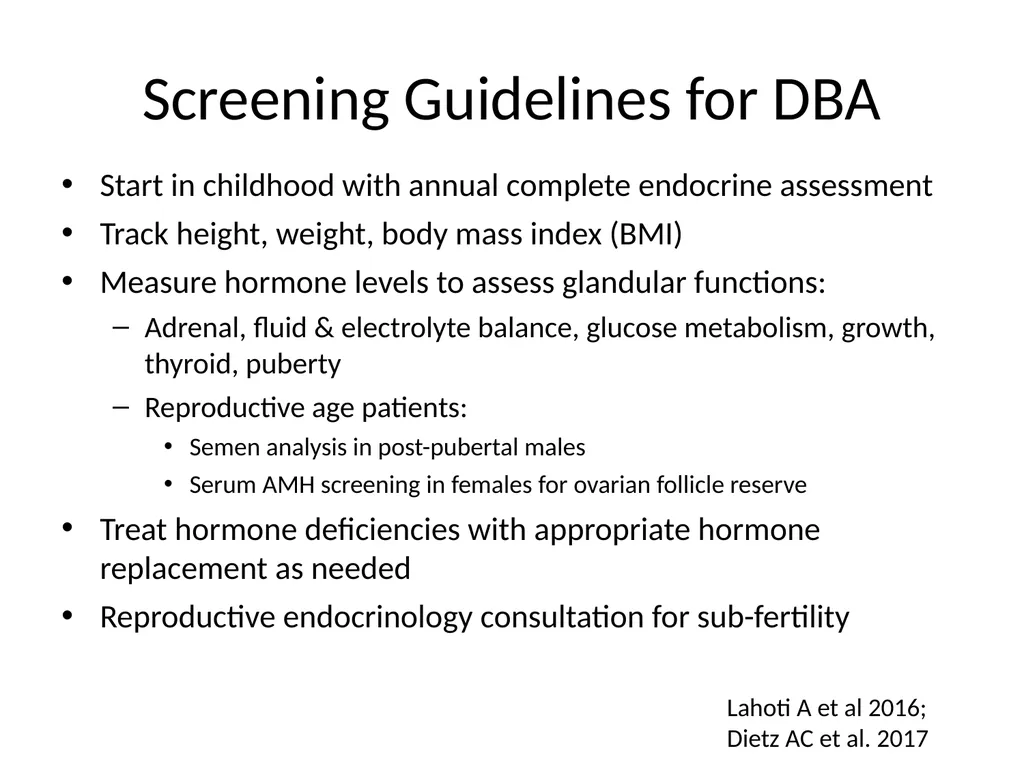
Screening Guidelines for DBA Start in childhood with annual complete endocrine assessment
Track height, weight, body mass index (BMI)
Measure hormone levels to assess glandular functions:
Adrenal, fluid & electrolyte balance, glucose metabolism, growth, thyroid, puberty
Reproductive age patients:
Semen analysis in post-pubertal males
Serum AMH screening in females for ovarian follicle reserve
Treat hormone deficiencies with appropriate hormone replacement as needed
Reproductive endocrinology consultation for sub-fertility Lahoti A et al 2016; Dietz AC et al. 2017<br>
14
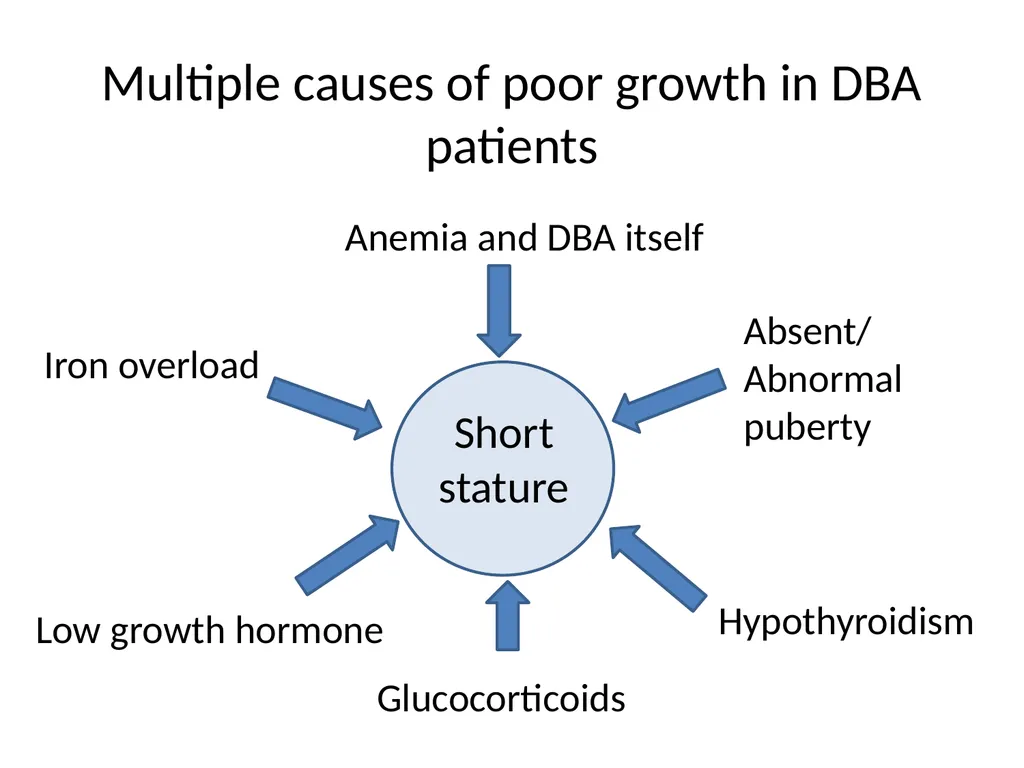
Multiple causes of poor growth in DBA patients<br>
15
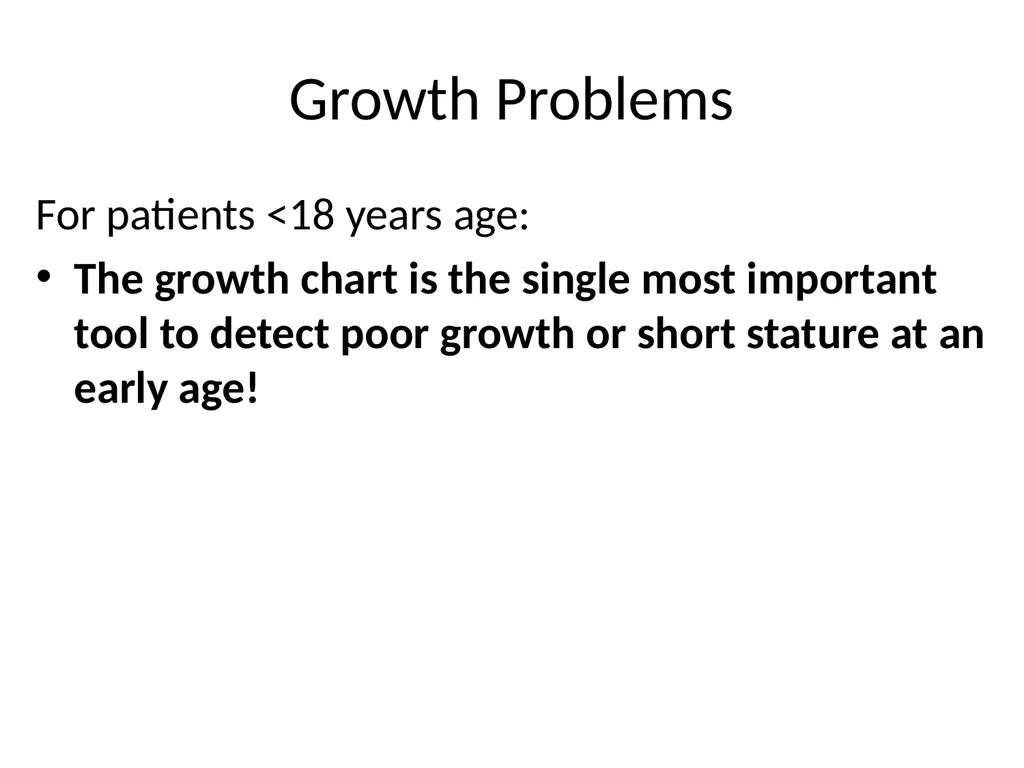
Growth Problems For patients <18 years age:
The growth chart is the single most important tool to detect poor growth or short stature at an early age!<br>
16
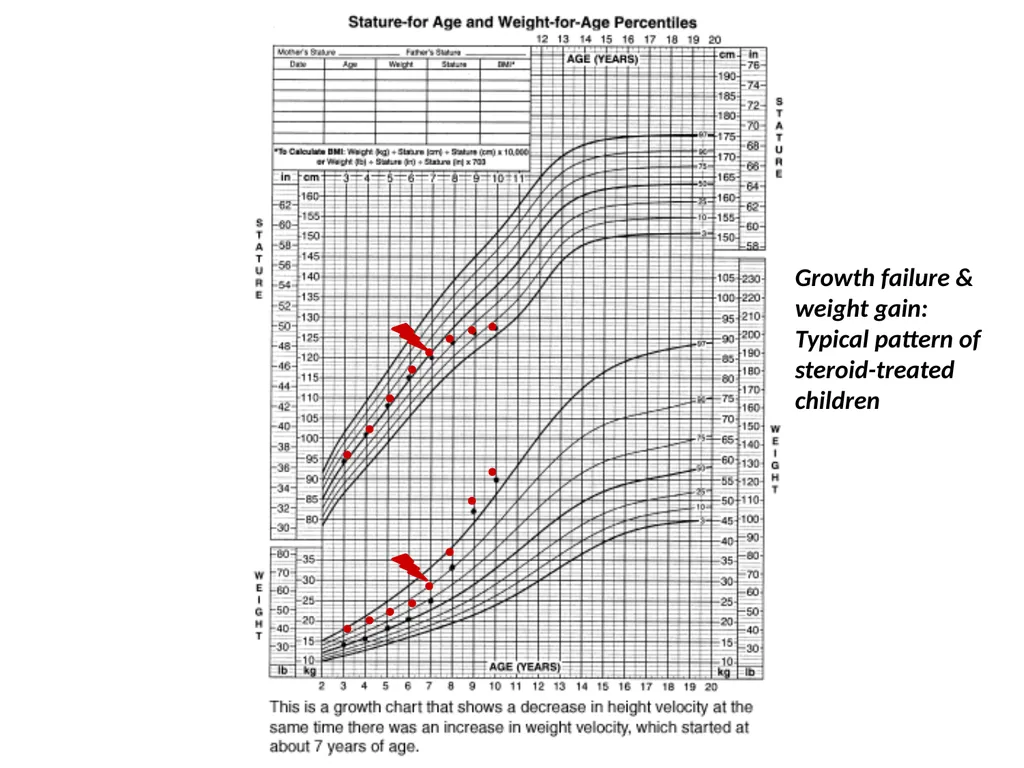
Growth failure & weight gain: Typical pattern of steroid-treated children<br>
17
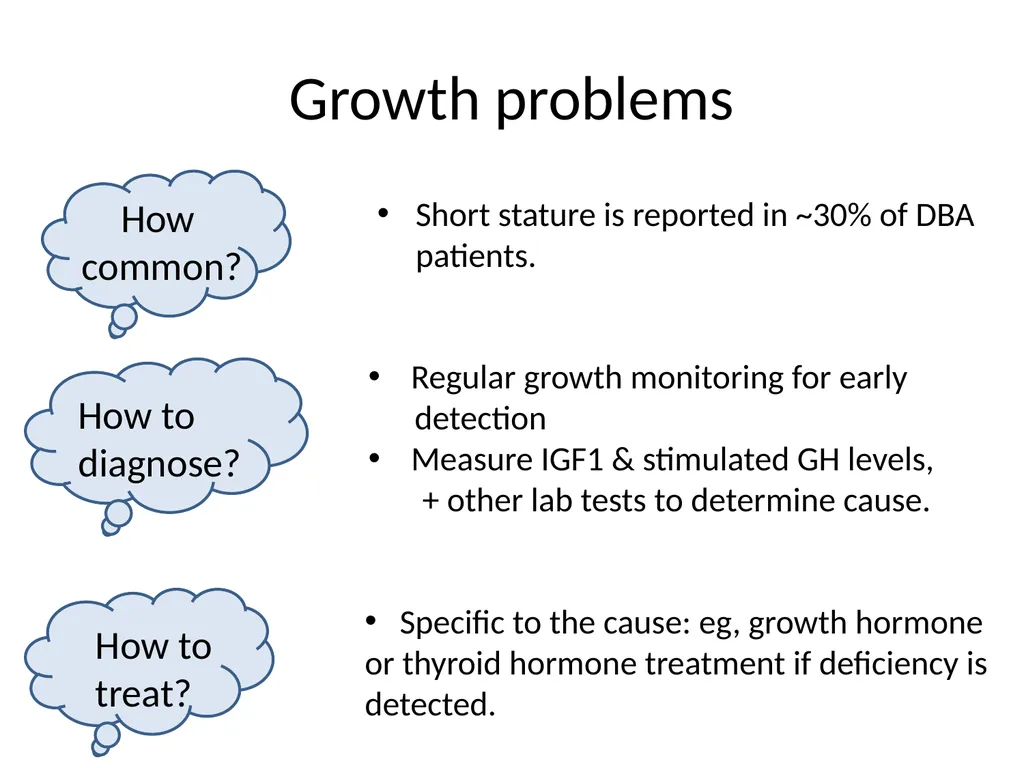
Growth problems Specific to the cause: eg, growth hormone or thyroid hormone treatment if deficiency is detected. Regular growth monitoring for early
detection
Measure IGF1 & stimulated GH levels, + other lab tests to determine cause. Short stature is reported in ~30% of DBA patients. How
common? How to
diagnose? How to
treat?<br>
18
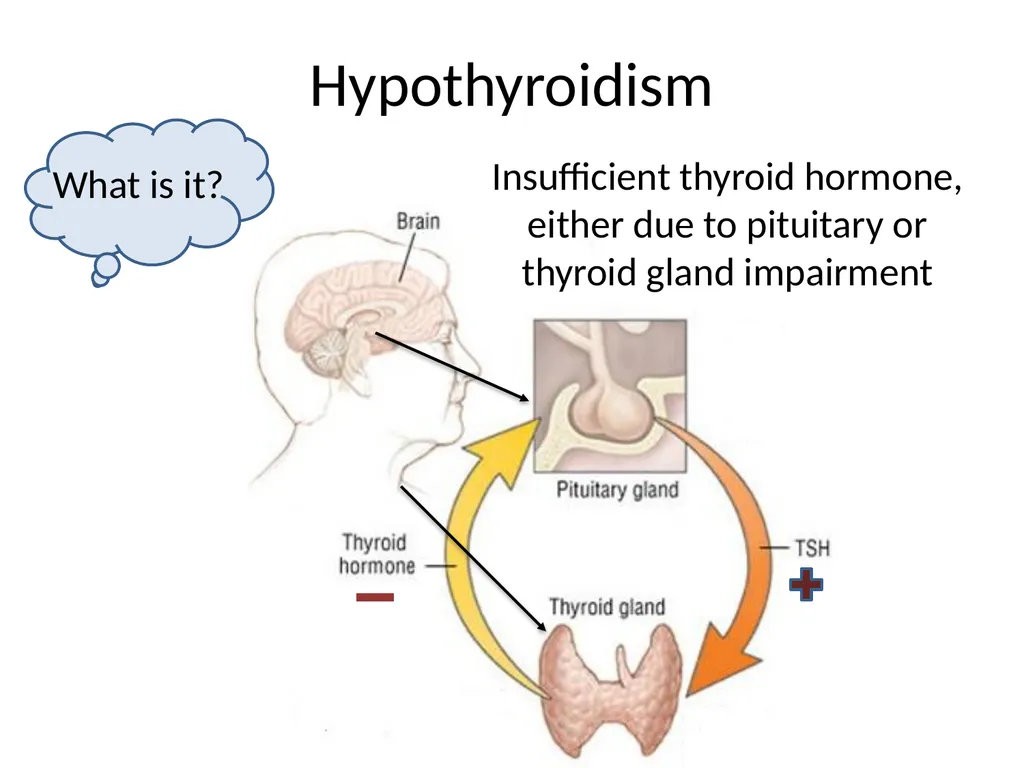
Hypothyroidism Insufficient thyroid hormone, either due to pituitary or thyroid gland impairment What is it?<br>
19
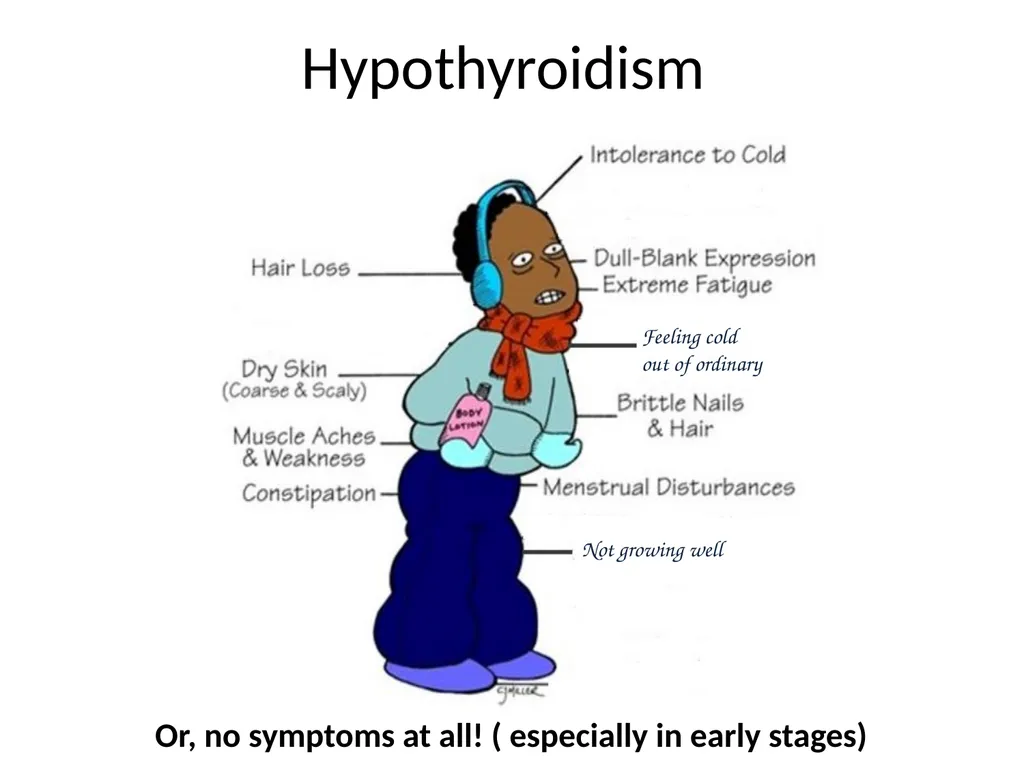
Hypothyroidism Or, no symptoms at all! ( especially in early stages) Not growing well Feeling cold
out of ordinary<br>
20
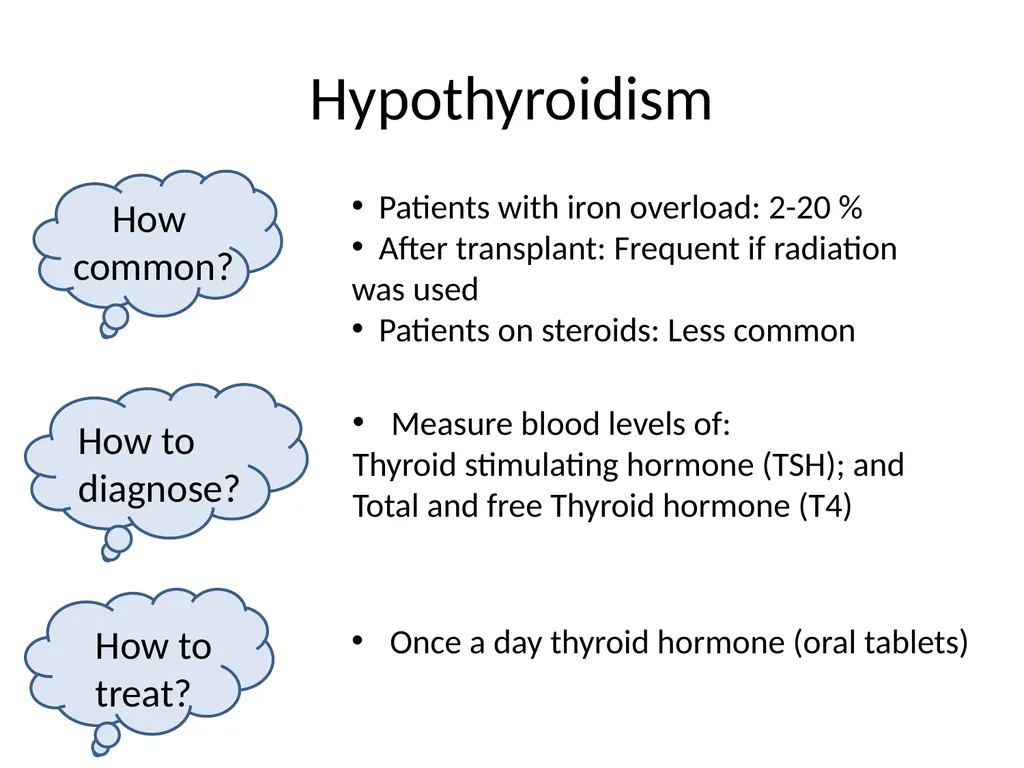
Hypothyroidism Once a day thyroid hormone (oral tablets) Measure blood levels of:
Thyroid stimulating hormone (TSH); and
Total and free Thyroid hormone (T4) Patients with iron overload: 2-20 %
After transplant: Frequent if radiation was used
Patients on steroids: Less common How
common? How to
diagnose? How to
treat?<br>
21
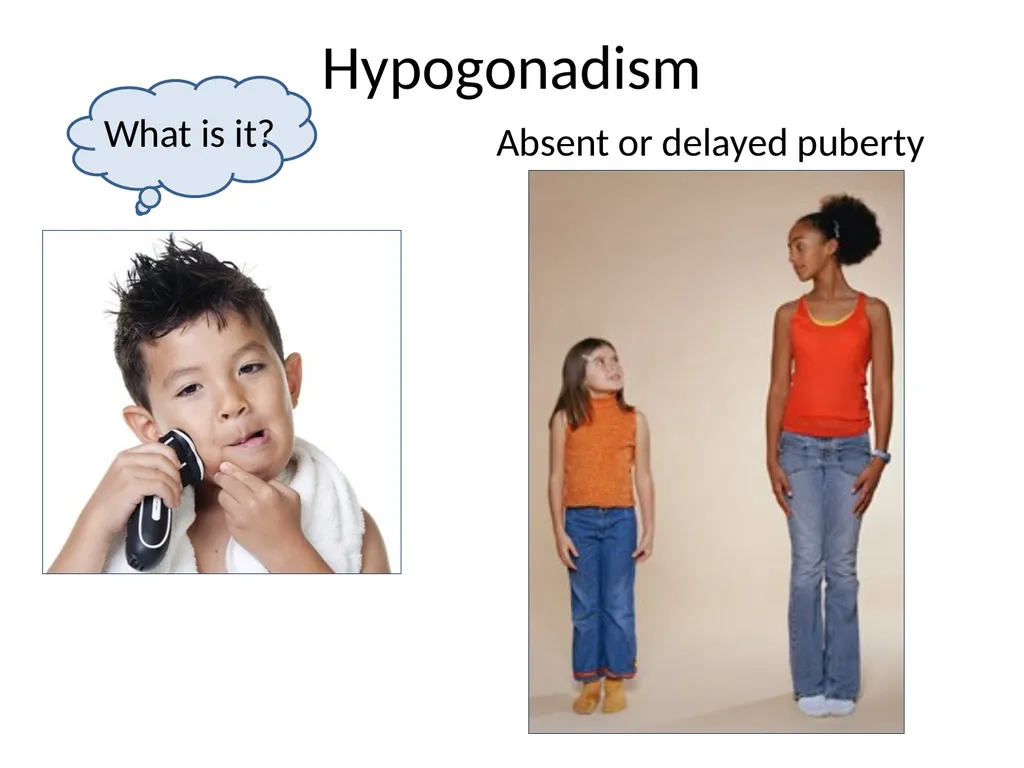
Hypogonadism Absent or delayed puberty What is it?<br>
22
Hypogonadism What is Delayed Puberty?
In girls, no breast development by 13 years, or no periods by 15 years or by 2 years after breast development.
In boys, no testicular enlargement by 14 years<br>
23
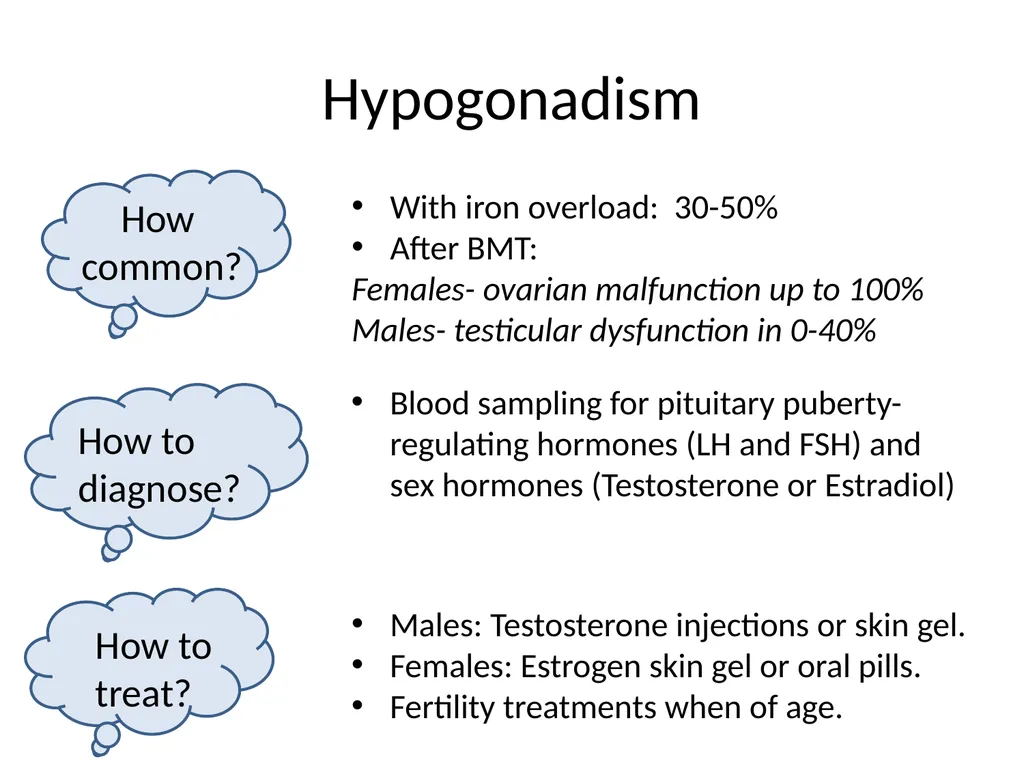
Hypogonadism Males: Testosterone injections or skin gel.
Females: Estrogen skin gel or oral pills.
Fertility treatments when of age. Blood sampling for pituitary puberty-regulating hormones (LH and FSH) and
sex hormones (Testosterone or Estradiol) With iron overload: 30-50%
After BMT:
Females- ovarian malfunction up to 100%
Males- testicular dysfunction in 0-40% How
common? How to
diagnose? How to
treat?<br>
24
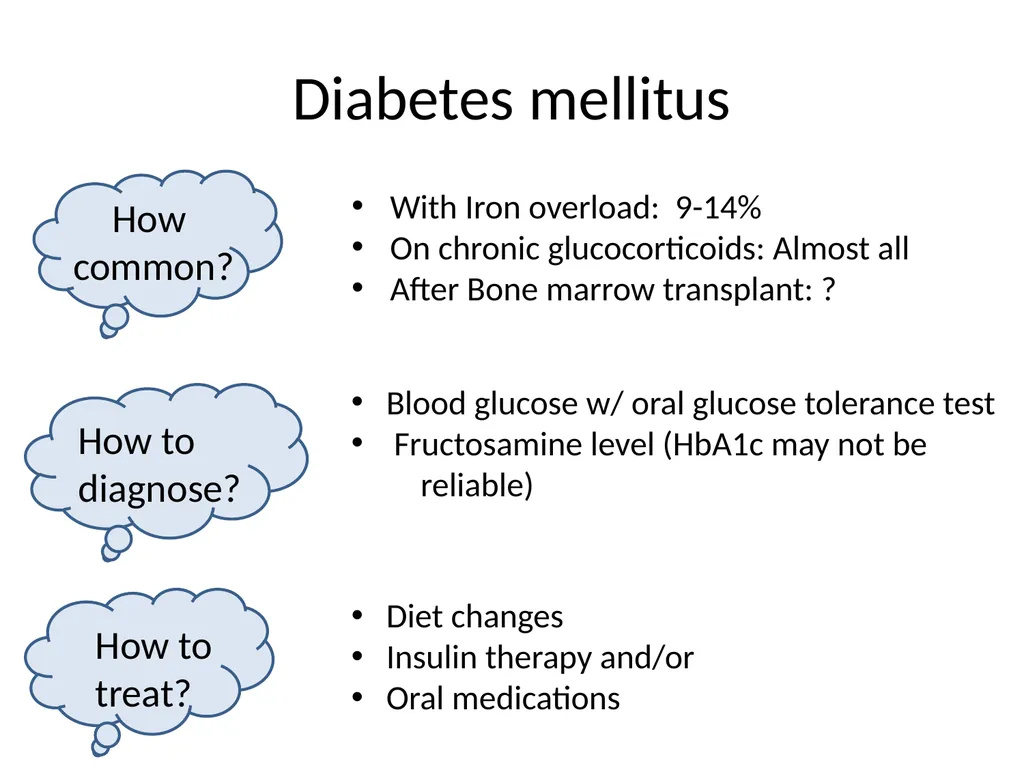
Diabetes mellitus What is it? Insulin deficiency (type 1, caused by iron overload) or resistance (type 2, often caused by steroids)<br>
25
Diabetes mellitus Diet changes
Insulin therapy and/or
Oral medications Blood glucose w/ oral glucose tolerance test
Fructosamine level (HbA1c may not be
reliable) With Iron overload: 9-14%
On chronic glucocorticoids: Almost all
After Bone marrow transplant: ? How
common? How to
diagnose? How to
treat?<br>
26
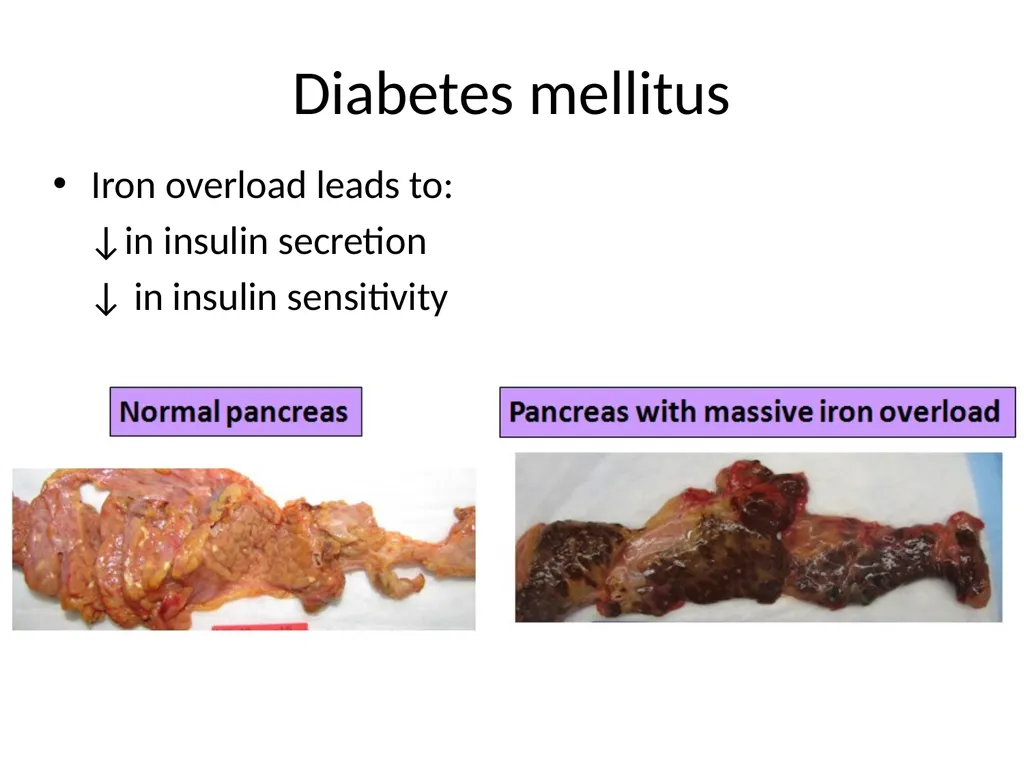
Diabetes mellitus Iron overload leads to:
↓in insulin secretion
↓ in insulin sensitivity<br>
27
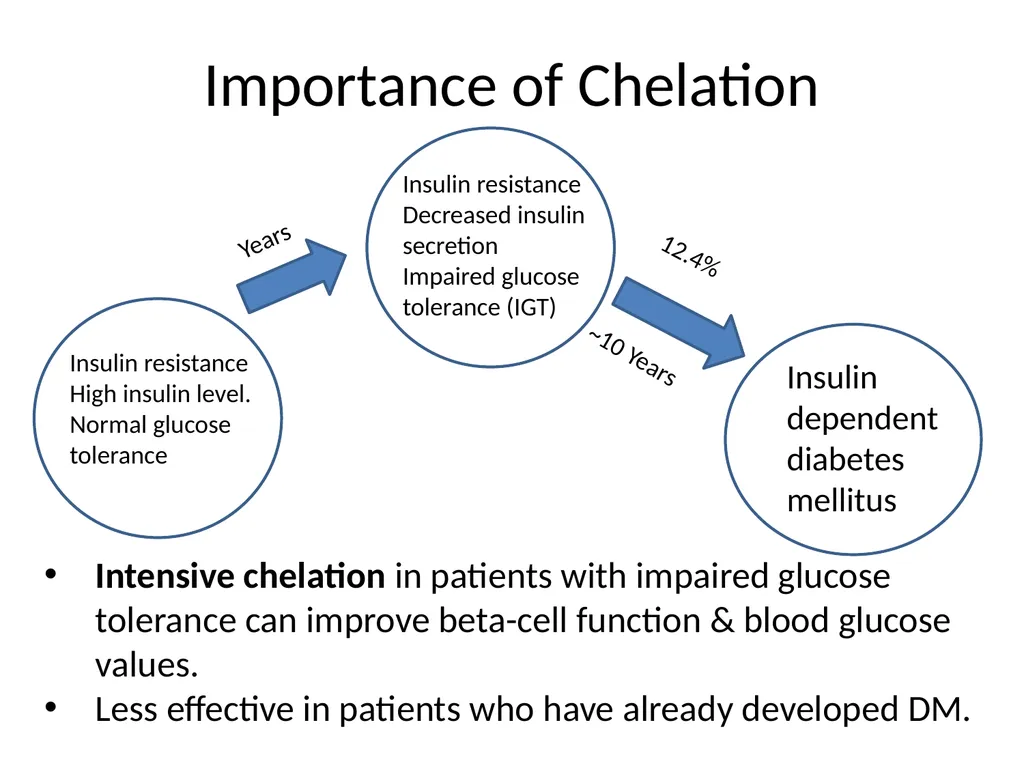
Importance of Chelation Insulin resistance High insulin level.
Normal glucose tolerance Insulin resistance
Decreased insulin secretion
Impaired glucose tolerance (IGT) Insulin dependent diabetes mellitus Years 12.4% ~10 Years Intensive chelation in patients with impaired glucose tolerance can improve beta-cell function & blood glucose values.
Less effective in patients who have already developed DM.<br>
28
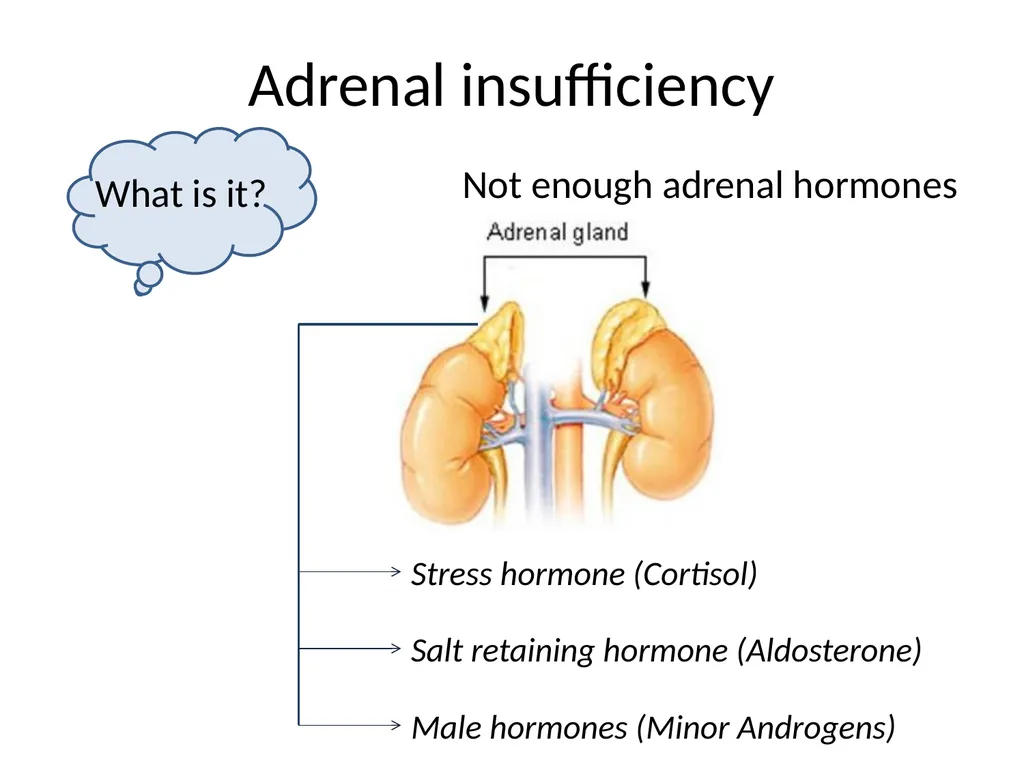
Adrenal insufficiency Stress hormone (Cortisol) Salt retaining hormone (Aldosterone) Male hormones (Minor Androgens) What is it? Not enough adrenal hormones<br>
29
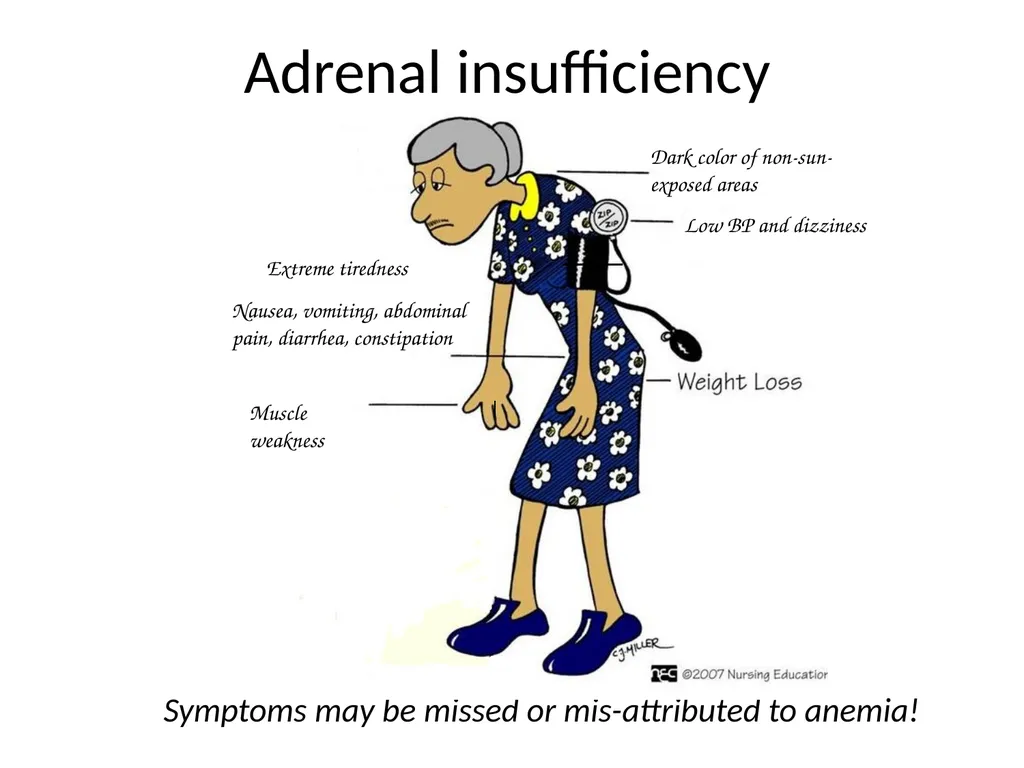
Adrenal insufficiency Symptoms may be missed or mis-attributed to anemia! Dark color of non-sun- exposed areas Low BP and dizziness Extreme tiredness Nausea, vomiting, abdominal pain, diarrhea, constipation Muscle weakness<br>
30
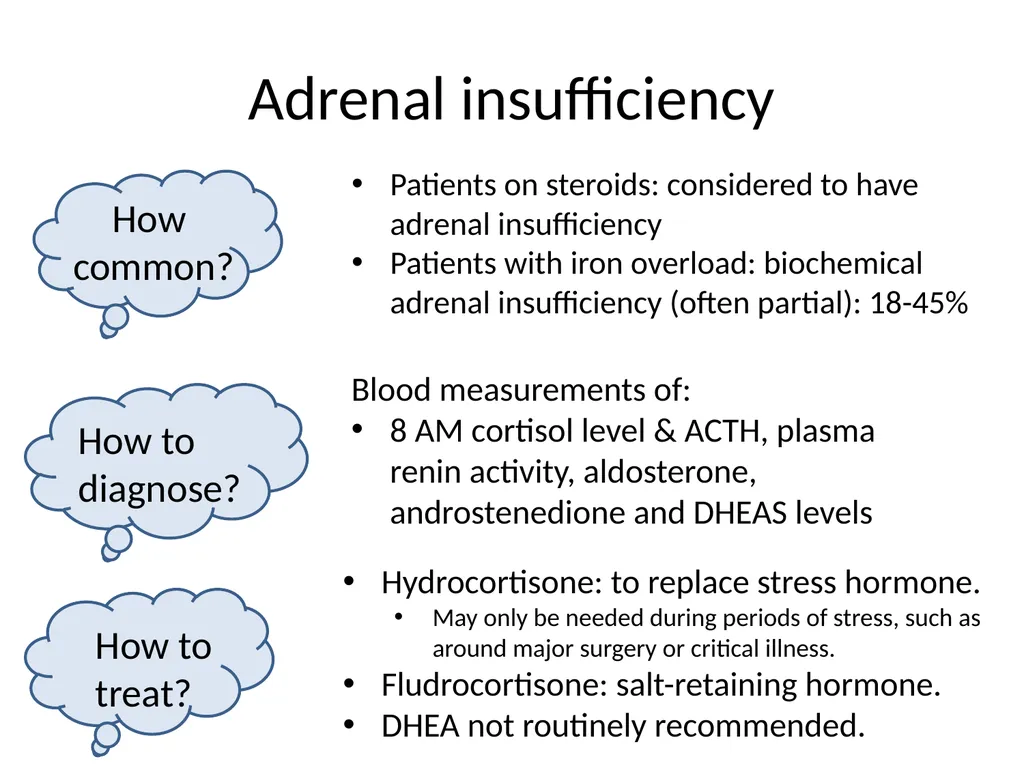
Adrenal insufficiency Hydrocortisone: to replace stress hormone.
May only be needed during periods of stress, such as around major surgery or critical illness.
Fludrocortisone: salt-retaining hormone.
DHEA not routinely recommended. Blood measurements of:
8 AM cortisol level & ACTH, plasma renin activity, aldosterone, androstenedione and DHEAS levels Patients on steroids: considered to have adrenal insufficiency
Patients with iron overload: biochemical adrenal insufficiency (often partial): 18-45% How
common? How to
diagnose? How to
treat?<br>
31
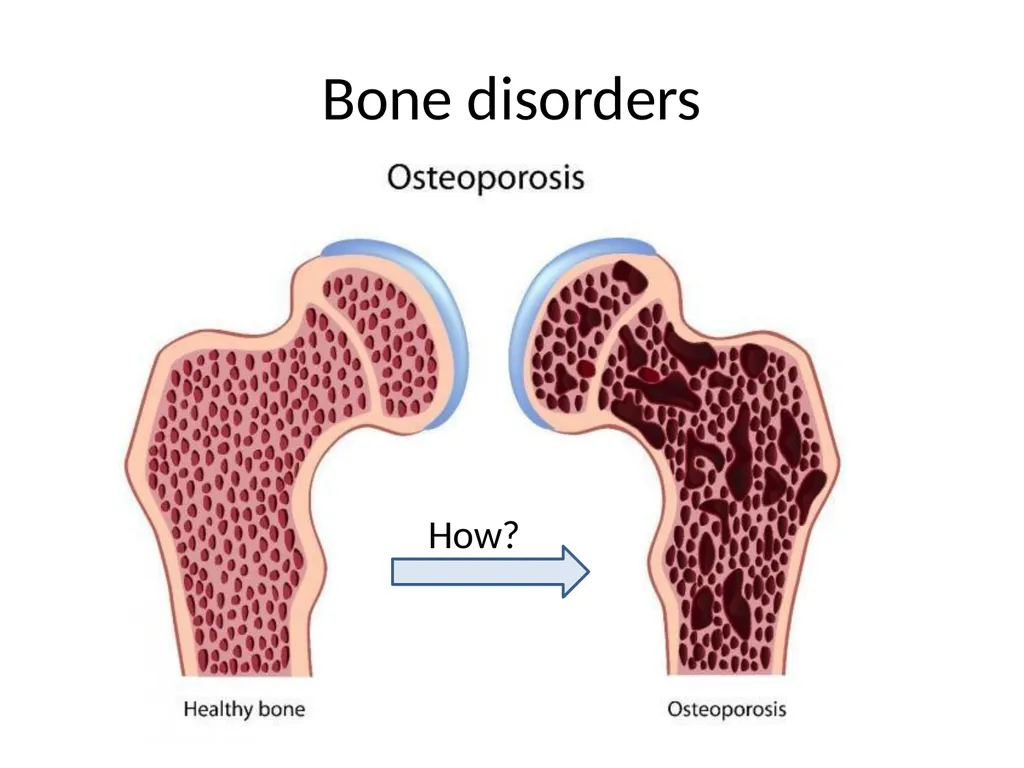
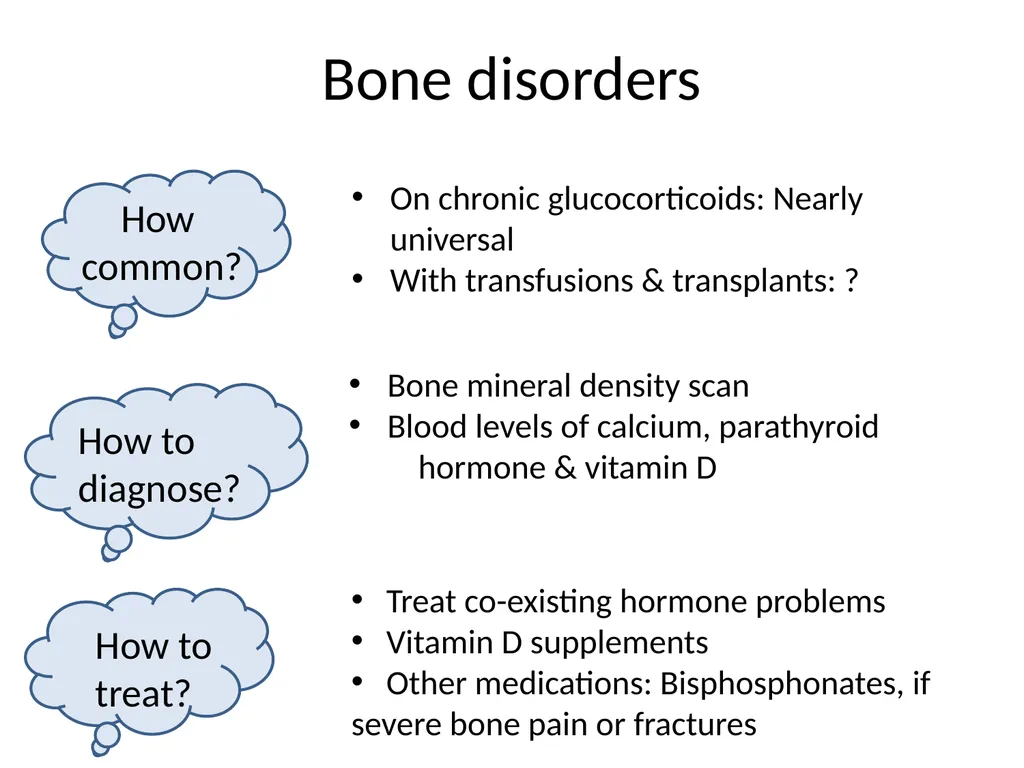
Bone disorders How?<br>
32
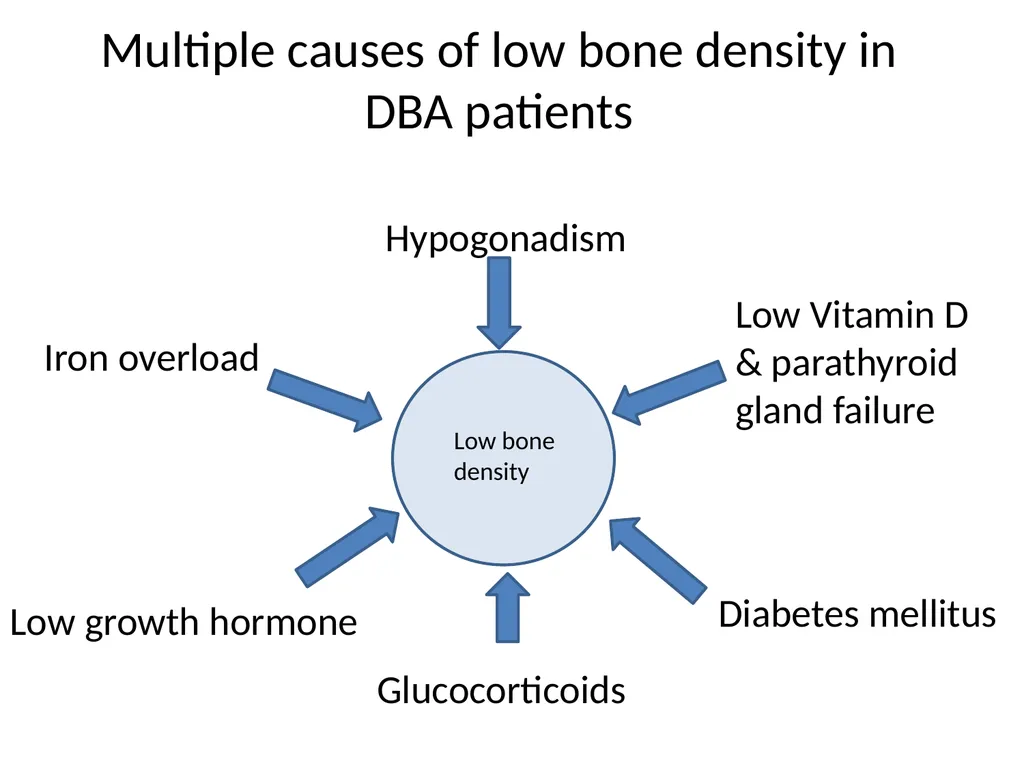
Multiple causes of low bone density in DBA patients Weak bones<br>
33
Bone disorders Treat co-existing hormone problems
Vitamin D supplements
Other medications: Bisphosphonates, if severe bone pain or fractures Bone mineral density scan
Blood levels of calcium, parathyroid
hormone & vitamin D On chronic glucocorticoids: Nearly universal
With transfusions & transplants: ? How
common? How to
diagnose? How to
treat?<br>
34
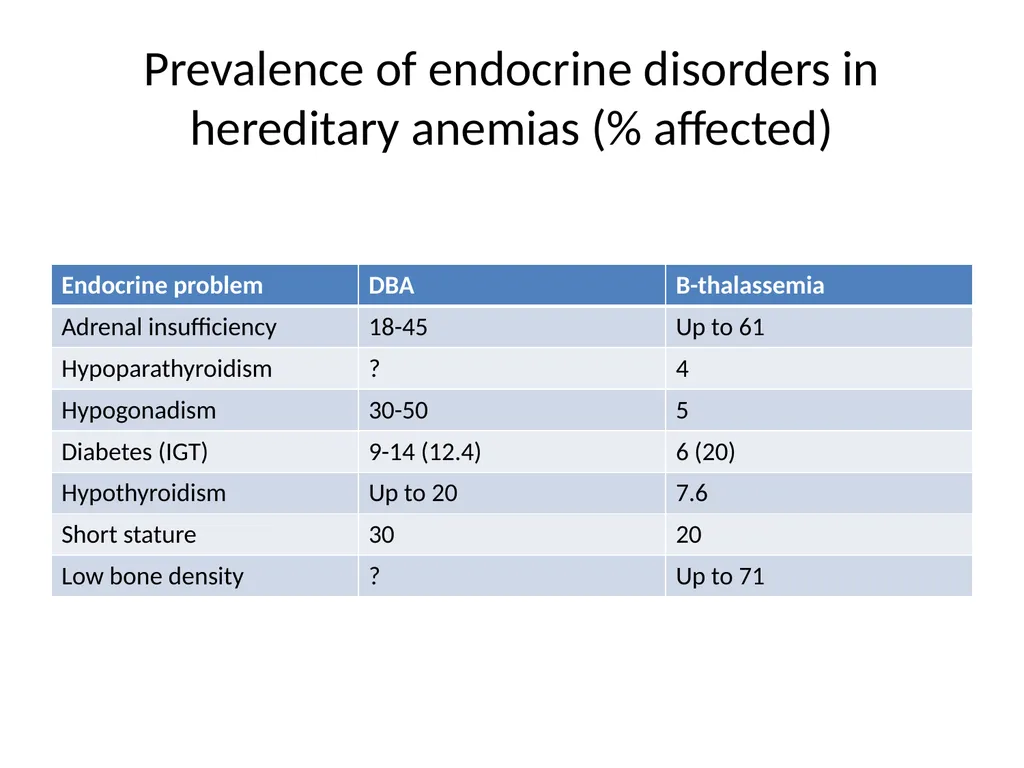
Prevalence of endocrine disorders in hereditary anemias (% affected)<br>
35
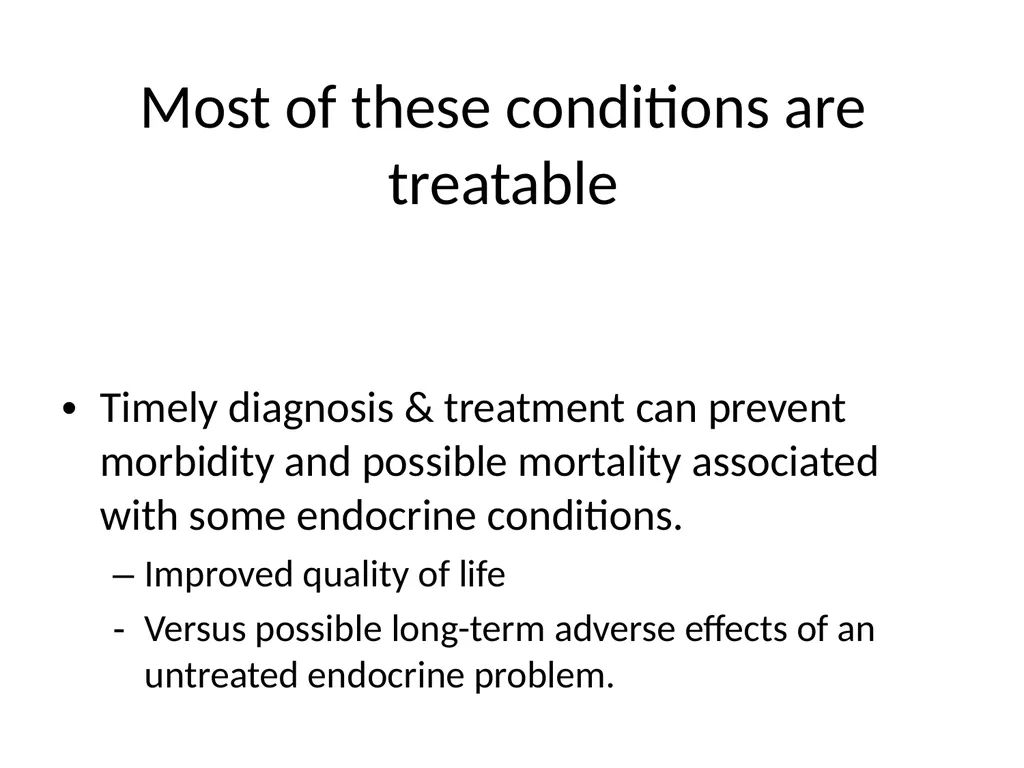
Most of these conditions are treatable Timely diagnosis & treatment can prevent morbidity and possible mortality associated with some endocrine conditions.
Improved quality of life
Versus possible long-term adverse effects of an untreated endocrine problem.<br>
36
ASK YOUR DOCTOR TO MONITOR FOR ENDOCRINE COMPLICATIONS OF DBA. BE EMPOWERED TO STAY HEALTHY!<br>