FAB8 NZ Symposium on Digital Fabrication Bioprinting Anthony Atala Robin Levin 1 Thank You Neil Gershenfeld Sherry Lassiter Chris Jackson Rodney Adank Julieanna Preston FabLab Network 2 What is Bioprinting? The construction of tissues
"FAB8 NZ Symposium on Digital Fabrication" is the property of its rightful owner. Permission is granted to
download and print the materials on this website for personal, non-commercial use only, and to display it
on your personal computer provided you do not modify the materials and that you retain all copyright
notices contained in the materials. By downloading content from our website, you accept the terms of this
agreement.
Presentation Transcript
01
FAB8 NZ Symposium on Digital Fabrication Bioprinting
Anthony Atala & Robin Levin 1<br>
02
Thank You Neil Gershenfeld
Sherry Lassiter
Chris Jackson
Rodney Adank
Julieanna Preston
FabLab Network 2<br>
03
What is Bioprinting? The construction of tissues constructs using computer-aided, specialized 3D printers.
Represents a paradigm shift in tissue engineering that extends beyond spatial organization considerations inherent in seeding cells onto a biodegradable scaffold.
Incorporates temporal aspects of development that rely on recreating complex environments required for complete cell maturation & the achievement of full functionality. 3<br>
04
Bioprinting: A Beginning TISSUE ENGINEERING
Volume 12, Number 4, 2006
VLADIMIR MIRONOV, M.D., Ph.D., Dr. NUNO REIS, D.Phil., and BRIAN DERBY, Ph.D.
ABSTRACT
An increasing demand for directed assembly of biologically relevant materials, with prescribed three dimensional hierarchical organizations, is stimulating technology developments with the ultimate goal of re-creating multicellular tissues and organs de novo. Existing techniques, mostly adapted from other applications or fields of research, are capable of independently meeting partial requirements for engineering biological or biomimetic structures, but their integration toward organ engineering is proving difficult. Inspired by recent developments in material transfer processes operating at all relevant length scales–from nano to macro–which are amenable to biological elements, a new research field of bioprinting and biopatterning has emerged. Here we present a short review regarding the framework, state of the art, and perspectives of this new field, based on the findings presented at a recent international workshop.
[The First International Workshop on Bioprinting & Biopatterning was held at the University of Manchester (United Kingdom) in September 2004] 4<br>
05
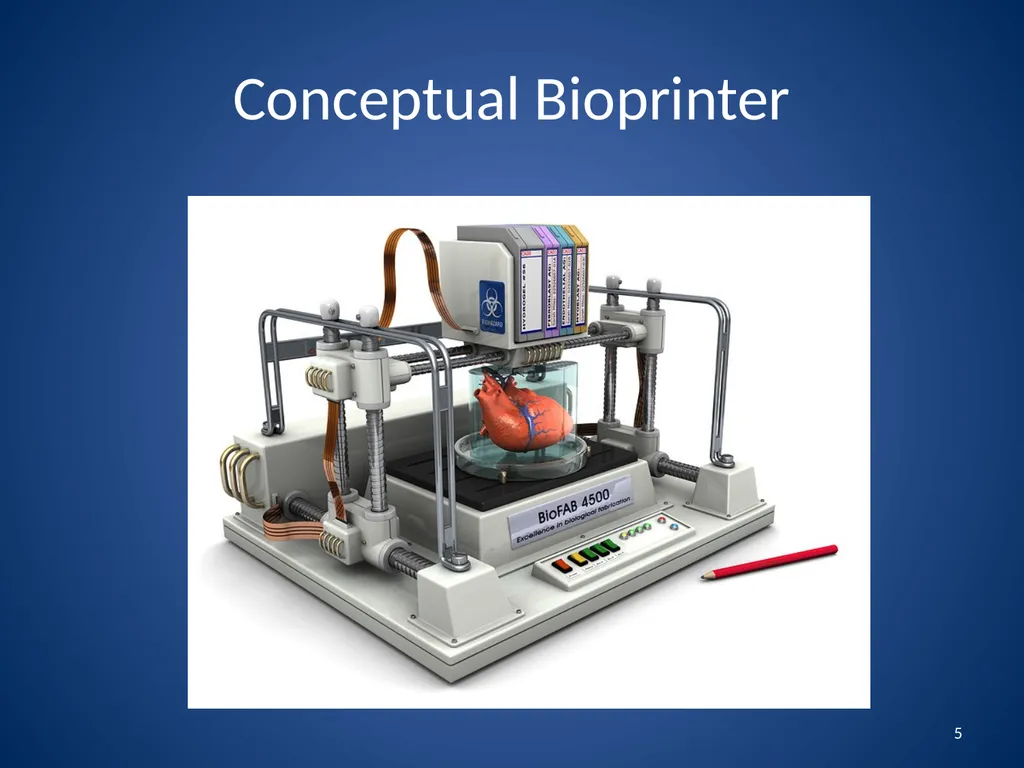
Conceptual Bioprinter 5<br>
06
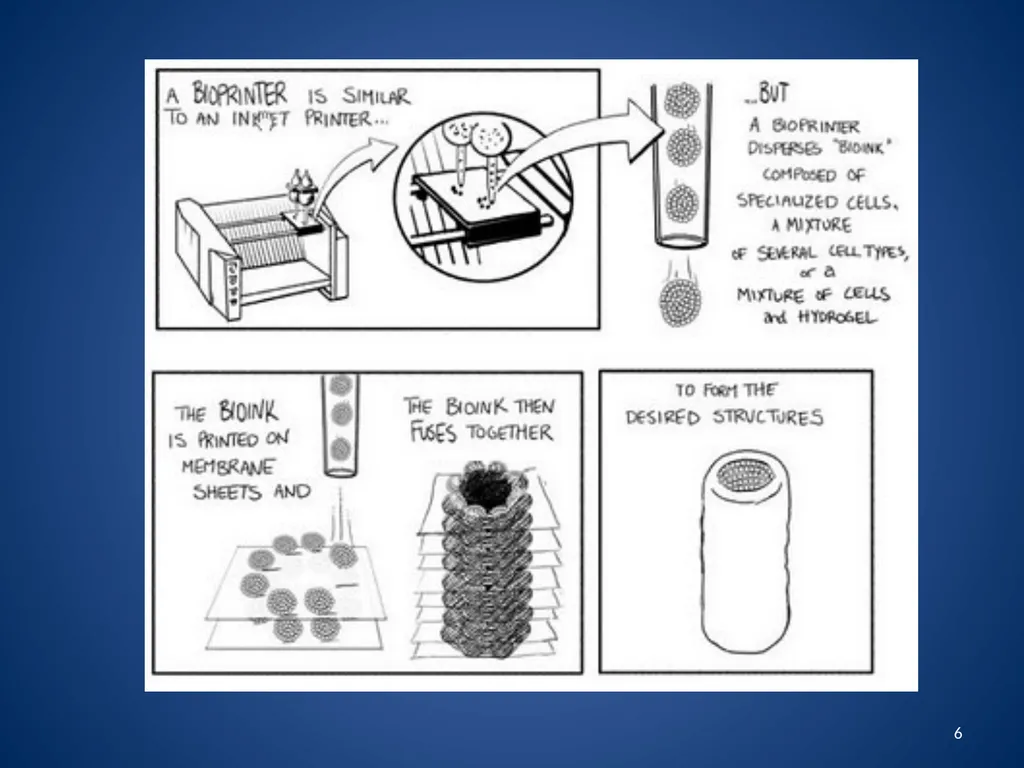
6<br>
07
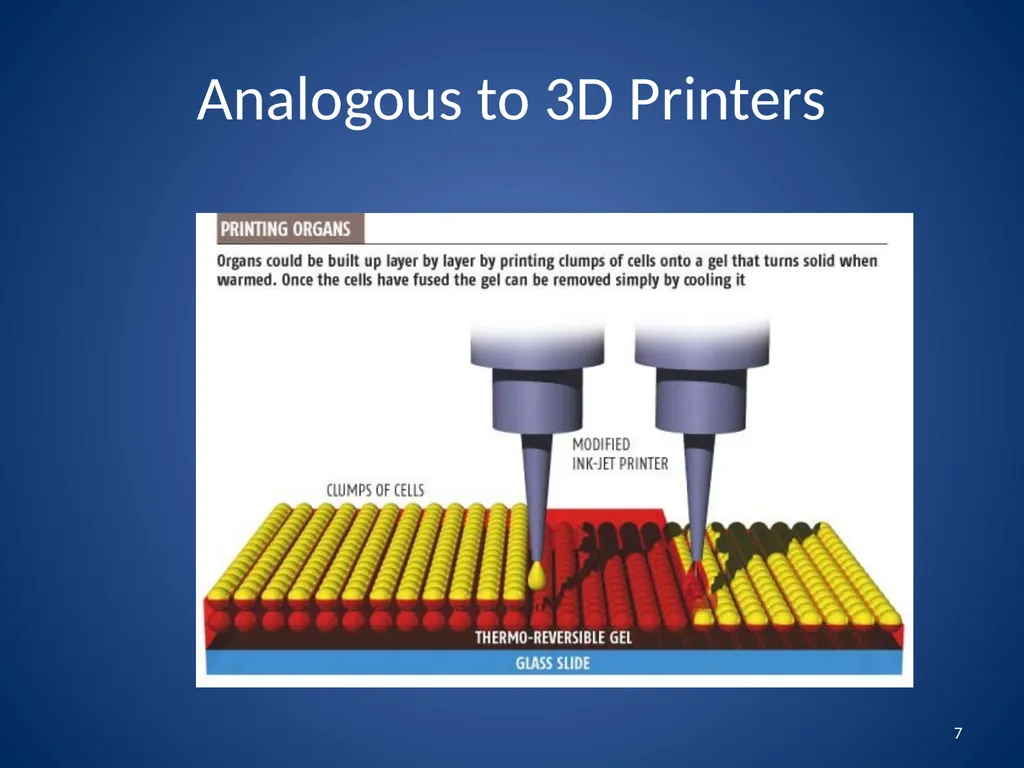
Analogous to 3D Printers 7<br>
08
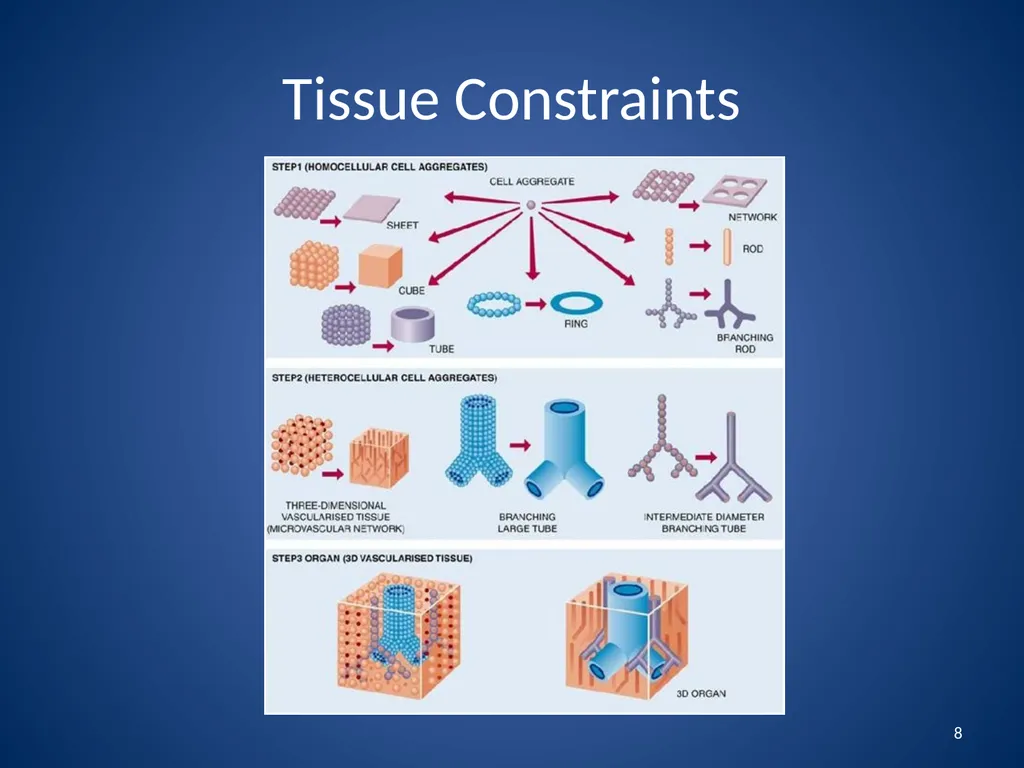
Tissue Constraints 8<br>
09
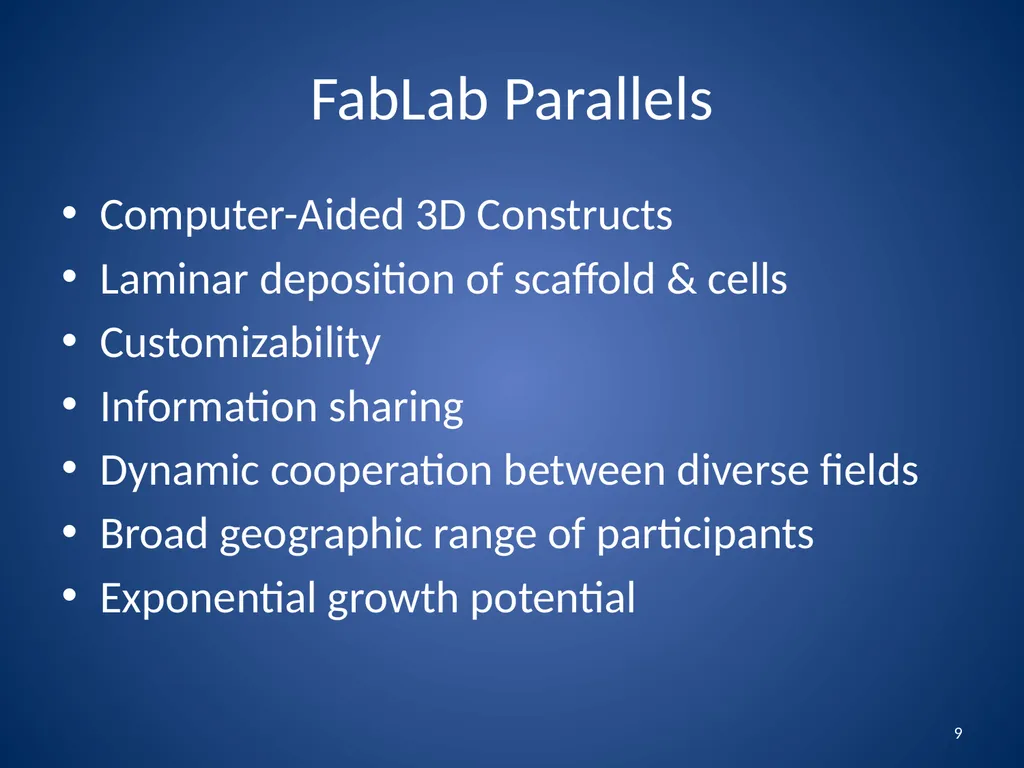
FabLab Parallels Computer-Aided 3D Constructs
Laminar deposition of scaffold & cells
Customizability
Information sharing
Dynamic cooperation between diverse fields
Broad geographic range of participants
Exponential growth potential 9<br>
10
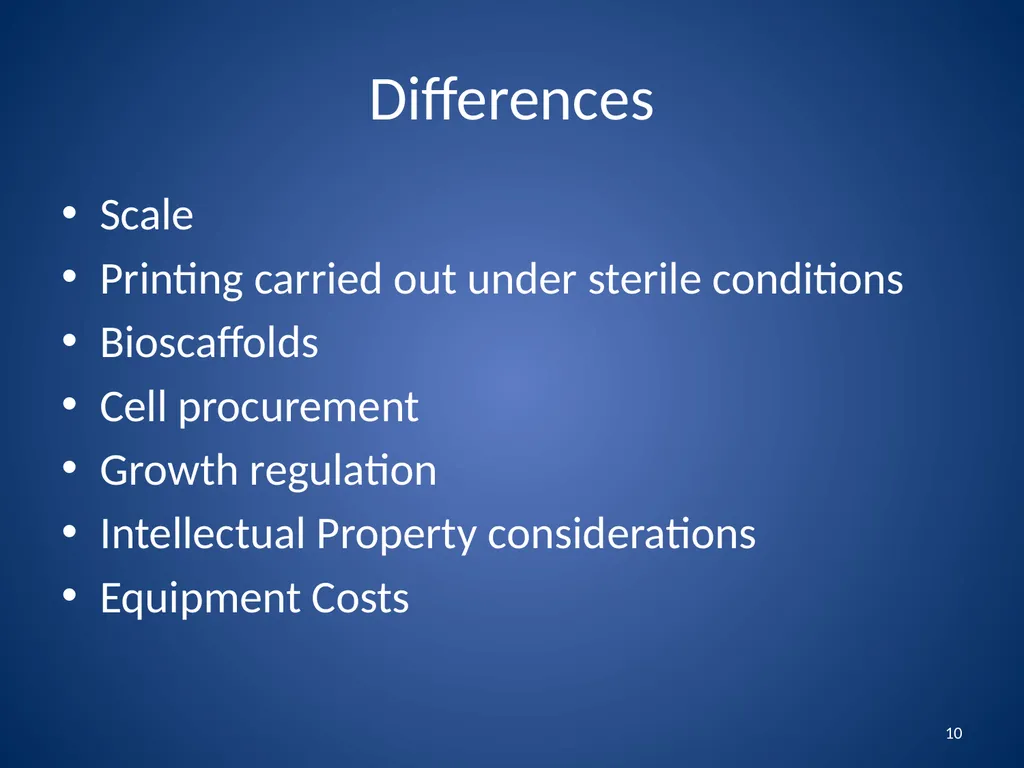
Differences Scale
Printing carried out under sterile conditions
Bioscaffolds
Cell procurement
Growth regulation
Intellectual Property considerations
Equipment Costs 10<br>
11
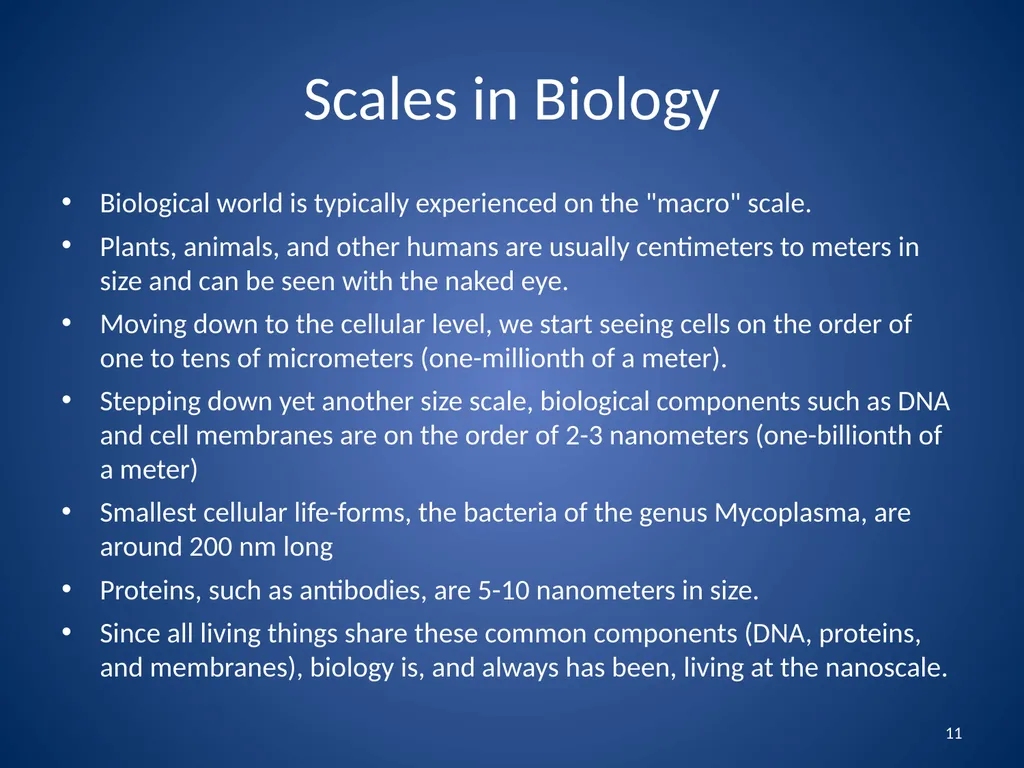
Scales in Biology Biological world is typically experienced on the "macro" scale.
Plants, animals, and other humans are usually centimeters to meters in size and can be seen with the naked eye.
Moving down to the cellular level, we start seeing cells on the order of one to tens of micrometers (one-millionth of a meter).
Stepping down yet another size scale, biological components such as DNA and cell membranes are on the order of 2-3 nanometers (one-billionth of a meter)
Smallest cellular life-forms, the bacteria of the genus Mycoplasma, are around 200 nm long
Proteins, such as antibodies, are 5-10 nanometers in size.
Since all living things share these common components (DNA, proteins, and membranes), biology is, and always has been, living at the nanoscale. 11<br>
12
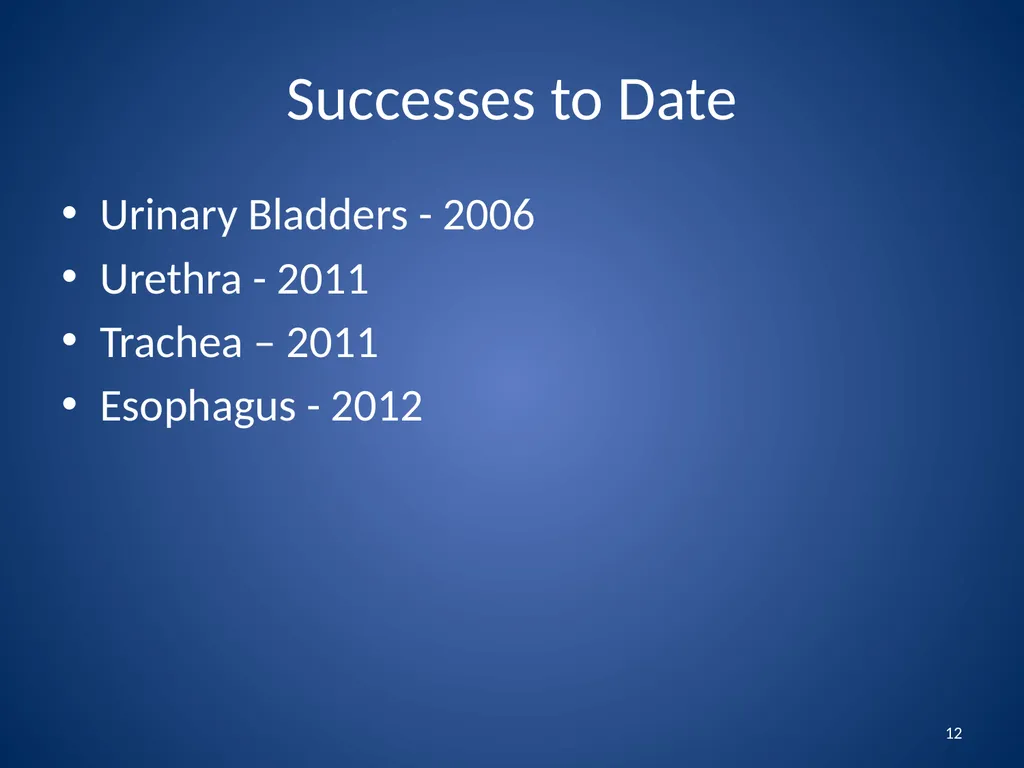
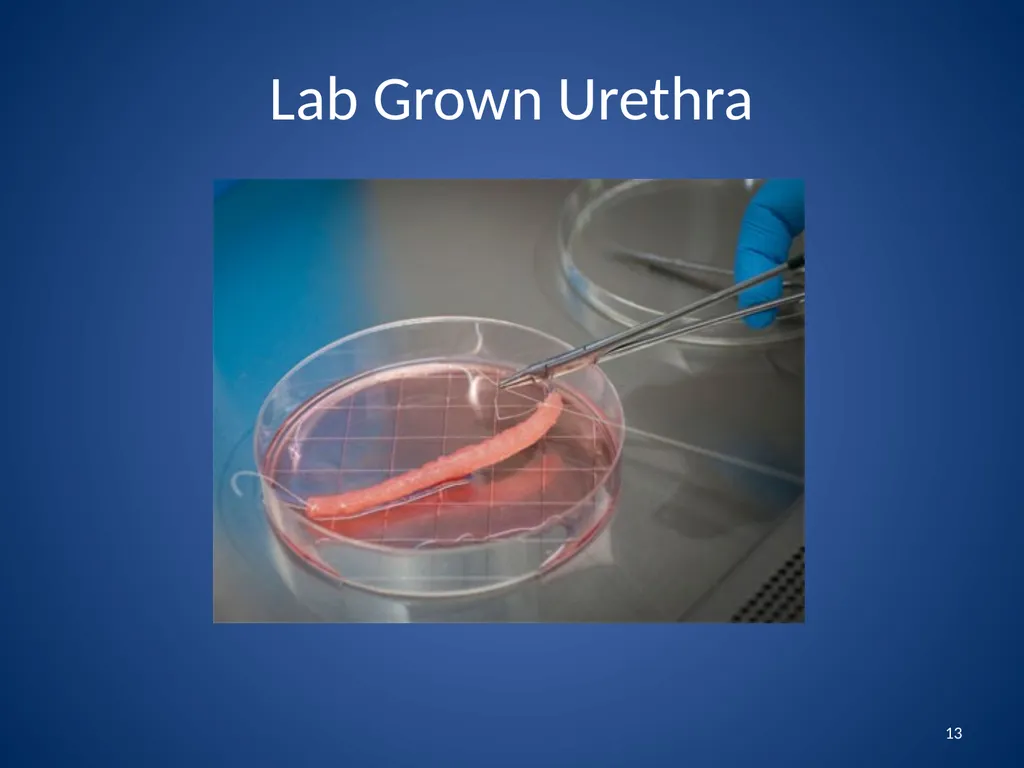
Successes to Date Urinary Bladders - 2006
Urethra - 2011
Trachea – 2011
Esophagus - 2012 12<br>
Conundrums The complex interplay between biomaterial scaffolds, growth factors, and local cell populations during development & healing has been utilized to design constructs that attempt to promote these interactions to restore the original architecture and function of complex tissues.
To date, ‘‘ideal’’ tissue engineering techniques have not yet been developed to support the regeneration of complex biologic structures. 15<br>
16
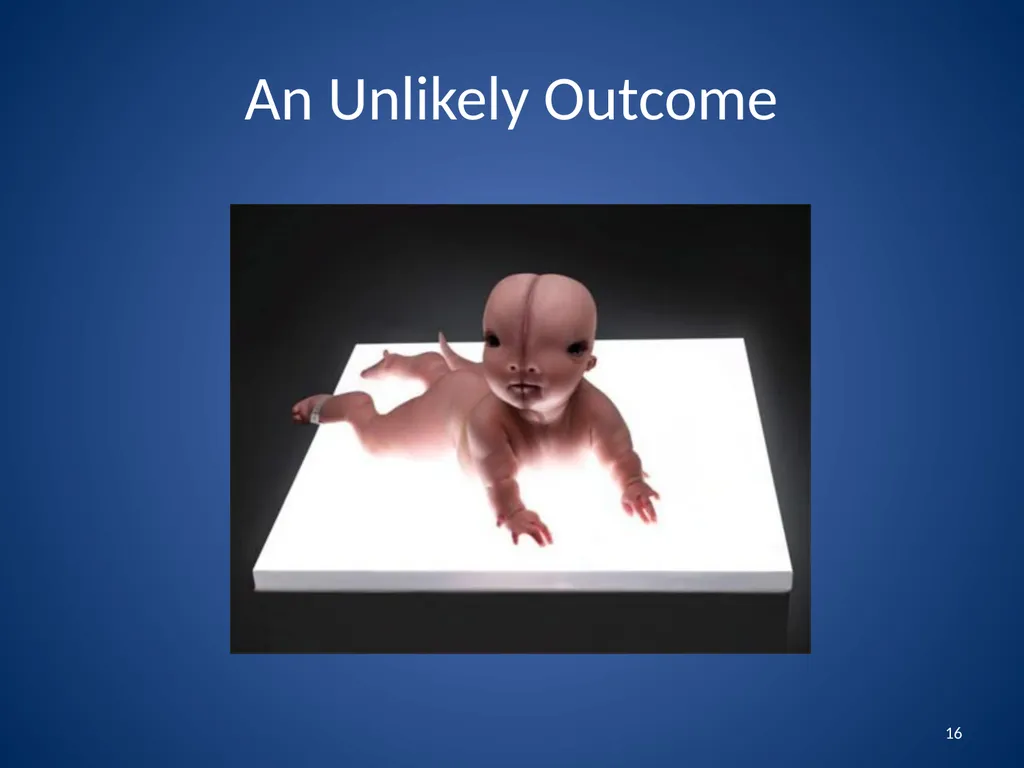
An Unlikely Outcome 16<br>
17
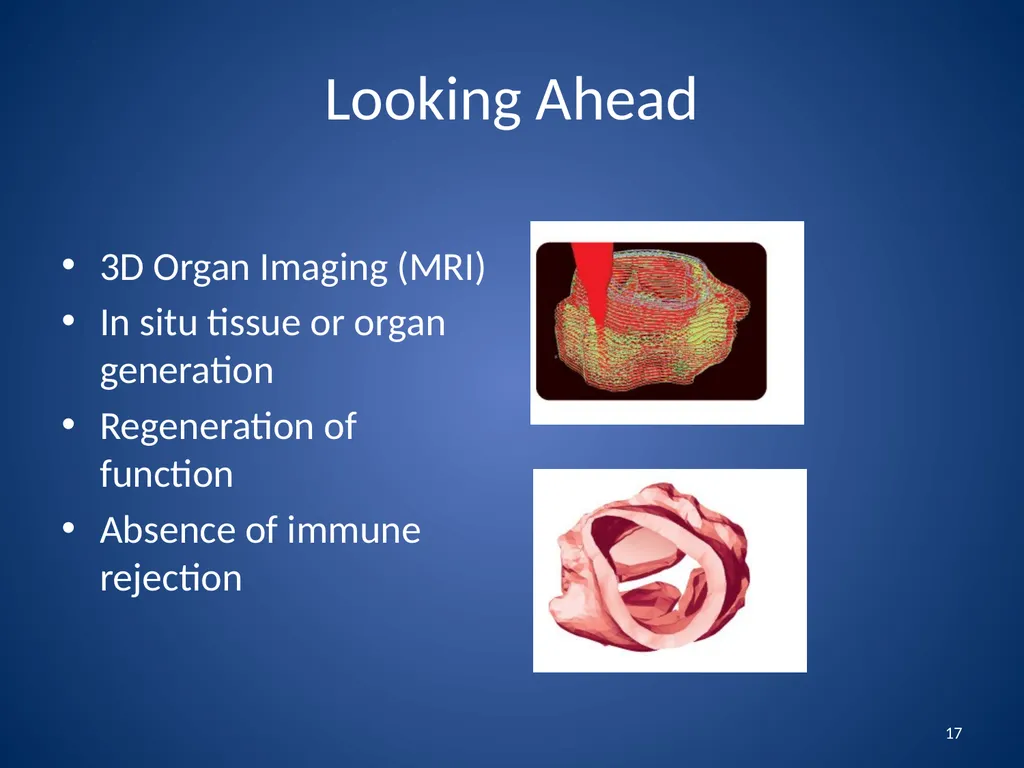
Looking Ahead 3D Organ Imaging (MRI)
In situ tissue or organ generation
Regeneration of function
Absence of immune rejection 17<br>
18
Hope for the Future Transplantation
Regenerative Medicine
Traumatic Injuries
Combat Casualty
Cancer 18<br>