HayWired We Can Outsmart Disaster Jim Yoke Chabot Las Positas Community College District Manager: Emergency Preparedness Workplace Safety Todays Objectives Understand the risks Apply the information presented to Livermore and Los
Related Topics
Share
Embed code
Download this presentation From Below
"HayWired We Can Outsmart Disaster Jim Yoke Chabot" is the property of its rightful owner. Permission is granted to
download and print the materials on this website for personal, non-commercial use only, and to display it
on your personal computer provided you do not modify the materials and that you retain all copyright
notices contained in the materials. By downloading content from our website, you accept the terms of this
agreement.
Presentation Transcript
01
HayWired We Can Outsmart Disaster Jim Yoke
Chabot – Las Positas Community College District
Manager: Emergency Preparedness & Workplace Safety<br>
02
Today’s Objectives Understand the risks
Apply the information presented to Livermore and Los Positas College
Review preparedness steps for home and the workplace<br>
03
Objective #1 – Understanding the risk<br>
04
Setting the table So, we live in earthquake country.
This isn’t exactly a big surprise, but how often do people think about what this means for their lives, their communities, and beyond?
Are we inured to our geology, and as a result ignore it?<br>
05
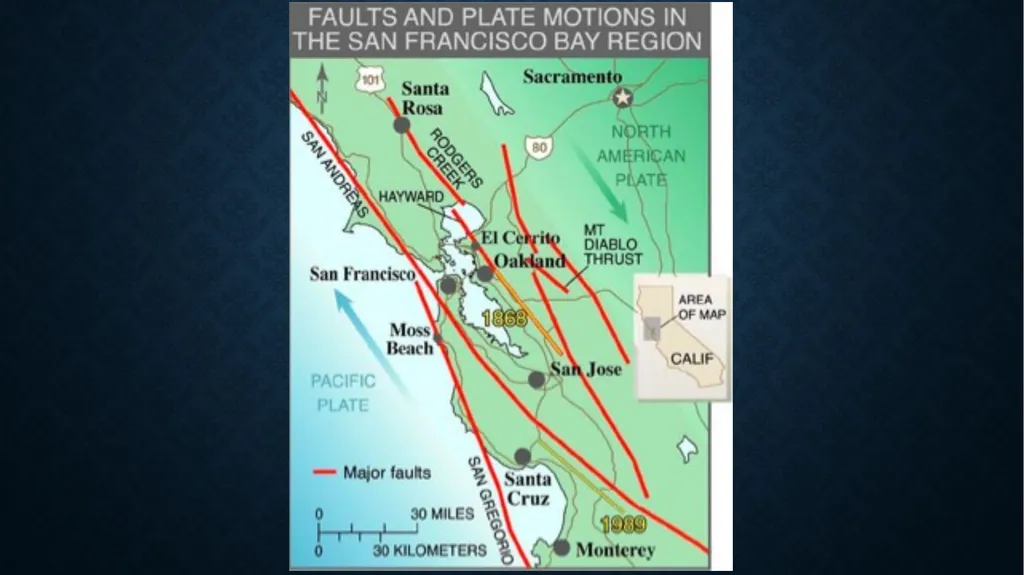
Generational perspectives The last big earthquake in this area was the Loma Prieta quake in 1989.
The 29th anniversary was last week.
Curious children need to talk to grandparents about it, because their parents either weren’t alive or are too young to remember.<br>
06
we are complacent and unprepared Intellectually, people get it.
Generalization – we’re busy people with fleeting attention spans.
Emotionally, we don’t have a personal frame of reference to draw upon which inhibits contemplation and action.<br>
07
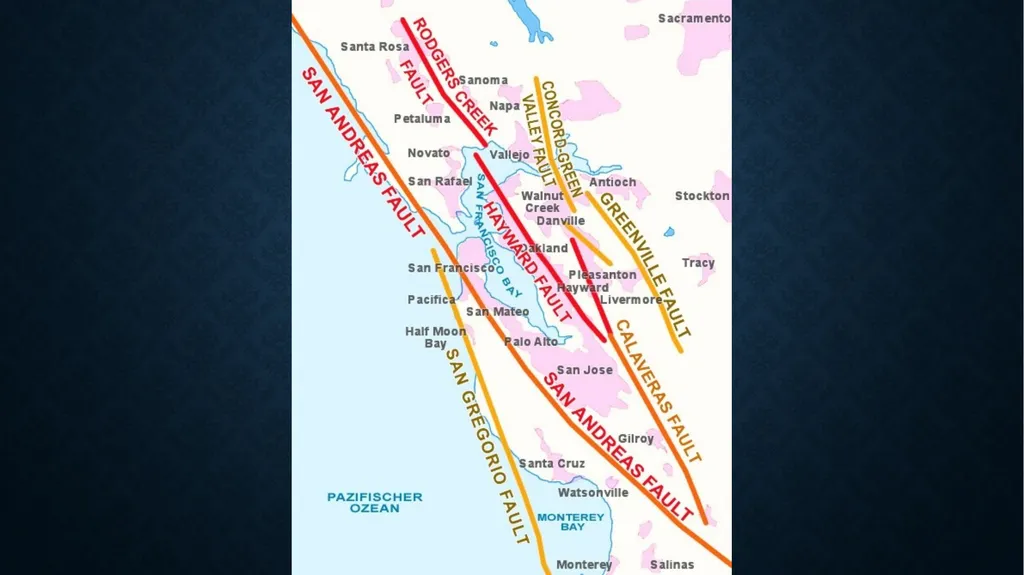
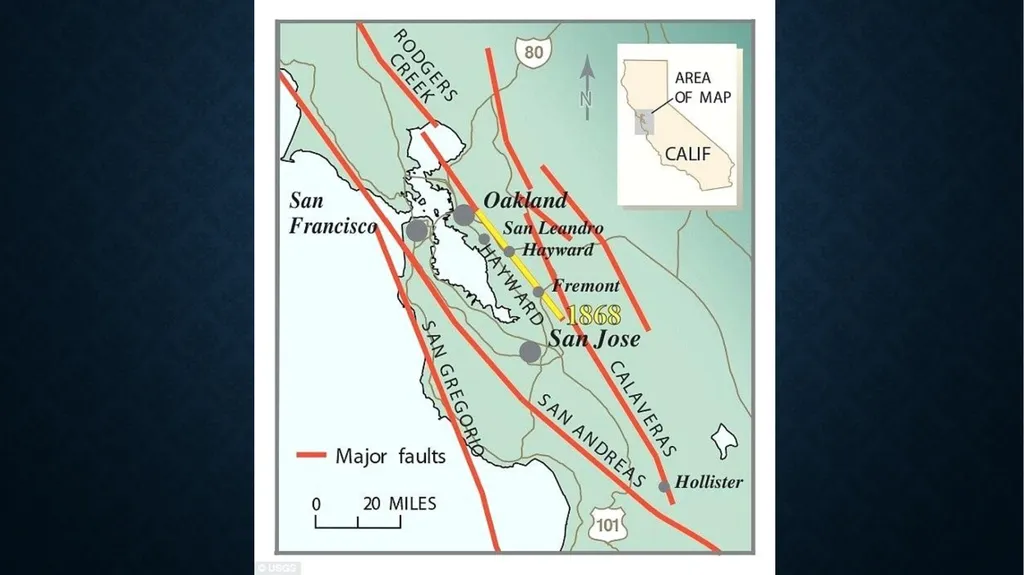
Haywired – New Information We have known about our three main fault lines for a long time:
San Andreas
Hayward
Calaveras
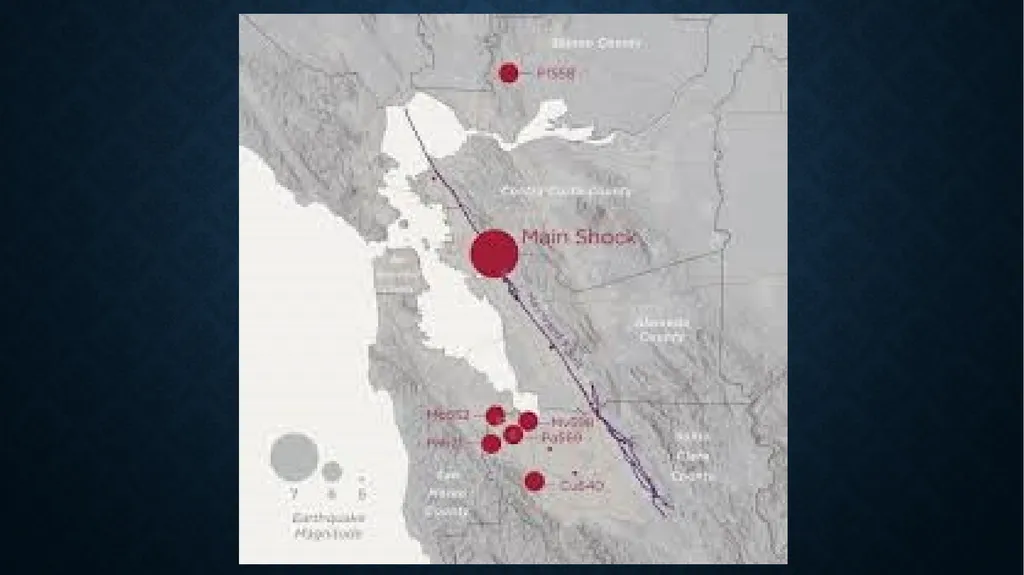
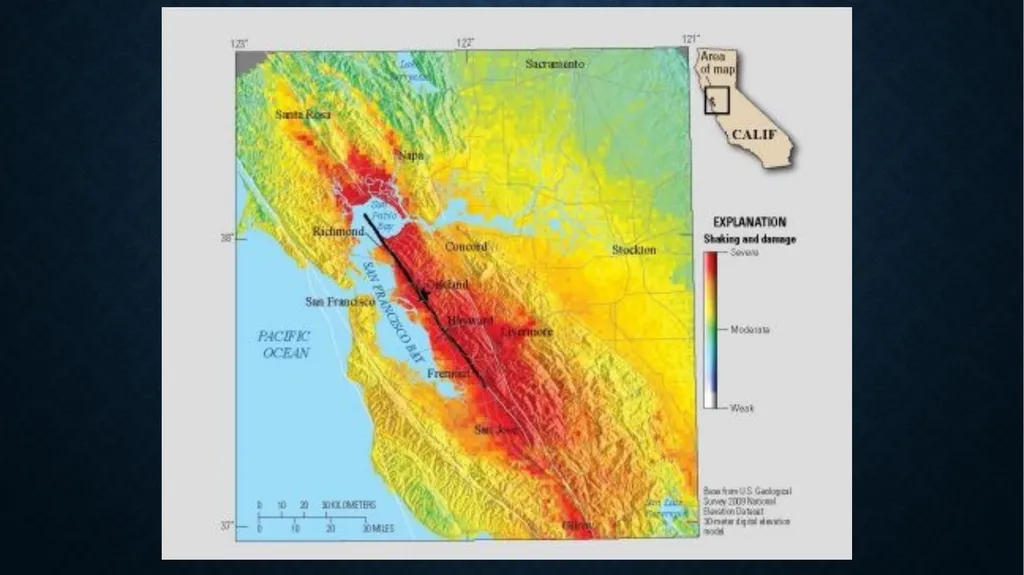
The USGS has conducted new research on the Hayward Fault, called “HayWired”.
https://www.youtube.com/watch?v=aRLb3PmIYFc<br>
08
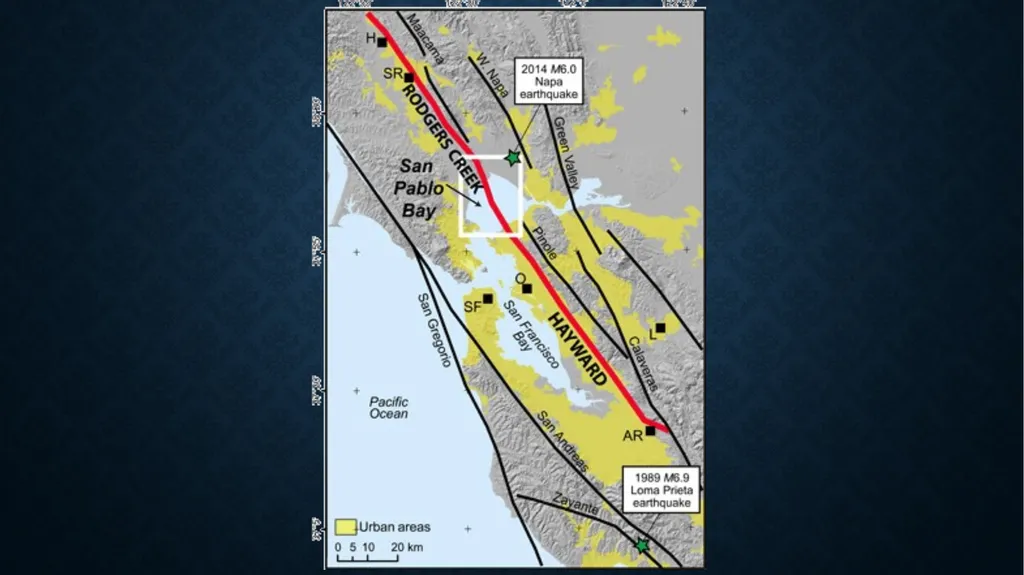
Checking out the map<br>
09
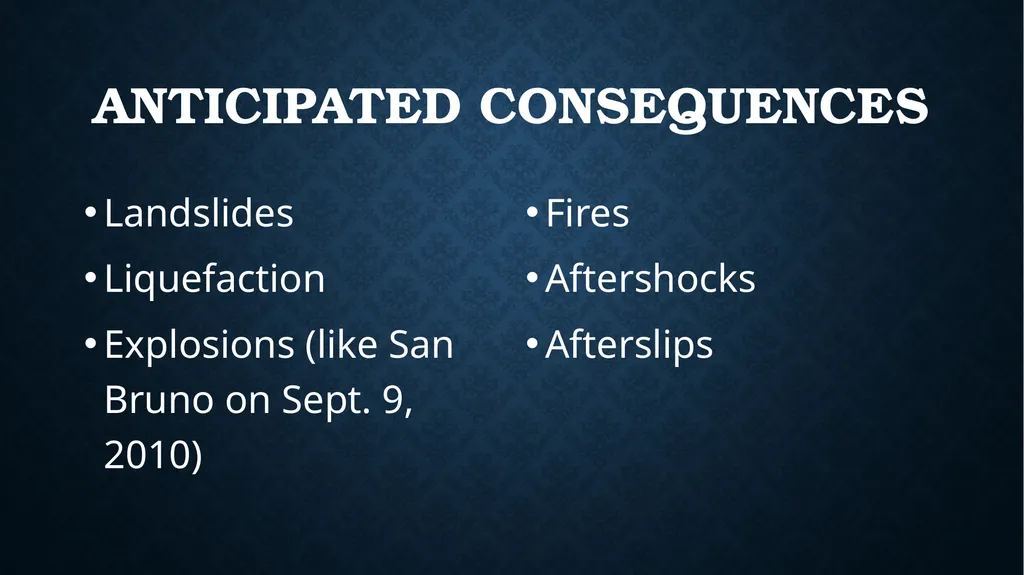
Anticipated consequences Landslides
Liquefaction
Explosions (like San Bruno on Sept. 9, 2010) Fires
Aftershocks
Afterslips<br>
10
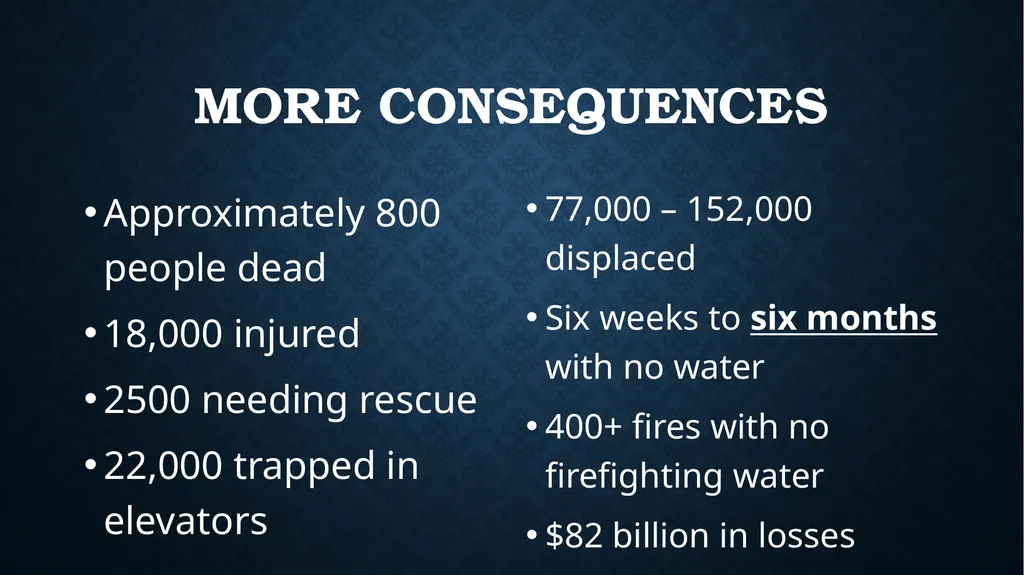
More consequences Approximately 800 people dead
18,000 injured
2500 needing rescue
22,000 trapped in elevators 77,000 – 152,000 displaced
Six weeks to six months with no water
400+ fires with no firefighting water
$82 billion in losses<br>
11
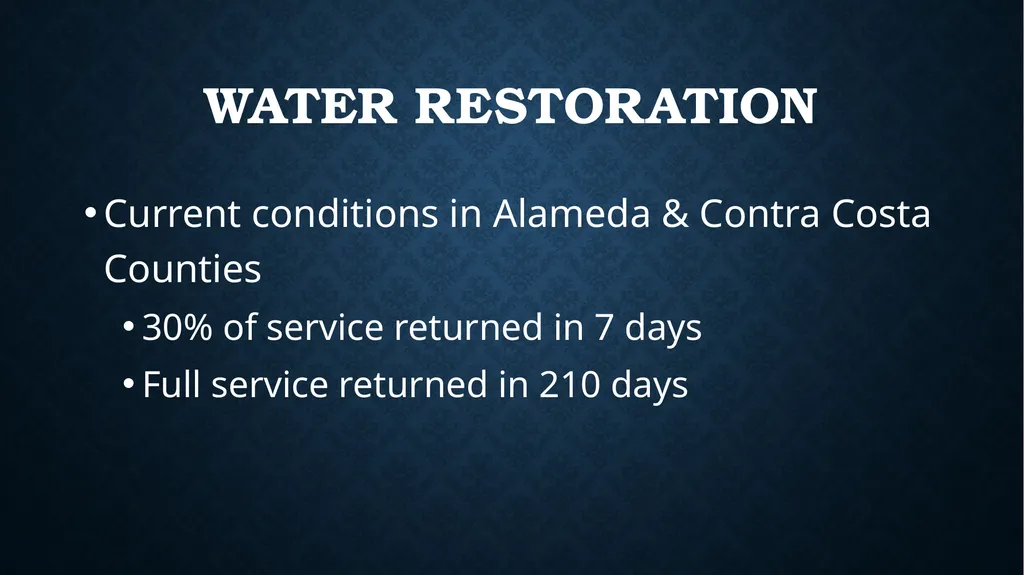
Water restoration Current conditions in Alameda & Contra Costa Counties
30% of service returned in 7 days
Full service returned in 210 days<br>
12
Long-term consequences Major infrastructure damage in the East Bay and elsewhere:
Major emigration, corporate and personal
Massive economic losses – tax revenue collapse
Costly repairs – insurance will be overwhelmed
Heavy dependence on federal assistance<br>
13
So – what to do? Should Miami or Houston give up, throw in the towel, quit, because of the hurricane threat?
Japan is the most seismically active place in the world. Should they cower in dismay?
Or, can preparedness make the difference?<br>
14
Objective #2 – Applying information to Livermore and Las positas College<br>
15
LPC Advantages Modern quake resistant construction
New emergency plans in draft form – should be finalized before the end of the school year
Facility agreements in process with the American Red Cross for sheltering
New communications equipment in the procurement pipeline<br>
16
Work to be done at LPC Disaster Home Preparedness training
CERT training
Organizational training
First Aid/CPR/AED training
Skill based drills
Tabletop & Full Scale exercises<br>
17
Objective #3 – preparedness steps for the home, the workplace, & the community<br>
18
Disaster Home preparedness in short Know your risks
Plan accordingly
Make, and maintain disaster supplies kits
Review handout<br>
19
Know your risks Earthquake
Fire
Wildfire
Flood
It depends on where you live – region wide risks vs specific local risks<br>
20
Planning – home, workplace, community Meeting locations
Communications
Transportation
Exit routes
Hazard mitigation
Access & Functional Needs Planning First responder resources
Local emergency management
Community volunteerism
Volunteer organization presence<br>
21
Disaster supplies – see handouts User needs drive assembly & organization
Water
Food
Medical Documents – ID, insurance, deeds, medical info, financial, etc.
Mementoes – photo albums, keepsakes, etc.<br>