Human anatomy physiology BY: DR. Stella Selena M.B.B.S., DGO. Academy Director Mother Teresa Institute Of Pharmaceutical Education and Research Two Branches Of Science Anatomy : Is the science of the body structures and their
"Human anatomy & physiology BY: DR. Stella Selena" is the property of its rightful owner. Permission is granted to
download and print the materials on this website for personal, non-commercial use only, and to display it
on your personal computer provided you do not modify the materials and that you retain all copyright
notices contained in the materials. By downloading content from our website, you accept the terms of this
agreement.
Presentation Transcript
01
Human anatomy & physiology BY:
DR. Stella Selena
M.B.B.S., DGO.
Academy Director
Mother Teresa Institute Of
Pharmaceutical Education and Research<br>
02
Two Branches Of Science Anatomy : Is the science of the body structures and their relationships among them
Ana : up tomy cutting
It was first studied by dissection
Physiology: Physio = Nature, logy = study of
Is the science of body functions from body parts - work<br>
03
Sub Disciplines Of Anatomy Gross anatomy Structures/ body parts can be examined without using microscope
Surface anatomy Anatomical land marks on surface of body by visualization / palpation
Systemic anatomy Structure of specific systems of the body ex: Nervous system, Respiratory system
Regional anatomy Specific region of the body such as head or chest.<br>
04
Radio-graphic anatomy: Body structures that are visualized
Radio-ray Graphic- To write with X – Rays
Histology: Microscopic structure of tissues
Hist – Tissue
Embryology: Structure that emerge from the time
Embry: Embryo of the fertilized egg through the eight
week into utero
Pathological anatomy: Structural changes associated with disease<br>
05
Sub disciplines of physiology:
Neurophysiology Functional properties of new cells
Neuro-nerve
Endocrinology Hormones(chemical regulations in the blood)
Endo: with how they control body functions
Crine: Secretion
Cardiovascular Physiology Functions of heart and blood vessels
Cardi : Heart
Vascular : Blood vessels<br>
06
Immunology: How body depends itself against disease
Immuno : not suseptable causing agents
Respiratory Physiology: Functions of air passages and lungs
Respira : To breathe
Renal Physiology : Functions of kidney
Ren: kidney
Patho physiology: Functional changes associated with disease
Patho : Disease and aging<br>
07
Basic Terminology : Anatomical Terminology To communicate clearly scientists and health care people professionals use common language of special terms when referring the body structure and their functions.
Body positions:
Descriptions of any origin/part of human body in a specific stance called – anatomical position.
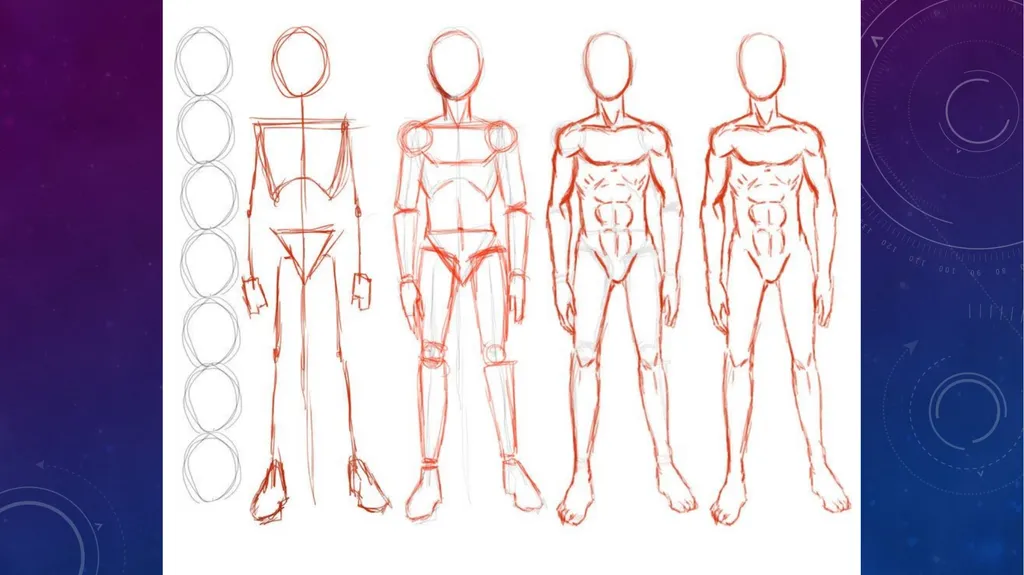
In anatomical position:
Body upright
Stands erect facing observer with the head level and the eyes facing directly forward
Feet are flat on the floor and
Arms at sides
Palms turned forward<br>
08
Two terms described a reclining body
Prone position: If a body is lying face down
Superior position: If body is lying face up
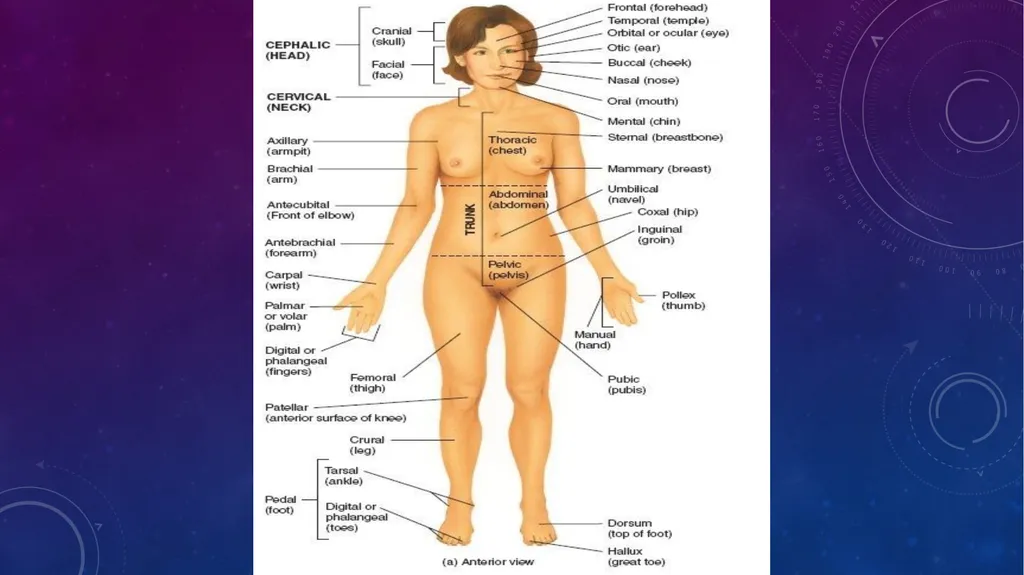
Regional names: Human body is divided into several major regions
Head – consists of skull and face (is front position of head includes eyes, nose, mouth, cheeks, forehead and chin)
Neck – Supports head and attaches it to trunk
Trunk – Consists of chest, abdomen and pelvis<br>
09
Upper limbs – Each upper limb attaches to trunk and consists shoulders
Lower limbs – Attaches to the trunk and consists of Buttock, thighs, leg, ankle and foot & arm pit, arm, fore arm, wrist and hand
Groin: Area on the front surface of the body marked by a crease on each side when trunk attaches to the thighs.
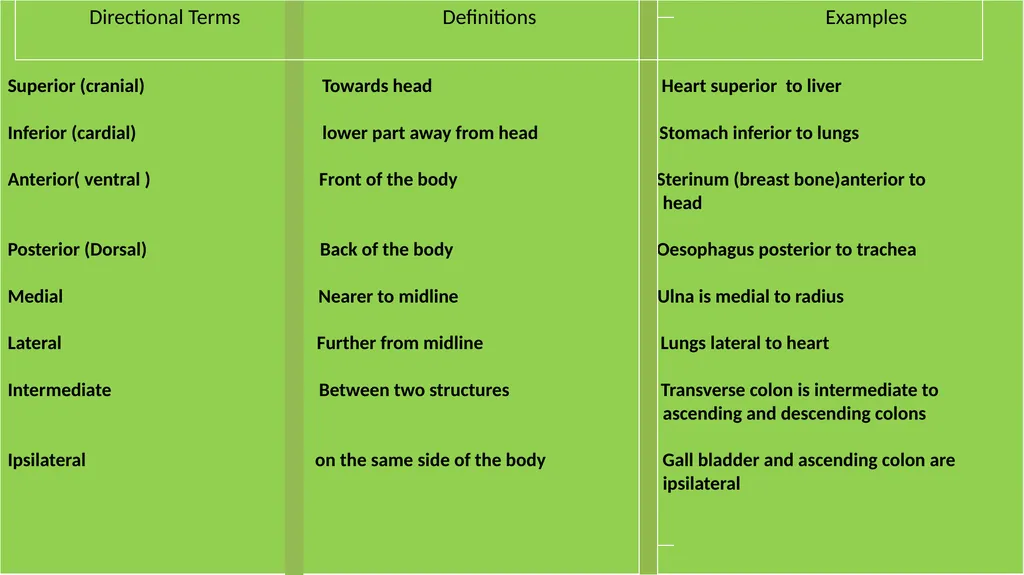
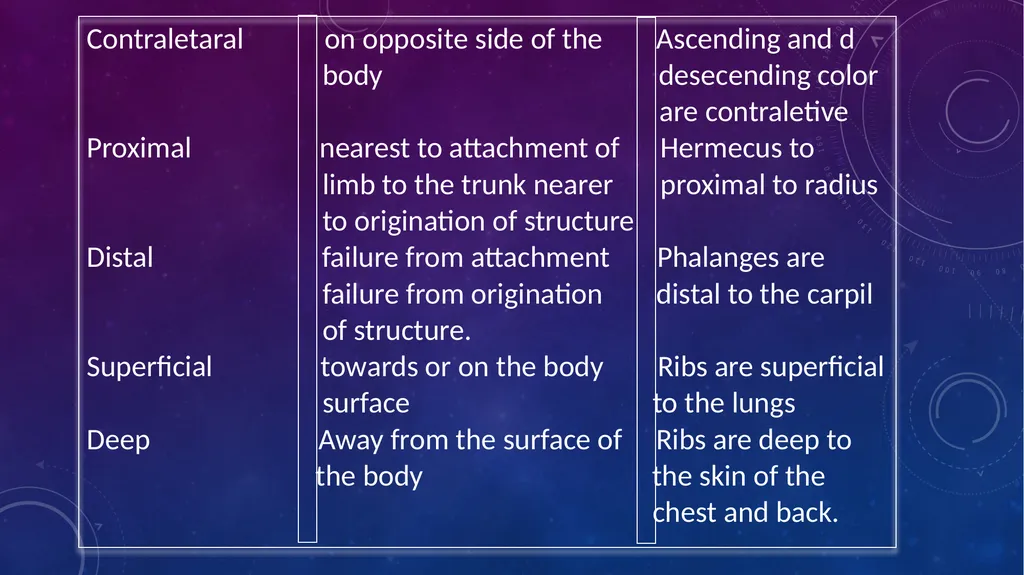
Directional terms: To locate various body structures specific directional lens and in use to describe the position of one body part to other. They are in pairs that have opposite meanings like - Anterior(front) : Posterior (back)<br>
10
Various parts of the body relative to one another<br>
11
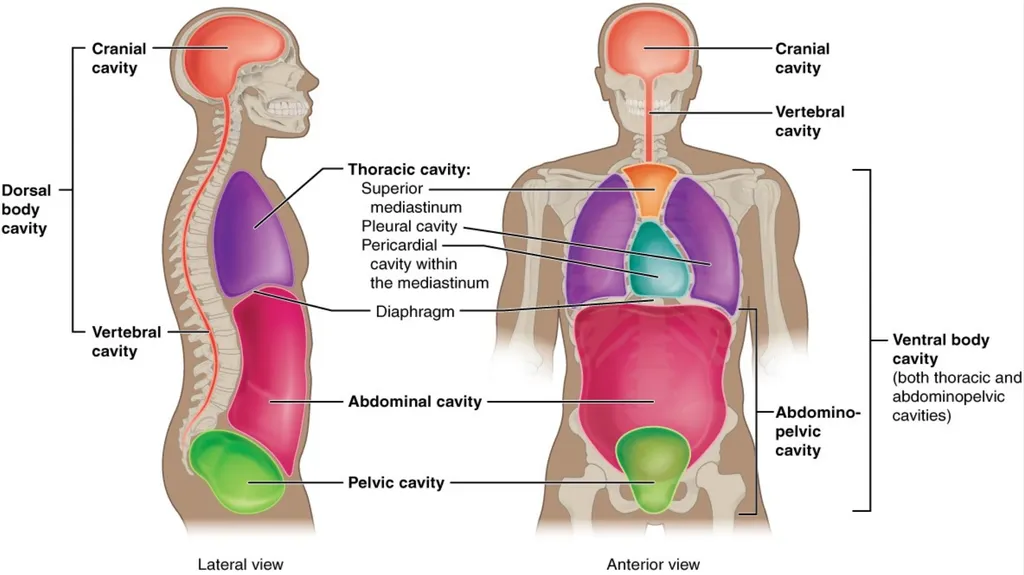
Body Cavities:
Spaces within the body that help to protect, separate and support internal organs.
Cavities:
Cranial cavity formed by cranial bones contains brain
Vertebral cavity formed by vertebral column and contains spinal cord and beginnings of spinal nerves<br>
12
Thoracic Cavity Chest cavity; contains pleural and pericardial cavities and mediastinum
Pleural Cavity Each surounds a lung; the serous membrane of the pleural cavities is the pleura.
Pericardial Cavity Surrounds the heart; the serous membrane of the pericardial cavity is the pericardium.
Mediastinum Central portion of thoracic cavity between the lungs; extends from sternum to vertebral column and from neck to diaphragm; contains heart, thymus, esophagus, trachea, and several large blood vessels.<br>
13
Abdominopelvic cavity - Subdivided into abdominal and pelvic cavities
Abdominal Cavity Contains stomach, spleen, liver, gallbladder, small intestine, and most of large intestine; the serous membrane of the abdominal cavity is the peritoneum.
Pelvic cavity Contains urinary bladder, portions of large intestine and internal organs of reproduction.<br>