
I can draw conclusions about which shapes create

Description: I can draw conclusions about which shapes create least water resistance Swimming Think back to your swimming lessons in Year 4. Was it easy or difficult to walk through water? Does the depth of the water make a difference to have fast or
Related Topics
Download Presentation
"I can draw conclusions about which shapes create" is the property of its rightful owner. Permission is granted to download and print the materials on this website for personal, non-commercial use only, and to display it on your personal computer provided you do not modify the materials and that you retain all copyright notices contained in the materials. By downloading content from our website, you accept the terms of this agreement.
Presentation Transcript
slide1. I can draw conclusions about which shapes create least water resistance<br>
slide2. Swimming Think back to your swimming lessons in Year 4.
Was it easy or difficult to walk through water?
Does the depth of the water make a difference to have fast or slow you can walk?<br>
slide3. Walking through water and the depth of the water does make a difference to how easily you can move.
This is due to air resistance and water resistance, and that air resistance and water resistance are types of friction.
How you might ask?!<br>
slide4. A windy day! Think about holding an umbrella on a windy day – is it easier to hold the umbrella when it is open or closed? Why?
A closed umbrella is more streamlined than an open umbrella
Streamlined means that the umbrella presents very little resistance to a flow of air or water, increasing speed and ease of movement.<br>
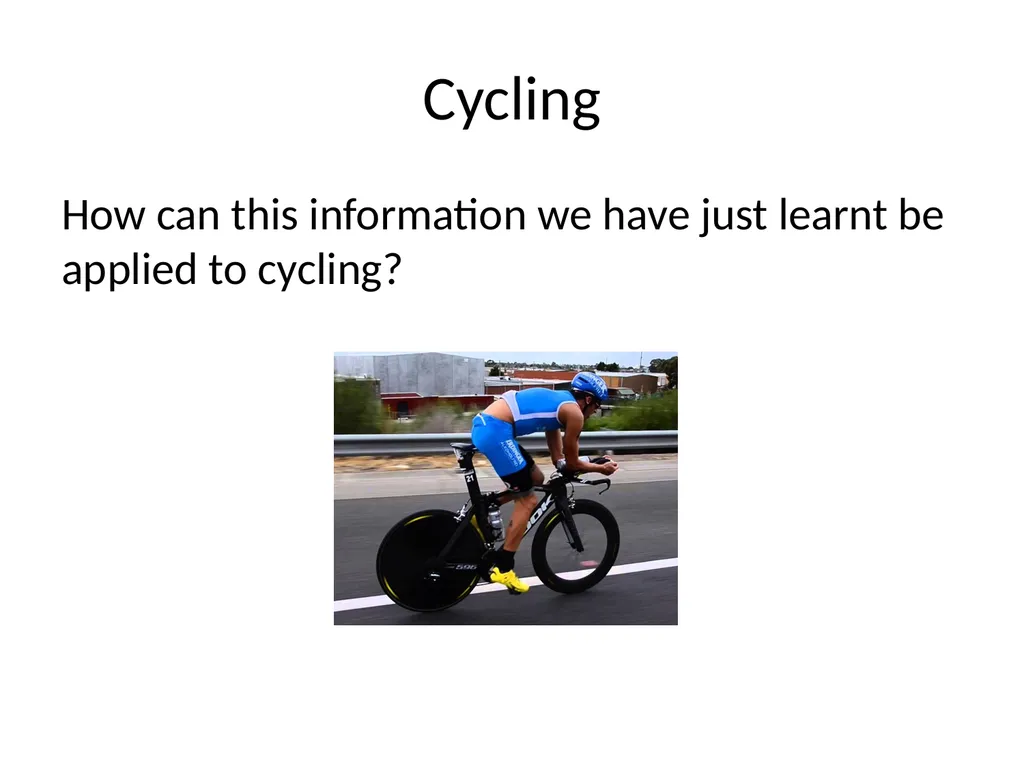
slide5. Cycling How can this information we have just learnt be applied to cycling?<br>
slide6. Think about cycling a bike into the wind.
Does this make it harder work to get the bike to move forward? YES!<br>
slide7. In nature and in technology, streamlining is used to reduce air resistance and water resistance.
Watch this video with examples of streamlining
http://www.bbc.co.uk/learningzone/clips/streamlining-in-nature-and-industry/2181.html<br>
slide8. Experiment Time! You will need some plasticine (or blu tak, clay, playdough, foil whatever you have).
You will need to shape your plasticine (or other) in different shapes and drop it into some water.
But first think about…<br>
slide9. What do you predict will happen?
Using the same amount of material
Using the same depth of the water
The force with which the plasticine is dropped
Which shapes do you think will fall quickest? Why?
Which shapes will fall slowest? Why?<br>
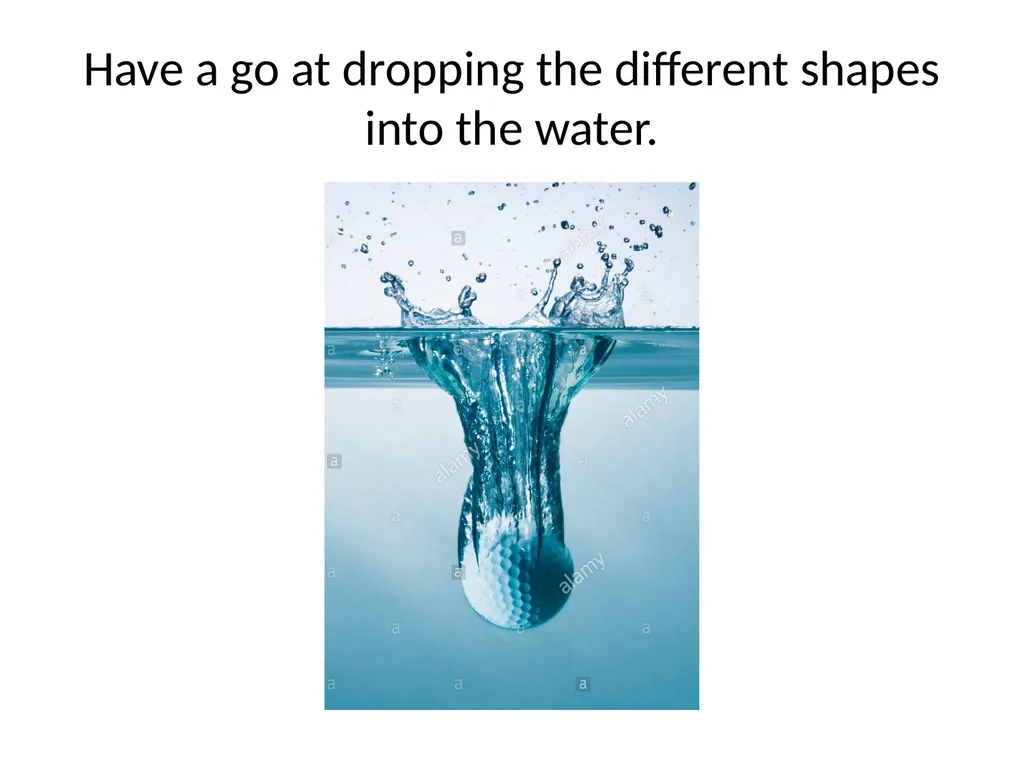
slide10. Have a go at dropping the different shapes into the water.<br>
slide11. Results Were your results what you expected?
Do your results match with nature and technology like what you saw in the video?
The larger the surface area, the slower your shape will fall due to greater water resistance (drag).<br>
slide12. Repeating the experiment? What if we changed the water? What difference would viscosity make?
(viscosity means thick, sticky, and semi-fluid in consistency)
Imagine dropping your shape into cooking oil?
(you may want to try this – ask an adult first though!) Would your shape fall quicker or slower? Why?<br>
slide2. Swimming Think back to your swimming lessons in Year 4.
Was it easy or difficult to walk through water?
Does the depth of the water make a difference to have fast or slow you can walk?<br>
slide3. Walking through water and the depth of the water does make a difference to how easily you can move.
This is due to air resistance and water resistance, and that air resistance and water resistance are types of friction.
How you might ask?!<br>
slide4. A windy day! Think about holding an umbrella on a windy day – is it easier to hold the umbrella when it is open or closed? Why?
A closed umbrella is more streamlined than an open umbrella
Streamlined means that the umbrella presents very little resistance to a flow of air or water, increasing speed and ease of movement.<br>
slide5. Cycling How can this information we have just learnt be applied to cycling?<br>
slide6. Think about cycling a bike into the wind.
Does this make it harder work to get the bike to move forward? YES!<br>
slide7. In nature and in technology, streamlining is used to reduce air resistance and water resistance.
Watch this video with examples of streamlining
http://www.bbc.co.uk/learningzone/clips/streamlining-in-nature-and-industry/2181.html<br>
slide8. Experiment Time! You will need some plasticine (or blu tak, clay, playdough, foil whatever you have).
You will need to shape your plasticine (or other) in different shapes and drop it into some water.
But first think about…<br>
slide9. What do you predict will happen?
Using the same amount of material
Using the same depth of the water
The force with which the plasticine is dropped
Which shapes do you think will fall quickest? Why?
Which shapes will fall slowest? Why?<br>
slide10. Have a go at dropping the different shapes into the water.<br>
slide11. Results Were your results what you expected?
Do your results match with nature and technology like what you saw in the video?
The larger the surface area, the slower your shape will fall due to greater water resistance (drag).<br>
slide12. Repeating the experiment? What if we changed the water? What difference would viscosity make?
(viscosity means thick, sticky, and semi-fluid in consistency)
Imagine dropping your shape into cooking oil?
(you may want to try this – ask an adult first though!) Would your shape fall quicker or slower? Why?<br>