
Inducible defense mechanisms in plants Classes of
SB
Published · 26 slides · 0 views

1 / 1

Description
Inducible defense mechanisms in plants Classes of plant immune responses Basal response: transcription of genes in response to PAMP recognition. Hypersensitive response (HR); apoptosis of cells at the site of infection Systemic acquired
Related Topics
Share
Embed code
Download this presentation From Below
"Inducible defense mechanisms in plants Classes of" is the property of its rightful owner. Permission is granted to download and print the materials on this website for personal, non-commercial use only, and to display it on your personal computer provided you do not modify the materials and that you retain all copyright notices contained in the materials. By downloading content from our website, you accept the terms of this agreement.
Presentation Transcript
01
Inducible defense mechanisms in plants<br>
02
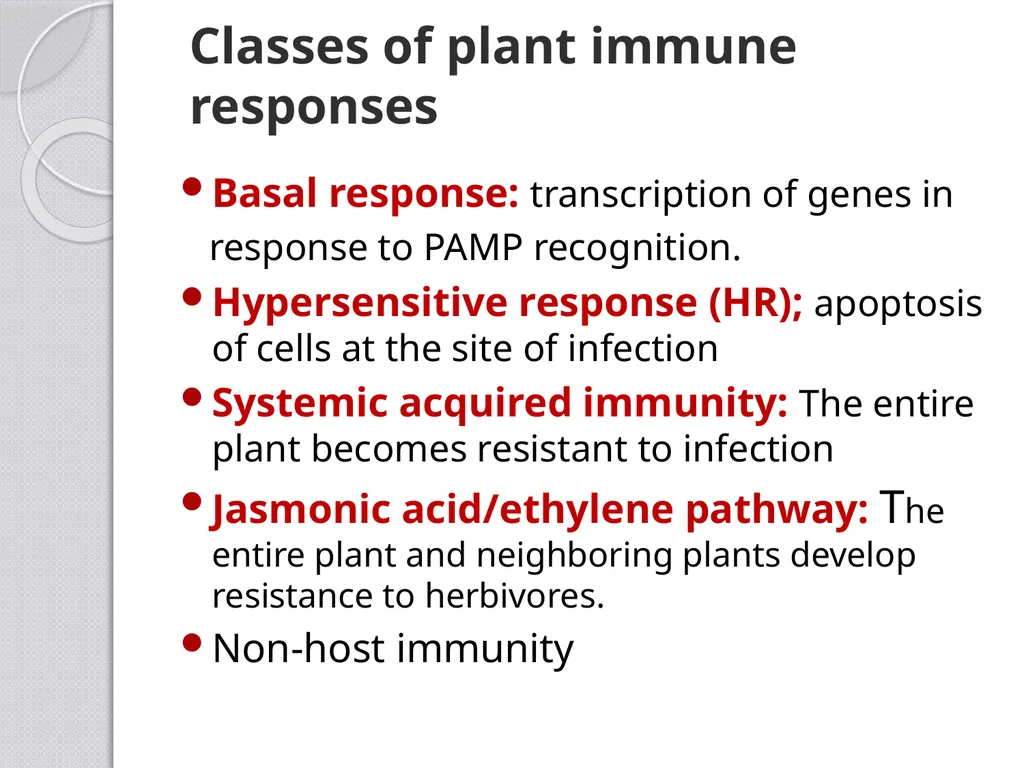
Classes of plant immune
responses Basal response: transcription of genes in
response to PAMP recognition.
Hypersensitive response (HR); apoptosis of cells at the site of infection
Systemic acquired immunity: The entire plant becomes resistant to infection
Jasmonic acid/ethylene pathway: The entire plant and neighboring plants develop resistance to herbivores.
Non-host immunity<br>
03
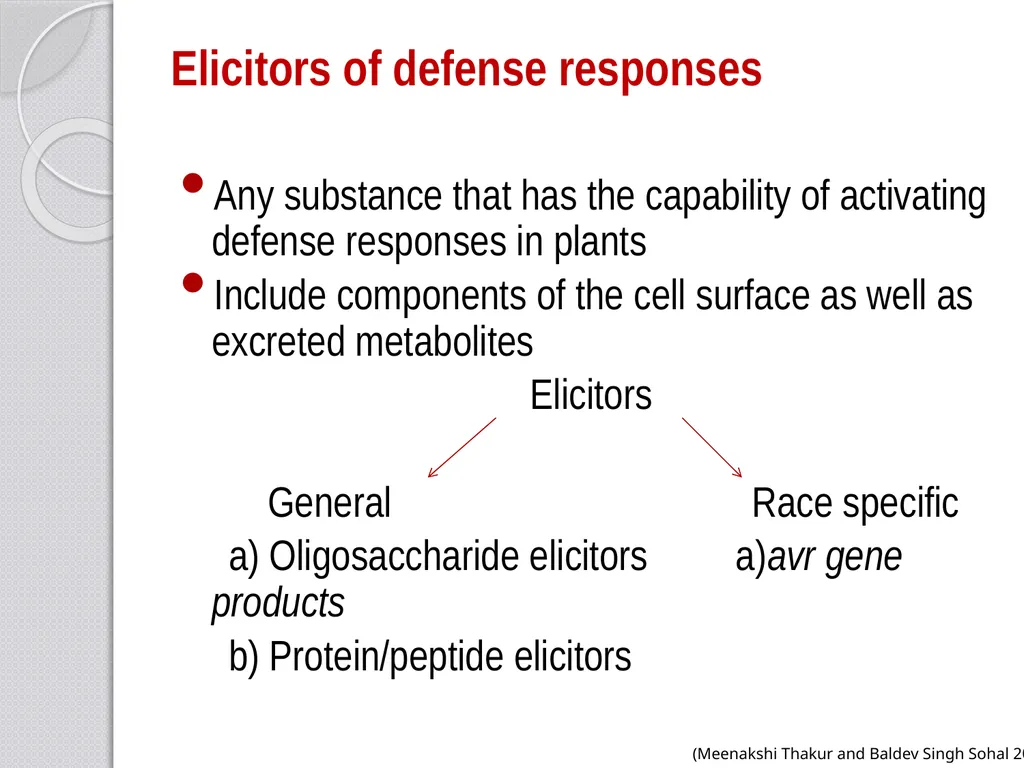
Elicitors of defense responses Any substance that has the capability of activating defense responses in plants
Include components of the cell surface as well as excreted metabolites
Elicitors
General Race specific
a) Oligosaccharide elicitors a)avr gene products
b) Protein/peptide elicitors (Meenakshi Thakur and Baldev Singh Sohal 2012)<br>
Include components of the cell surface as well as excreted metabolites
Elicitors
General Race specific
a) Oligosaccharide elicitors a)avr gene products
b) Protein/peptide elicitors (Meenakshi Thakur and Baldev Singh Sohal 2012)<br>
04
An overview of plant immune response against bacterial pathogens.
After pathogen attack, two types of immune responses are activated namely
pathogen-associated molecular patterns-triggered immunity (PTI) and effector-
triggered immunity (ETI).<br>
After pathogen attack, two types of immune responses are activated namely
pathogen-associated molecular patterns-triggered immunity (PTI) and effector-
triggered immunity (ETI).<br>
05
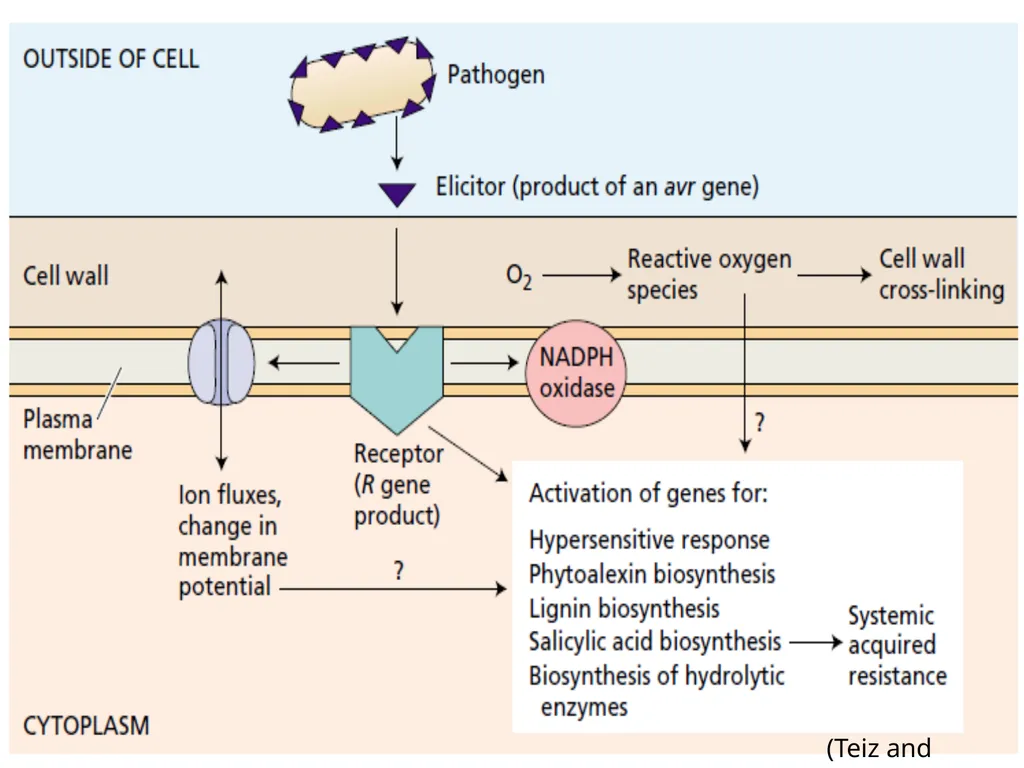
(Teiz and ziger)<br>
06
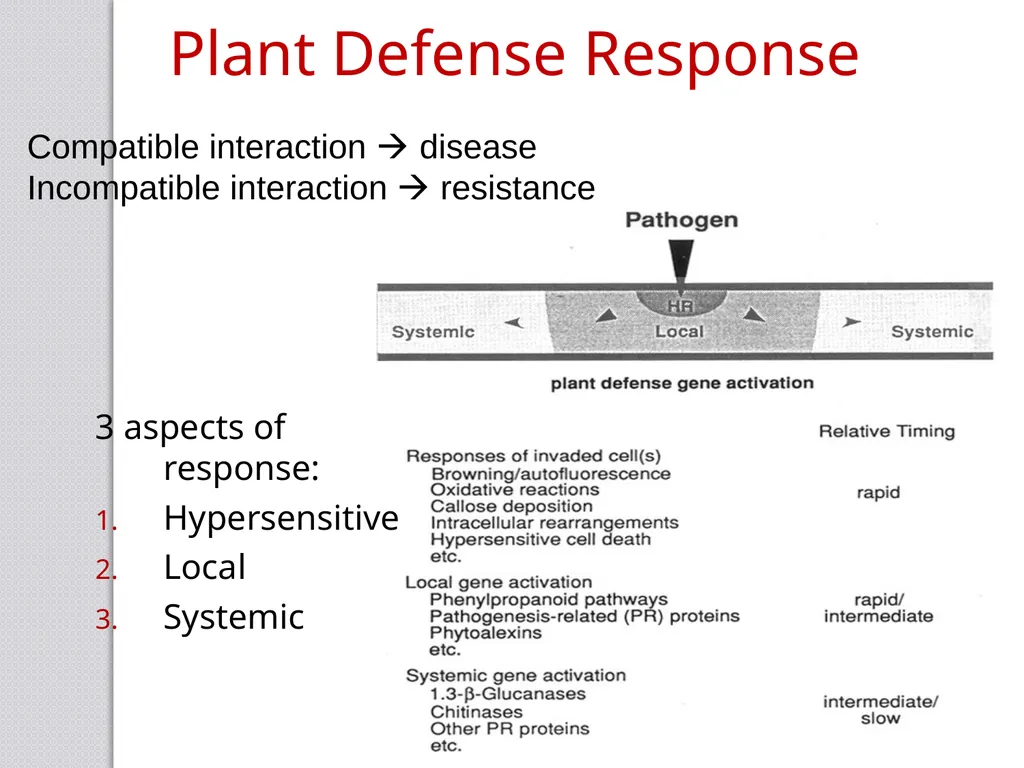
Plant Defense Response Compatible interaction disease
Incompatible interaction resistance 3 aspects of response:
Hypersensitive
Local
Systemic<br>
Incompatible interaction resistance 3 aspects of response:
Hypersensitive
Local
Systemic<br>
07
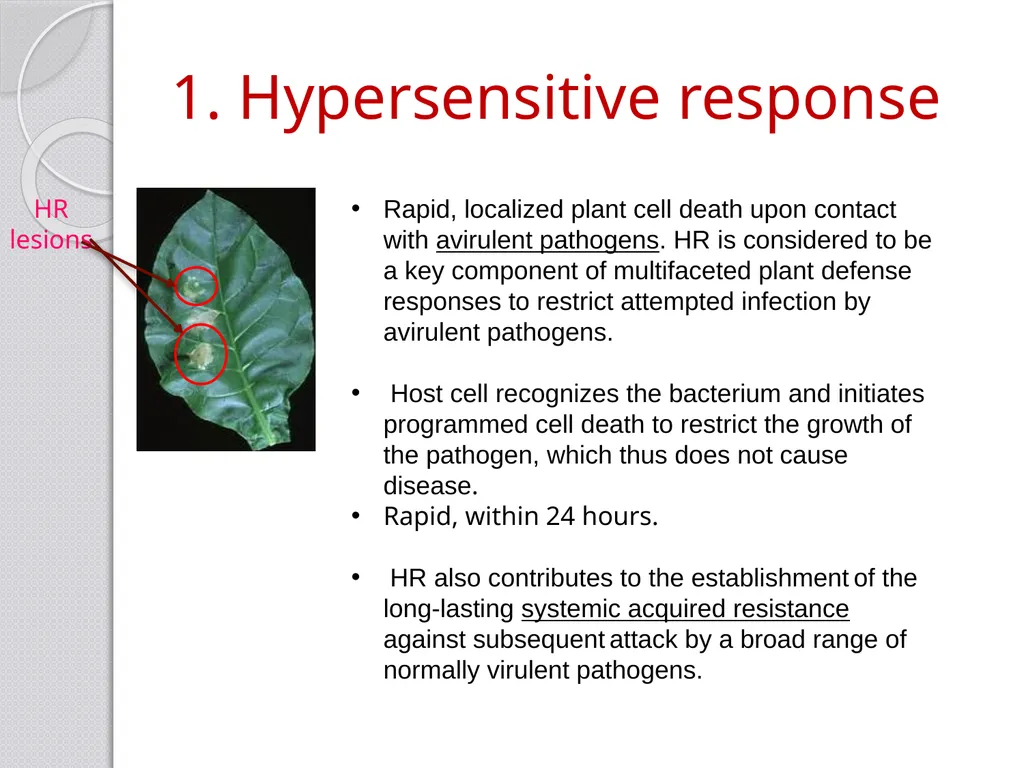
1. Hypersensitive response HR
lesions Rapid, localized plant cell death upon contact with avirulent pathogens. HR is considered to be a key component of multifaceted plant defense responses to restrict attempted infection by avirulent pathogens.
Host cell recognizes the bacterium and initiates programmed cell death to restrict the growth of the pathogen, which thus does not cause disease.
Rapid, within 24 hours.
HR also contributes to the establishment of the long-lasting systemic acquired resistance against subsequent attack by a broad range of normally virulent pathogens.<br>
08
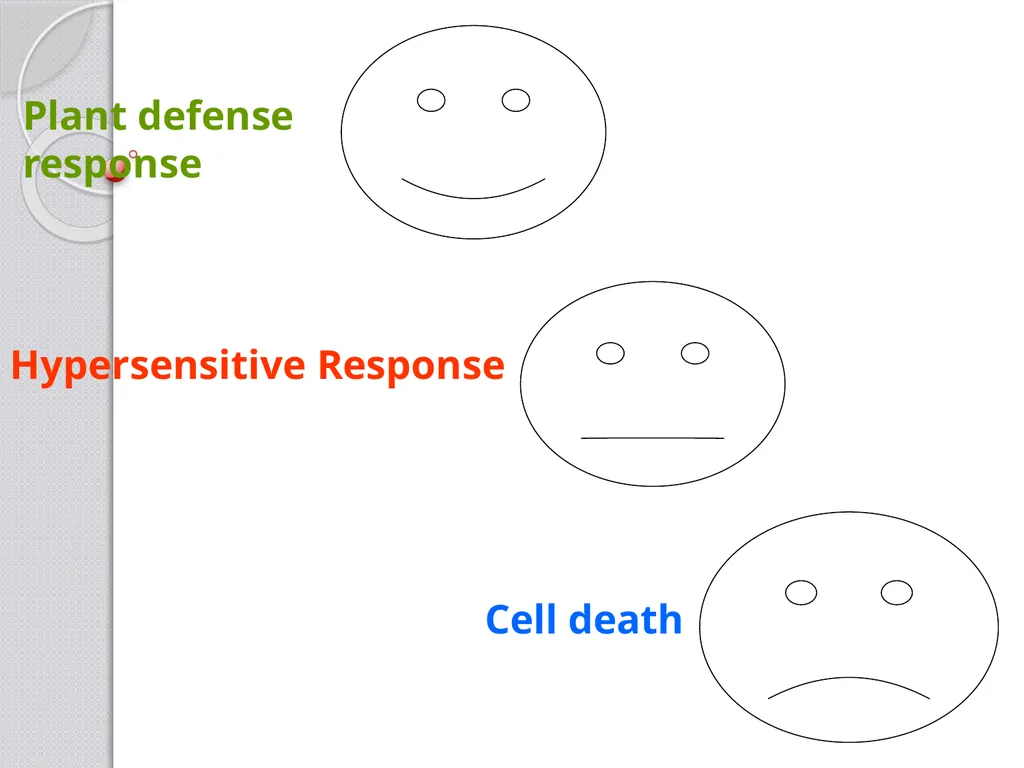
Hypersensitive Response Plant defense
response Cell death<br>
response Cell death<br>
09
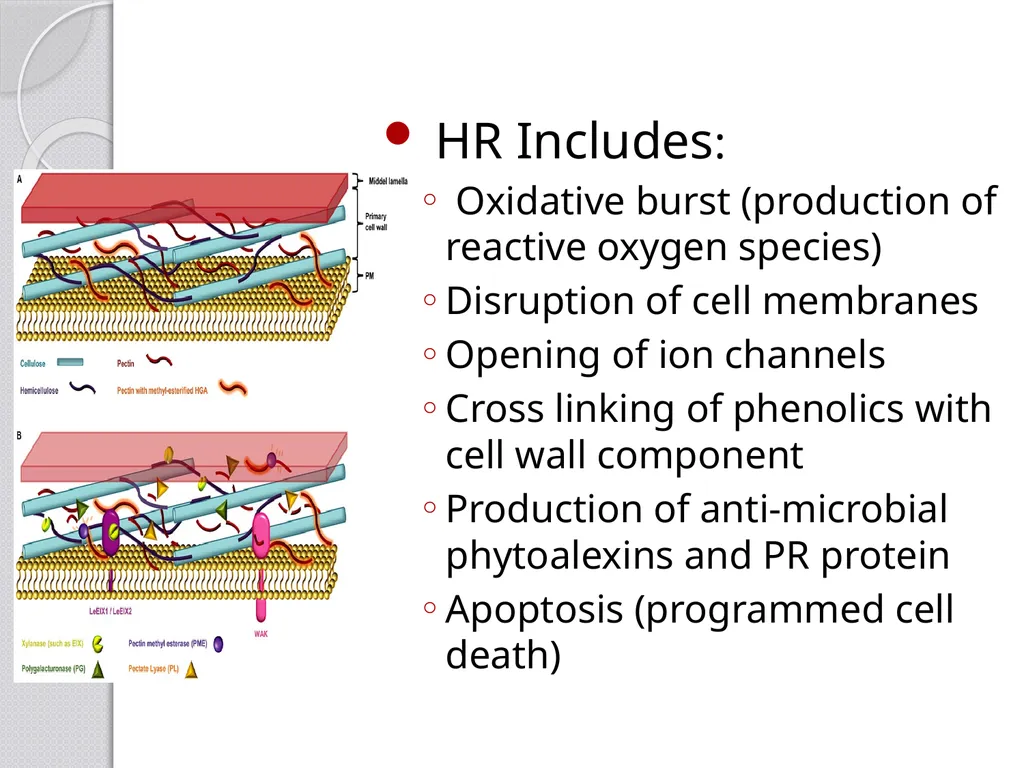
HR Includes:
Oxidative burst (production of reactive oxygen species)
Disruption of cell membranes
Opening of ion channels
Cross linking of phenolics with cell wall component
Production of anti-microbial phytoalexins and PR protein
Apoptosis (programmed cell death)<br>
Oxidative burst (production of reactive oxygen species)
Disruption of cell membranes
Opening of ion channels
Cross linking of phenolics with cell wall component
Production of anti-microbial phytoalexins and PR protein
Apoptosis (programmed cell death)<br>
10
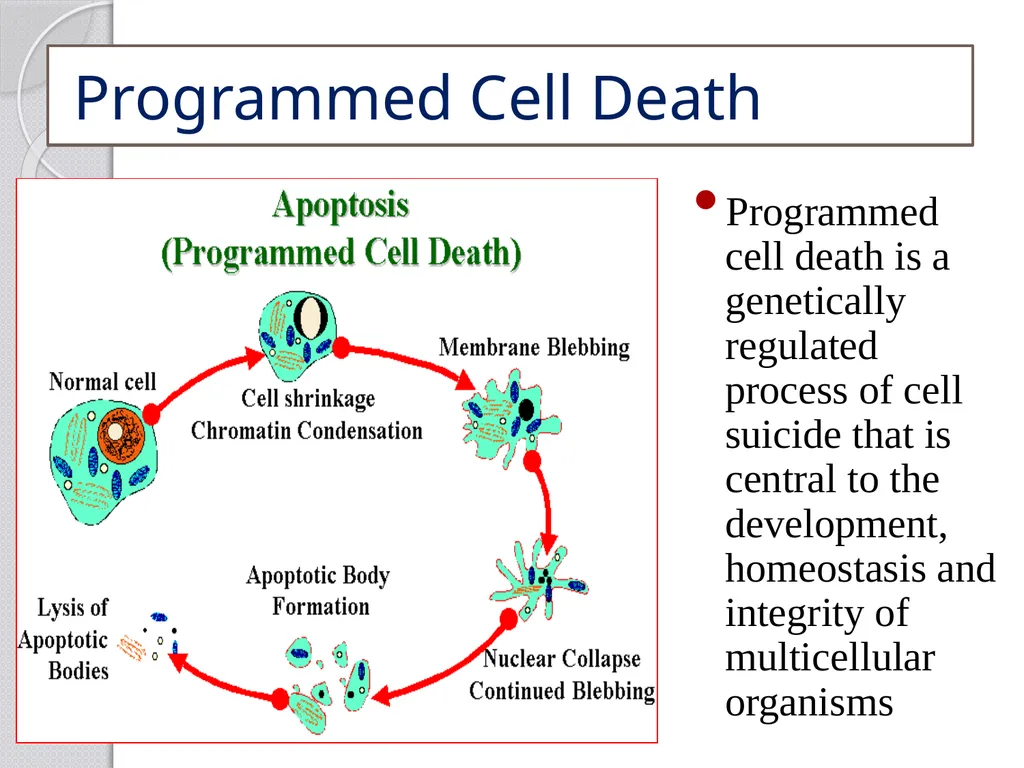
Programmed Cell Death Programmed cell death is a genetically regulated process of cell suicide that is central to the development, homeostasis and integrity of multicellular organisms<br>
11
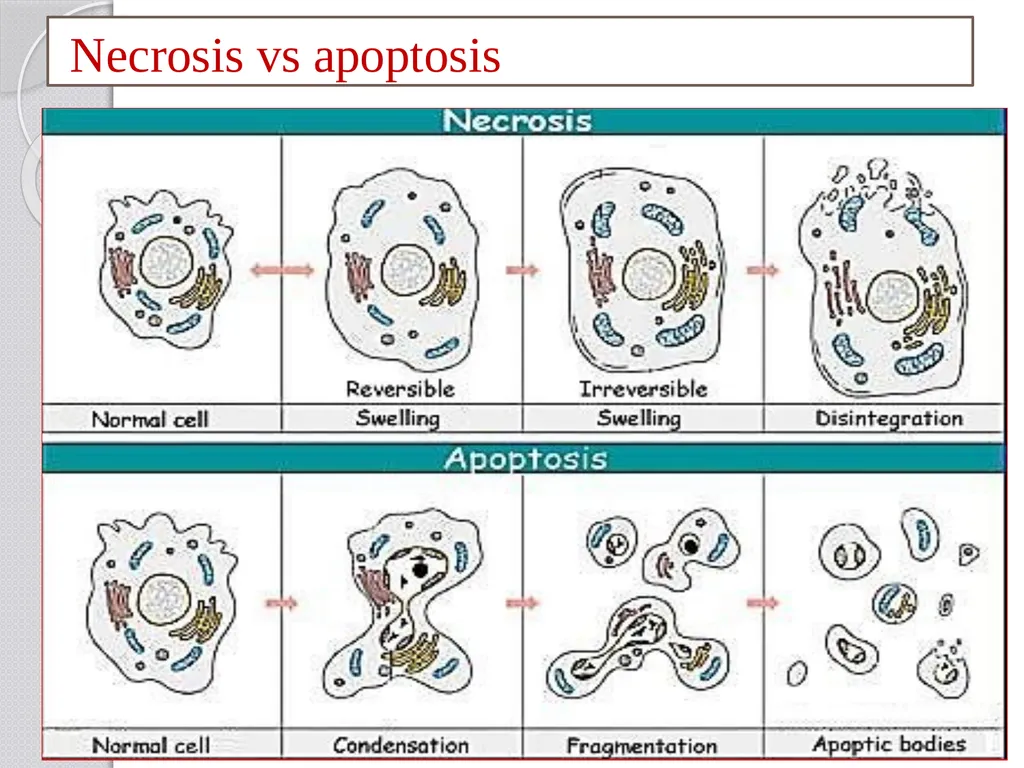
Necrosis vs apoptosis<br>
12
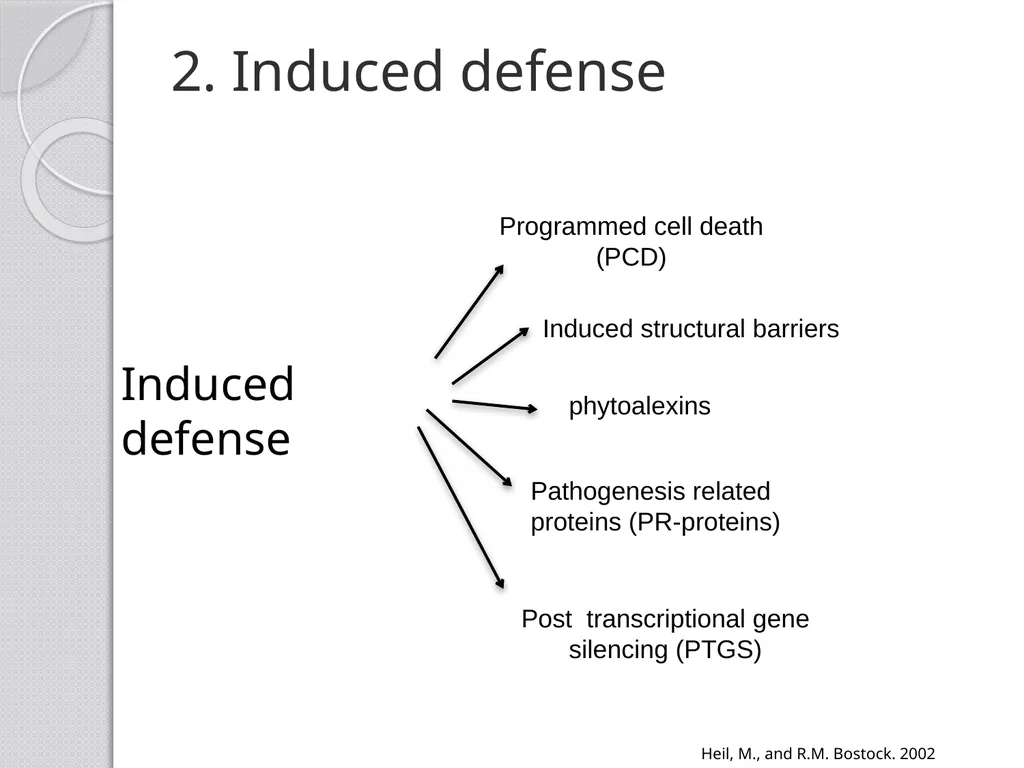
2. Induced defense Induced defense Programmed cell death (PCD) Induced structural barriers phytoalexins Pathogenesis related proteins (PR-proteins) Post transcriptional gene silencing (PTGS) Heil, M., and R.M. Bostock. 2002<br>
13
Systemic Acquired Resistance (SAR) SAR is a mechanism of induced defense that confers long-lasting protection against a broad spectrum of microorganisms.
Enhance resistance against subsequent attack by a wide array of pathogen.
The vasculature provide the excellent channel for transport of systemic signals.
SAR induces the chromatin modification.
SAR takes 24-48 h to start, can last for months
Involves gene activation and a transmitted signal.
Genes induced:
chitinases
β 1,3- glucanases
other PR proteins<br>
14
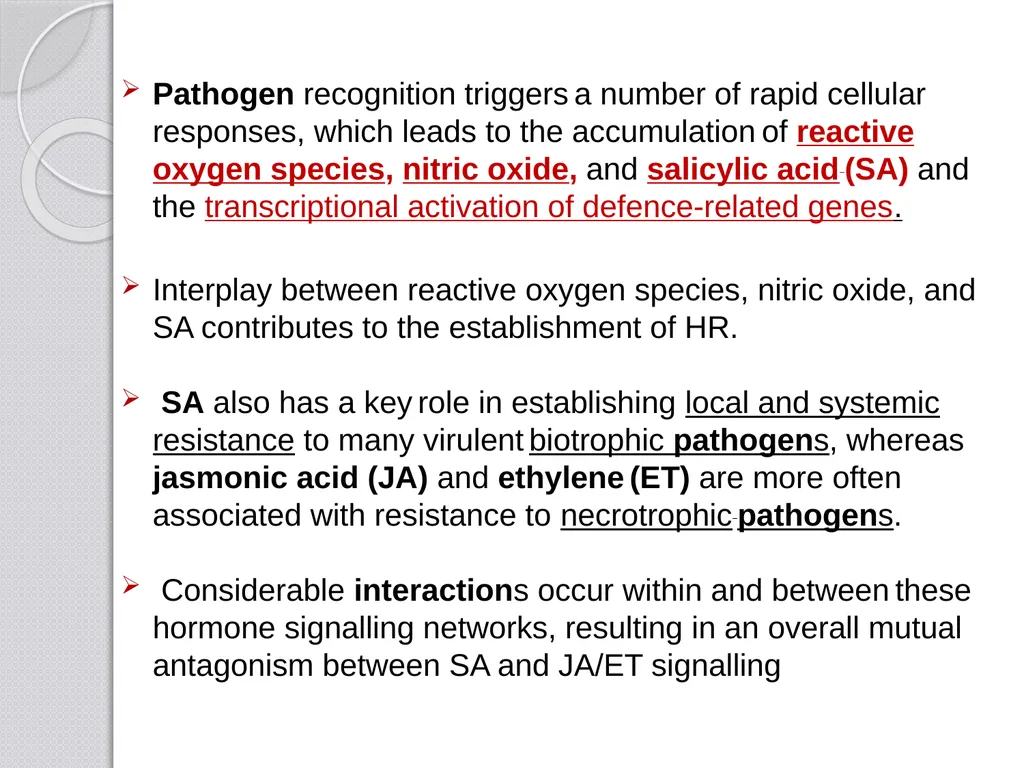
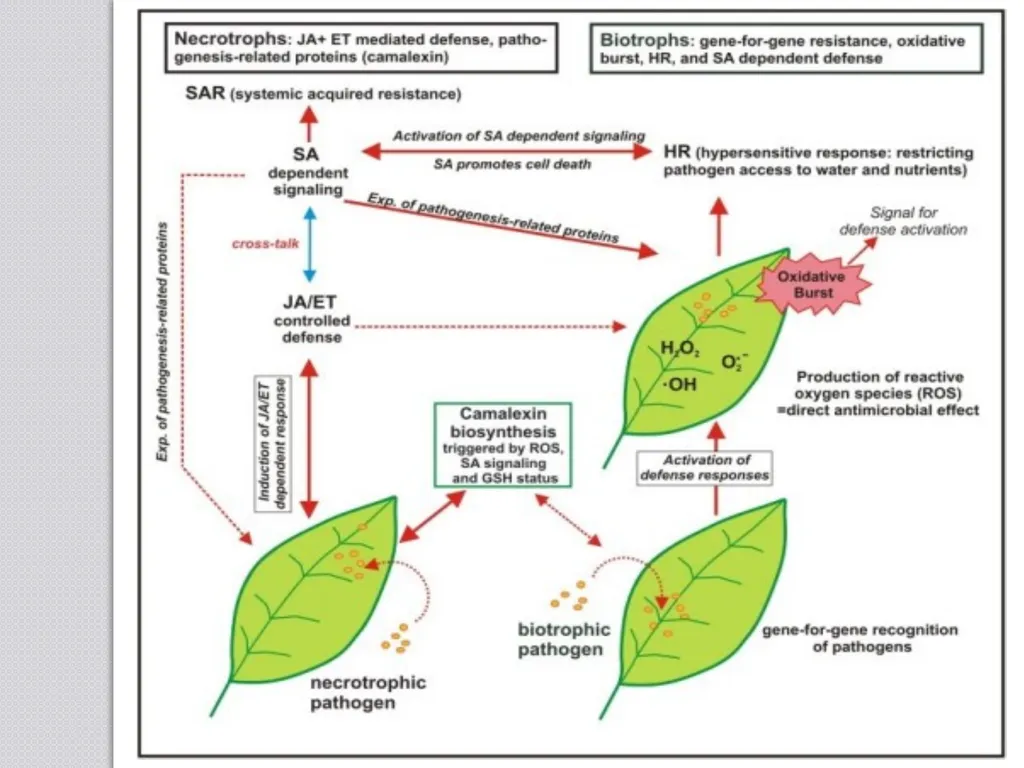
Pathogen recognition triggers a number of rapid cellular responses, which leads to the accumulation of reactive oxygen species, nitric oxide, and salicylic acid (SA) and the transcriptional activation of defence-related genes.
Interplay between reactive oxygen species, nitric oxide, and SA contributes to the establishment of HR.
SA also has a key role in establishing local and systemic resistance to many virulent biotrophic pathogens, whereas jasmonic acid (JA) and ethylene (ET) are more often associated with resistance to necrotrophic pathogens.
Considerable interactions occur within and between these hormone signalling networks, resulting in an overall mutual antagonism between SA and JA/ET signalling<br>
15
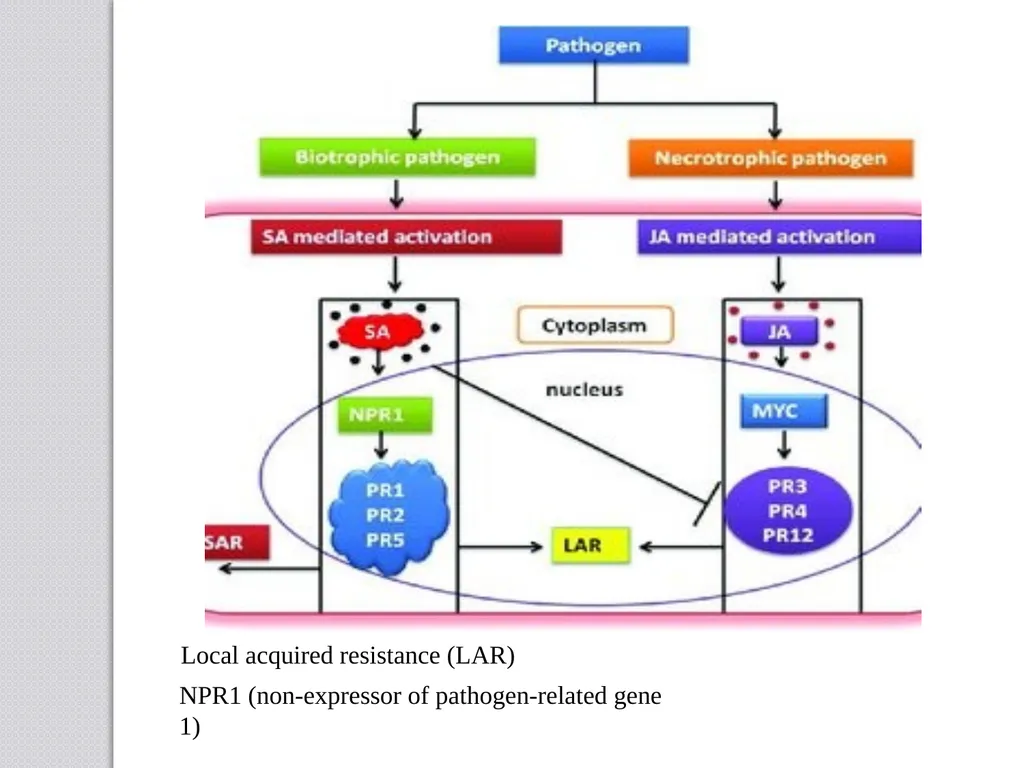
Local acquired resistance (LAR) NPR1 (non-expressor of pathogen-related gene 1) Myc is a family of regulator genes and proto-oncogenes that code for transcription factors.<br>
16
Fig. 1. An overview of activation of signaling cascades in plants after biotrophic and necrtrophic pathogenic infection. Accumulation of plant defense hormones like SA and JA further activates PR genes through selective transcription factor dependent pathways. SA accumulation also leads the activation SAR pathway. Increased expression of PR1 and PR2 genes have routinely been used as a molecular marker of SAR.<br>
17
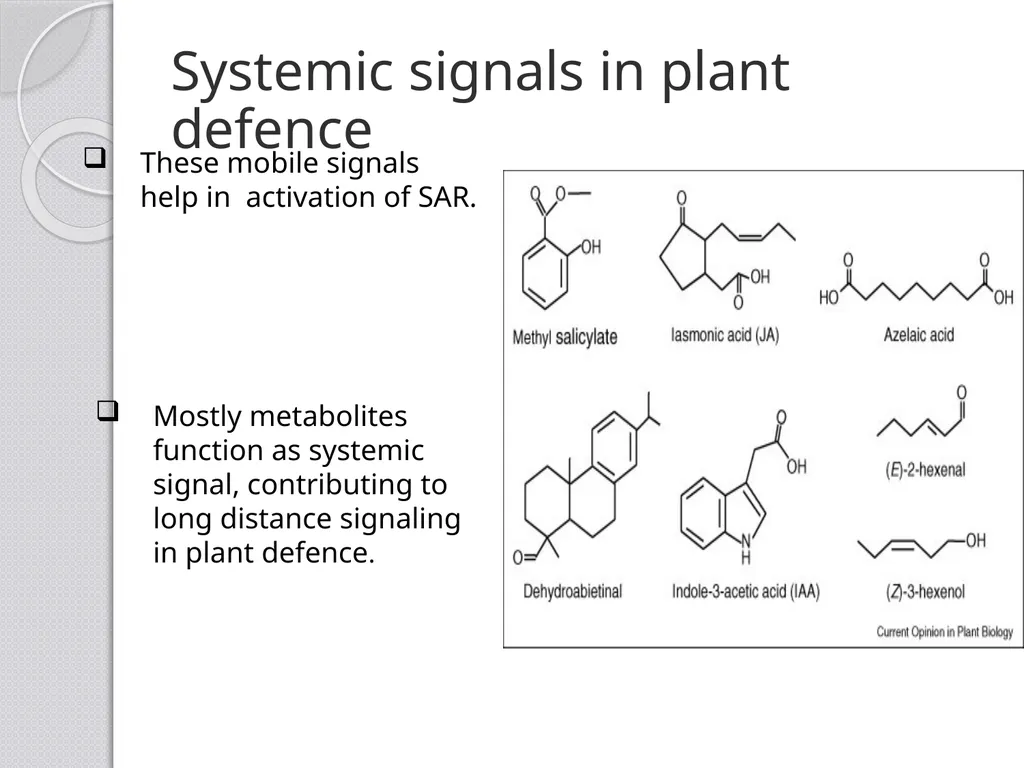
Systemic signals in plant defence These mobile signals help in activation of SAR. Mostly metabolites function as systemic signal, contributing to long distance signaling in plant defence.<br>
18
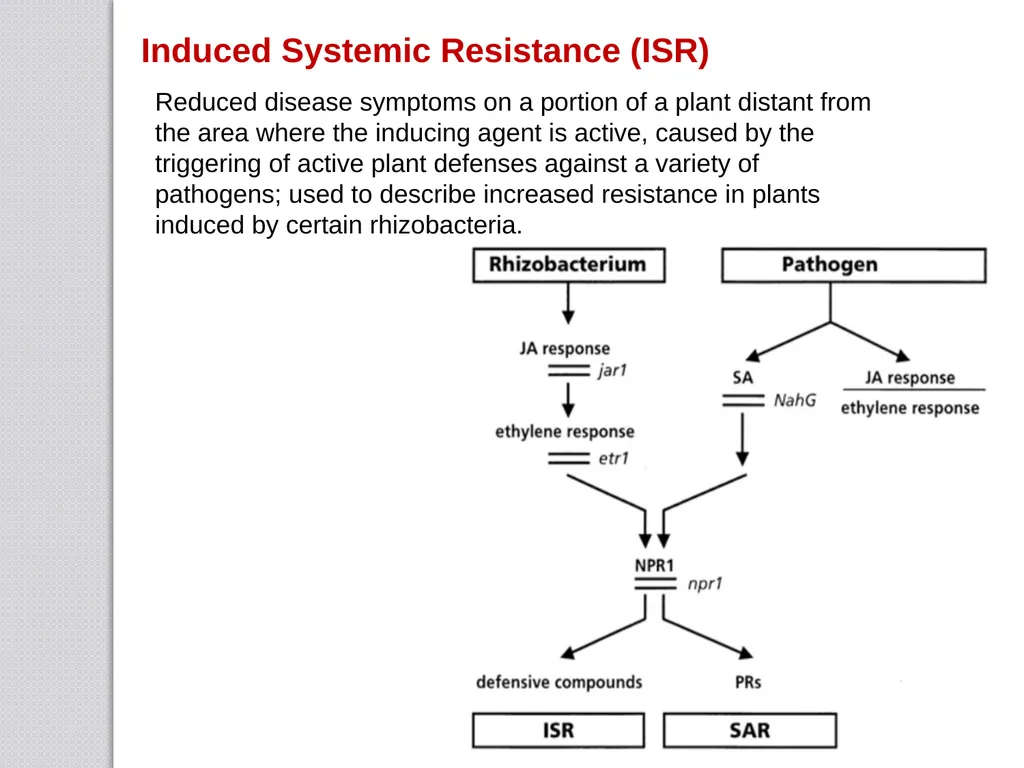
Reduced disease symptoms on a portion of a plant distant from the area where the inducing agent is active, caused by the triggering of active plant defenses against a variety of pathogens; used to describe increased resistance in plants induced by certain rhizobacteria. Induced Systemic Resistance (ISR)<br>
19
Pathogen Beneficial microbe
(PGPR)
HR-resistant plant
(hypersensitive Priming (latent defense)
reaction) Growth promotion
SA stress abiotic-biotic
(salicylic acid)
JA (jasmonic acid)
SAR – protection
(PR-proteins)
ISR - protection Molecular Plant Microbe Interaction Plant-microbe interactions or how can beneficial microorganisms compatible with crop plants be identified and further developed to support sustainable crop production by improving stress management & avoiding agrochemicals.<br>
20
conclusion<br>
21
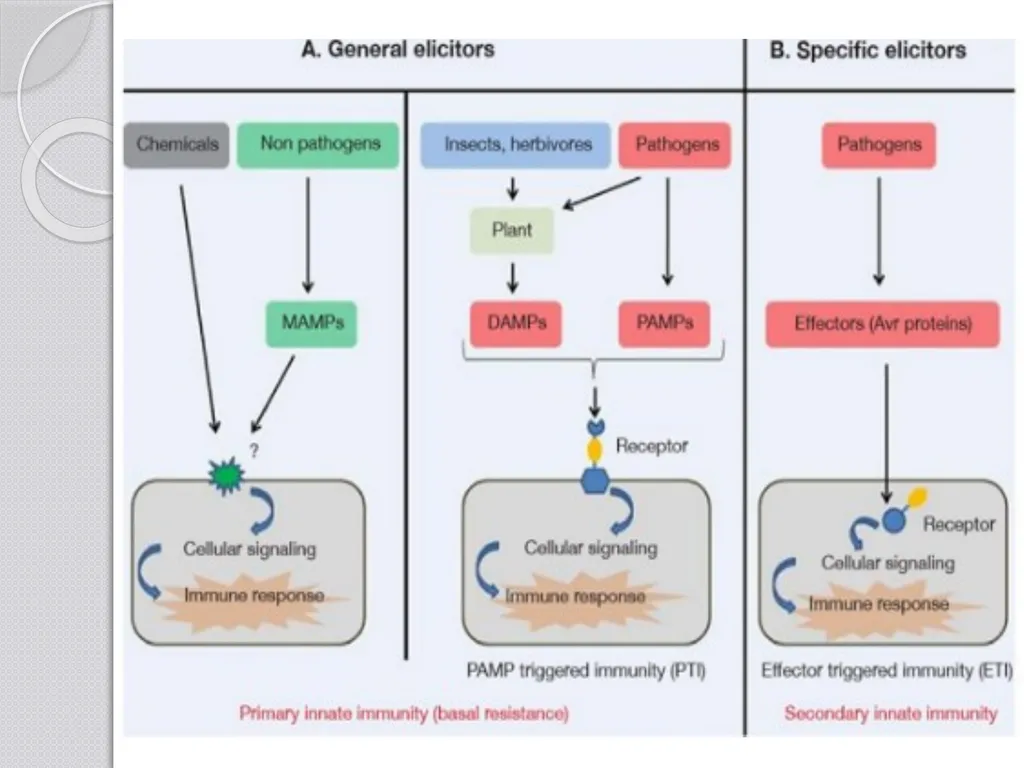
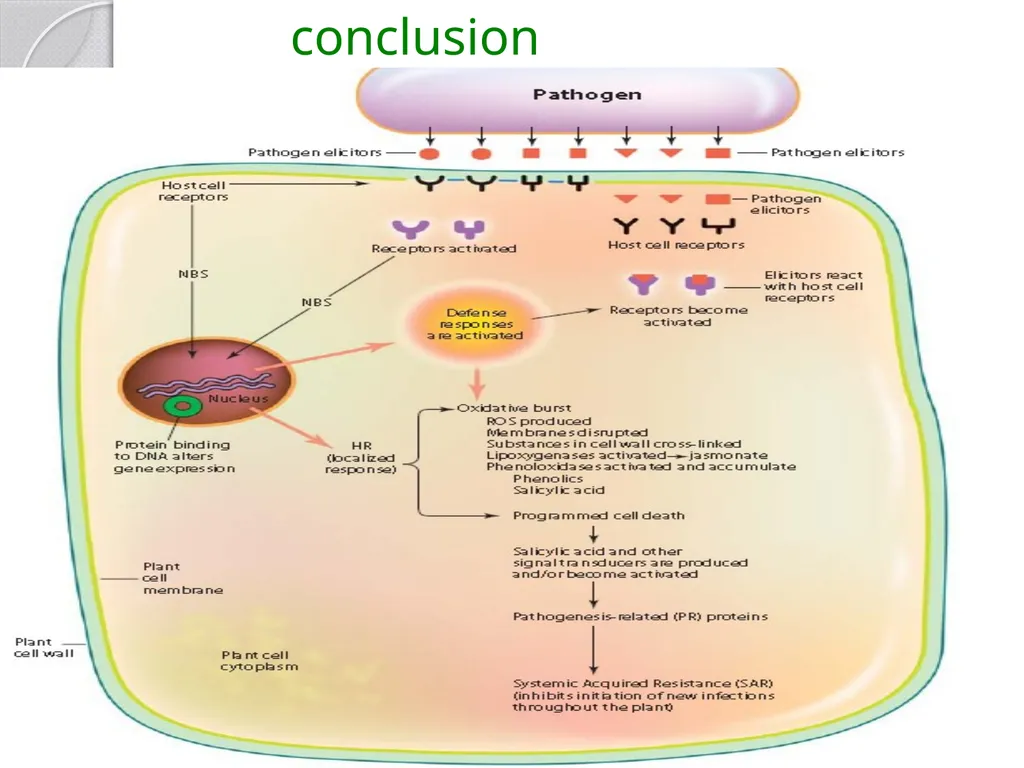
Recognition of the pathogen and elicitation of defense response by the host. When the pathogen attacks the host through their typical molecular signatures called microbe-associated molecular patterns (MAMPs) and/or effectors, they are recognized by the host through specific pathogen recognition receptors (PRRs) and R-genes leading to host defense response via the activation of multiple signal transduction pathways such as salicylic acid (SA), jasmonic acid (JA) and ethylene. Pathogen recognition results in change in membrane potential leading to activation of NADPH complex that results in production of reactive oxygen species (ROS), which acts as major signaling molecules and in turn, may induce other signaling molecules. Change in ion flux also induces Ca2+signaling. Defense responses against MAMPs are called pathogen-triggered immunity (PTI) and against effectors are called effector-triggered immunity (ETI)<br>
22
Communal resistance Plant can communicate with their neighboring plant through the production of
volatile singles- Methyle jasmonate
Methyle salicylate
there by activation of defense gene in neighboring plant.
Ex: Methyle jasmonate from Big sagebrush (Artemisia tridentate) induce production of protease inhibitor in adjacent tomato plant. (Stout & Duffey, 1996)<br>
volatile singles- Methyle jasmonate
Methyle salicylate
there by activation of defense gene in neighboring plant.
Ex: Methyle jasmonate from Big sagebrush (Artemisia tridentate) induce production of protease inhibitor in adjacent tomato plant. (Stout & Duffey, 1996)<br>
23
Pathogenesis-Related Proteins
(PR-proteins) Pathogenesis related proteins, called PR-proteins- A group of plant coded proteins
• Are structurally diverse group toxic to invading pathogens.
• Produced under stress
They are widely distributed in plants in
trace amounts but are produced in high
concentration following pathogen attack<br>
• Are structurally diverse group toxic to invading pathogens.
• Produced under stress
They are widely distributed in plants in
trace amounts but are produced in high
concentration following pathogen attack<br>
24
Significance of PR-proteins They show strong antifungal and other antimicrobial activity.
These are associated with strengthening of the host cell wall and its out growths and papillae.
Some of the PR-proteins, for example, B-1, 3-glucanase and chitinase, diffuse towards and affect (break down) the chitin-supported structure of the cell walls of several plant pathogenic fungi, whereas lysozymes degrade the glucosmine and muramic acid components of bacterial cell walls.<br>
25
Secondary Compounds Secondary metabolites are not directly involved in growth or reproduction but they are often involved with plant defense. These compounds usually belong to one of three large chemical classes: terpenoids, phenolics, and alkaloids.
Secondary compounds have negative impacts on herbivores and pathogens<br>
Secondary compounds have negative impacts on herbivores and pathogens<br>
26
Tannins are water-soluble flavonoid polymers produced by plants and stored in vacuoles. Tannins are toxic to insects because they bind to salivary proteins and digestive enzymes including trypsin and chymotrypsin resulting in protein inactivation.
lignin provides an excellent physical barrier against pathogen attack.
Furanocoumarins are phenolic compounds produced by a wide variety of plants in response to pathogen.<br>
lignin provides an excellent physical barrier against pathogen attack.
Furanocoumarins are phenolic compounds produced by a wide variety of plants in response to pathogen.<br>