04
agenda What is instructional design (ID)?
Commonly used ID models
Gagne’s nine events of instruction
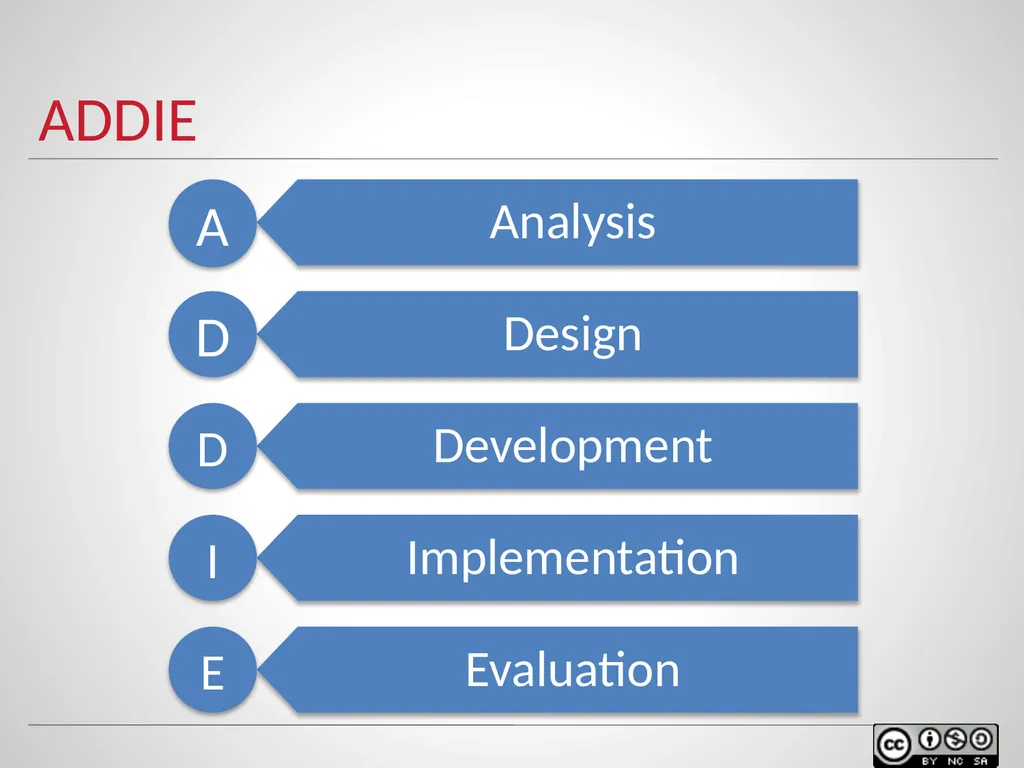
ADDIE
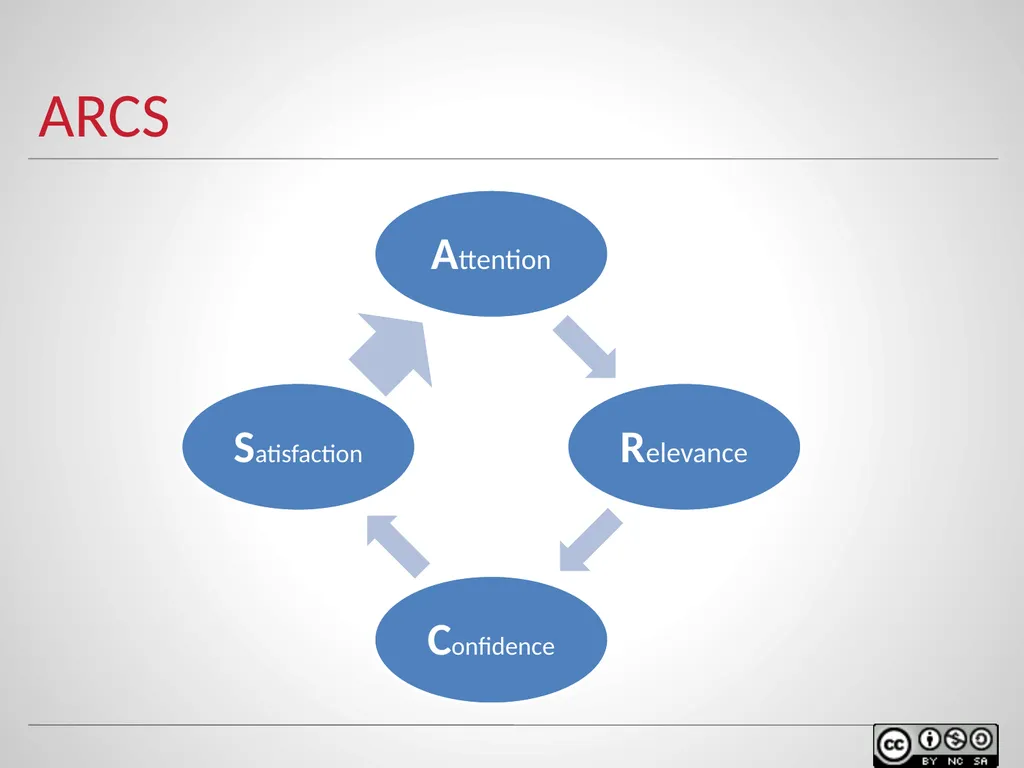
ARCS
Backward design
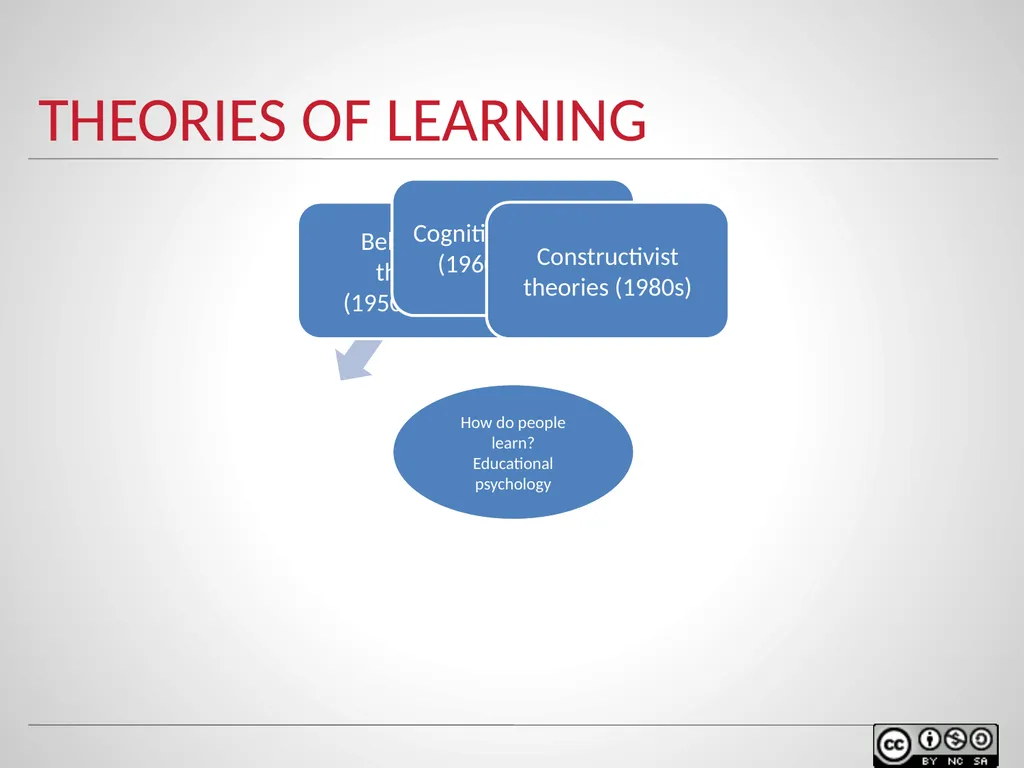
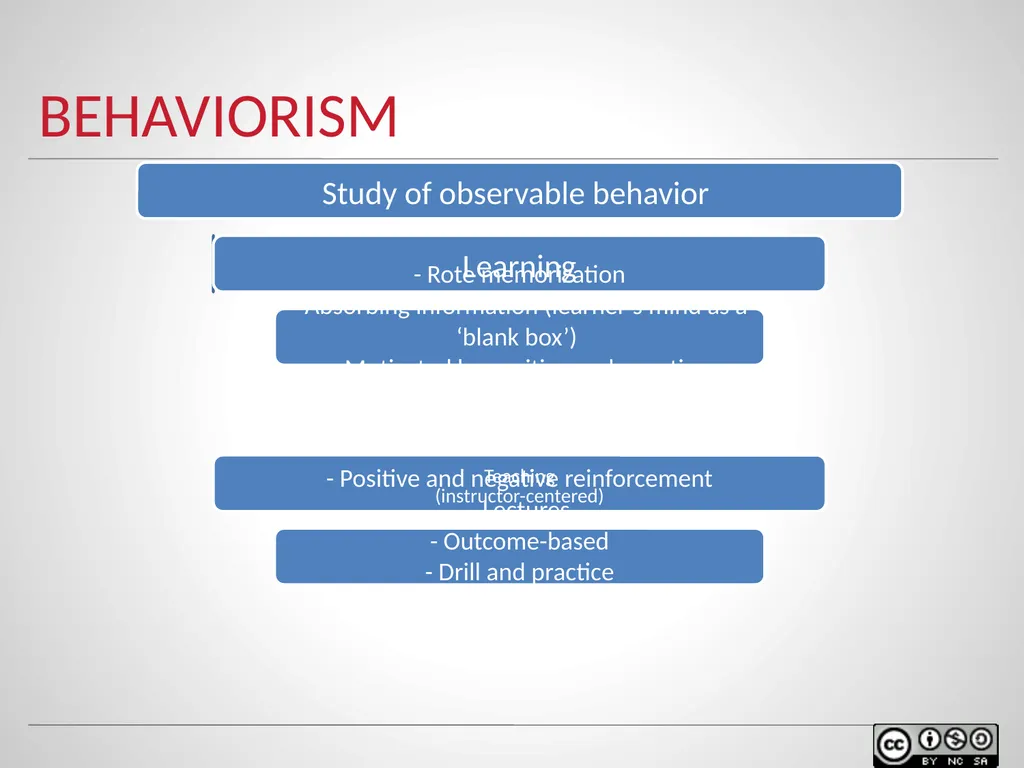
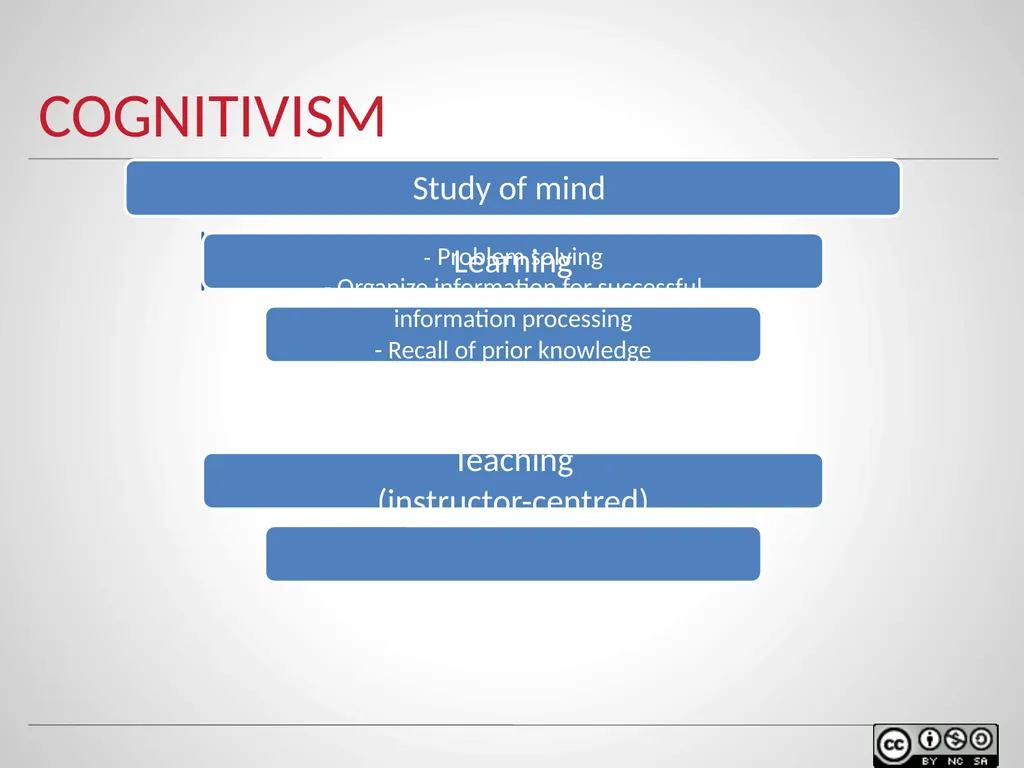
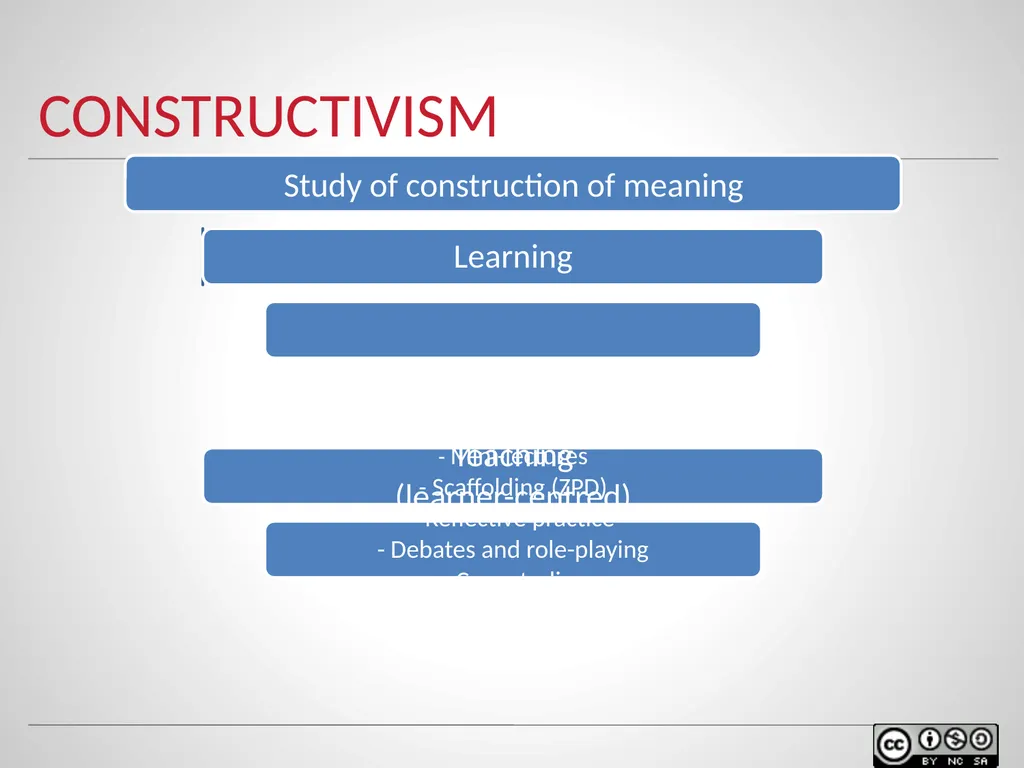
A brief overview of learning theories (behaviorism, cognitivism, constructivism)<br>
05
What is instructional design?<br>
06
Discussion What is your understanding of instructional design?<br>
07
What is Instructional design? Grounded in theories of learning, ID is the process of analyzing learning goals and needs, and the systematic development of learning activities, materials, and assessment strategies to ensure learners achieve established learning outcomes.<br>
08
Benefits of Instructional design Serves the learning needs and success of students through effective presentation of content and fostering of interaction
Allows instructor to anticipate and meet potential concerns/ambiguities (when teaching online, it is potentially more difficult to “adjust on the fly” than it is in a classroom)
May help ensure the quality of a course
Gives structure to the student's process of working through course material<br>
09
instructional design Models<br>
10
Instructional Design Models Video
Instructional design models<br>
11
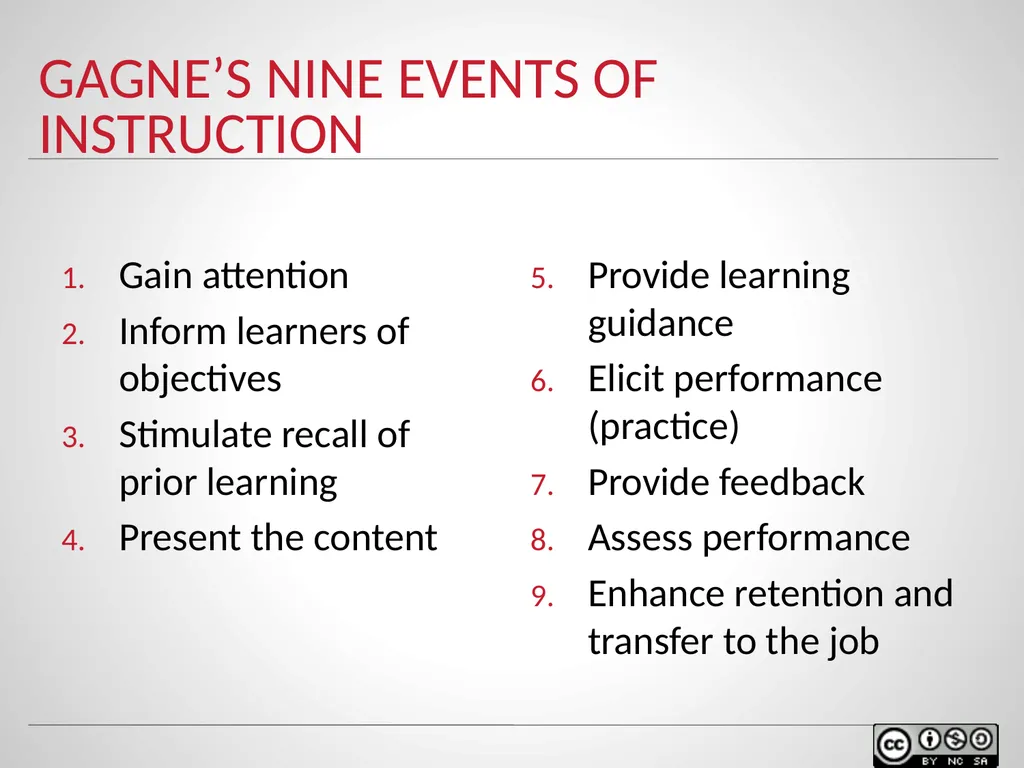
GAGNE’S NINE EVENTS OF INSTRUCTION Gain attention
Inform learners of objectives
Stimulate recall of prior learning
Present the content Provide learning guidance
Elicit performance (practice)
Provide feedback
Assess performance
Enhance retention and transfer to the job<br>
14
BACKWARD DESIGN “Deliberate … design requires us as teachers … to make an important shift in our thinking … (it) involves thinking … about (1) the specific learning sought, and (2) the evidence of such learning, before thinking about what we, as the teacher, will do or provide in teaching and (3) learning activities.” (Wiggins and McTighe, 1998)<br>
15
BACKWARD DESIGN Wiggins and McTighe, Understanding by Design
“To put it in an odd way, too many teachers focus on the teaching and not the learning.” (Ibid.)<br>
17
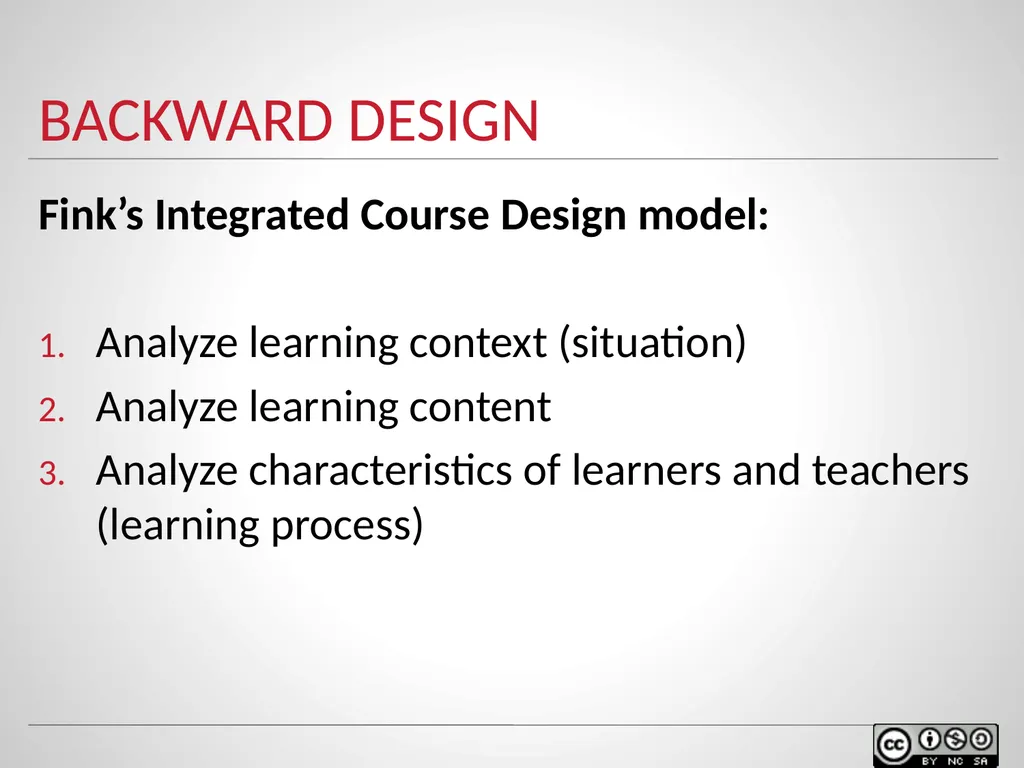
BACKWARD DESIGN Fink’s Integrated Course Design model:
Analyze learning context (situation)
Analyze learning content
Analyze characteristics of learners and teachers (learning process)<br>
18
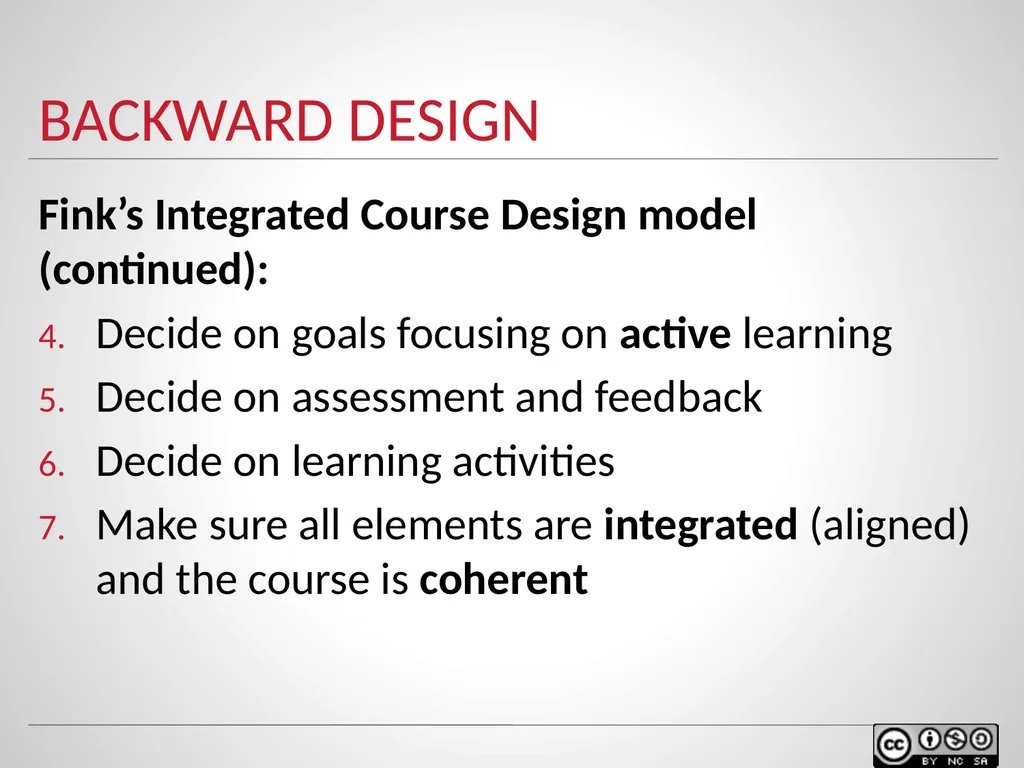
BACKWARD DESIGN Fink’s Integrated Course Design model (continued):
Decide on goals focusing on active learning
Decide on assessment and feedback
Decide on learning activities
Make sure all elements are integrated (aligned) and the course is coherent<br>
19
Deep and Surface Approaches to Learning Video
Impact of course design on students’ approaches to learning<br>
20
Group Activity: ID mODELS Choose two or three elements or characteristics from any of the ID models that you would like to incorporate in your online module or course.
What is the reason for your choice? Include rationale for how your choice will encourage students to adopt a deep approach to learning.<br>
21
Theories of learning<br>
22
Theories of learning<br>
26
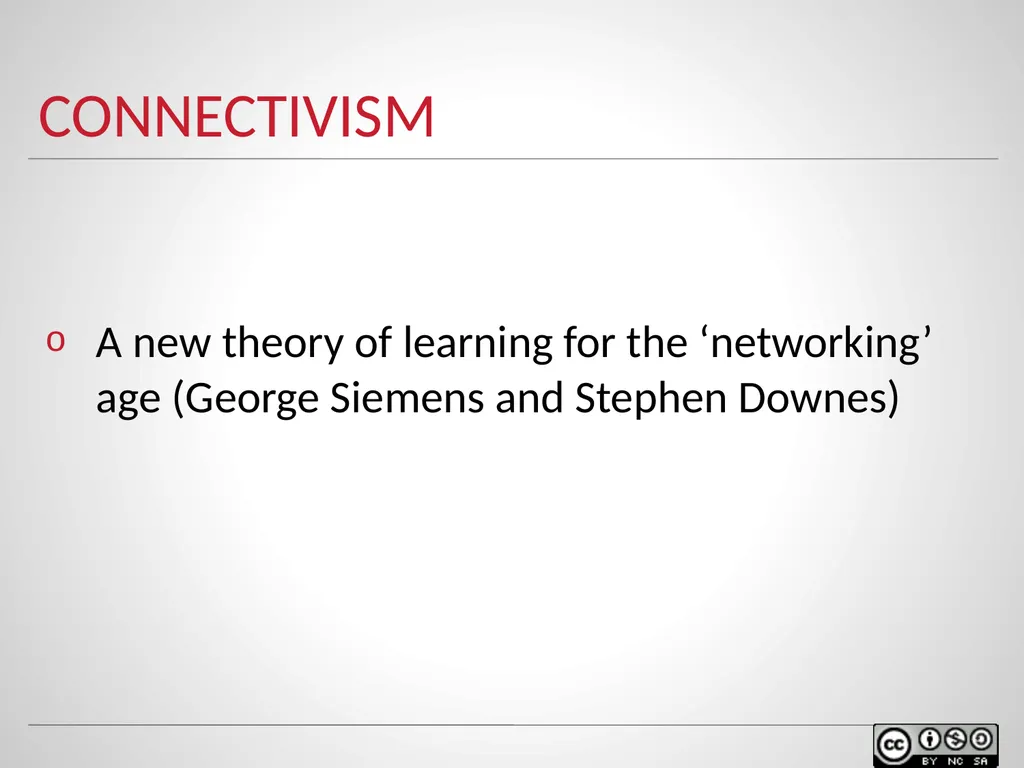
cONNECTIVISM A new theory of learning for the ‘networking’ age (George Siemens and Stephen Downes)<br>
27
Theories of learning Videos
Behaviorism, cognitivism, constructivism
Constructivism and online course design<br>
28
Group Discussion Do you agree/disagree with any of the views and opinions about the three learning theories expressed in the video?
How do you apply elements from the three learning theories in your courses?<br>
29
Group Activity: Syllabus Re-design Working in your groups, discuss how this syllabus could be re-designed for an online course.�
(missing elements/information? redundant elements? best ways to display it in an online course? sequencing?)<br>
30
Take Home Reflection With the learning theories we just discussed in mind, reflect on your own learning and teaching experiences.
Which learning theories best explain your own learning style? Why? What theories do you recognize in your teaching style? Explain.<br>
31
Summary Benefits of instructional design
Key characteristics of commonly-used instructional design models (Gagne’s Nine Events, ADDIE, ARCS, Backward Design)
Behaviorism, cognitivism, constructivism, connectivism
Applying instructional design and theories of learning to online course design<br>
32
Thank you Questions?
Comments?
Help?
Contact information – facilitator’s and department’s<br>
33
References Ally, M. (2004). Foundations of educational theory for online learning. In Terry Anderson and Fathi Elloumi (Eds.). Theory and Practice of Online Learning. Athabasca, AB: Athabasca University Press.
Dee Fink, L. (2003). A Self-Directed Guide to Designing Courses for� Significant Learning. Retrieved from http:// www.deefinkandassociates.com/GuidetoCourseDesign
Aug05.pdf.
Downes, S. (2012). Connectivism and Connective Knowledge. Retrieved from http://www.downes.ca/files/Connective_ Knowledge-19May2012.pdf.<br>
34
References Drexler, Wendy. 2008, November 26. Networked Student. Retrieved� from http://www.youtube.com/watch?v=XwM4ieFOotA.
Hannum, W. (2005). Learning Theory Fundamentals. Retrieved from� http://www.theoryfundamentals.com/gagne.htm
Harasim, L. (2012). Learning Theory and Online Technologies: How New Technologies are Transforming Learning Opportunities. New York, NY: Routledge Press.
Keller, J.M. (2010). Motivational Design for Learning and Performance:� The ARCS Model Approach. New York, NY: Springer.
Stavredes, T. (2011). Effective Online Teaching: Foundations and Strategies for Student Success. San Francisco, CA: Jossey-Bass.<br>
35
References Siemens, G. (2004). Connectivism: A Learning Theory for the Digital Age. Retrieved from http://www.elearnspace.org/Articles/Connectivism.htm.
Siemens, G. (2002). Instructional Design in Elearning. Retrieved from http://www.elearnspace.org/Articles/InstructionalDesign.htm.
Wiggins, G., McTighe, J. (2005). Backward Design. In Understanding by Design. Alexandria, VA: Association for Supervision and Curriculum Development. Ch. Retrieved from: http://www.ubdexchange.org/resources/backwards.html.<br>