
Is Transactional Programming Actually Easier?
Description: Is Transactional Programming Actually Easier? Christopher J. Rossbach, Owen S. Hofmann, Emmett Witchel UT Austin TM Research Mantra We need better parallel programming tools CMP ubiquity (Concurrent programming programming wlocks) Locks
Related Topics
Download Presentation
"Is Transactional Programming Actually Easier?" is the property of its rightful owner. Permission is granted to download and print the materials on this website for personal, non-commercial use only, and to display it on your personal computer provided you do not modify the materials and that you retain all copyright notices contained in the materials. By downloading content from our website, you accept the terms of this agreement.
Presentation Transcript
slide1. Is Transactional Programming Actually Easier? Christopher J. Rossbach,
Owen S. Hofmann,
Emmett Witchel
UT Austin<br>
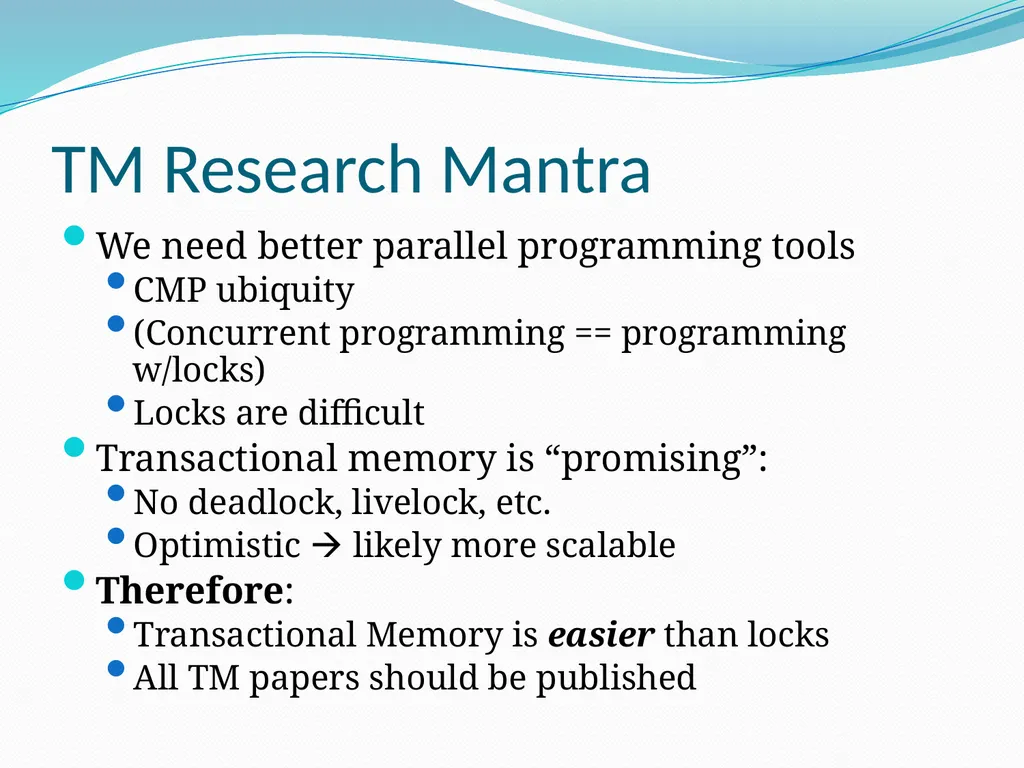
slide2. TM Research Mantra We need better parallel programming tools
CMP ubiquity
(Concurrent programming == programming w/locks)
Locks are difficult
Transactional memory is “promising”:
No deadlock, livelock, etc.
Optimistic likely more scalable
Therefore:
Transactional Memory is easier than locks
All TM papers should be published<br>
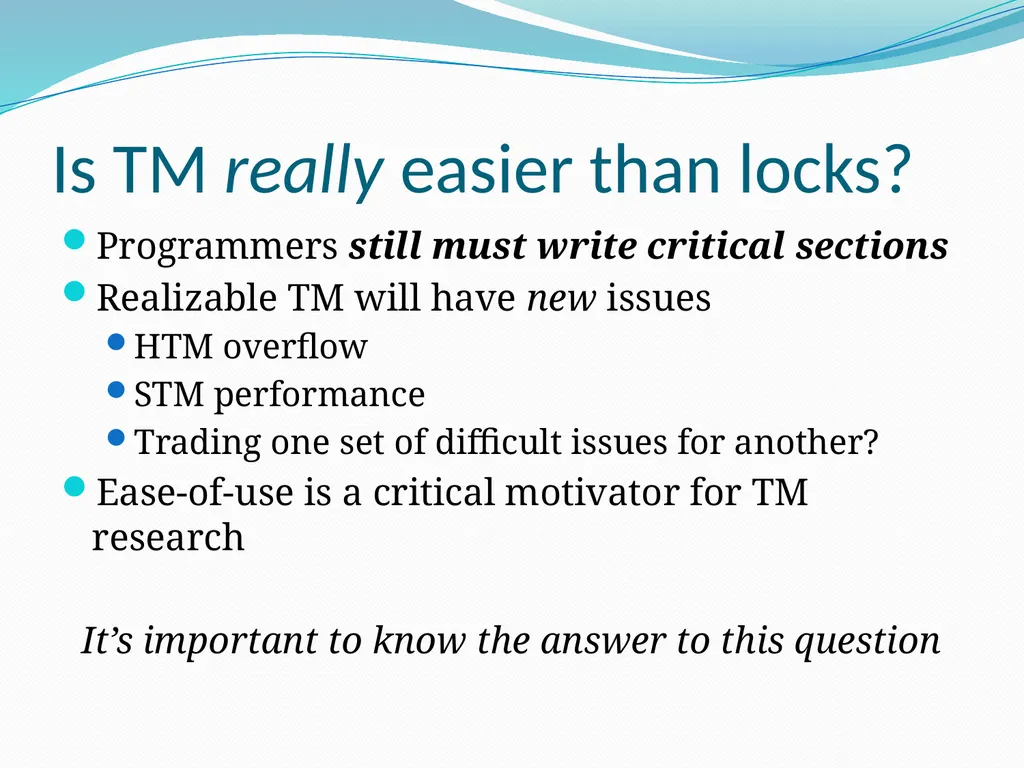
slide3. Is TM really easier than locks? Programmers still must write critical sections
Realizable TM will have new issues
HTM overflow
STM performance
Trading one set of difficult issues for another?
Ease-of-use is a critical motivator for TM research
It’s important to know the answer to this question<br>
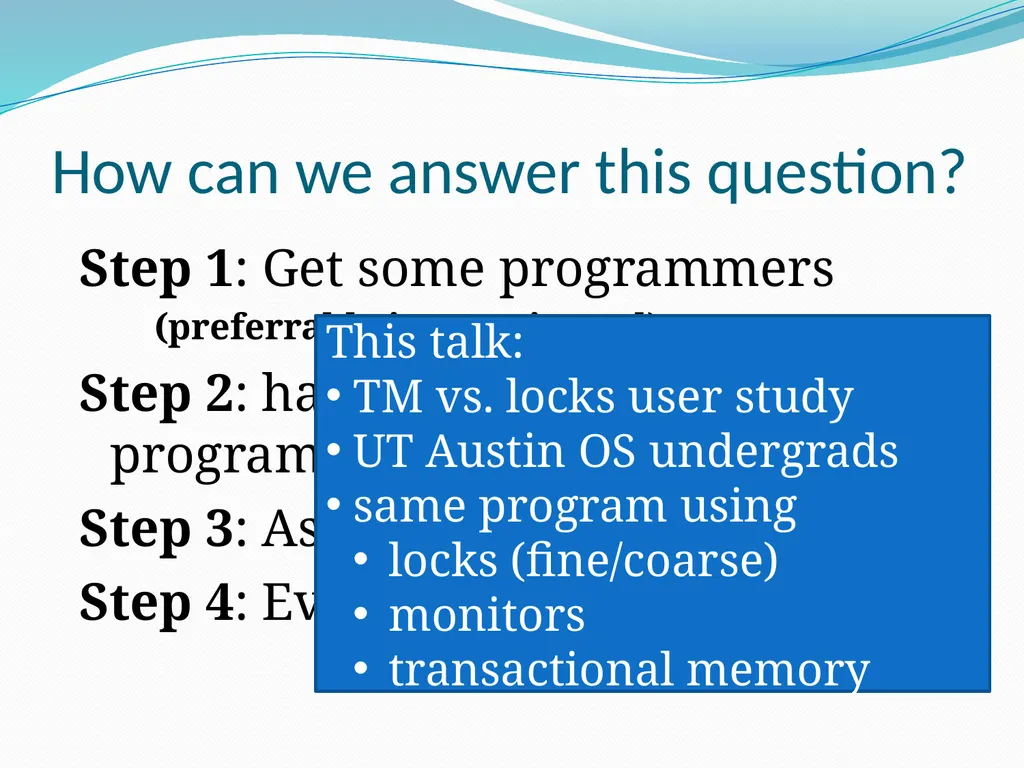
slide4. How can we answer this question? Step 2: have them write the same program with TM and locks Step 4: Evaluate their code Step 3: Ask them how it went Step 1: Get some programmers
(preferrably inexperienced) This talk:
TM vs. locks user study
UT Austin OS undergrads
same program using
locks (fine/coarse)
monitors
transactional memory<br>
slide5. Outline Motivation
Programming Problem
User Study Methodology
Results
Conclusion<br>
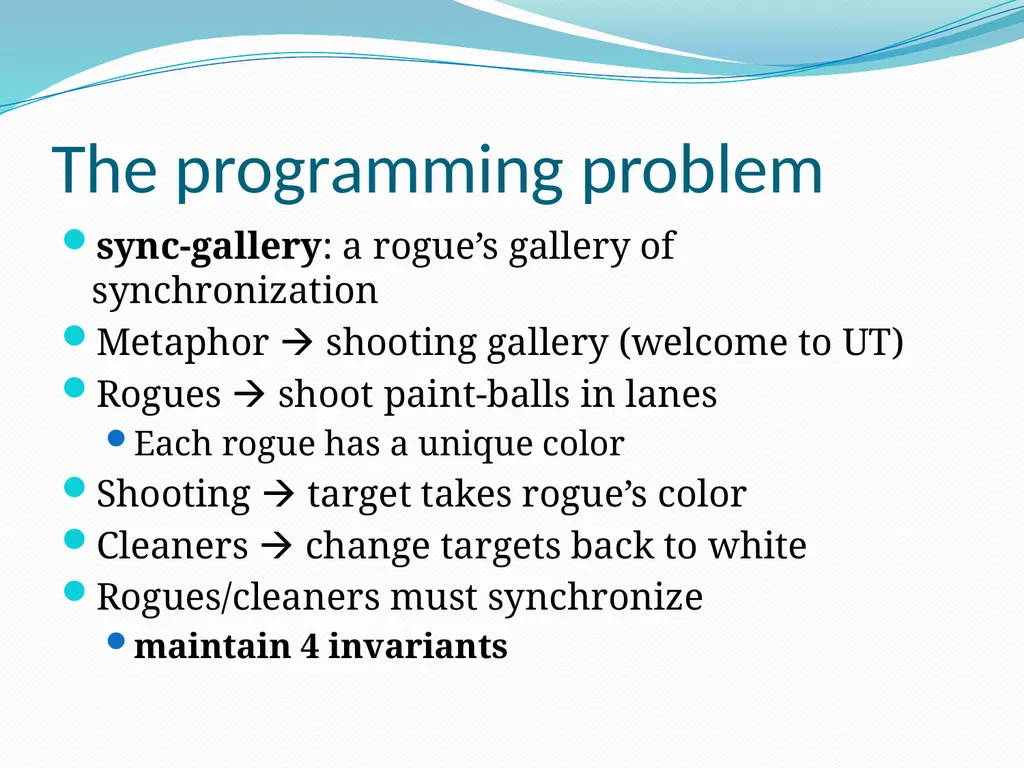
slide6. The programming problem sync-gallery: a rogue’s gallery of synchronization
Metaphor shooting gallery (welcome to UT)
Rogues shoot paint-balls in lanes
Each rogue has a unique color
Shooting target takes rogue’s color
Cleaners change targets back to white
Rogues/cleaners must synchronize
maintain 4 invariants<br>
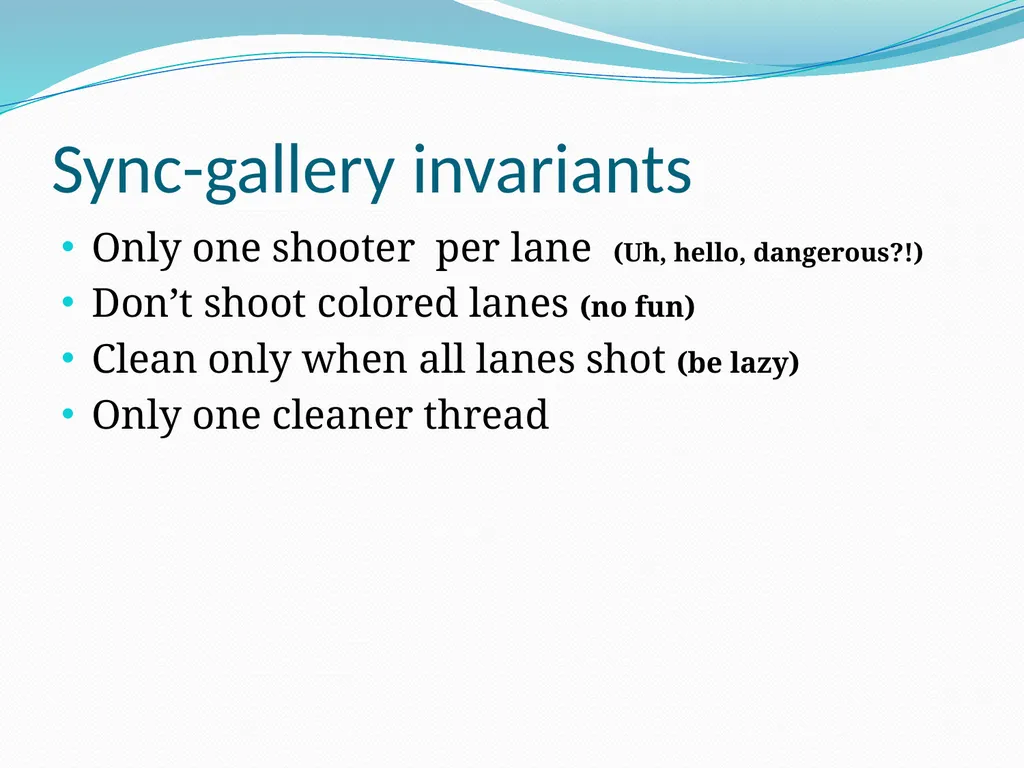
slide7. Sync-gallery invariants Only one shooter per lane (Uh, hello, dangerous?!)
Don’t shoot colored lanes (no fun)
Clean only when all lanes shot (be lazy)
Only one cleaner thread<br>
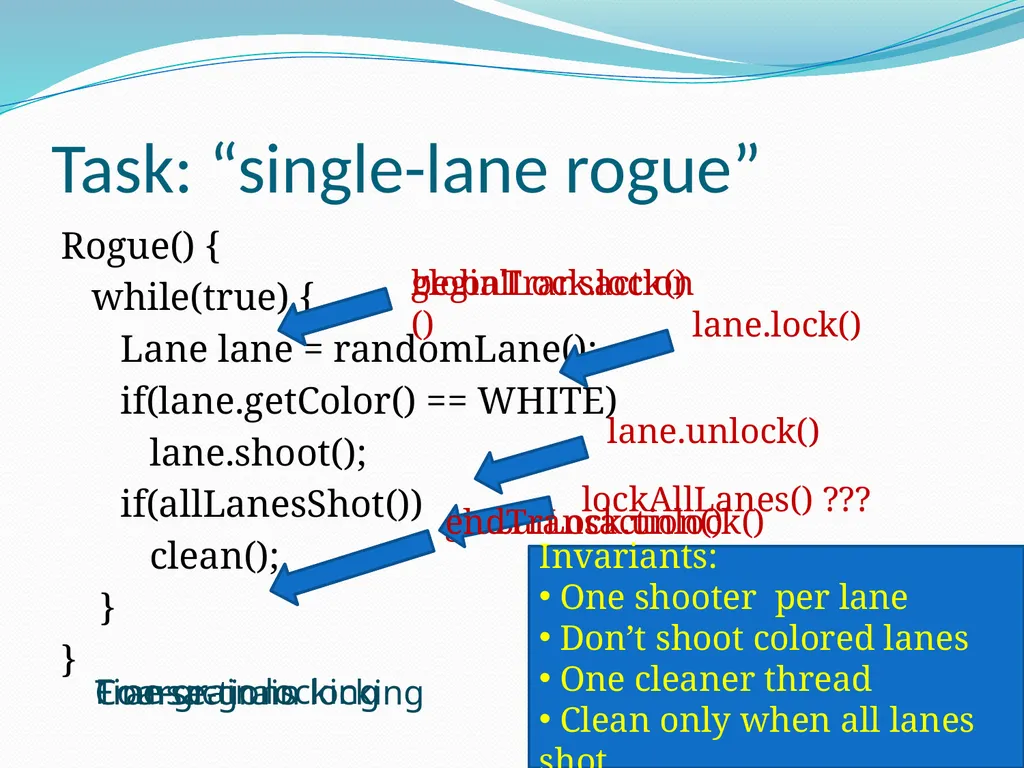
slide8. Task: “single-lane rogue” Rogue() {
while(true) {
Lane lane = randomLane();
if(lane.getColor() == WHITE)
lane.shoot();
if(allLanesShot())
clean();
}
} Invariants:
One shooter per lane
Don’t shoot colored lanes
One cleaner thread
Clean only when all lanes shot globalLock.lock() globalLock.unlock() lane.lock() lane.unlock() lockAllLanes() ??? beginTransaction() endTransaction() Coarse-grain locking Fine-grain locking Transactions<br>
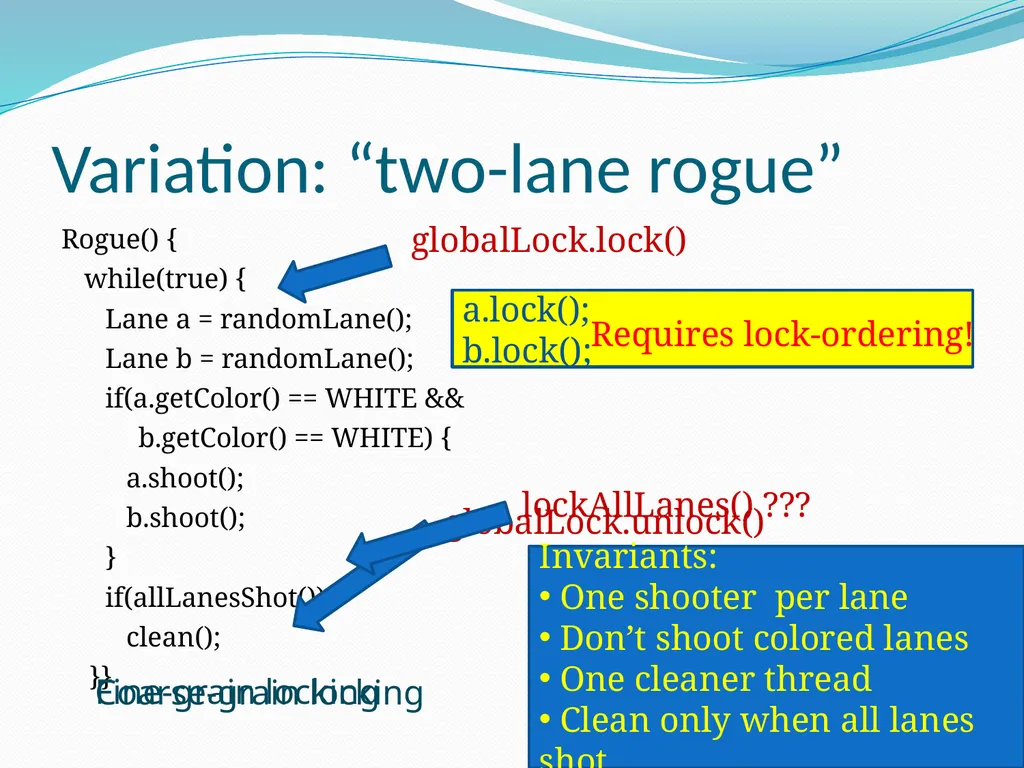
slide9. Variation: “two-lane rogue” Rogue() {
while(true) {
Lane a = randomLane();
Lane b = randomLane();
if(a.getColor() == WHITE &&
b.getColor() == WHITE) {
a.shoot();
b.shoot();
}
if(allLanesShot())
clean();
}} Invariants:
One shooter per lane
Don’t shoot colored lanes
One cleaner thread
Clean only when all lanes shot globalLock.lock() globalLock.unlock() Coarse-grain locking Fine-grain locking a.lock();
b.lock(); Requires lock-ordering! lockAllLanes() ???<br>
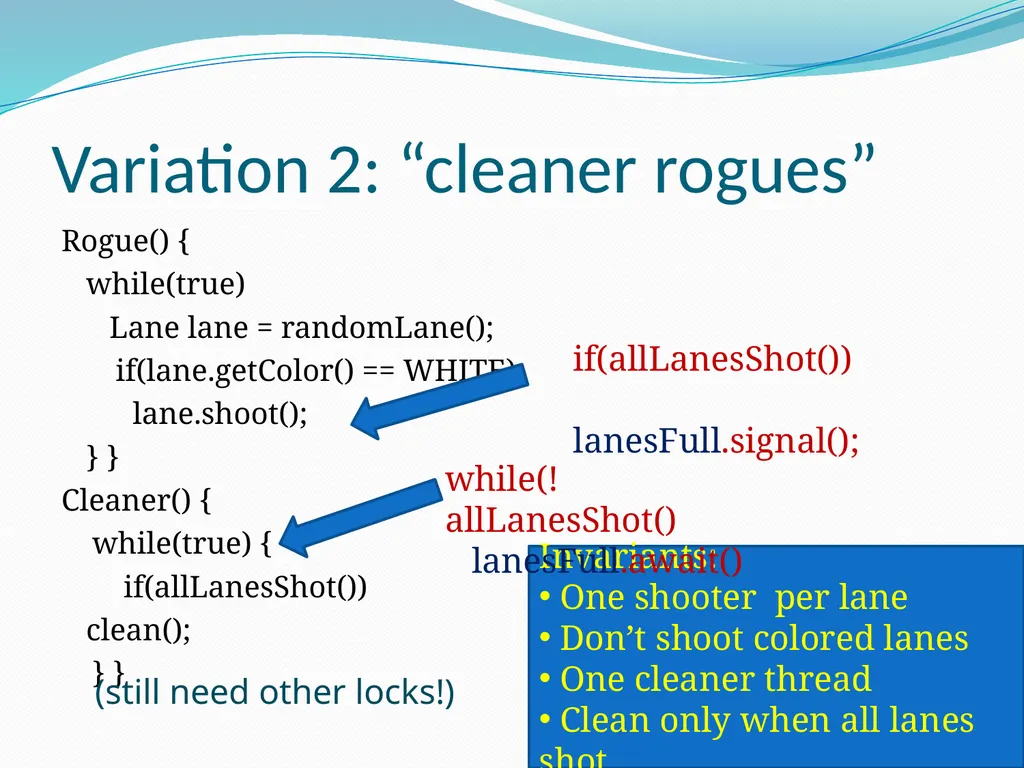
slide10. Variation 2: “cleaner rogues” Rogue() {
while(true)
Lane lane = randomLane();
if(lane.getColor() == WHITE)
lane.shoot();
} }
Cleaner() {
while(true) {
if(allLanesShot())
clean();
} } Invariants:
One shooter per lane
Don’t shoot colored lanes
One cleaner thread
Clean only when all lanes shot if(allLanesShot())
lanesFull.signal(); while(!allLanesShot()
lanesFull.await() (still need other locks!)<br>
slide11. Sync-gallery in action<br>
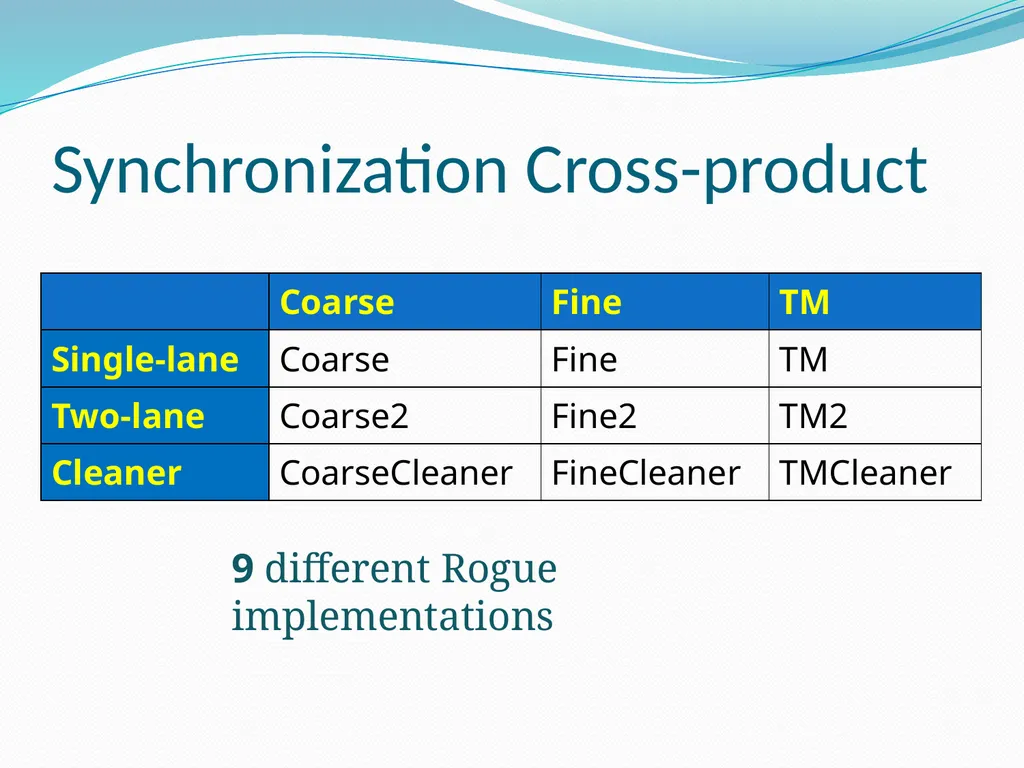
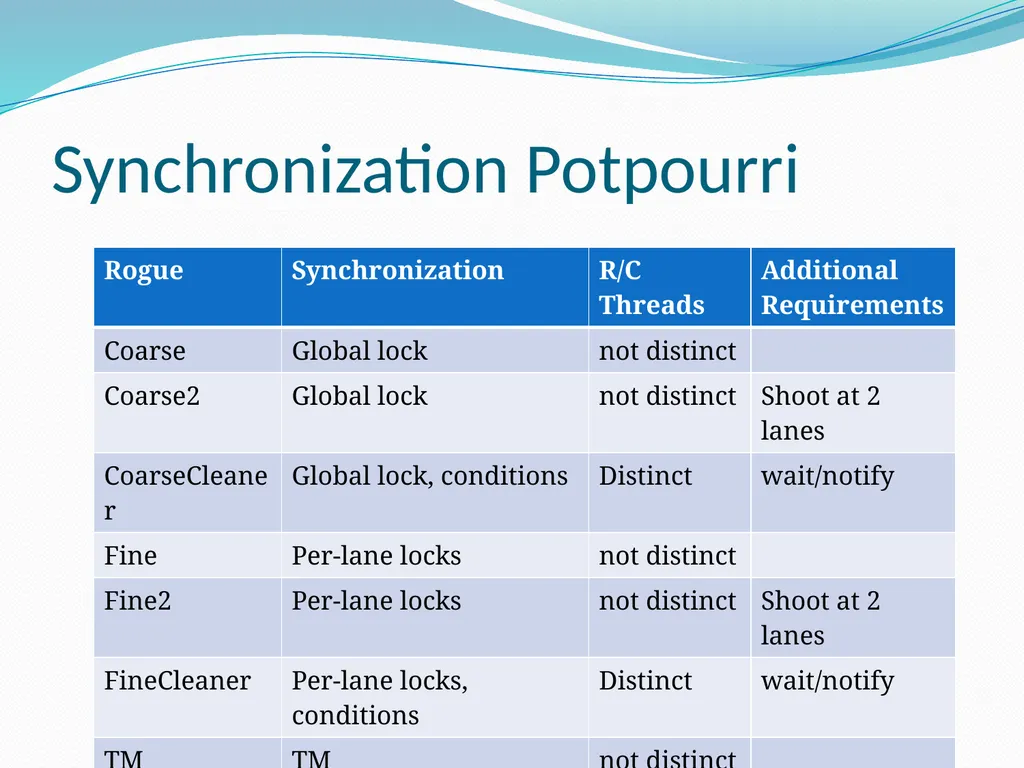
slide12. Synchronization Cross-product 9 different Rogue implementations<br>
slide13. Outline Motivation
Programming Problem
User Study Methodology
TM Support
Survey details
Results
Conclusion<br>
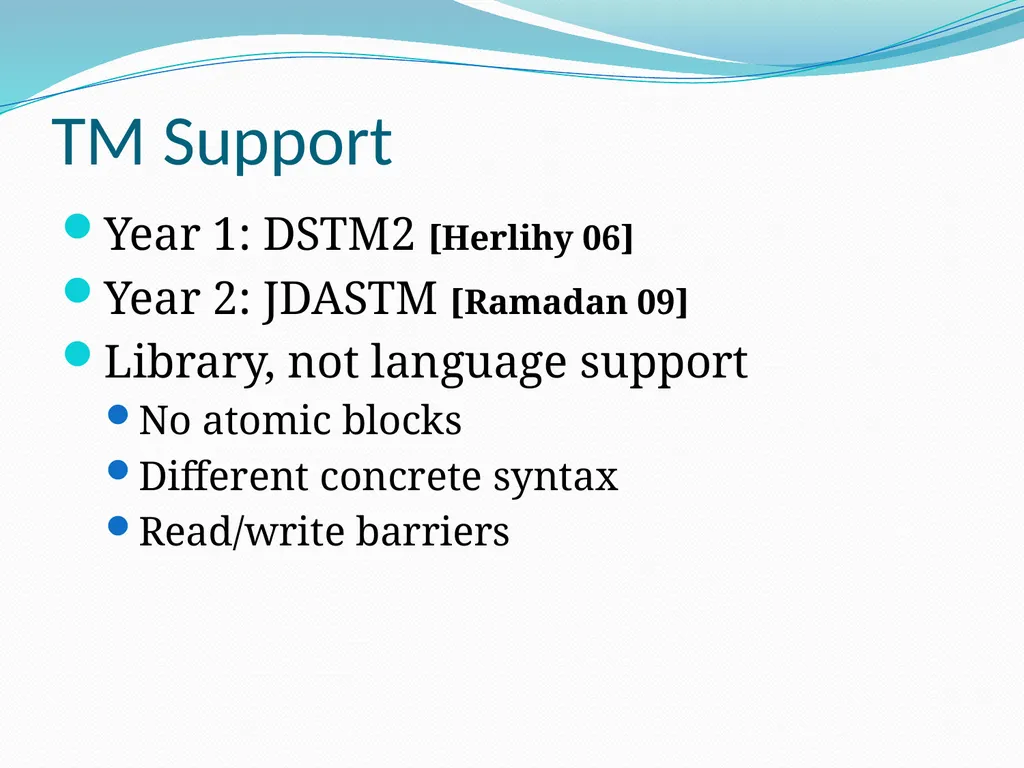
slide14. TM Support Year 1: DSTM2 [Herlihy 06]
Year 2: JDASTM [Ramadan 09]
Library, not language support
No atomic blocks
Different concrete syntax
Read/write barriers<br>
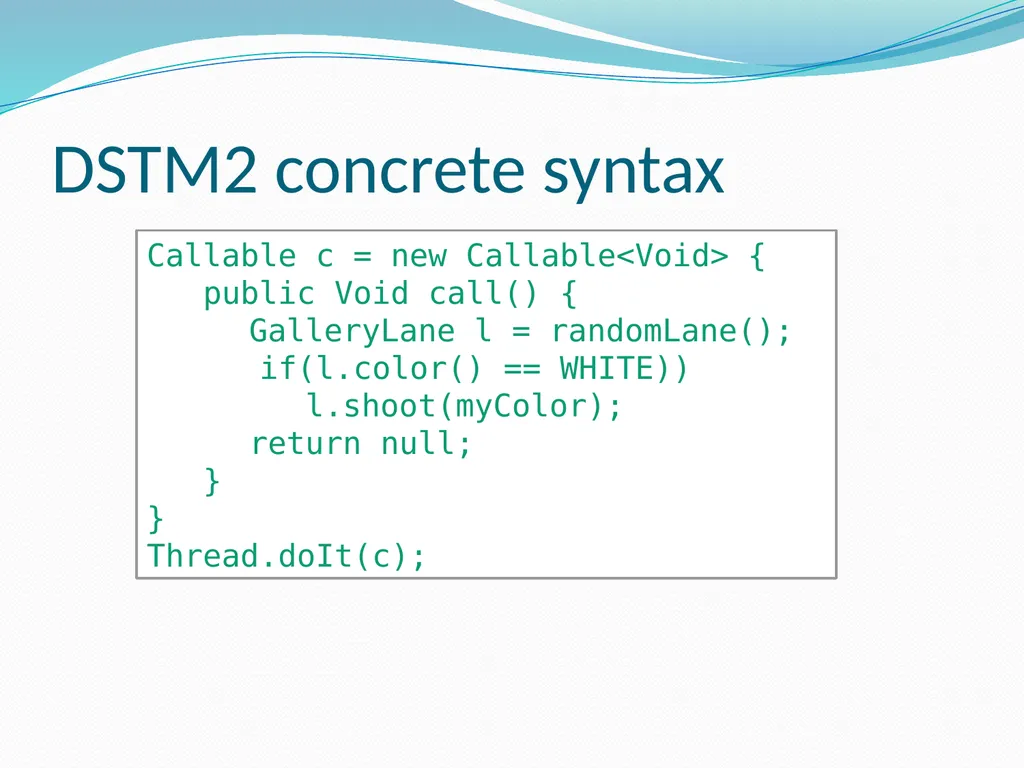
slide15. DSTM2 concrete syntax Callable c = new Callable<Void> {
public Void call() {
GalleryLane l = randomLane();
if(l.color() == WHITE))
l.shoot(myColor);
return null;
}
}
Thread.doIt(c);<br>
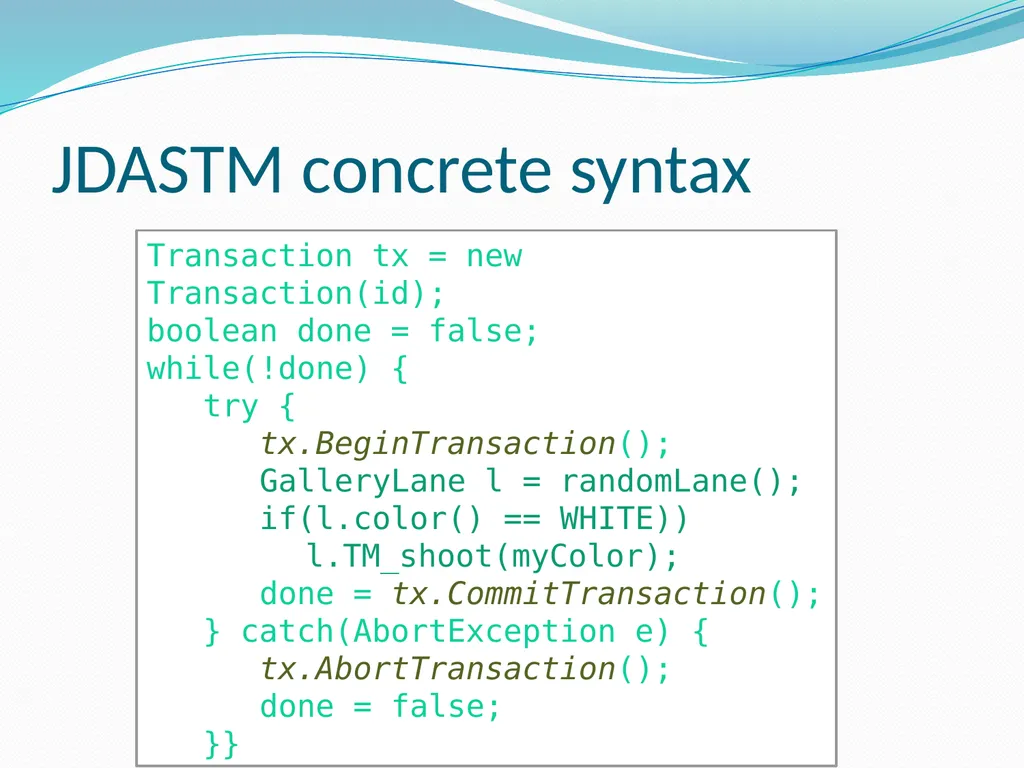
slide16. JDASTM concrete syntax Transaction tx = new Transaction(id);
boolean done = false;
while(!done) {
try {
tx.BeginTransaction();
GalleryLane l = randomLane();
if(l.color() == WHITE))
l.TM_shoot(myColor);
done = tx.CommitTransaction();
} catch(AbortException e) {
tx.AbortTransaction();
done = false;
}}<br>
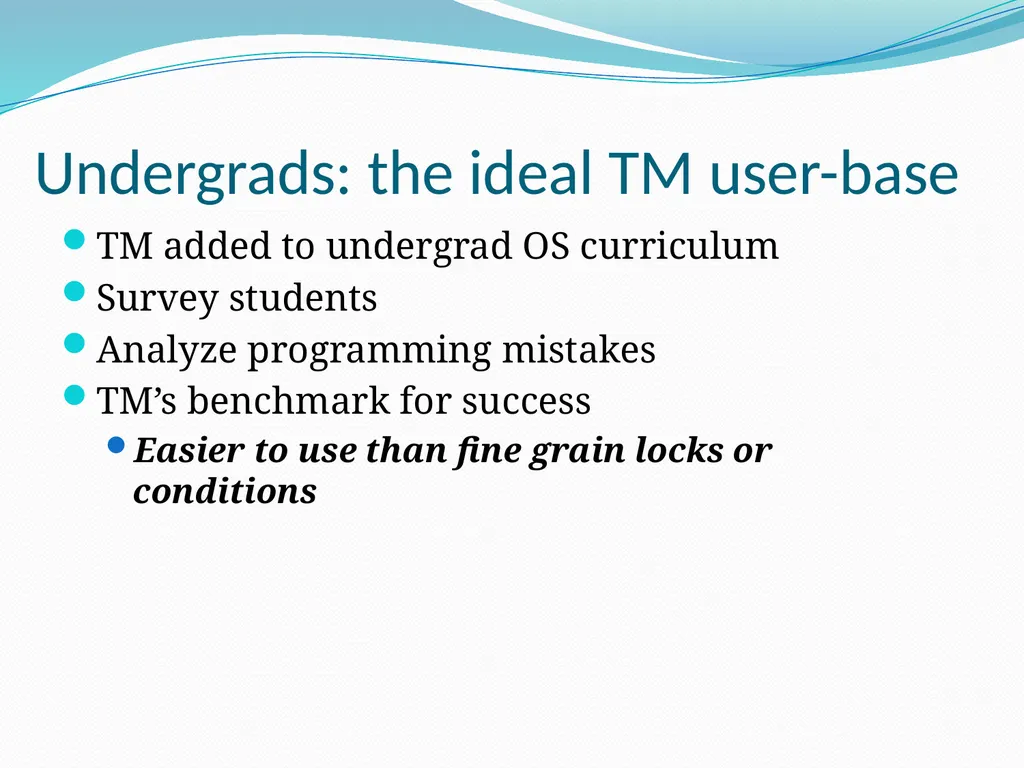
slide17. Undergrads: the ideal TM user-base TM added to undergrad OS curriculum
Survey students
Analyze programming mistakes
TM’s benchmark for success
Easier to use than fine grain locks or conditions<br>
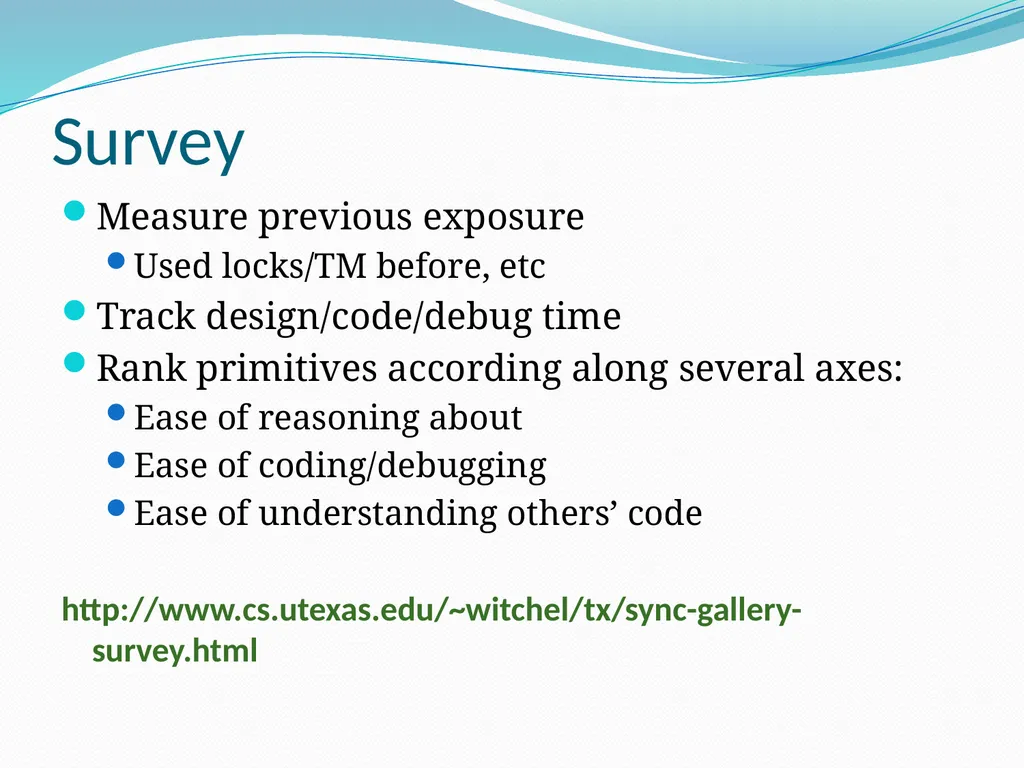
slide18. Survey Measure previous exposure
Used locks/TM before, etc
Track design/code/debug time
Rank primitives according along several axes:
Ease of reasoning about
Ease of coding/debugging
Ease of understanding others’ code
http://www.cs.utexas.edu/~witchel/tx/sync-gallery-survey.html<br>
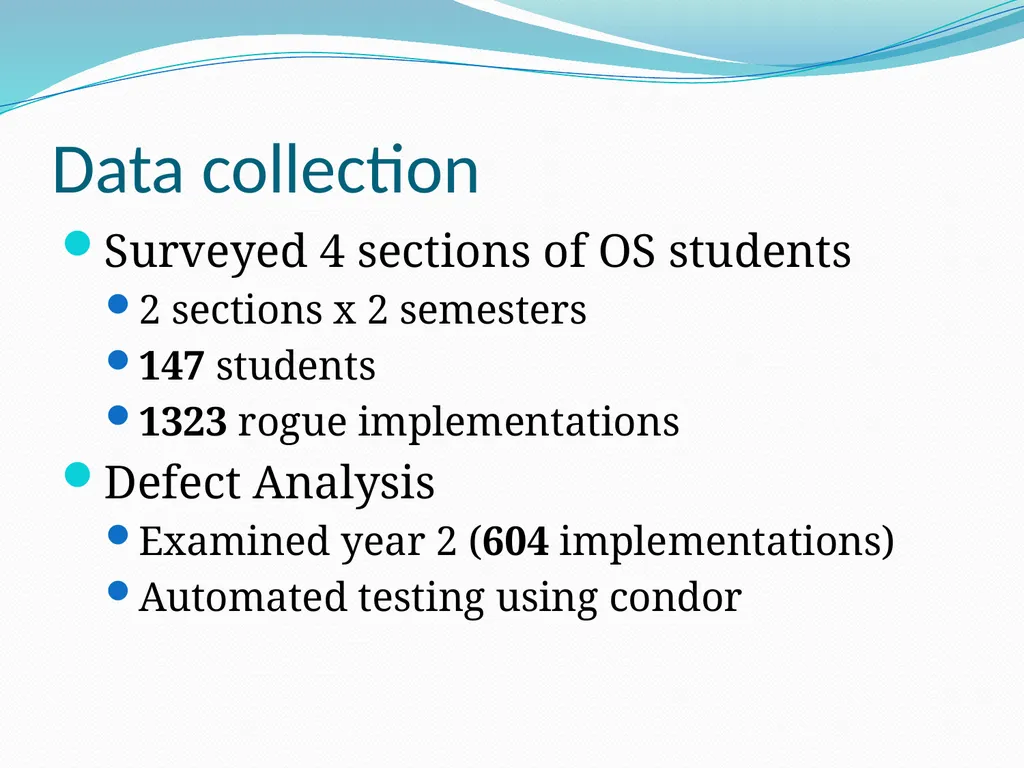
slide19. Data collection Surveyed 4 sections of OS students
2 sections x 2 semesters
147 students
1323 rogue implementations
Defect Analysis
Examined year 2 (604 implementations)
Automated testing using condor<br>
slide20. Outline Motivation
Programming Problem
User Study Methodology
Results
Conclusion<br>
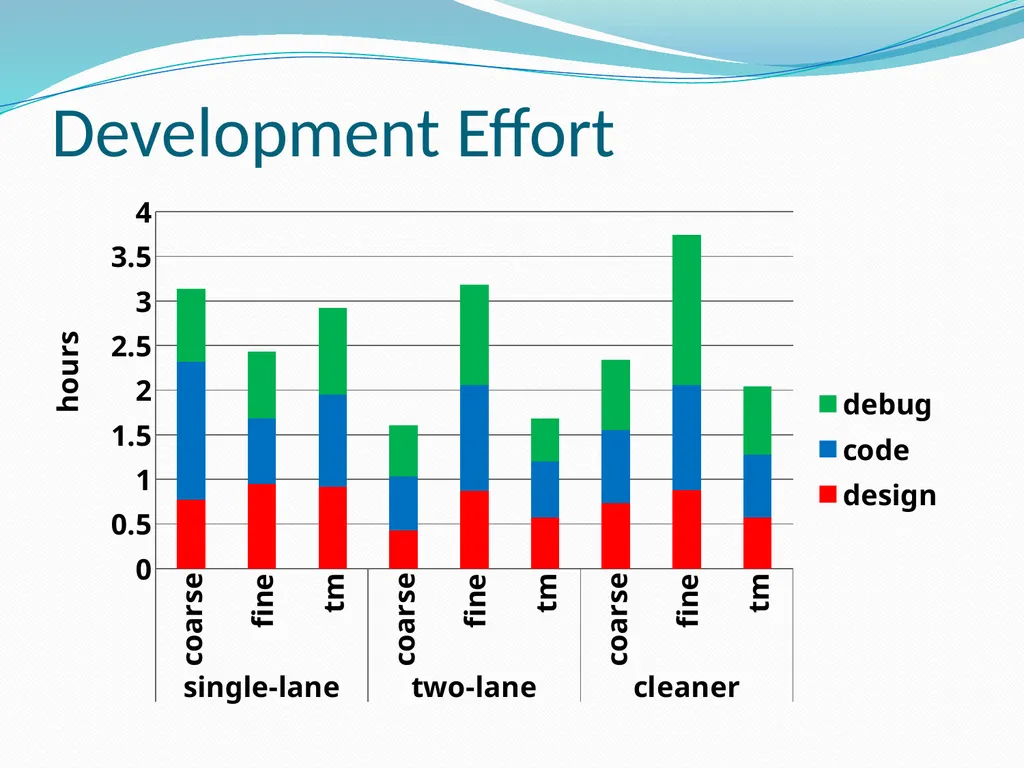
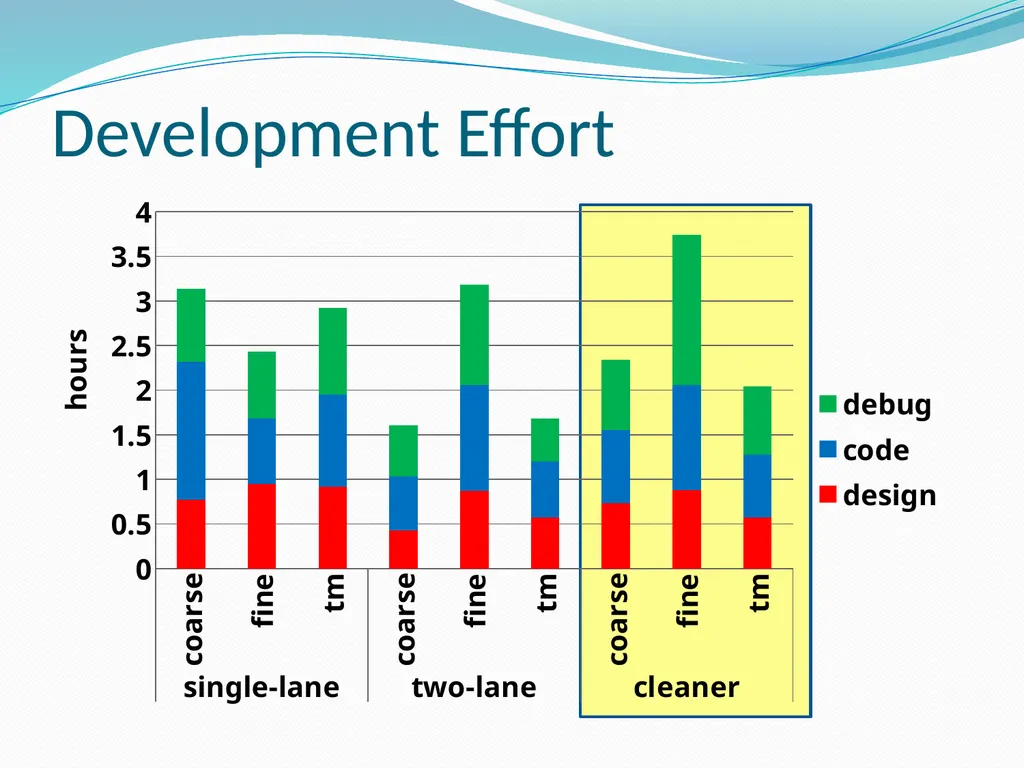
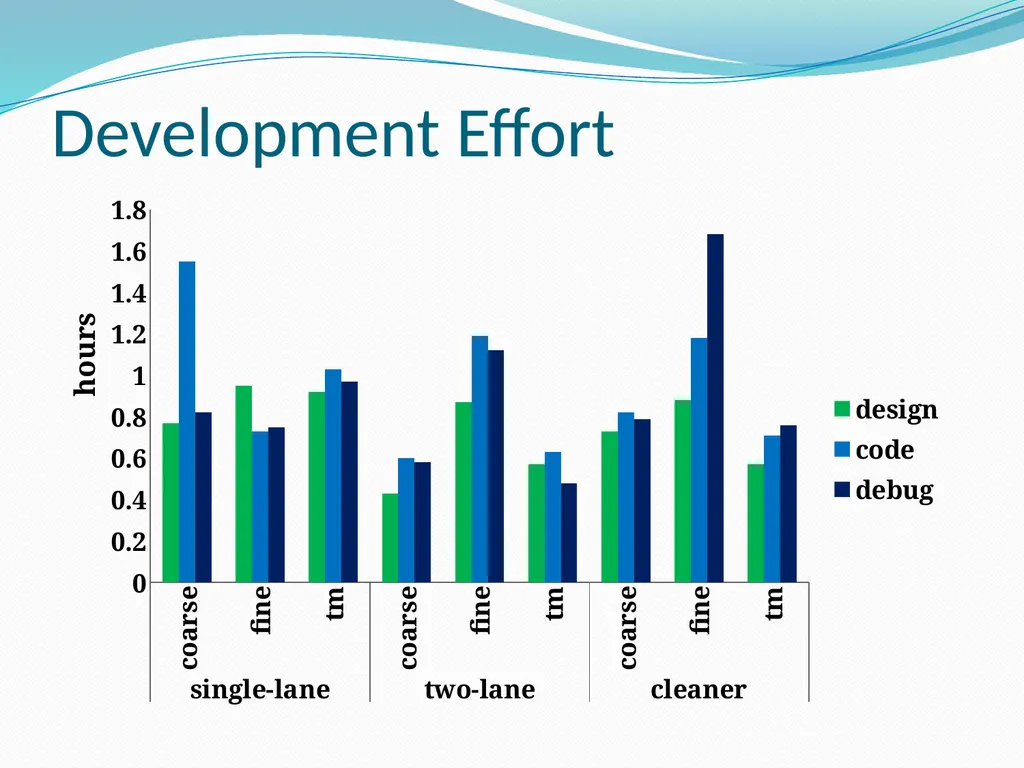
slide21. Development Effort hours<br>
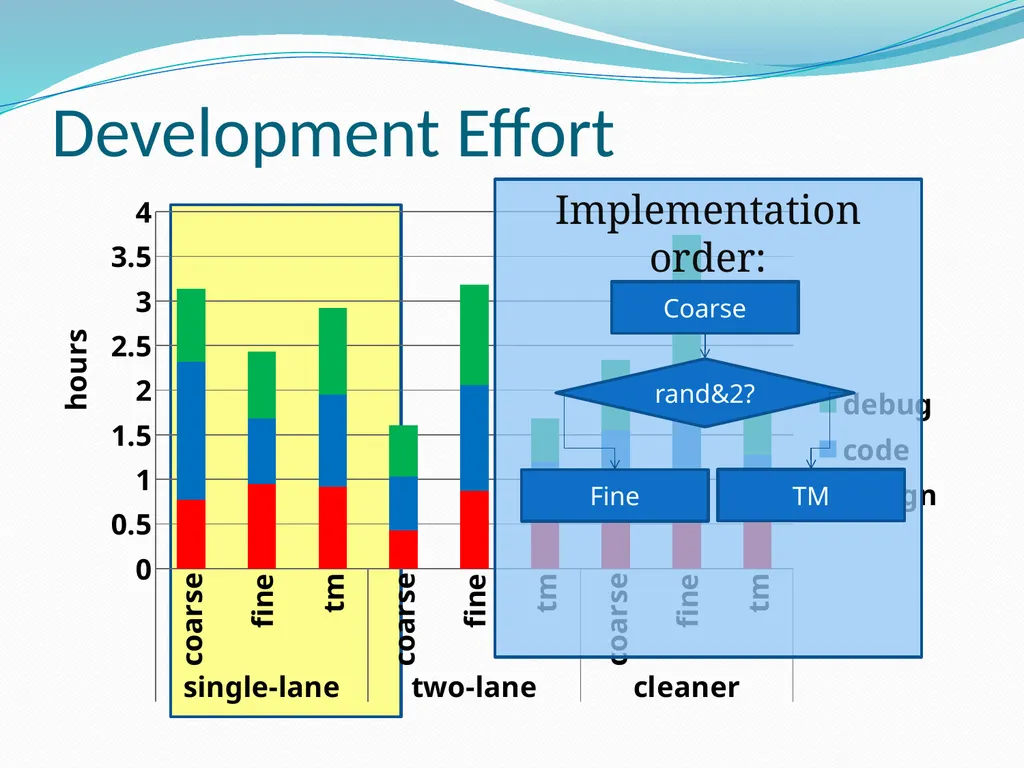
slide22. Development Effort hours<br>
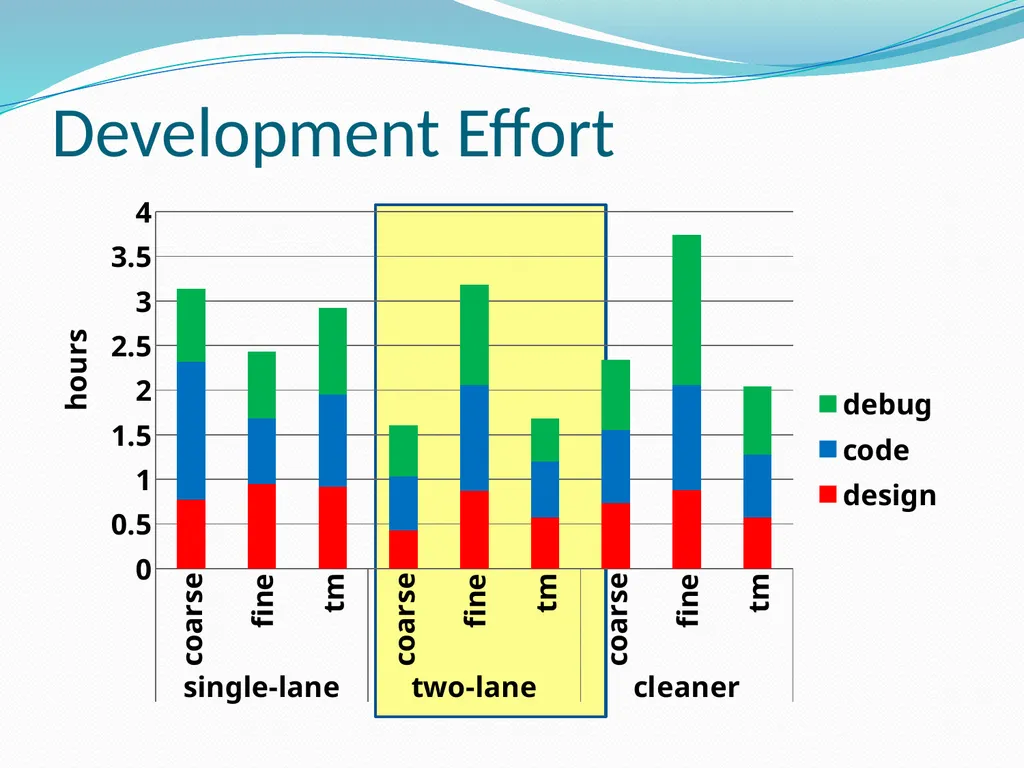
slide23. Development Effort hours<br>
slide24. Development Effort hours<br>
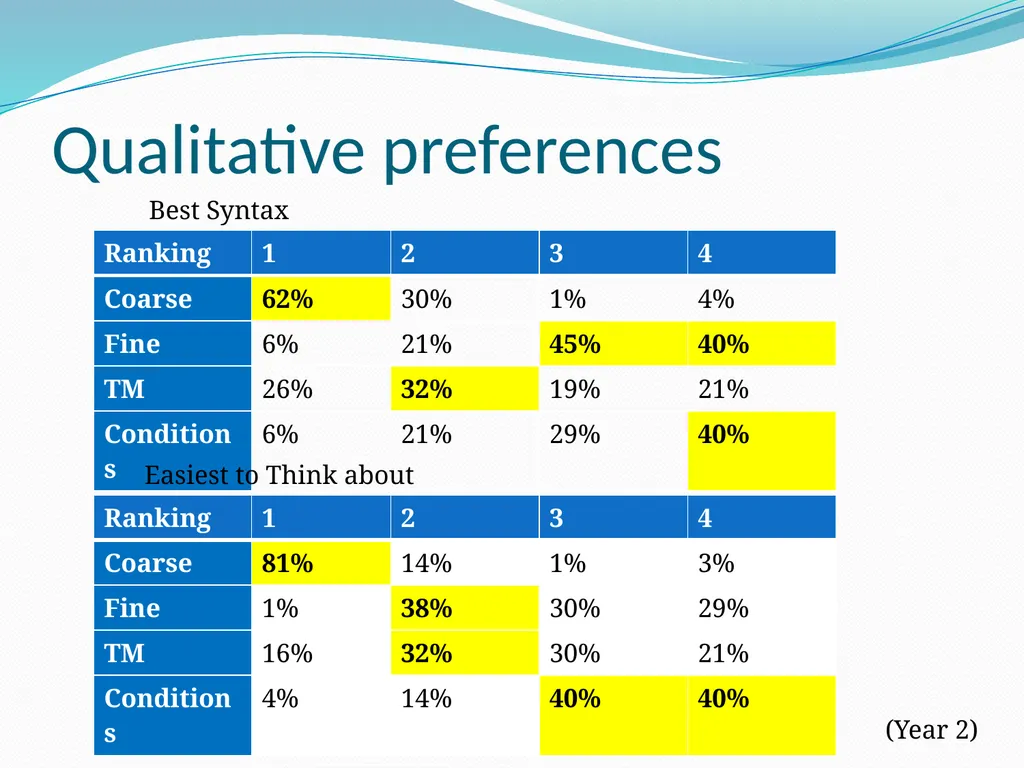
slide25. Qualitative preferences Best Syntax Easiest to Think about (Year 2)<br>
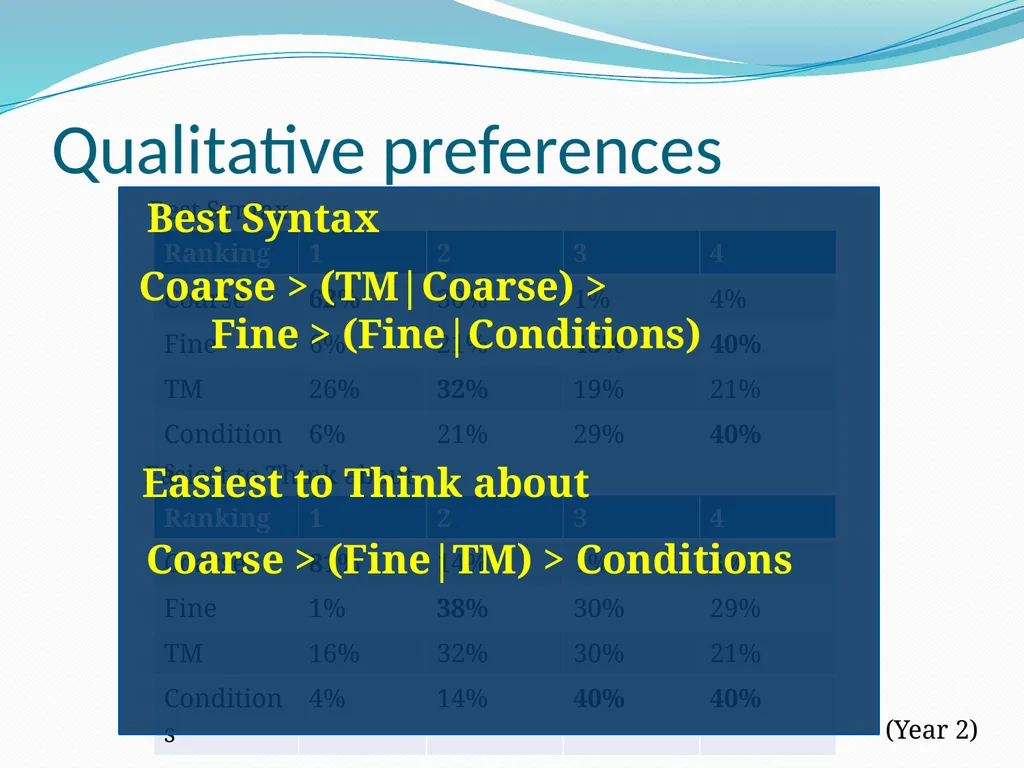
slide26. Qualitative preferences Best Syntax Easiest to Think about (Year 2) Coarse > (TM|Coarse) >
Fine > (Fine|Conditions) Coarse > (Fine|TM) > Conditions Best Syntax Easiest to Think about<br>
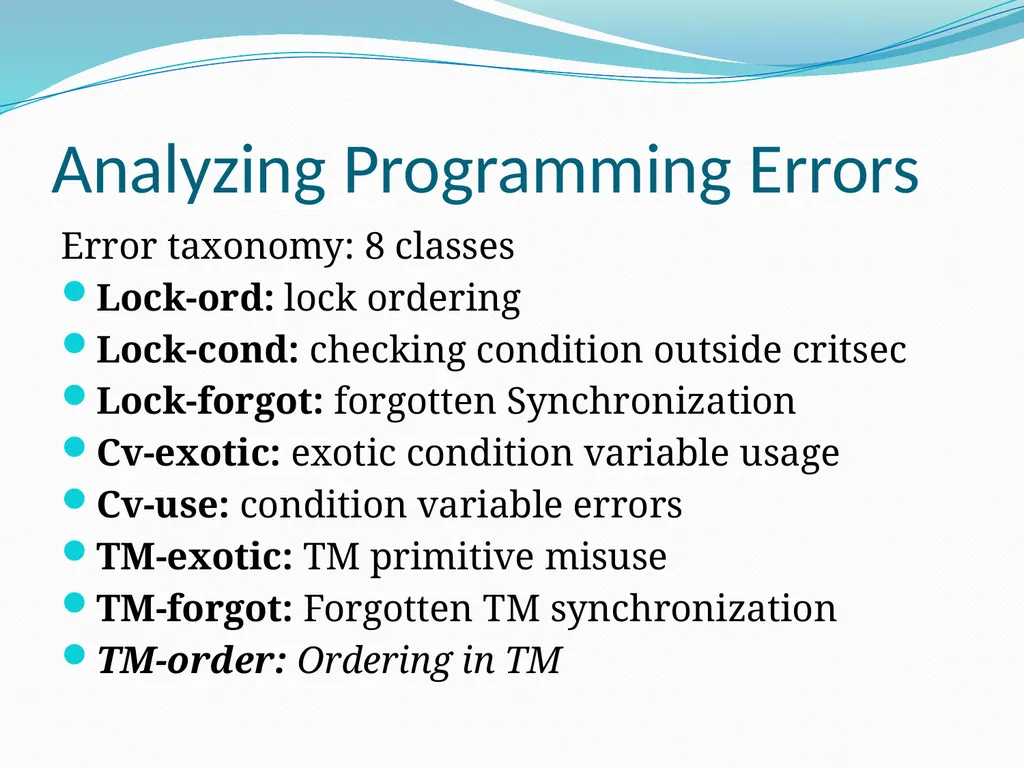
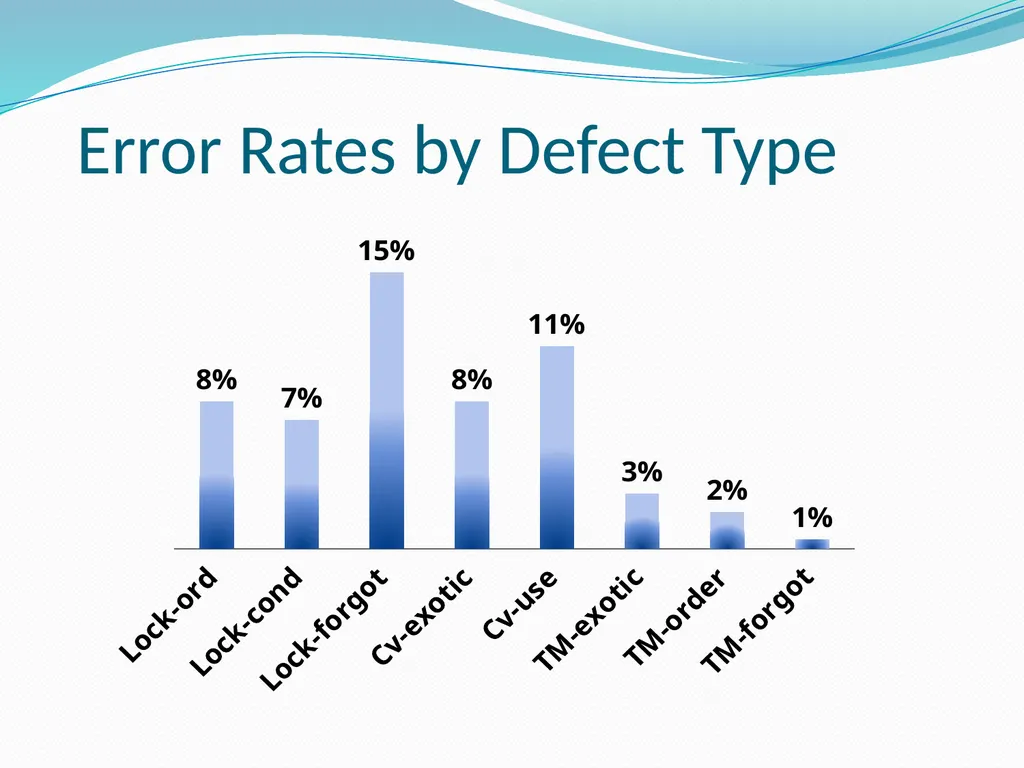
slide27. Analyzing Programming Errors Error taxonomy: 8 classes
Lock-ord: lock ordering
Lock-cond: checking condition outside critsec
Lock-forgot: forgotten Synchronization
Cv-exotic: exotic condition variable usage
Cv-use: condition variable errors
TM-exotic: TM primitive misuse
TM-forgot: Forgotten TM synchronization
TM-order: Ordering in TM<br>
slide28. Error Rates by Defect Type<br>
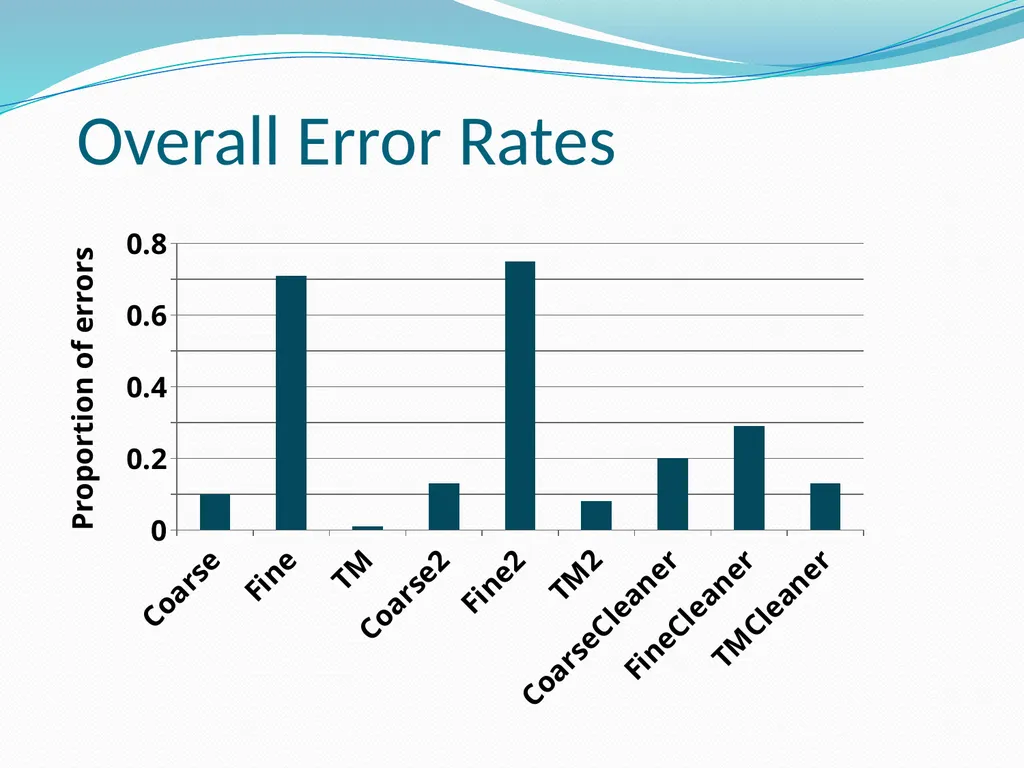
slide29. Overall Error Rates Proportion of errors<br>
slide30. Outline Motivation
Programming Problem
User Study Methodology
Results
Conclusion<br>
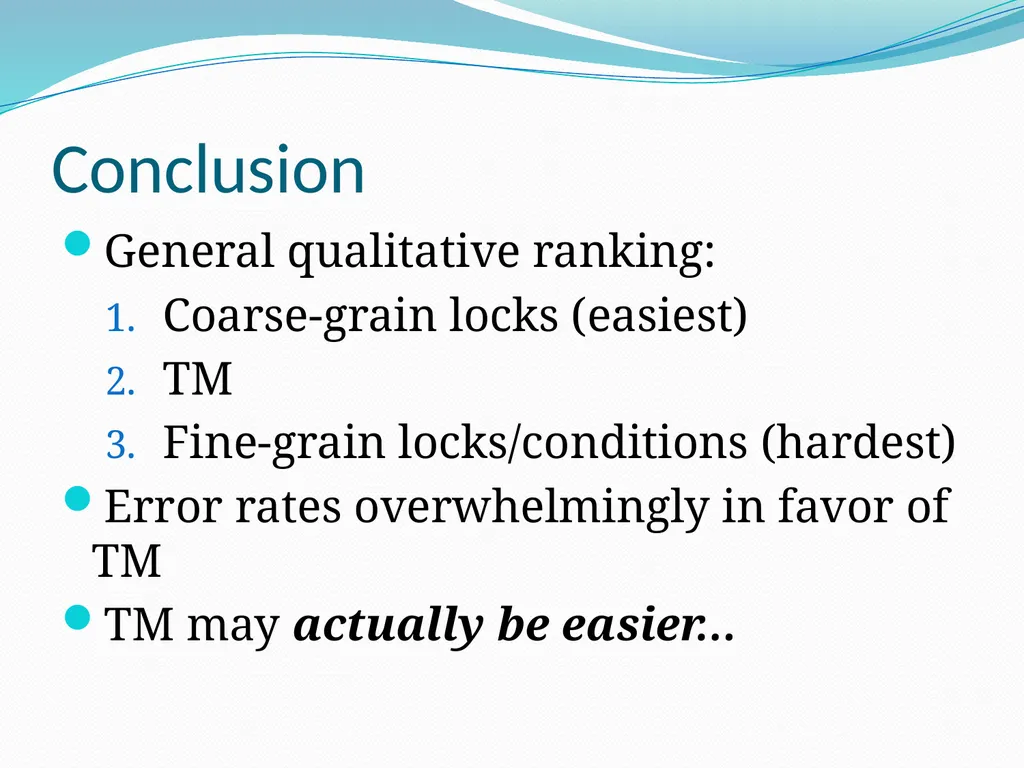
slide31. Conclusion General qualitative ranking:
Coarse-grain locks (easiest)
TM
Fine-grain locks/conditions (hardest)
Error rates overwhelmingly in favor of TM
TM may actually be easier…<br>
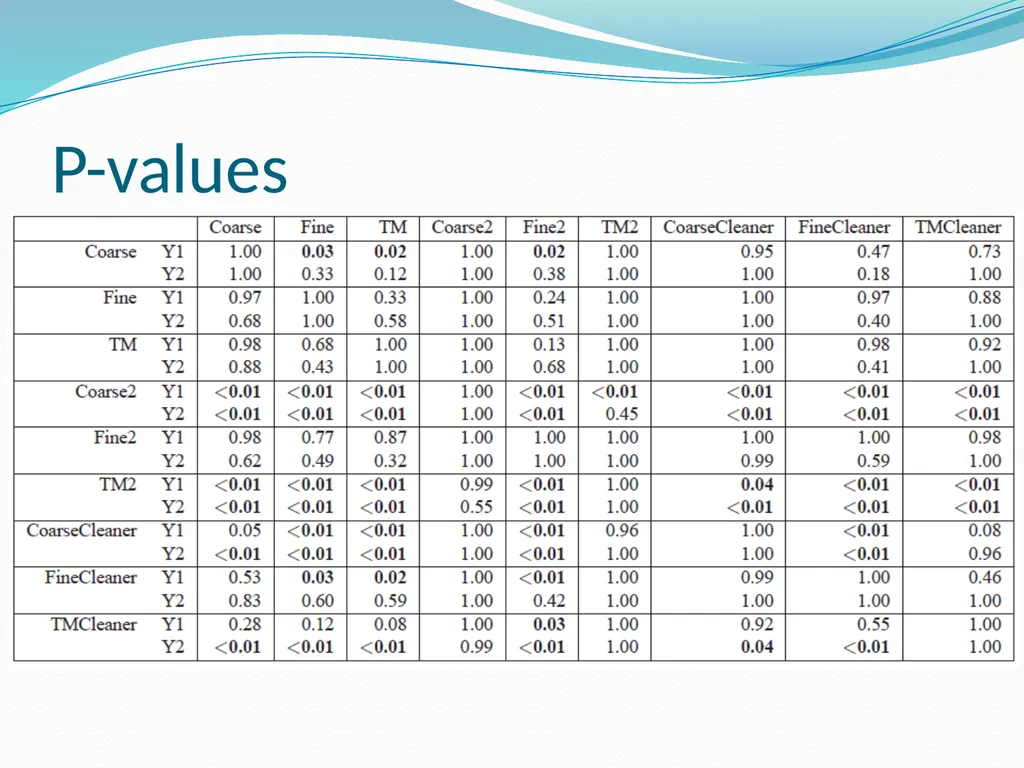
slide32. P-values<br>
slide33. Development Effort hours<br>
slide34. Synchronization Potpourri<br>
Owen S. Hofmann,
Emmett Witchel
UT Austin<br>
slide2. TM Research Mantra We need better parallel programming tools
CMP ubiquity
(Concurrent programming == programming w/locks)
Locks are difficult
Transactional memory is “promising”:
No deadlock, livelock, etc.
Optimistic likely more scalable
Therefore:
Transactional Memory is easier than locks
All TM papers should be published<br>
slide3. Is TM really easier than locks? Programmers still must write critical sections
Realizable TM will have new issues
HTM overflow
STM performance
Trading one set of difficult issues for another?
Ease-of-use is a critical motivator for TM research
It’s important to know the answer to this question<br>
slide4. How can we answer this question? Step 2: have them write the same program with TM and locks Step 4: Evaluate their code Step 3: Ask them how it went Step 1: Get some programmers
(preferrably inexperienced) This talk:
TM vs. locks user study
UT Austin OS undergrads
same program using
locks (fine/coarse)
monitors
transactional memory<br>
slide5. Outline Motivation
Programming Problem
User Study Methodology
Results
Conclusion<br>
slide6. The programming problem sync-gallery: a rogue’s gallery of synchronization
Metaphor shooting gallery (welcome to UT)
Rogues shoot paint-balls in lanes
Each rogue has a unique color
Shooting target takes rogue’s color
Cleaners change targets back to white
Rogues/cleaners must synchronize
maintain 4 invariants<br>
slide7. Sync-gallery invariants Only one shooter per lane (Uh, hello, dangerous?!)
Don’t shoot colored lanes (no fun)
Clean only when all lanes shot (be lazy)
Only one cleaner thread<br>
slide8. Task: “single-lane rogue” Rogue() {
while(true) {
Lane lane = randomLane();
if(lane.getColor() == WHITE)
lane.shoot();
if(allLanesShot())
clean();
}
} Invariants:
One shooter per lane
Don’t shoot colored lanes
One cleaner thread
Clean only when all lanes shot globalLock.lock() globalLock.unlock() lane.lock() lane.unlock() lockAllLanes() ??? beginTransaction() endTransaction() Coarse-grain locking Fine-grain locking Transactions<br>
slide9. Variation: “two-lane rogue” Rogue() {
while(true) {
Lane a = randomLane();
Lane b = randomLane();
if(a.getColor() == WHITE &&
b.getColor() == WHITE) {
a.shoot();
b.shoot();
}
if(allLanesShot())
clean();
}} Invariants:
One shooter per lane
Don’t shoot colored lanes
One cleaner thread
Clean only when all lanes shot globalLock.lock() globalLock.unlock() Coarse-grain locking Fine-grain locking a.lock();
b.lock(); Requires lock-ordering! lockAllLanes() ???<br>
slide10. Variation 2: “cleaner rogues” Rogue() {
while(true)
Lane lane = randomLane();
if(lane.getColor() == WHITE)
lane.shoot();
} }
Cleaner() {
while(true) {
if(allLanesShot())
clean();
} } Invariants:
One shooter per lane
Don’t shoot colored lanes
One cleaner thread
Clean only when all lanes shot if(allLanesShot())
lanesFull.signal(); while(!allLanesShot()
lanesFull.await() (still need other locks!)<br>
slide11. Sync-gallery in action<br>
slide12. Synchronization Cross-product 9 different Rogue implementations<br>
slide13. Outline Motivation
Programming Problem
User Study Methodology
TM Support
Survey details
Results
Conclusion<br>
slide14. TM Support Year 1: DSTM2 [Herlihy 06]
Year 2: JDASTM [Ramadan 09]
Library, not language support
No atomic blocks
Different concrete syntax
Read/write barriers<br>
slide15. DSTM2 concrete syntax Callable c = new Callable<Void> {
public Void call() {
GalleryLane l = randomLane();
if(l.color() == WHITE))
l.shoot(myColor);
return null;
}
}
Thread.doIt(c);<br>
slide16. JDASTM concrete syntax Transaction tx = new Transaction(id);
boolean done = false;
while(!done) {
try {
tx.BeginTransaction();
GalleryLane l = randomLane();
if(l.color() == WHITE))
l.TM_shoot(myColor);
done = tx.CommitTransaction();
} catch(AbortException e) {
tx.AbortTransaction();
done = false;
}}<br>
slide17. Undergrads: the ideal TM user-base TM added to undergrad OS curriculum
Survey students
Analyze programming mistakes
TM’s benchmark for success
Easier to use than fine grain locks or conditions<br>
slide18. Survey Measure previous exposure
Used locks/TM before, etc
Track design/code/debug time
Rank primitives according along several axes:
Ease of reasoning about
Ease of coding/debugging
Ease of understanding others’ code
http://www.cs.utexas.edu/~witchel/tx/sync-gallery-survey.html<br>
slide19. Data collection Surveyed 4 sections of OS students
2 sections x 2 semesters
147 students
1323 rogue implementations
Defect Analysis
Examined year 2 (604 implementations)
Automated testing using condor<br>
slide20. Outline Motivation
Programming Problem
User Study Methodology
Results
Conclusion<br>
slide21. Development Effort hours<br>
slide22. Development Effort hours<br>
slide23. Development Effort hours<br>
slide24. Development Effort hours<br>
slide25. Qualitative preferences Best Syntax Easiest to Think about (Year 2)<br>
slide26. Qualitative preferences Best Syntax Easiest to Think about (Year 2) Coarse > (TM|Coarse) >
Fine > (Fine|Conditions) Coarse > (Fine|TM) > Conditions Best Syntax Easiest to Think about<br>
slide27. Analyzing Programming Errors Error taxonomy: 8 classes
Lock-ord: lock ordering
Lock-cond: checking condition outside critsec
Lock-forgot: forgotten Synchronization
Cv-exotic: exotic condition variable usage
Cv-use: condition variable errors
TM-exotic: TM primitive misuse
TM-forgot: Forgotten TM synchronization
TM-order: Ordering in TM<br>
slide28. Error Rates by Defect Type<br>
slide29. Overall Error Rates Proportion of errors<br>
slide30. Outline Motivation
Programming Problem
User Study Methodology
Results
Conclusion<br>
slide31. Conclusion General qualitative ranking:
Coarse-grain locks (easiest)
TM
Fine-grain locks/conditions (hardest)
Error rates overwhelmingly in favor of TM
TM may actually be easier…<br>
slide32. P-values<br>
slide33. Development Effort hours<br>
slide34. Synchronization Potpourri<br>