ISASP Training: Using and Interpreting Reports ISASP Reports Training Illustration by Lucy Vigrass Purpose of the ISASP Purpose of the ISASP The Iowa Statewide Assessment of Student Progress (ISASP) is aligned with the Iowa
"ISASP Training: Using and Interpreting Reports ‹#›" is the property of its rightful owner. Permission is granted to
download and print the materials on this website for personal, non-commercial use only, and to display it
on your personal computer provided you do not modify the materials and that you retain all copyright
notices contained in the materials. By downloading content from our website, you accept the terms of this
agreement.
Presentation Transcript
01
ISASP Training:
Using and Interpreting Reports ‹#› ISASP Reports Training ‹#› Illustration by Lucy Vigrass<br>
02
Purpose of the ISASP ‹#›<br>
03
Purpose of the ISASP ‹#› The Iowa Statewide Assessment of Student Progress (ISASP) is aligned with the Iowa Core Standards, providing clear and accurate assessment of student learning outcomes. The ISASP is developed in collaboration with Iowa educators for the state of Iowa and aligns with the grade-specific Iowa Core Standards. Using a variety of item types (extended response, short answer, technology-enhanced items, and selected response), the ISASP provides assessment information that is relevant and actionable.<br>
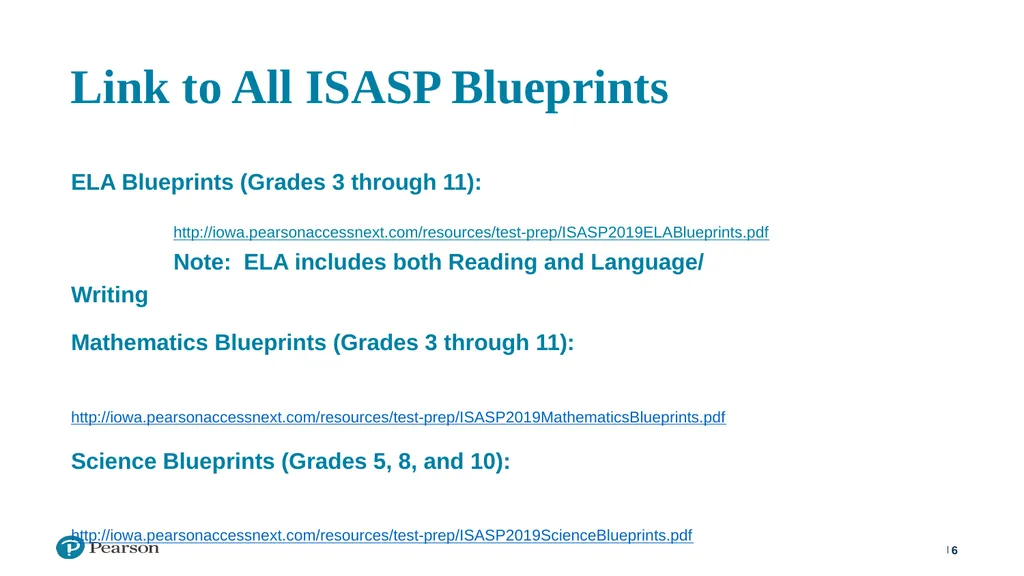
Link to All ISASP Blueprints ELA Blueprints (Grades 3 through 11):
http://iowa.pearsonaccessnext.com/resources/test-prep/ISASP2019ELABlueprints.pdf Note: ELA includes both Reading and Language/ Writing
Mathematics Blueprints (Grades 3 through 11):
http://iowa.pearsonaccessnext.com/resources/test-prep/ISASP2019MathematicsBlueprints.pdf
Science Blueprints (Grades 5, 8, and 10):
http://iowa.pearsonaccessnext.com/resources/test-prep/ISASP2019ScienceBlueprints.pdf ‹#›<br>
07
Cut Score Ranges and Performance Level Descriptors ‹#›<br>
08
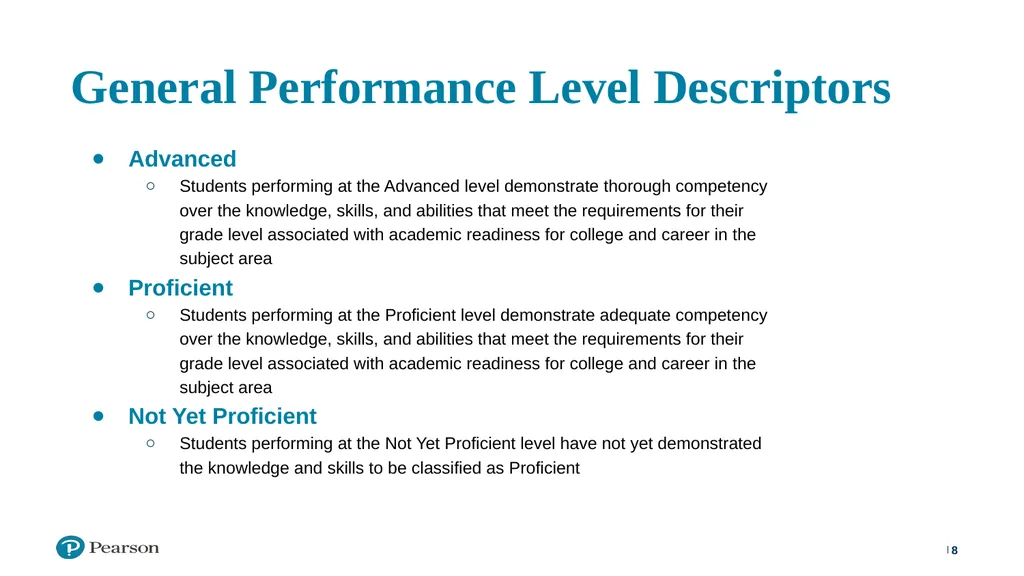
General Performance Level Descriptors ‹#› Advanced
Students performing at the Advanced level demonstrate thorough competency over the knowledge, skills, and abilities that meet the requirements for their grade level associated with academic readiness for college and career in the subject area
Proficient
Students performing at the Proficient level demonstrate adequate competency over the knowledge, skills, and abilities that meet the requirements for their grade level associated with academic readiness for college and career in the subject area
Not Yet Proficient
Students performing at the Not Yet Proficient level have not yet demonstrated the knowledge and skills to be classified as Proficient<br>
09
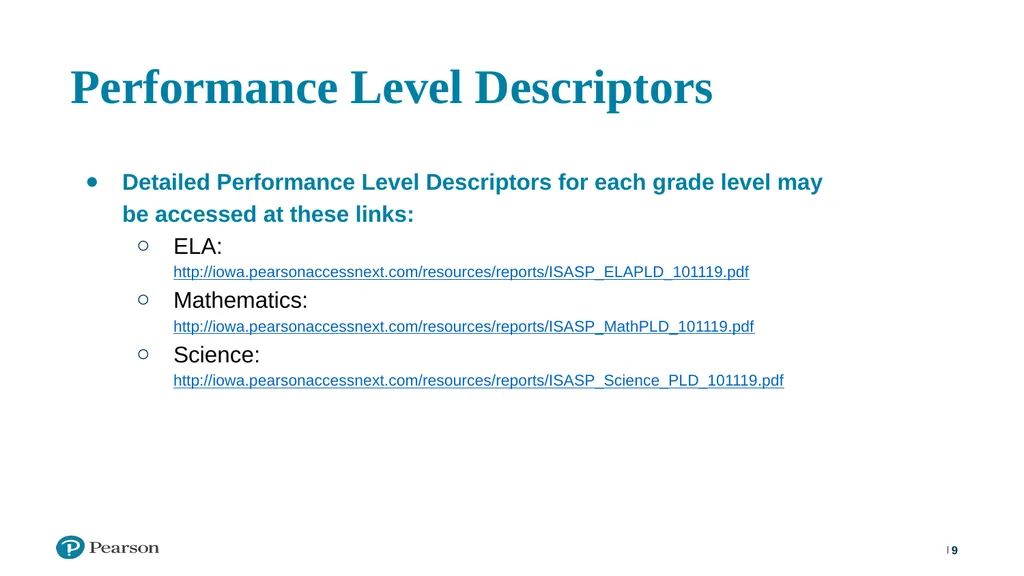
Performance Level Descriptors ‹#› Detailed Performance Level Descriptors for each grade level may be accessed at these links:
ELA: http://iowa.pearsonaccessnext.com/resources/reports/ISASP_ELAPLD_101119.pdf
Mathematics: http://iowa.pearsonaccessnext.com/resources/reports/ISASP_MathPLD_101119.pdf
Science: http://iowa.pearsonaccessnext.com/resources/reports/ISASP_Science_PLD_101119.pdf<br>
10
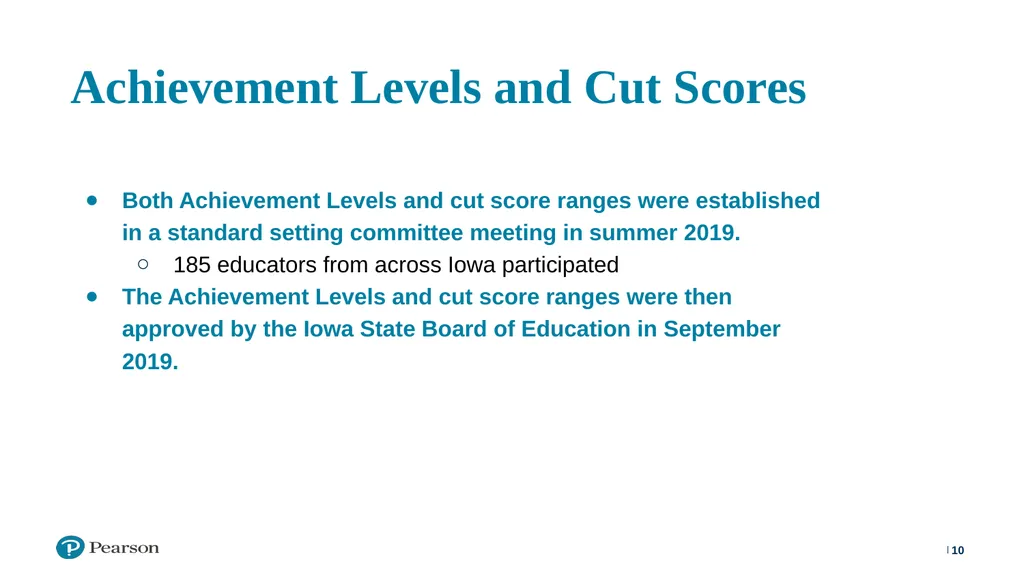
Achievement Levels and Cut Scores ‹#› Both Achievement Levels and cut score ranges were established in a standard setting committee meeting in summer 2019.
185 educators from across Iowa participated
The Achievement Levels and cut score ranges were then approved by the Iowa State Board of Education in September 2019.<br>
11
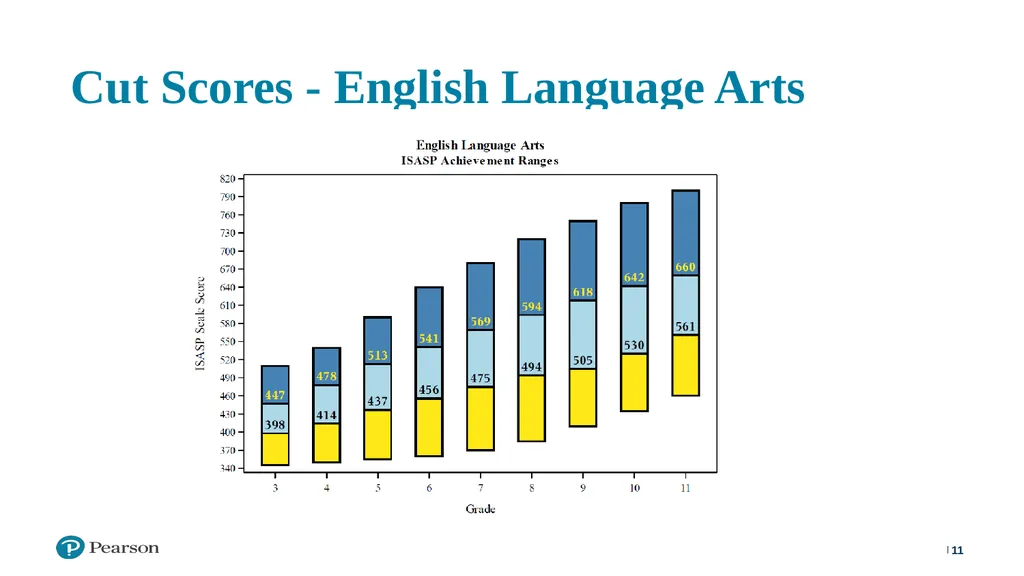
Cut Scores - English Language Arts ‹#›<br>
12
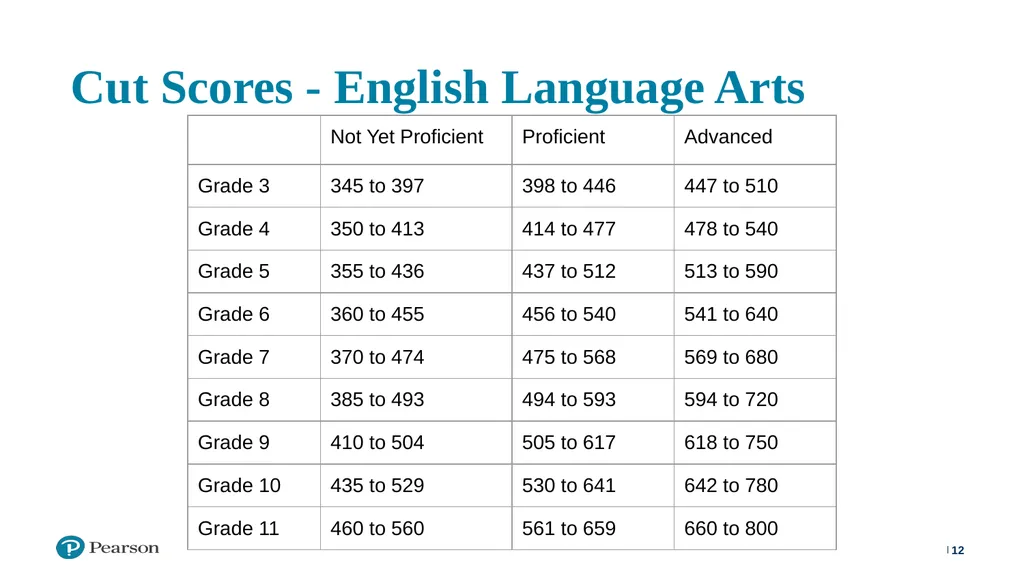
Cut Scores - English Language Arts ‹#›<br>
13
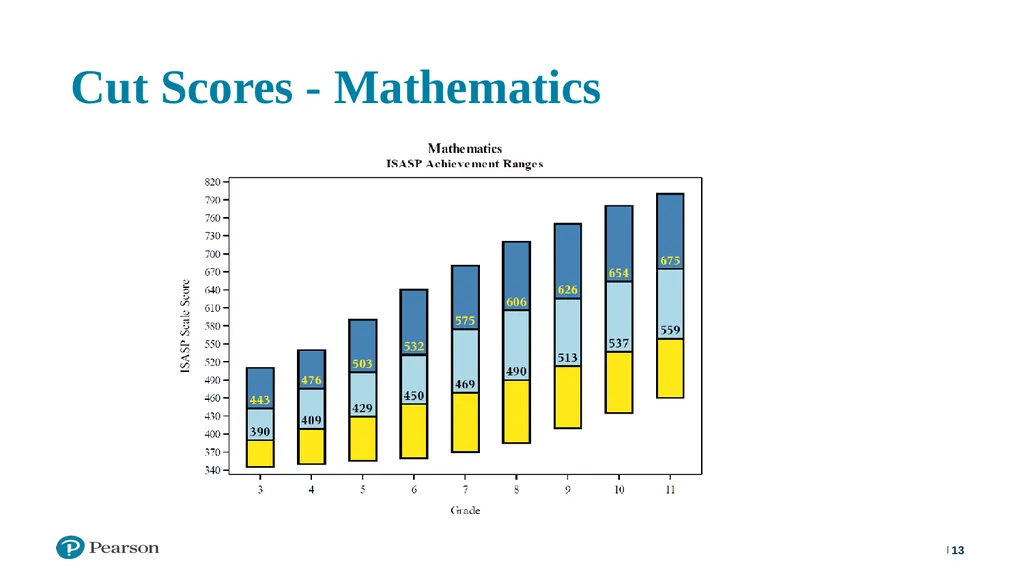
Cut Scores - Mathematics ‹#›<br>
14
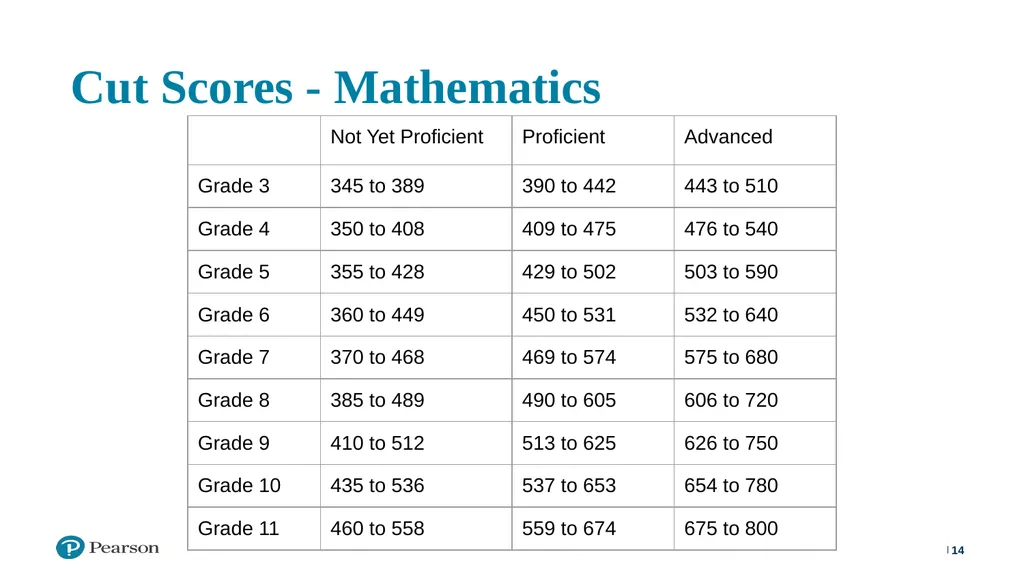
Cut Scores - Mathematics ‹#›<br>
15
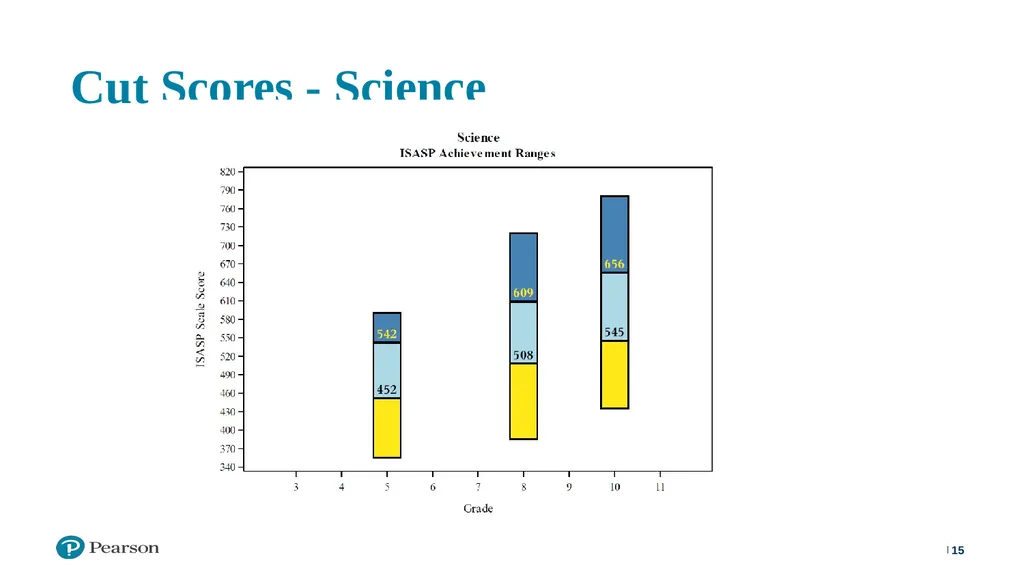
Cut Scores - Science ‹#›<br>
16
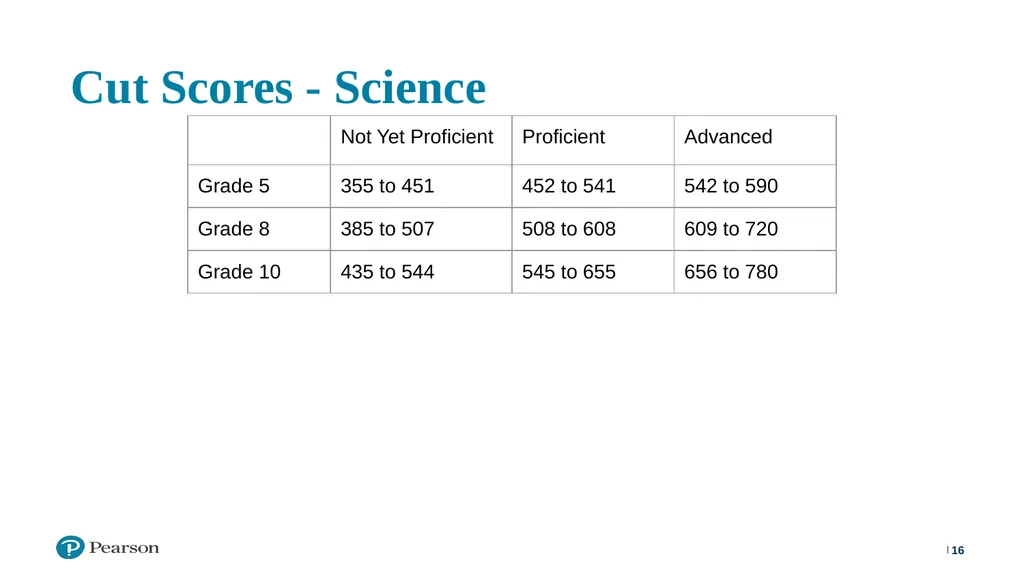
Cut Scores - Science ‹#›<br>
17
Scale Metrics ‹#›<br>
18
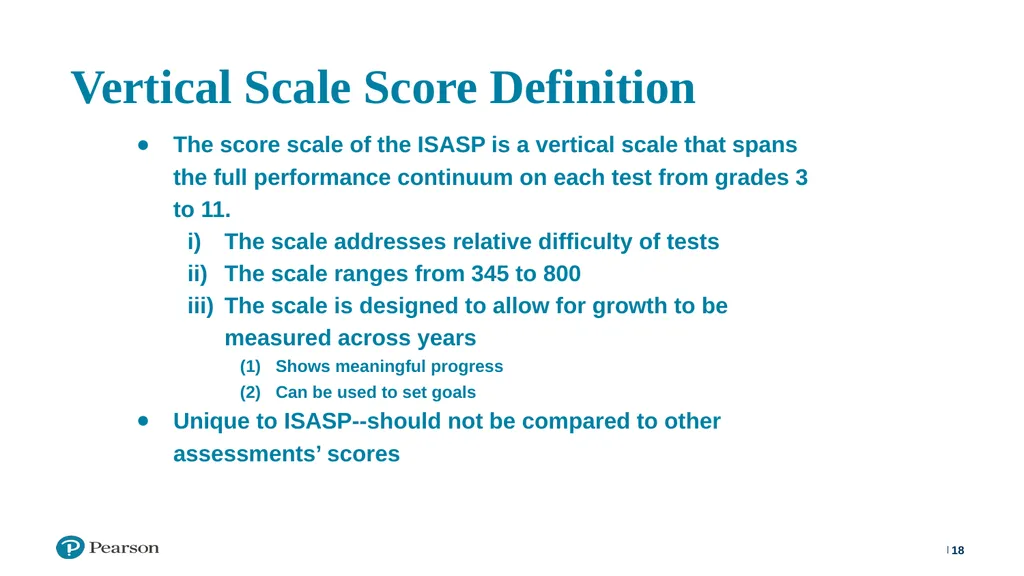
Vertical Scale Score Definition ‹#› The score scale of the ISASP is a vertical scale that spans the full performance continuum on each test from grades 3 to 11.
The scale addresses relative difficulty of tests
The scale ranges from 345 to 800
The scale is designed to allow for growth to be measured across years
Shows meaningful progress
Can be used to set goals
Unique to ISASP--should not be compared to other assessments’ scores<br>
19
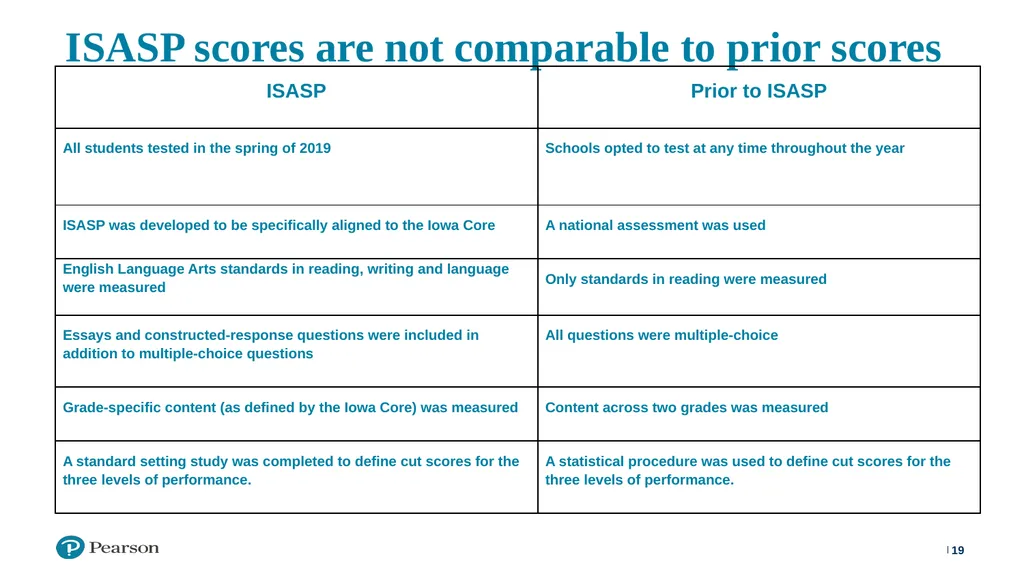
ISASP scores are not comparable to prior scores ‹#›<br>
20
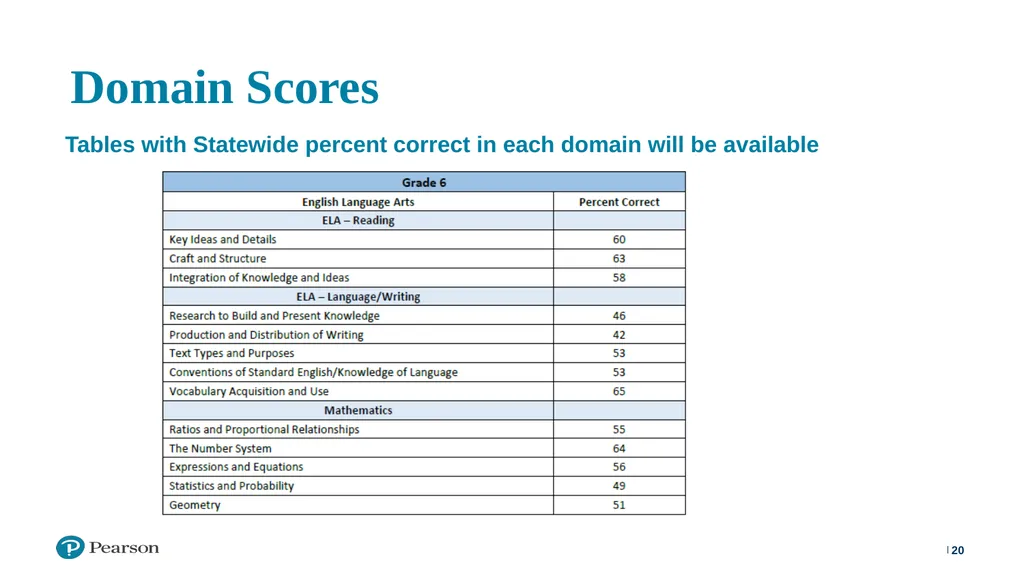
Domain Scores ‹#› Tables with Statewide percent correct in each domain will be available<br>
21
Interpreting Results ‹#›<br>
22
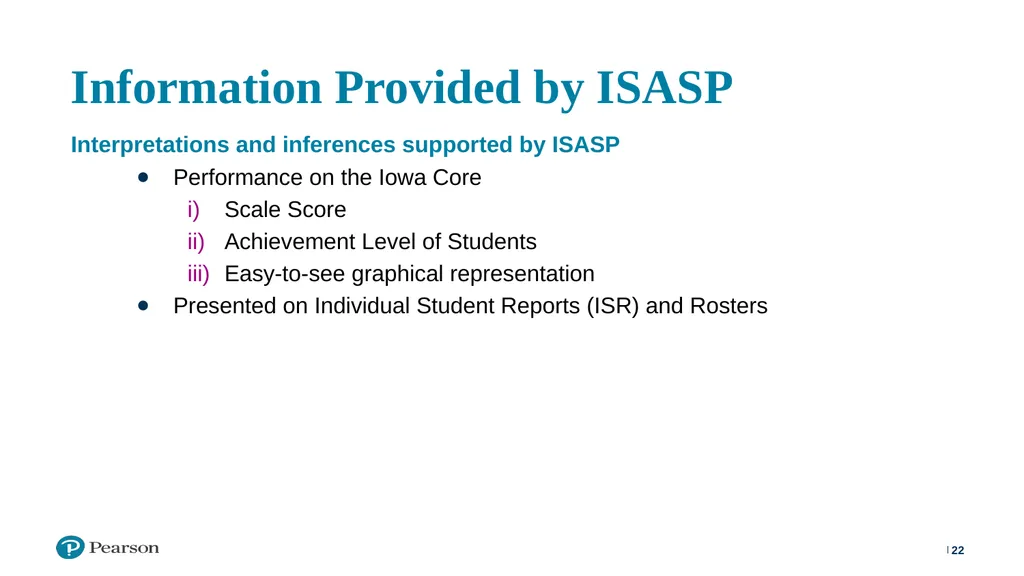
Information Provided by ISASP ‹#› Interpretations and inferences supported by ISASP
Performance on the Iowa Core
Scale Score
Achievement Level of Students
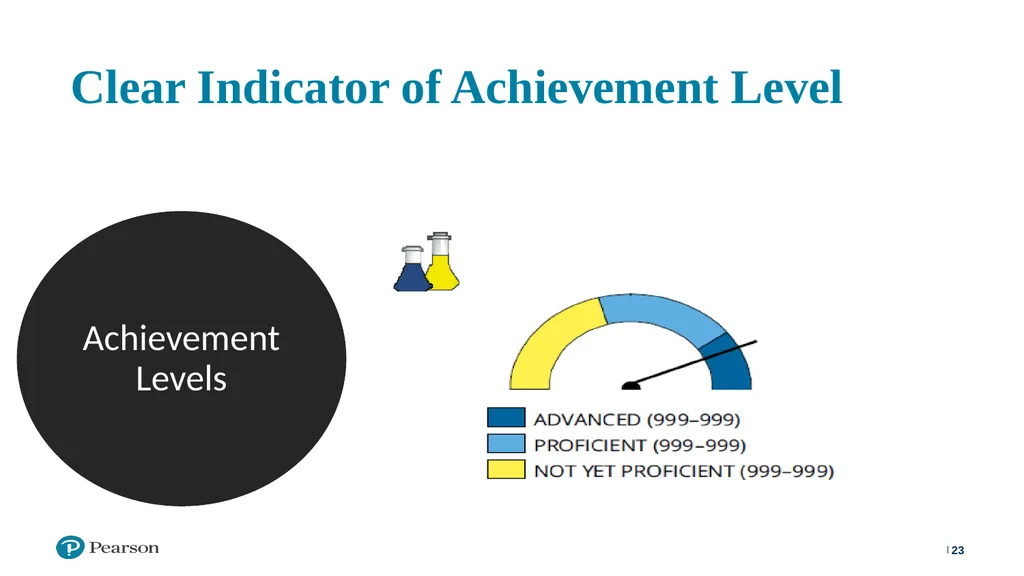
Easy-to-see graphical representation
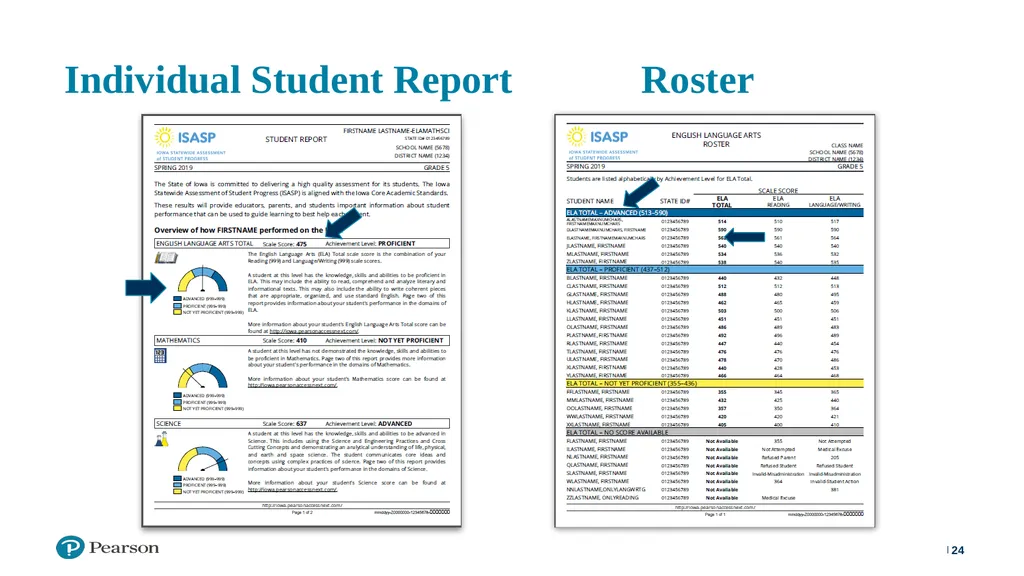
Presented on Individual Student Reports (ISR) and Rosters<br>
23
Clear Indicator of Achievement Level ‹#› Achievement Levels<br>
24
Individual Student Report Roster ‹#›<br>
25
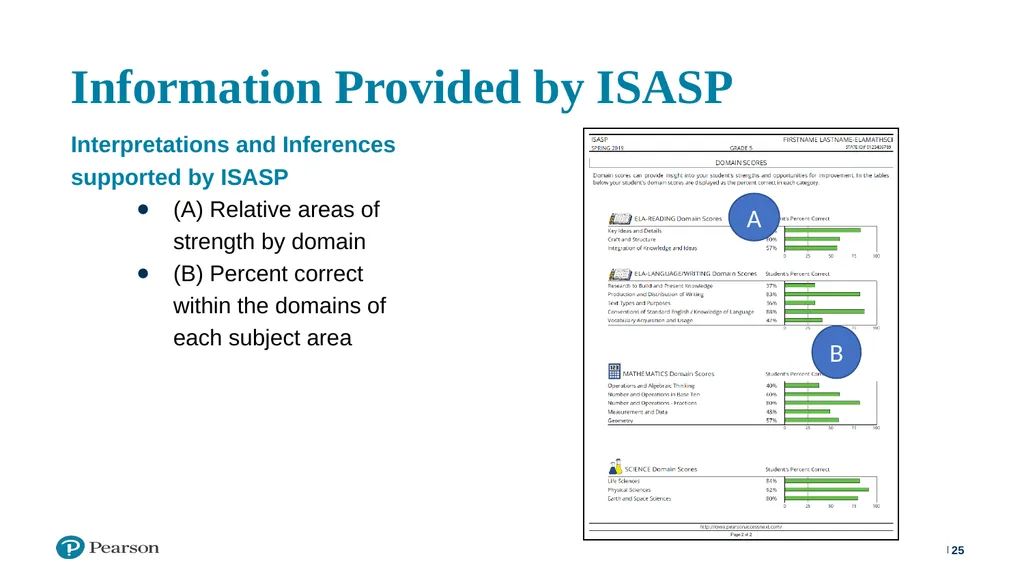
Information Provided by ISASP ‹#› Interpretations and Inferences supported by ISASP
(A) Relative areas of strength by domain
(B) Percent correct within the domains of each subject area A B<br>
26
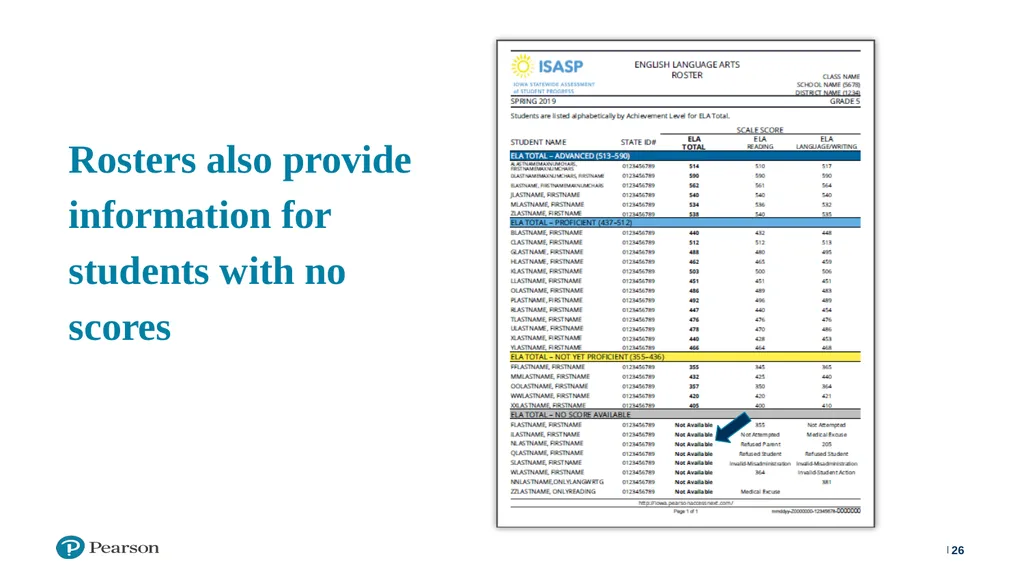
Rosters also provide information for students with no scores ‹#›<br>
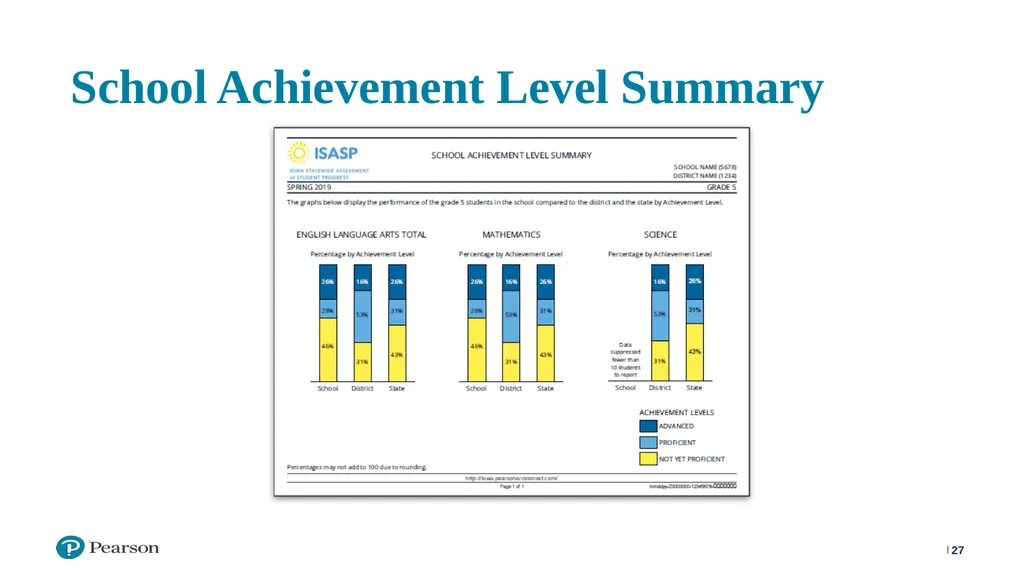
27
School Achievement Level Summary ‹#›<br>
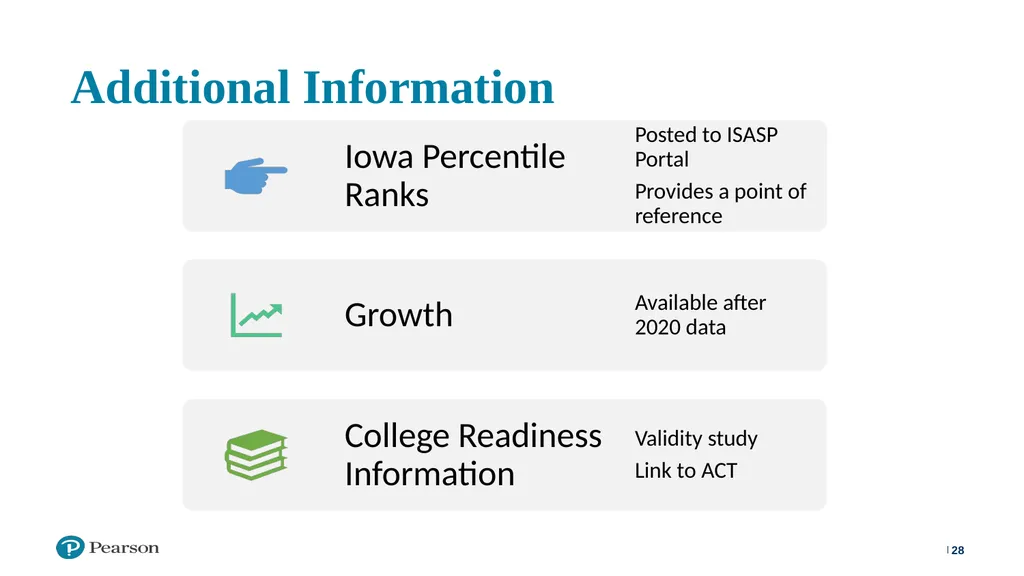
28
Additional Information ‹#›<br>
29
Interpretive Manual ‹#› Accessible on the Portal at: