
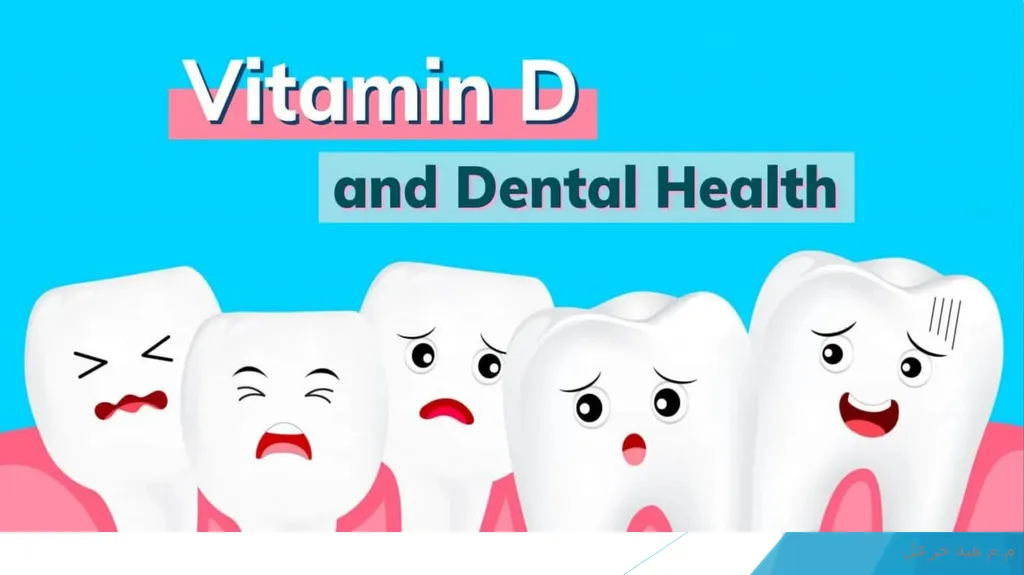
l م.م هبة خزعل vitamin D has been associated with



Description: l م.م هبة خزعل vitamin D has been associated with bone health. it is important for optimal functioning of many organs and tissues throughout the body. Vitamin D defciency or insufficiency is prevalent in practically every segment of the
Related Topics
Download Presentation
"l م.م هبة خزعل vitamin D has been associated with" is the property of its rightful owner. Permission is granted to download and print the materials on this website for personal, non-commercial use only, and to display it on your personal computer provided you do not modify the materials and that you retain all copyright notices contained in the materials. By downloading content from our website, you accept the terms of this agreement.
Presentation Transcript
slide1. l م.م هبة خزعل<br>
slide2. vitamin D has been associated with bone health. it is important for optimal functioning of many organs and tissues throughout the body. Vitamin D defciency or insufficiency is prevalent in practically every segment of the population, including children and young adults.
The key source of vitD is the sunlight, and the level of 25-hydroxy vitD (25 (OH) D) in serum varies depending on the seasonal change of sunlight. Fatty fish like salmon, mackerel and herring, and fats from fish, containing cod liver oil, are among the rare foods that naturally comprise vitD. Milk, some juice products, some bread, yogurts and cheeses are supplied with vitD in the US. Furthermore, commercially available multivitamin preparations contain varying amounts of vitD and are offered for daily use to individualsSources of vitamin D.<br>
slide3. Vitamin D deficiency (VDD) owing to significant sunlight decrease in today’s conditions and the use of sunscreens that increase in both summer and winter months is considered as a pandemic issue. The amount of vitamin D (vitD) intake from food is very low. This amount cannot meet the daily vitD requirement for both adults and children<br>
slide4. the signs of Vitamin A deficiency related to oral health are include
dry mouth, swollen and bleeding gums,
frequent mouth infections, poor wound healing in the mouth, and night blindness<br>
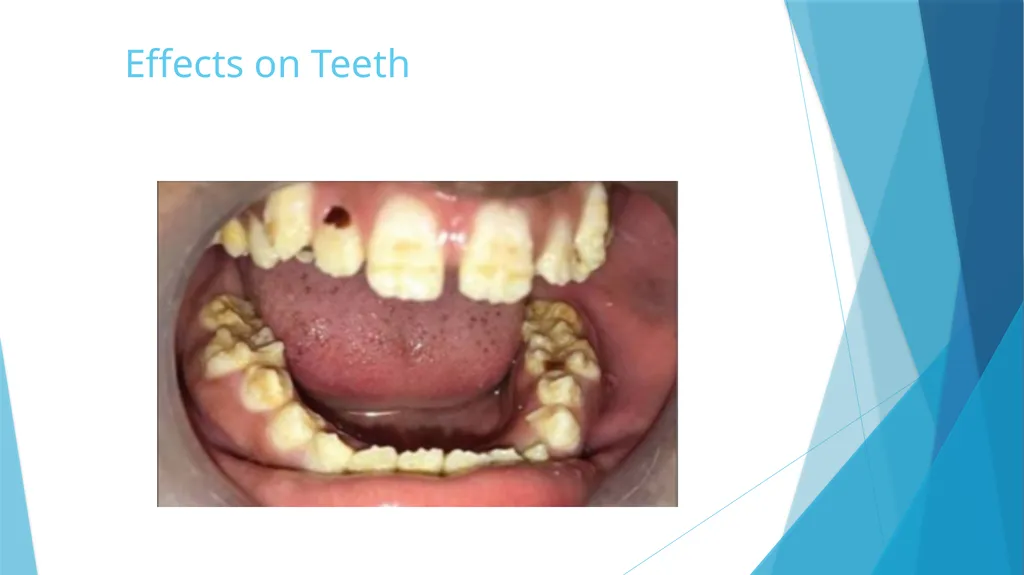
slide5. How does vitamin D deficiency affect teeth? Vitamin D plays a key role in bone and tooth mineralization, and when levels are unregulated it can lead to the “rachitic tooth”, which is a defective and hypo mineralized organ highly susceptible to fracture and decay . Vitamin D Deficiency is a risk factor for delayed tooth eruption Associated with Persistent primary tooth.
Lack of vitamin D can lead to dental caries, and weak or brittle teeth that easily break, chip, and crack. A controlled study made up of 2,827 children found a reduction of 47% in cavities of the children who received vitamin D supplements.<br>
slide6. Sleep bruxism was associated with vitamin D deficiency and low consumption of calcium and was also associated with increased scores of anxiety and depression. Further investigations should be performed to check if vitamin D and calcium supplementation could relieve sleep bruxism.
Both dietary Vitamin D excessand deficiency have been suggested to be involved in the pathophysiology of common permanent tooth resorption.
vitamin D deficiency can show up as yellow teeth. Yellow or brown spots on teeth are a symptom of rickets, a condition caused by chronic low levels of vitamin D.<br>
slide7. VITAMIN D AND PERIODONTAL HEALTH More recent studies showed signifcant associations between periodontal health and intake of vitamin D and calciumand that dietary supplementation with calcium and vitamin D may improve periodontal health, increase bone mineral density in the mandible and inhibit alveolar bone resorption In a recently published longitudinal study,. reported that calcium and vitamin D supplementation may reduce the severity of periodontal disease if used at doses higher than 800-1,000 IU daily and supported the rational for testing the potential benefcial role of vitamin D on periodontal disease in randomized clinical trials.<br>
slide8. They also noted that vitamin D, in addition to its role in bone and calcium homeostasis, acts as an anti-inflammatory agent because it inhibits immune cell cytokine expression and causes monocyte/macrophages to secrete molecules that have a strong antibiotic effect. Indeed, vitamin D deficiency may be linked to increased risk of infectious diseases. This suggests that vitamin D may be of benefit in the treatment of periodontitis, not only because of its direct effects on bone metabolism, but also because it may have antibiotic effects on periodontopathogens and inhibit inflammatory mediators that contribute to the periodontal destruction.<br>
slide9. Effects on Teeth<br>
slide10. A balanced and good diet is necessary and essential for maintaining general body health as well as improving oral health .While the importance of vitamins in general health has been highly researched and developed, their relationship with oral and dental health has not been fully elucidated. Vitamins act as a catalyzer for basic metabolic events in the body that are essential for growth, development, energy, and cell maintenance .
Minerals such as magnesium, calcium, and phosphorus, the basic structural components of the tooth, should be taken in sufficient levels with the diet. These minerals play a role by interacting with vitamins in strengthening the tooth structure. Especially vitD is related with calcium, magnesium, and zinc .Several possible mechanisms have been suggested to clarify the role of vitD in decreasing the risk of caries.
One of these mechanisms is the regulation of serum calcium, phosphate and parathyroid hormone, which are necessary for the formation, calcification, mineralization and protection of teeth. Calcium and phosphate homeostasis is necessary for the formation, calcification, mineralization and maintenance of oral bone and teeth, as well as bone and hard tissue. Enamel and dentin defects- hypoplasia have been linked with hypocalcemia and hypophosphatemia .<br>
slide11. Moreover, vitD adjusts and adapts both the innate and adaptive immune system. The immunological role of vitD is stimulation of the arrangement of some antimicrobial peptides, e.g. defensins and cathelicidin (LL-37), which defend against many pathogens, counting oral bacteria .Cathelicidin (LL-37 or hCAP-18) is controlled by vitD, which has both anti-endotoxin and antimicrobial properties .
In mineral deficiencies due to absorption disorders, increased tendency to bleeding, bone resorption, and early tooth loss occur .The chewing process ensures that the person receives the highest possible amount of nutrients, and the number and distribution of teeth affect chewing efficiency. Since diet selection and nutritional status are affected in early tooth loss, deficiency occurs in the intake of vitamins, that is, the two situations create a synergistic effect on each other. During the development of the tooth, the hard tissues of the tooth are strongly affected by nutritional status and thus vitamin deficiency. It is stated that there is a positive correlation between malnutrition and enamel hypoplasia and caries in the primary dentition period in children .In addition, deficiencies of these minerals cause delayed tooth eruption, bleeding gums, destruction patterns in alveolar bone, periodontal disease, enamel or dentin hypoplasia .<br>
slide12. Vitamin D is an essential hormone for the absorption of calcium, magnesium and phosphorus from the intestine, which is necessary for the appropriate mineralization of bones and teeth. In addition, covering the surfaces of the implants with vitD during implant application, which is one of the dental procedures, increases osteointegration. Moreover, applying vitD3 intraperitoneally speeds up orthodontic tooth movement, and even patients receiving vitD and bisphosphonate therapy can obtain orthodontic treatment<br>
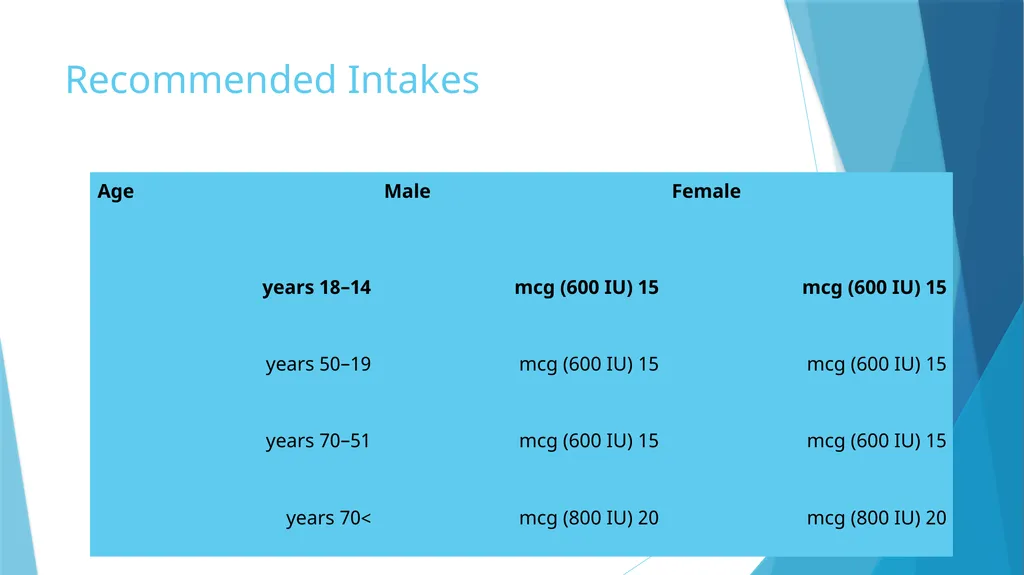
slide13. Recommended Intakes Recommended Intakes<br>
slide14. Conclusion Vitamin D has been linked with tooth decay, gingivitis, and tooth loss. Vitamin D, in particular, as a promising oral health-protective agent, is said to lessen the incidence of caries and periodontitis, leading to a low-precision result. In order to prevent tooth decay, which is a serious public health problem, existing structural defects in teeth (enamel and dentin hypoplasias) and to maintain oral health, the awareness of health care providers should be increased. It seems to be an issue that should not be overlooked, especially from the early stages of life, to control vitD levels for oral health.<br>
slide2. vitamin D has been associated with bone health. it is important for optimal functioning of many organs and tissues throughout the body. Vitamin D defciency or insufficiency is prevalent in practically every segment of the population, including children and young adults.
The key source of vitD is the sunlight, and the level of 25-hydroxy vitD (25 (OH) D) in serum varies depending on the seasonal change of sunlight. Fatty fish like salmon, mackerel and herring, and fats from fish, containing cod liver oil, are among the rare foods that naturally comprise vitD. Milk, some juice products, some bread, yogurts and cheeses are supplied with vitD in the US. Furthermore, commercially available multivitamin preparations contain varying amounts of vitD and are offered for daily use to individualsSources of vitamin D.<br>
slide3. Vitamin D deficiency (VDD) owing to significant sunlight decrease in today’s conditions and the use of sunscreens that increase in both summer and winter months is considered as a pandemic issue. The amount of vitamin D (vitD) intake from food is very low. This amount cannot meet the daily vitD requirement for both adults and children<br>
slide4. the signs of Vitamin A deficiency related to oral health are include
dry mouth, swollen and bleeding gums,
frequent mouth infections, poor wound healing in the mouth, and night blindness<br>
slide5. How does vitamin D deficiency affect teeth? Vitamin D plays a key role in bone and tooth mineralization, and when levels are unregulated it can lead to the “rachitic tooth”, which is a defective and hypo mineralized organ highly susceptible to fracture and decay . Vitamin D Deficiency is a risk factor for delayed tooth eruption Associated with Persistent primary tooth.
Lack of vitamin D can lead to dental caries, and weak or brittle teeth that easily break, chip, and crack. A controlled study made up of 2,827 children found a reduction of 47% in cavities of the children who received vitamin D supplements.<br>
slide6. Sleep bruxism was associated with vitamin D deficiency and low consumption of calcium and was also associated with increased scores of anxiety and depression. Further investigations should be performed to check if vitamin D and calcium supplementation could relieve sleep bruxism.
Both dietary Vitamin D excessand deficiency have been suggested to be involved in the pathophysiology of common permanent tooth resorption.
vitamin D deficiency can show up as yellow teeth. Yellow or brown spots on teeth are a symptom of rickets, a condition caused by chronic low levels of vitamin D.<br>
slide7. VITAMIN D AND PERIODONTAL HEALTH More recent studies showed signifcant associations between periodontal health and intake of vitamin D and calciumand that dietary supplementation with calcium and vitamin D may improve periodontal health, increase bone mineral density in the mandible and inhibit alveolar bone resorption In a recently published longitudinal study,. reported that calcium and vitamin D supplementation may reduce the severity of periodontal disease if used at doses higher than 800-1,000 IU daily and supported the rational for testing the potential benefcial role of vitamin D on periodontal disease in randomized clinical trials.<br>
slide8. They also noted that vitamin D, in addition to its role in bone and calcium homeostasis, acts as an anti-inflammatory agent because it inhibits immune cell cytokine expression and causes monocyte/macrophages to secrete molecules that have a strong antibiotic effect. Indeed, vitamin D deficiency may be linked to increased risk of infectious diseases. This suggests that vitamin D may be of benefit in the treatment of periodontitis, not only because of its direct effects on bone metabolism, but also because it may have antibiotic effects on periodontopathogens and inhibit inflammatory mediators that contribute to the periodontal destruction.<br>
slide9. Effects on Teeth<br>
slide10. A balanced and good diet is necessary and essential for maintaining general body health as well as improving oral health .While the importance of vitamins in general health has been highly researched and developed, their relationship with oral and dental health has not been fully elucidated. Vitamins act as a catalyzer for basic metabolic events in the body that are essential for growth, development, energy, and cell maintenance .
Minerals such as magnesium, calcium, and phosphorus, the basic structural components of the tooth, should be taken in sufficient levels with the diet. These minerals play a role by interacting with vitamins in strengthening the tooth structure. Especially vitD is related with calcium, magnesium, and zinc .Several possible mechanisms have been suggested to clarify the role of vitD in decreasing the risk of caries.
One of these mechanisms is the regulation of serum calcium, phosphate and parathyroid hormone, which are necessary for the formation, calcification, mineralization and protection of teeth. Calcium and phosphate homeostasis is necessary for the formation, calcification, mineralization and maintenance of oral bone and teeth, as well as bone and hard tissue. Enamel and dentin defects- hypoplasia have been linked with hypocalcemia and hypophosphatemia .<br>
slide11. Moreover, vitD adjusts and adapts both the innate and adaptive immune system. The immunological role of vitD is stimulation of the arrangement of some antimicrobial peptides, e.g. defensins and cathelicidin (LL-37), which defend against many pathogens, counting oral bacteria .Cathelicidin (LL-37 or hCAP-18) is controlled by vitD, which has both anti-endotoxin and antimicrobial properties .
In mineral deficiencies due to absorption disorders, increased tendency to bleeding, bone resorption, and early tooth loss occur .The chewing process ensures that the person receives the highest possible amount of nutrients, and the number and distribution of teeth affect chewing efficiency. Since diet selection and nutritional status are affected in early tooth loss, deficiency occurs in the intake of vitamins, that is, the two situations create a synergistic effect on each other. During the development of the tooth, the hard tissues of the tooth are strongly affected by nutritional status and thus vitamin deficiency. It is stated that there is a positive correlation between malnutrition and enamel hypoplasia and caries in the primary dentition period in children .In addition, deficiencies of these minerals cause delayed tooth eruption, bleeding gums, destruction patterns in alveolar bone, periodontal disease, enamel or dentin hypoplasia .<br>
slide12. Vitamin D is an essential hormone for the absorption of calcium, magnesium and phosphorus from the intestine, which is necessary for the appropriate mineralization of bones and teeth. In addition, covering the surfaces of the implants with vitD during implant application, which is one of the dental procedures, increases osteointegration. Moreover, applying vitD3 intraperitoneally speeds up orthodontic tooth movement, and even patients receiving vitD and bisphosphonate therapy can obtain orthodontic treatment<br>
slide13. Recommended Intakes Recommended Intakes<br>
slide14. Conclusion Vitamin D has been linked with tooth decay, gingivitis, and tooth loss. Vitamin D, in particular, as a promising oral health-protective agent, is said to lessen the incidence of caries and periodontitis, leading to a low-precision result. In order to prevent tooth decay, which is a serious public health problem, existing structural defects in teeth (enamel and dentin hypoplasias) and to maintain oral health, the awareness of health care providers should be increased. It seems to be an issue that should not be overlooked, especially from the early stages of life, to control vitD levels for oral health.<br>