Level G Unit 8 Vocabulary Allege Connotation: Neutral Etymology: Anglo-French aleger, Old French eslegier to clear at law, from Latin ex-out of and litigare bring suit (see litigate); however eslegier meant acquit, clear of charges
"Level G Unit 8 Vocabulary Allege Connotation:" is the property of its rightful owner. Permission is granted to
download and print the materials on this website for personal, non-commercial use only, and to display it
on your personal computer provided you do not modify the materials and that you retain all copyright
notices contained in the materials. By downloading content from our website, you accept the terms of this
agreement.
Presentation Transcript
01
Level G Unit 8 Vocabulary<br>
02
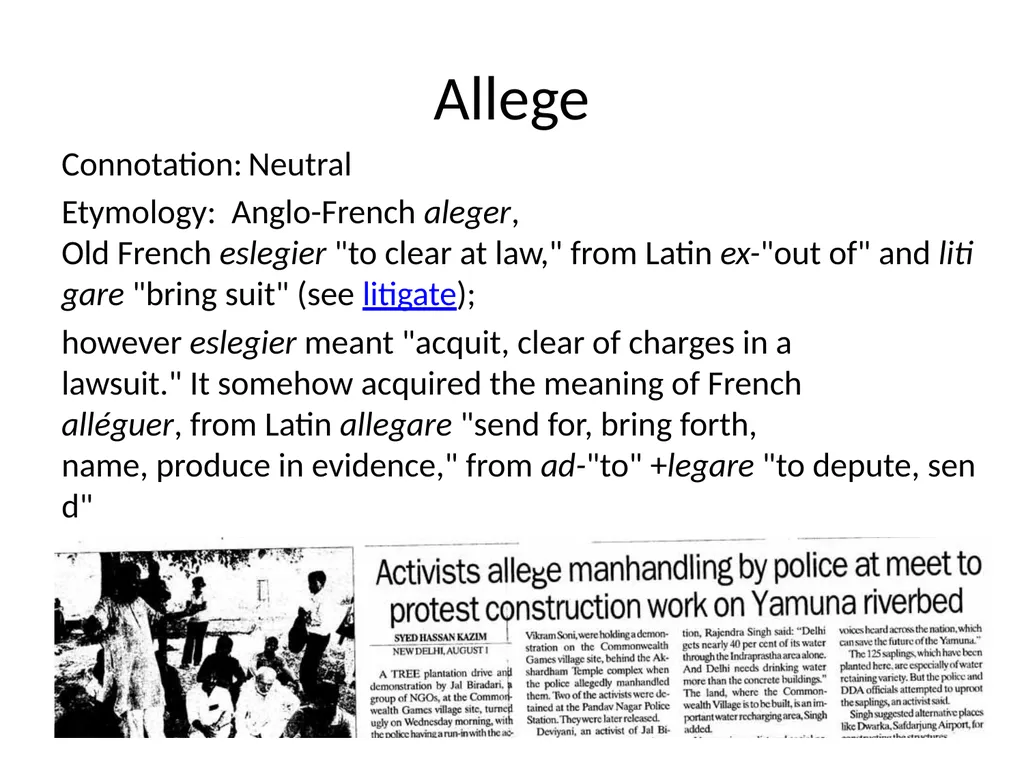
Allege Connotation: Neutral
Etymology: Anglo-French aleger, Old French eslegier "to clear at law," from Latin ex-"out of" and litigare "bring suit" (see litigate);
however eslegier meant "acquit, clear of charges in a lawsuit." It somehow acquired the meaning of French alléguer, from Latin allegare "send for, bring forth, name, produce in evidence," from ad-"to" +legare "to depute, send"<br>
03
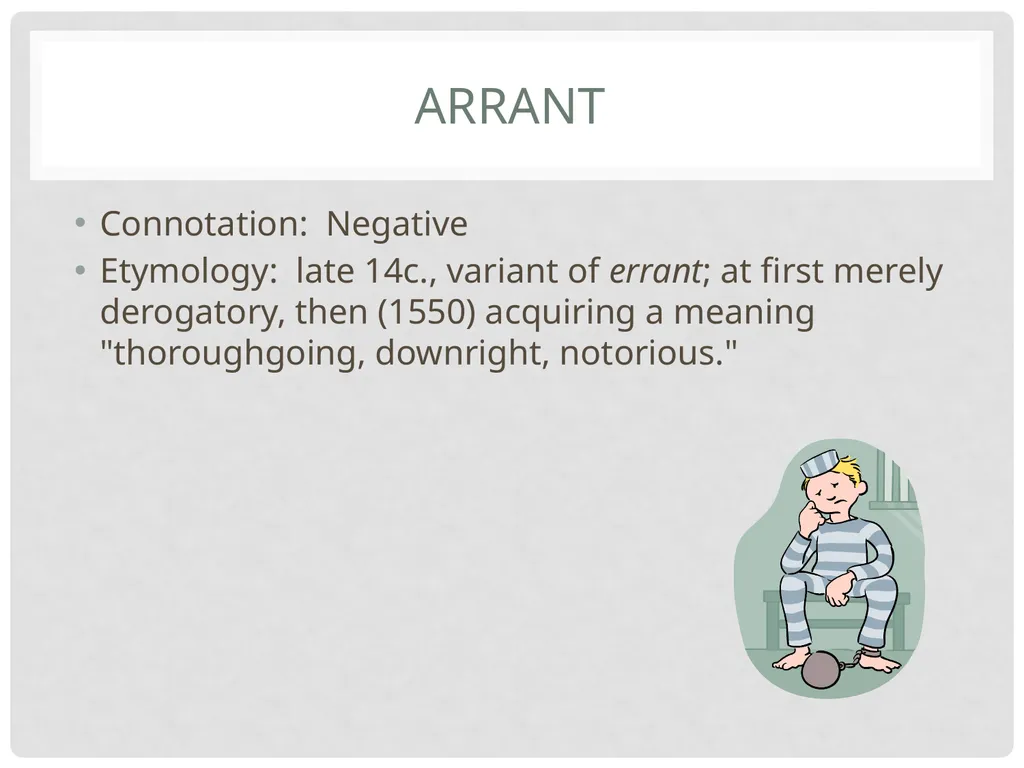
Arrant Connotation: Negative
Etymology: late 14c., variant of errant; at first merely derogatory, then (1550) acquiring a meaning "thoroughgoing, downright, notorious."<br>
04
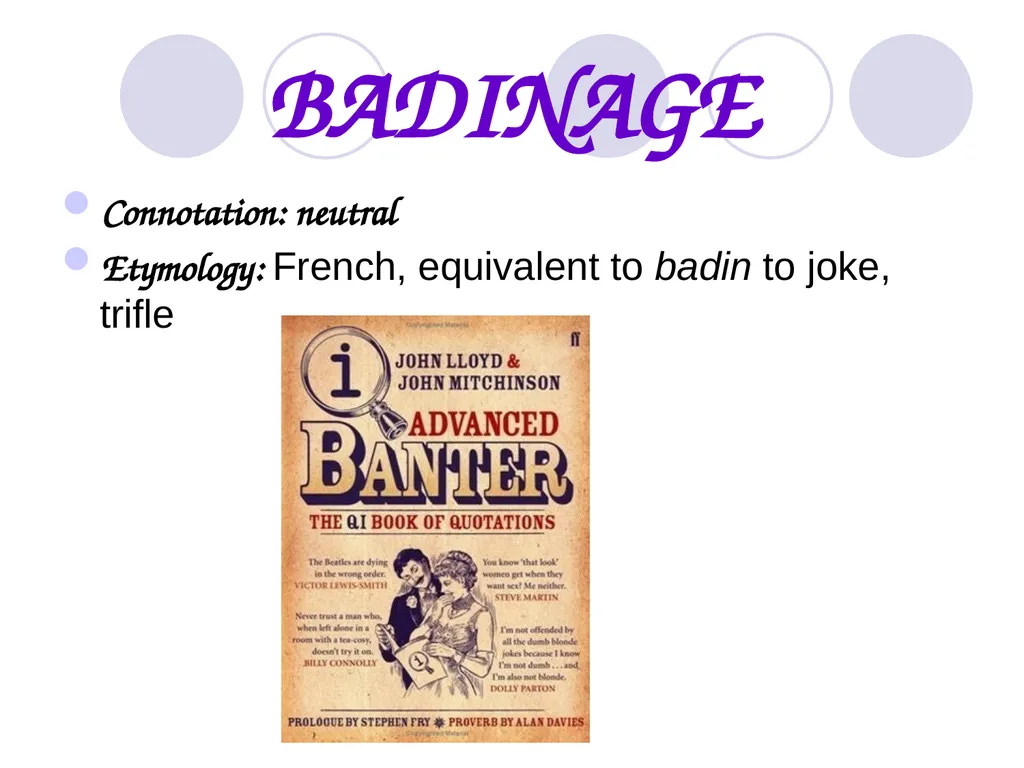
BADINAGE Connotation: neutral
Etymology: French, equivalent to badin to joke, trifle<br>
05
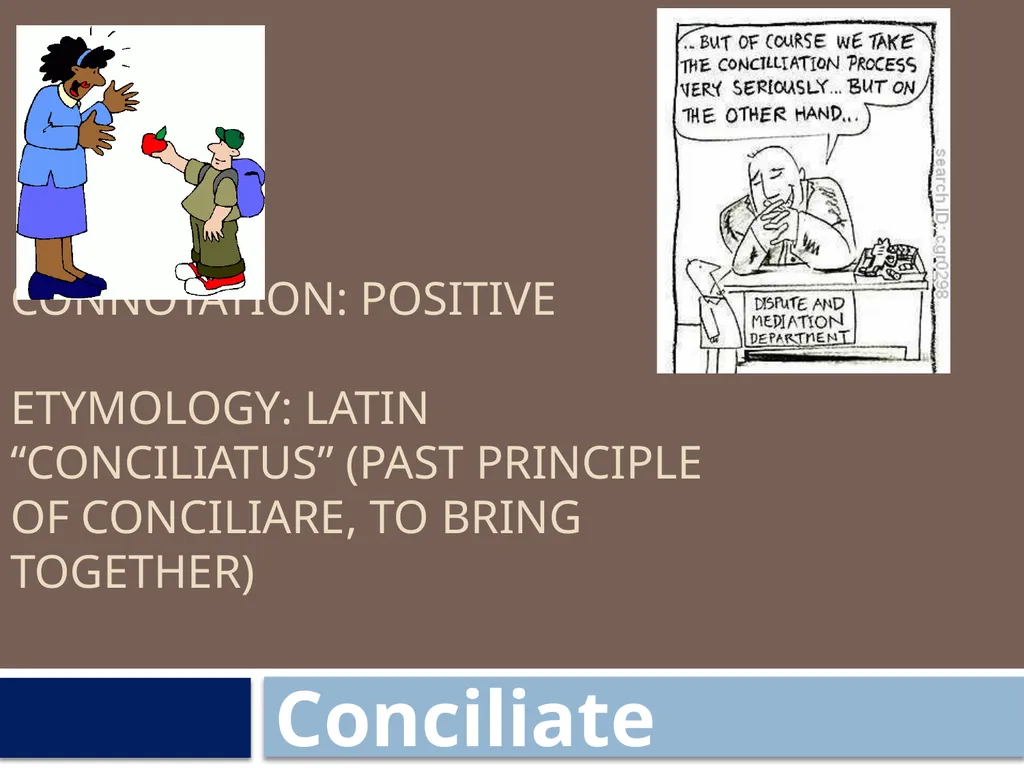
Connotation: positive EtymoLOGY: latin “conciliatus” (past principle of conciliare, to bring together) Conciliate<br>
06
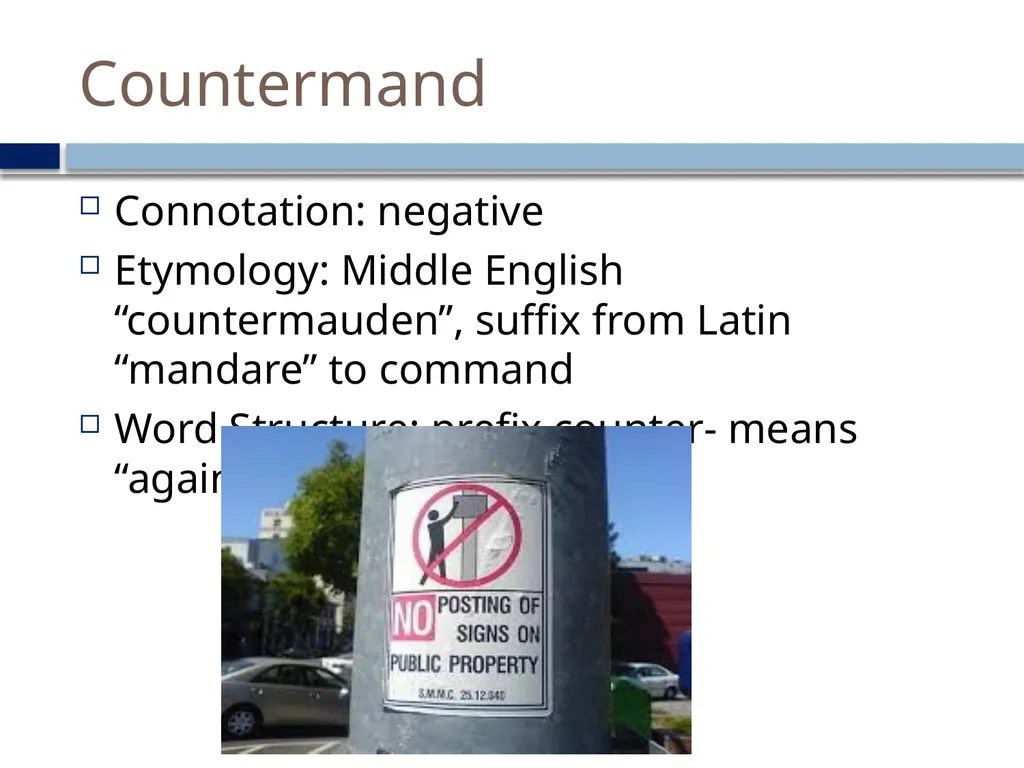
Countermand Connotation: negative
Etymology: Middle English “countermauden”, suffix from Latin “mandare” to command
Word Structure: prefix counter- means “against”,<br>
07
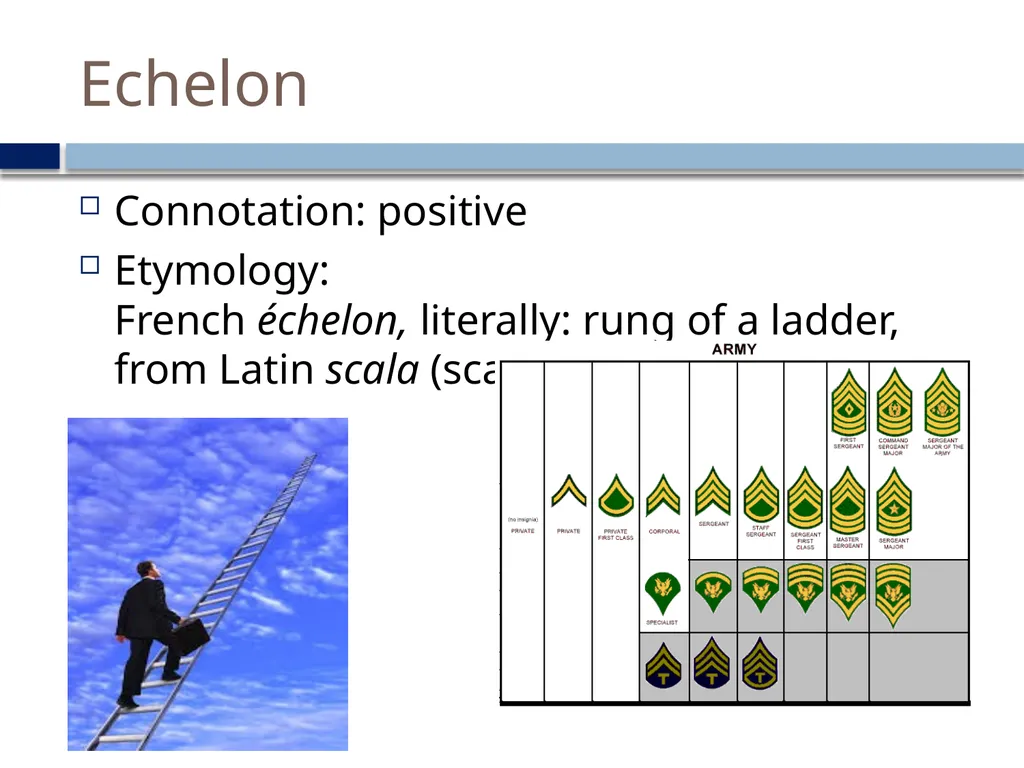
Echelon Connotation: positive
Etymology: French échelon, literally: rung of a ladder, from Latin scala (scale)<br>
08
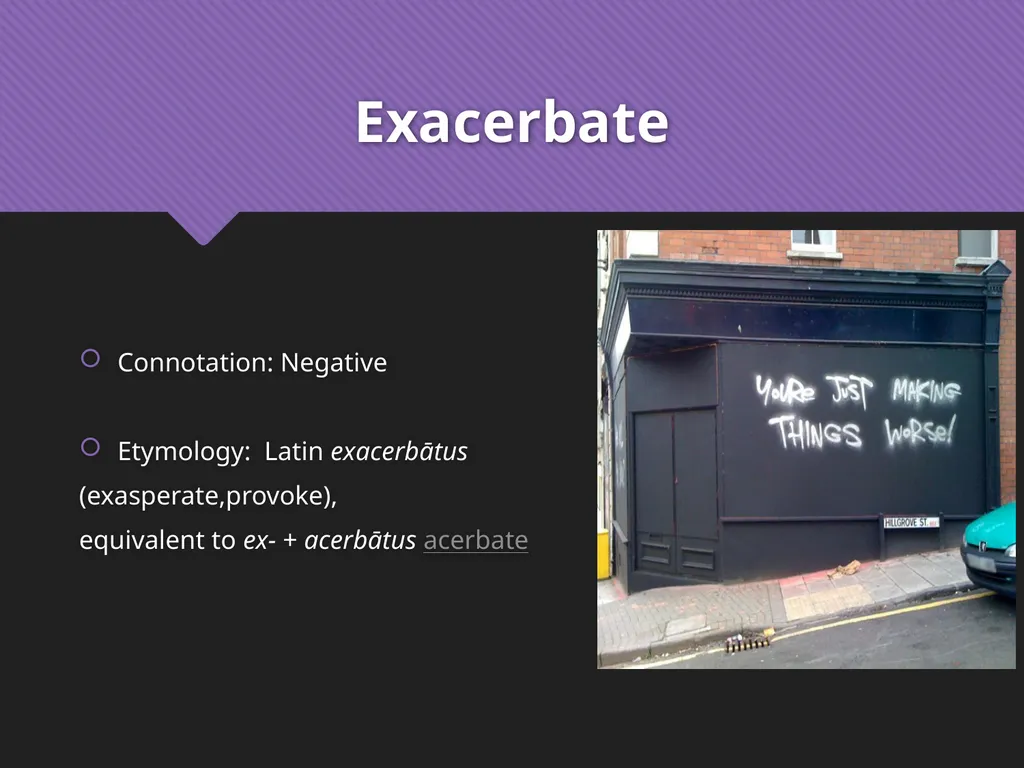
Exacerbate Connotation: Negative
Etymology: Latin exacerbātus
(exasperate,provoke),
equivalent to ex- + acerbātus acerbate<br>
09
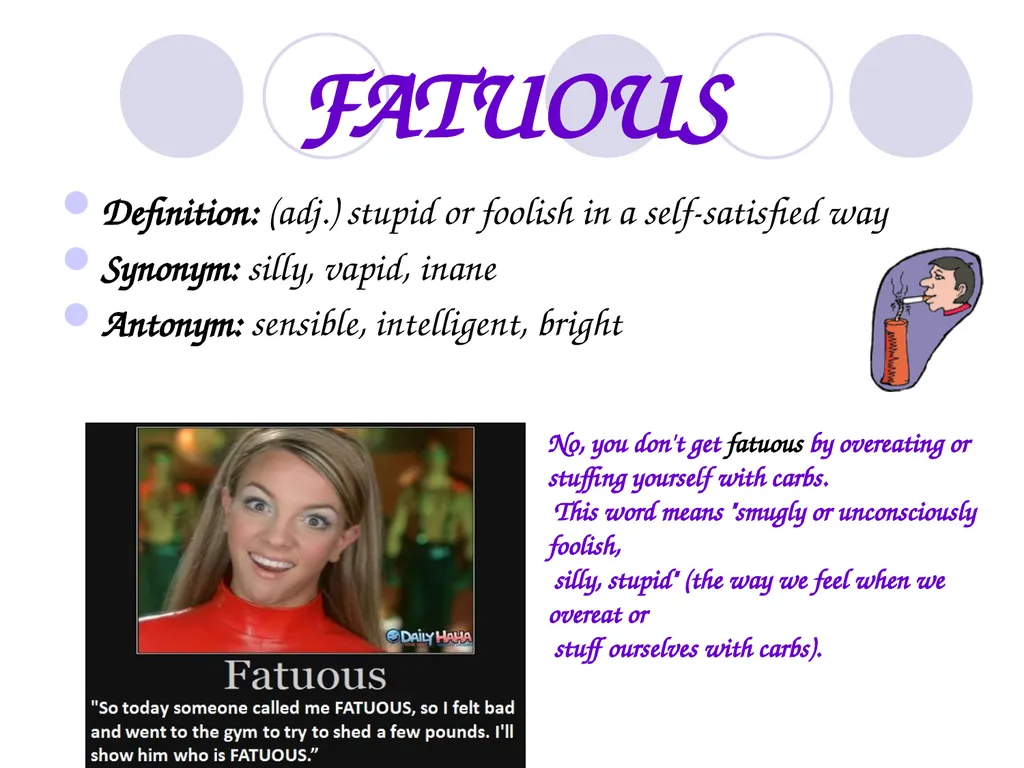
FATUOUS Definition: (adj.) stupid or foolish in a self-satisfied way
Synonym: silly, vapid, inane
Antonym: sensible, intelligent, bright No, you don't get fatuous by overeating or
stuffing yourself with carbs.
This word means "smugly or unconsciously foolish,
silly, stupid" (the way we feel when we overeat or
stuff ourselves with carbs).<br>
10
Fatuous Connotation: Negative
Etymology:1625-35; < Latin fatuus silly, foolish, idiotic; see -ous<br>
11
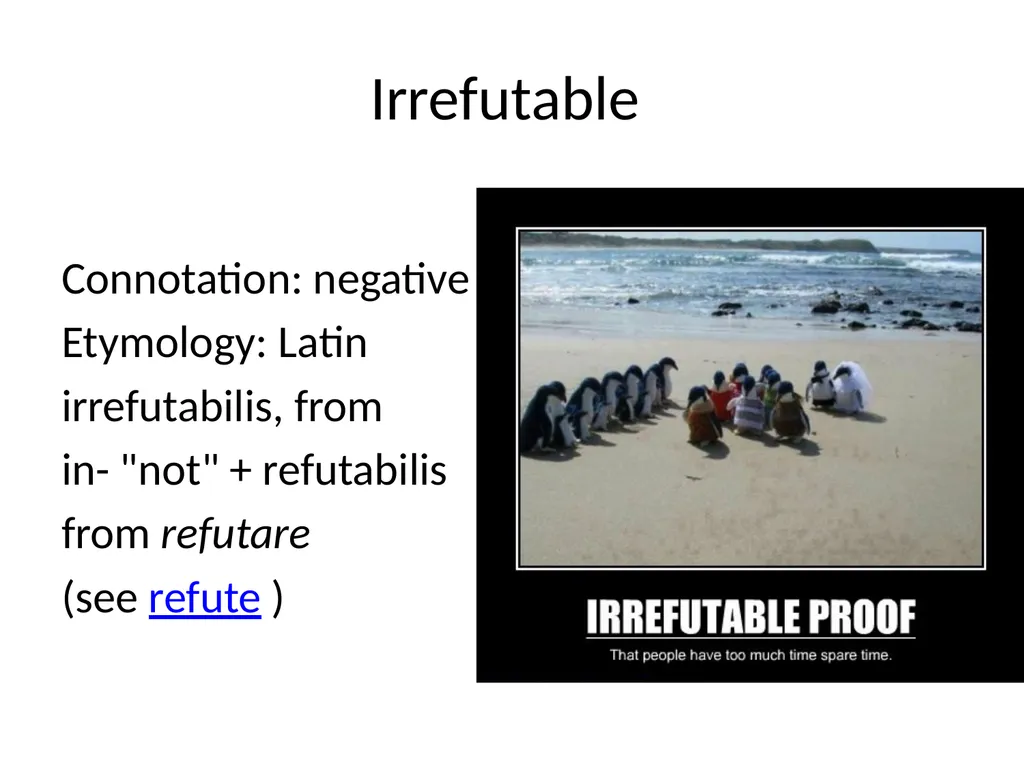
Irrefutable Connotation: negative
Etymology: Latin
irrefutabilis, from
in- "not" + refutabilis
from refutare
(see refute )<br>
12
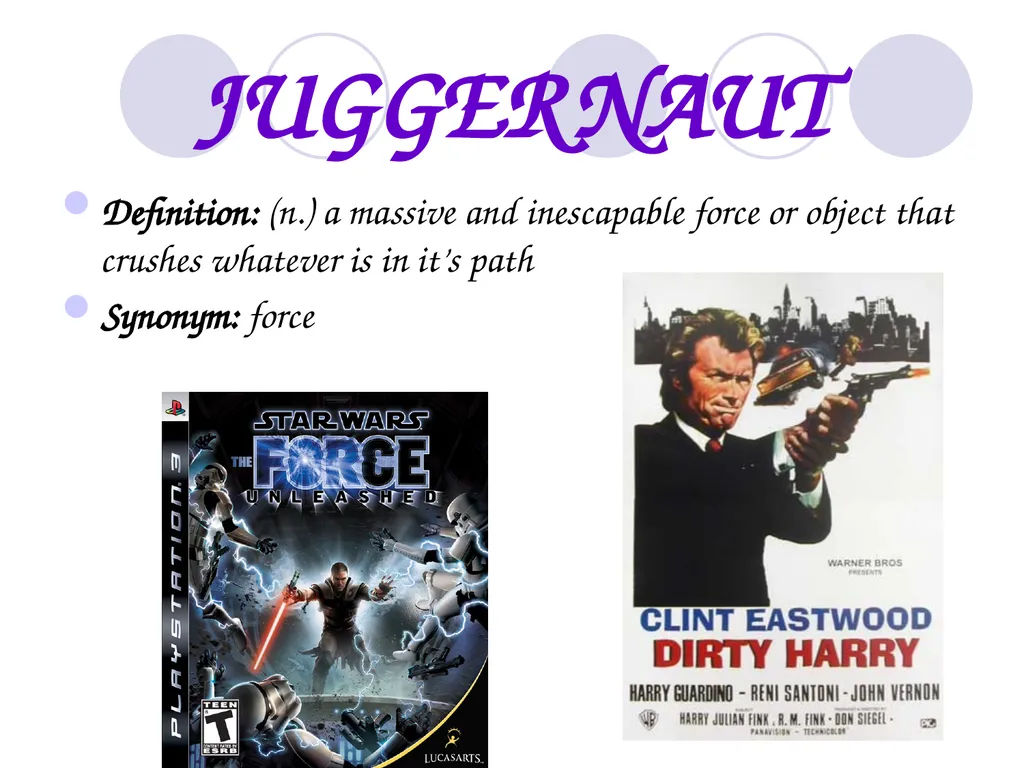
JUGGERNAUT Definition: (n.) a massive and inescapable force or object that crushes whatever is in it’s path
Synonym: force<br>
13
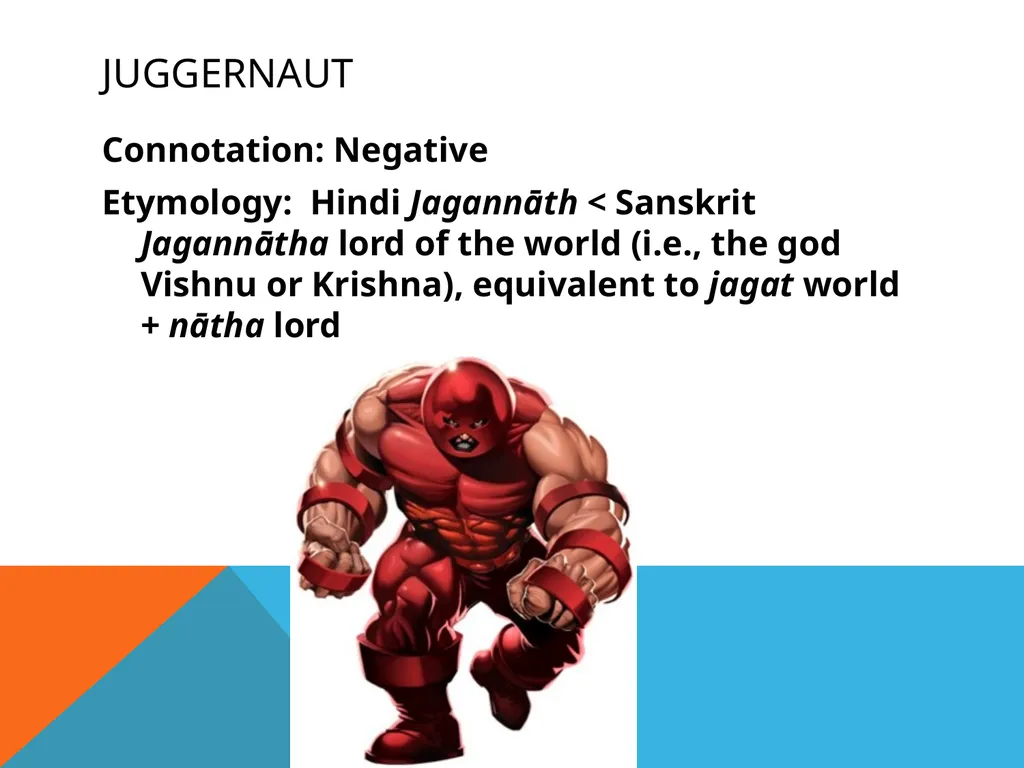
Juggernaut Connotation: Negative
Etymology: Hindi Jagannāth < Sanskrit Jagannātha lord of the world (i.e., the god Vishnu or Krishna), equivalent to jagat world + nātha lord<br>
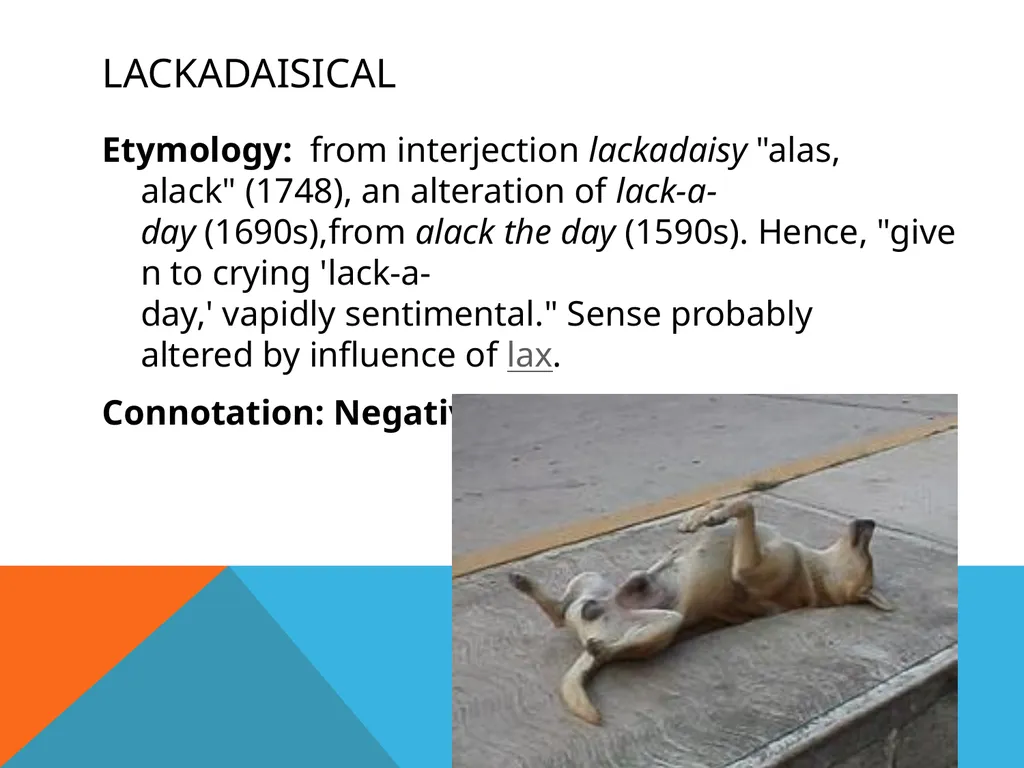
Lackadaisical Etymology: from interjection lackadaisy "alas, alack" (1748), an alteration of lack-a-day (1690s),from alack the day (1590s). Hence, "given to crying 'lack-a-day,' vapidly sentimental." Sense probably altered by influence of lax.
Connotation: Negative<br>
16
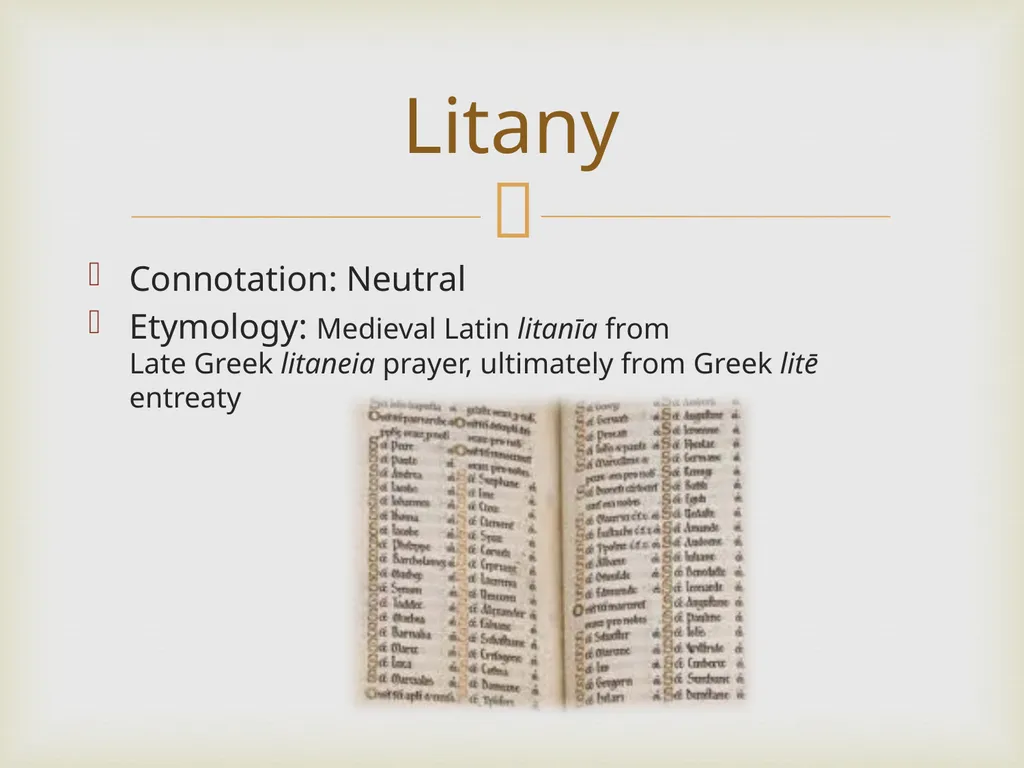
Connotation: Neutral
Etymology: Medieval Latin litanīa from Late Greek litaneia prayer, ultimately from Greek litē entreaty Litany<br>
17
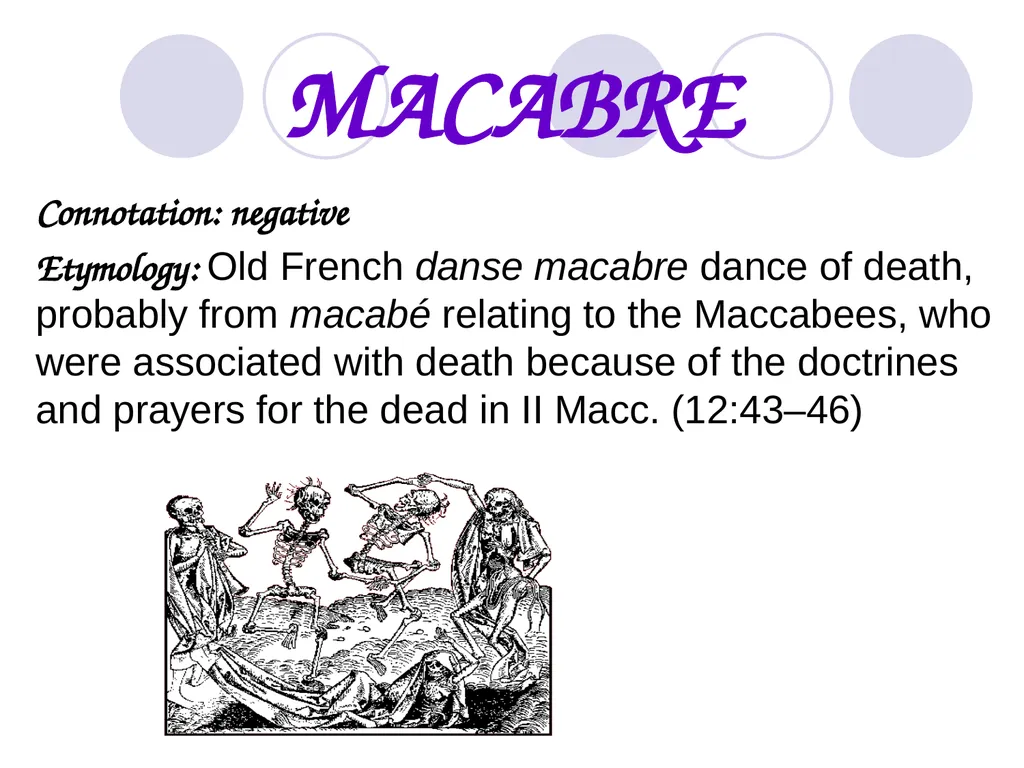
MACABRE Connotation: negative
Etymology: Old French danse macabre dance of death, probably from macabé relating to the Maccabees, who were associated with death because of the doctrines and prayers for the dead in II Macc. (12:43–46)<br>
18
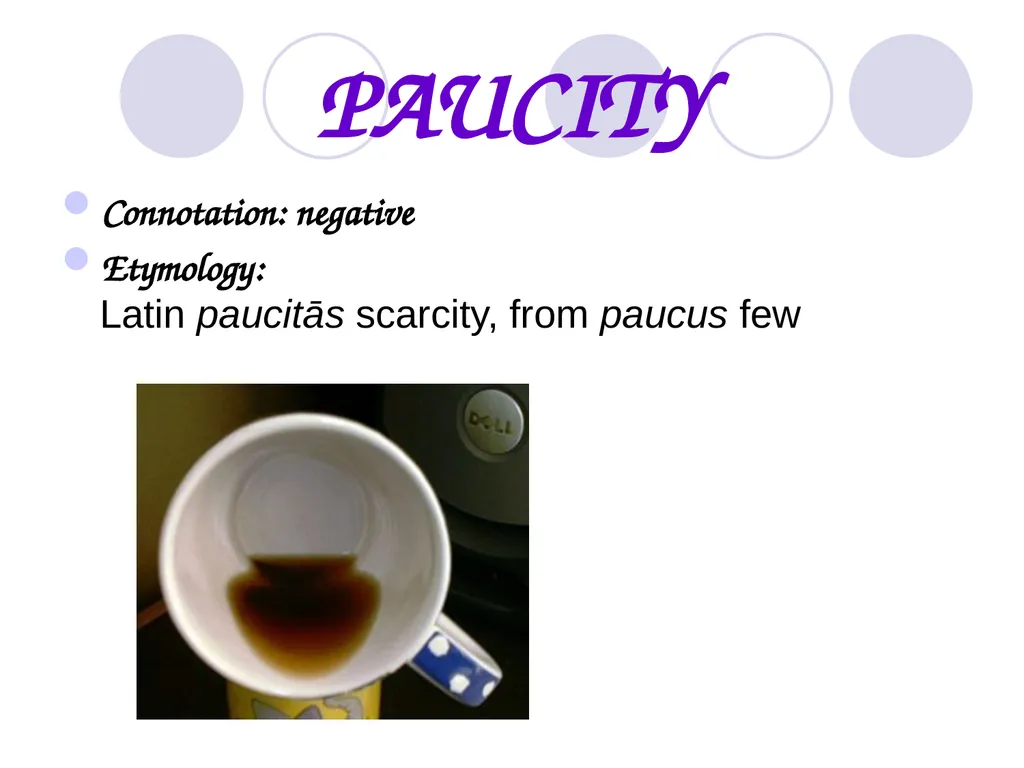
PAUCITY Connotation: negative
Etymology: Latin paucitās scarcity, from paucus few<br>
19
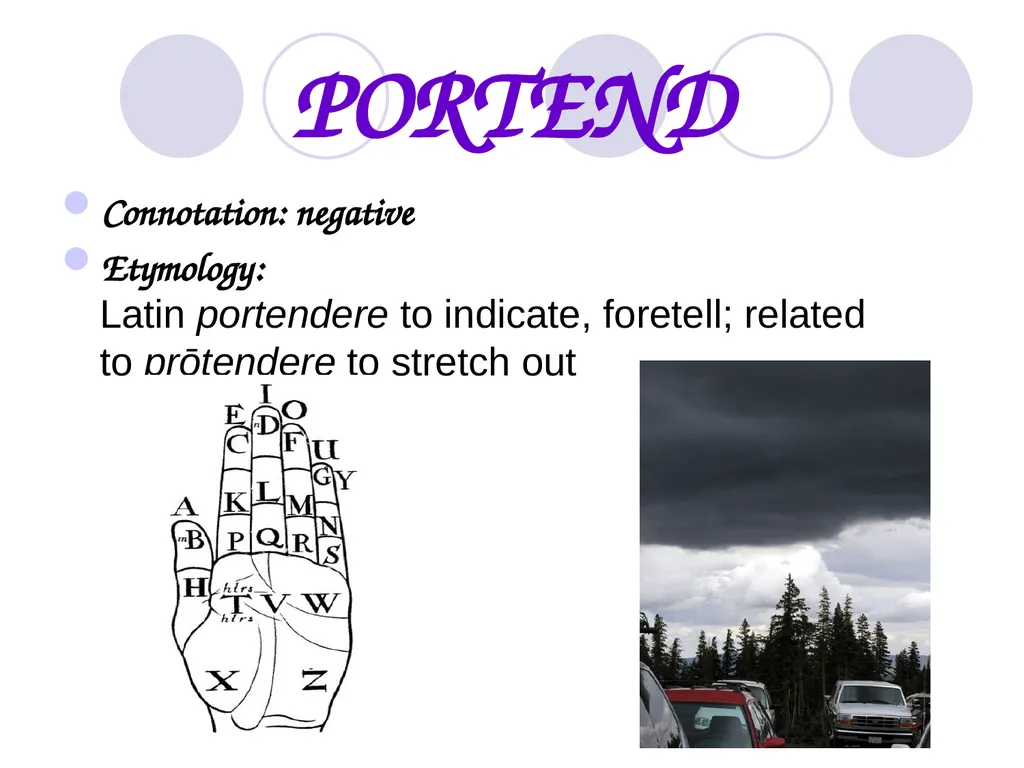
PORTEND Connotation: negative
Etymology: Latin portendere to indicate, foretell; related to prōtendere to stretch out<br>
20
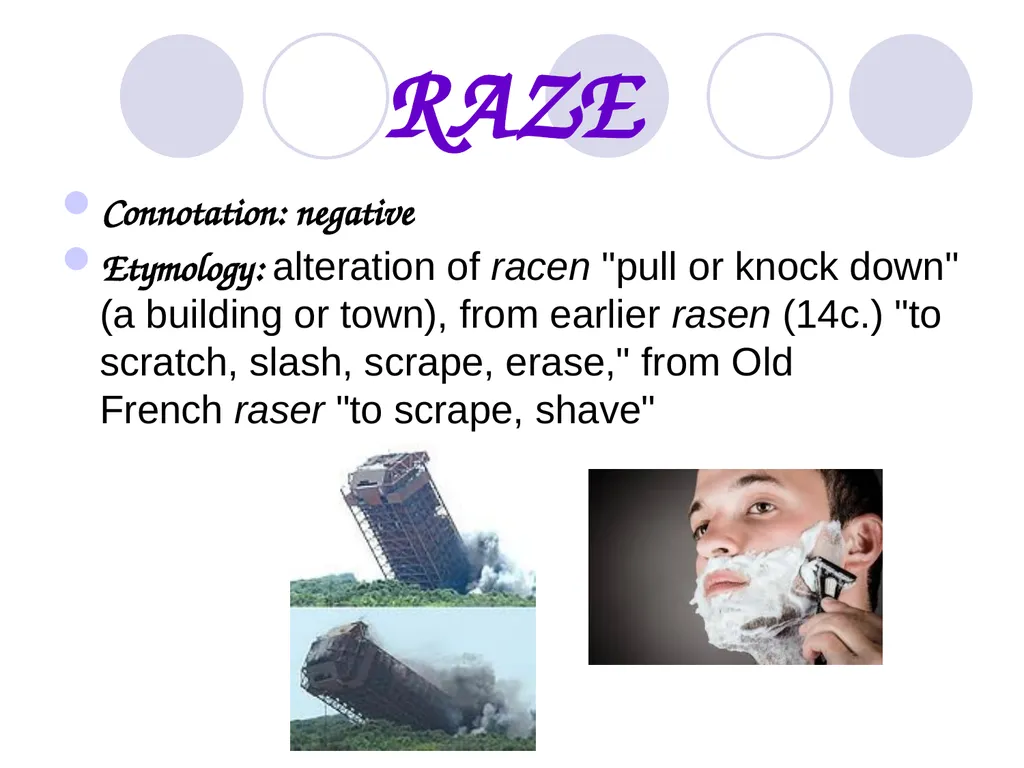
RAZE Connotation: negative
Etymology: alteration of racen "pull or knock down" (a building or town), from earlier rasen (14c.) "to scratch, slash, scrape, erase," from Old French raser "to scrape, shave"<br>
21
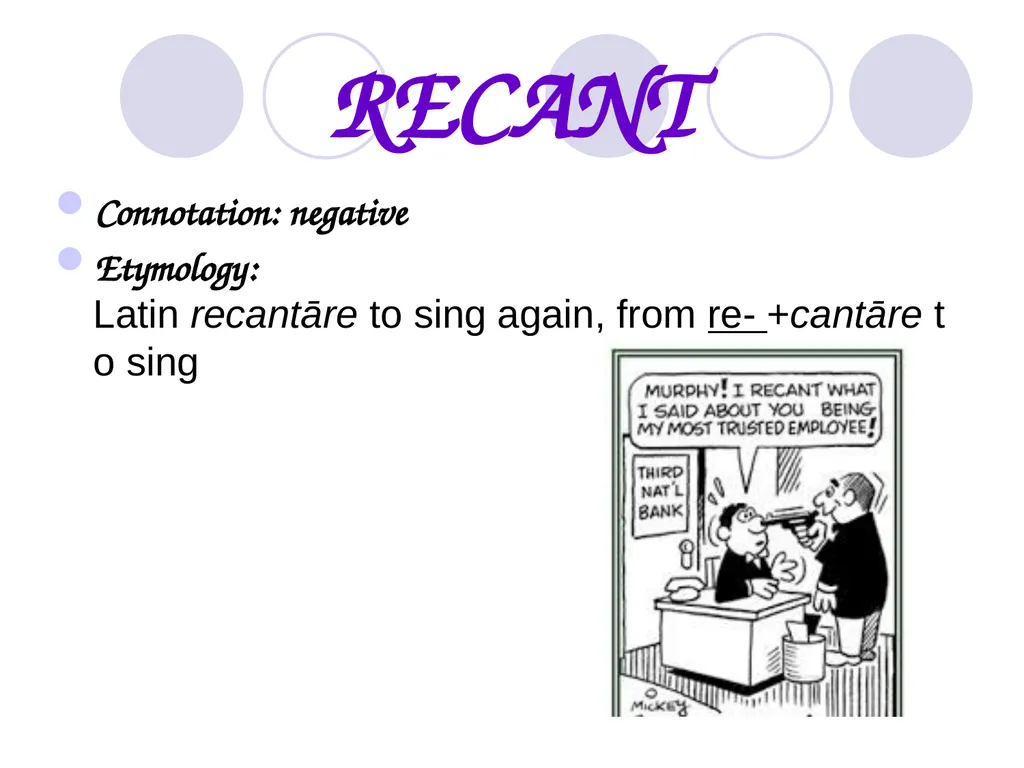
RECANT Connotation: negative
Etymology: Latin recantāre to sing again, from re- +cantāre to sing<br>
22
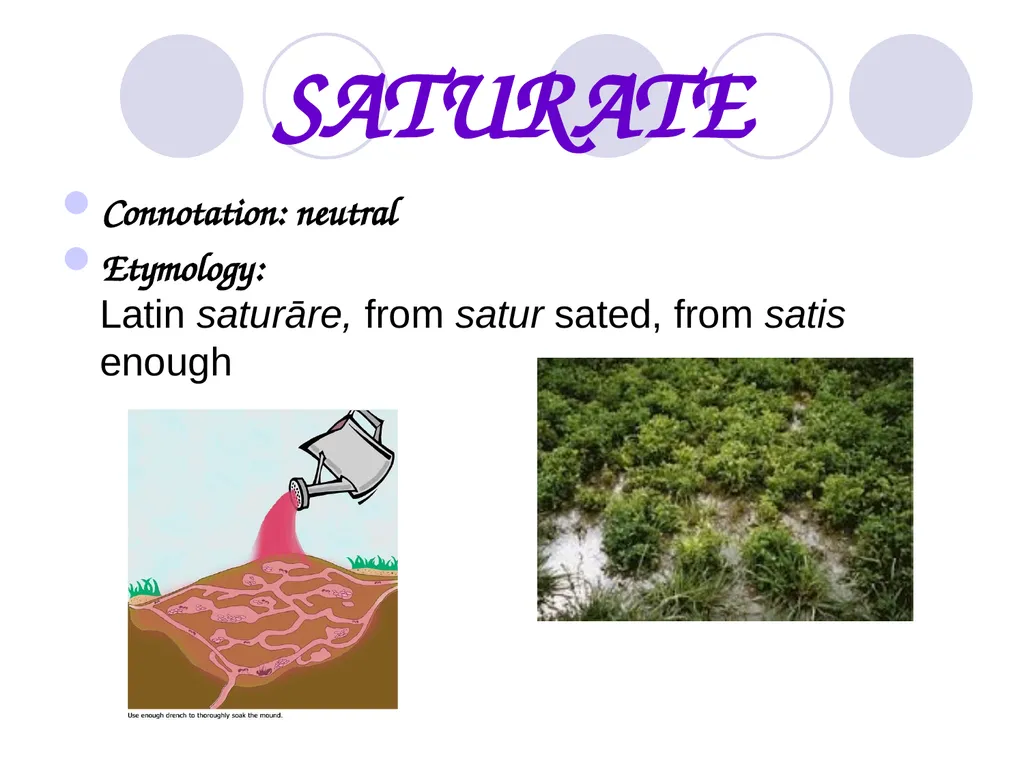
SATURATE Connotation: neutral
Etymology: Latin saturāre, from satur sated, from satis enough<br>
23
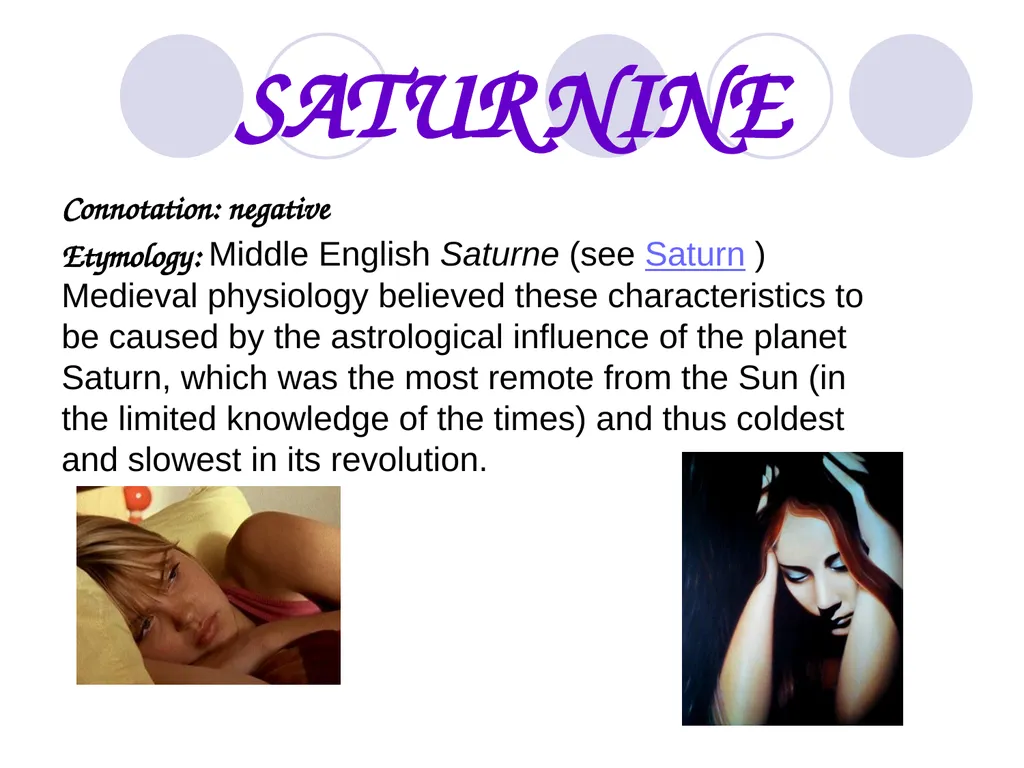
SATURNINE Connotation: negative
Etymology: Middle English Saturne (see Saturn ) Medieval physiology believed these characteristics to be caused by the astrological influence of the planet Saturn, which was the most remote from the Sun (in the limited knowledge of the times) and thus coldest and slowest in its revolution.<br>
24
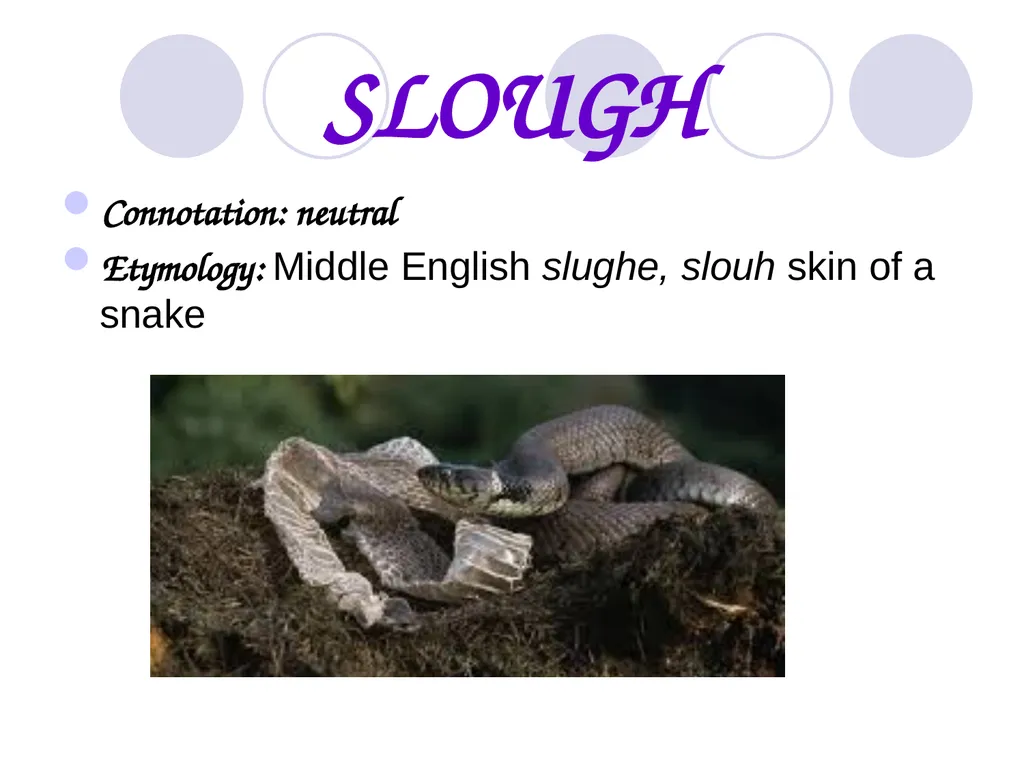
SLOUGH Connotation: neutral
Etymology: Middle English slughe, slouh skin of a snake<br>