
Measuring good governance at local level:






Description: Measuring good governance at local level: indicators, methodology and strategies for data collection Petr Witz 26 May 2016 Measuring governance no single exact measure available we rely on proxies to describe the reality with at least some
Related Topics
Download Presentation
"Measuring good governance at local level:" is the property of its rightful owner. Permission is granted to download and print the materials on this website for personal, non-commercial use only, and to display it on your personal computer provided you do not modify the materials and that you retain all copyright notices contained in the materials. By downloading content from our website, you accept the terms of this agreement.
Presentation Transcript
slide1. Measuring good governance at local level: indicators, methodology and strategies for data collection Petr Witz
26 May 2016<br>
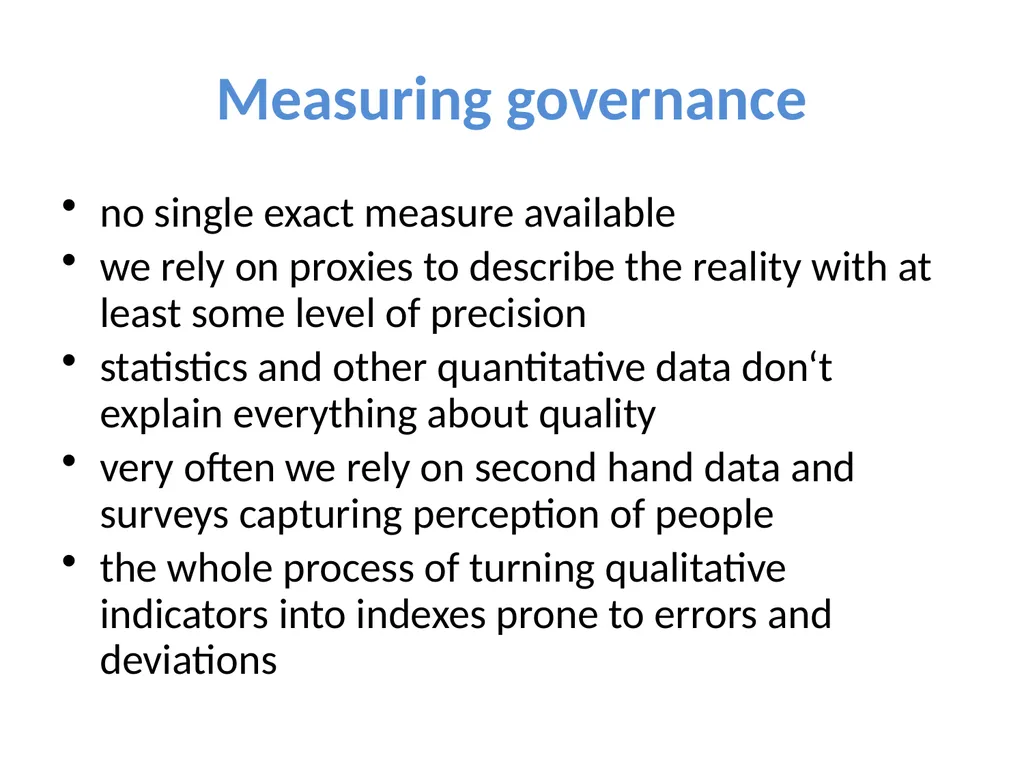
slide2. Measuring governance no single exact measure available
we rely on proxies to describe the reality with at least some level of precision
statistics and other quantitative data don‘t explain everything about quality
very often we rely on second hand data and surveys capturing perception of people
the whole process of turning qualitative indicators into indexes prone to errors and deviations<br>
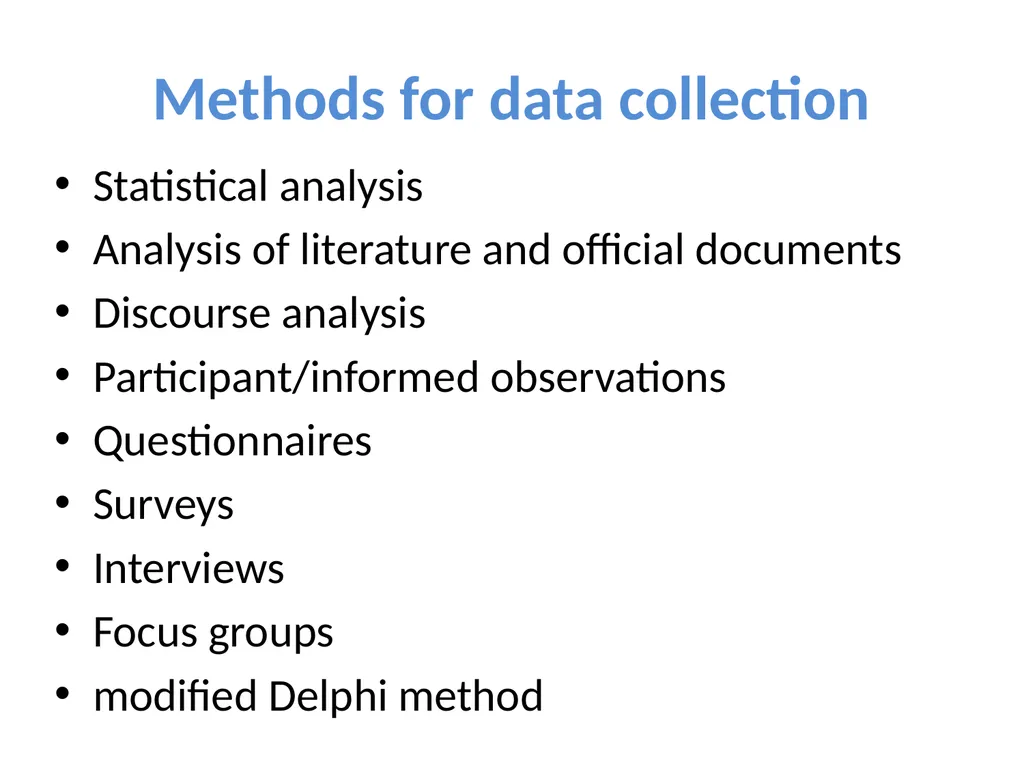
slide3. Methods for data collection Statistical analysis
Analysis of literature and official documents
Discourse analysis
Participant/informed observations
Questionnaires
Surveys
Interviews
Focus groups
modified Delphi method<br>
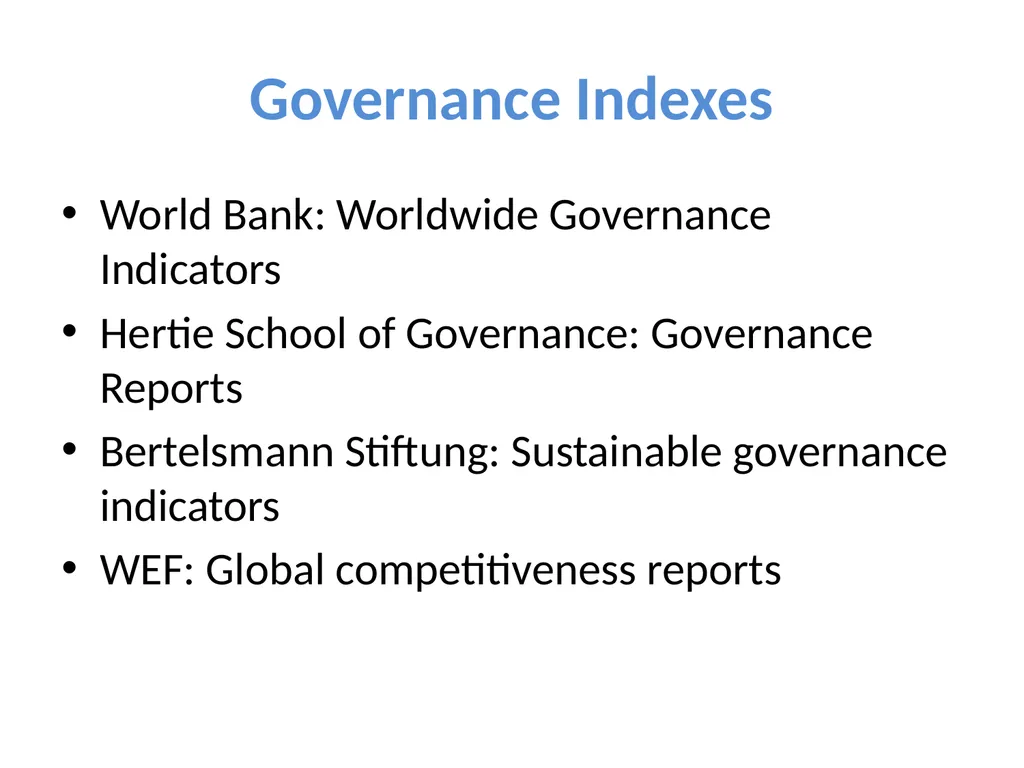
slide4. Governance Indexes World Bank: Worldwide Governance Indicators
Hertie School of Governance: Governance Reports
Bertelsmann Stiftung: Sustainable governance indicators
WEF: Global competitiveness reports<br>
slide5. Towards modern governance and bureaucracy<br>
slide6. From mass administration…<br>
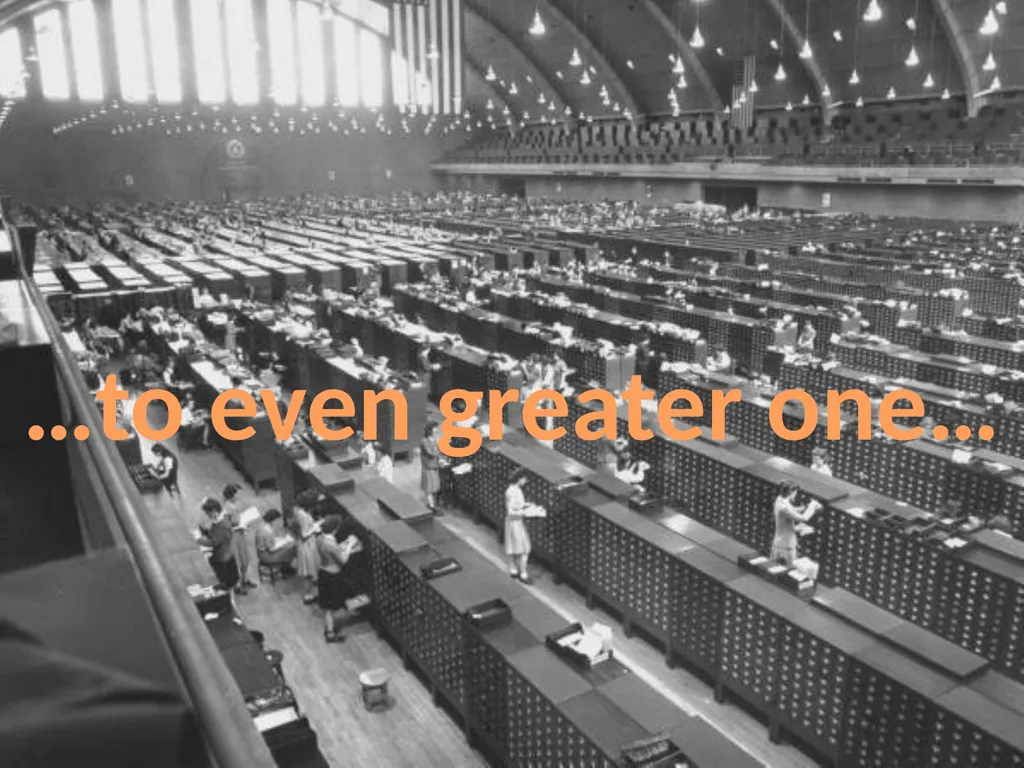
slide7. …to even greater one…<br>
slide8. …and then to specialized units, or public managers, or…?<br>
slide9. …to expert task forces and smart administration, or…?<br>
slide10. …to empty chairs….?<br>
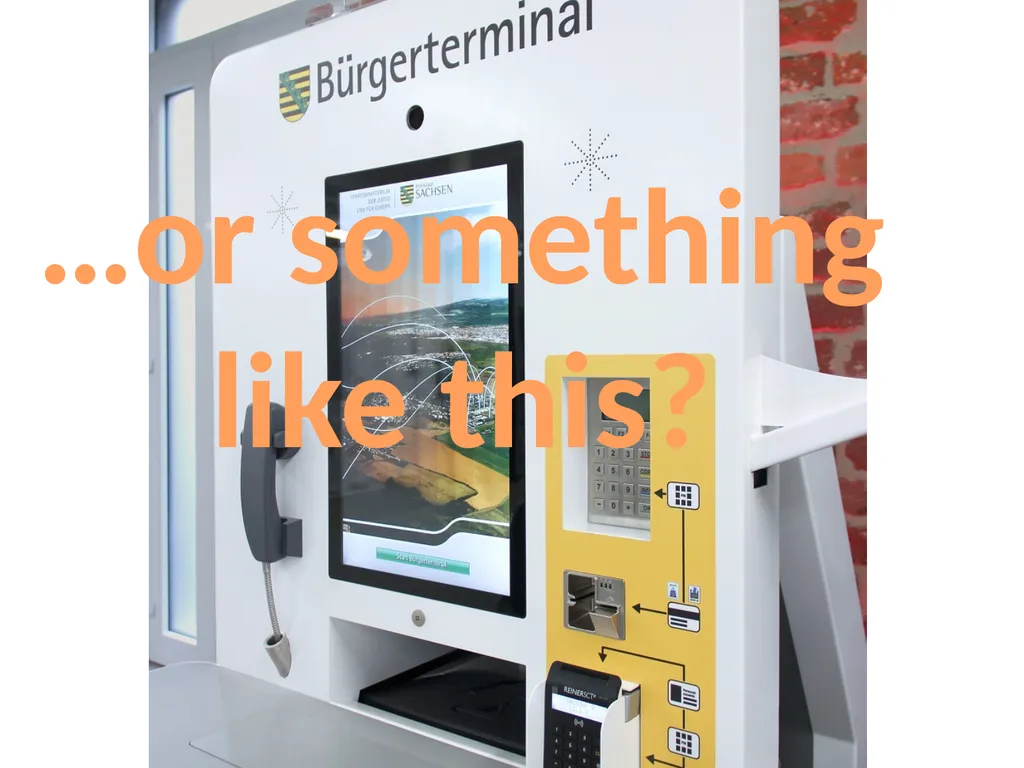
slide11. …or something like this?<br>
slide12. Public Administration in flux Bureaucracy changing together with the whole society and the way its organized
Countries differ in their administrative practices and response to modern challenges
Which paradigms are prevalent in PA reform iniciatives in EU countries?<br>
slide13. Bureaucracy evolution – successive reforms Current bureaucracies - a mixture of influences
Traditional hierarchies supplemented or altered with neo-elements
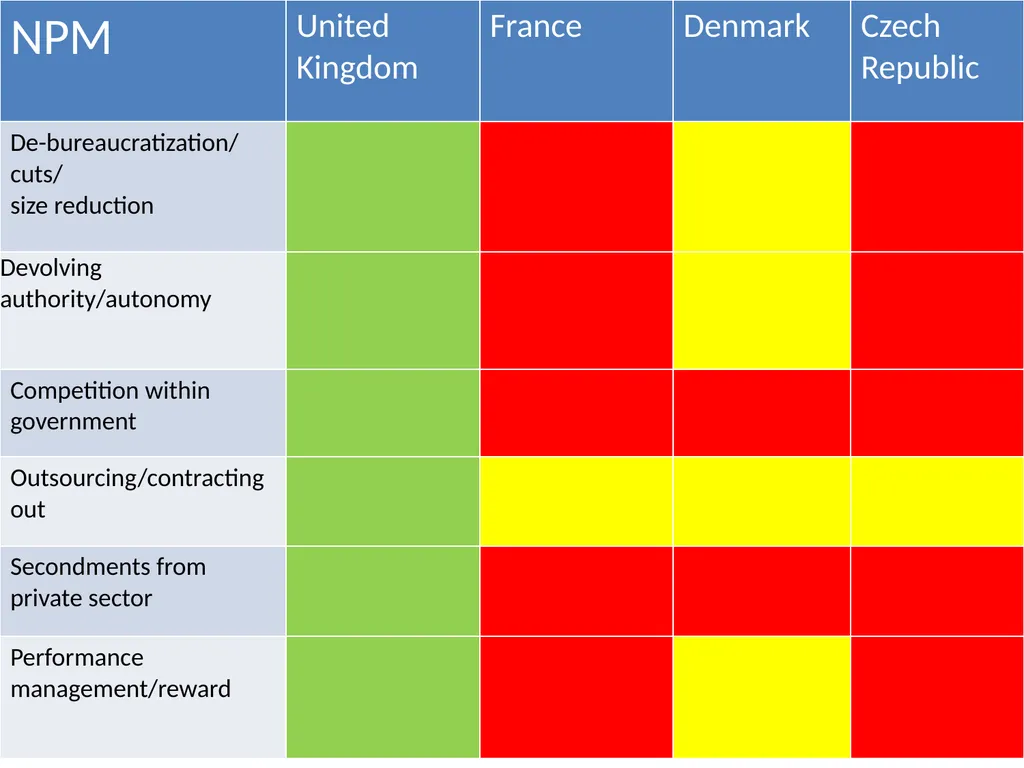
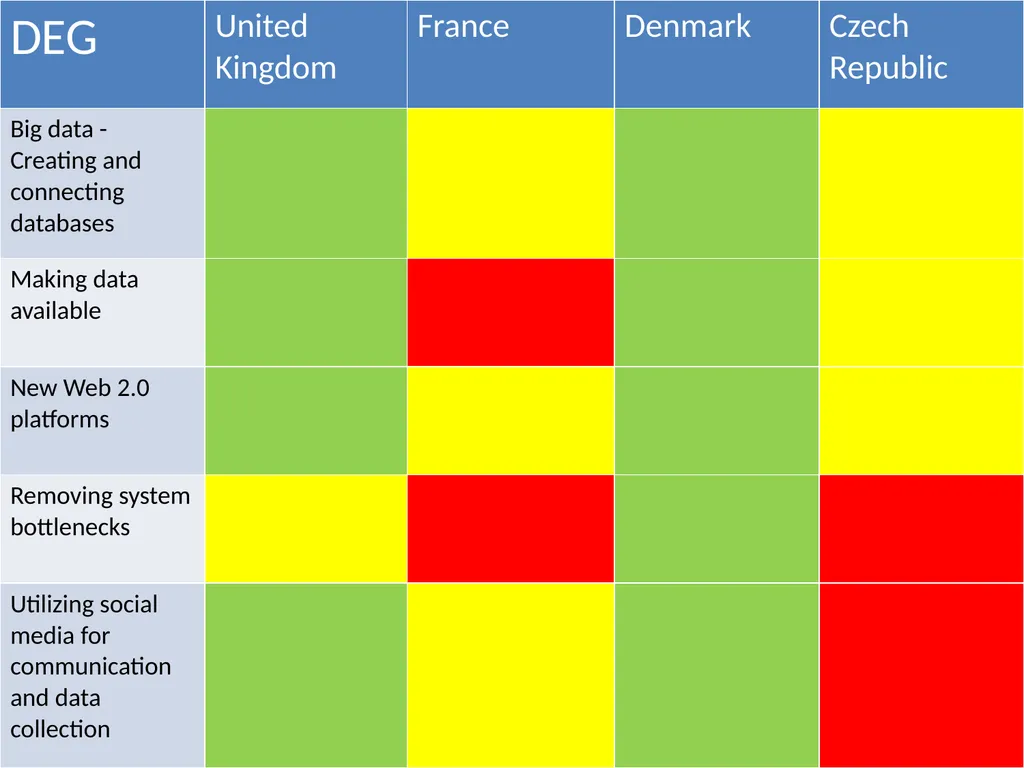
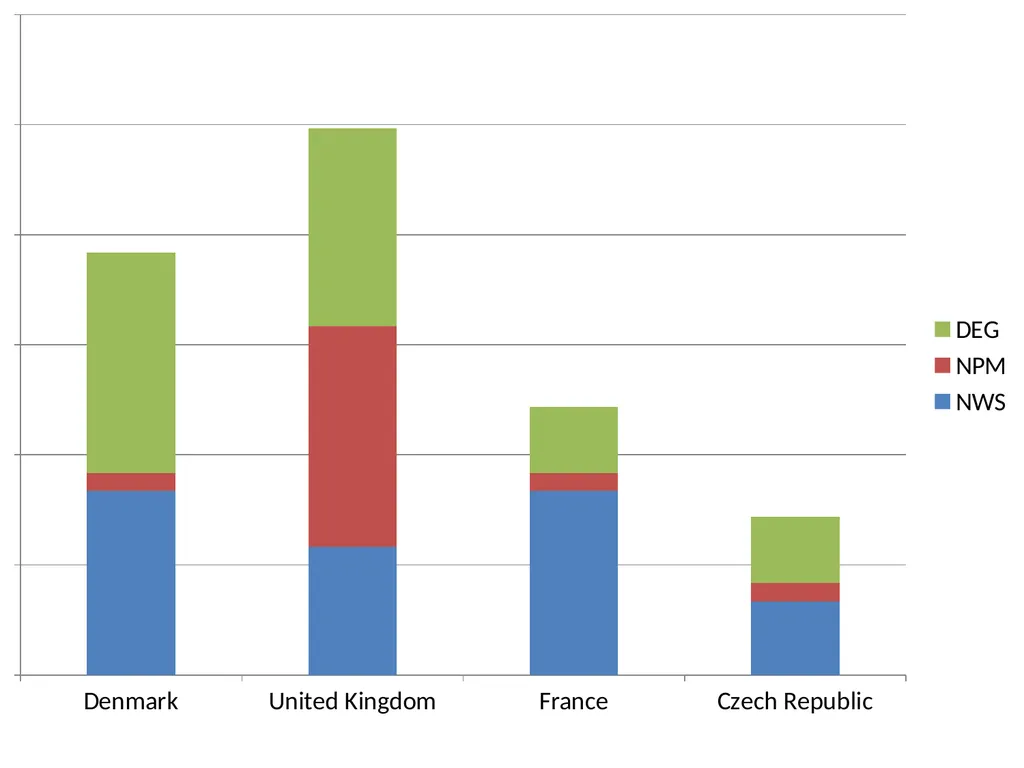
We may be able to identify or even measure the influence of new paradigms/regimes on real organizational reforms
Or even to assess the depth of individual reform measures and compare them across the sample of countries…
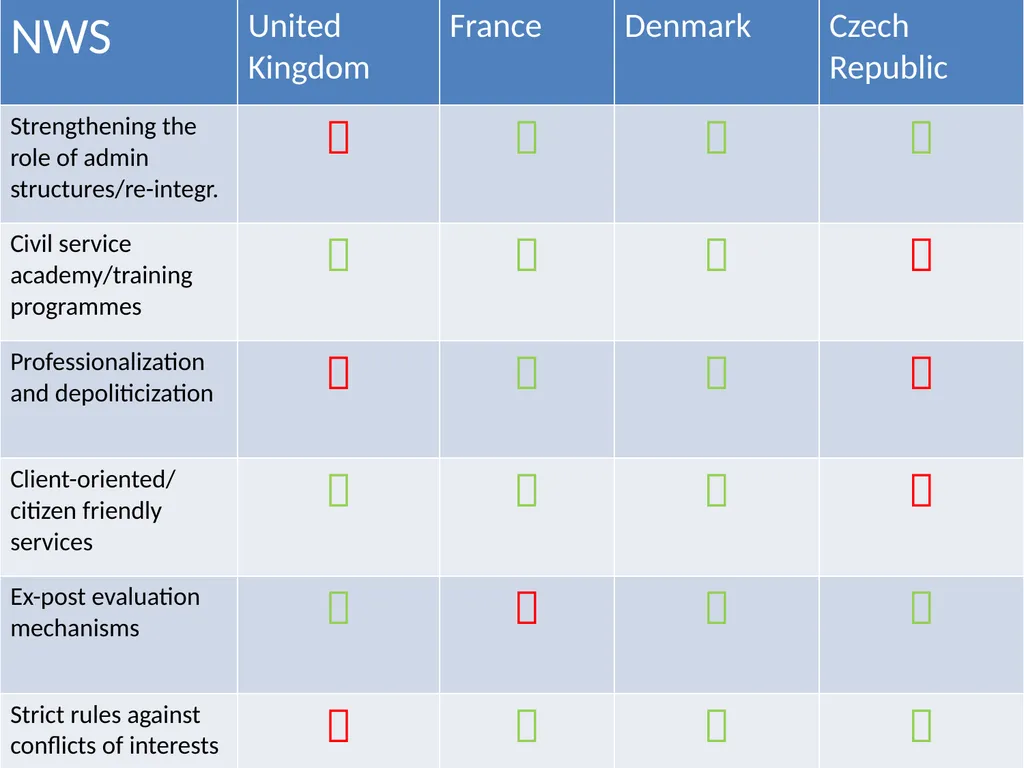
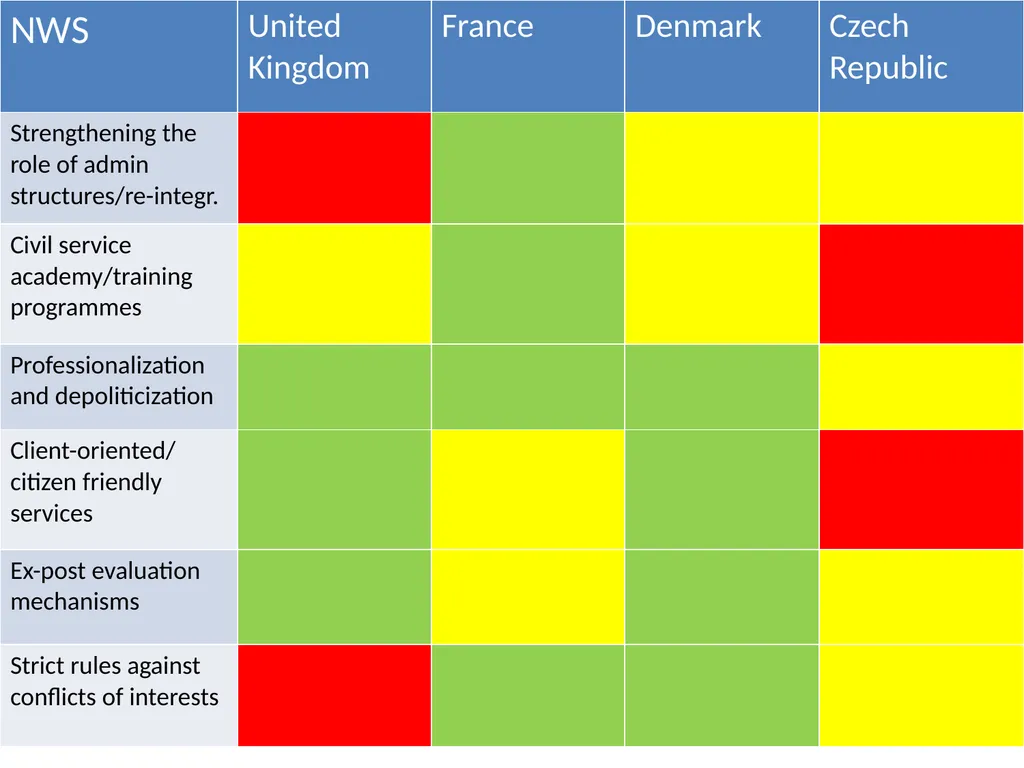
Here we chose Neo-Weberian State (NWS), New Public Management (NPM) and Digital Era Governance (DEG)<br>
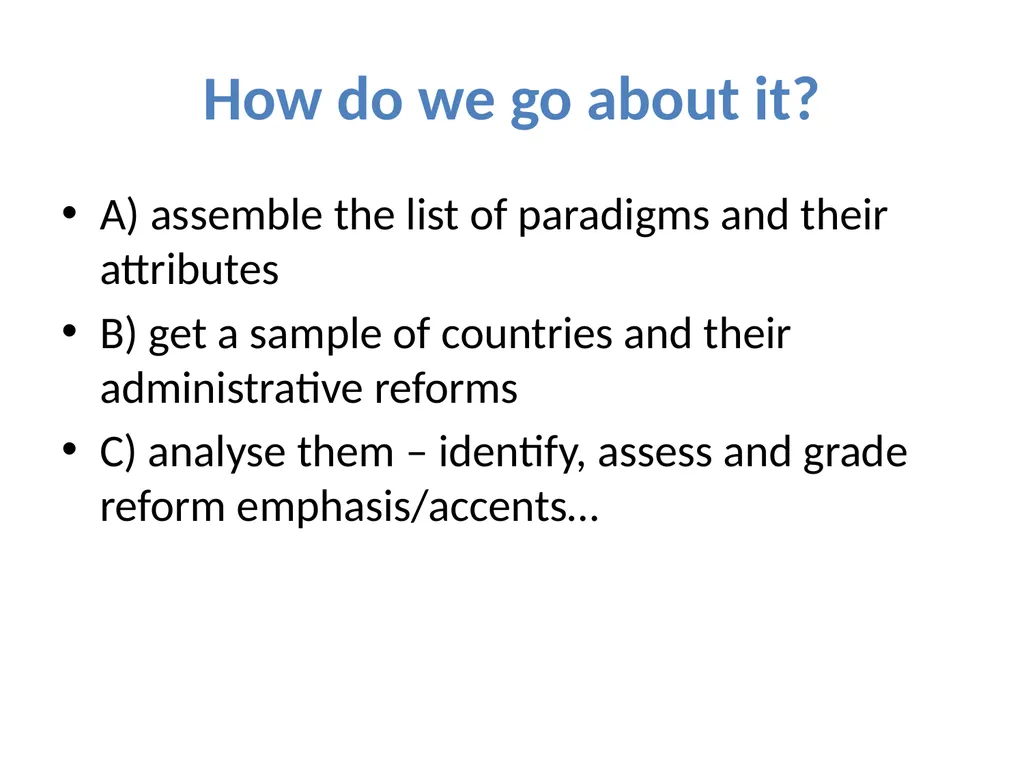
slide14. How do we go about it? A) assemble the list of paradigms and their attributes
B) get a sample of countries and their administrative reforms
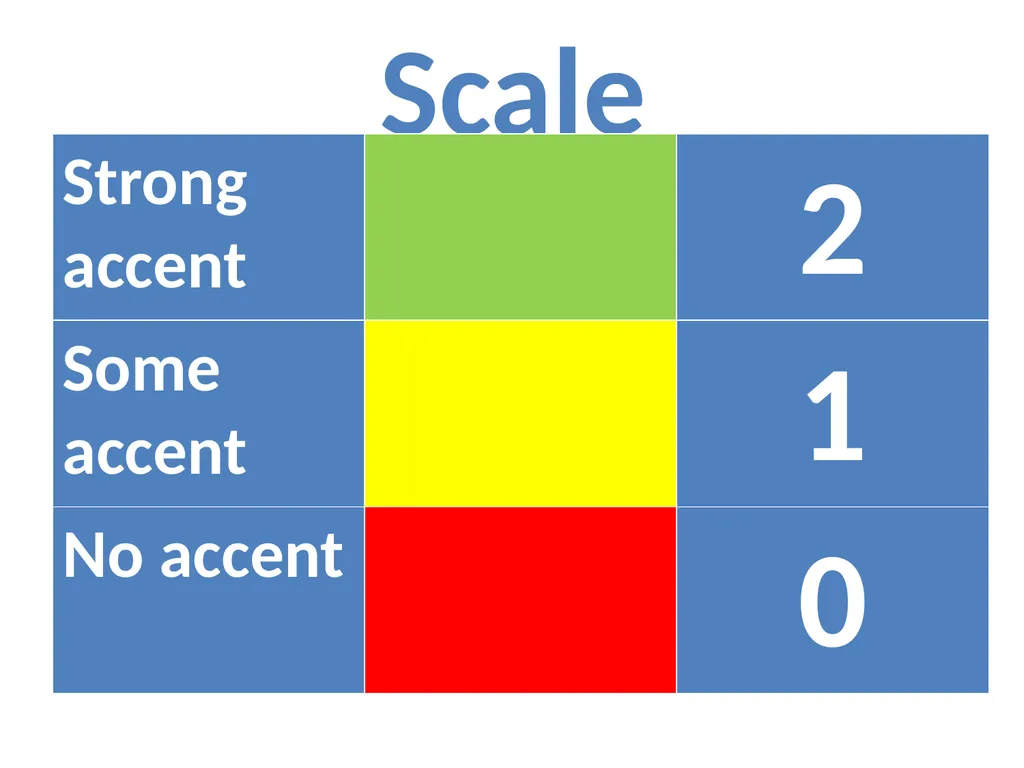
C) analyse them – identify, assess and grade reform emphasis/accents…<br>
slide16. Scale<br>
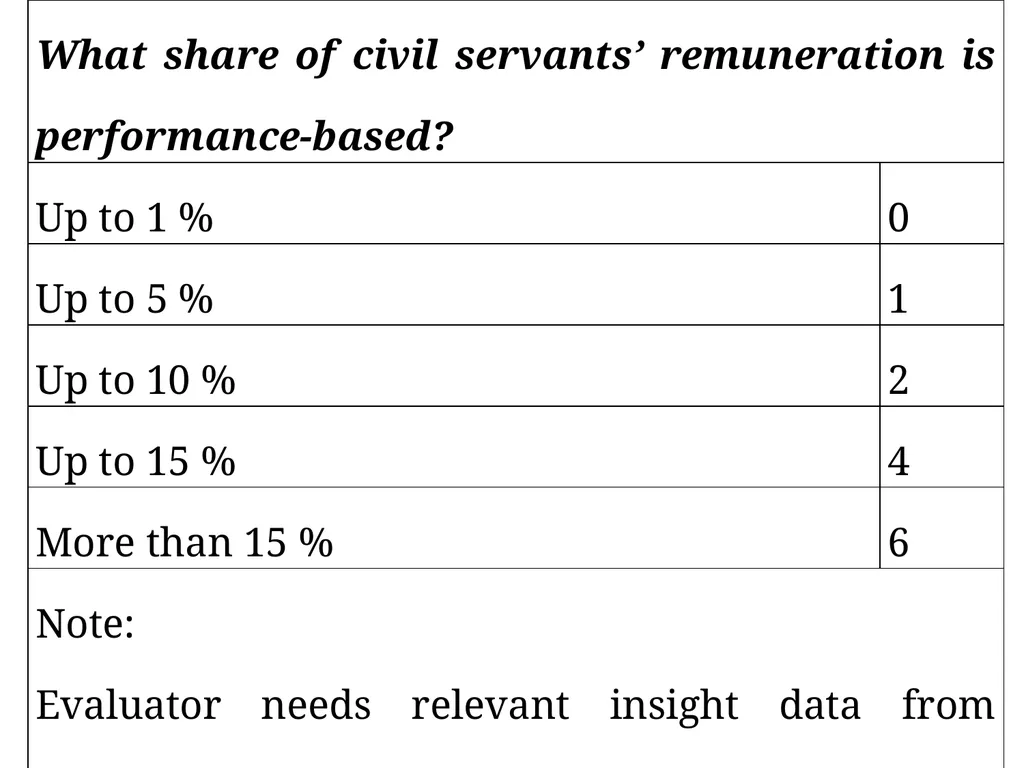
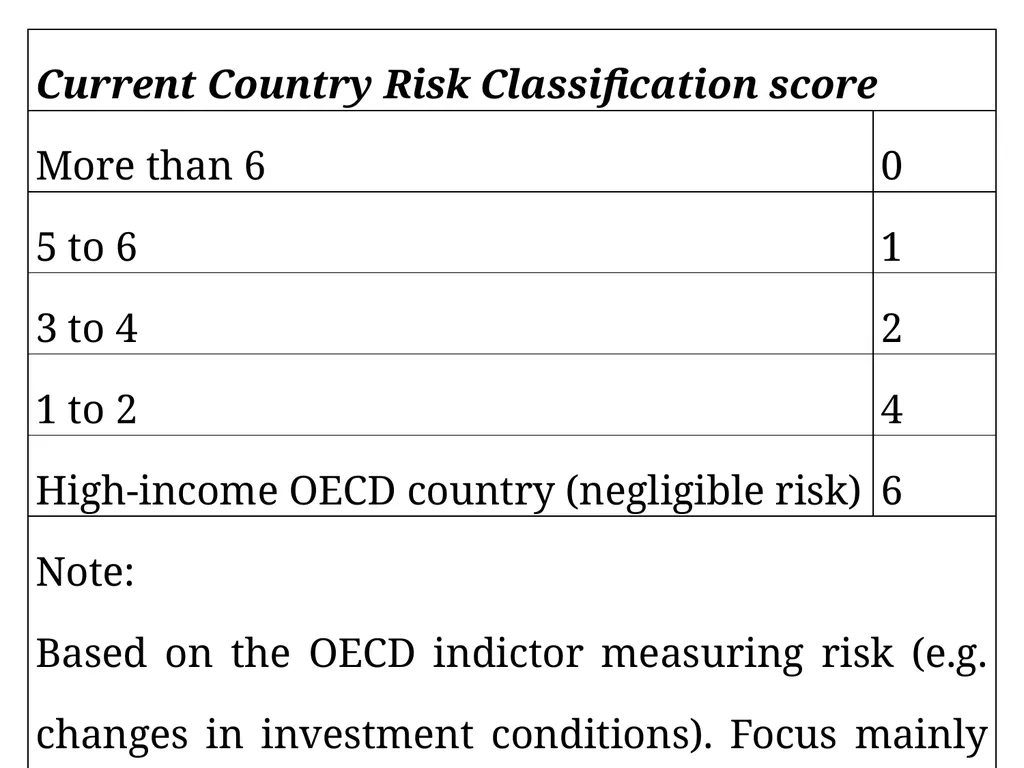
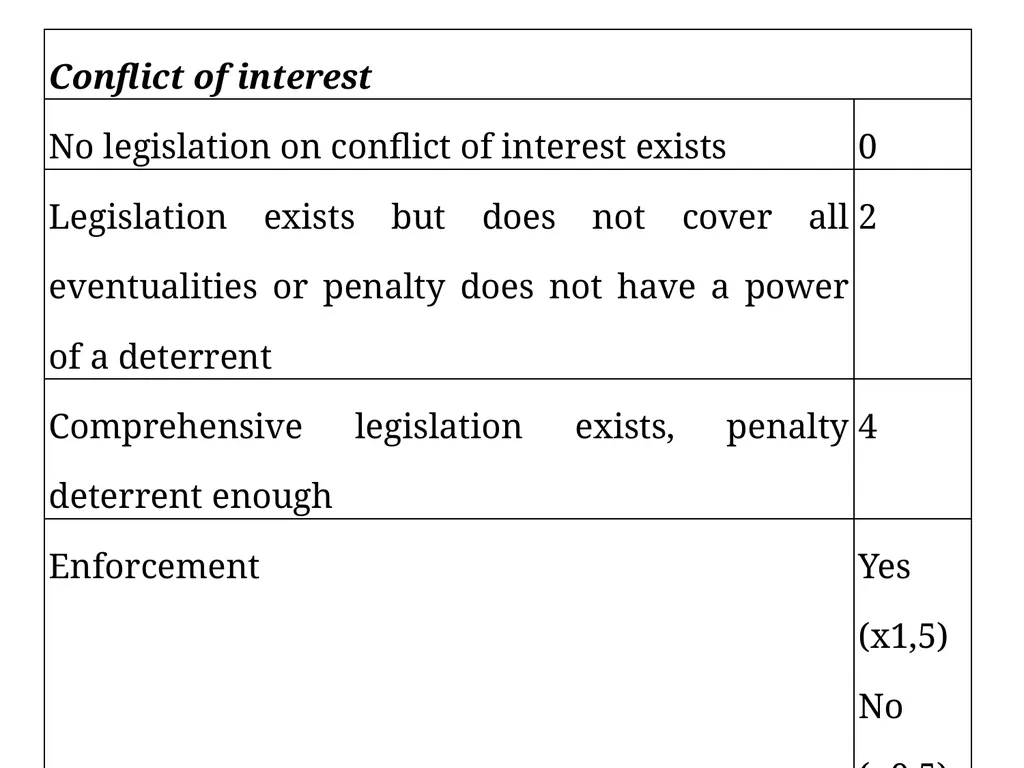
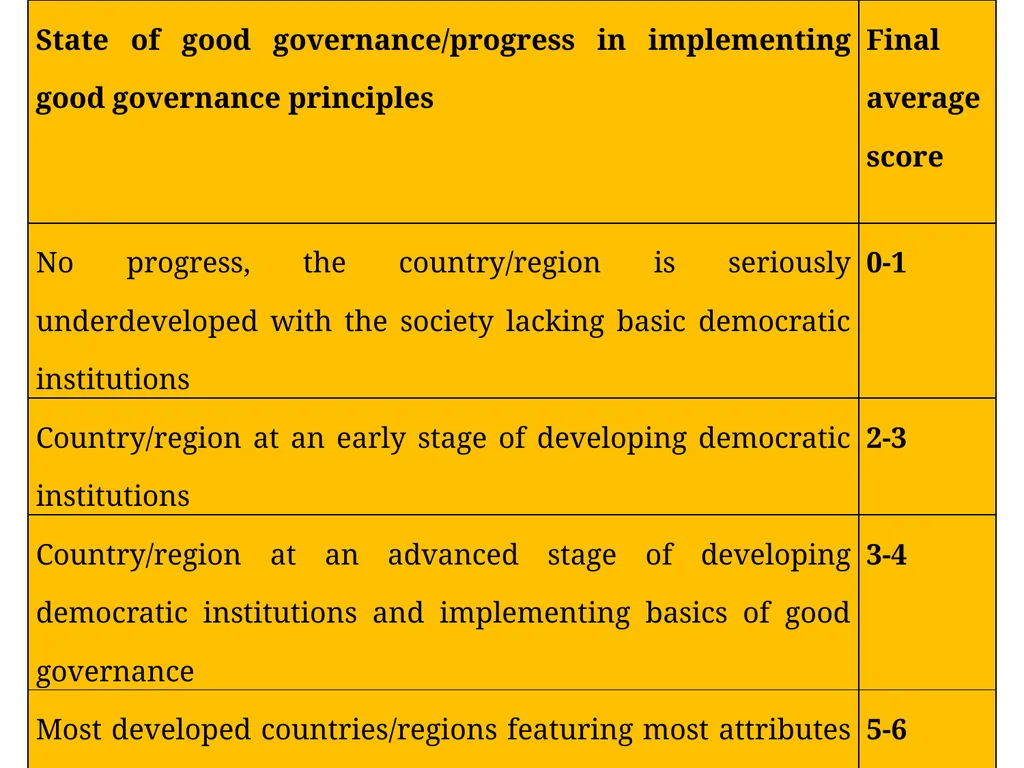
slide21. Simple model for measuring good governance<br>
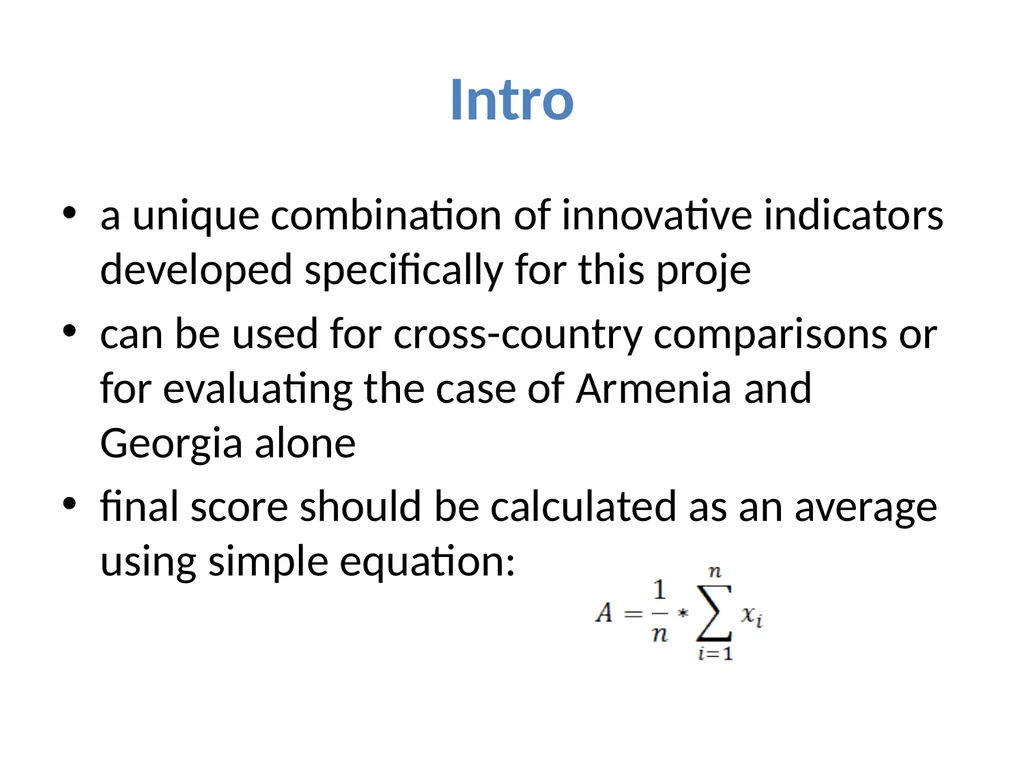
slide22. Intro a unique combination of innovative indicators developed specifically for this proje
can be used for cross-country comparisons or for evaluating the case of Armenia and Georgia alone
final score should be calculated as an average using simple equation:<br>
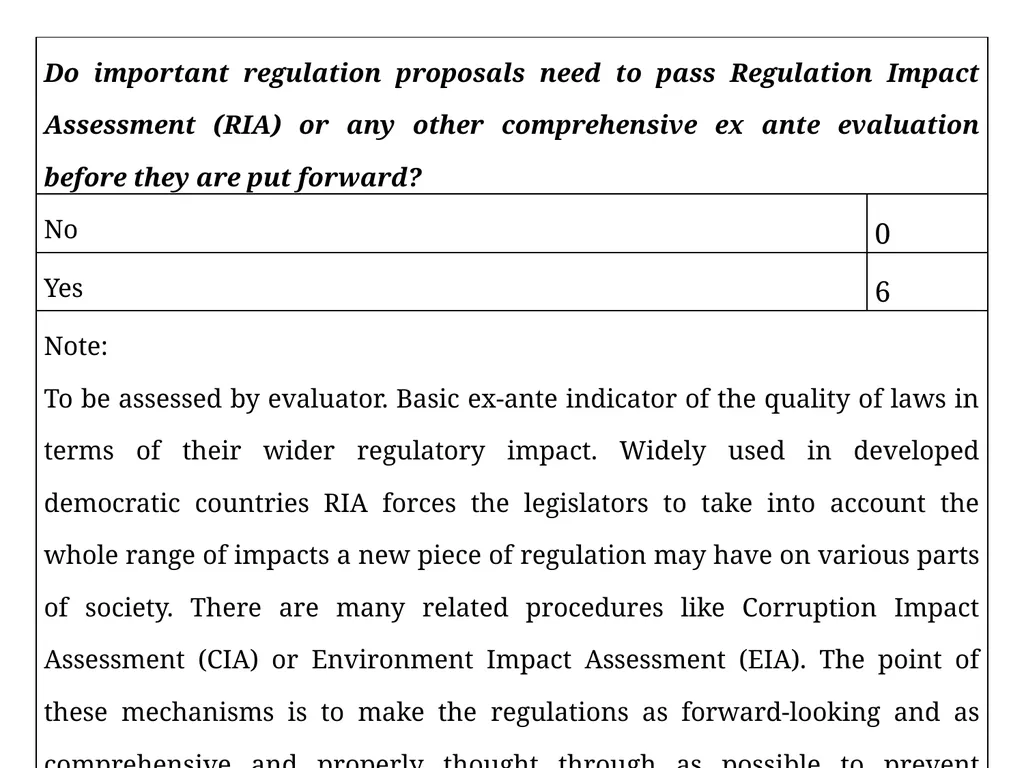
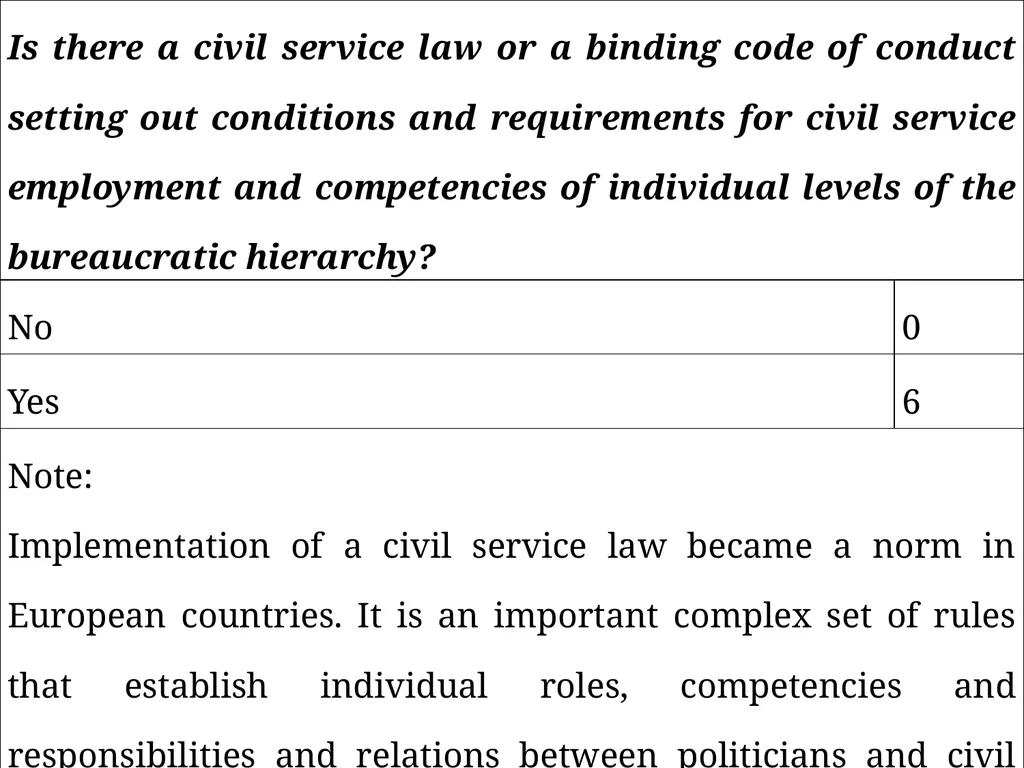
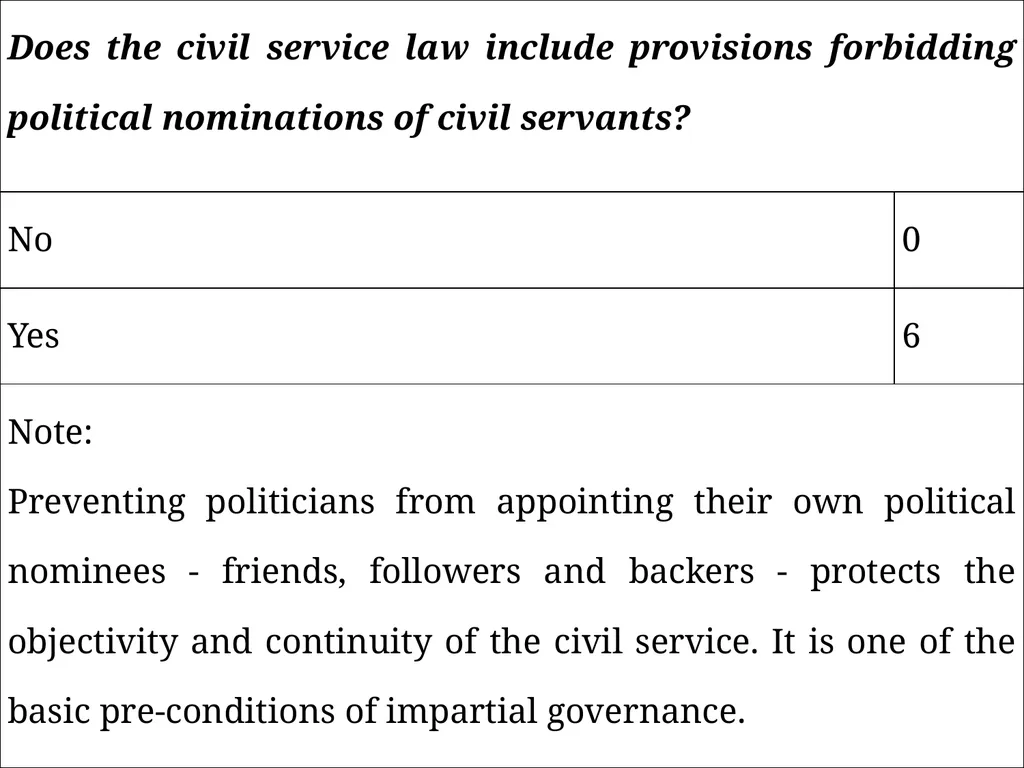
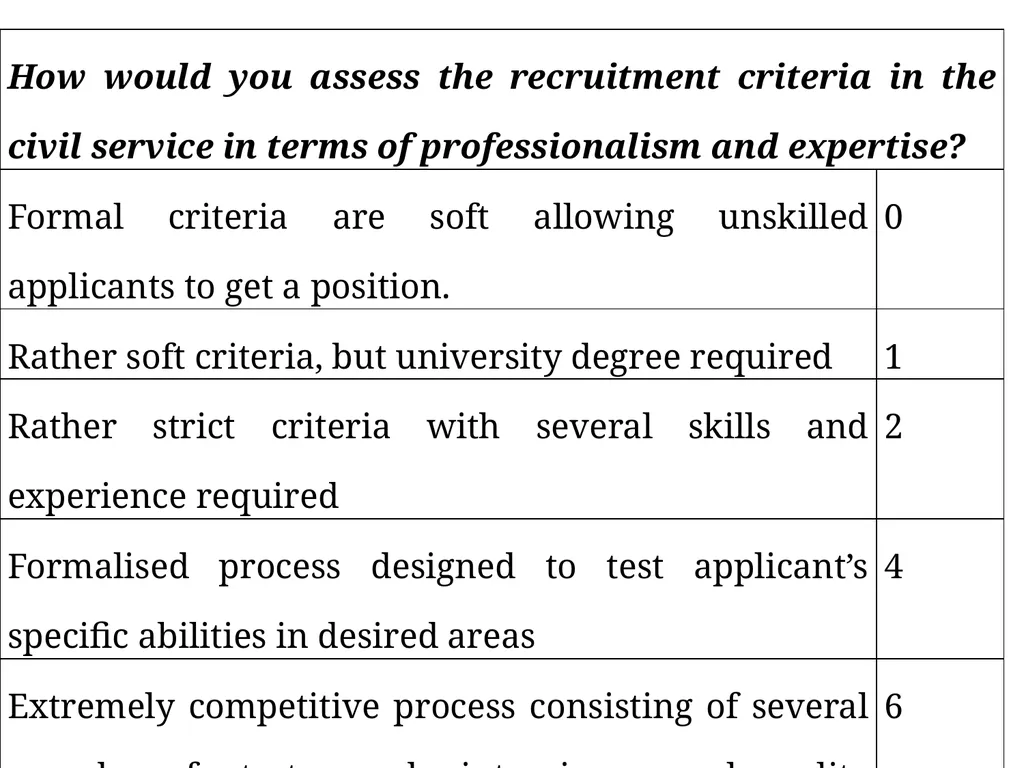
slide23. Regulatory environment<br>
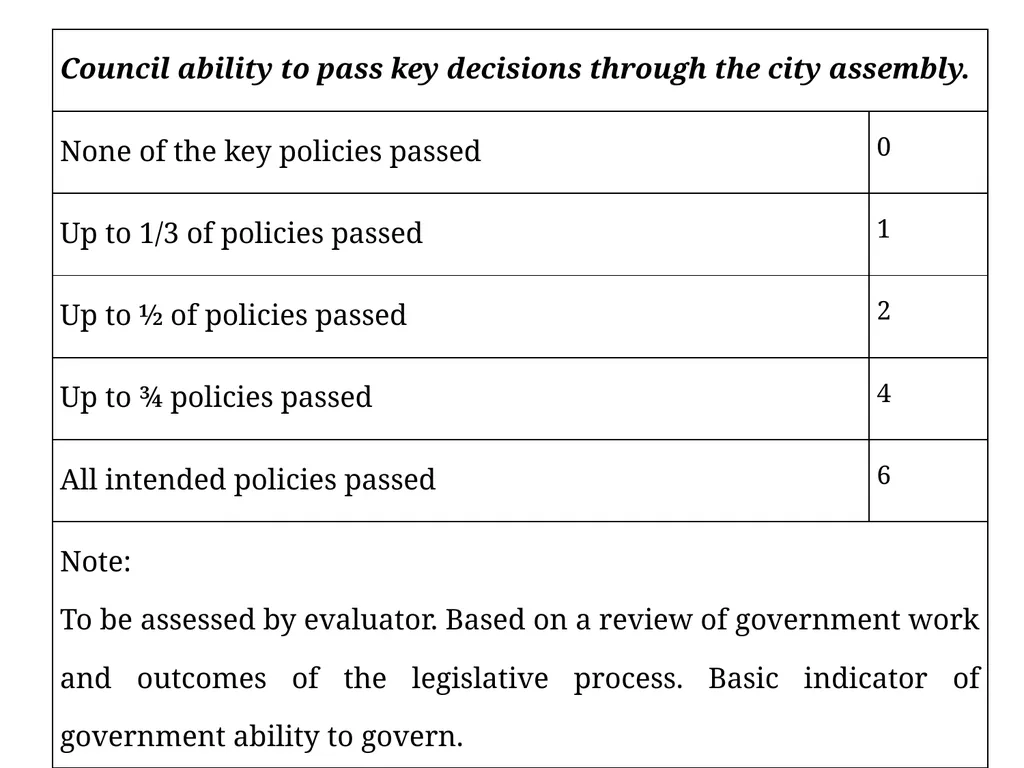
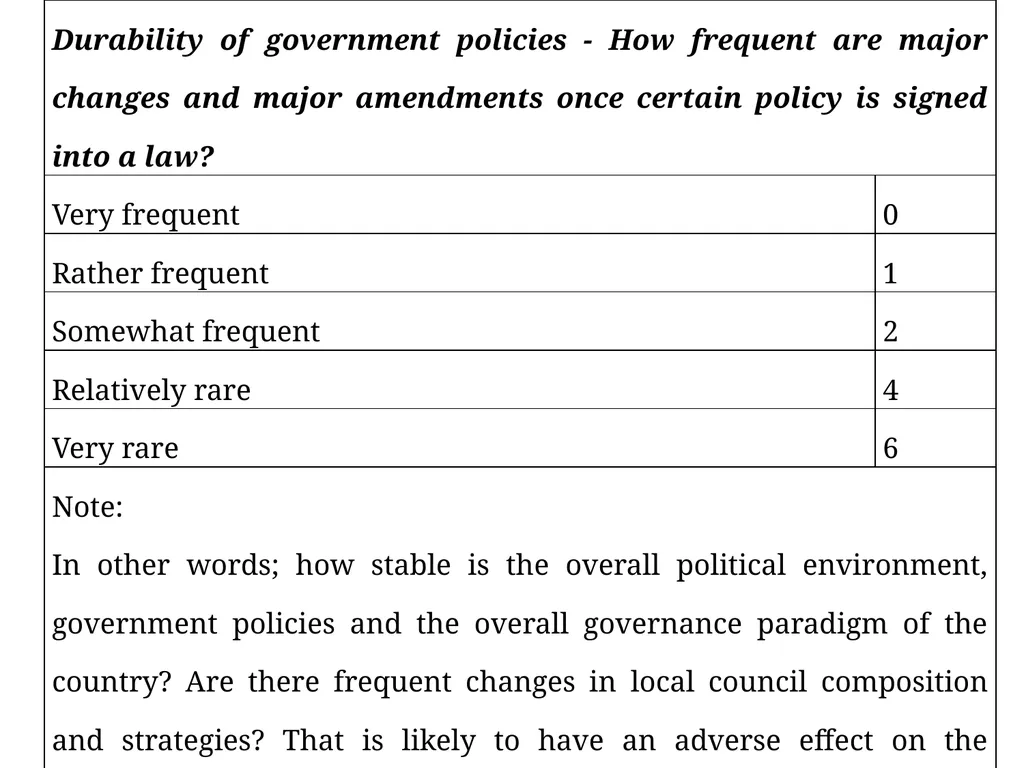
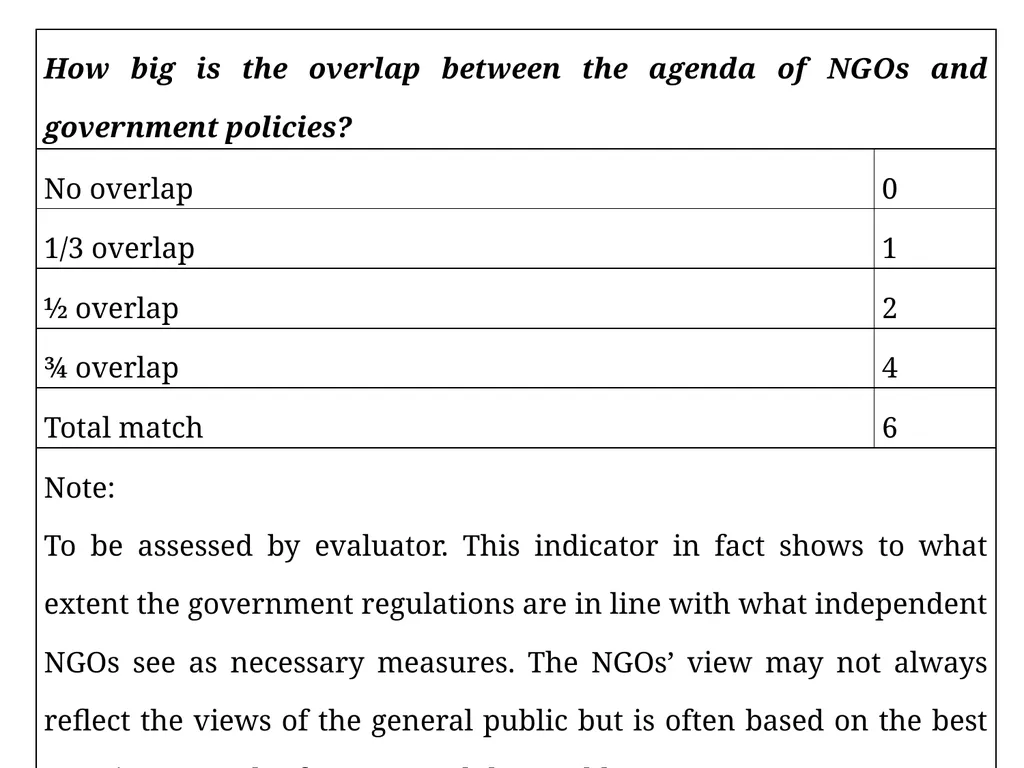
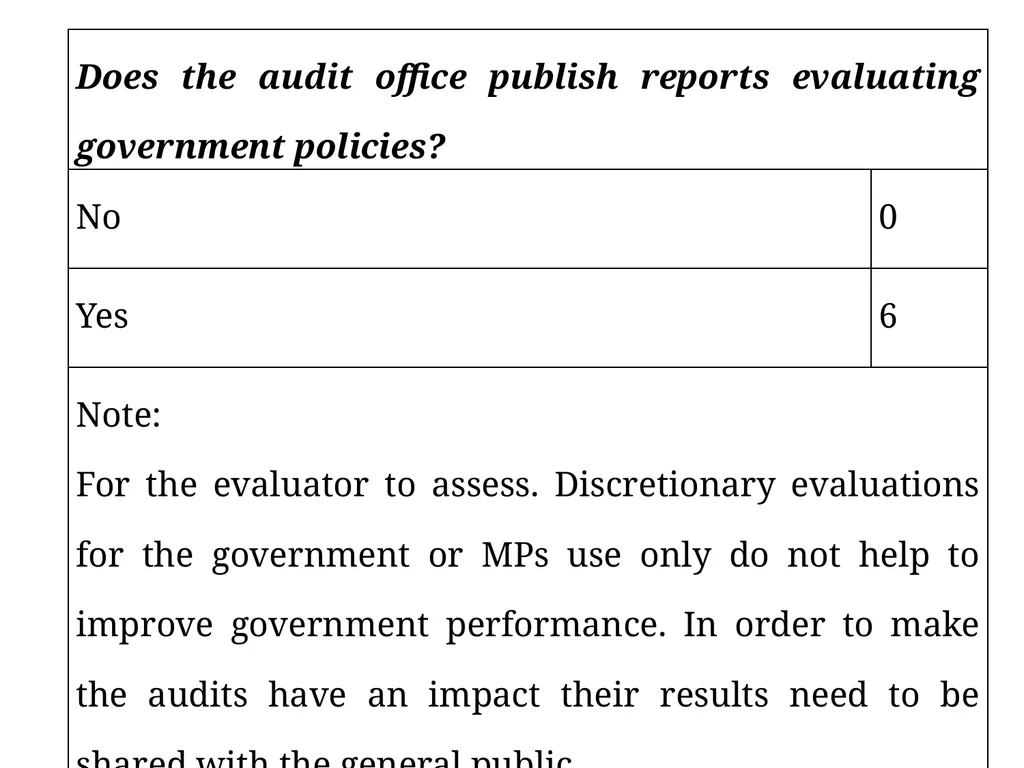
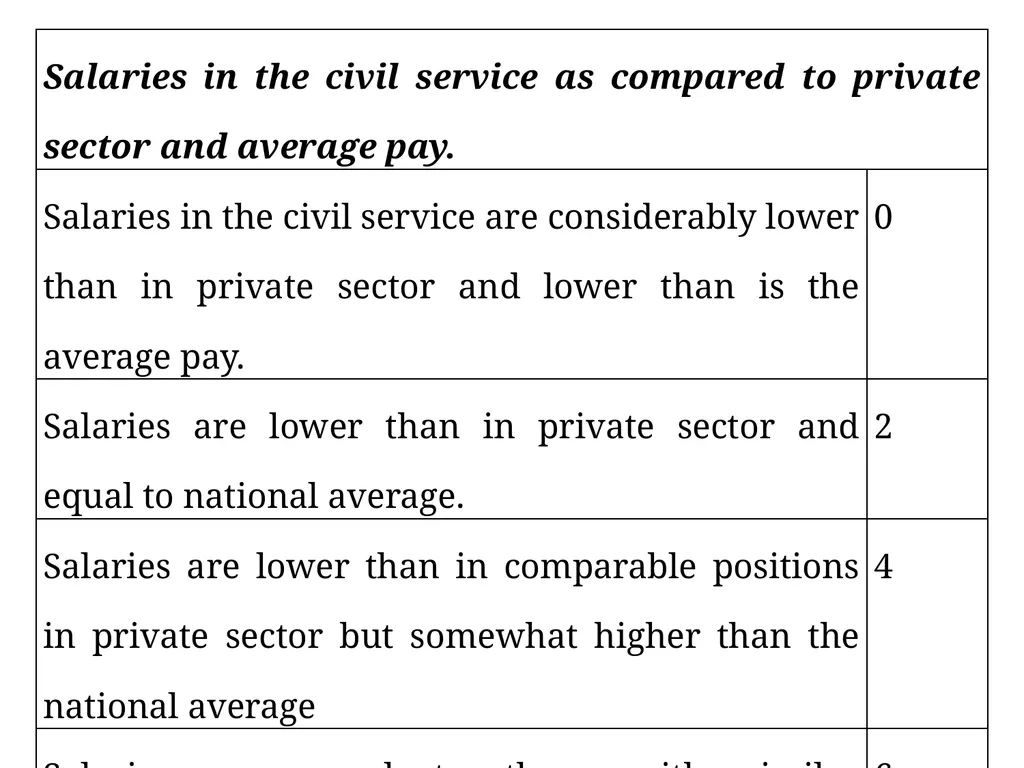
slide30. Scrutiny of government ability to implement and enforce regulation<br>
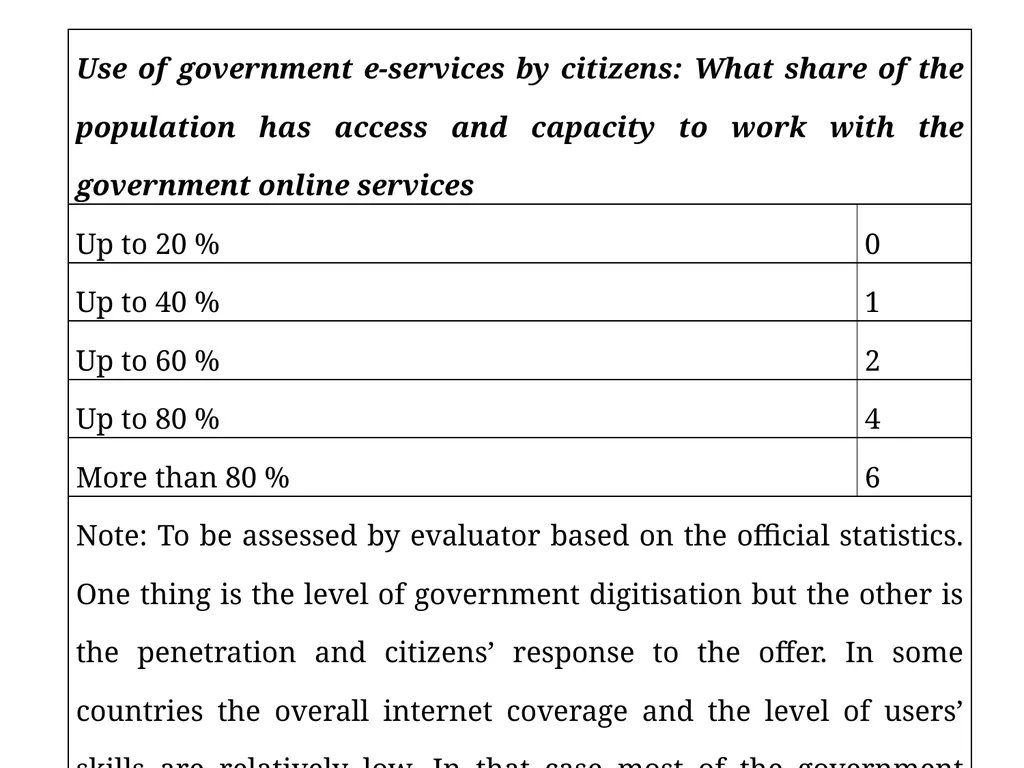
slide42. Transparency and use of e-Governance tools<br>
26 May 2016<br>
slide2. Measuring governance no single exact measure available
we rely on proxies to describe the reality with at least some level of precision
statistics and other quantitative data don‘t explain everything about quality
very often we rely on second hand data and surveys capturing perception of people
the whole process of turning qualitative indicators into indexes prone to errors and deviations<br>
slide3. Methods for data collection Statistical analysis
Analysis of literature and official documents
Discourse analysis
Participant/informed observations
Questionnaires
Surveys
Interviews
Focus groups
modified Delphi method<br>
slide4. Governance Indexes World Bank: Worldwide Governance Indicators
Hertie School of Governance: Governance Reports
Bertelsmann Stiftung: Sustainable governance indicators
WEF: Global competitiveness reports<br>
slide5. Towards modern governance and bureaucracy<br>
slide6. From mass administration…<br>
slide7. …to even greater one…<br>
slide8. …and then to specialized units, or public managers, or…?<br>
slide9. …to expert task forces and smart administration, or…?<br>
slide10. …to empty chairs….?<br>
slide11. …or something like this?<br>
slide12. Public Administration in flux Bureaucracy changing together with the whole society and the way its organized
Countries differ in their administrative practices and response to modern challenges
Which paradigms are prevalent in PA reform iniciatives in EU countries?<br>
slide13. Bureaucracy evolution – successive reforms Current bureaucracies - a mixture of influences
Traditional hierarchies supplemented or altered with neo-elements
We may be able to identify or even measure the influence of new paradigms/regimes on real organizational reforms
Or even to assess the depth of individual reform measures and compare them across the sample of countries…
Here we chose Neo-Weberian State (NWS), New Public Management (NPM) and Digital Era Governance (DEG)<br>
slide14. How do we go about it? A) assemble the list of paradigms and their attributes
B) get a sample of countries and their administrative reforms
C) analyse them – identify, assess and grade reform emphasis/accents…<br>
slide16. Scale<br>
slide21. Simple model for measuring good governance<br>
slide22. Intro a unique combination of innovative indicators developed specifically for this proje
can be used for cross-country comparisons or for evaluating the case of Armenia and Georgia alone
final score should be calculated as an average using simple equation:<br>
slide23. Regulatory environment<br>
slide30. Scrutiny of government ability to implement and enforce regulation<br>
slide42. Transparency and use of e-Governance tools<br>