
Number Stay and Learn Session Aims An

Description: Number Stay and Learn Session Aims An understanding of how we teach maths in Reception. How you can help at home Counting principles Stable order - numbers must be said in the same order. Collaborative play where adults model counting and
Related Topics
Download Presentation
"Number Stay and Learn Session Aims An" is the property of its rightful owner. Permission is granted to download and print the materials on this website for personal, non-commercial use only, and to display it on your personal computer provided you do not modify the materials and that you retain all copyright notices contained in the materials. By downloading content from our website, you accept the terms of this agreement.
Presentation Transcript
slide1. Number Stay and Learn<br>
slide2. Session Aims An understanding of how we teach maths in Reception.
How you can help at home<br>
slide3. Counting principles Stable order - numbers must be said in the same order. Collaborative play where adults model counting and counting out loud with children helps them to do this.
1:1 correspondence – one number to one object (example).
Cardinality – knowing the last number counted/said is how many there are. We call this the “stop” number at school.
Abstraction – counting things that cannot be seen or that are not the same (jumps, claps, different sized objects or collection of things).<br>
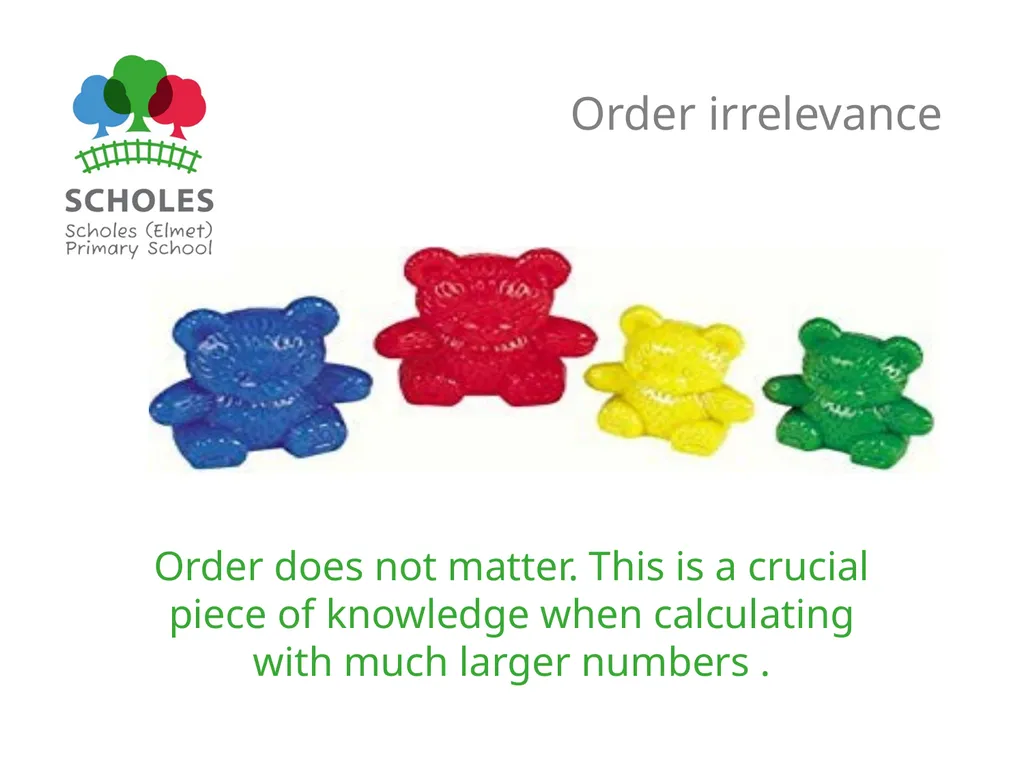
slide4. Order irrelevance Order does not matter. This is a crucial piece of knowledge when calculating with much larger numbers .<br>
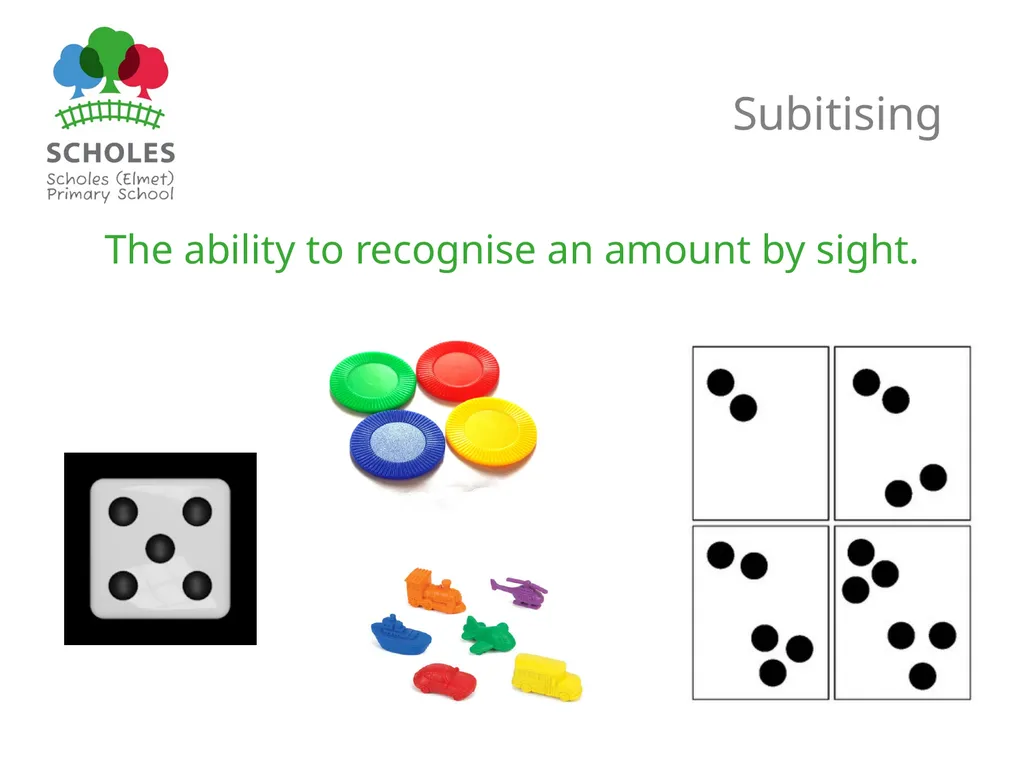
slide5. Subitising The ability to recognise an amount by sight.<br>
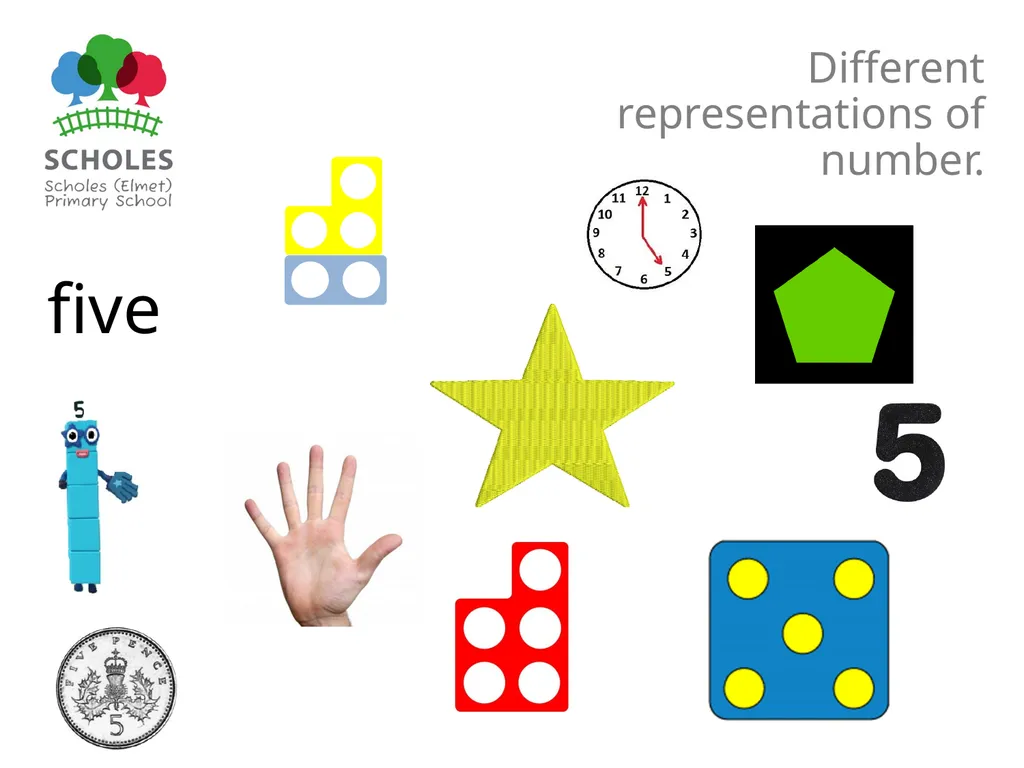
slide6. Different representations of number. five<br>
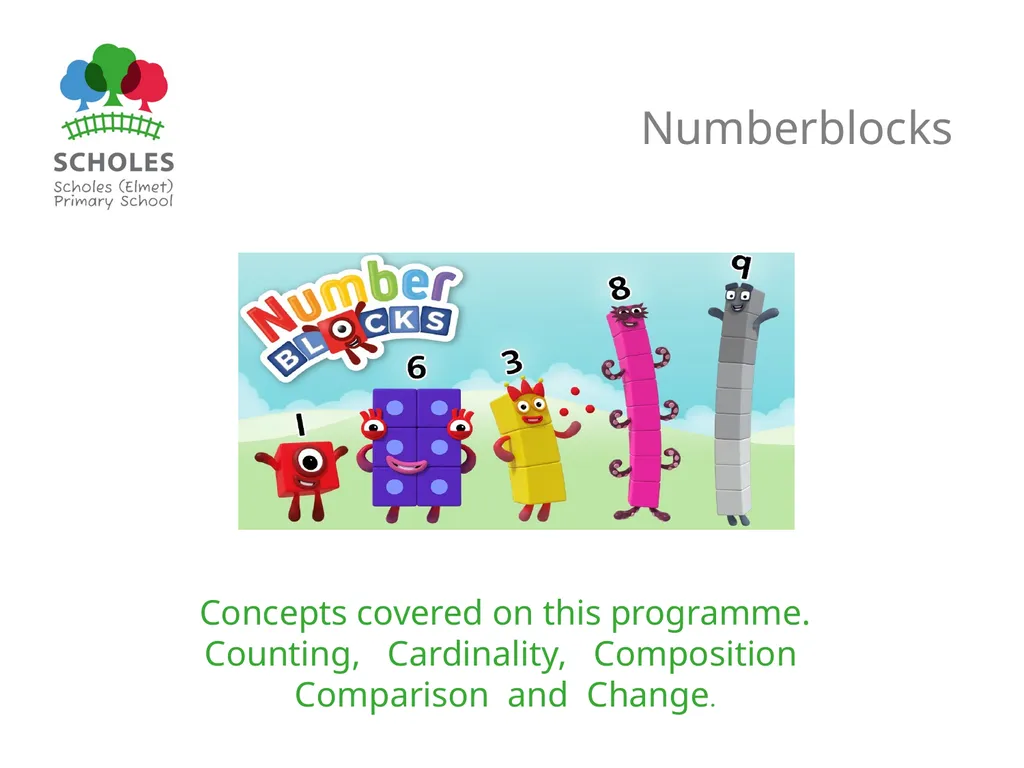
slide7. Numberblocks Concepts covered on this programme.
Counting, Cardinality, Composition Comparison and Change.<br>
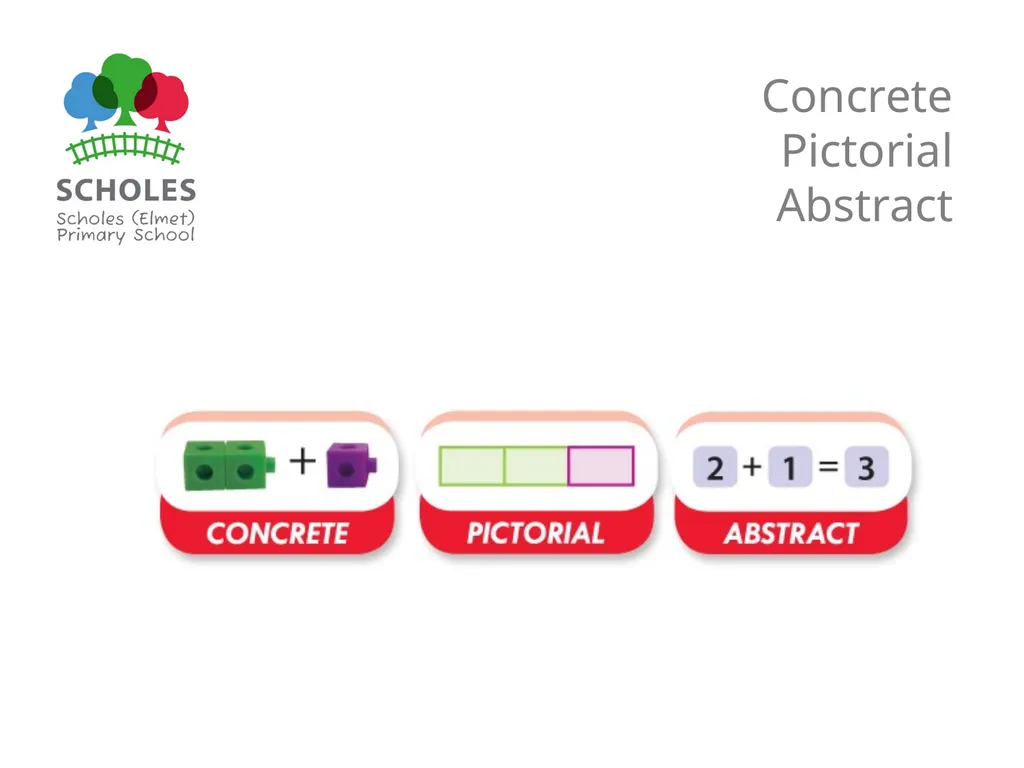
slide8. Concrete
Pictorial
Abstract<br>
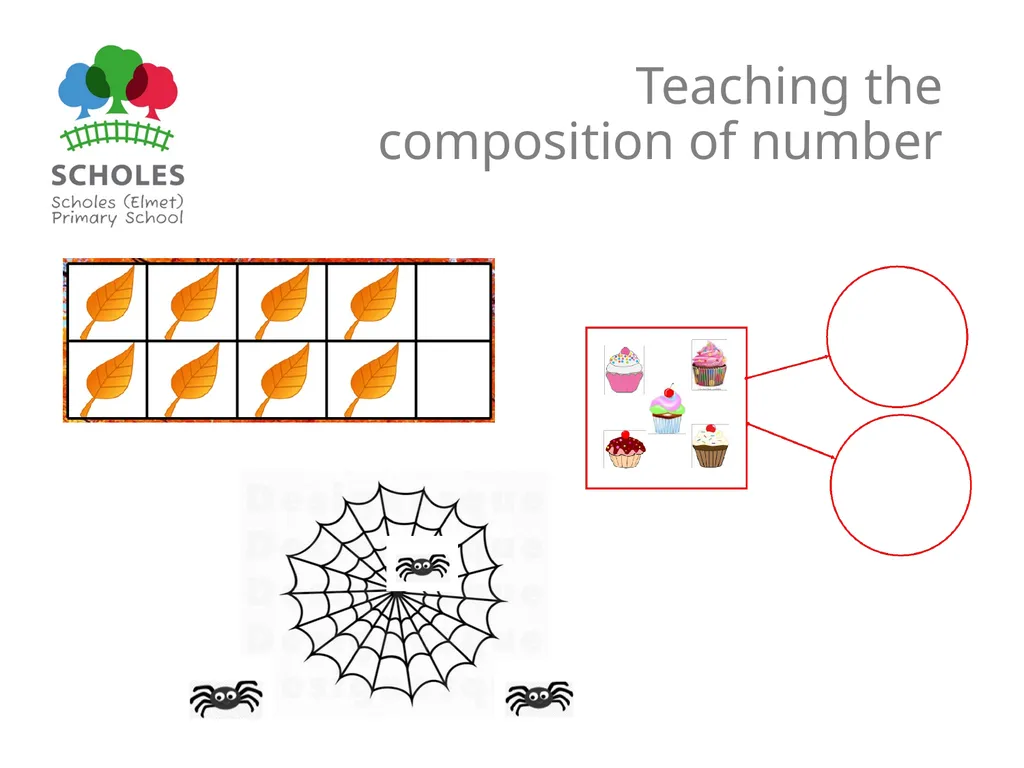
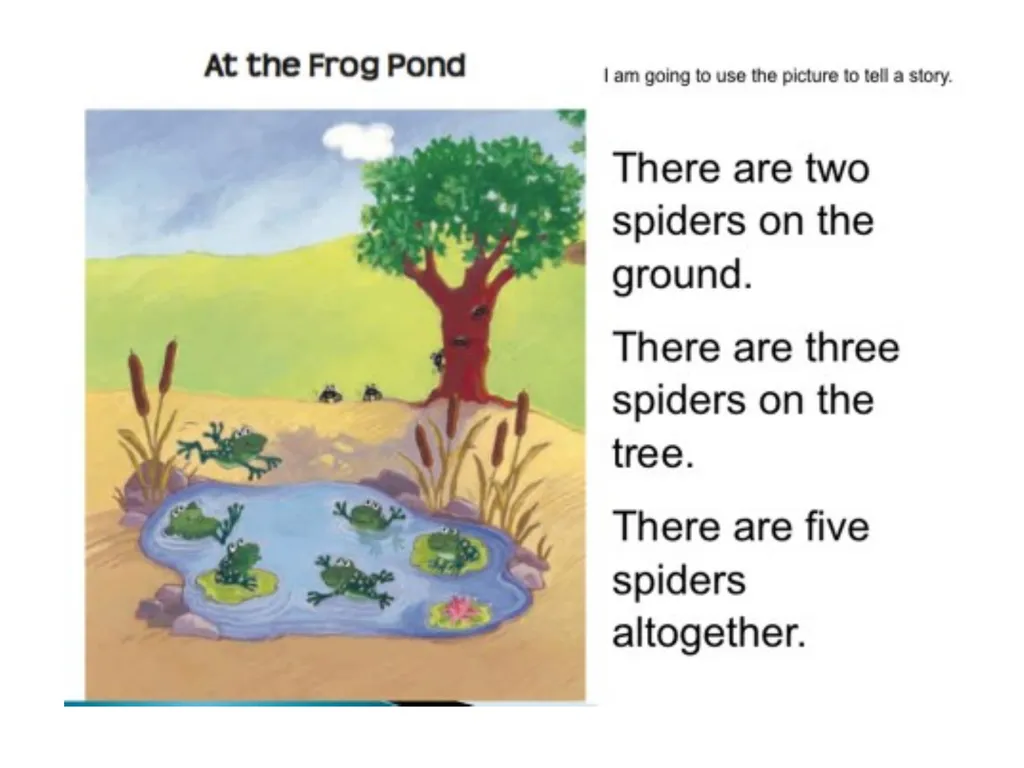
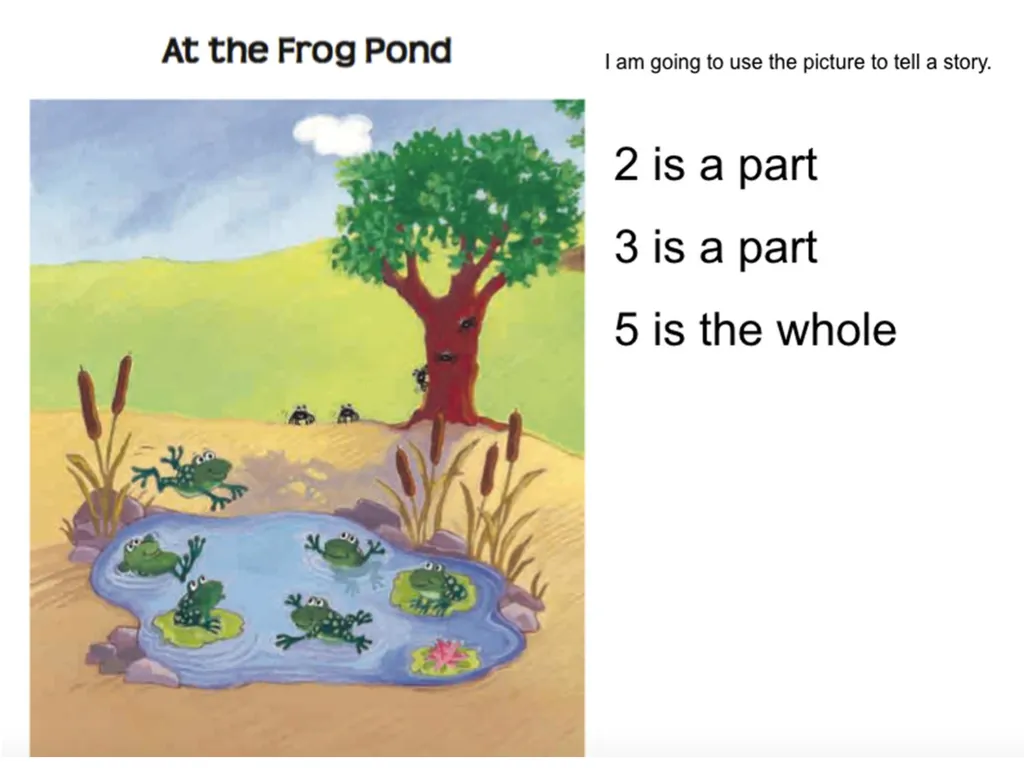
slide9. Teaching the composition of number First then and now stories.<br>
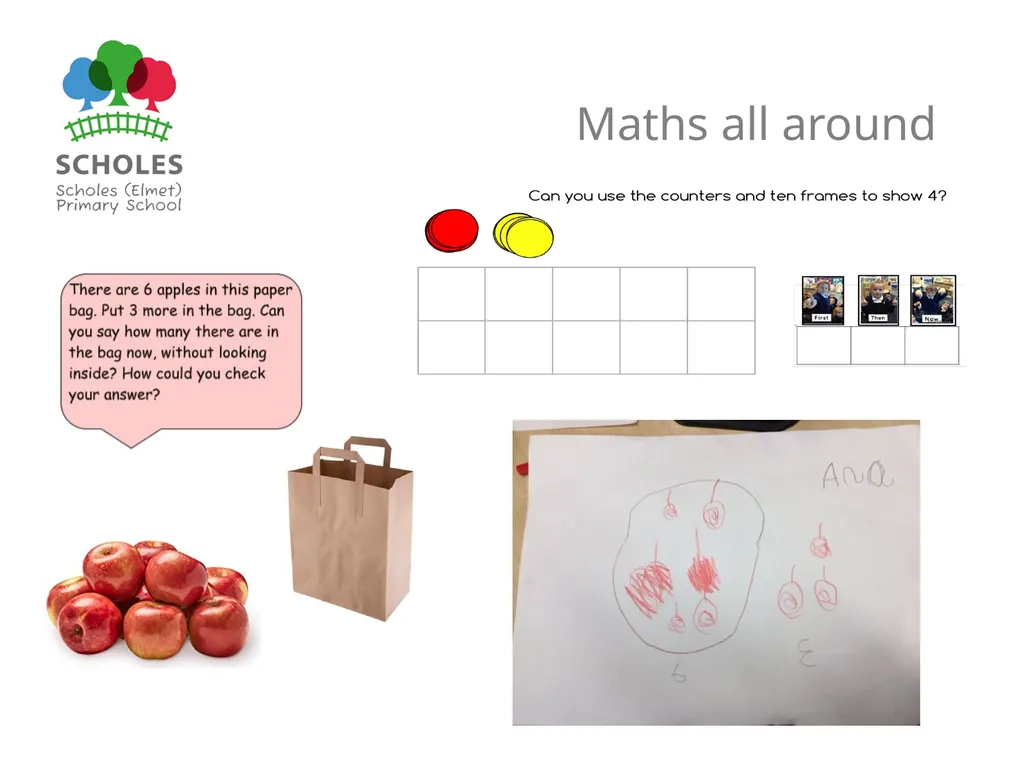
slide10. Maths all around<br>
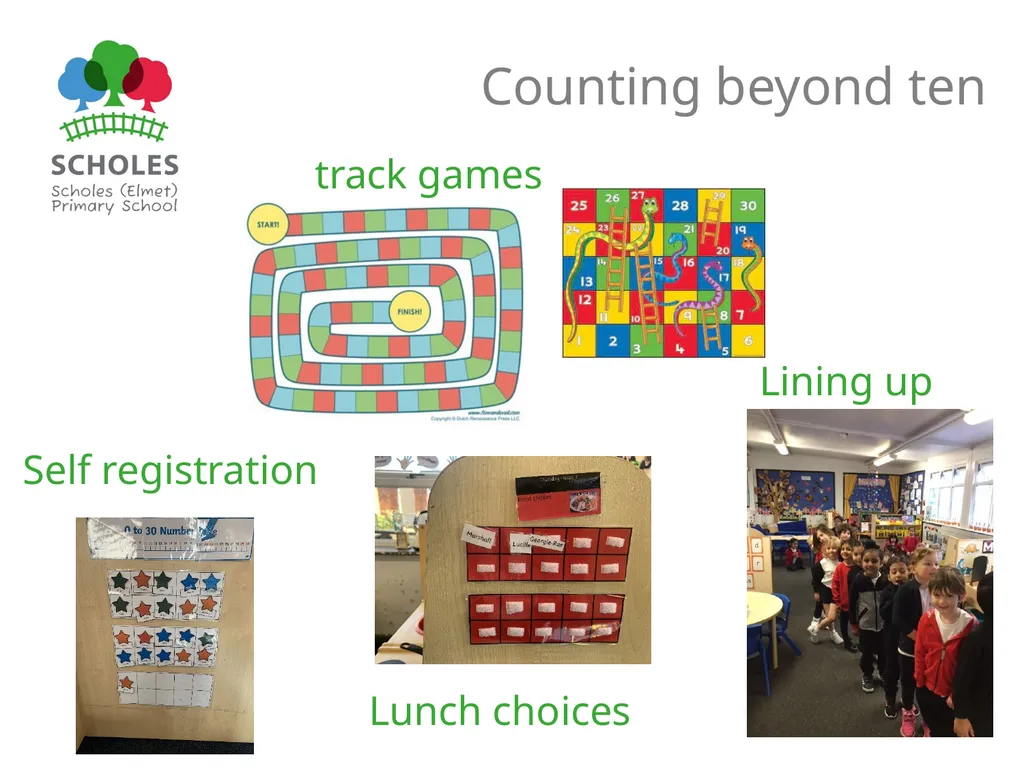
slide13. Counting beyond ten track games Self registration Lunch choices Lining up<br>
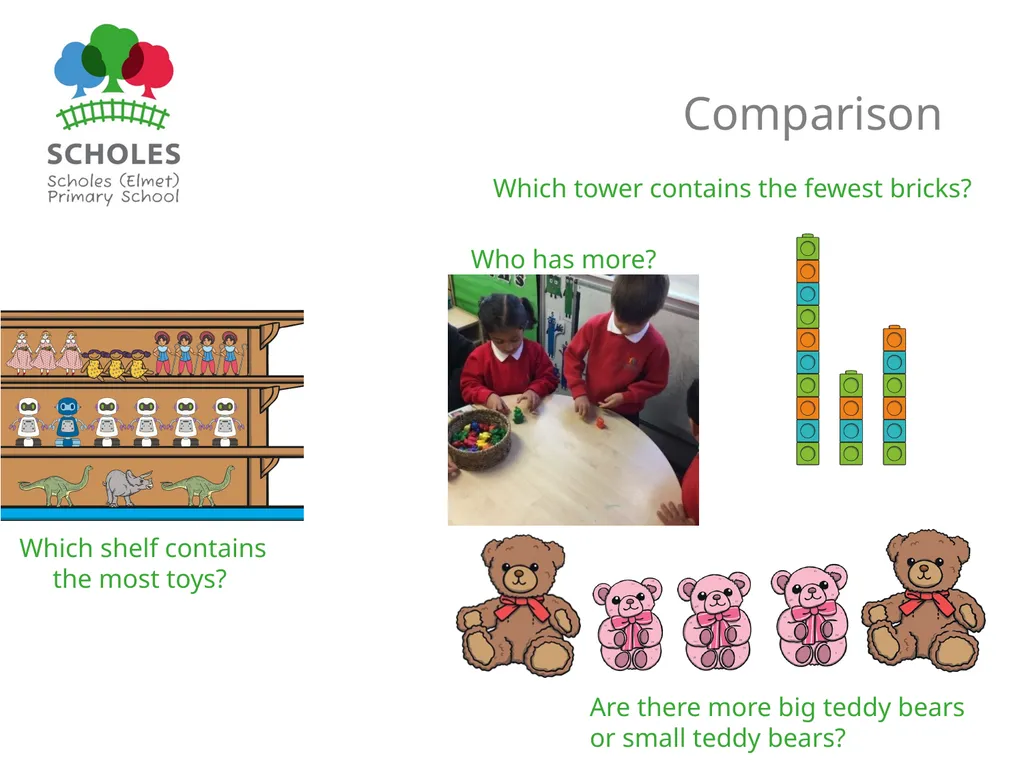
slide14. Comparison Are there more big teddy bears or small teddy bears? Which shelf contains
the most toys? Which tower contains the fewest bricks? Who has more?<br>
slide15. How to help at home board games
card games
matching games
scoring, tally charts
making up number stories that are relevant to interests
looking for number
One minute Maths<br>
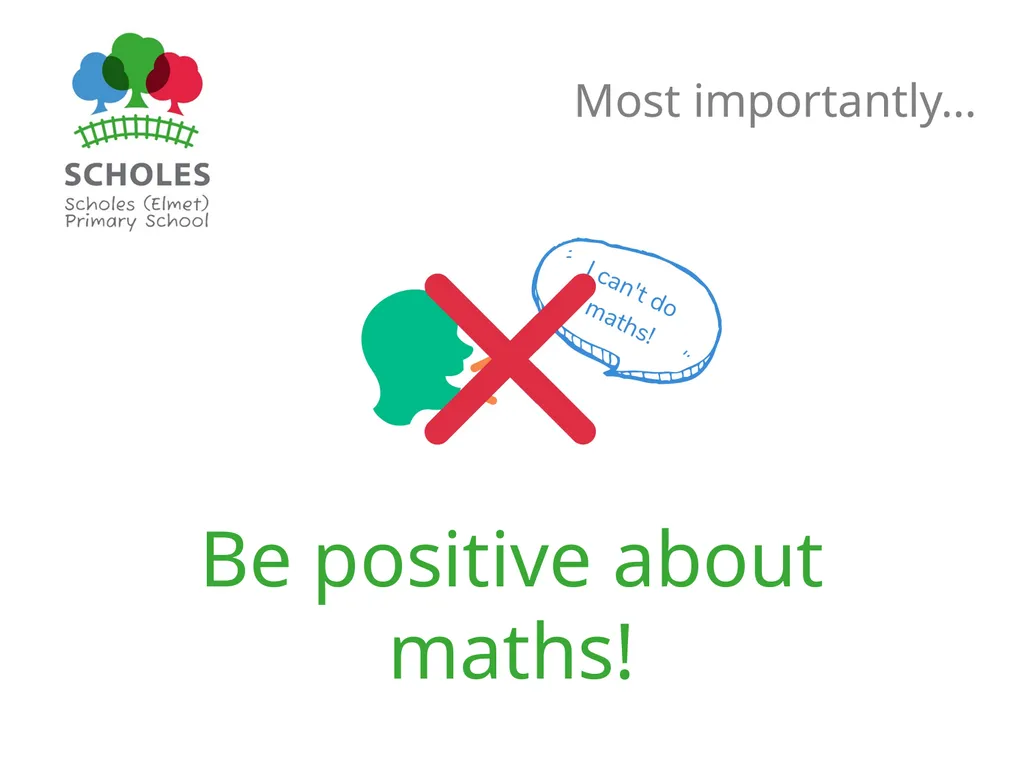
slide16. Be positive about maths! Most importantly…<br>
slide2. Session Aims An understanding of how we teach maths in Reception.
How you can help at home<br>
slide3. Counting principles Stable order - numbers must be said in the same order. Collaborative play where adults model counting and counting out loud with children helps them to do this.
1:1 correspondence – one number to one object (example).
Cardinality – knowing the last number counted/said is how many there are. We call this the “stop” number at school.
Abstraction – counting things that cannot be seen or that are not the same (jumps, claps, different sized objects or collection of things).<br>
slide4. Order irrelevance Order does not matter. This is a crucial piece of knowledge when calculating with much larger numbers .<br>
slide5. Subitising The ability to recognise an amount by sight.<br>
slide6. Different representations of number. five<br>
slide7. Numberblocks Concepts covered on this programme.
Counting, Cardinality, Composition Comparison and Change.<br>
slide8. Concrete
Pictorial
Abstract<br>
slide9. Teaching the composition of number First then and now stories.<br>
slide10. Maths all around<br>
slide13. Counting beyond ten track games Self registration Lunch choices Lining up<br>
slide14. Comparison Are there more big teddy bears or small teddy bears? Which shelf contains
the most toys? Which tower contains the fewest bricks? Who has more?<br>
slide15. How to help at home board games
card games
matching games
scoring, tally charts
making up number stories that are relevant to interests
looking for number
One minute Maths<br>
slide16. Be positive about maths! Most importantly…<br>