Pharmaceutical Biotechnology Introduction Dr. Nidhal Khazaal Lecture 1 Biotechnology It implies with the use of microorganisms, plants, animals or parts of them for the production of useful compounds. Pharmaceutical biotechnology It is
"Pharmaceutical Biotechnology Introduction Dr." is the property of its rightful owner. Permission is granted to
download and print the materials on this website for personal, non-commercial use only, and to display it
on your personal computer provided you do not modify the materials and that you retain all copyright
notices contained in the materials. By downloading content from our website, you accept the terms of this
agreement.
Presentation Transcript
01
Pharmaceutical Biotechnology Introduction
Dr. Nidhal Khazaal Lecture 1<br>
02
Biotechnology
It implies with the use of microorganisms, plants, animals or parts of them for the production of useful compounds. Pharmaceutical biotechnology
It is concerned as the biotechnological manufacturing of pharmaceutical products.<br>
03
Biotechnology Biotechnology in ancient times
E.g. Making wine from grapes. Based merely experience in bioproducts for many ages homemade in a traditional fashion without an understanding of the underlying principles An insight into the nature of the traditional processes was achieved in about 1870.
Pasteur illustrated that chemical conversions in these processes were performed by living cells, and thus the traditional processes should be consider biochemical conversions.<br>
04
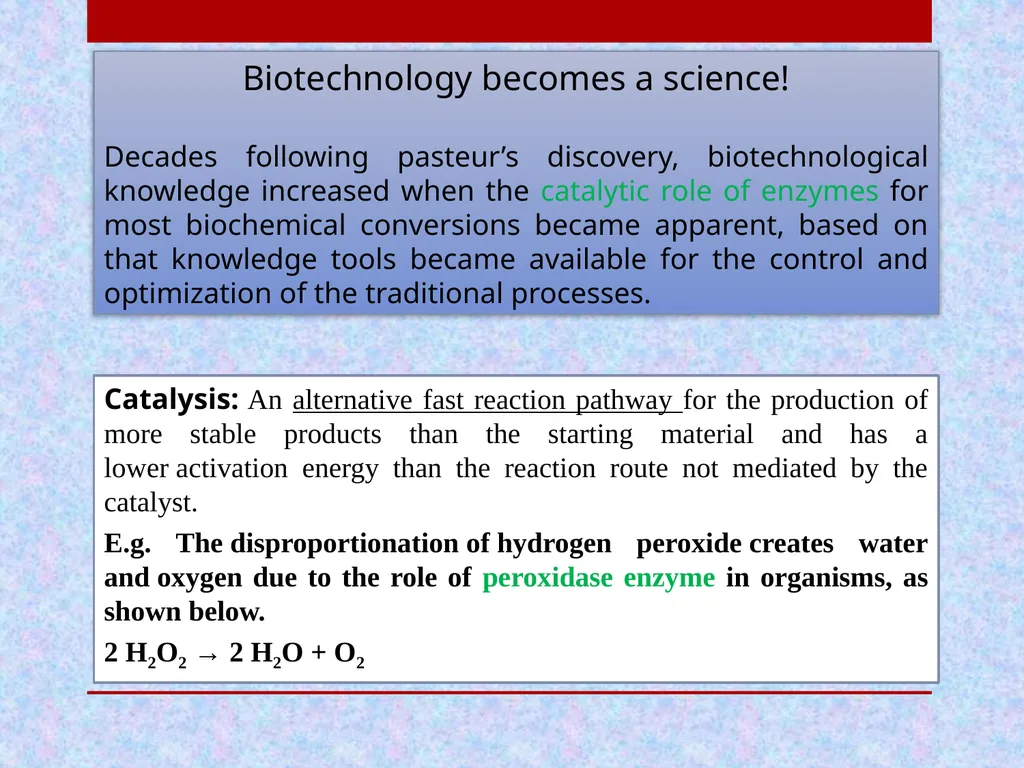
Catalysis: An alternative fast reaction pathway for the production of more stable products than the starting material and has a lower activation energy than the reaction route not mediated by the catalyst.
E.g. The disproportionation of hydrogen peroxide creates water and oxygen due to the role of peroxidase enzyme in organisms, as shown below.
2 H2O2 → 2 H2O + O2 Biotechnology becomes a science!
Decades following pasteur’s discovery, biotechnological knowledge increased when the catalytic role of enzymes for most biochemical conversions became apparent, based on that knowledge tools became available for the control and optimization of the traditional processes.<br>
05
A further and very important breakthrough took place after the development of (Molecular Biology).
The notion, brought forward by the pioneers in the molecular biology in around 1950, that DNA encodes proteins and in this way controls all cellular processes was the impetus for a new period in biotechnology.<br>
06
The fast evolving DNA technologies, after the development of the recombinant DNA technology in 70th, allowed biotechnologists to control gene expression in the organisms used for biotechnological manufacturing. These developed technologies opened new ways for the introduction of foreign DNA into all kinds of organisms.
Thus genetically modified organisms constructed in this way to open up completely new possibilities for biotechnology.<br>
07
Molecular biotechnology A new form of biotechnology, based on thorough knowledge of DNA molecule and the availability of manipulation technologies of DNA. Biotechnology became the subject of public debate
An important question in debate deals with potentials risks: do genetically modified organisms used in production facilities pose unknown risks for the ecosystem and for the human race itself?
Moreover, a profound ethical question was brought forward: is it right to modify the genetic structure of living organisms?<br>
08
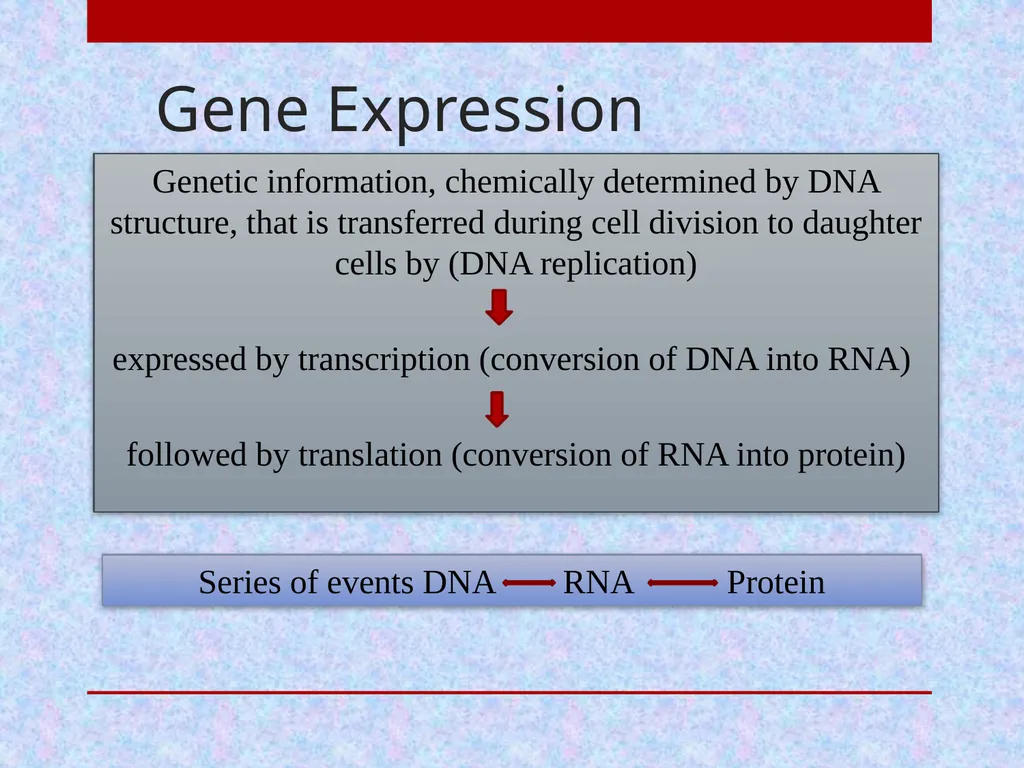
Gene Expression Genetic information, chemically determined by DNA structure, that is transferred during cell division to daughter cells by (DNA replication)
expressed by transcription (conversion of DNA into RNA)
followed by translation (conversion of RNA into protein) Series of events DNA RNA Protein<br>
09
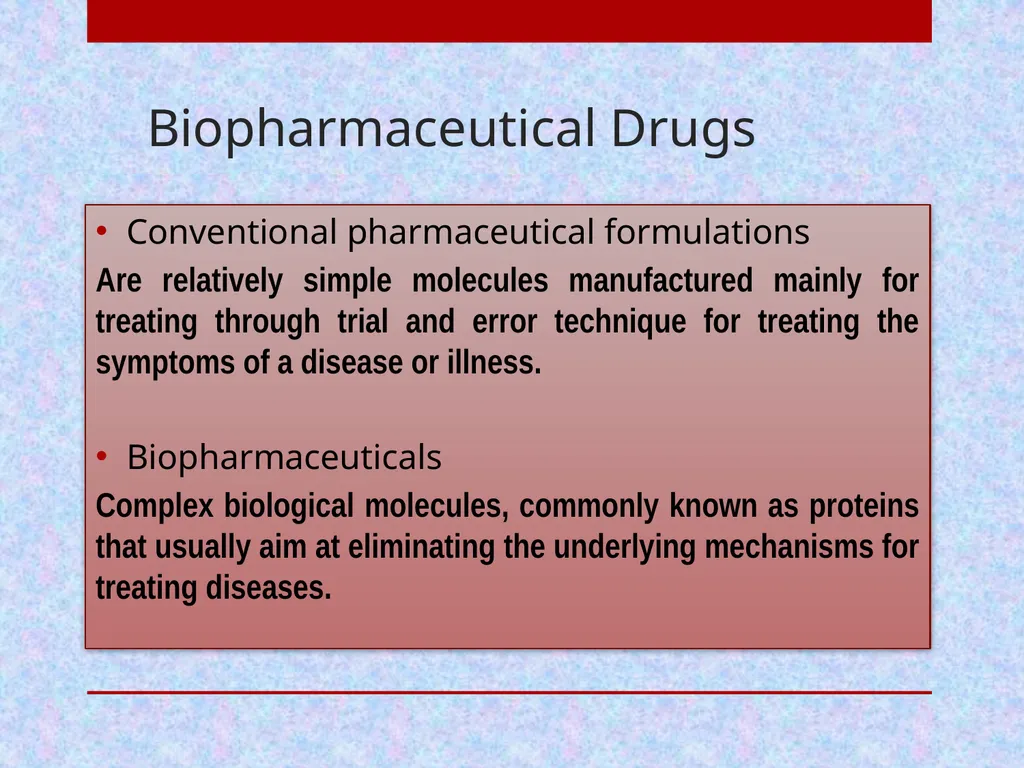
Biopharmaceutical Drugs Conventional pharmaceutical formulations
Are relatively simple molecules manufactured mainly for treating through trial and error technique for treating the symptoms of a disease or illness.
Biopharmaceuticals
Complex biological molecules, commonly known as proteins that usually aim at eliminating the underlying mechanisms for treating diseases.<br>
10
Note: Difference between Pharmaceutical Biotechnology and traditional drugs Essentially used to make (Complex Larger Molecules) with the help of living cells (like those found in the human body such as bacteria cells, yeast cells, animals or plant cells).
Unlike the smaller molecules that are given to a patient through tablets, the large molecules are typically injected into the patient’s body.<br>
11
Pharmaceuticals and Biotechnology- Benefits of Combination When the two disciplines -pharmaceuticals and biotechnology- come together, they result in many advantages for humankind in terms of healthcare.<br>
12
Pharmaceutical Biotechnology Products Antibodies, Proteins and Recombinant DNA products Antibodies- are proteins produced by white blood cells and are used by immune system to identify bacteria, viruses and other foreign substances and to fight them off.
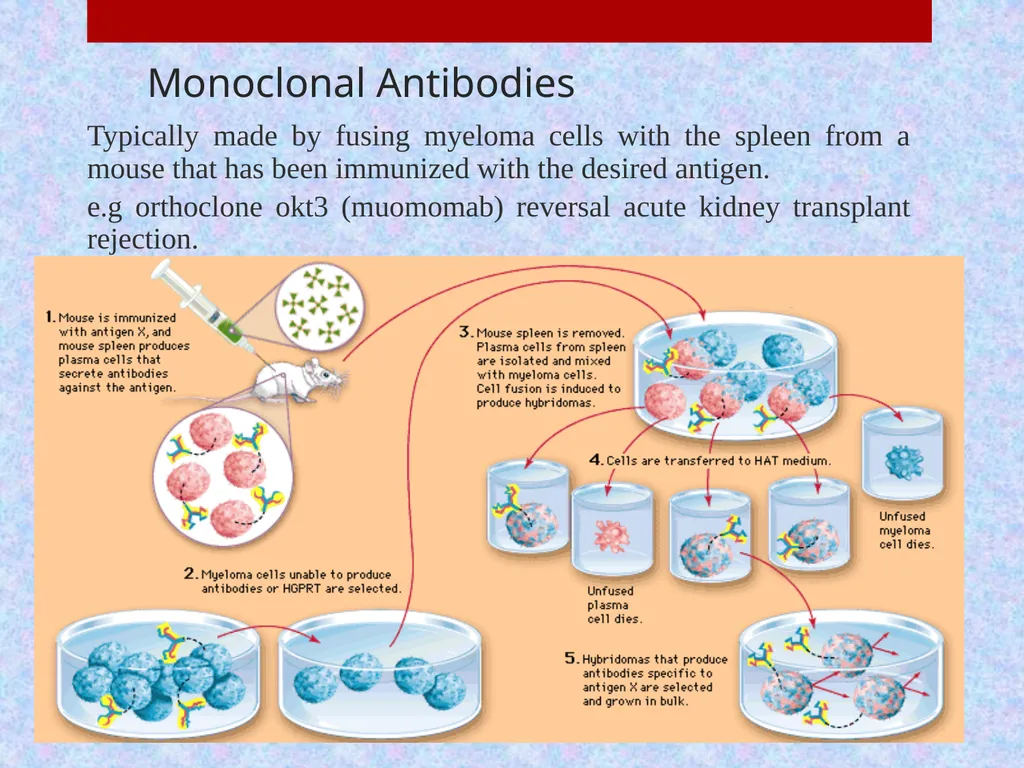
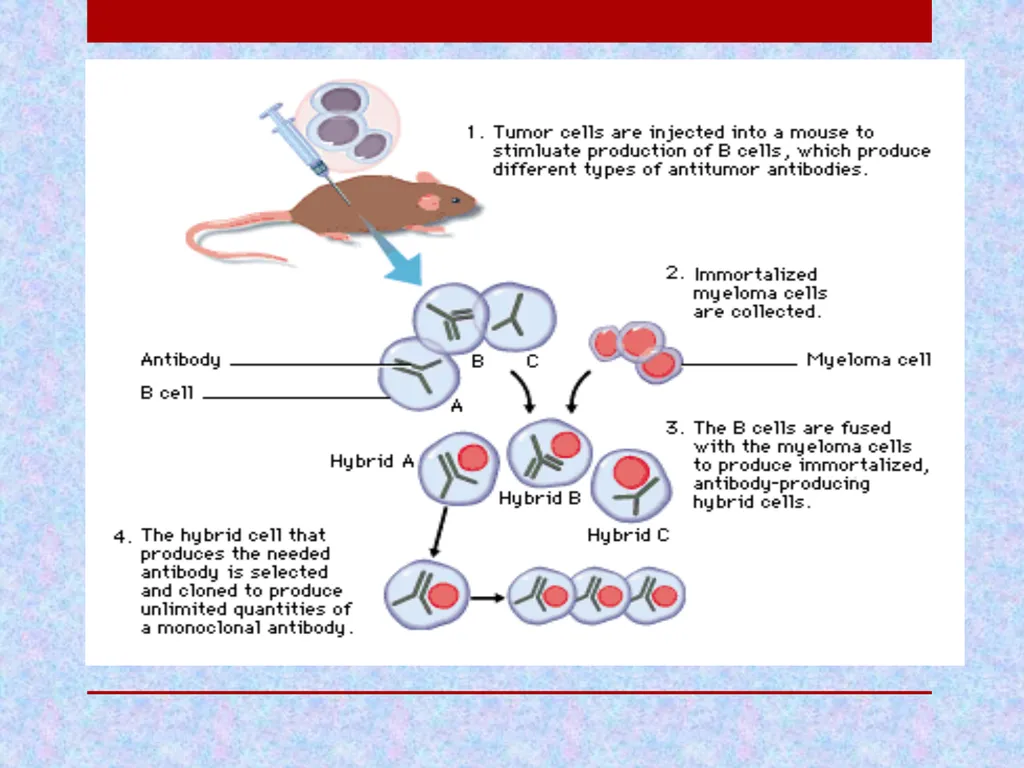
Monoclonal antibodies- are one of the most exciting developments in biotechnology pharmaceuticals at these recent years.
(produced as a result of perpetuating the expression of a single beta lymphocyte. Consequently, all of the antibody molecules secreted by a series of daughter cells derived from a single dividing parent beta lymphocyte are genetically identical).<br>
13
Proteins- made of amino acids or large, complex molecules that do most of the work in the cells and are required for the structure, function, and regulation of the body’s tissues and organs.
Protein biotechnology- is emerging as one of the key technologies of the future for understanding the development of many diseases like cancer or amyloid formation for better therapeutic intervention.<br>
14
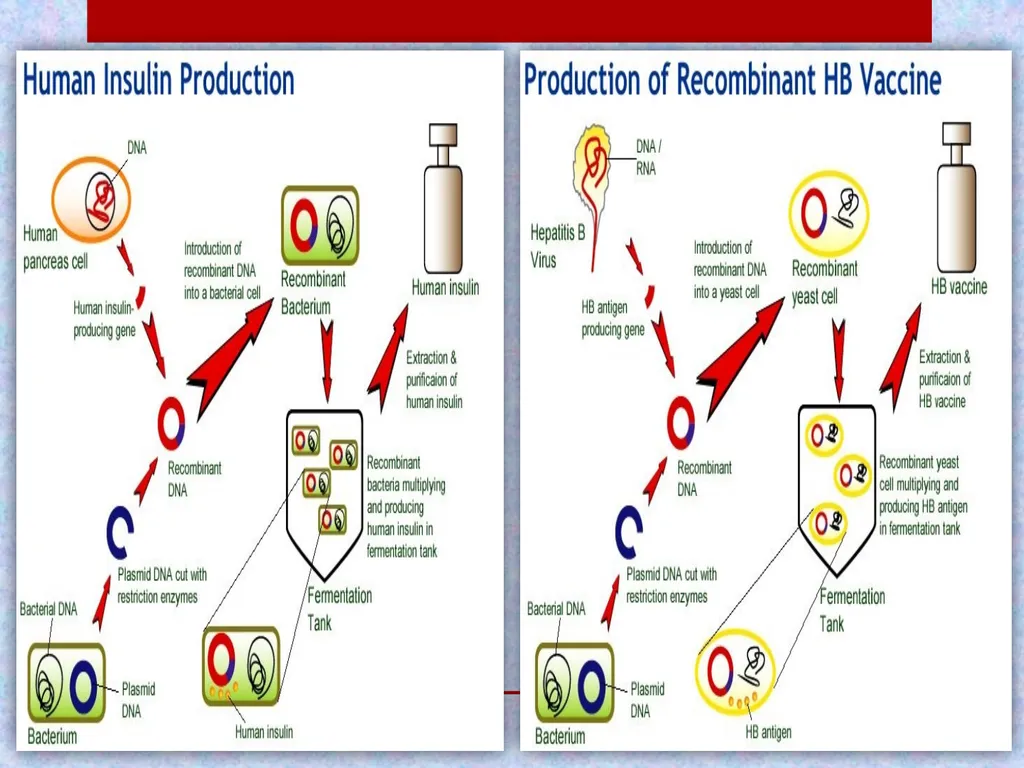
Recombinant DNA products- Recombinant Deoxyribonucleic acid is the genetically engineered DNA created by recombining fragments of DNA from different organisms.
Some of the Recombinant DNA Products include:
Recombinant DNA Vaccines
Recombinant DNA Drugs
Recombinant DNA Enzymes
Recombinant DNA Growth Hormones
Recombinant DNA Insulin
Recombinant DNA Proteins
Recombinant DNA Yeast<br>
15
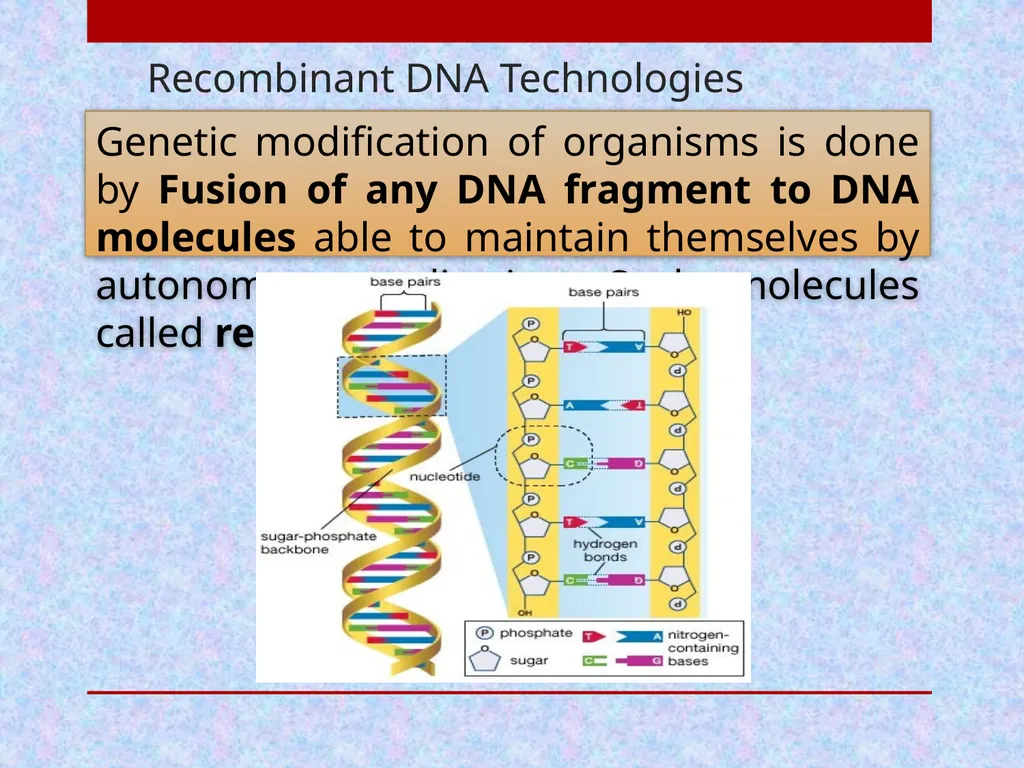
Recombinant DNA Technologies Genetic modification of organisms is done by Fusion of any DNA fragment to DNA molecules able to maintain themselves by autonomous replication. Such molecules called replicons<br>
16
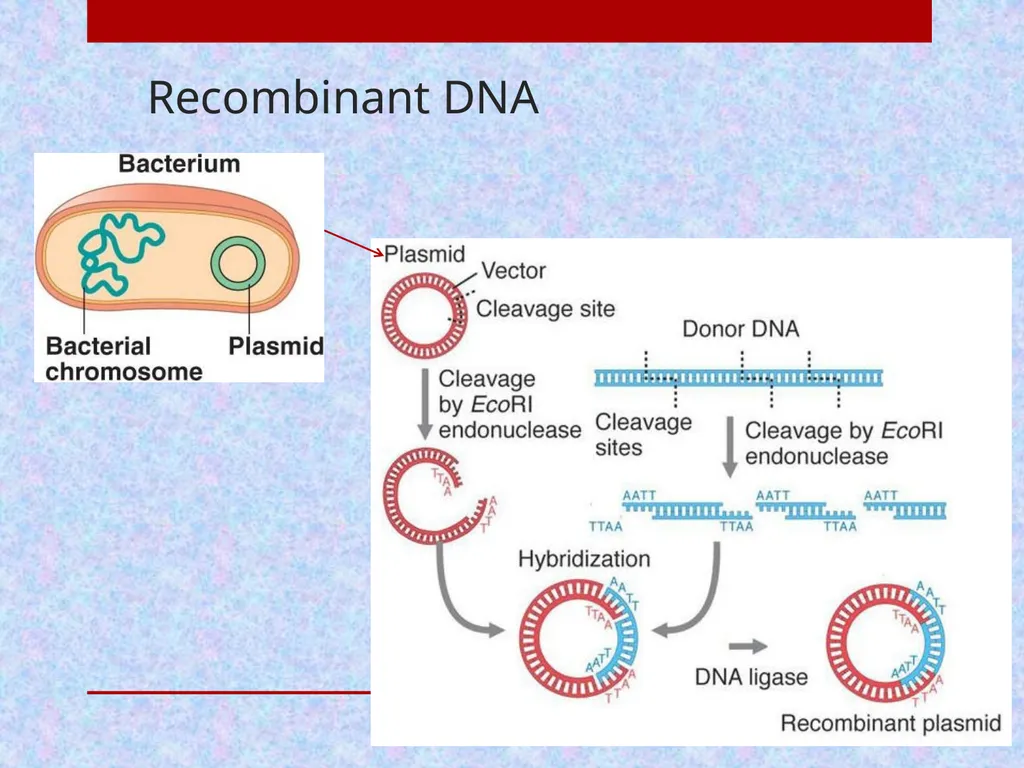
Recombinant DNA<br>
17
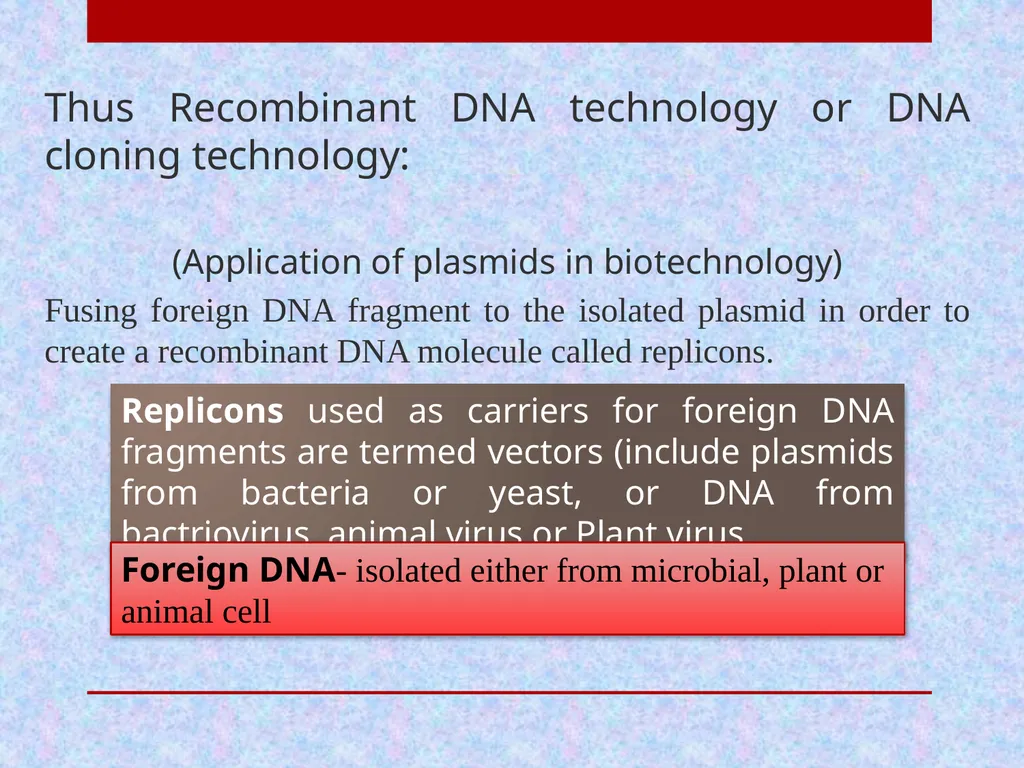
Thus Recombinant DNA technology or DNA cloning technology:
(Application of plasmids in biotechnology)
Fusing foreign DNA fragment to the isolated plasmid in order to create a recombinant DNA molecule called replicons. Replicons used as carriers for foreign DNA fragments are termed vectors (include plasmids from bacteria or yeast, or DNA from bactriovirus, animal virus or Plant virus Foreign DNA- isolated either from microbial, plant or animal cell<br>
18
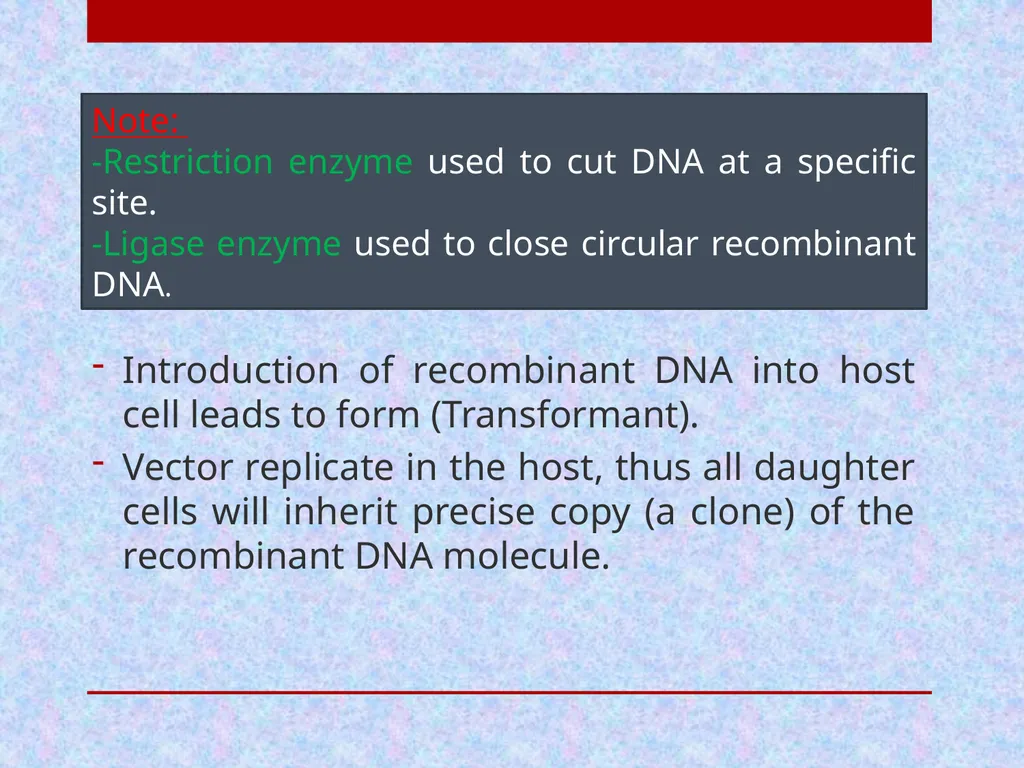
Introduction of recombinant DNA into host cell leads to form (Transformant).
Vector replicate in the host, thus all daughter cells will inherit precise copy (a clone) of the recombinant DNA molecule. Note:
-Restriction enzyme used to cut DNA at a specific site.
-Ligase enzyme used to close circular recombinant DNA.<br>
19
Monoclonal Antibodies Typically made by fusing myeloma cells with the spleen from a mouse that has been immunized with the desired antigen.
e.g orthoclone okt3 (muomomab) reversal acute kidney transplant rejection.<br>