03
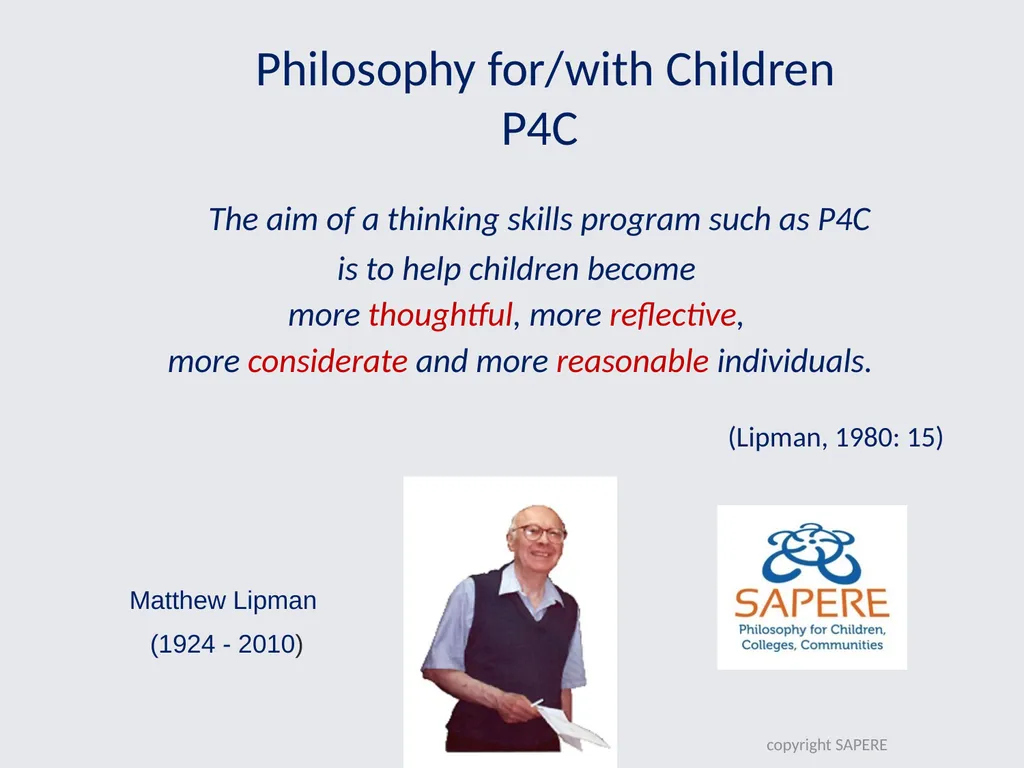
Philosophy for/with Children � P4C The aim of a thinking skills program such as P4C
is to help children become
more thoughtful, more reflective,
more considerate and more reasonable individuals.
(Lipman, 1980: 15) Matthew Lipman
(1924 - 2010) copyright SAPERE<br>
04
Is life a puzzle and does it have to be completed?<br>
05
Philosophy and education:� the inextricable link Philosophical questioning begins from a sense of puzzlement about the world and the widespread observation that children are disposed to curiosity and wonder.
(Haynes, 2014:129)<br>
06
Philosophy and the Curriculum The skills that children acquire in P4C, they carry through to all areas of the curriculum to a staggering degree. The ability to concentrate, to think beyond the obvious, to listen and evaluate and to form their own opinions have extremely beneficial consequences
(philosophy4children.co.uk)<br>
07
Philosophy and Primary Science Science is the perfect platform to increase children’s thinking capacity, embracing their curiosity and inquiring attitude. (Global Primary Science)
Children ask many questions about the universe starting from pre-school, but their questioning of the universe decreases as they age (Yager, 1996)
P4C can improve some of the skills used in scientific inquiry such as questioning, critical thinking and argumentation. (Burgh and Nichols, 2012)<br>
08
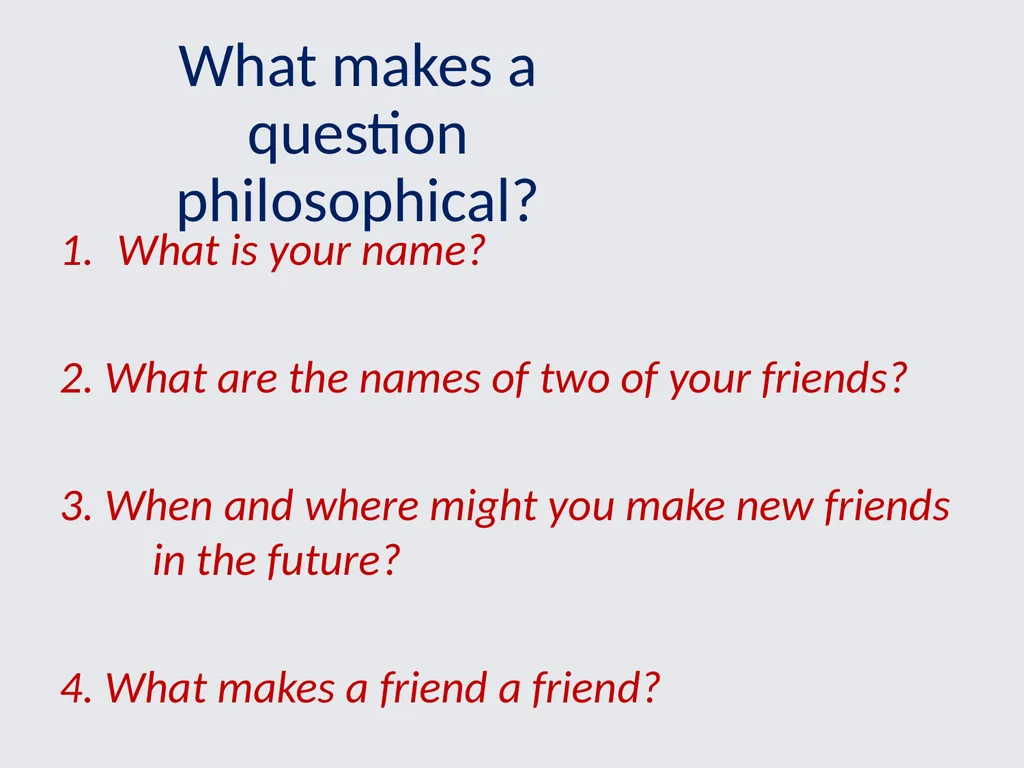
What makes a question philosophical? What is your name?
2. What are the names of two of your friends?
3. When and where might you make new friends in the future?
4. What makes a friend a friend?<br>
09
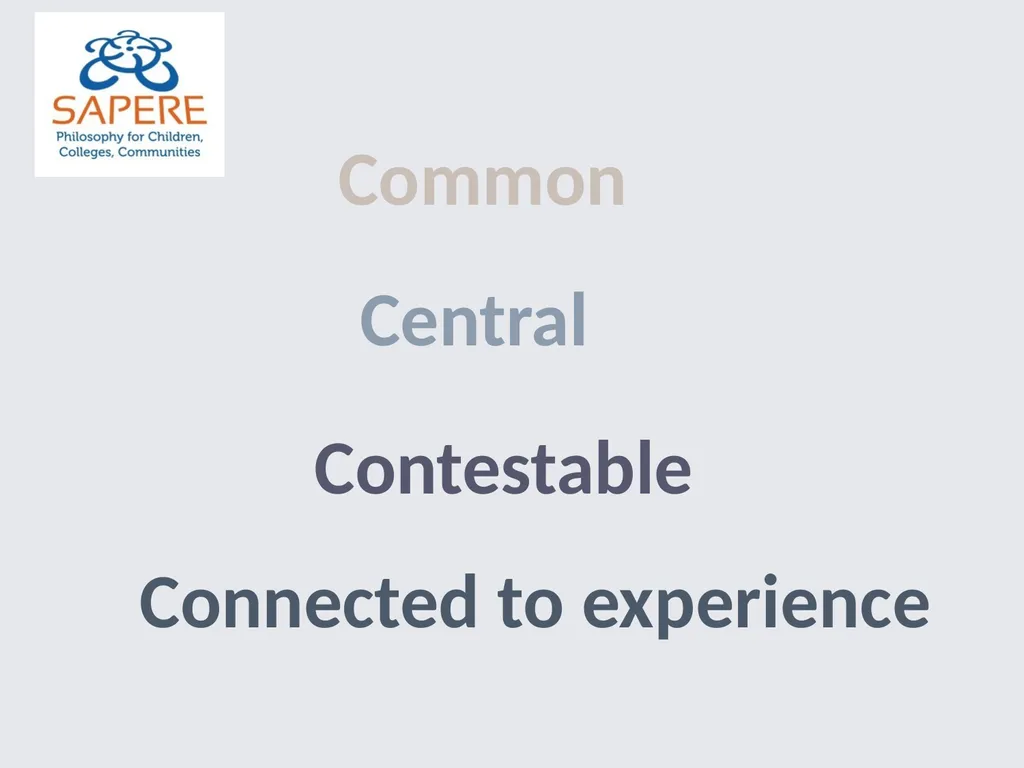
Common Central Contestable Connected to experience<br>
10
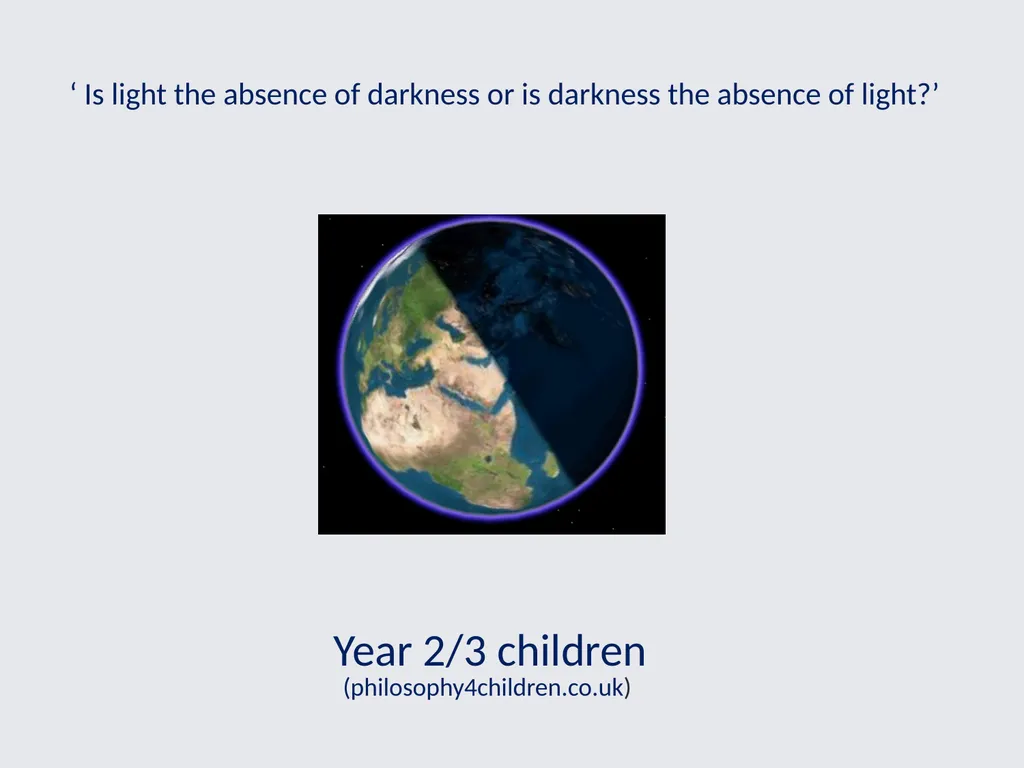
‘ Is light the absence of darkness or is darkness the absence of light?’ Year 2/3 children (philosophy4children.co.uk)<br>
11
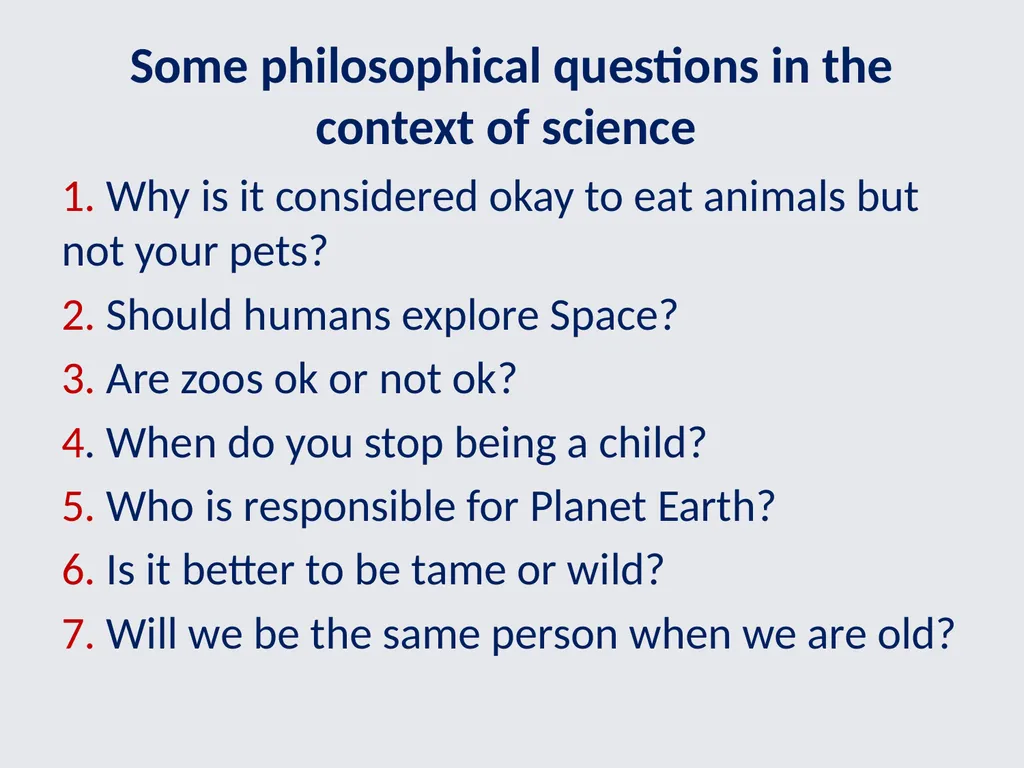
Some philosophical questions in the context of science 1. Why is it considered okay to eat animals but not your pets?
2. Should humans explore Space?
3. Are zoos ok or not ok?
4. When do you stop being a child?
5. Who is responsible for Planet Earth?
6. Is it better to be tame or wild?
7. Will we be the same person when we are old?<br>
12
The Four Cs of P4C Critical
questioning (interrogating) and reasoning (evaluating)
Creative
connecting (relating) and suggesting (speculating)
Caring
listening (concentrating) and valuing (appreciating)
Collaborative
speaking (communicating) and supporting (conciliating) copyright SAPERE<br>
13
Building philosophical skills �in primary science Some strategies for:
Giving reasons / considering others’ reasons
Making distinctions
Making connections
Analytical thinking
Deeper analytical thinking<br>
14
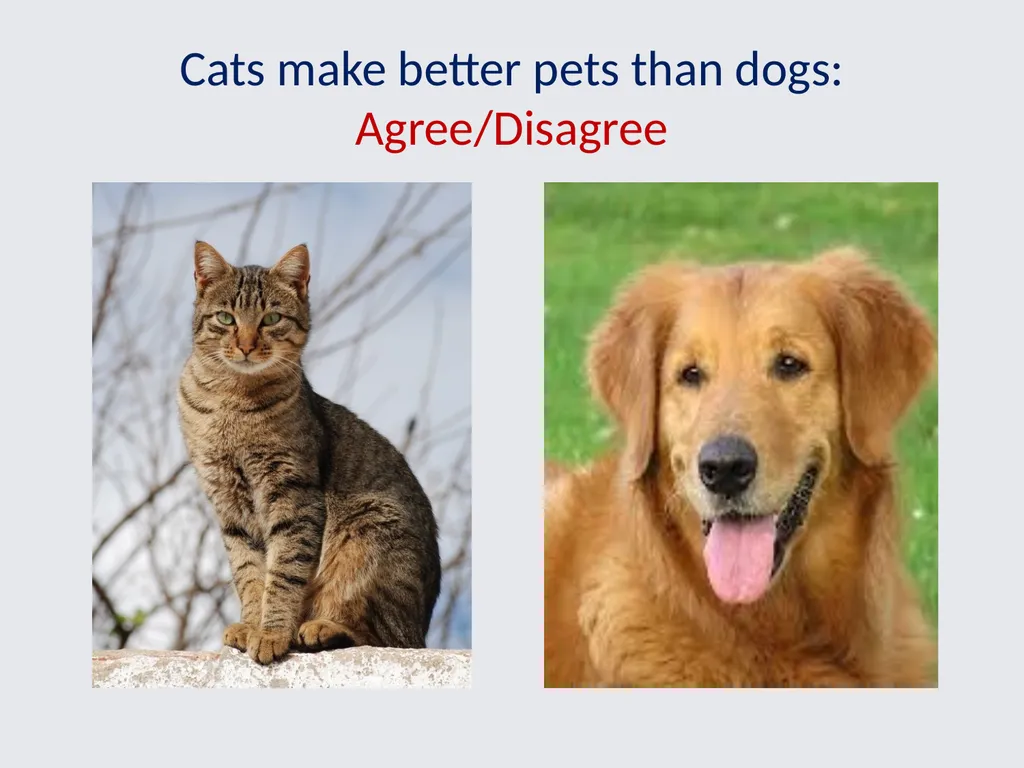
Cats make better pets than dogs:�Agree/Disagree<br>
15
The Same But Different: Making distinctions��In the following pairs what is the same and what is different? A lake and an ocean
A planet and a moon
A shadow and a reflection
A stem and a trunk
A vein and an artery 15<br>
16
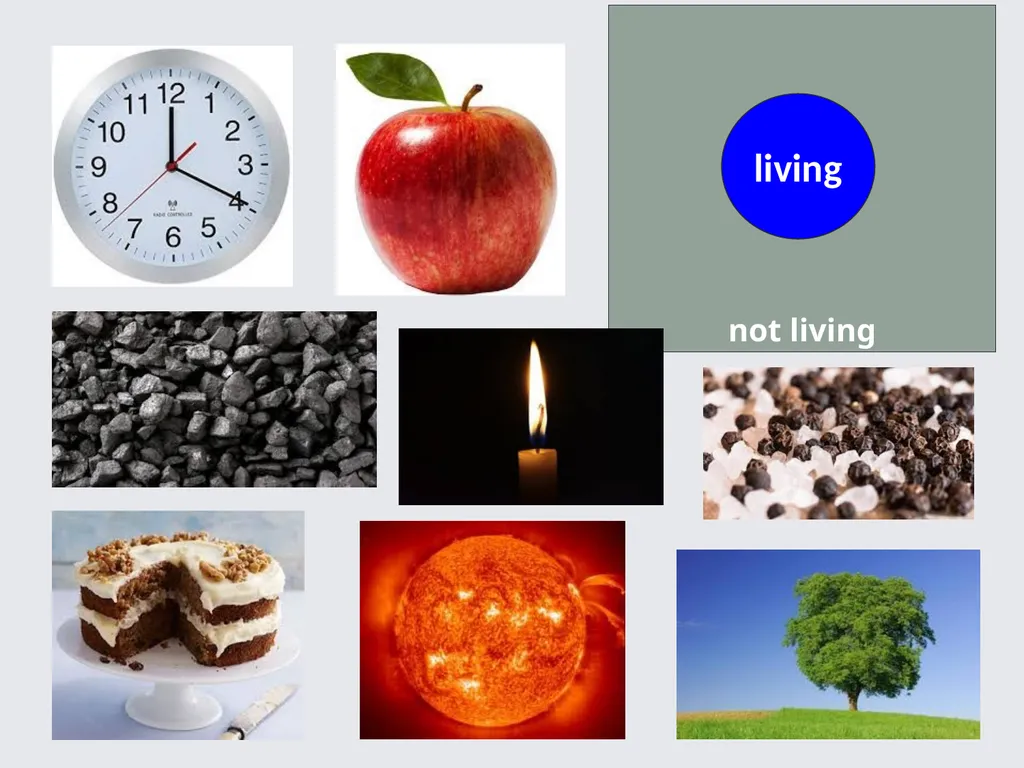
not living living 16<br>
17
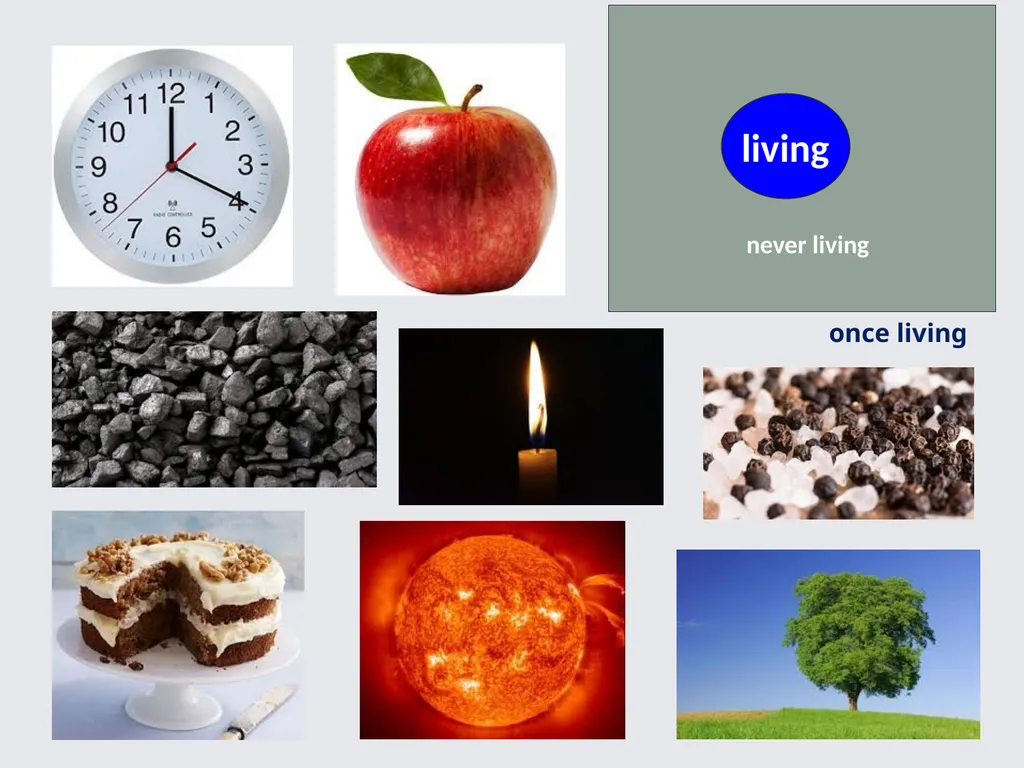
living 17 never living once living<br>
18
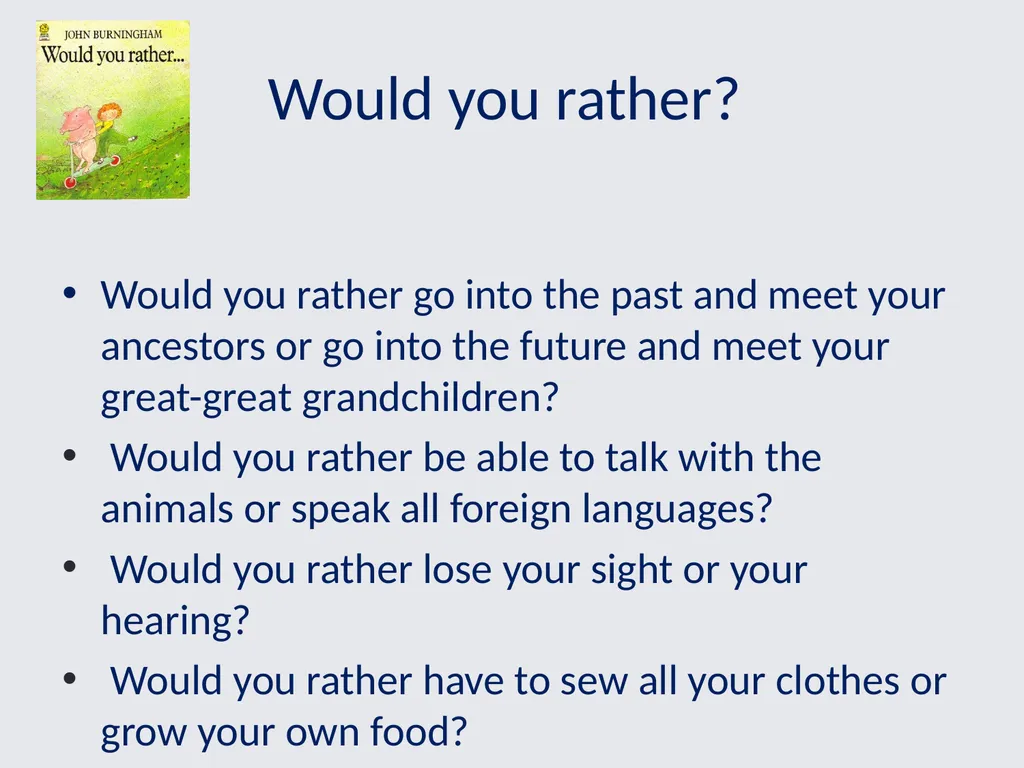
Would you rather? Would you rather go into the past and meet your ancestors or go into the future and meet your great-great grandchildren?
Would you rather be able to talk with the animals or speak all foreign languages?
Would you rather lose your sight or your hearing?
Would you rather have to sew all your clothes or grow your own food?<br>
19
Other strategies/resources Picture books/stories
Concept Cartoons
Thought experiments e.g. What if…?
PMI (Positives,minuses,interesting)
Odd One Out
Drama/role play/debates
Newspaper articles<br>
20
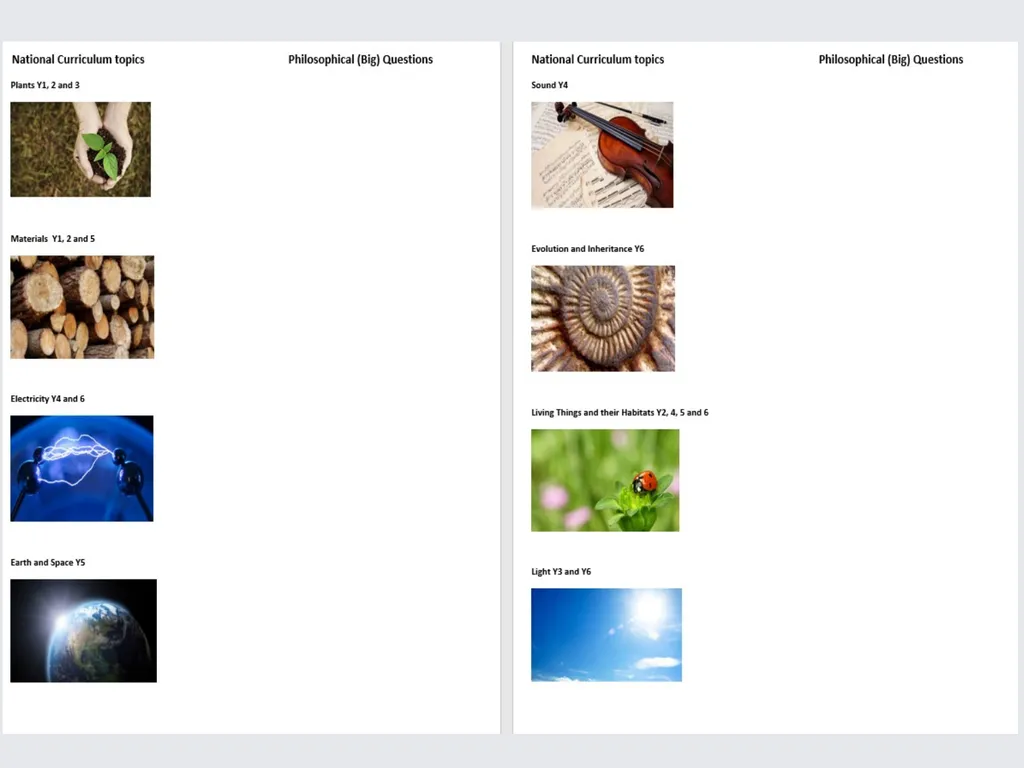
Potential for philosophical (big) questions within the national curriculum primary science topics<br>
21
Looking for a big question ?<br>
22
To conclude… Allow children to practise the 4Cs regularly
When looking for philosophical questions in primary science:
What are the big ideas of universal, human importance that are relevant to the topics of Space, The Human Body, Animals and Plants, Seasons etc?
What are the common, central , contestable and connected to experience concepts?
Aim to develop your own philosophical habits!<br>
23
Useful websites www.sapere.org.uk
www.philosophy4children.co.uk
P4C courses and resources
www.thephilosophyman.co.uk Jason Buckley
Embedding P4C in the Curriculum
www.philosophicalteaching.com Roger Sutcliffe
www.bbc.co.uk/cbeebies/shows/whats-the-big-idea
Hugo
www.pstt.org.uk Bright Ideas Time<br>
24
References Burningham, J. (1994) Would you rather? London: Penguin Random House
Burgh, G. & Nichols, K. (2012) ‘The parallels between philosophical inquiry and scientific inquiry: Implications for science education’, Educational Philosophy and Theory, 44(10), 1045-1059. doi: 10.1111/j.14695812.2011.00751.x
Gilbert, I. (2007) The little book of thunks.Carmarthen: Crown House Publishing Ltd
Lipman, M., Sharp, A., & Oscanyan, F. (1980) Philosophy in the Classroom. Philadelphia : Temple University Press.
Lipman, M. (1988) Philosophy goes to school. USA: Temple University Press.
Lipman, M. (2003) Thinking in education. New York: Cambridge University Press.
Yager, R. E. (1996) ‘History of science/technology/society as reform in the United States’ in R. E. Yager (Ed.), Science/technology/society as reform in science education, Albany: Suny Press.<br>
25
Thank you/ Diolch! Jude Penny: jpenny@glos.ac.uk
@judepenny2<br>