Post mortem methods Postmortem method Learning out come At the end of this lecture the students will be able to: . Define the autopsy Identify how they examine the cadaver. Describe types of autopsies. Naming type of the incisions.
"Post mortem methods Postmortem method Learning out" is the property of its rightful owner. Permission is granted to
download and print the materials on this website for personal, non-commercial use only, and to display it
on your personal computer provided you do not modify the materials and that you retain all copyright
notices contained in the materials. By downloading content from our website, you accept the terms of this
agreement.
Presentation Transcript
01
Post mortem methods<br>
02
Postmortem method<br>
03
Learning out come At the end of this lecture the students will be able to:
. Define the autopsy
Identify how they examine the cadaver.
Describe types of autopsies.
Naming type of the incisions.<br>
04
Definition of autopsy: What is autopsy?<br>
05
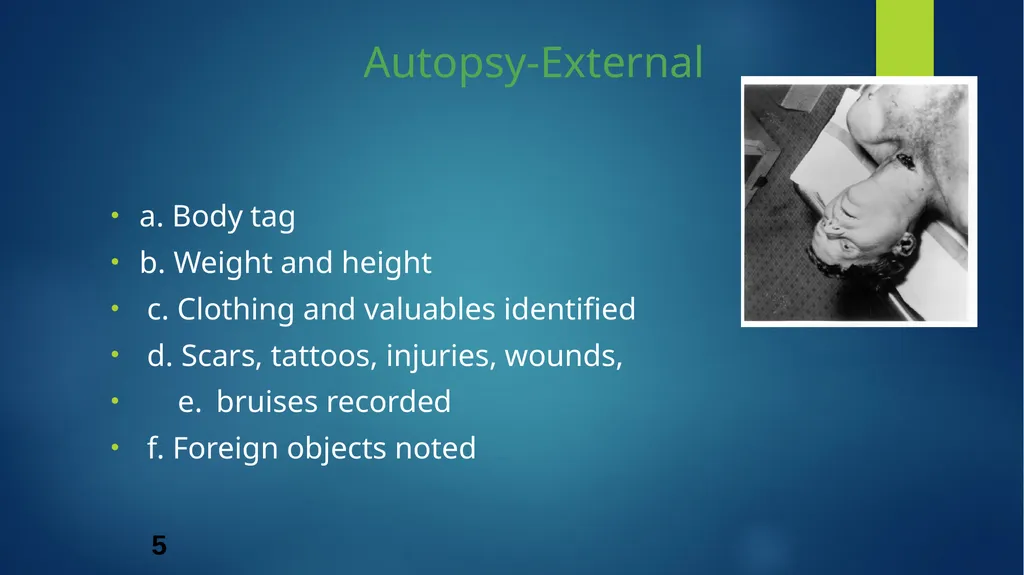
5 a. Body tag
b. Weight and height
c. Clothing and valuables identified
d. Scars, tattoos, injuries, wounds,
e. bruises recorded
f. Foreign objects noted Autopsy-External<br>
06
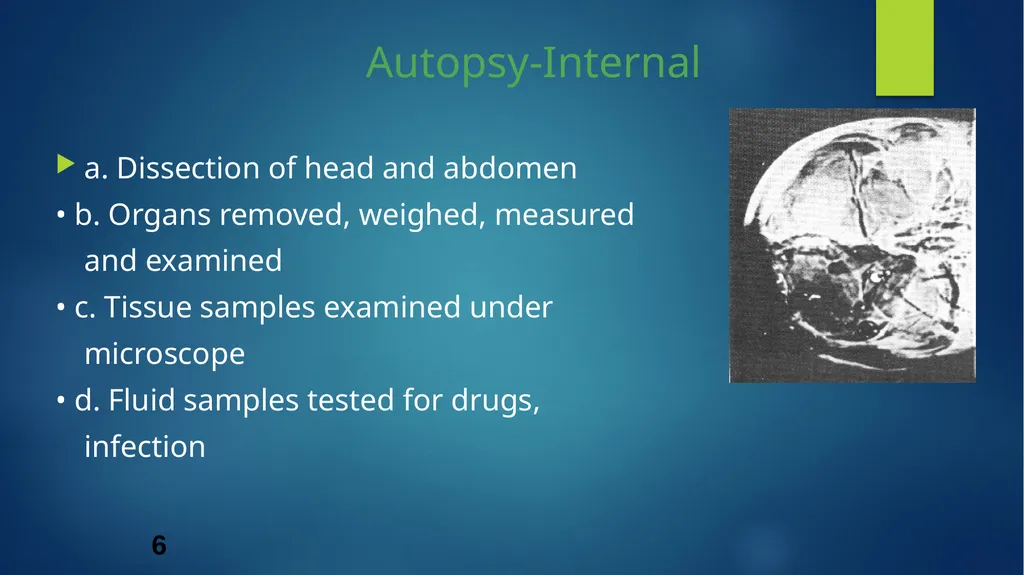
6 a. Dissection of head and abdomen
• b. Organs removed, weighed, measured
and examined
• c. Tissue samples examined under
microscope
• d. Fluid samples tested for drugs,
infection Autopsy-Internal<br>
07
Postmortem methods Three methods of postmortem evolved nowadays, as a result of the advances in diagnostic aids(X-ray and CT scan) which decreases the necessity for full autopsy, as they can give accurate diagnosis of the injuries in many situations with no need for full autopsy.<br>
08
Postmortem methods 1_ Full body autopsy: In which all the body compartments must be opened, and all viscera extruded out for the detailed examination, this includes the chest, abdomen, cranium, all four limbs, and the spine from the back. This is the traditional method used.<br>
09
Postmortem methods 2_ Partial (compartmental) autopsy: in which only the involved compartment dissected.<br>
10
Postmortem methods 3_ Local autopsy: in which only the involved area or segment of the body dissected if the injury very accurately localized.<br>
11
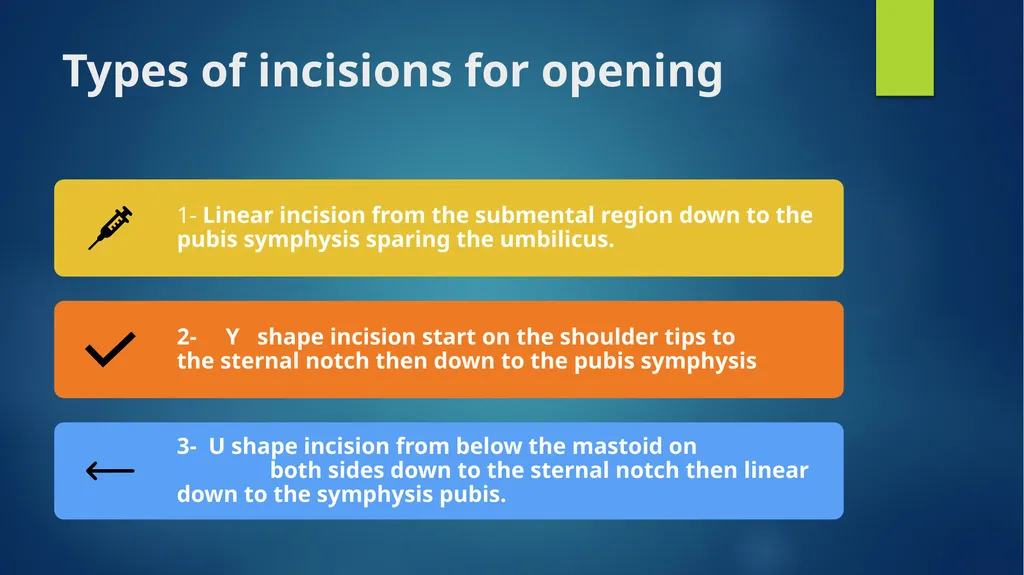
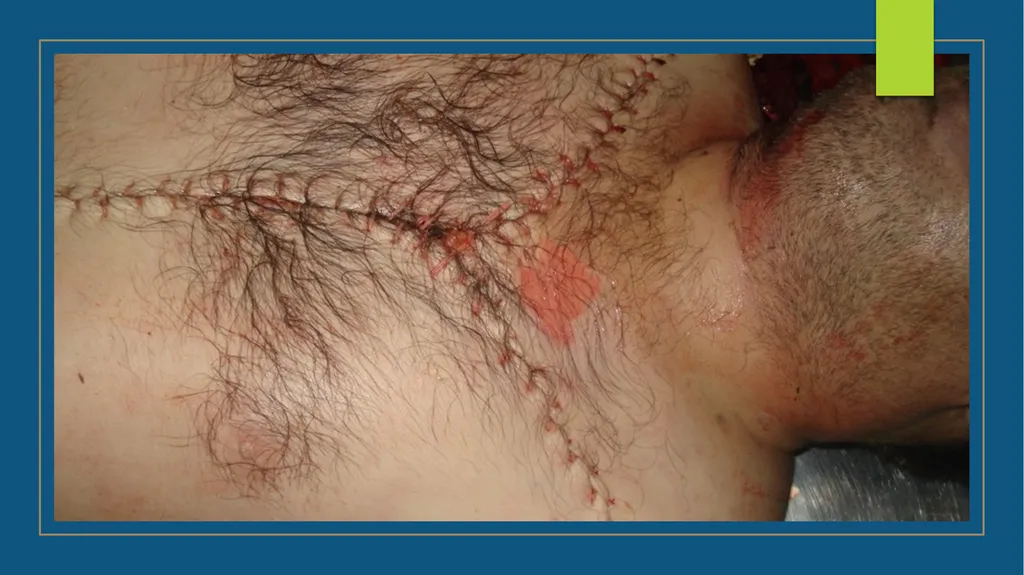
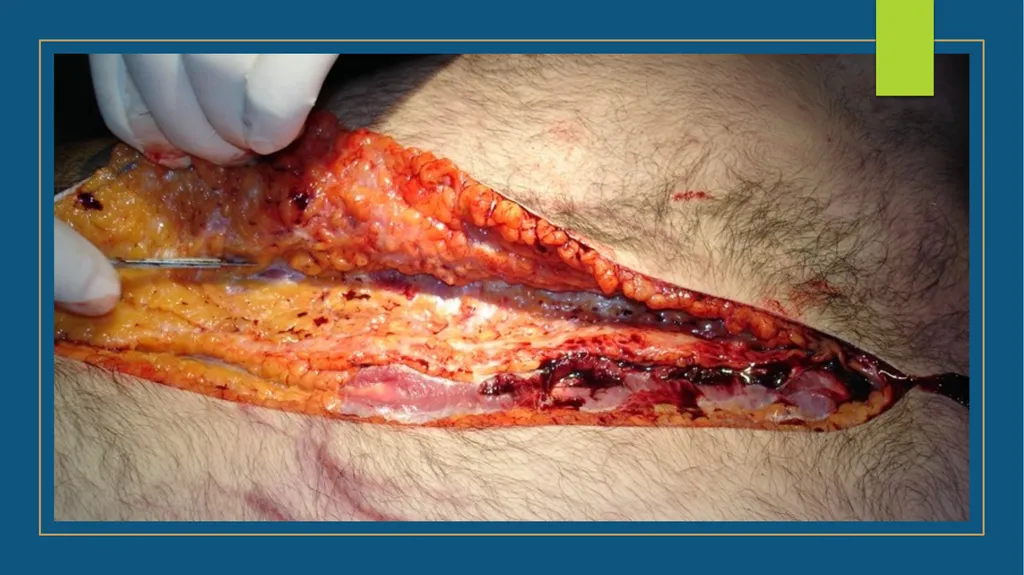
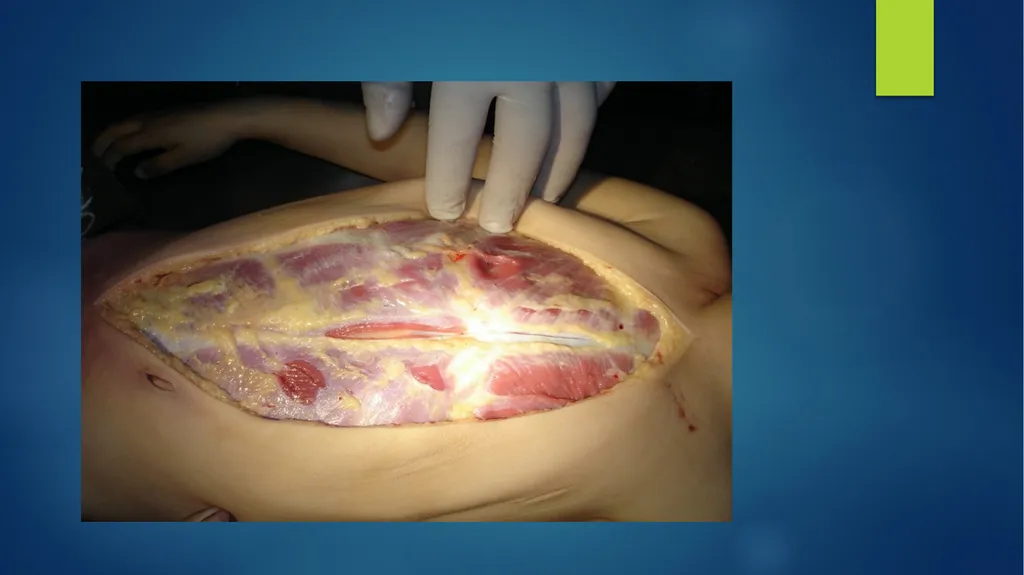
Types of incisions for opening<br>
12
Question and activity for students: you can use internet for searching your answer
According to Iraqi law can we do autopsy 2 time in one cadaver?<br>
13
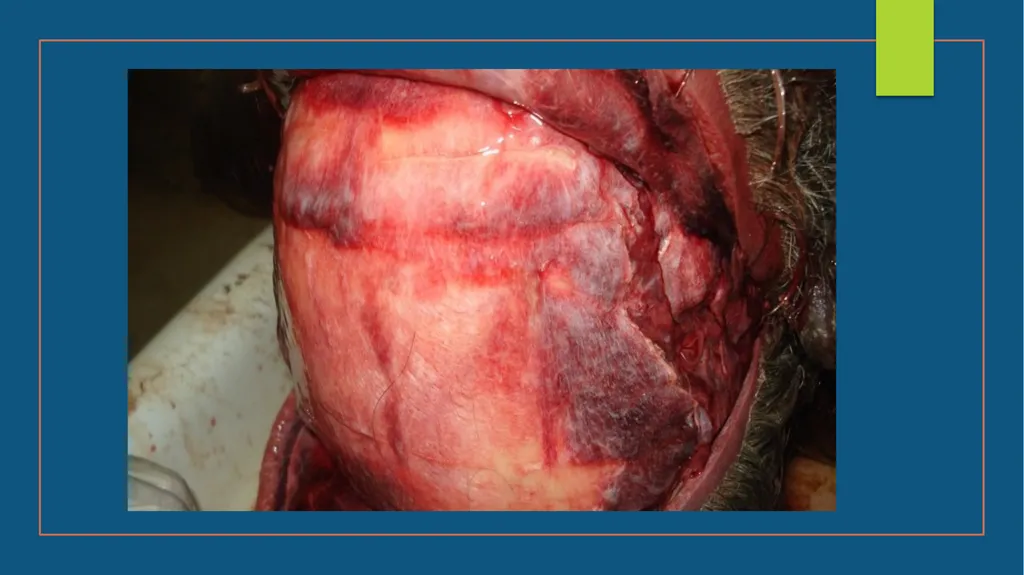
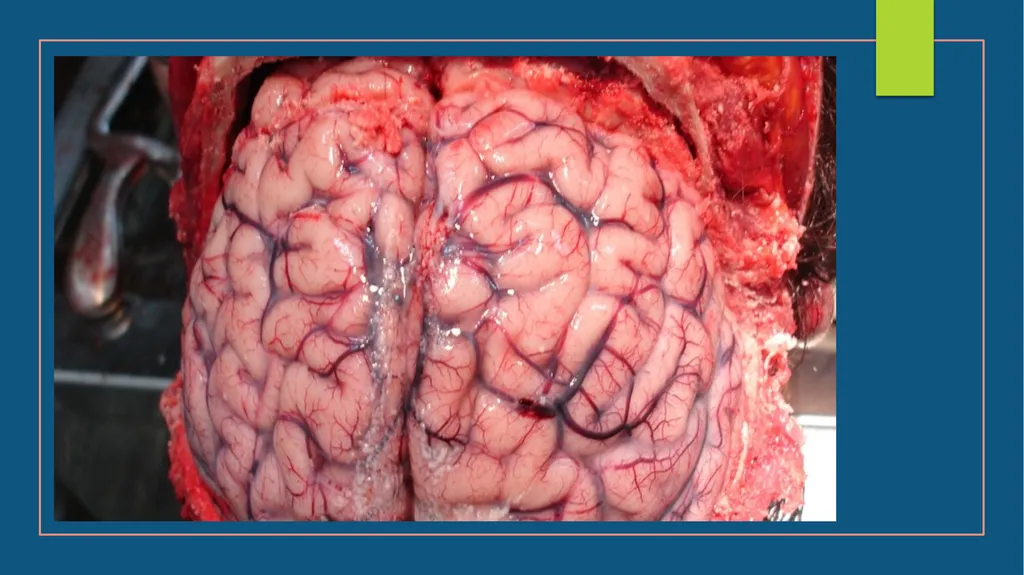
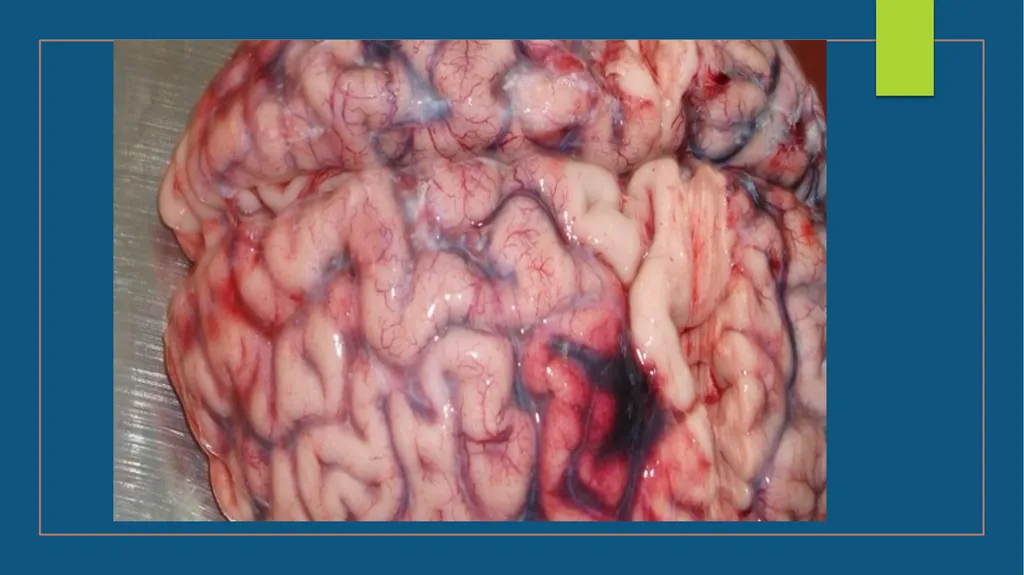
Opening the cranium The scalp opened by coronal incision from one mastoid process to the other down to the bone, and the flaps reflected anteriorly to the supraorbital ridges, and posteriorly to the inferior nuchal line. The cranium opened by electric saw. Take care not to tear the dura.<br>
14
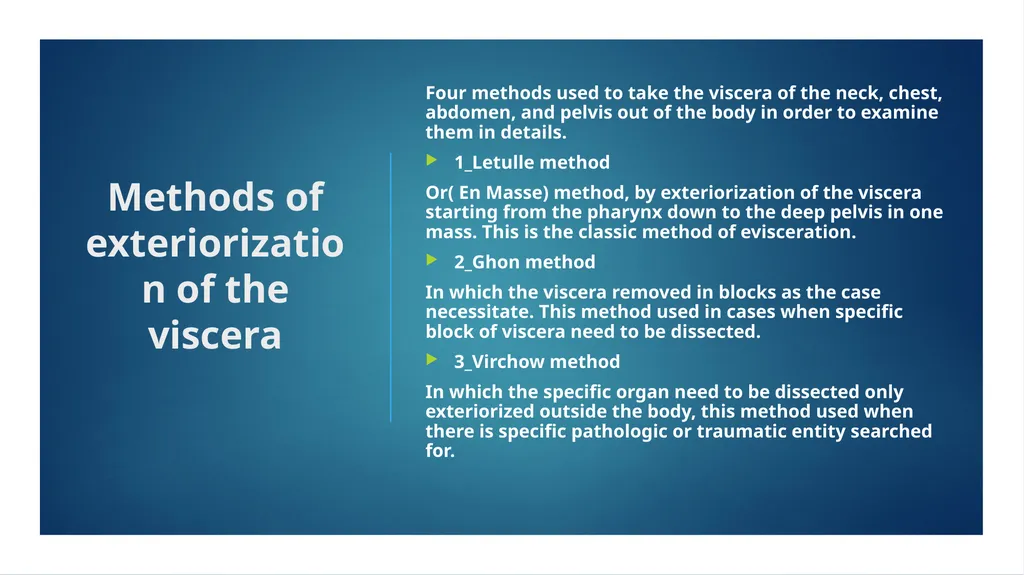
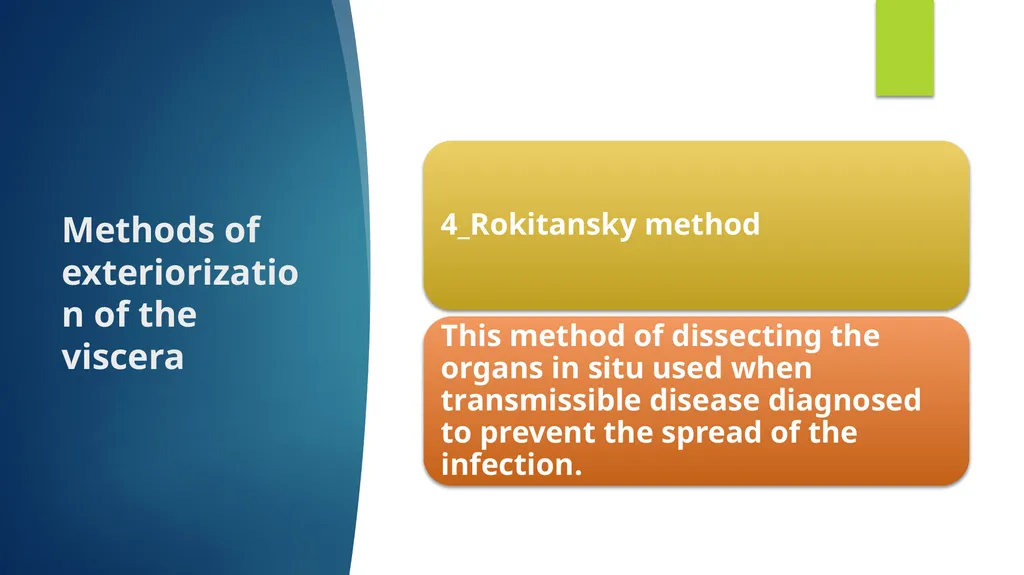
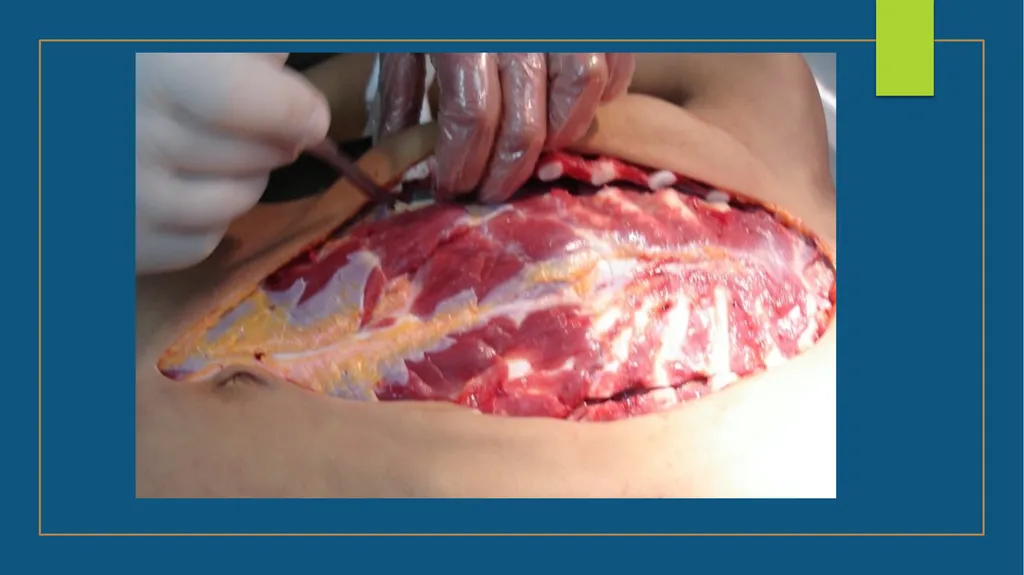
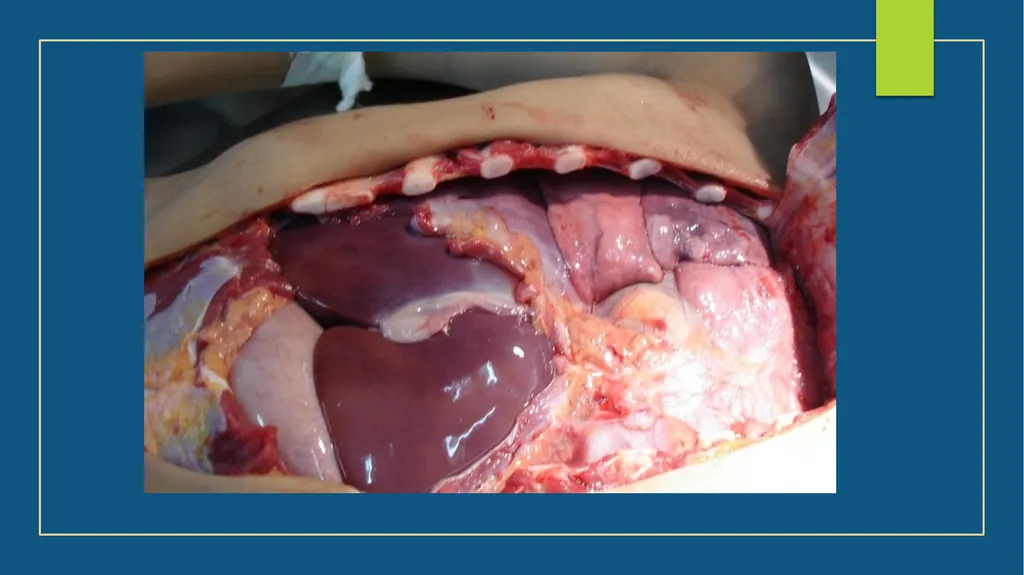
Methods of exteriorization of the viscera Four methods used to take the viscera of the neck, chest, abdomen, and pelvis out of the body in order to examine them in details.
1_Letulle method
Or( En Masse) method, by exteriorization of the viscera starting from the pharynx down to the deep pelvis in one mass. This is the classic method of evisceration.
2_Ghon method
In which the viscera removed in blocks as the case necessitate. This method used in cases when specific block of viscera need to be dissected.
3_Virchow method
In which the specific organ need to be dissected only exteriorized outside the body, this method used when there is specific pathologic or traumatic entity searched for.<br>
15
Methods of exteriorization of the viscera<br>
16
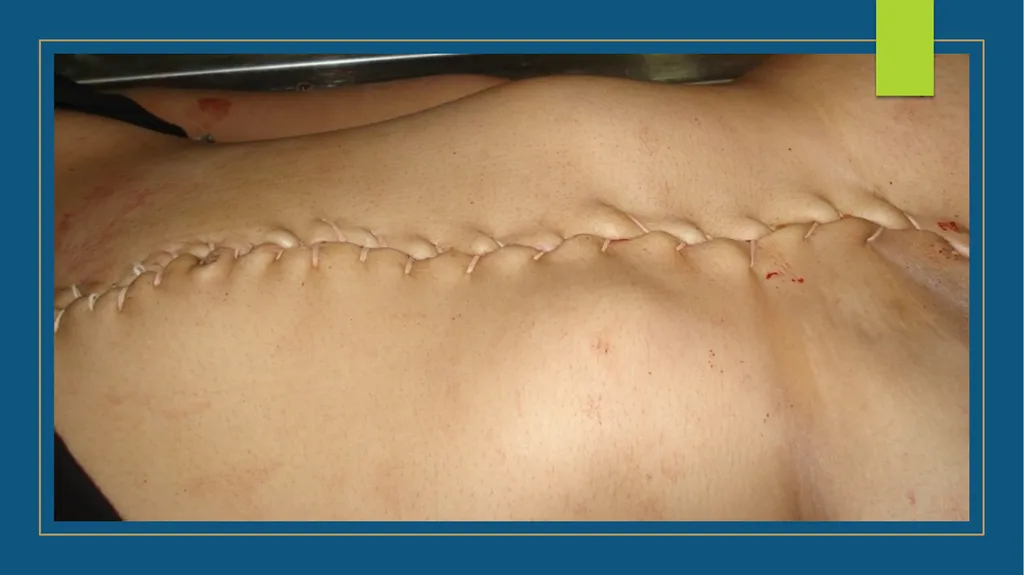
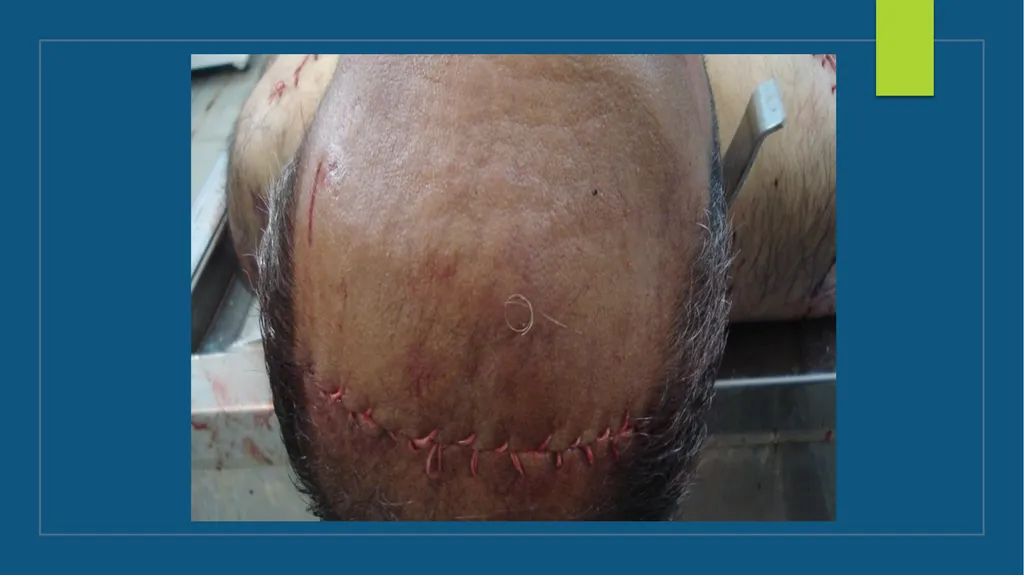
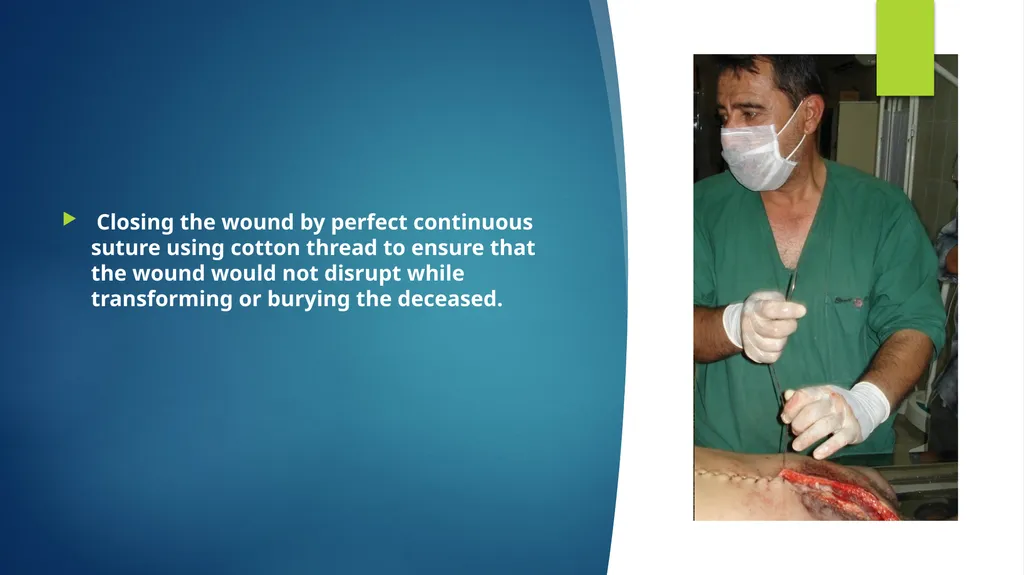
Closing the wound by perfect continuous suture using cotton thread to ensure that the wound would not disrupt while transforming or burying the deceased.<br>
17
summery Autopsy is very important science that help court and medicine.
We have three type of autopsies.
We have three type of incisions.
Scalp opening is important and take care about dura mater.
We knew about Methods of exteriorization of the viscera<br>
18
References:
Knights' Forensic pathology.
Simpsons ' forensic medicine.
Textbook of forensic medicine and toxicology<br>