
Preparing for a new ICH guideline on




Description: Preparing for a new ICH guideline on oligonucleotide safety testing: An industry perspective Joel Parry, Chair, EFPIA Oligo Working GroupGSK RD BelTox Conference, 05 Dec 2024, Gent The contents of this presentation are reflective of the
Related Topics
Download Presentation
"Preparing for a new ICH guideline on" is the property of its rightful owner. Permission is granted to download and print the materials on this website for personal, non-commercial use only, and to display it on your personal computer provided you do not modify the materials and that you retain all copyright notices contained in the materials. By downloading content from our website, you accept the terms of this agreement.
Presentation Transcript
slide1. Preparing for a new ICH guideline on oligonucleotide safety testing:
An industry perspective Joel Parry, Chair, EFPIA Oligo Working Group/GSK R&D
BelTox Conference, 05 Dec 2024, Gent<br>
slide2. The contents of this presentation are reflective of the presenter’s and the working group members’ interpretation and opinions. They do not necessarily represent the views, opinions and/or policies of their employers or EFPIA. Disclaimer<br>
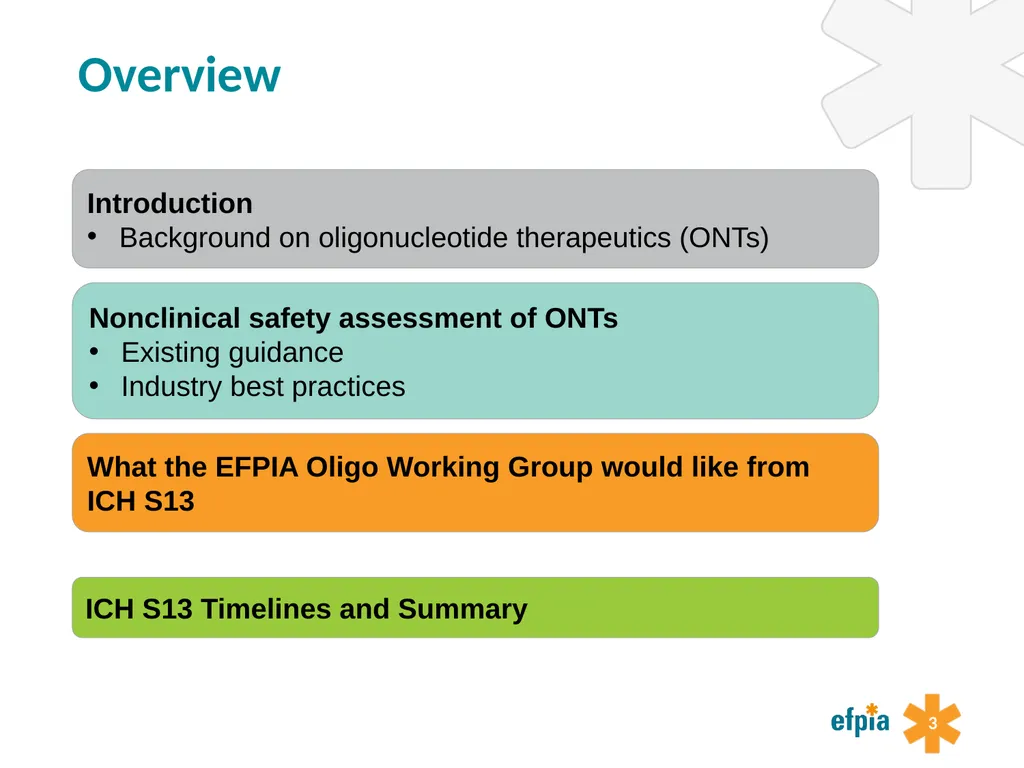
slide3. Overview<br>
slide4. Introduction
Background on ONTs<br>
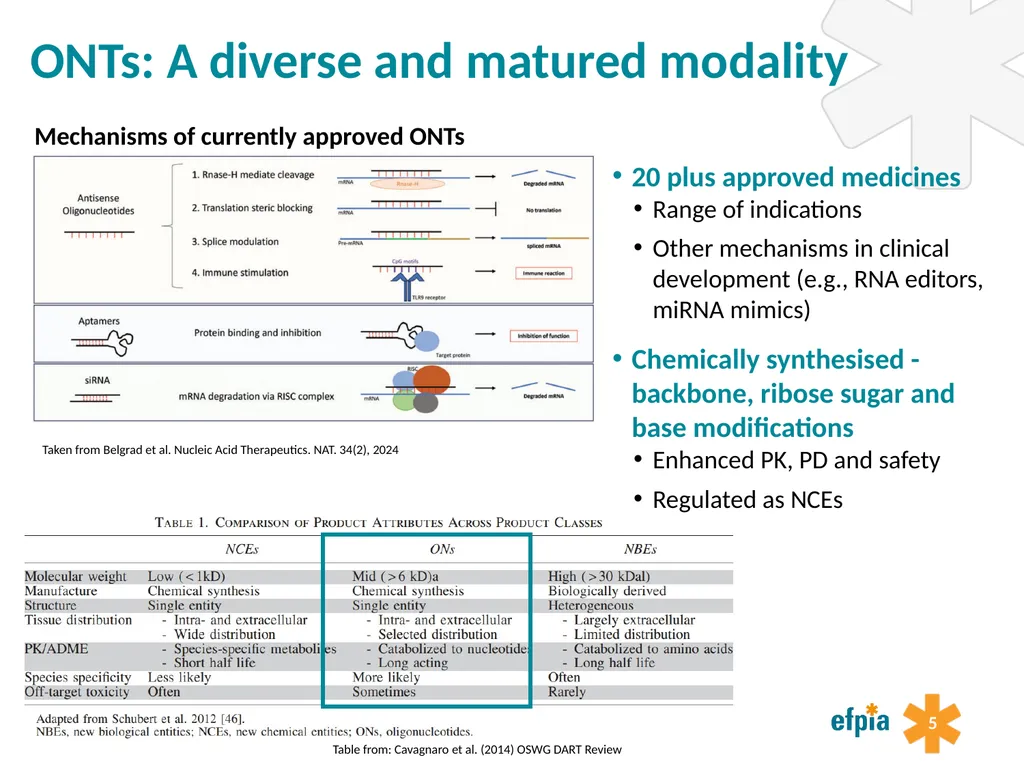
slide5. ONTs: A diverse and matured modality Mechanisms of currently approved ONTs Table from: Cavagnaro et al. (2014) OSWG DART Review 20 plus approved medicines
Range of indications
Other mechanisms in clinical development (e.g., RNA editors, miRNA mimics)
Chemically synthesised - backbone, ribose sugar and base modifications
Enhanced PK, PD and safety
Regulated as NCEs Taken from Belgrad et al. Nucleic Acid Therapeutics. NAT. 34(2), 2024<br>
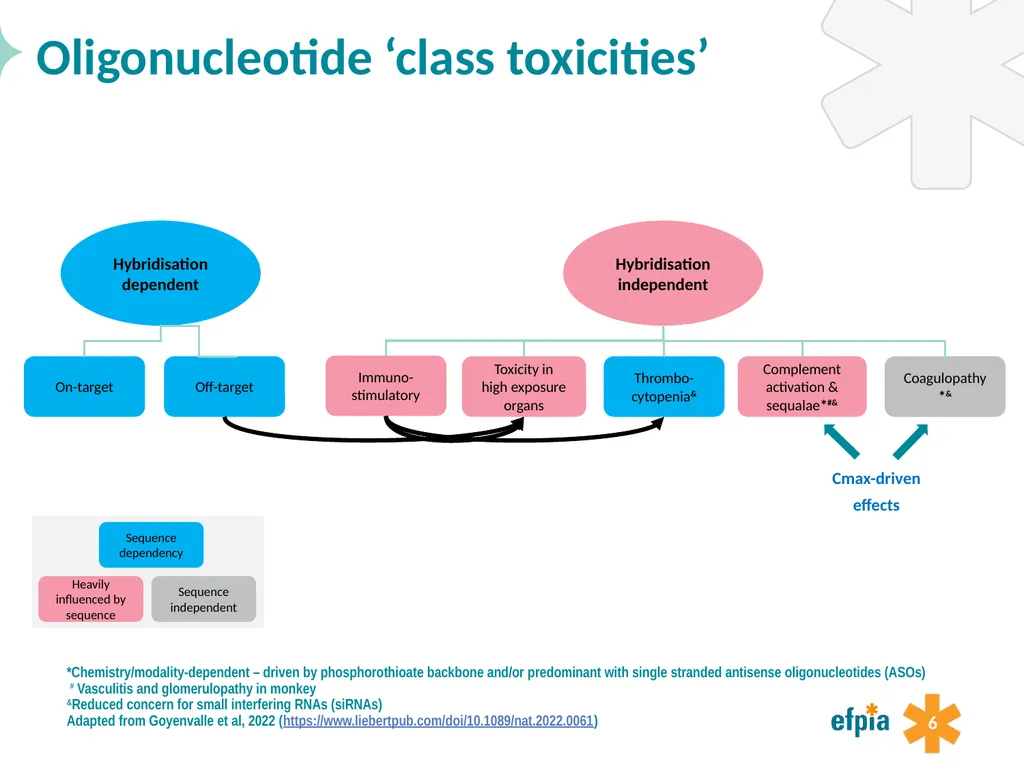
slide6. *Chemistry/modality-dependent – driven by phosphorothioate backbone and/or predominant with single stranded antisense oligonucleotides (ASOs)
# Vasculitis and glomerulopathy in monkey
&Reduced concern for small interfering RNAs (siRNAs)
Adapted from Goyenvalle et al, 2022 (https://www.liebertpub.com/doi/10.1089/nat.2022.0061) 6 Oligonucleotide ‘class toxicities’ Hybridisation dependent Hybridisation independent On-target Off-target Immuno-stimulatory Toxicity in high exposure organs Thrombo-cytopenia& Coagulopathy*& Complement activation & sequalae*#& Cmax-driven
effects<br>
slide7. Nonclinical safety assessment of ONTs
Existing regulatory guidance
Industry best practices<br>
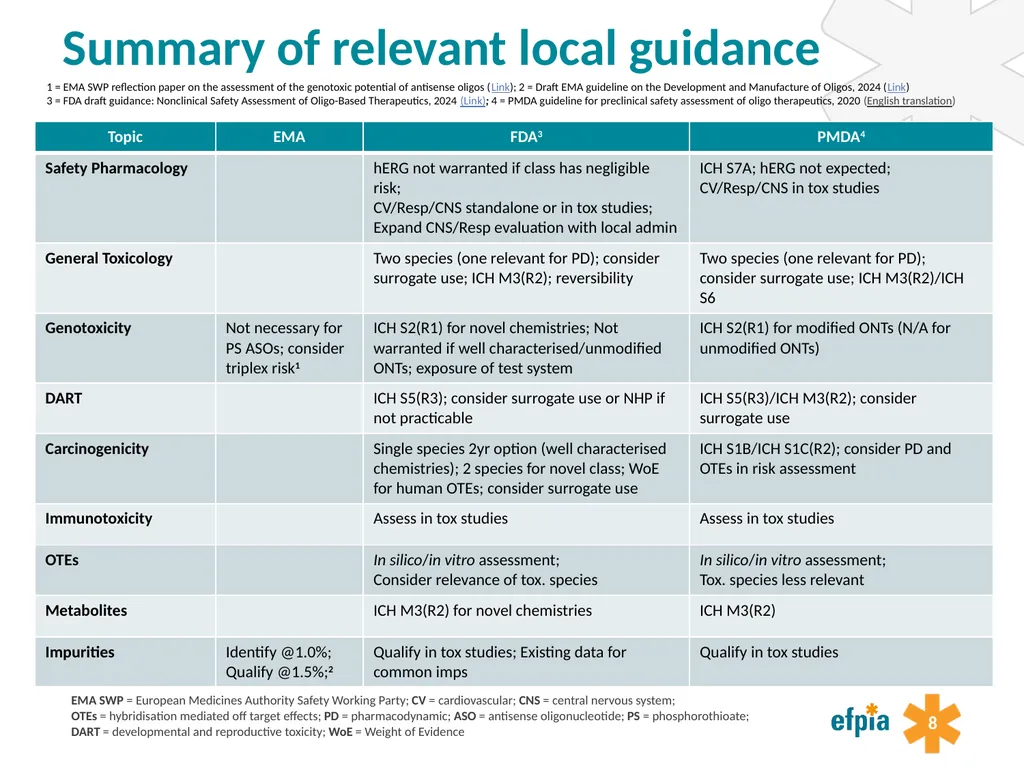
slide8. Summary of relevant local guidance 1 = EMA SWP reflection paper on the assessment of the genotoxic potential of antisense oligos (Link); 2 = Draft EMA guideline on the Development and Manufacture of Oligos, 2024 (Link)
3 = FDA draft guidance: Nonclinical Safety Assessment of Oligo-Based Therapeutics, 2024 (Link); 4 = PMDA guideline for preclinical safety assessment of oligo therapeutics, 2020 (English translation) EMA SWP = European Medicines Authority Safety Working Party; CV = cardiovascular; CNS = central nervous system;
OTEs = hybridisation mediated off target effects; PD = pharmacodynamic; ASO = antisense oligonucleotide; PS = phosphorothioate;
DART = developmental and reproductive toxicity; WoE = Weight of Evidence<br>
slide9. OSWG publications
Updated OTEs manuscript submitted (NAT, Oct 2024)
Drafting carcinogenicity white paper Industry opinion and best practices Anti-drug antibodies: Henry, S. P., Arfvidsson, C., Arrington, J., Canadi, J., Crowe, D., Gupta, S., Lohmann, S., Massonnet, B., Mytych, D., Rogers, T., Rogers, H., Stebbins, C., Stovold, C., Verthelyi, D., Vigil, A., Xuan, C., Xu, Y., Yu, R., & Klem, T. (2022). Assessment of the Immunogenicity Potential for Oligonucleotide-Based Drugs. Nucleic Acid Ther, 32(5), 369-377. https://doi.org/10.1089/nat.2021.0112
Complement activation: Henry, S. P., Seguin, R., Cavagnaro, J., Berman, C., Tepper, J., & Kornbrust, D. (2016). Considerations for the Characterization and Interpretation of Results Related to Alternative Complement Activation in Monkeys Associated with Oligonucleotide-Based Therapeutics. Nucleic Acid Ther, 26(4), 210-215 https://doi.org/10.1089/nat.2015.0593
DMPK: Berman CL, Antonsson M, Batkai S, Bosgra S, Chopda GR, Driessen W, Foy J, Hassan C, Hu XS, Jang HG, Meena, Sanseverino M, Thum T, Wang Y, Wild M, Wu JT. OSWG Recommended Approaches to the Nonclinical Pharmacokinetic (Absorption, Distribution, Metabolism, and Excretion) Characterization of Therapeutic Oligonucleotides. Nucleic Acid Ther. 2023 Aug 17. doi: 10.1089/nat.2023.0011. Epub ahead of print. PMID: 37590469.
Formulated oligos: Marlowe, J. L., Akopian, V., Karmali, P., Kornbrust, D., Lockridge, J., & Semple, S. (2017). Recommendations of the Oligonucleotide Safety Working Group's Formulated Oligonucleotide Subcommittee for the Safety Assessment of Formulated Oligonucleotide-Based Therapeutics. Nucleic Acid Ther, 27(4), 183-196. https://doi.org/10.1089/nat.2017.0671
Genotoxicity: Berman, C. L., Barros, S. A., Galloway, S. M., Kasper, P., Oleson, F. B., Priestley, C. C., Sweder, K. S., Schlosser, M. J., & Sobol, Z. (2016). OSWG Recommendations for Genotoxicity Testing of Novel Oligonucleotide-Based Therapeutics. Nucleic Acid Ther, 26(2), 73-85. https://doi.org/10.1089/nat.2015.0534
Impurities: Capaldi, D., Teasdale, A., Henry, S., Akhtar, N., den Besten, C., Gao-Sheridan, S., Kretschmer, M., Sharpe, N., Andrews, B., Burm, B., & Foy, J. (2017). Impurities in Oligonucleotide Drug Substances and Drug Products. Nucleic Acid Ther, 27(6), 309-322. https://doi.org/10.1089/nat.2017.0691
Inhaled Oligos: Alton EW, Boushey HA, Garn H, Green FH, Hodges M, Martin RJ, Murdoch RD, Renz H, Shrewsbury SB, Seguin R, Johnson G, Parry JD, Tepper J, Renzi P, Cavagnaro J, Ferrari N (2012). Clinical expert panel on monitoring potential lung toxicity of inhaled oligonucleotides: consensus points and recommendations. Nucleic Acid Ther, 22(4), 246-54. https://doi/10.1089/nat.2012.0345
Hybridisation mediated off-targets effects: Lindow, M., Vornlocher, H. P., Riley, D., Kornbrust, D. J., Burchard, J., Whiteley, L. O., Kamens, J., Thompson, J. D., Nochur, S., Younis, H., Bartz, S., Parry, J., Ferrari, N., Henry, S. P., & Levin, A. A. (2012). Assessing unintended hybridization-induced biological effects of oligonucleotides. Nat Biotechnol, 30(10), 920-923 https://doi.org/10.1038/nbt.2376
Reproductive and developmental toxicity: Cavagnaro, J., Berman, C., Kornbrust, D., White, T., Campion, S., & Henry, S. (2014). Considerations for assessment of reproductive and developmental toxicity of oligonucleotide-based therapeutics. Nucleic Acid Ther, 24(5), 313-325. https://doi.org/10.1089/nat.2014.0490
Safety pharmacology: Berman, C. L., Cannon, K., Cui, Y., Kornbrust, D. J., Lagrutta, A., Sun, S. Z., Tepper, J., Waldron, G., & Younis, H. S. (2014). Recommendations for safety pharmacology evaluations of oligonucleotide-based therapeutics. Nucleic Acid Ther, 24(4), 291-301. https://doi.org/10.1089/nat.2013.0477
Target safety assessment/exaggerated pharmacology: Kornbrust, D., Cavagnaro, J., Levin, A., Foy, J., Pavco, P., Gamba-Vitalo, C., & Guimond, A. (2013). Oligo safety working group exaggerated pharmacology subcommittee consensus document. Nucleic Acid Ther, 23(1), 21-28. https://doi.org/10.1089/nat.2012.0399 OSWG = Oligonucleotide Safety Working Group; OTEs = hybridisation medicated off target effects; DMPK = drug metabolism and pharmacokinetics; NAT = Nuc Acid Ther<br>
slide10. What the EFPIA Oligo Working Group would like from ICH S13<br>
slide11. Harmonisation of nonclinical safety assessment of ONTs/ relevance of existing ICH guidance
Clarity on expectations for ONT-specific considerations (e.g., OTEs, use of surrogates)
Opportunities for leveraging prior knowledge – 3Rs and resource efficiencies
ONTs are a fast evolving modality – important ICH S13 takes account of this EFPIA Oligo WG - fully supportive of ICH S13 in principle<br>
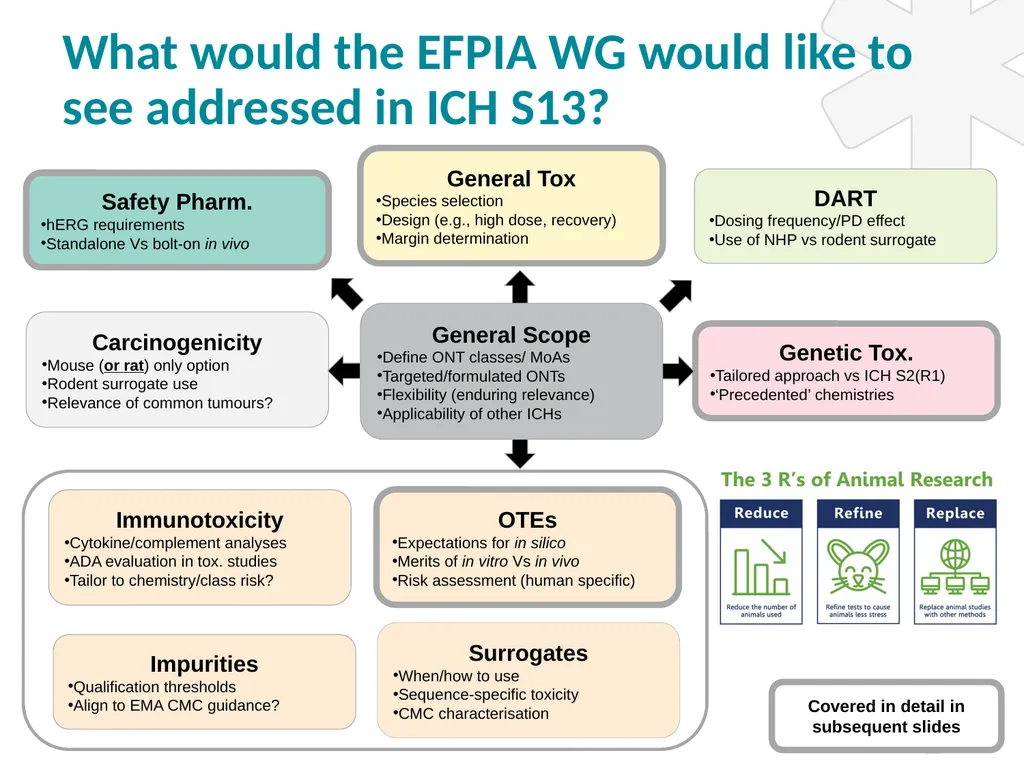
slide12. What would the EFPIA WG would like to see addressed in ICH S13? General Tox
Species selection
Design (e.g., high dose, recovery)
Margin determination Safety Pharm.
hERG requirements
Standalone Vs bolt-on in vivo DART
Dosing frequency/PD effect
Use of NHP vs rodent surrogate Carcinogenicity
Mouse (or rat) only option
Rodent surrogate use
Relevance of common tumours? Genetic Tox.
Tailored approach vs ICH S2(R1)
‘Precedented’ chemistries General Scope
Define ONT classes/ MoAs
Targeted/formulated ONTs
Flexibility (enduring relevance)
Applicability of other ICHs Covered in detail in subsequent slides<br>
slide13. Secondary pharmacology panels (e.g., CEREP) of limited value
Utility for investigating unexpected findings?
CNS – limited concern with systemic admin.
Assessment in repeat dose tox. covers potential CNS accumulation
Acute neurotoxicity seen with direct admin. of some ONTs
Respiratory – no evidence of acute effects with systemic administration
Impact of inhaled delivery? Safety pharmacology considerations Geary (2009). Expert Opin. Drug Metab. Toxicol. 5(4) 381-91<br>
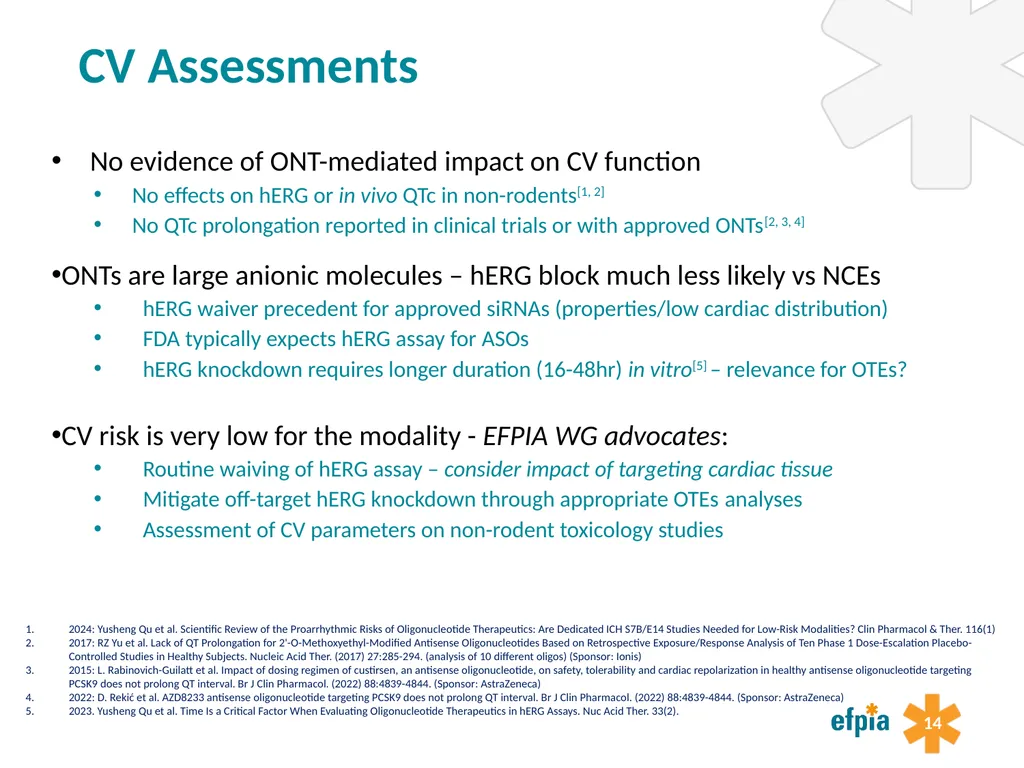
slide14. No evidence of ONT-mediated impact on CV function
No effects on hERG or in vivo QTc in non-rodents[1, 2]
No QTc prolongation reported in clinical trials or with approved ONTs[2, 3, 4]
ONTs are large anionic molecules – hERG block much less likely vs NCEs
hERG waiver precedent for approved siRNAs (properties/low cardiac distribution)
FDA typically expects hERG assay for ASOs
hERG knockdown requires longer duration (16-48hr) in vitro[5] – relevance for OTEs?
CV risk is very low for the modality - EFPIA WG advocates:
Routine waiving of hERG assay – consider impact of targeting cardiac tissue
Mitigate off-target hERG knockdown through appropriate OTEs analyses
Assessment of CV parameters on non-rodent toxicology studies CV Assessments 2024: Yusheng Qu et al. Scientific Review of the Proarrhythmic Risks of Oligonucleotide Therapeutics: Are Dedicated ICH S7B/E14 Studies Needed for Low-Risk Modalities? Clin Pharmacol & Ther. 116(1)
2017: RZ Yu et al. Lack of QT Prolongation for 2'-O-Methoxyethyl-Modified Antisense Oligonucleotides Based on Retrospective Exposure/Response Analysis of Ten Phase 1 Dose-Escalation Placebo-Controlled Studies in Healthy Subjects. Nucleic Acid Ther. (2017) 27:285-294. (analysis of 10 different oligos) (Sponsor: Ionis)
2015: L. Rabinovich-Guilatt et al. Impact of dosing regimen of custirsen, an antisense oligonucleotide, on safety, tolerability and cardiac repolarization in healthy antisense oligonucleotide targeting PCSK9 does not prolong QT interval. Br J Clin Pharmacol. (2022) 88:4839-4844. (Sponsor: AstraZeneca)
2022: D. Rekić et al. AZD8233 antisense oligonucleotide targeting PCSK9 does not prolong QT interval. Br J Clin Pharmacol. (2022) 88:4839-4844. (Sponsor: AstraZeneca)
2023. Yusheng Qu et al. Time Is a Critical Factor When Evaluating Oligonucleotide Therapeutics in hERG Assays. Nuc Acid Ther. 33(2).<br>
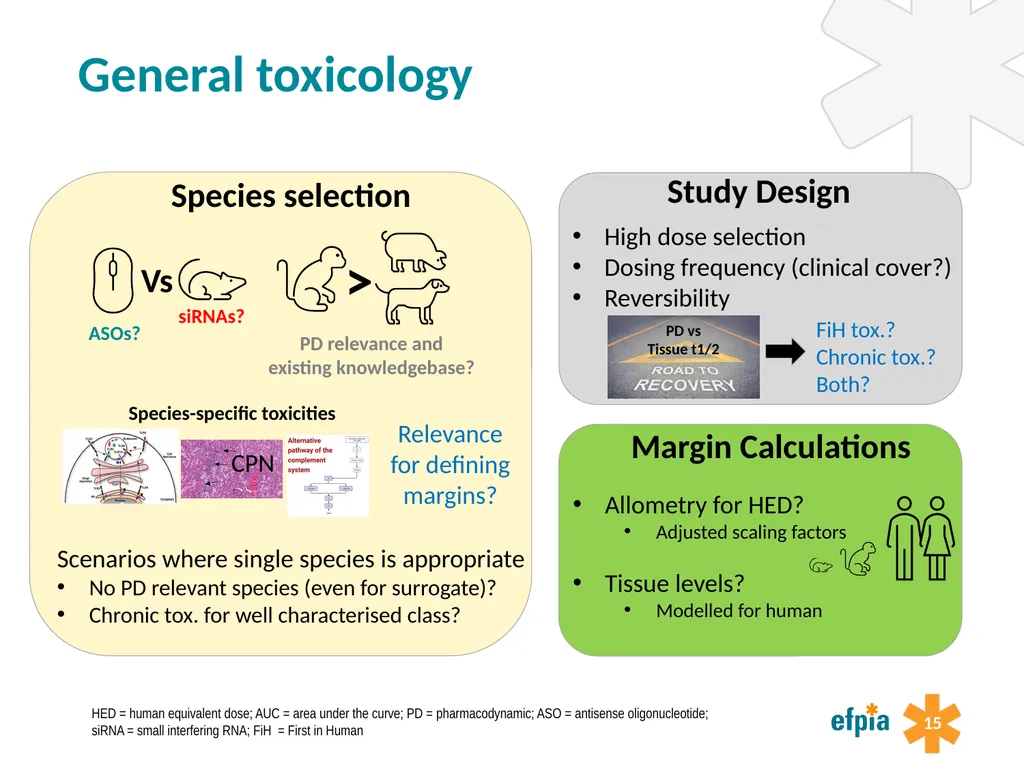
slide15. General toxicology HED = human equivalent dose; AUC = area under the curve; PD = pharmacodynamic; ASO = antisense oligonucleotide; siRNA = small interfering RNA; FiH = First in Human<br>
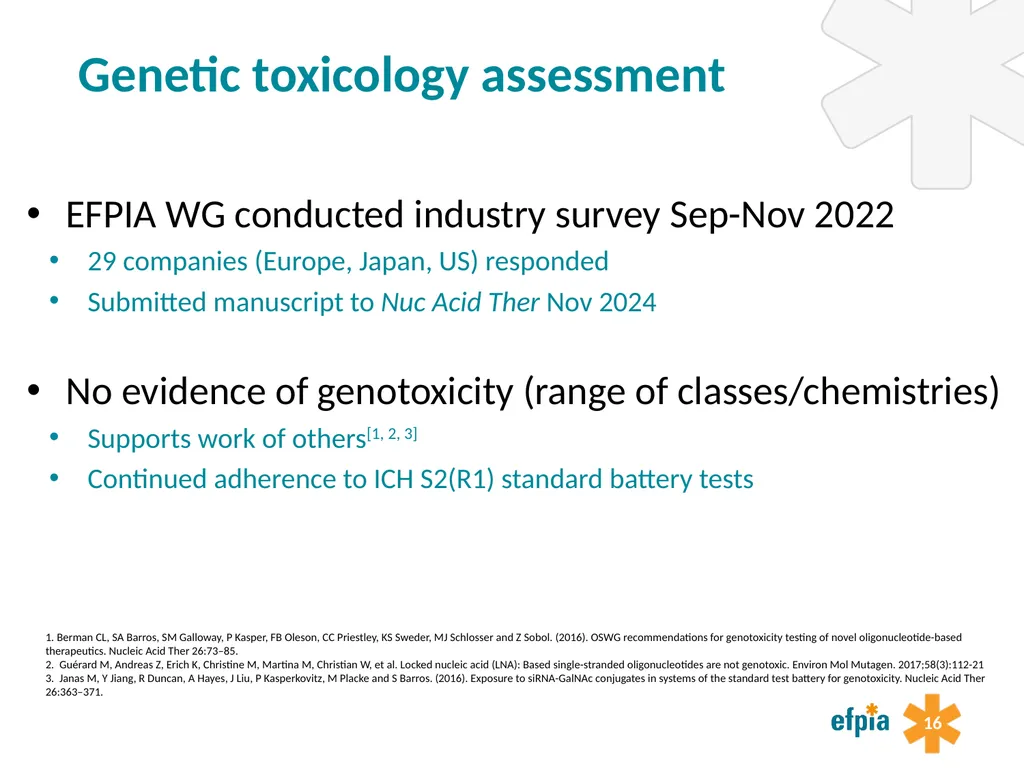
slide16. EFPIA WG conducted industry survey Sep-Nov 2022
29 companies (Europe, Japan, US) responded
Submitted manuscript to Nuc Acid Ther Nov 2024
No evidence of genotoxicity (range of classes/chemistries)
Supports work of others[1, 2, 3]
Continued adherence to ICH S2(R1) standard battery tests Genetic toxicology assessment 1. Berman CL, SA Barros, SM Galloway, P Kasper, FB Oleson, CC Priestley, KS Sweder, MJ Schlosser and Z Sobol. (2016). OSWG recommendations for genotoxicity testing of novel oligonucleotide-based therapeutics. Nucleic Acid Ther 26:73–85.
2. Guérard M, Andreas Z, Erich K, Christine M, Martina M, Christian W, et al. Locked nucleic acid (LNA): Based single-stranded oligonucleotides are not genotoxic. Environ Mol Mutagen. 2017;58(3):112-21
3. Janas M, Y Jiang, R Duncan, A Hayes, J Liu, P Kasperkovitz, M Placke and S Barros. (2016). Exposure to siRNA-GalNAc conjugates in systems of the standard test battery for genotoxicity. Nucleic Acid Ther 26:363–371.<br>
slide17. No company had observed any ONT to be genotoxic in any GLP (or nonGLP) test
A: PS backbone tested >130 times; morpholino, GNA and VP each tested ≥5 times (*PN tested twice) to GLP
B: 2OMe, 2MOE and 2F 2’ sugar modifications, and LNA and cEt tested >10 times to GLP
C: 5mC and abasic sites tested >15 times (2-thio tested twice) to GLP Chemical modifications tested *Phosphoryl guanidine (PN) PS = phosphorothioate; GNA = glycol nucleic acid; VP = vinyl phosphonate; 2MOE = 2’-methoxyethyl; 2OMe = 2’O-methyl; 2F = 2’-fluoro; LNA = locked nucleic acid; cEt = constrained ethyl; 5mC = 5-methylcytidine<br>
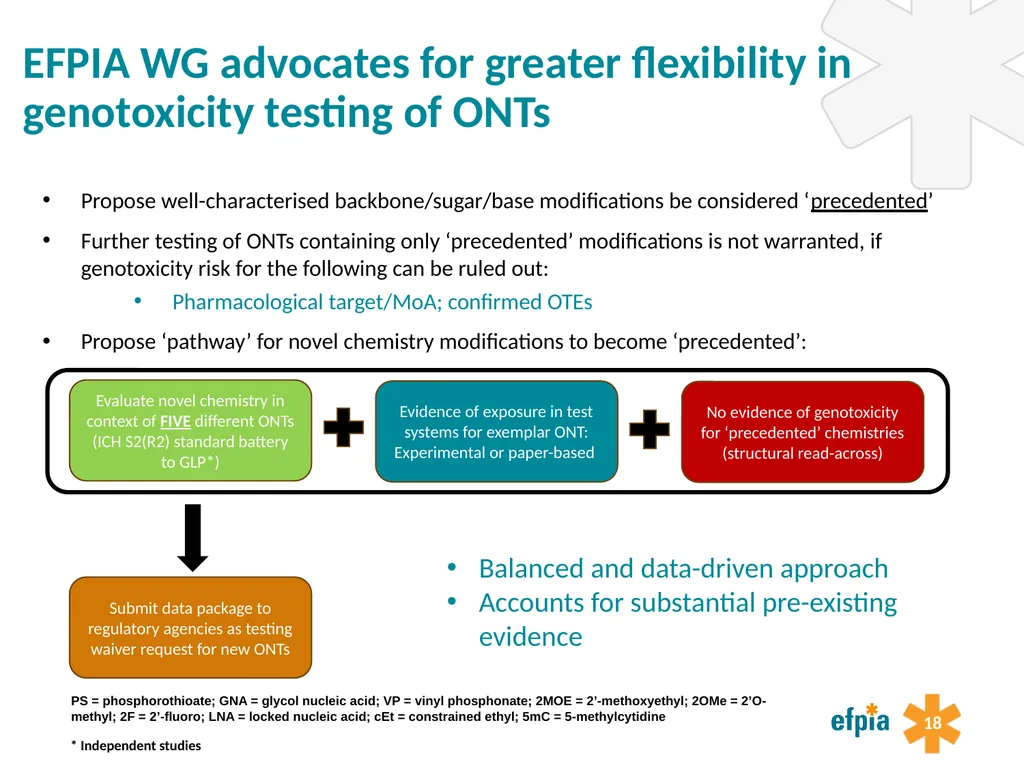
slide18. Propose well-characterised backbone/sugar/base modifications be considered ‘precedented’
Further testing of ONTs containing only ‘precedented’ modifications is not warranted, if genotoxicity risk for the following can be ruled out:
Pharmacological target/MoA; confirmed OTEs
Propose ‘pathway’ for novel chemistry modifications to become ‘precedented’: EFPIA WG advocates for greater flexibility in genotoxicity testing of ONTs Submit data package to regulatory agencies as testing waiver request for new ONTs * Independent studies Balanced and data-driven approach
Accounts for substantial pre-existing evidence PS = phosphorothioate; GNA = glycol nucleic acid; VP = vinyl phosphonate; 2MOE = 2’-methoxyethyl; 2OMe = 2’O-methyl; 2F = 2’-fluoro; LNA = locked nucleic acid; cEt = constrained ethyl; 5mC = 5-methylcytidine<br>
slide19. Increasing number of questions on this topic from regulatory agencies[1]
Hope that ICH S13 will offer clarity on expectations
Submission of early RNAseq screening data?
Evidence for triaging OTEs, e.g. tissue expression, modifications that mitigate
Relevance of nonclinical species and human unique OTEs
Updating analyses during development
Consideration of OSWG best practices as input for guidance OTEs assessment 1. Tessier Y, Achanzar W, Mihalcik L, Amuzie C, Andersson P, Parry JD, Moggs J, Whiteley LO. Outcomes of the European Federation of Pharmaceutical Industries and Associations Oligonucleotide Working Group Survey on Nonclinical Practices and Regulatory Expectations for Therapeutic Oligonucleotide Safety Assessment. Nucleic Acid Ther. 2021 Feb;31(1)<br>
slide20. S13 Timelines, Summary and Acknowledgements<br>
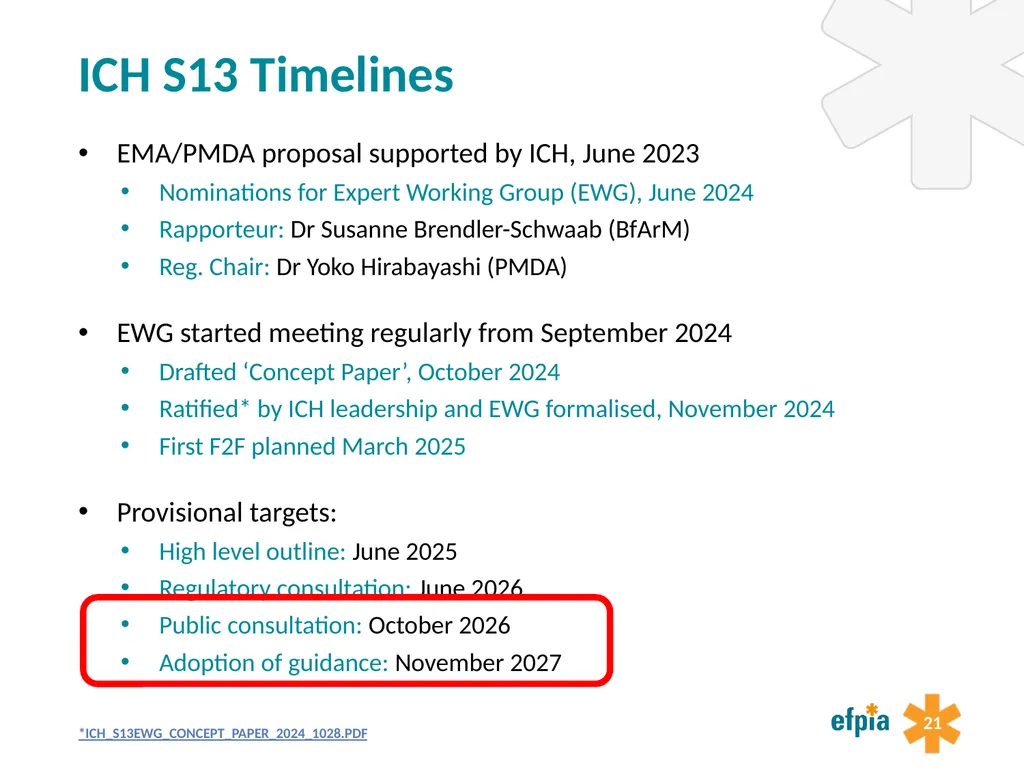
slide21. EMA/PMDA proposal supported by ICH, June 2023
Nominations for Expert Working Group (EWG), June 2024
Rapporteur: Dr Susanne Brendler-Schwaab (BfArM)
Reg. Chair: Dr Yoko Hirabayashi (PMDA)
EWG started meeting regularly from September 2024
Drafted ‘Concept Paper’, October 2024
Ratified* by ICH leadership and EWG formalised, November 2024
First F2F planned March 2025
Provisional targets:
High level outline: June 2025
Regulatory consultation: June 2026
Public consultation: October 2026
Adoption of guidance: November 2027 *ICH_S13EWG_Concept_Paper_2024_1028.pdf ICH S13 Timelines<br>
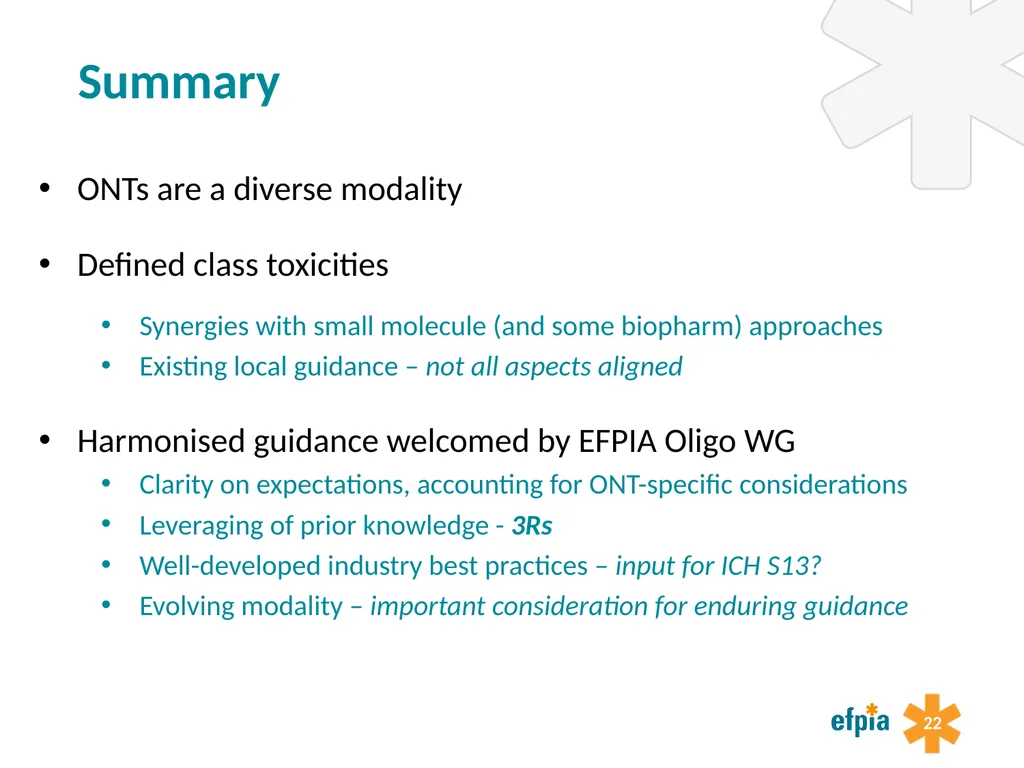
slide22. ONTs are a diverse modality
Defined class toxicities
Synergies with small molecule (and some biopharm) approaches
Existing local guidance – not all aspects aligned
Harmonised guidance welcomed by EFPIA Oligo WG
Clarity on expectations, accounting for ONT-specific considerations
Leveraging of prior knowledge - 3Rs
Well-developed industry best practices – input for ICH S13?
Evolving modality – important consideration for enduring guidance Summary<br>
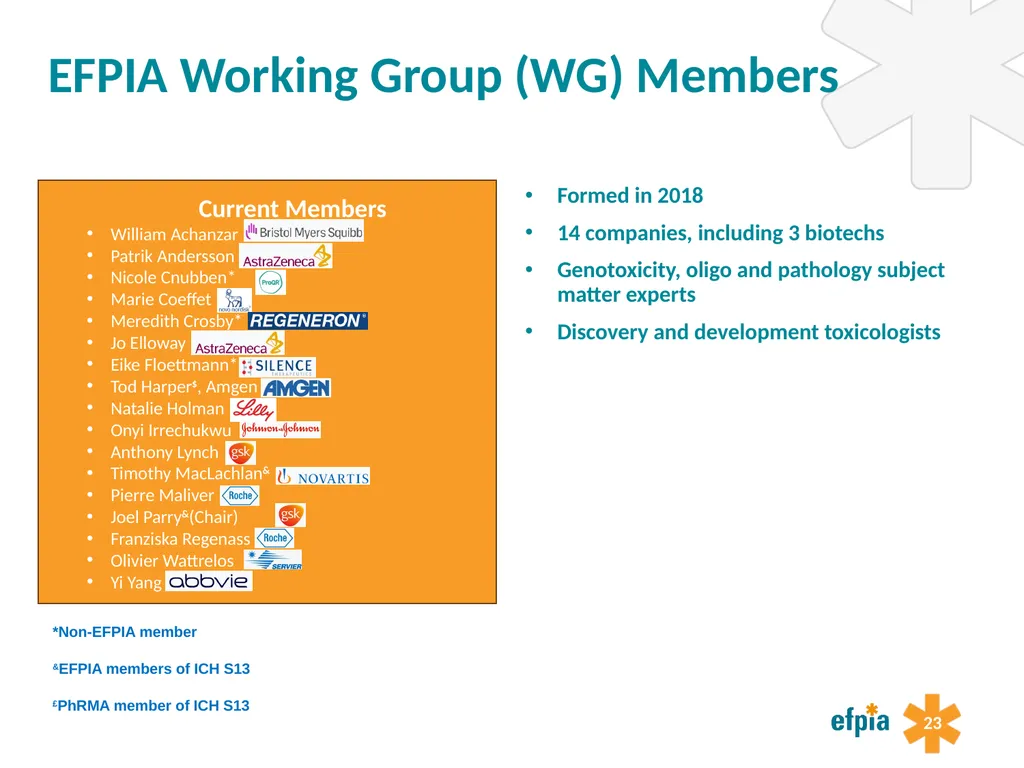
slide23. EFPIA Working Group (WG) Members Current Members
William Achanzar
Patrik Andersson
Nicole Cnubben*
Marie Coeffet
Meredith Crosby*
Jo Elloway
Eike Floettmann*
Tod Harper$, Amgen
Natalie Holman
Onyi Irrechukwu
Anthony Lynch
Timothy MacLachlan&
Pierre Maliver
Joel Parry&(Chair)
Franziska Regenass
Olivier Wattrelos
Yi Yang Formed in 2018
14 companies, including 3 biotechs
Genotoxicity, oligo and pathology subject matter experts
Discovery and development toxicologists *Non-EFPIA member
&EFPIA members of ICH S13
£PhRMA member of ICH S13<br>
slide24. Thank you for your attention – questions?<br>
slide25. Backups<br>
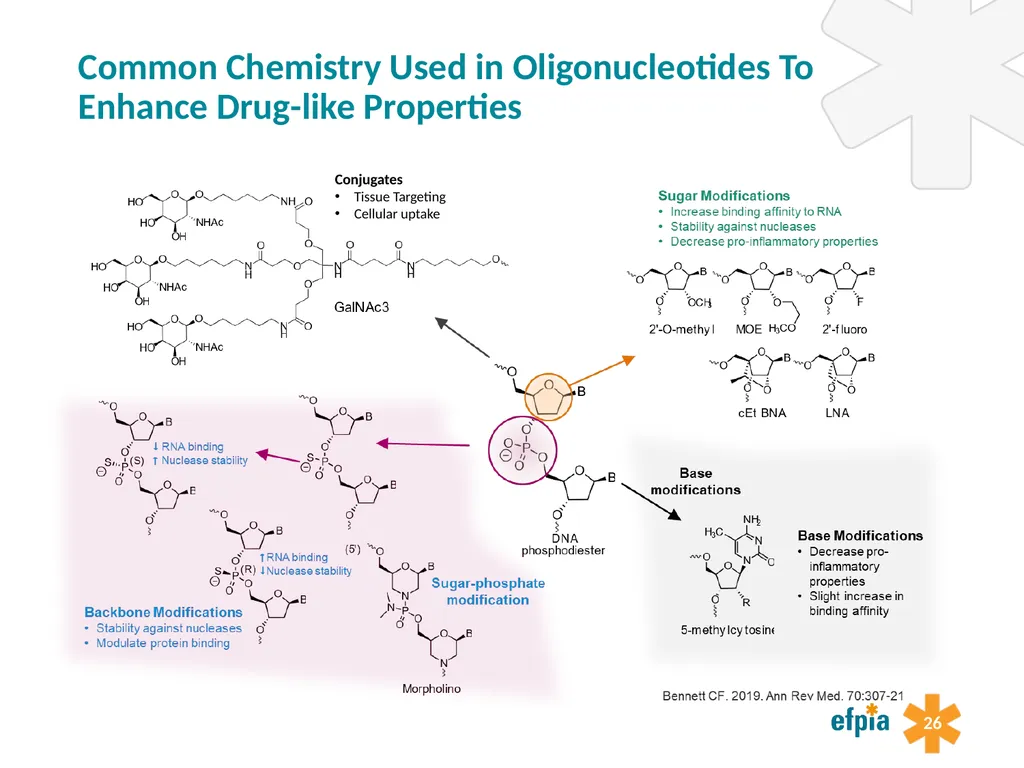
slide26. Common Chemistry Used in Oligonucleotides To Enhance Drug-like Properties<br>
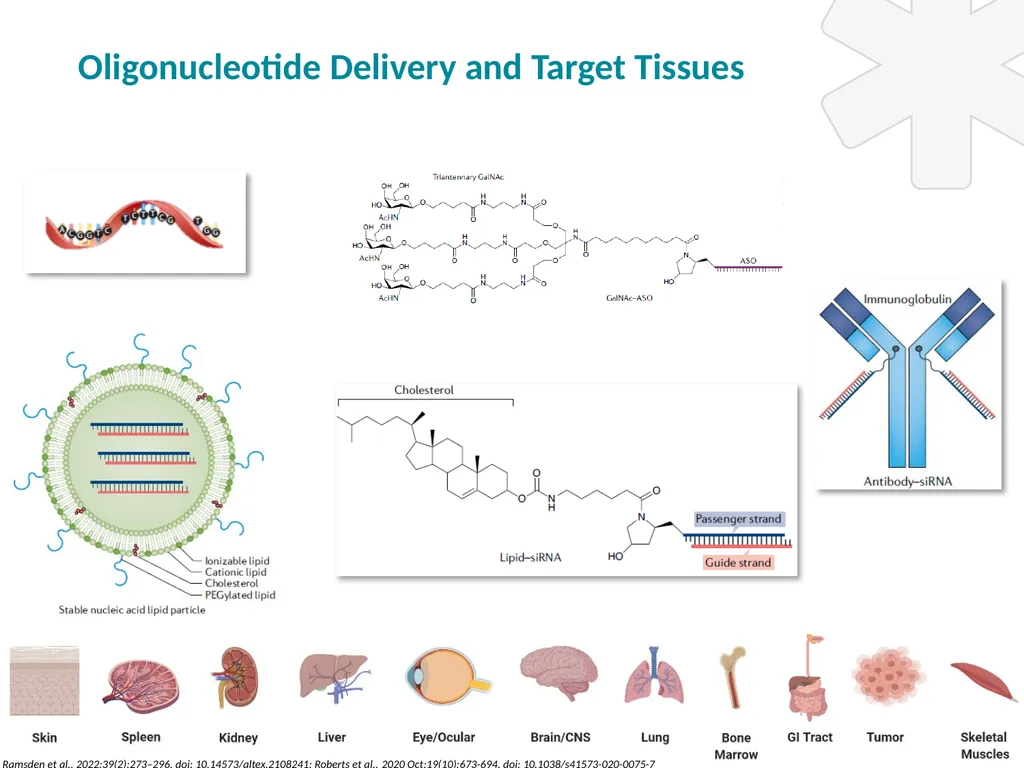
slide27. Oligonucleotide Delivery and Target Tissues Ramsden et al., 2022;39(2):273–296. doi: 10.14573/altex.2108241; Roberts et al., 2020 Oct;19(10):673-694. doi: 10.1038/s41573-020-0075-7<br>
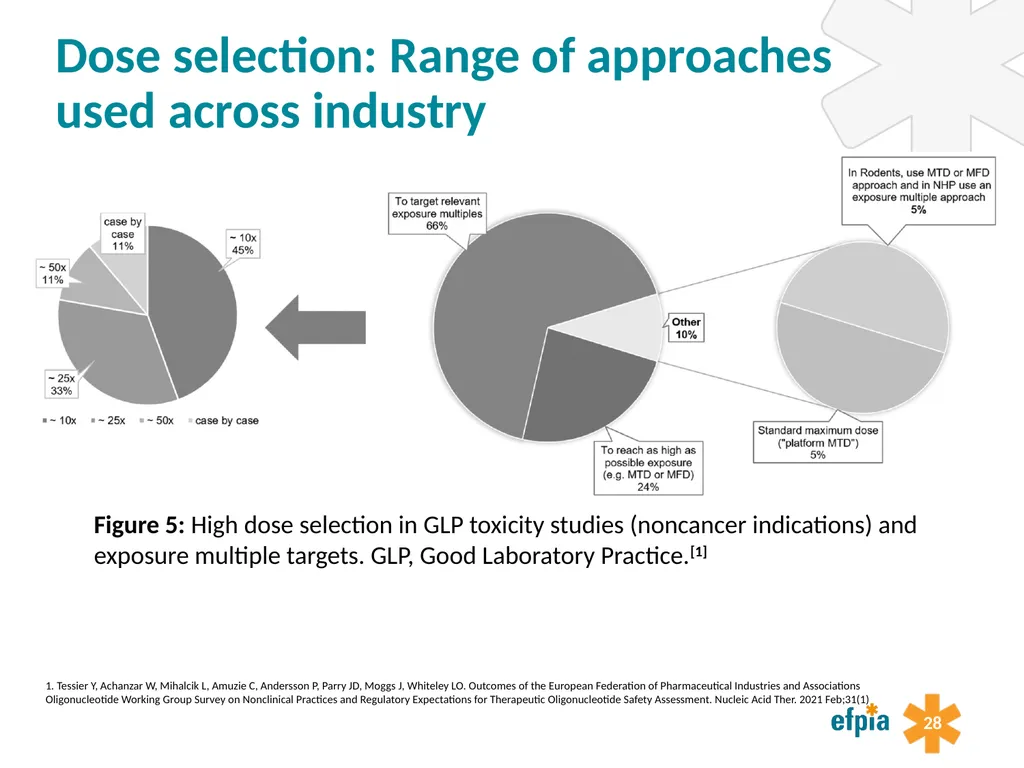
slide28. Dose selection: Range of approaches used across industry Figure 5: High dose selection in GLP toxicity studies (noncancer indications) and exposure multiple targets. GLP, Good Laboratory Practice.[1] 1. Tessier Y, Achanzar W, Mihalcik L, Amuzie C, Andersson P, Parry JD, Moggs J, Whiteley LO. Outcomes of the European Federation of Pharmaceutical Industries and Associations Oligonucleotide Working Group Survey on Nonclinical Practices and Regulatory Expectations for Therapeutic Oligonucleotide Safety Assessment. Nucleic Acid Ther. 2021 Feb;31(1)<br>
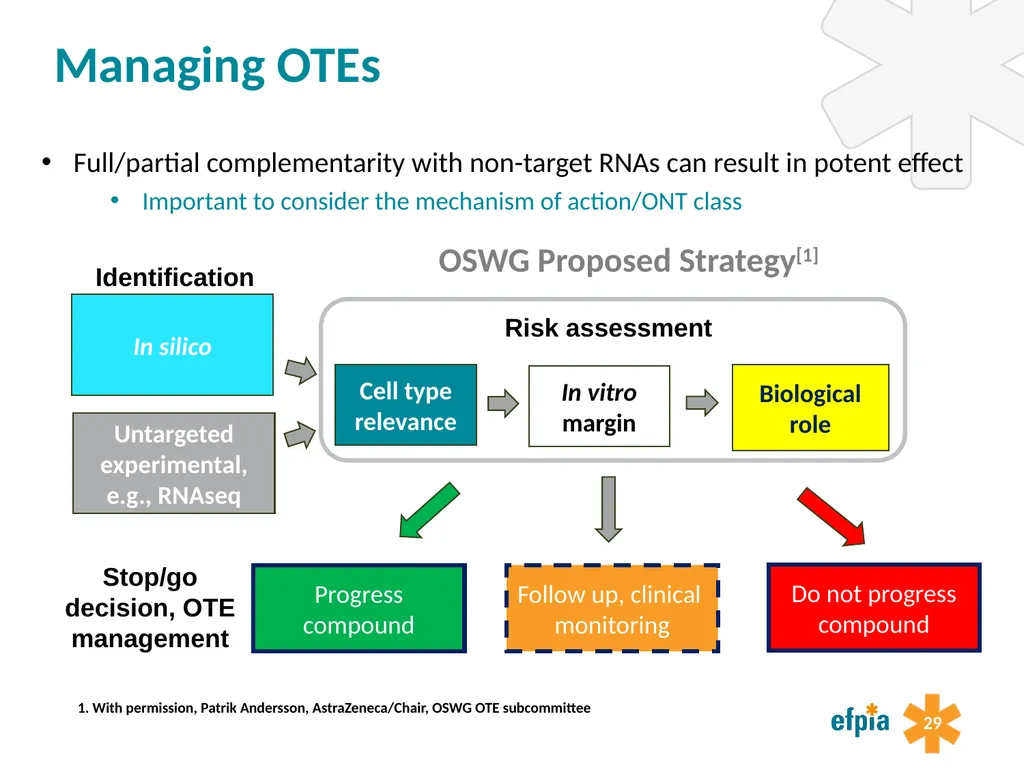
slide29. Full/partial complementarity with non-target RNAs can result in potent effect
Important to consider the mechanism of action/ONT class Managing OTEs Identification Stop/go
decision, OTE management 1. With permission, Patrik Andersson, AstraZeneca/Chair, OSWG OTE subcommittee OSWG Proposed Strategy[1]<br>
BelTox Conference, 05 Dec 2024, Gent<br>
slide2. The contents of this presentation are reflective of the presenter’s and the working group members’ interpretation and opinions. They do not necessarily represent the views, opinions and/or policies of their employers or EFPIA. Disclaimer<br>
slide3. Overview<br>
slide4. Introduction
Background on ONTs<br>
slide5. ONTs: A diverse and matured modality Mechanisms of currently approved ONTs Table from: Cavagnaro et al. (2014) OSWG DART Review 20 plus approved medicines
Range of indications
Other mechanisms in clinical development (e.g., RNA editors, miRNA mimics)
Chemically synthesised - backbone, ribose sugar and base modifications
Enhanced PK, PD and safety
Regulated as NCEs Taken from Belgrad et al. Nucleic Acid Therapeutics. NAT. 34(2), 2024<br>
slide6. *Chemistry/modality-dependent – driven by phosphorothioate backbone and/or predominant with single stranded antisense oligonucleotides (ASOs)
# Vasculitis and glomerulopathy in monkey
&Reduced concern for small interfering RNAs (siRNAs)
Adapted from Goyenvalle et al, 2022 (https://www.liebertpub.com/doi/10.1089/nat.2022.0061) 6 Oligonucleotide ‘class toxicities’ Hybridisation dependent Hybridisation independent On-target Off-target Immuno-stimulatory Toxicity in high exposure organs Thrombo-cytopenia& Coagulopathy*& Complement activation & sequalae*#& Cmax-driven
effects<br>
slide7. Nonclinical safety assessment of ONTs
Existing regulatory guidance
Industry best practices<br>
slide8. Summary of relevant local guidance 1 = EMA SWP reflection paper on the assessment of the genotoxic potential of antisense oligos (Link); 2 = Draft EMA guideline on the Development and Manufacture of Oligos, 2024 (Link)
3 = FDA draft guidance: Nonclinical Safety Assessment of Oligo-Based Therapeutics, 2024 (Link); 4 = PMDA guideline for preclinical safety assessment of oligo therapeutics, 2020 (English translation) EMA SWP = European Medicines Authority Safety Working Party; CV = cardiovascular; CNS = central nervous system;
OTEs = hybridisation mediated off target effects; PD = pharmacodynamic; ASO = antisense oligonucleotide; PS = phosphorothioate;
DART = developmental and reproductive toxicity; WoE = Weight of Evidence<br>
slide9. OSWG publications
Updated OTEs manuscript submitted (NAT, Oct 2024)
Drafting carcinogenicity white paper Industry opinion and best practices Anti-drug antibodies: Henry, S. P., Arfvidsson, C., Arrington, J., Canadi, J., Crowe, D., Gupta, S., Lohmann, S., Massonnet, B., Mytych, D., Rogers, T., Rogers, H., Stebbins, C., Stovold, C., Verthelyi, D., Vigil, A., Xuan, C., Xu, Y., Yu, R., & Klem, T. (2022). Assessment of the Immunogenicity Potential for Oligonucleotide-Based Drugs. Nucleic Acid Ther, 32(5), 369-377. https://doi.org/10.1089/nat.2021.0112
Complement activation: Henry, S. P., Seguin, R., Cavagnaro, J., Berman, C., Tepper, J., & Kornbrust, D. (2016). Considerations for the Characterization and Interpretation of Results Related to Alternative Complement Activation in Monkeys Associated with Oligonucleotide-Based Therapeutics. Nucleic Acid Ther, 26(4), 210-215 https://doi.org/10.1089/nat.2015.0593
DMPK: Berman CL, Antonsson M, Batkai S, Bosgra S, Chopda GR, Driessen W, Foy J, Hassan C, Hu XS, Jang HG, Meena, Sanseverino M, Thum T, Wang Y, Wild M, Wu JT. OSWG Recommended Approaches to the Nonclinical Pharmacokinetic (Absorption, Distribution, Metabolism, and Excretion) Characterization of Therapeutic Oligonucleotides. Nucleic Acid Ther. 2023 Aug 17. doi: 10.1089/nat.2023.0011. Epub ahead of print. PMID: 37590469.
Formulated oligos: Marlowe, J. L., Akopian, V., Karmali, P., Kornbrust, D., Lockridge, J., & Semple, S. (2017). Recommendations of the Oligonucleotide Safety Working Group's Formulated Oligonucleotide Subcommittee for the Safety Assessment of Formulated Oligonucleotide-Based Therapeutics. Nucleic Acid Ther, 27(4), 183-196. https://doi.org/10.1089/nat.2017.0671
Genotoxicity: Berman, C. L., Barros, S. A., Galloway, S. M., Kasper, P., Oleson, F. B., Priestley, C. C., Sweder, K. S., Schlosser, M. J., & Sobol, Z. (2016). OSWG Recommendations for Genotoxicity Testing of Novel Oligonucleotide-Based Therapeutics. Nucleic Acid Ther, 26(2), 73-85. https://doi.org/10.1089/nat.2015.0534
Impurities: Capaldi, D., Teasdale, A., Henry, S., Akhtar, N., den Besten, C., Gao-Sheridan, S., Kretschmer, M., Sharpe, N., Andrews, B., Burm, B., & Foy, J. (2017). Impurities in Oligonucleotide Drug Substances and Drug Products. Nucleic Acid Ther, 27(6), 309-322. https://doi.org/10.1089/nat.2017.0691
Inhaled Oligos: Alton EW, Boushey HA, Garn H, Green FH, Hodges M, Martin RJ, Murdoch RD, Renz H, Shrewsbury SB, Seguin R, Johnson G, Parry JD, Tepper J, Renzi P, Cavagnaro J, Ferrari N (2012). Clinical expert panel on monitoring potential lung toxicity of inhaled oligonucleotides: consensus points and recommendations. Nucleic Acid Ther, 22(4), 246-54. https://doi/10.1089/nat.2012.0345
Hybridisation mediated off-targets effects: Lindow, M., Vornlocher, H. P., Riley, D., Kornbrust, D. J., Burchard, J., Whiteley, L. O., Kamens, J., Thompson, J. D., Nochur, S., Younis, H., Bartz, S., Parry, J., Ferrari, N., Henry, S. P., & Levin, A. A. (2012). Assessing unintended hybridization-induced biological effects of oligonucleotides. Nat Biotechnol, 30(10), 920-923 https://doi.org/10.1038/nbt.2376
Reproductive and developmental toxicity: Cavagnaro, J., Berman, C., Kornbrust, D., White, T., Campion, S., & Henry, S. (2014). Considerations for assessment of reproductive and developmental toxicity of oligonucleotide-based therapeutics. Nucleic Acid Ther, 24(5), 313-325. https://doi.org/10.1089/nat.2014.0490
Safety pharmacology: Berman, C. L., Cannon, K., Cui, Y., Kornbrust, D. J., Lagrutta, A., Sun, S. Z., Tepper, J., Waldron, G., & Younis, H. S. (2014). Recommendations for safety pharmacology evaluations of oligonucleotide-based therapeutics. Nucleic Acid Ther, 24(4), 291-301. https://doi.org/10.1089/nat.2013.0477
Target safety assessment/exaggerated pharmacology: Kornbrust, D., Cavagnaro, J., Levin, A., Foy, J., Pavco, P., Gamba-Vitalo, C., & Guimond, A. (2013). Oligo safety working group exaggerated pharmacology subcommittee consensus document. Nucleic Acid Ther, 23(1), 21-28. https://doi.org/10.1089/nat.2012.0399 OSWG = Oligonucleotide Safety Working Group; OTEs = hybridisation medicated off target effects; DMPK = drug metabolism and pharmacokinetics; NAT = Nuc Acid Ther<br>
slide10. What the EFPIA Oligo Working Group would like from ICH S13<br>
slide11. Harmonisation of nonclinical safety assessment of ONTs/ relevance of existing ICH guidance
Clarity on expectations for ONT-specific considerations (e.g., OTEs, use of surrogates)
Opportunities for leveraging prior knowledge – 3Rs and resource efficiencies
ONTs are a fast evolving modality – important ICH S13 takes account of this EFPIA Oligo WG - fully supportive of ICH S13 in principle<br>
slide12. What would the EFPIA WG would like to see addressed in ICH S13? General Tox
Species selection
Design (e.g., high dose, recovery)
Margin determination Safety Pharm.
hERG requirements
Standalone Vs bolt-on in vivo DART
Dosing frequency/PD effect
Use of NHP vs rodent surrogate Carcinogenicity
Mouse (or rat) only option
Rodent surrogate use
Relevance of common tumours? Genetic Tox.
Tailored approach vs ICH S2(R1)
‘Precedented’ chemistries General Scope
Define ONT classes/ MoAs
Targeted/formulated ONTs
Flexibility (enduring relevance)
Applicability of other ICHs Covered in detail in subsequent slides<br>
slide13. Secondary pharmacology panels (e.g., CEREP) of limited value
Utility for investigating unexpected findings?
CNS – limited concern with systemic admin.
Assessment in repeat dose tox. covers potential CNS accumulation
Acute neurotoxicity seen with direct admin. of some ONTs
Respiratory – no evidence of acute effects with systemic administration
Impact of inhaled delivery? Safety pharmacology considerations Geary (2009). Expert Opin. Drug Metab. Toxicol. 5(4) 381-91<br>
slide14. No evidence of ONT-mediated impact on CV function
No effects on hERG or in vivo QTc in non-rodents[1, 2]
No QTc prolongation reported in clinical trials or with approved ONTs[2, 3, 4]
ONTs are large anionic molecules – hERG block much less likely vs NCEs
hERG waiver precedent for approved siRNAs (properties/low cardiac distribution)
FDA typically expects hERG assay for ASOs
hERG knockdown requires longer duration (16-48hr) in vitro[5] – relevance for OTEs?
CV risk is very low for the modality - EFPIA WG advocates:
Routine waiving of hERG assay – consider impact of targeting cardiac tissue
Mitigate off-target hERG knockdown through appropriate OTEs analyses
Assessment of CV parameters on non-rodent toxicology studies CV Assessments 2024: Yusheng Qu et al. Scientific Review of the Proarrhythmic Risks of Oligonucleotide Therapeutics: Are Dedicated ICH S7B/E14 Studies Needed for Low-Risk Modalities? Clin Pharmacol & Ther. 116(1)
2017: RZ Yu et al. Lack of QT Prolongation for 2'-O-Methoxyethyl-Modified Antisense Oligonucleotides Based on Retrospective Exposure/Response Analysis of Ten Phase 1 Dose-Escalation Placebo-Controlled Studies in Healthy Subjects. Nucleic Acid Ther. (2017) 27:285-294. (analysis of 10 different oligos) (Sponsor: Ionis)
2015: L. Rabinovich-Guilatt et al. Impact of dosing regimen of custirsen, an antisense oligonucleotide, on safety, tolerability and cardiac repolarization in healthy antisense oligonucleotide targeting PCSK9 does not prolong QT interval. Br J Clin Pharmacol. (2022) 88:4839-4844. (Sponsor: AstraZeneca)
2022: D. Rekić et al. AZD8233 antisense oligonucleotide targeting PCSK9 does not prolong QT interval. Br J Clin Pharmacol. (2022) 88:4839-4844. (Sponsor: AstraZeneca)
2023. Yusheng Qu et al. Time Is a Critical Factor When Evaluating Oligonucleotide Therapeutics in hERG Assays. Nuc Acid Ther. 33(2).<br>
slide15. General toxicology HED = human equivalent dose; AUC = area under the curve; PD = pharmacodynamic; ASO = antisense oligonucleotide; siRNA = small interfering RNA; FiH = First in Human<br>
slide16. EFPIA WG conducted industry survey Sep-Nov 2022
29 companies (Europe, Japan, US) responded
Submitted manuscript to Nuc Acid Ther Nov 2024
No evidence of genotoxicity (range of classes/chemistries)
Supports work of others[1, 2, 3]
Continued adherence to ICH S2(R1) standard battery tests Genetic toxicology assessment 1. Berman CL, SA Barros, SM Galloway, P Kasper, FB Oleson, CC Priestley, KS Sweder, MJ Schlosser and Z Sobol. (2016). OSWG recommendations for genotoxicity testing of novel oligonucleotide-based therapeutics. Nucleic Acid Ther 26:73–85.
2. Guérard M, Andreas Z, Erich K, Christine M, Martina M, Christian W, et al. Locked nucleic acid (LNA): Based single-stranded oligonucleotides are not genotoxic. Environ Mol Mutagen. 2017;58(3):112-21
3. Janas M, Y Jiang, R Duncan, A Hayes, J Liu, P Kasperkovitz, M Placke and S Barros. (2016). Exposure to siRNA-GalNAc conjugates in systems of the standard test battery for genotoxicity. Nucleic Acid Ther 26:363–371.<br>
slide17. No company had observed any ONT to be genotoxic in any GLP (or nonGLP) test
A: PS backbone tested >130 times; morpholino, GNA and VP each tested ≥5 times (*PN tested twice) to GLP
B: 2OMe, 2MOE and 2F 2’ sugar modifications, and LNA and cEt tested >10 times to GLP
C: 5mC and abasic sites tested >15 times (2-thio tested twice) to GLP Chemical modifications tested *Phosphoryl guanidine (PN) PS = phosphorothioate; GNA = glycol nucleic acid; VP = vinyl phosphonate; 2MOE = 2’-methoxyethyl; 2OMe = 2’O-methyl; 2F = 2’-fluoro; LNA = locked nucleic acid; cEt = constrained ethyl; 5mC = 5-methylcytidine<br>
slide18. Propose well-characterised backbone/sugar/base modifications be considered ‘precedented’
Further testing of ONTs containing only ‘precedented’ modifications is not warranted, if genotoxicity risk for the following can be ruled out:
Pharmacological target/MoA; confirmed OTEs
Propose ‘pathway’ for novel chemistry modifications to become ‘precedented’: EFPIA WG advocates for greater flexibility in genotoxicity testing of ONTs Submit data package to regulatory agencies as testing waiver request for new ONTs * Independent studies Balanced and data-driven approach
Accounts for substantial pre-existing evidence PS = phosphorothioate; GNA = glycol nucleic acid; VP = vinyl phosphonate; 2MOE = 2’-methoxyethyl; 2OMe = 2’O-methyl; 2F = 2’-fluoro; LNA = locked nucleic acid; cEt = constrained ethyl; 5mC = 5-methylcytidine<br>
slide19. Increasing number of questions on this topic from regulatory agencies[1]
Hope that ICH S13 will offer clarity on expectations
Submission of early RNAseq screening data?
Evidence for triaging OTEs, e.g. tissue expression, modifications that mitigate
Relevance of nonclinical species and human unique OTEs
Updating analyses during development
Consideration of OSWG best practices as input for guidance OTEs assessment 1. Tessier Y, Achanzar W, Mihalcik L, Amuzie C, Andersson P, Parry JD, Moggs J, Whiteley LO. Outcomes of the European Federation of Pharmaceutical Industries and Associations Oligonucleotide Working Group Survey on Nonclinical Practices and Regulatory Expectations for Therapeutic Oligonucleotide Safety Assessment. Nucleic Acid Ther. 2021 Feb;31(1)<br>
slide20. S13 Timelines, Summary and Acknowledgements<br>
slide21. EMA/PMDA proposal supported by ICH, June 2023
Nominations for Expert Working Group (EWG), June 2024
Rapporteur: Dr Susanne Brendler-Schwaab (BfArM)
Reg. Chair: Dr Yoko Hirabayashi (PMDA)
EWG started meeting regularly from September 2024
Drafted ‘Concept Paper’, October 2024
Ratified* by ICH leadership and EWG formalised, November 2024
First F2F planned March 2025
Provisional targets:
High level outline: June 2025
Regulatory consultation: June 2026
Public consultation: October 2026
Adoption of guidance: November 2027 *ICH_S13EWG_Concept_Paper_2024_1028.pdf ICH S13 Timelines<br>
slide22. ONTs are a diverse modality
Defined class toxicities
Synergies with small molecule (and some biopharm) approaches
Existing local guidance – not all aspects aligned
Harmonised guidance welcomed by EFPIA Oligo WG
Clarity on expectations, accounting for ONT-specific considerations
Leveraging of prior knowledge - 3Rs
Well-developed industry best practices – input for ICH S13?
Evolving modality – important consideration for enduring guidance Summary<br>
slide23. EFPIA Working Group (WG) Members Current Members
William Achanzar
Patrik Andersson
Nicole Cnubben*
Marie Coeffet
Meredith Crosby*
Jo Elloway
Eike Floettmann*
Tod Harper$, Amgen
Natalie Holman
Onyi Irrechukwu
Anthony Lynch
Timothy MacLachlan&
Pierre Maliver
Joel Parry&(Chair)
Franziska Regenass
Olivier Wattrelos
Yi Yang Formed in 2018
14 companies, including 3 biotechs
Genotoxicity, oligo and pathology subject matter experts
Discovery and development toxicologists *Non-EFPIA member
&EFPIA members of ICH S13
£PhRMA member of ICH S13<br>
slide24. Thank you for your attention – questions?<br>
slide25. Backups<br>
slide26. Common Chemistry Used in Oligonucleotides To Enhance Drug-like Properties<br>
slide27. Oligonucleotide Delivery and Target Tissues Ramsden et al., 2022;39(2):273–296. doi: 10.14573/altex.2108241; Roberts et al., 2020 Oct;19(10):673-694. doi: 10.1038/s41573-020-0075-7<br>
slide28. Dose selection: Range of approaches used across industry Figure 5: High dose selection in GLP toxicity studies (noncancer indications) and exposure multiple targets. GLP, Good Laboratory Practice.[1] 1. Tessier Y, Achanzar W, Mihalcik L, Amuzie C, Andersson P, Parry JD, Moggs J, Whiteley LO. Outcomes of the European Federation of Pharmaceutical Industries and Associations Oligonucleotide Working Group Survey on Nonclinical Practices and Regulatory Expectations for Therapeutic Oligonucleotide Safety Assessment. Nucleic Acid Ther. 2021 Feb;31(1)<br>
slide29. Full/partial complementarity with non-target RNAs can result in potent effect
Important to consider the mechanism of action/ONT class Managing OTEs Identification Stop/go
decision, OTE management 1. With permission, Patrik Andersson, AstraZeneca/Chair, OSWG OTE subcommittee OSWG Proposed Strategy[1]<br>