Recent changes in the debt sustainability framework, and non-concessional borrowing MDB Meeting on Debt Issues Washington, 6-7 May 2014 Benoit Chervalier, Head, Resource Mobilization and External Finance Division Diagnostics Responses
"Recent changes in the debt sustainability" is the property of its rightful owner. Permission is granted to
download and print the materials on this website for personal, non-commercial use only, and to display it
on your personal computer provided you do not modify the materials and that you retain all copyright
notices contained in the materials. By downloading content from our website, you accept the terms of this
agreement.
Presentation Transcript
01
Recent changes in the debt sustainability framework, and non-concessional borrowing MDB Meeting on Debt Issues
Washington, 6-7 May 2014
Benoit Chervalier,
Head, Resource Mobilization and External Finance Division<br>
02
Diagnostics
Responses
Concluding remarks Outline of the Discussion<br>
03
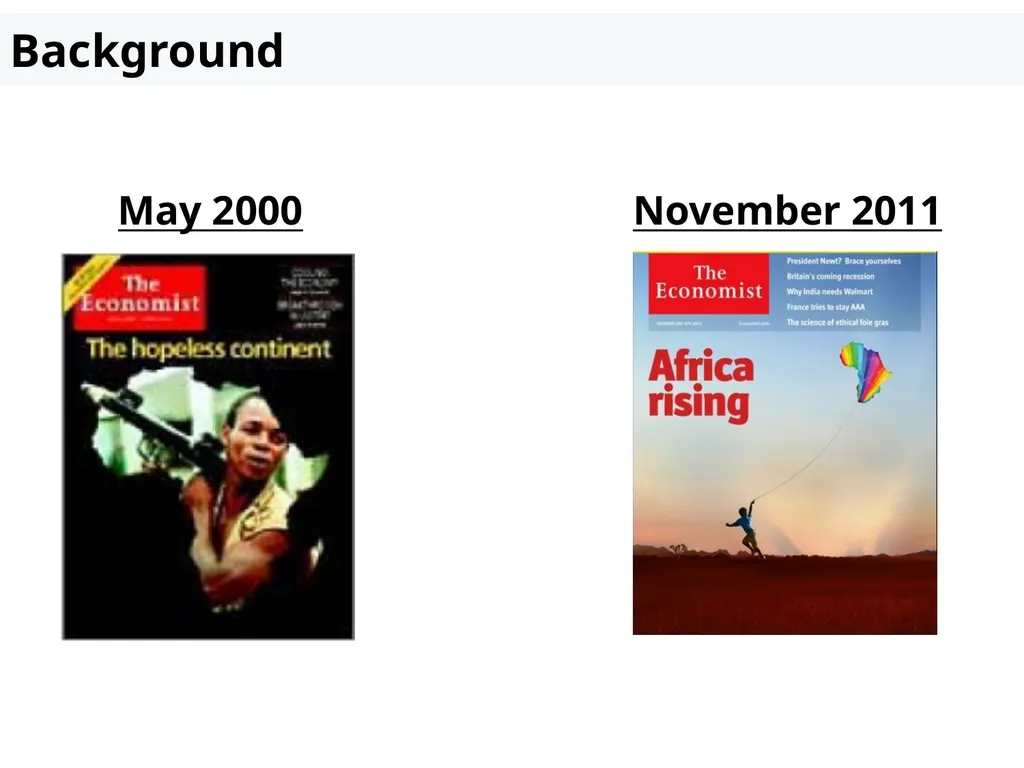
May 2000 November 2011 Background<br>
04
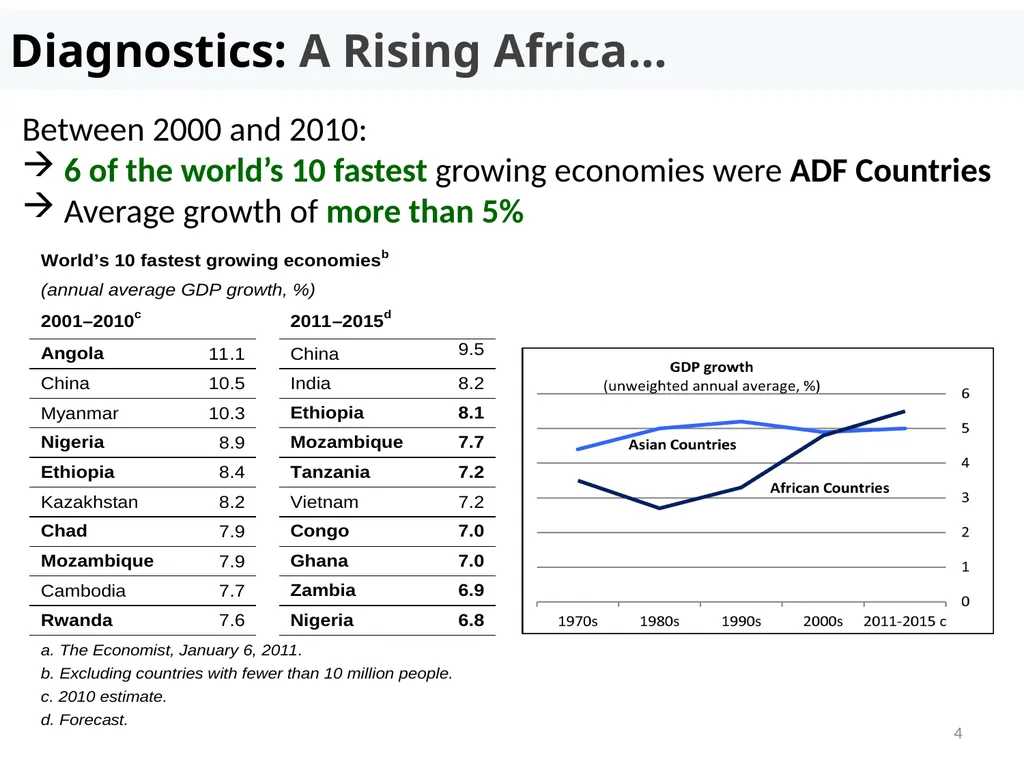
4 Diagnostics: A Rising Africa… Between 2000 and 2010:
6 of the world’s 10 fastest growing economies were ADF Countries
Average growth of more than 5%<br>
05
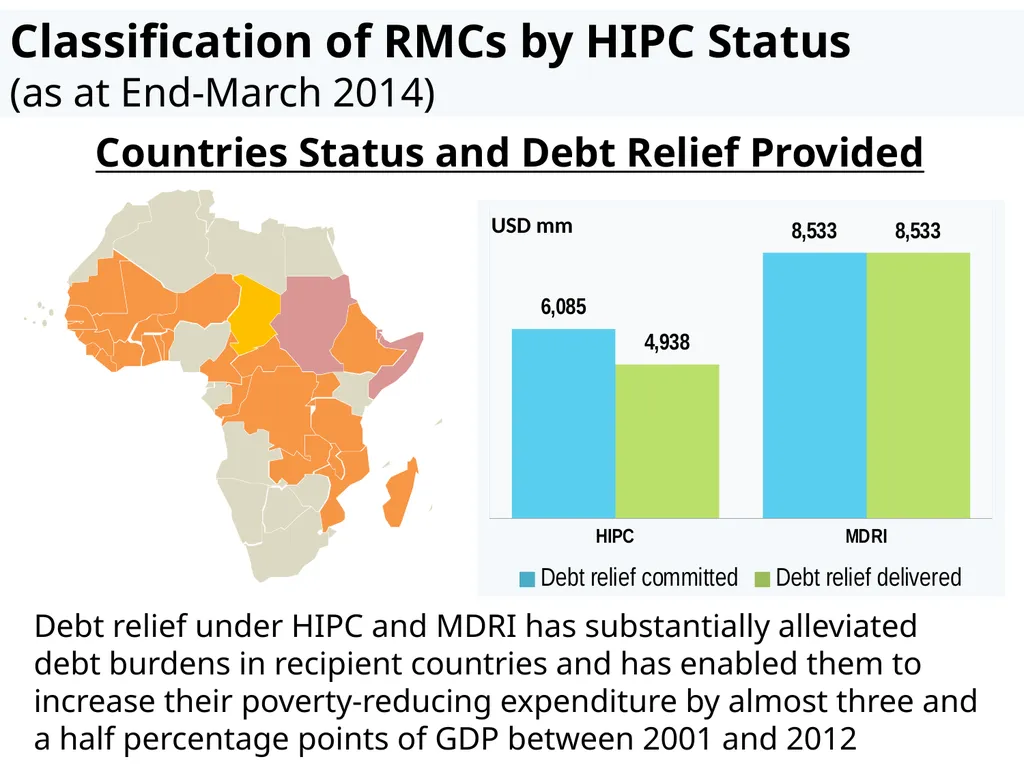
Countries Status and Debt Relief Provided Debt relief under HIPC and MDRI has substantially alleviated debt burdens in recipient countries and has enabled them to increase their poverty-reducing expenditure by almost three and a half percentage points of GDP between 2001 and 2012 Classification of RMCs by HIPC Status
(as at End-March 2014) USD mm<br>
06
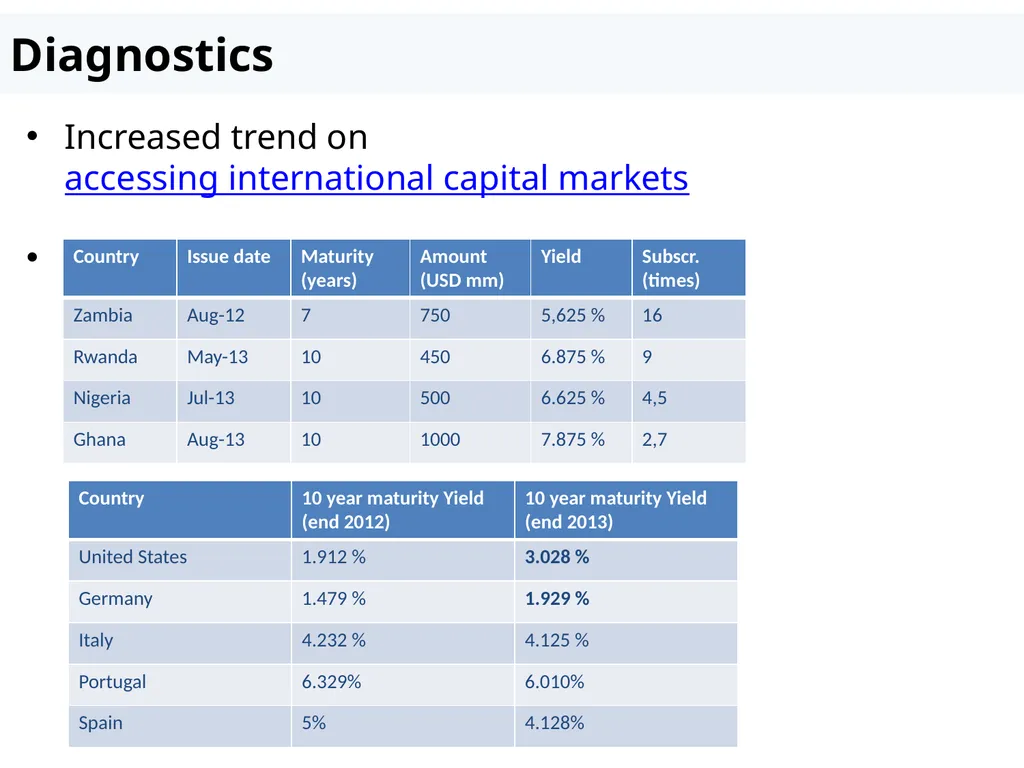
Increased trend on accessing international capital markets
Context of low interest rates Diagnostics<br>
07
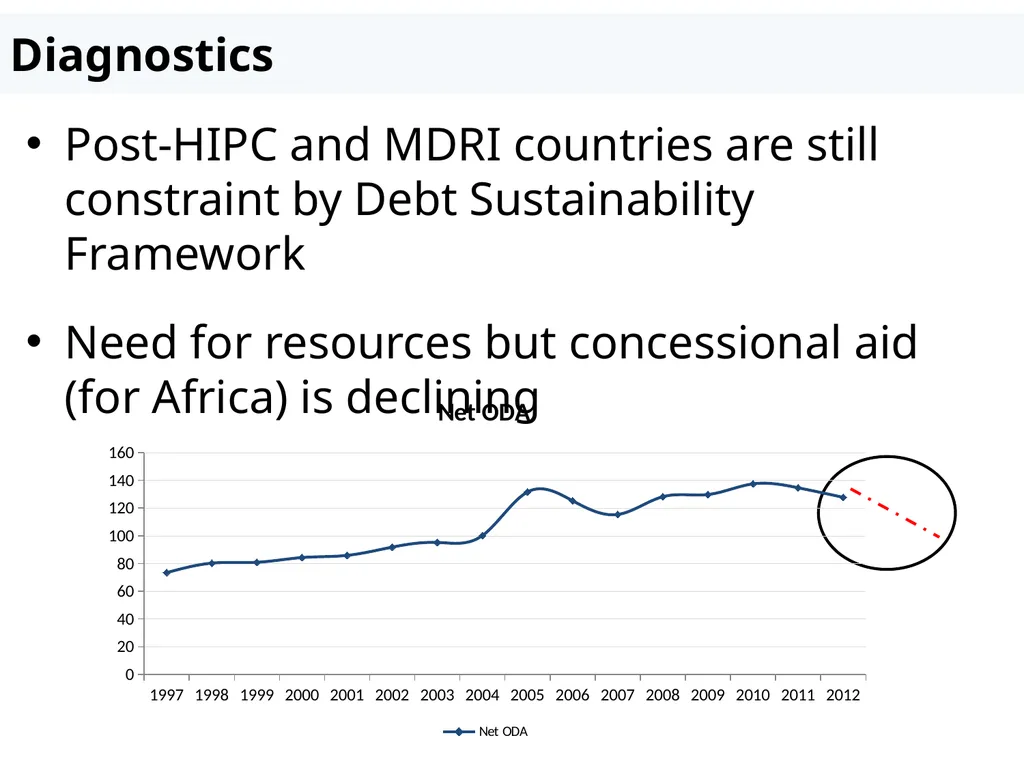
Post-HIPC and MDRI countries are still constraint by Debt Sustainability Framework
Need for resources but concessional aid (for Africa) is declining Diagnostics<br>
08
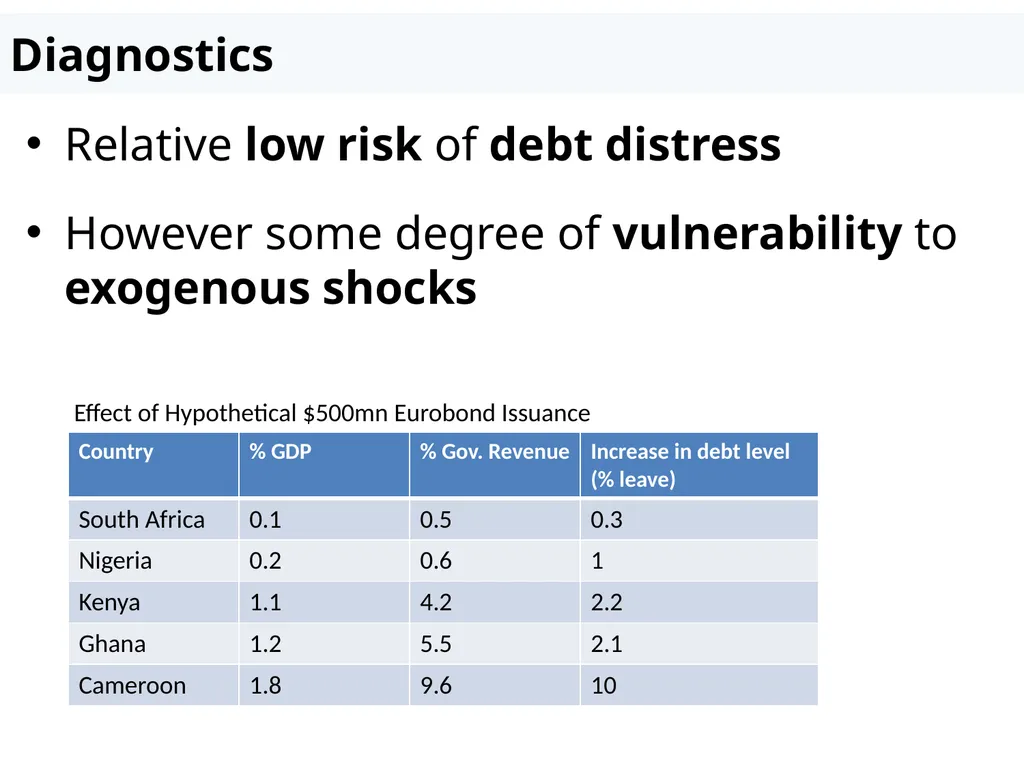
Relative low risk of debt distress
However some degree of vulnerability to exogenous shocks Diagnostics Effect of Hypothetical $500mn Eurobond Issuance<br>
09
Amend the Debt Sustainability Framework
Measures to accompany countries in accessing to capital markets
Graduation frameworks for smooth transition
Innovative Financial instruments Responses<br>
10
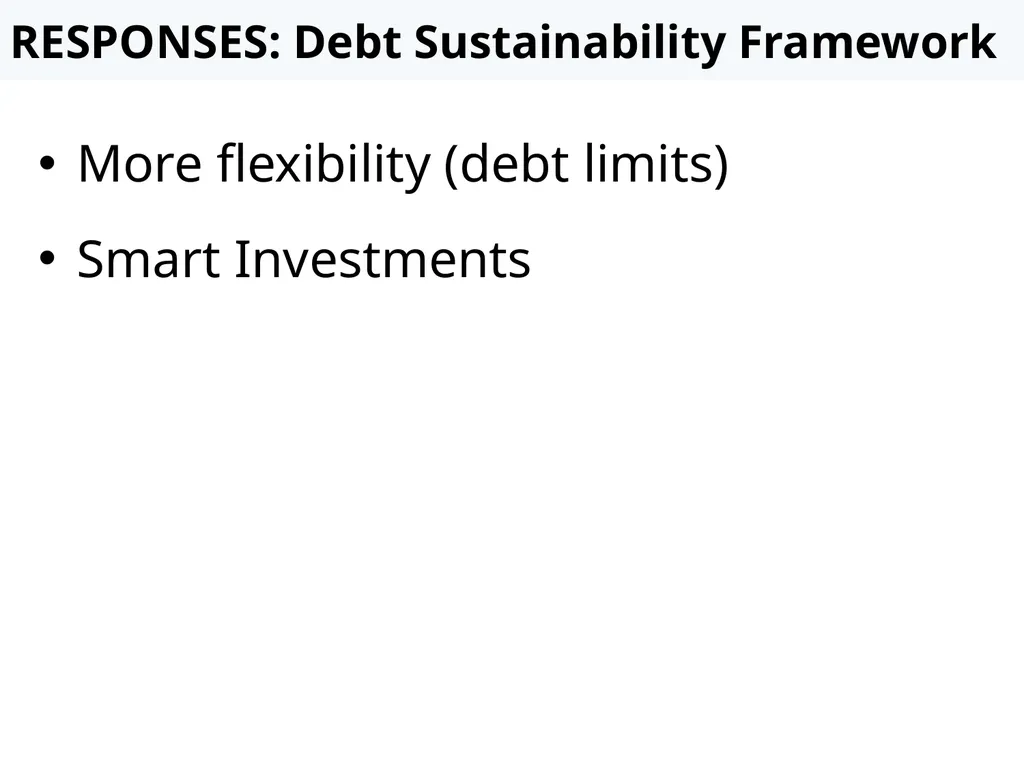
More flexibility (debt limits)
Smart Investments RESPONSES: Debt Sustainability Framework<br>
11
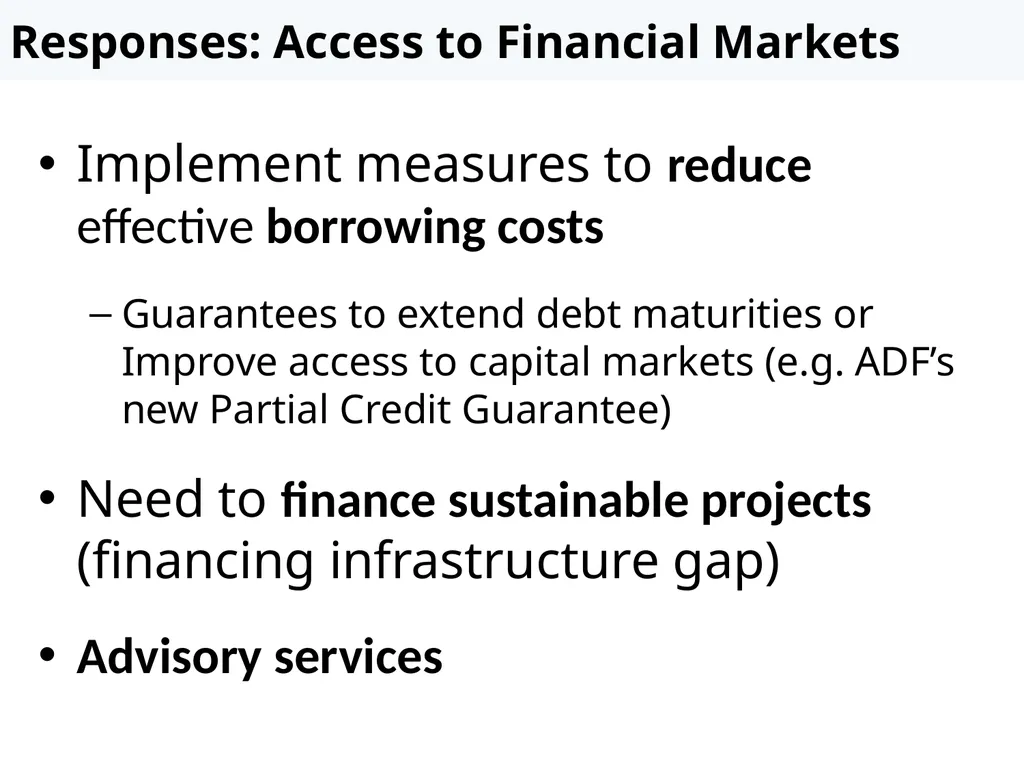
Implement measures to reduce effective borrowing costs
Guarantees to extend debt maturities or Improve access to capital markets (e.g. ADF’s new Partial Credit Guarantee)
Need to finance sustainable projects (financing infrastructure gap)
Advisory services Responses: Access to Financial Markets<br>
12
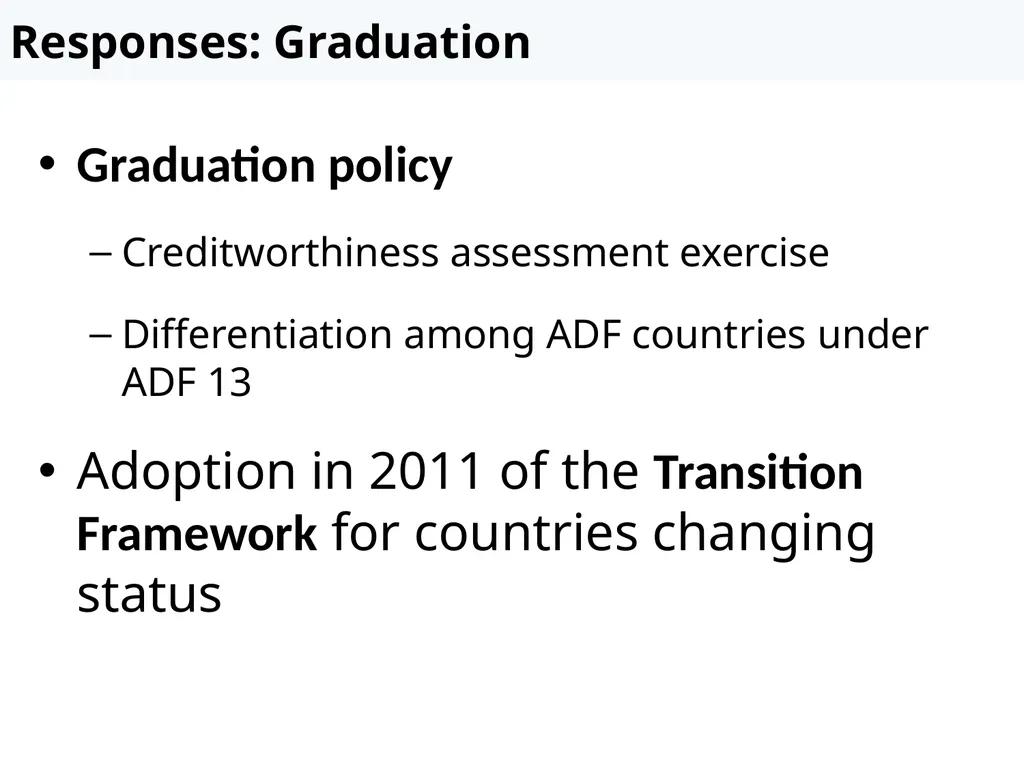
Graduation policy
Creditworthiness assessment exercise
Differentiation among ADF countries under ADF 13
Adoption in 2011 of the Transition Framework for countries changing status Responses: Graduation<br>
13
Amendments of the Credit Policy (currently under revision)
Donor loans (IDA-17, WG ADF-13)
Guarantees Responses: Innovative Financial Instruments<br>
14
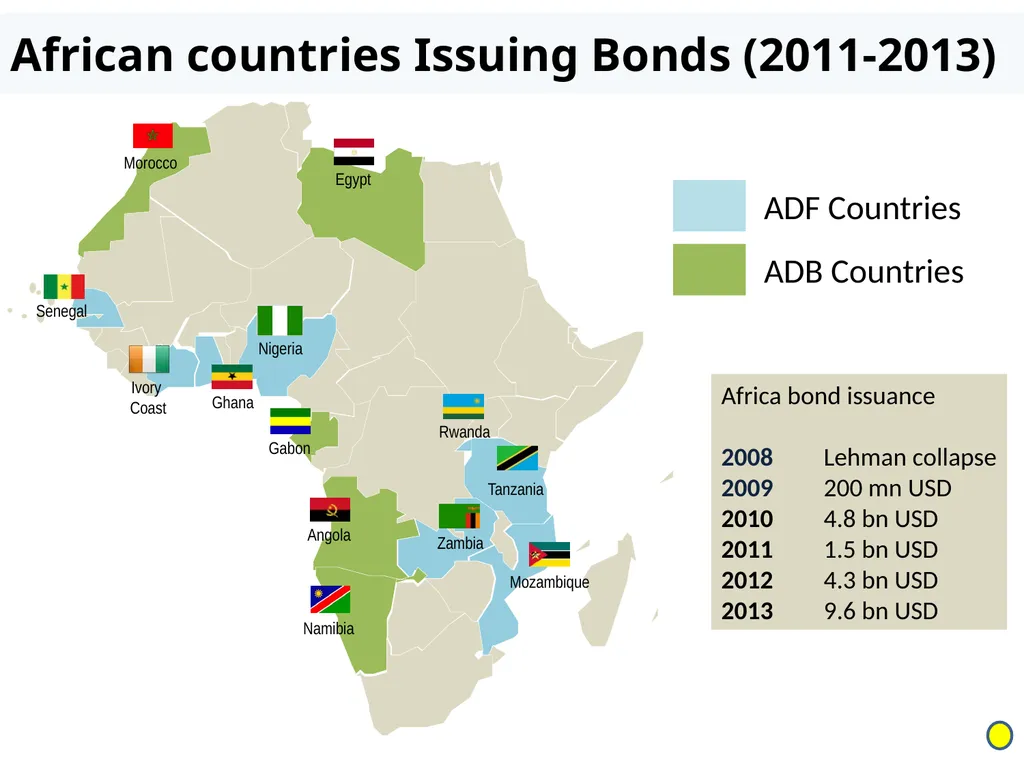
Senegal Zambia Mozambique Gabon Namibia Angola Egypt Morocco Nigeria Ghana Ivory
Coast Rwanda Tanzania African countries Issuing Bonds (2011-2013) ADF Countries ADB Countries Africa bond issuance
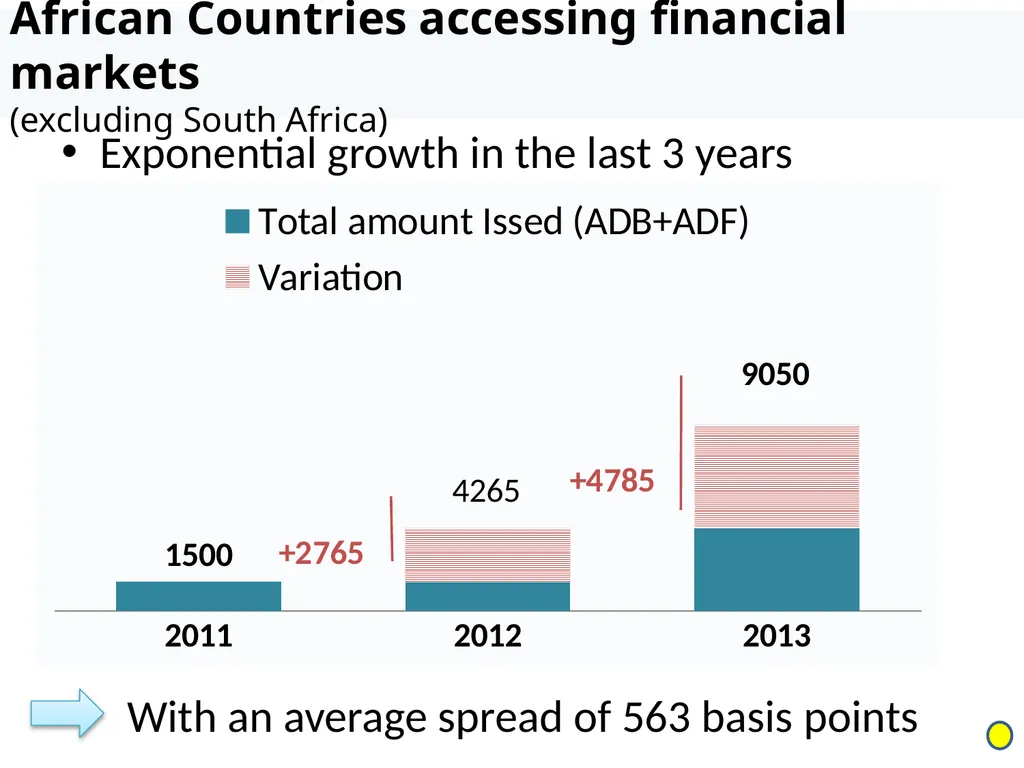
Exponential growth in the last 3 years With an average spread of 563 basis points African Countries accessing financial markets
(excluding South Africa)<br>
16
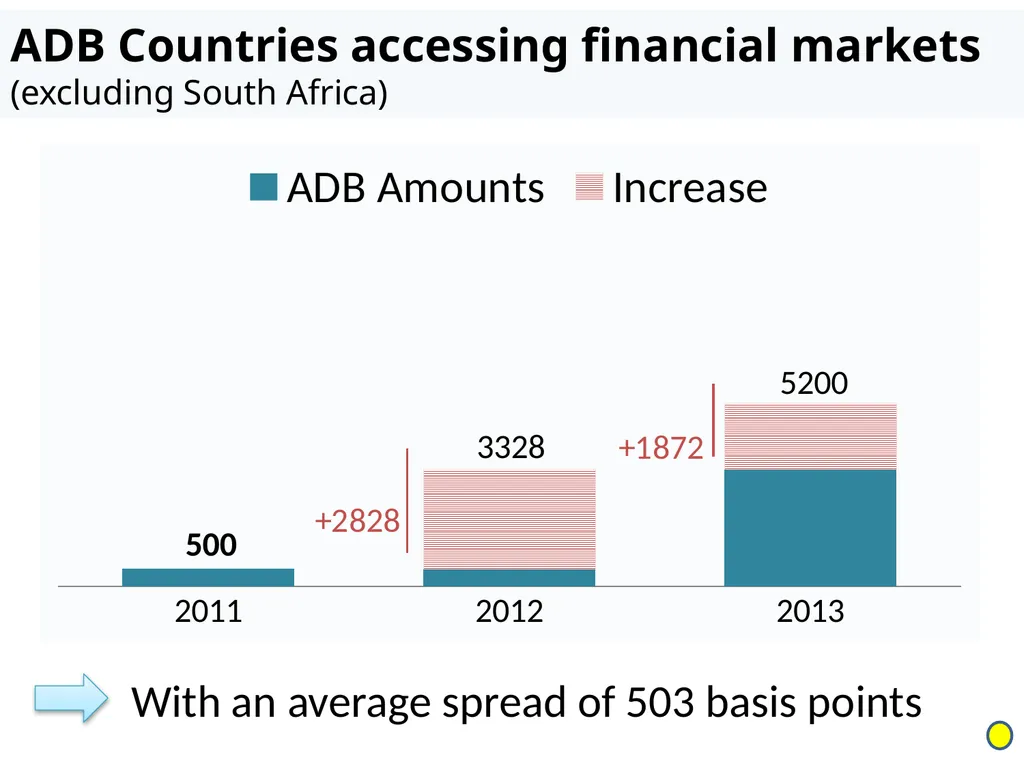
ADB Countries accessing financial markets (excluding South Africa) With an average spread of 503 basis points<br>
17
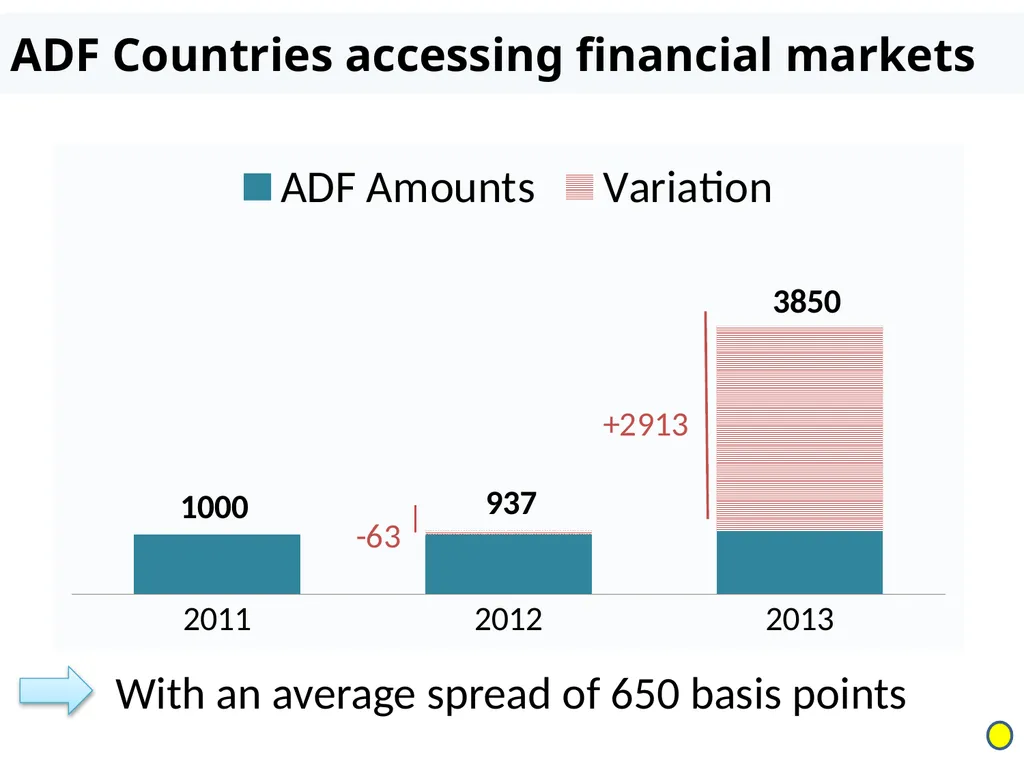
ADF Countries accessing financial markets With an average spread of 650 basis points<br>
18
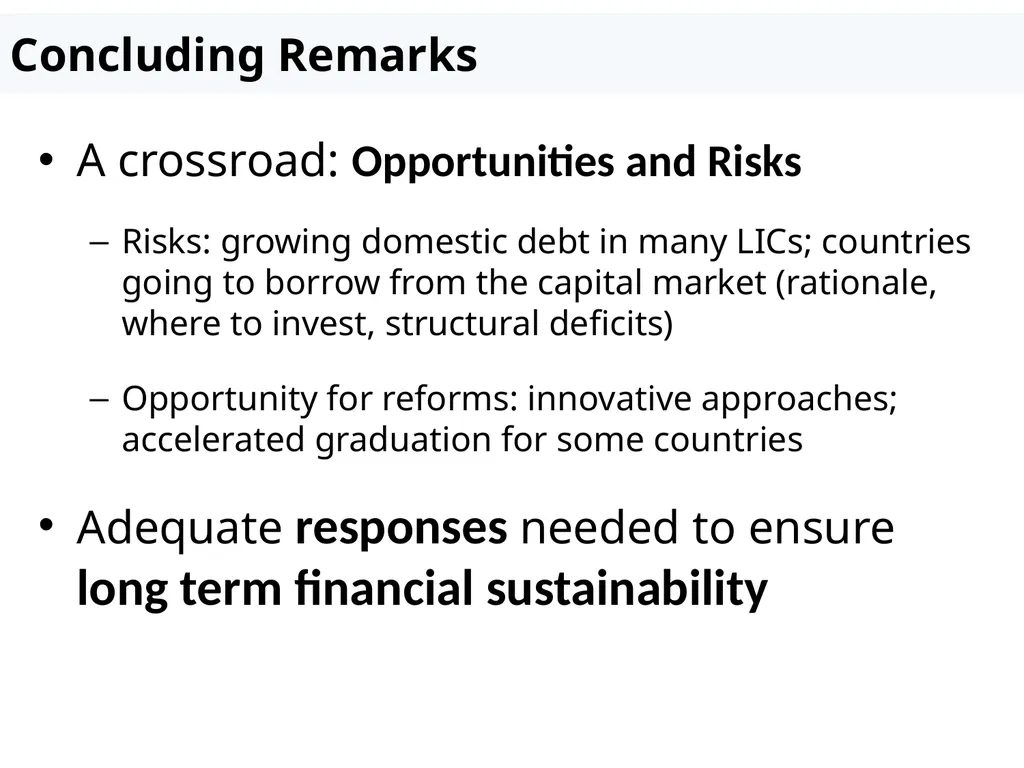
Concluding Remarks A crossroad: Opportunities and Risks
Risks: growing domestic debt in many LICs; countries going to borrow from the capital market (rationale, where to invest, structural deficits)
Opportunity for reforms: innovative approaches; accelerated graduation for some countries
Adequate responses needed to ensure long term financial sustainability<br>