
Rethinking Distributed Ledger Technology R. Kuhn,
Description: Rethinking Distributed Ledger Technology R. Kuhn, J. Voas, D. Yaga, T. Saidkhodjaev Presented by: Rick Kuhn US National Institute of Standards and Technology Computer Security Division kuhnnist.gov What is the problem? Blockchain has been
Related Topics
Download Presentation
"Rethinking Distributed Ledger Technology R. Kuhn," is the property of its rightful owner. Permission is granted to download and print the materials on this website for personal, non-commercial use only, and to display it on your personal computer provided you do not modify the materials and that you retain all copyright notices contained in the materials. By downloading content from our website, you accept the terms of this agreement.
Presentation Transcript
slide1. Rethinking Distributed Ledger Technology
R. Kuhn, J. Voas, D. Yaga, T. Saidkhodjaev Presented by: Rick Kuhn
US National Institute of Standards and Technology
Computer Security Division
kuhn@nist.gov<br>
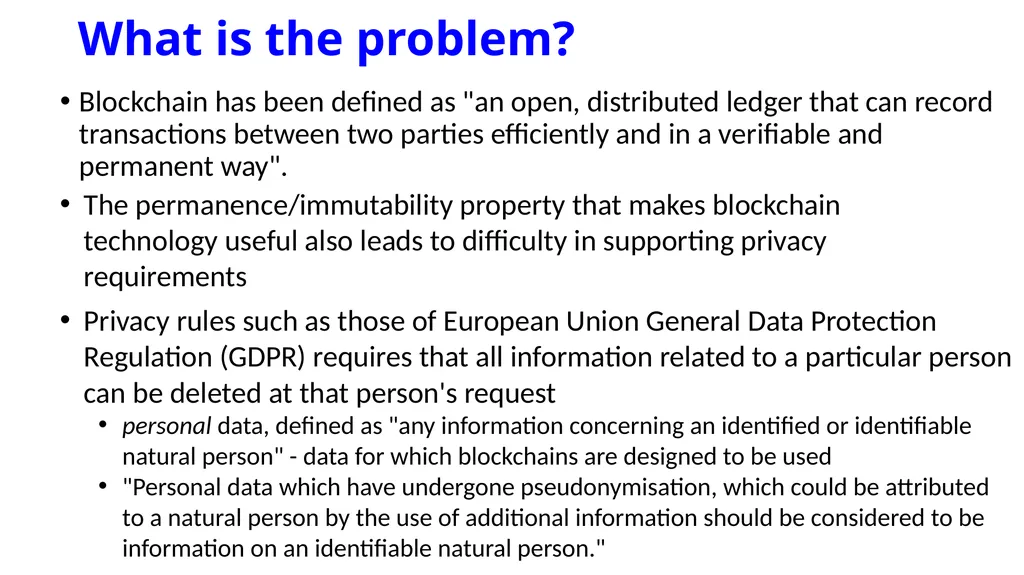
slide2. What is the problem? Blockchain has been defined as "an open, distributed ledger that can record transactions between two parties efficiently and in a verifiable and permanent way". The permanence/immutability property that makes blockchain technology useful also leads to difficulty in supporting privacy requirements Privacy rules such as those of European Union General Data Protection Regulation (GDPR) requires that all information related to a particular person can be deleted at that person's request
personal data, defined as "any information concerning an identified or identifiable natural person" - data for which blockchains are designed to be used
"Personal data which have undergone pseudonymisation, which could be attributed to a natural person by the use of additional information should be considered to be information on an identifiable natural person."<br>
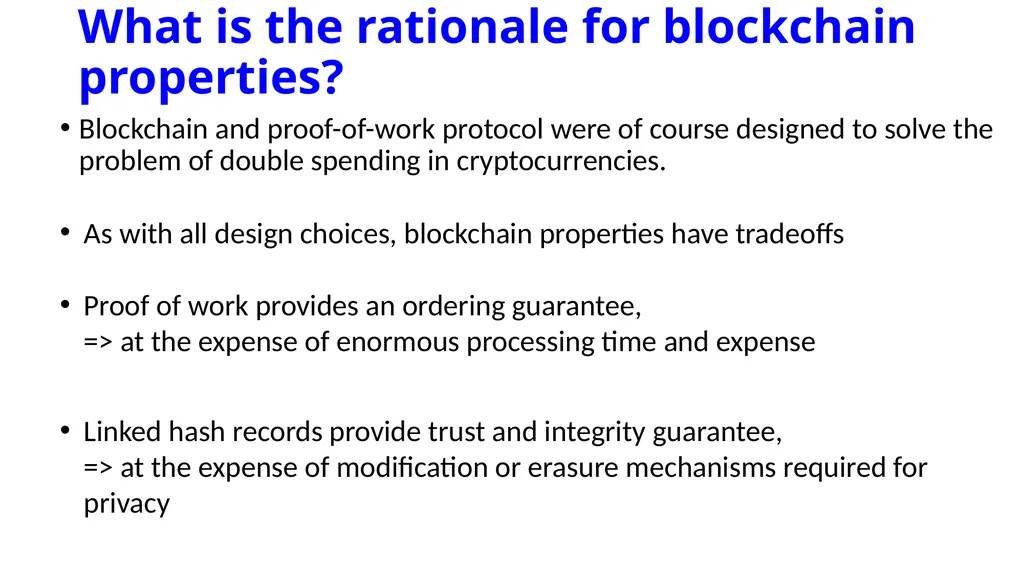
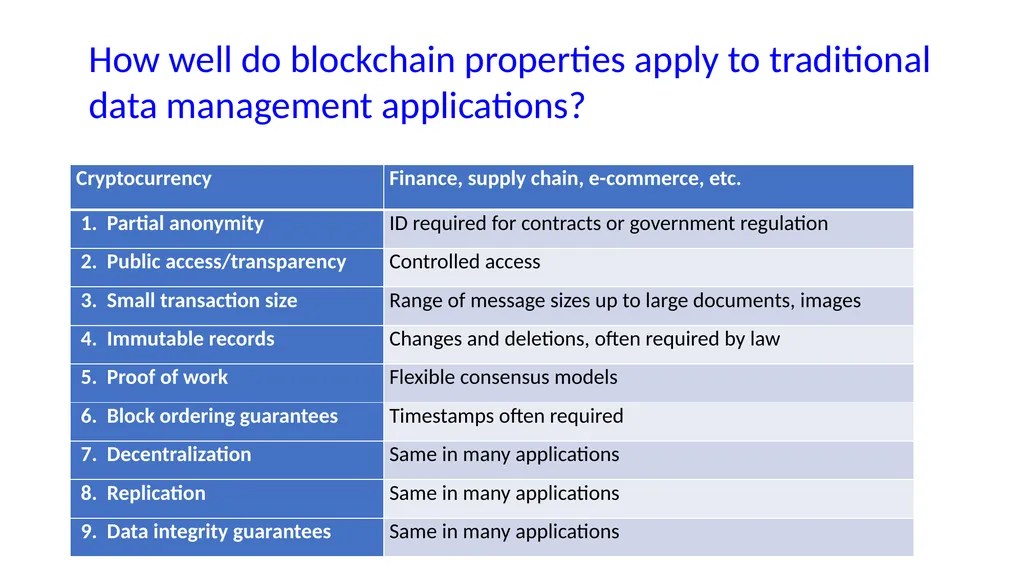
slide3. What is the rationale for blockchain properties? Blockchain and proof-of-work protocol were of course designed to solve the problem of double spending in cryptocurrencies. As with all design choices, blockchain properties have tradeoffs Proof of work provides an ordering guarantee, => at the expense of enormous processing time and expense Linked hash records provide trust and integrity guarantee, => at the expense of modification or erasure mechanisms required for privacy<br>
slide4. How well do blockchain properties apply to traditional data management applications?<br>
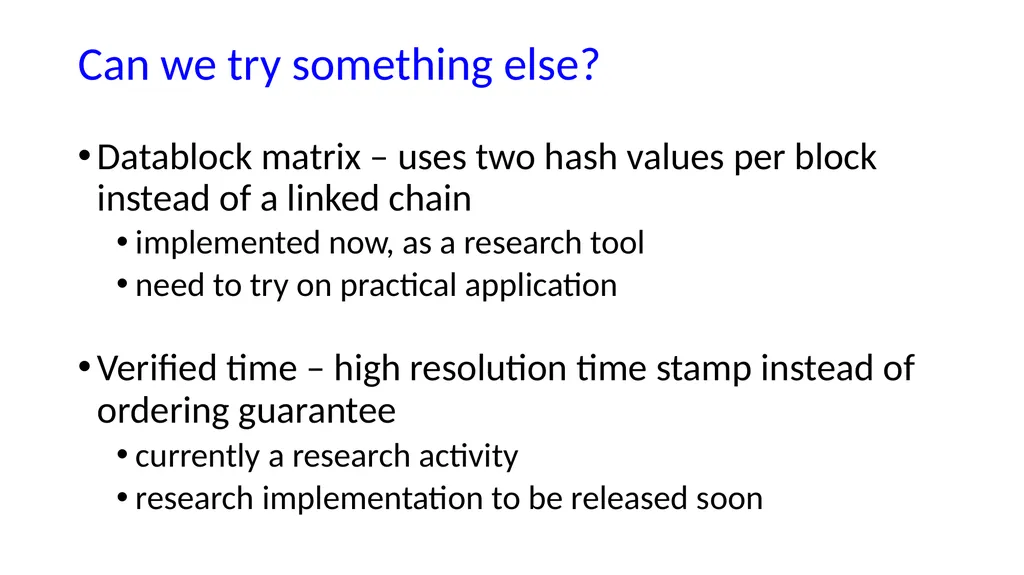
slide5. Can we try something else? Datablock matrix – uses two hash values per block instead of a linked chain
implemented now, as a research tool
need to try on practical application Verified time – high resolution time stamp instead of ordering guarantee
currently a research activity
research implementation to be released soon<br>
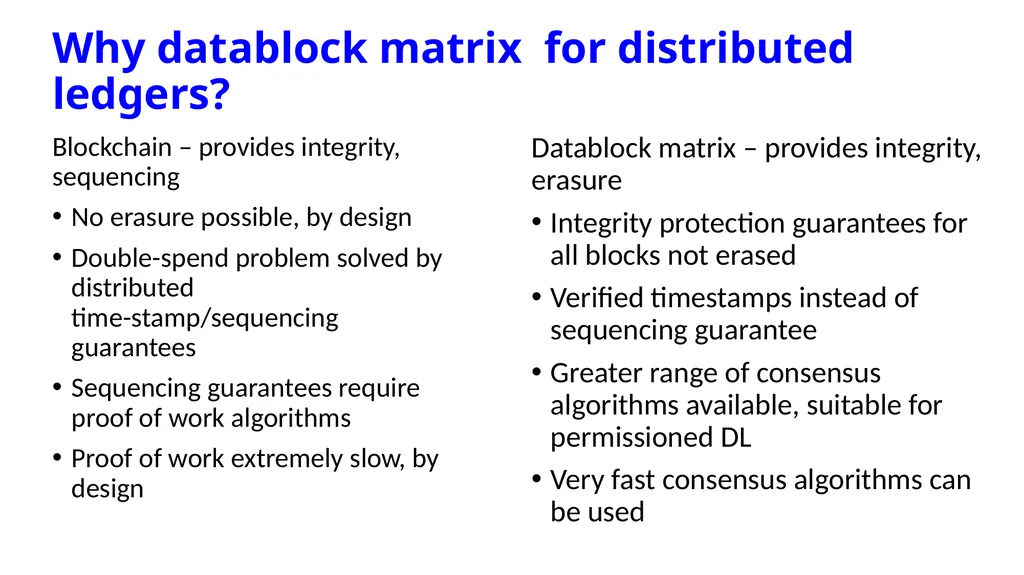
slide6. Why datablock matrix for distributed ledgers? Blockchain – provides integrity, sequencing
No erasure possible, by design
Double-spend problem solved by distributed time-stamp/sequencing guarantees
Sequencing guarantees require proof of work algorithms
Proof of work extremely slow, by design Datablock matrix – provides integrity, erasure
Integrity protection guarantees for all blocks not erased
Verified timestamps instead of sequencing guarantee
Greater range of consensus algorithms available, suitable for permissioned DL
Very fast consensus algorithms can be used<br>
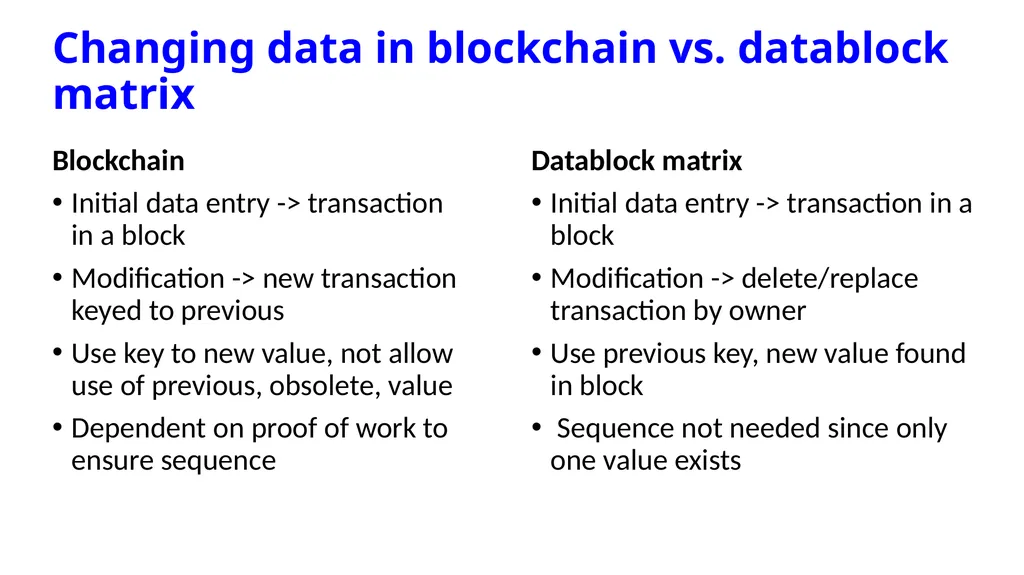
slide7. Changing data in blockchain vs. datablock matrix Blockchain
Initial data entry -> transaction in a block
Modification -> new transaction keyed to previous
Use key to new value, not allow use of previous, obsolete, value
Dependent on proof of work to ensure sequence Datablock matrix
Initial data entry -> transaction in a block
Modification -> delete/replace transaction by owner
Use previous key, new value found in block
Sequence not needed since only one value exists<br>
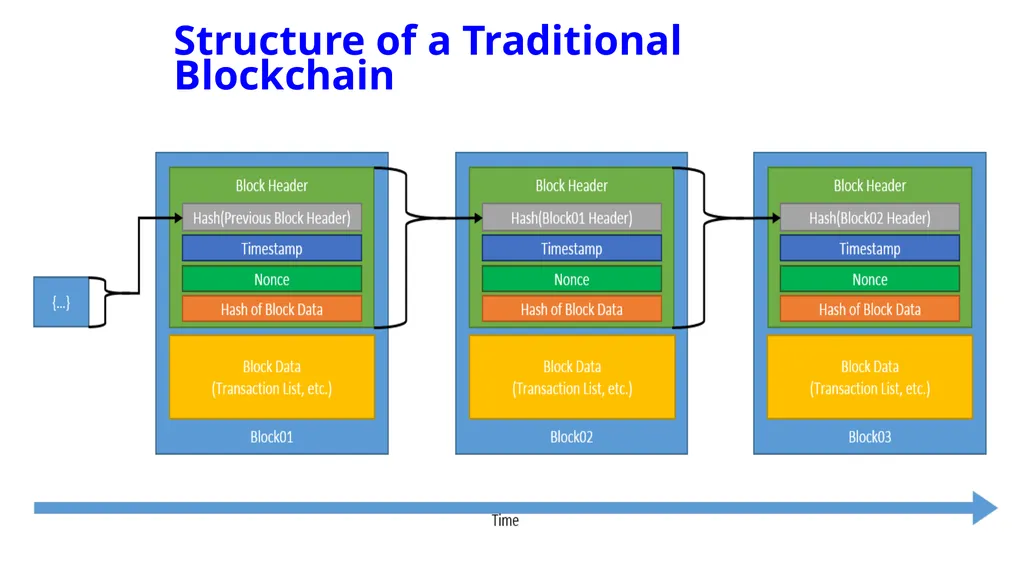
slide8. Structure of a Traditional Blockchain<br>
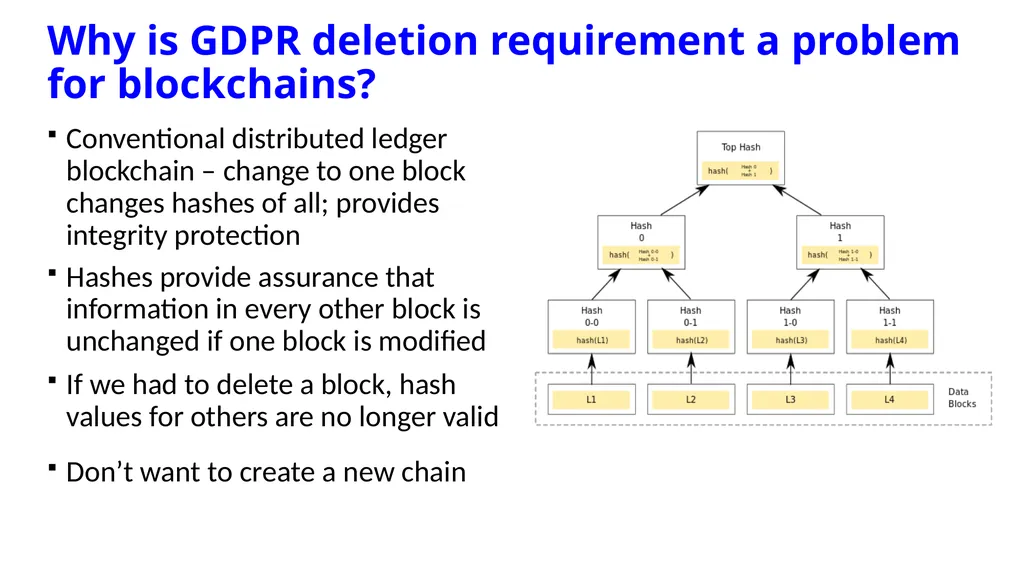
slide9. Why is GDPR deletion requirement a problem for blockchains? Conventional distributed ledger blockchain – change to one block changes hashes of all; provides integrity protection Hashes provide assurance that information in every other block is unchanged if one block is modified If we had to delete a block, hash values for others are no longer valid Don’t want to create a new chain<br>
slide10. What are ways of dealing with this problem? Don’t put personal information on blockchain
Pseudo-anonymized data are still considered personal
Even if not directly tied to a person – dynamic IP address can be considered personal if it can be indirectly tied to an individual Encrypt data and destroy key to delete
Data must be secure for decades
Cannot be sure that future developments in crypto will not reveal it – e.g. quantum computing puts current public key systems at risk<br>
slide11. What are block matrix constraints and assumptions? Hash integrity protection must not be disrupted for blocks not deleted Deletions will be relatively rare Ensure auditability and accountability Application to permissioned/private distributed ledger systems<br>
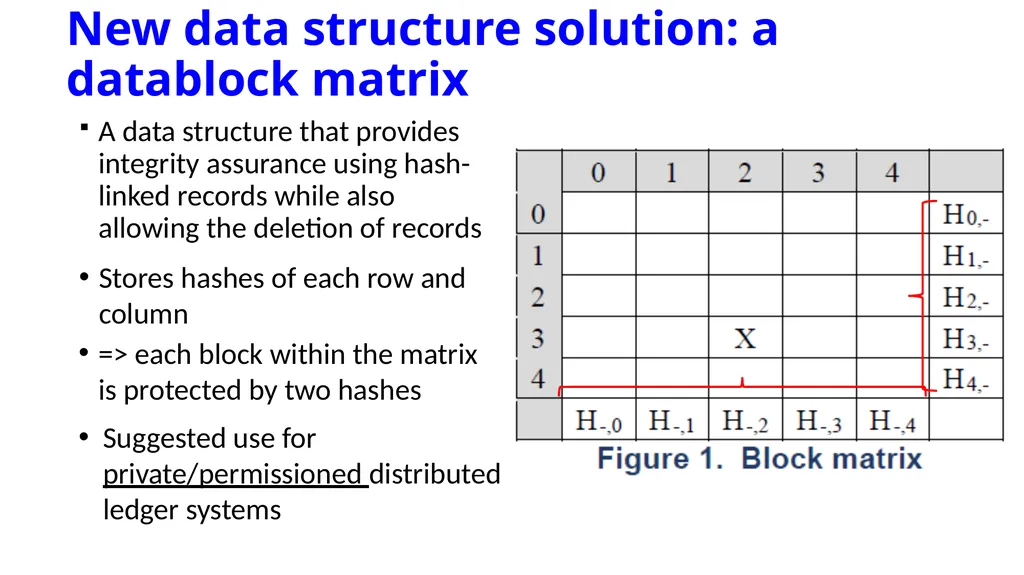
slide12. New data structure solution: a datablock matrix A data structure that provides integrity assurance using hash-linked records while also allowing the deletion of records Suggested use for private/permissioned distributed ledger systems => each block within the matrix is protected by two hashes Stores hashes of each row and column<br>
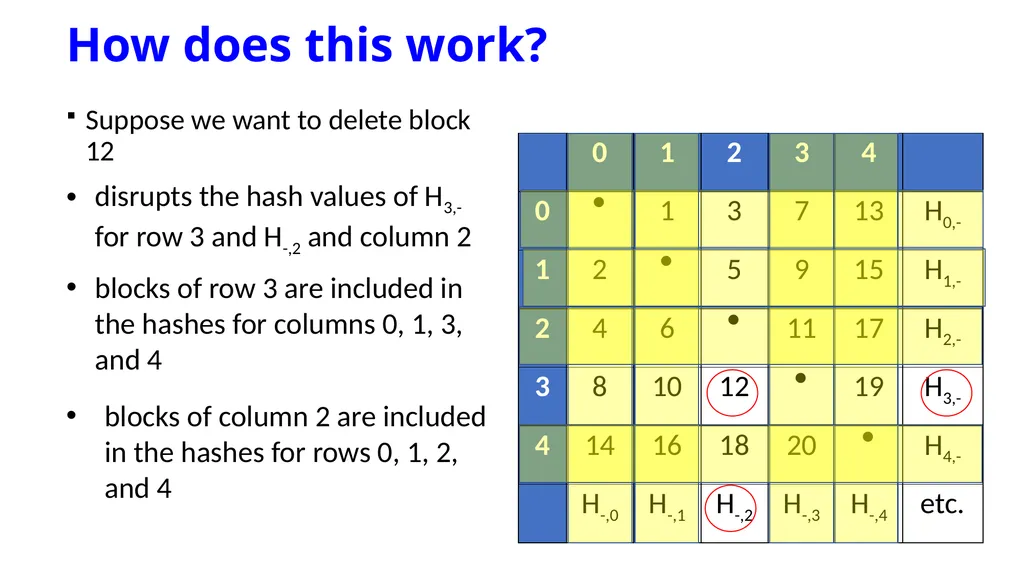
slide13. How does this work? Suppose we want to delete block 12 disrupts the hash values of H3,- for row 3 and H-,2 and column 2 blocks of row 3 are included in the hashes for columns 0, 1, 3, and 4 blocks of column 2 are included in the hashes for rows 0, 1, 2, and 4<br>
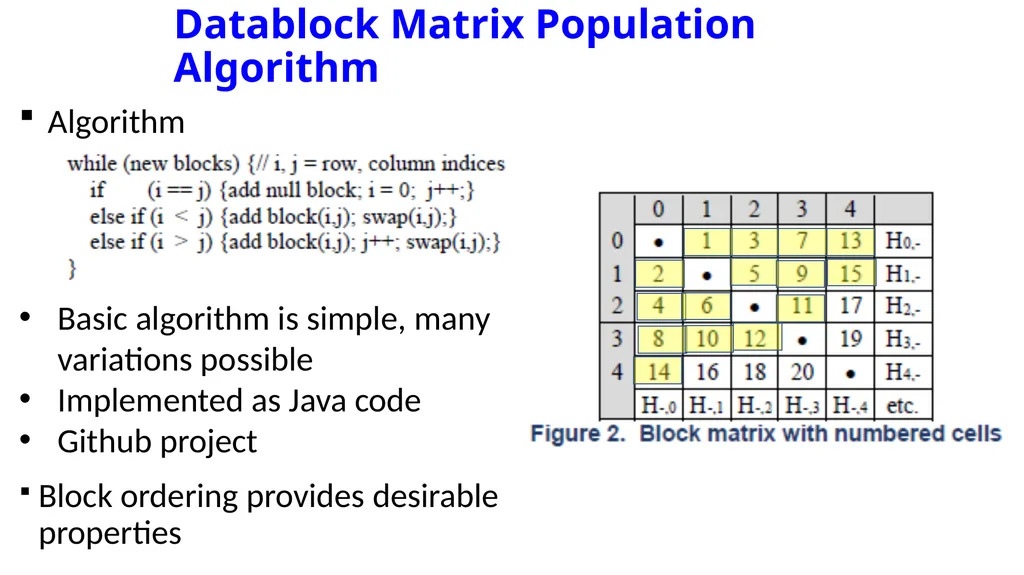
slide14. Datablock Matrix Population Algorithm Block ordering provides desirable properties Algorithm Basic algorithm is simple, many variations possible
Implemented as Java code
Github project<br>
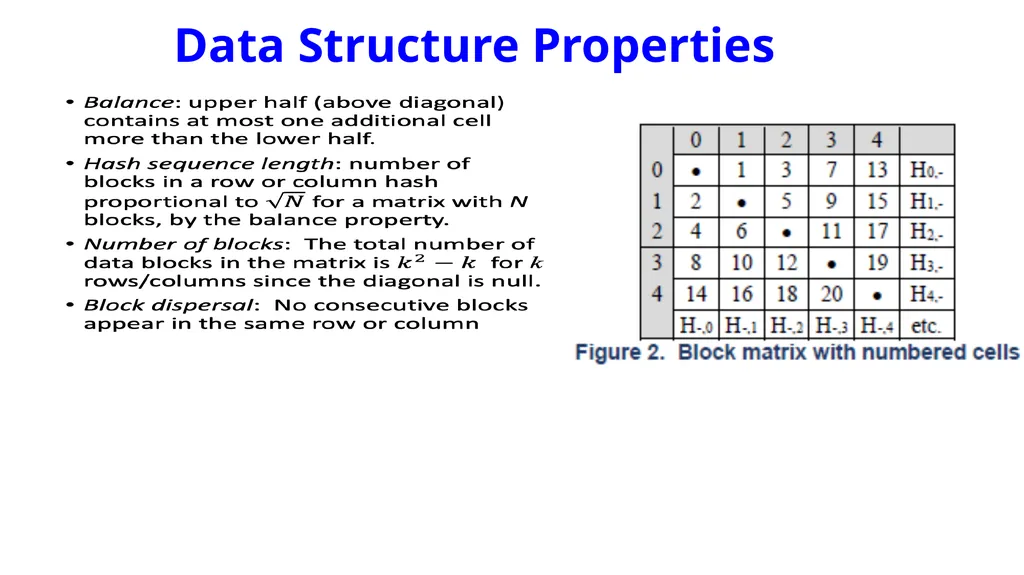
slide15. Data Structure Properties<br>
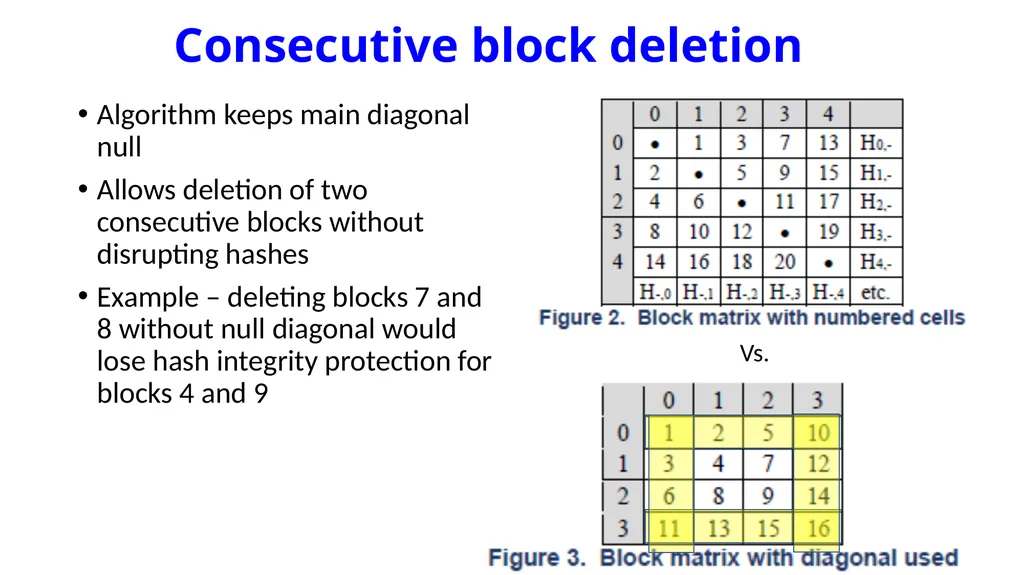
slide16. Consecutive block deletion 3 Vs. Algorithm keeps main diagonal null
Allows deletion of two consecutive blocks without disrupting hashes
Example – deleting blocks 7 and 8 without null diagonal would lose hash integrity protection for blocks 4 and 9<br>
slide17. Verified Time Securely combine time from multiple national time services
Process has been defined, incorporating multiple algorithms/protocols
Would allow use of timestamps instead of ordering guarantees that require proof-of-work
Currently a research effort, to be published<br>
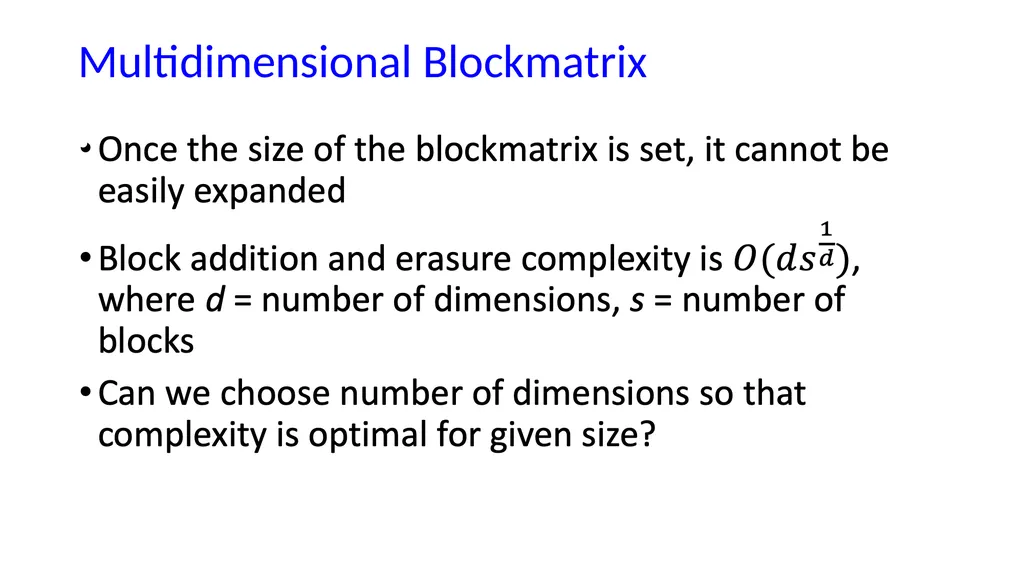
slide18. Multidimensional Blockmatrix<br>
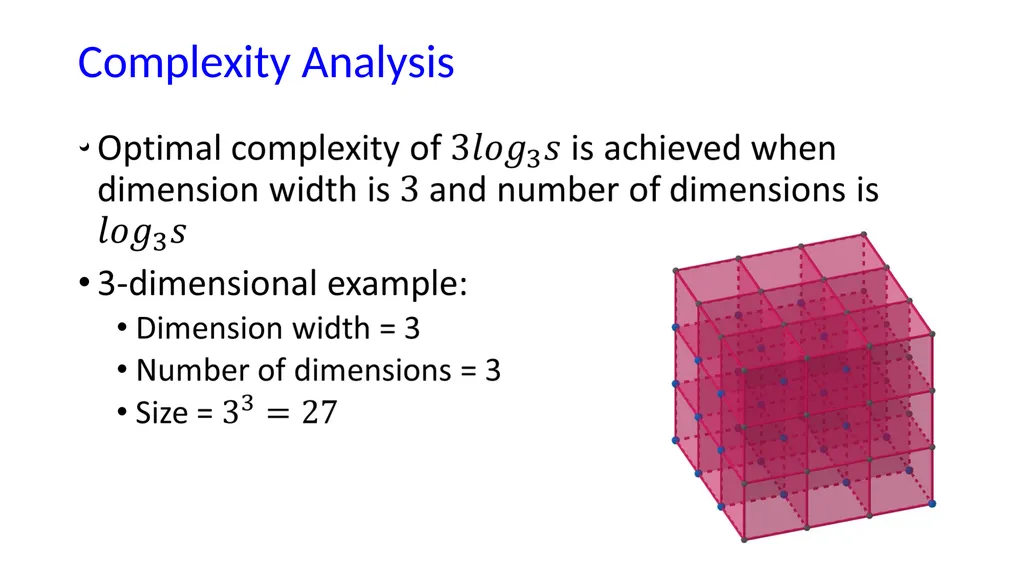
slide19. Complexity Analysis<br>
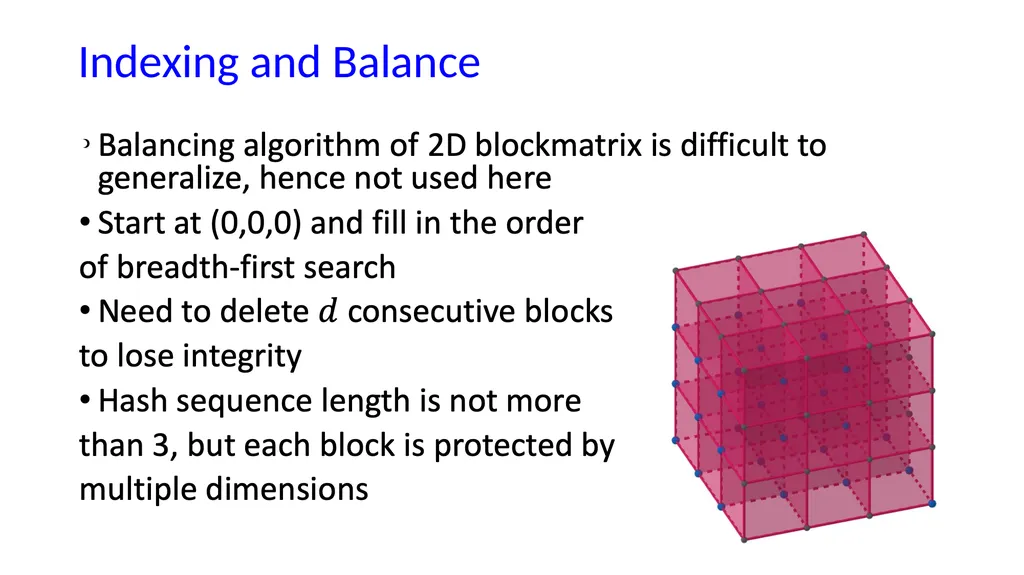
slide20. Indexing and Balance<br>
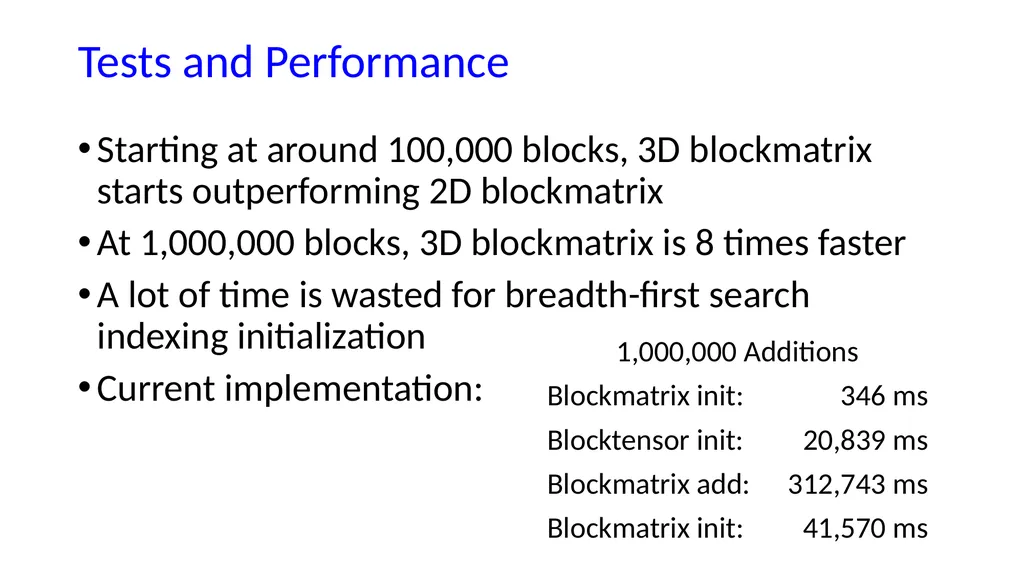
slide21. Tests and Performance Starting at around 100,000 blocks, 3D blockmatrix starts outperforming 2D blockmatrix
At 1,000,000 blocks, 3D blockmatrix is 8 times faster
A lot of time is wasted for breadth-first search indexing initialization
Current implementation:<br>
slide22. Future Work Consider proof of work or alternate consensus schemes
Web tool to easily see structure
Extension to peer-to-peer system
Demonstration project for access control
Investigate performance and applications of higher dimension structures 13<br>
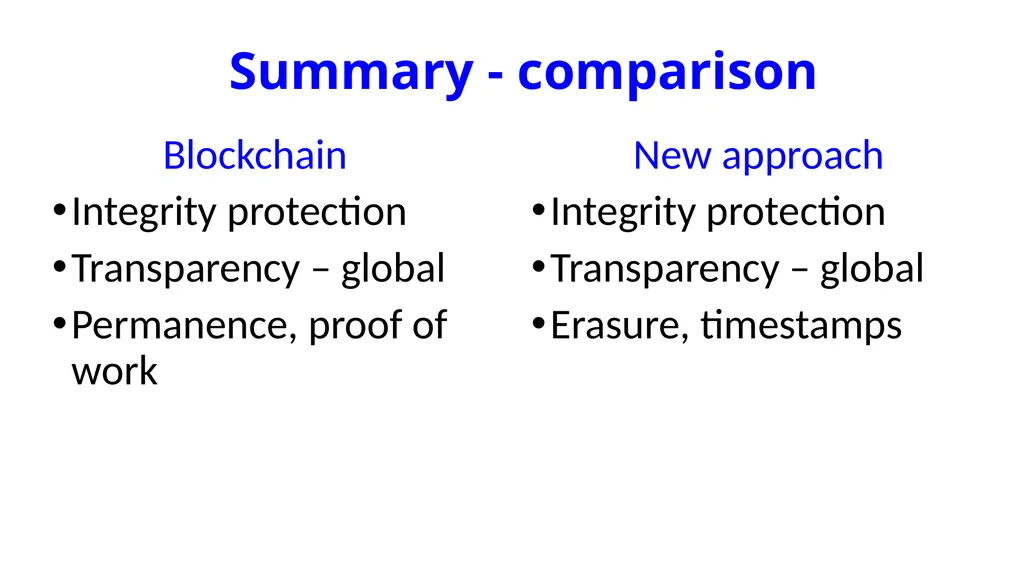
slide23. Summary - comparison Blockchain
Integrity protection
Transparency – global
Permanence, proof of work New approach
Integrity protection
Transparency – global
Erasure, timestamps<br>
slide24. More information:
Kuhn, R., Yaga, D. and Voas, J., 2019. Rethinking Distributed Ledger Technology. Computer, 52(2), pp.68-72.
Stavrou, A. and Voas, J., 2017. Verified time. Computer, 50(3), pp.78-82.
Kuhn, D. R. (2018). A Data Structure for Integrity Protection with Erasure Capability. https://csrc.nist.gov/publications/detail/white-paper/2018/05/31/data-structure-for-integrity-protection-with-erasure-capability/draft
Github project:
https://github.com/usnistgov/blockmatrix<br>
US National Institute of Standards and Technology
Computer Security Division
kuhn@nist.gov<br>
slide2. What is the problem? Blockchain has been defined as "an open, distributed ledger that can record transactions between two parties efficiently and in a verifiable and permanent way". The permanence/immutability property that makes blockchain technology useful also leads to difficulty in supporting privacy requirements Privacy rules such as those of European Union General Data Protection Regulation (GDPR) requires that all information related to a particular person can be deleted at that person's request
personal data, defined as "any information concerning an identified or identifiable natural person" - data for which blockchains are designed to be used
"Personal data which have undergone pseudonymisation, which could be attributed to a natural person by the use of additional information should be considered to be information on an identifiable natural person."<br>
slide3. What is the rationale for blockchain properties? Blockchain and proof-of-work protocol were of course designed to solve the problem of double spending in cryptocurrencies. As with all design choices, blockchain properties have tradeoffs Proof of work provides an ordering guarantee, => at the expense of enormous processing time and expense Linked hash records provide trust and integrity guarantee, => at the expense of modification or erasure mechanisms required for privacy<br>
slide4. How well do blockchain properties apply to traditional data management applications?<br>
slide5. Can we try something else? Datablock matrix – uses two hash values per block instead of a linked chain
implemented now, as a research tool
need to try on practical application Verified time – high resolution time stamp instead of ordering guarantee
currently a research activity
research implementation to be released soon<br>
slide6. Why datablock matrix for distributed ledgers? Blockchain – provides integrity, sequencing
No erasure possible, by design
Double-spend problem solved by distributed time-stamp/sequencing guarantees
Sequencing guarantees require proof of work algorithms
Proof of work extremely slow, by design Datablock matrix – provides integrity, erasure
Integrity protection guarantees for all blocks not erased
Verified timestamps instead of sequencing guarantee
Greater range of consensus algorithms available, suitable for permissioned DL
Very fast consensus algorithms can be used<br>
slide7. Changing data in blockchain vs. datablock matrix Blockchain
Initial data entry -> transaction in a block
Modification -> new transaction keyed to previous
Use key to new value, not allow use of previous, obsolete, value
Dependent on proof of work to ensure sequence Datablock matrix
Initial data entry -> transaction in a block
Modification -> delete/replace transaction by owner
Use previous key, new value found in block
Sequence not needed since only one value exists<br>
slide8. Structure of a Traditional Blockchain<br>
slide9. Why is GDPR deletion requirement a problem for blockchains? Conventional distributed ledger blockchain – change to one block changes hashes of all; provides integrity protection Hashes provide assurance that information in every other block is unchanged if one block is modified If we had to delete a block, hash values for others are no longer valid Don’t want to create a new chain<br>
slide10. What are ways of dealing with this problem? Don’t put personal information on blockchain
Pseudo-anonymized data are still considered personal
Even if not directly tied to a person – dynamic IP address can be considered personal if it can be indirectly tied to an individual Encrypt data and destroy key to delete
Data must be secure for decades
Cannot be sure that future developments in crypto will not reveal it – e.g. quantum computing puts current public key systems at risk<br>
slide11. What are block matrix constraints and assumptions? Hash integrity protection must not be disrupted for blocks not deleted Deletions will be relatively rare Ensure auditability and accountability Application to permissioned/private distributed ledger systems<br>
slide12. New data structure solution: a datablock matrix A data structure that provides integrity assurance using hash-linked records while also allowing the deletion of records Suggested use for private/permissioned distributed ledger systems => each block within the matrix is protected by two hashes Stores hashes of each row and column<br>
slide13. How does this work? Suppose we want to delete block 12 disrupts the hash values of H3,- for row 3 and H-,2 and column 2 blocks of row 3 are included in the hashes for columns 0, 1, 3, and 4 blocks of column 2 are included in the hashes for rows 0, 1, 2, and 4<br>
slide14. Datablock Matrix Population Algorithm Block ordering provides desirable properties Algorithm Basic algorithm is simple, many variations possible
Implemented as Java code
Github project<br>
slide15. Data Structure Properties<br>
slide16. Consecutive block deletion 3 Vs. Algorithm keeps main diagonal null
Allows deletion of two consecutive blocks without disrupting hashes
Example – deleting blocks 7 and 8 without null diagonal would lose hash integrity protection for blocks 4 and 9<br>
slide17. Verified Time Securely combine time from multiple national time services
Process has been defined, incorporating multiple algorithms/protocols
Would allow use of timestamps instead of ordering guarantees that require proof-of-work
Currently a research effort, to be published<br>
slide18. Multidimensional Blockmatrix<br>
slide19. Complexity Analysis<br>
slide20. Indexing and Balance<br>
slide21. Tests and Performance Starting at around 100,000 blocks, 3D blockmatrix starts outperforming 2D blockmatrix
At 1,000,000 blocks, 3D blockmatrix is 8 times faster
A lot of time is wasted for breadth-first search indexing initialization
Current implementation:<br>
slide22. Future Work Consider proof of work or alternate consensus schemes
Web tool to easily see structure
Extension to peer-to-peer system
Demonstration project for access control
Investigate performance and applications of higher dimension structures 13<br>
slide23. Summary - comparison Blockchain
Integrity protection
Transparency – global
Permanence, proof of work New approach
Integrity protection
Transparency – global
Erasure, timestamps<br>
slide24. More information:
Kuhn, R., Yaga, D. and Voas, J., 2019. Rethinking Distributed Ledger Technology. Computer, 52(2), pp.68-72.
Stavrou, A. and Voas, J., 2017. Verified time. Computer, 50(3), pp.78-82.
Kuhn, D. R. (2018). A Data Structure for Integrity Protection with Erasure Capability. https://csrc.nist.gov/publications/detail/white-paper/2018/05/31/data-structure-for-integrity-protection-with-erasure-capability/draft
Github project:
https://github.com/usnistgov/blockmatrix<br>