SIFTSEI Method for analysis The art of analysis is literally the act of separating a whole into parts in order to understand that whole. SIFTSEI is a tool for analysis. It helps us identify the major elements and literary devices that the
"SIFTSEI Method for analysis The art of analysis is" is the property of its rightful owner. Permission is granted to
download and print the materials on this website for personal, non-commercial use only, and to display it
on your personal computer provided you do not modify the materials and that you retain all copyright
notices contained in the materials. By downloading content from our website, you accept the terms of this
agreement.
Presentation Transcript
01
SIFTSEI Method for analysis<br>
02
The art of analysis is literally the act of separating a whole into parts in order to understand that whole. SIFTSEI is a tool for analysis. It helps us identify the major elements and literary devices that the author uses to convey their message.<br>
03
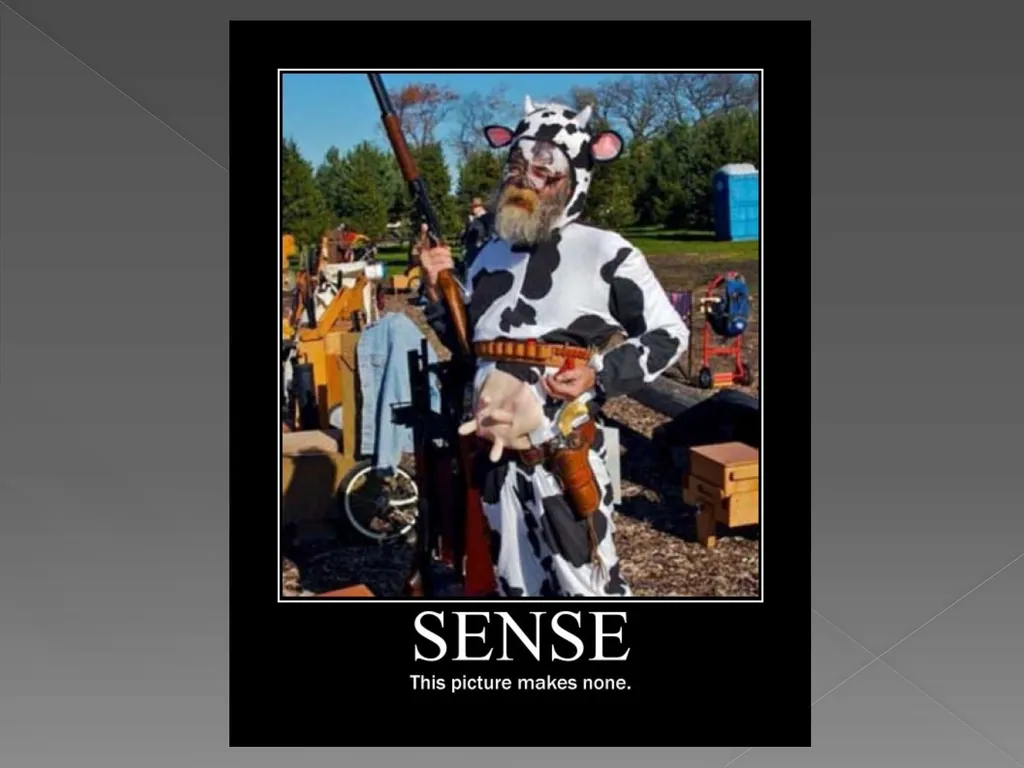
S -Sense What’s it about?
Paraphrasing the text.
Remember that the theme of a work of literature is the comment that the author makes about his or her subject, a revelation generally about the title.<br>
04
Theme is the insight we gain from thinking about what we have read. To determine the theme, first identify and be able to thoroughly describe the major elements of that work: Plot
Characterisation
Point of view
Setting
Patterns, symbols and recurring images<br>
05
I - Intention Why was this work written? What is the author trying to tell us? What is the purpose of this work?
More importantly – How do I know this? What words tell me? How can I SHOW you what the author’s intention is?<br>
06
F - Feeling How does this work make you feel about the content on a personal level? What makes you feel this way?
How does the author manage to evoke these emotions in the reader? What devices does the author use?<br>
07
T - Tone What tone or voice has the author used to convey his or her message?
Nostalgic Tone: reveals a kind of homesickness for the past, a desire to return to the “good old days”.
Sentimental Tone: identifies that which is affectedly or extravagantly emotional instead of rational. It may also reveal romantic feelings.
Moralizing tone: attempts to explain or interpret good or bad features of something. It is explicitly and clearly trying to reform. There is no subtlety.
Cynical tone: reveals a sense of helplessness or hopelessness toward life – a feeling that nothing can be changed, that evil will prevail, that man is basically selfish and incapable of being reformed.<br>
08
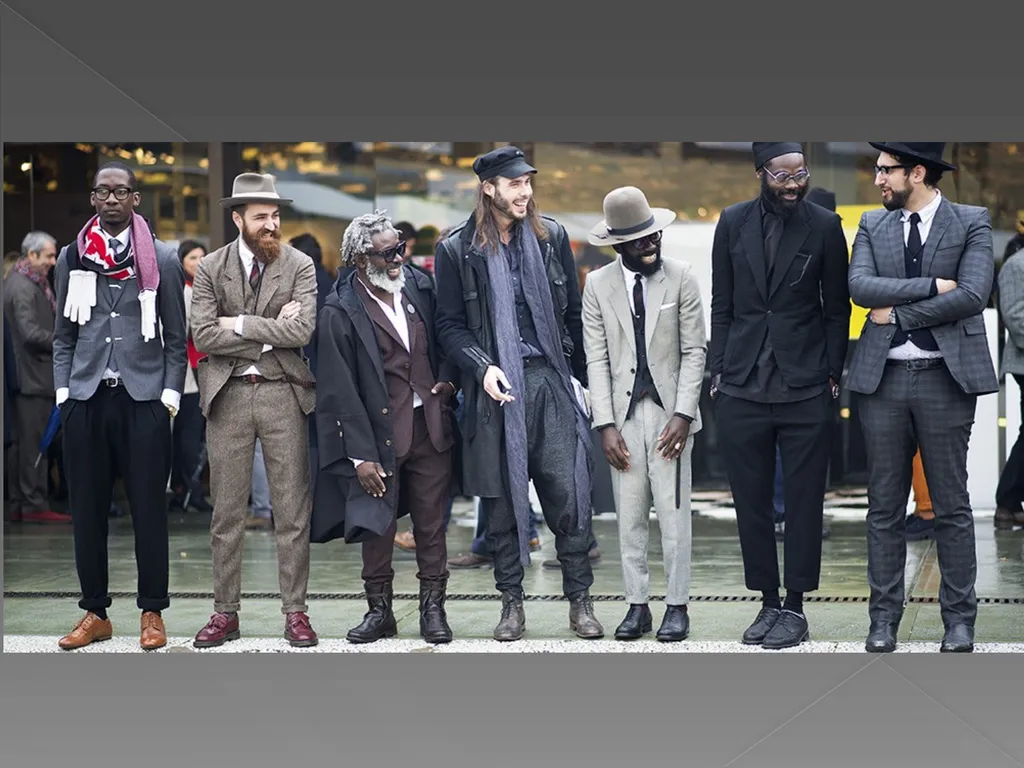
S – Style and Symbols What style does the author employ and how does this affect the work as a whole?
Style in literature is the literary element that describes the ways that the author uses words – the author’s word choice, sentence structure, figurative language and sentence arrangement all work together to establish mood, images and meaning in the text. Style describes how the author describes events, objects and ideas.<br>
09
Symbols What symbols or symbolic concepts are evident in the work and how do they influence it?
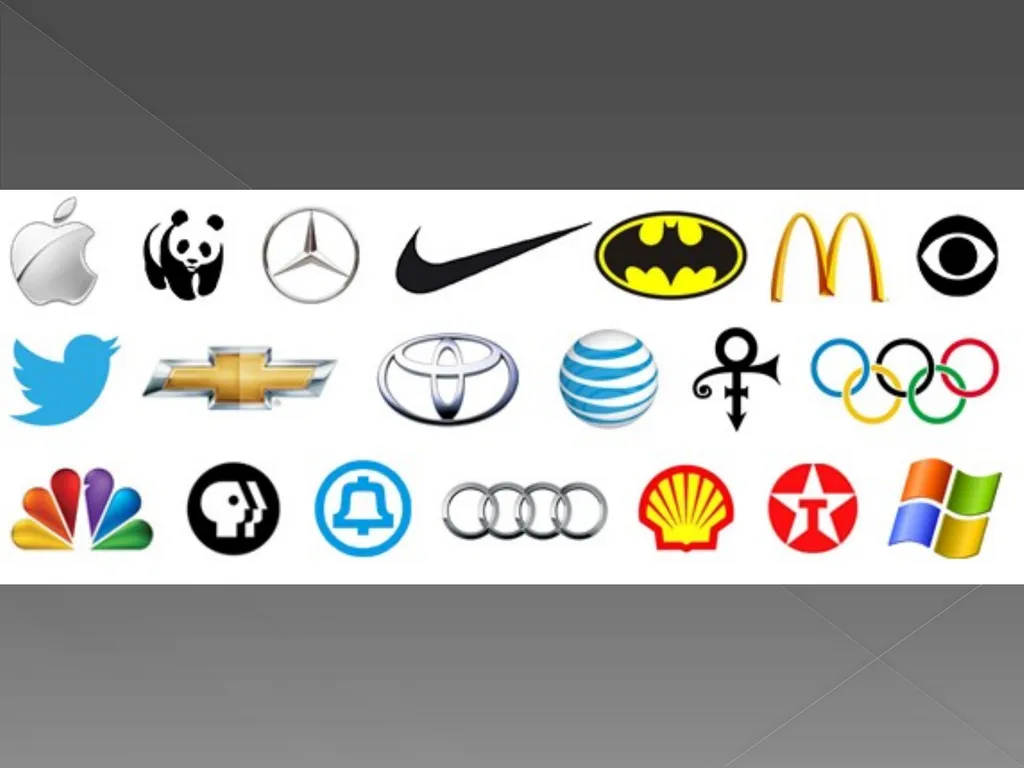
A symbol is something that represents something else, either by association or by resemblance. It can be a material object or a written sign used to represent something invisible.
In writing symbolism is the use of a word, a phrase or a description, which represents a deeper meaning than the words themselves. This kind of extension of meaning can transform the written word into a very powerful instrument.<br>
10
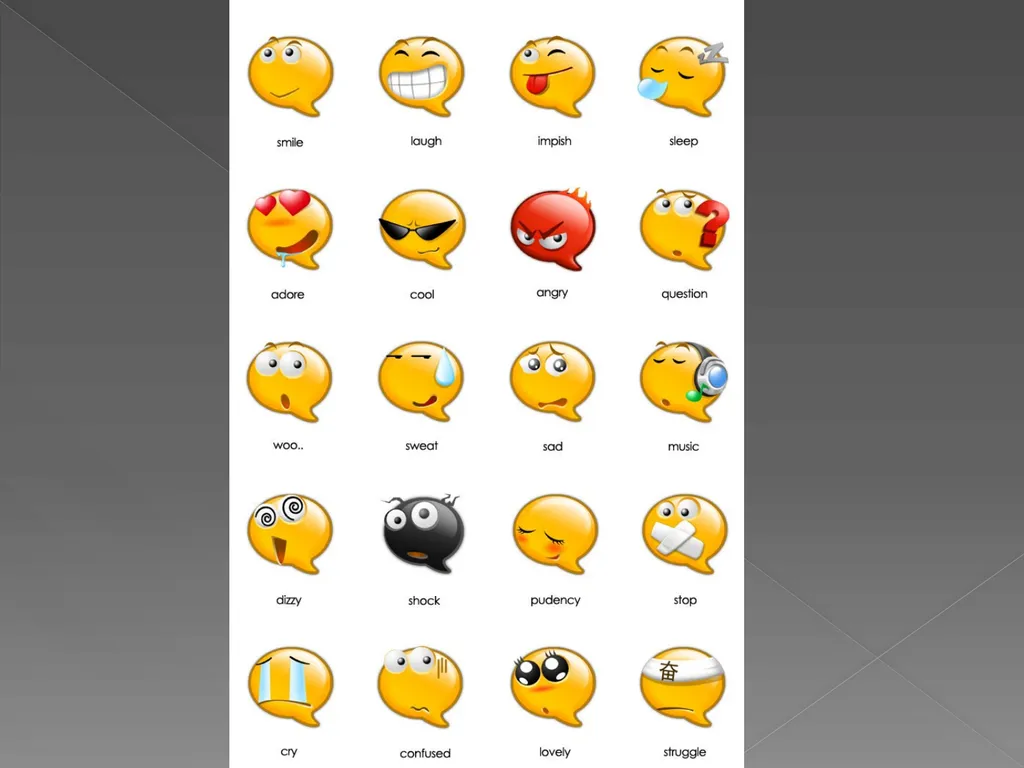
E - Emotions What mood or emotions are evoked by the author’s use of language, imagery and literary or poetic devices?
Look for alliteration, assonance, emotive language, colloquial, slang, jargon, neologism, cliché, rhetorical questions – words used deliberately to create an emotional response. Emotive language is particularly common in poetry in which language is at its most condensed and evocative.<br>
11
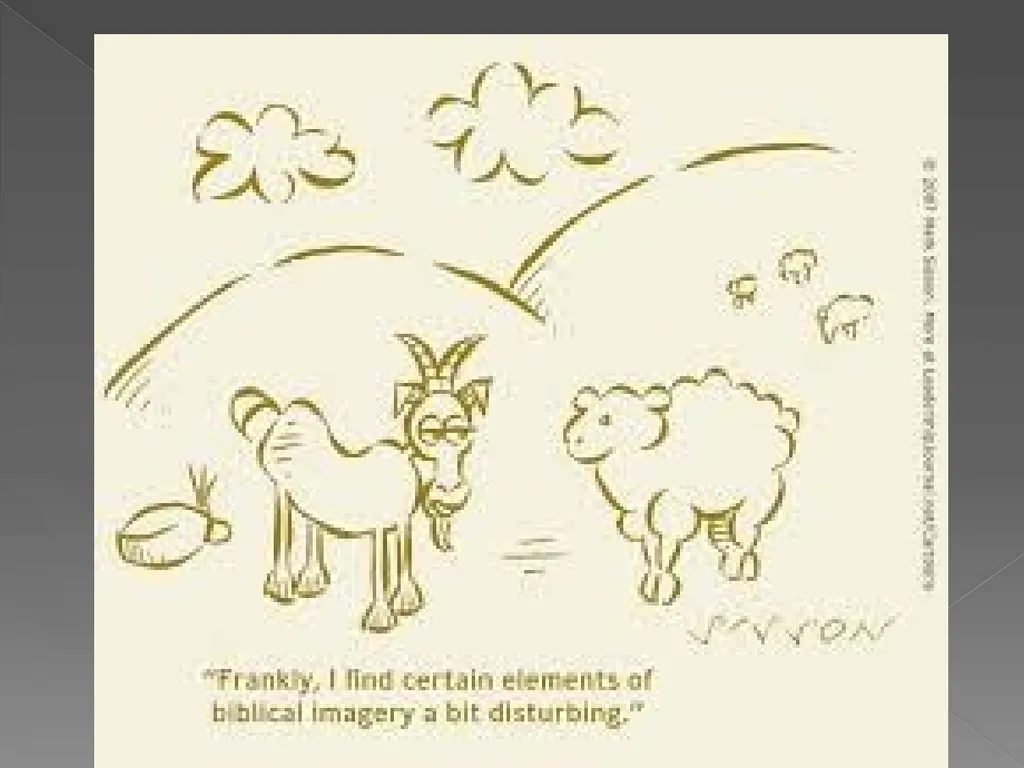
Imagery How does the author use figurative language to represent objects or situations that appeals to our physical senses.
Look for the use of simile, metaphor, onomatopoeia and personification.<br>