04
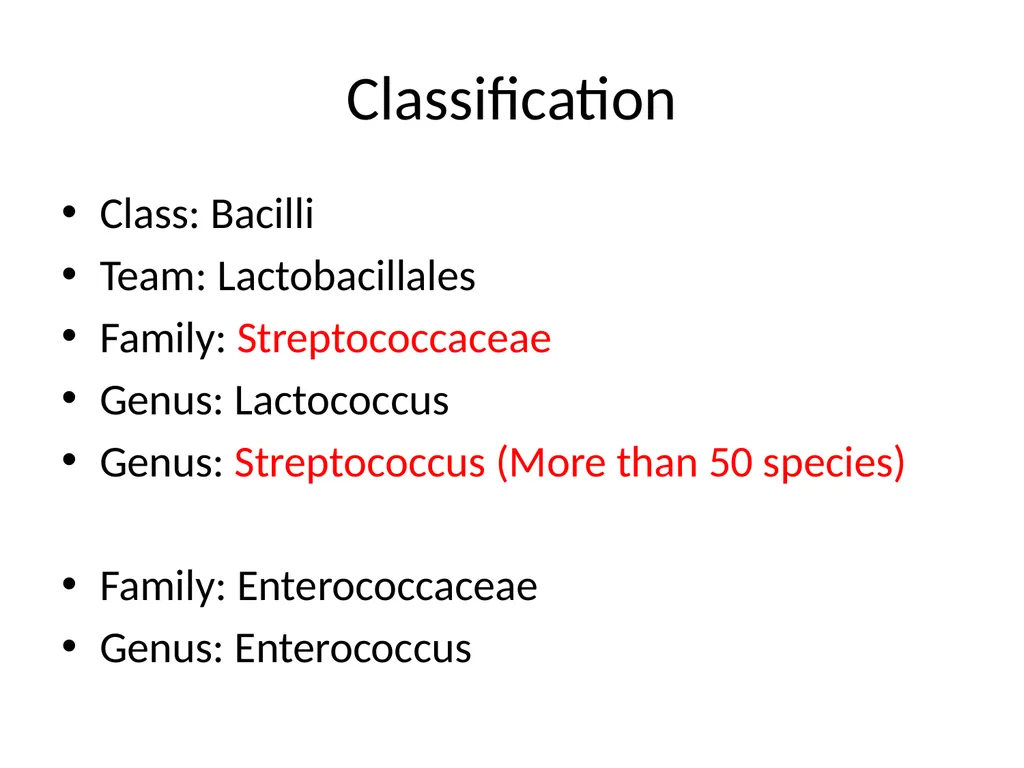
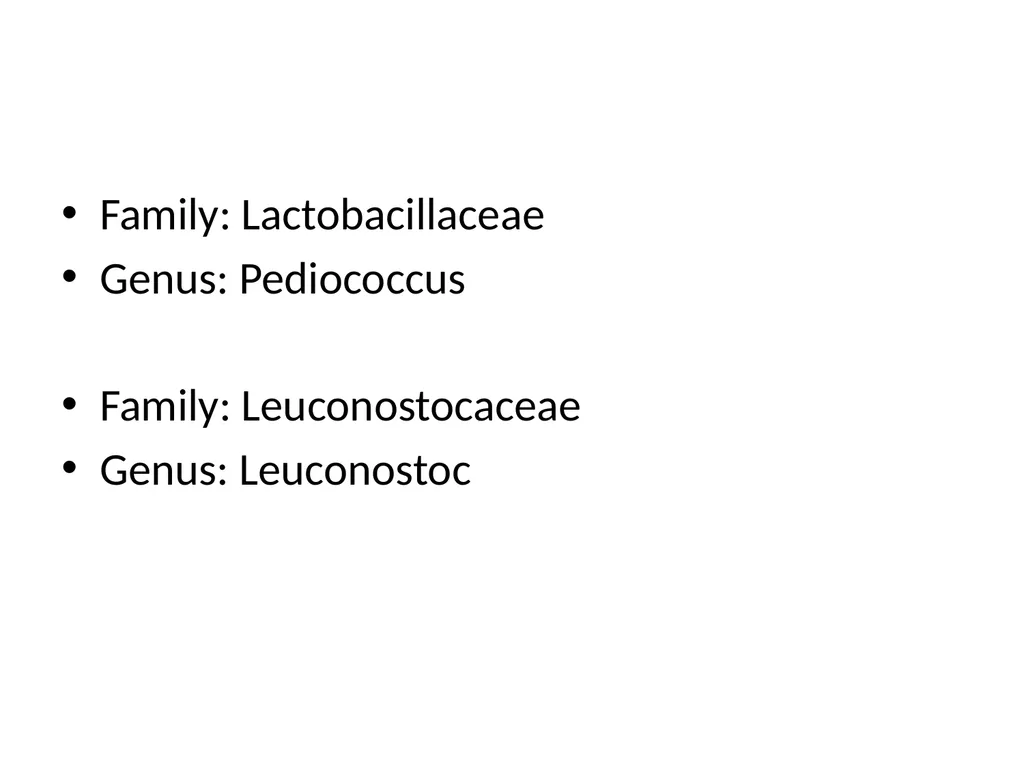
Family: Lactobacillaceae
Genus: Pediococcus
Family: Leuconostocaceae
Genus: Leuconostoc<br>
05
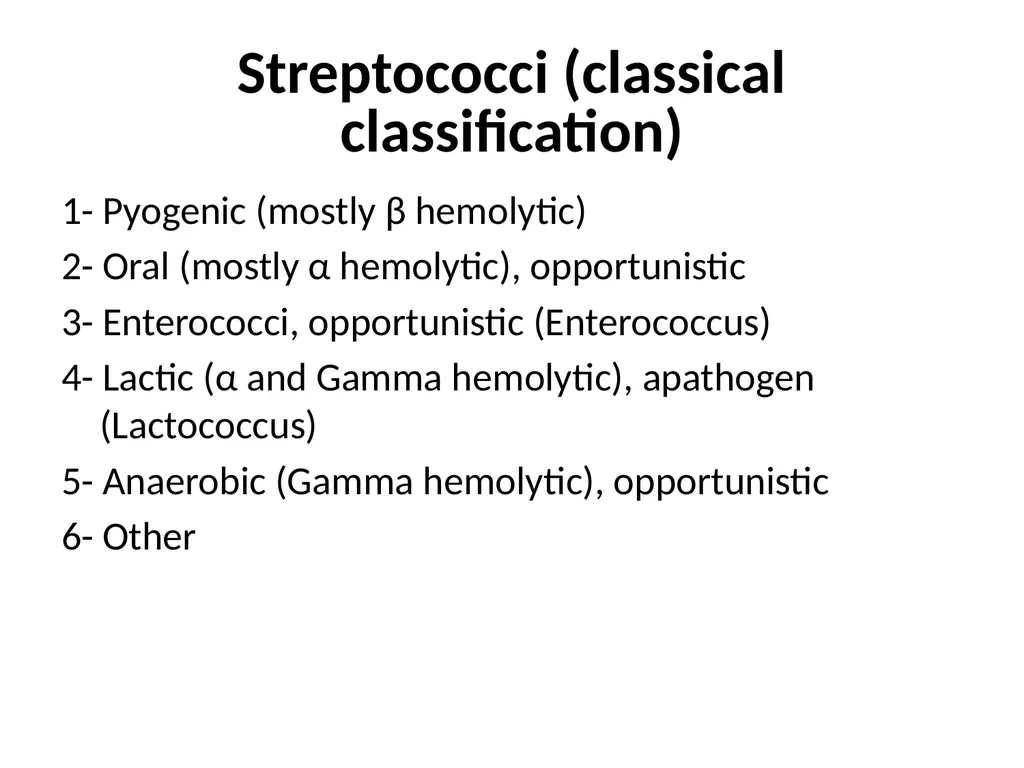
Streptococci (classical classification) 1- Pyogenic (mostly β hemolytic)
2- Oral (mostly α hemolytic), opportunistic
3- Enterococci, opportunistic (Enterococcus)
4- Lactic (α and Gamma hemolytic), apathogen (Lactococcus)
5- Anaerobic (Gamma hemolytic), opportunistic
6- Other<br>
06
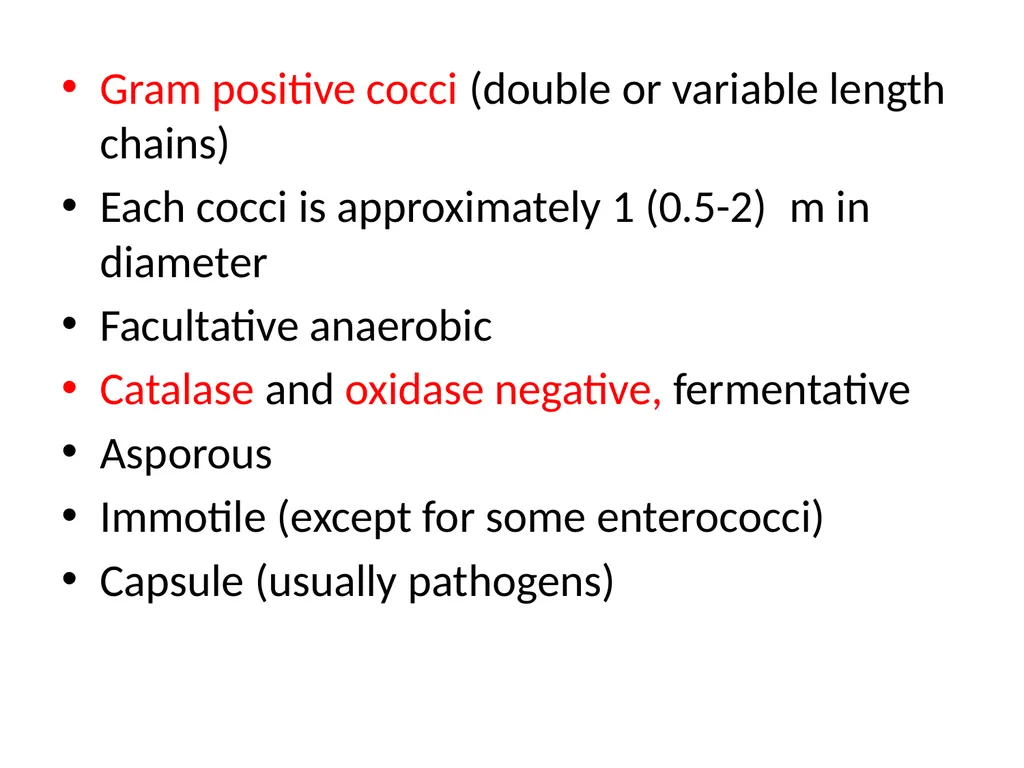
Gram positive cocci (double or variable length chains)
Each cocci is approximately 1 (0.5-2) m in diameter
Facultative anaerobic
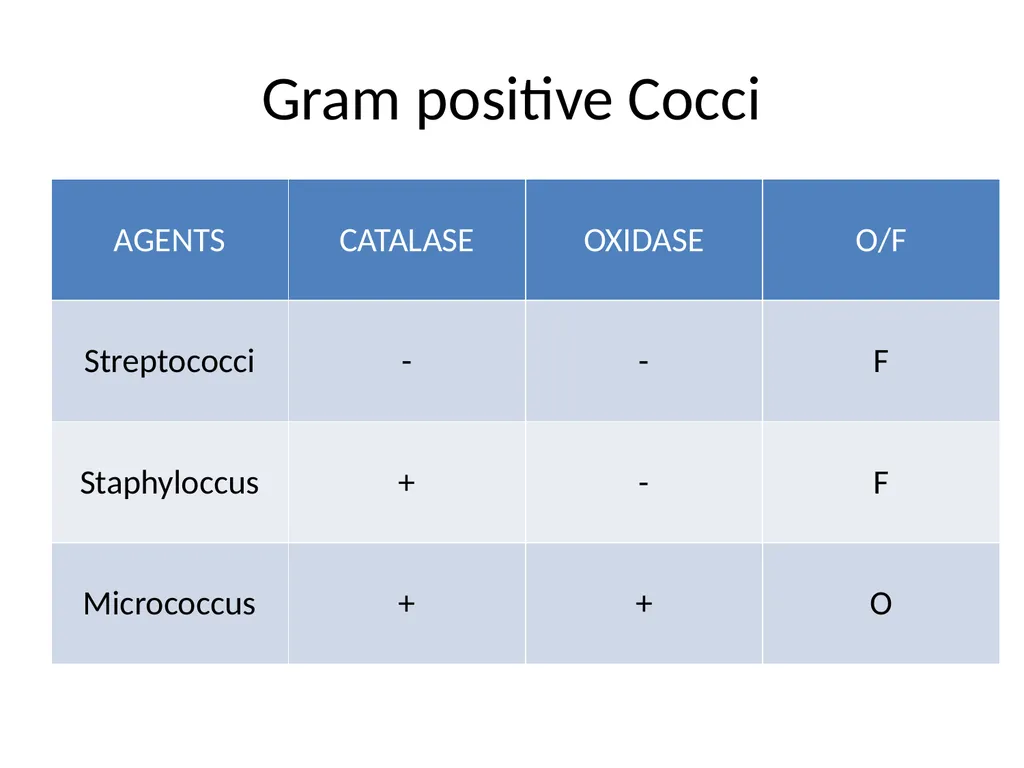
Catalase and oxidase negative, fermentative
Asporous
Immotile (except for some enterococci)
Capsule (usually pathogens)<br>
07
Locations Everywhere in the world
Streptococci with veterinary prescription are found on the mucosal surfaces, in the upper respiratory tract and in the urogenital canal (except S. equi)
Sensitive to drying
They can not survive for a long time when they leave from host
Enterococci are opportunistic pathogens and are found in the digestive tract of most animal species<br>
08
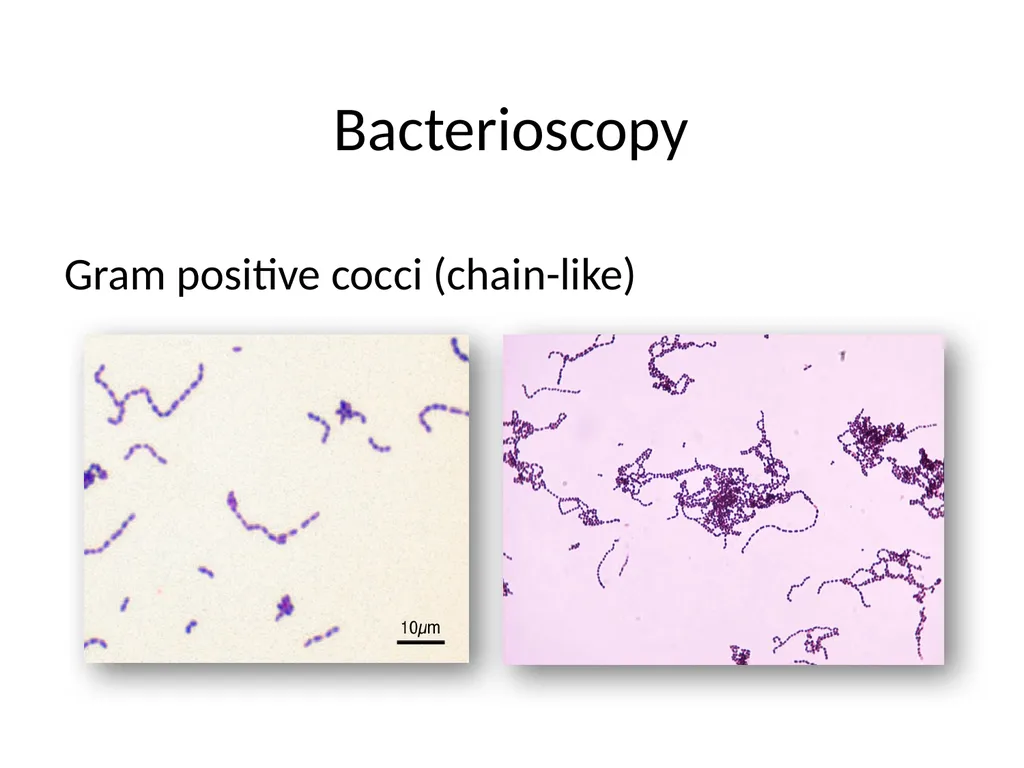
Bacterioscopy Gram positive cocci (chain-like)<br>
09
Culture Proliferation of these bacteria are complex (blood or serum is required to be added to the medium)
Enterococci culture on MacConkey agar
Generally interested in blood cells
Proliferation temperature limits 25-45oC, optimal 37oC
They form a transparent, bright, S type colony
Sediment in liquid medium<br>
10
Classification According to hemolysis
According to its antigenic characteristic (serological feature)
According to biochemical characteristics
* There are those who lyse erythrocytes in the blood agar (hemolysis makers). The medium is prepared by placing 10% sheep blood in the agar<br>
11
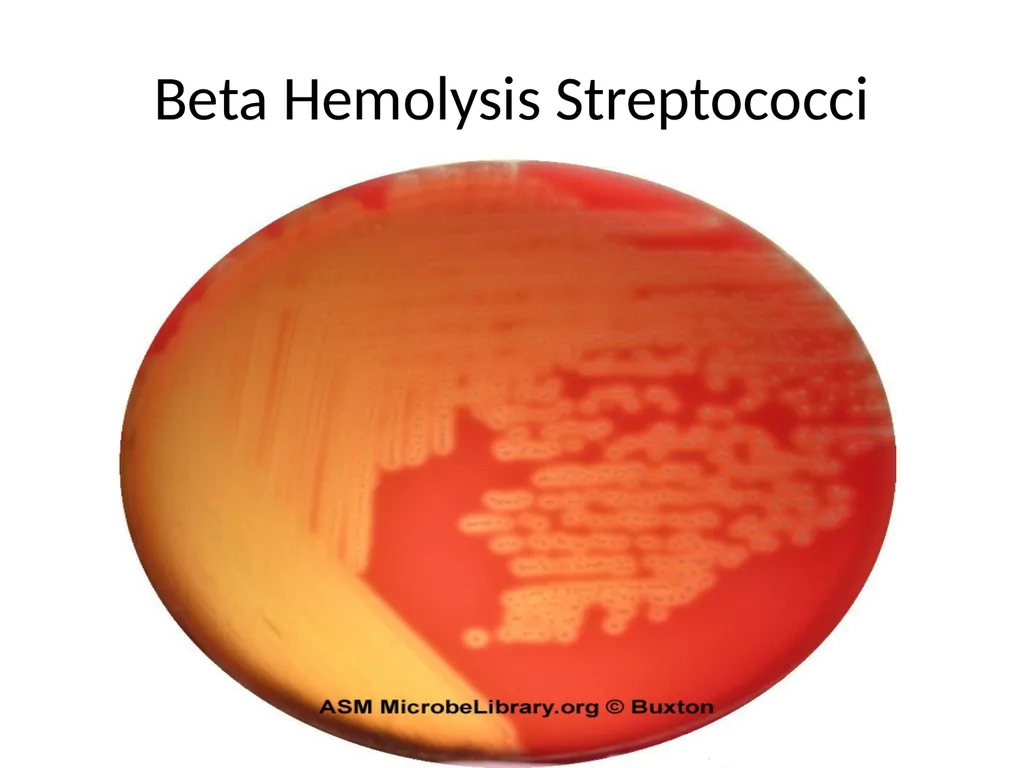
Beta Hemolytic; it becomes a completely colorless field around the colony (S. equi, S. agalactiae, S. pyogenes)
(chronic inflammation of the throat infection in humans S. pyogenes)
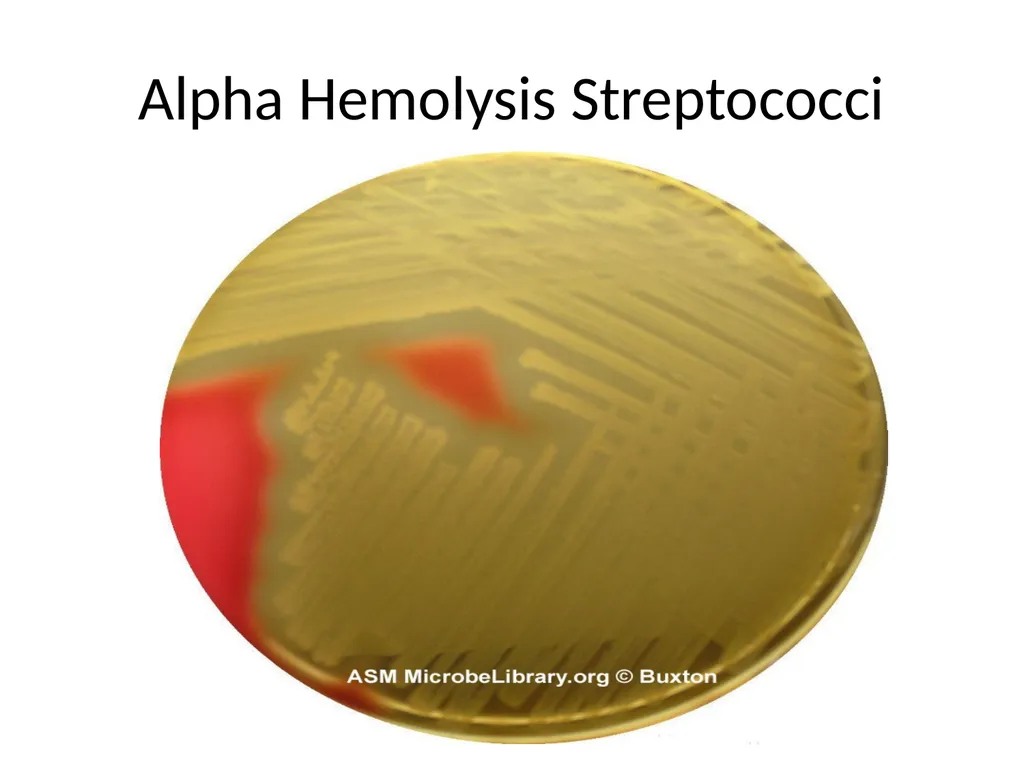
Alpha Hemolytic; around the colony is an area of unclear greenish hemolysis (H2O2 hemoglobin produced by bacteria to methemoglobin) (S. dysgalactiae, S. uberis, viridans group Streptococci)
Gamma hemolytic non-hemolytic Streptococcus (Enterococcus faecalis)<br>
12
Beta Hemolysis Streptococci<br>
13
Alpha Hemolysis Streptococci<br>
14
Generally, -hemolytic streptococci are pathogenic for most animal species
Lancefield Group C streptococci isolated from horses generally form a large -hemolysis<br>
15
Biochemical Tests CATALASE
OXİDASE
OXIDATION / FERMANTATION TEST
SODIUM HYPOPURATE TEST
CAMP TEST<br>
16
Gram positive Cocci<br>
17
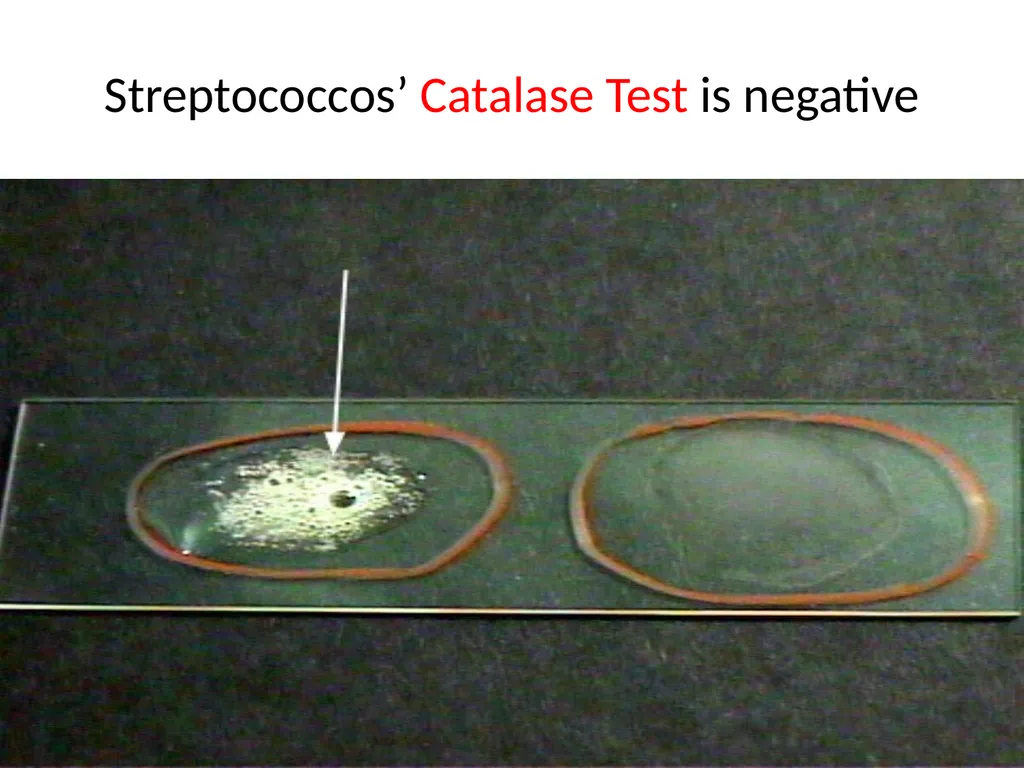
Streptococcos’ Catalase Test is negative<br>
18
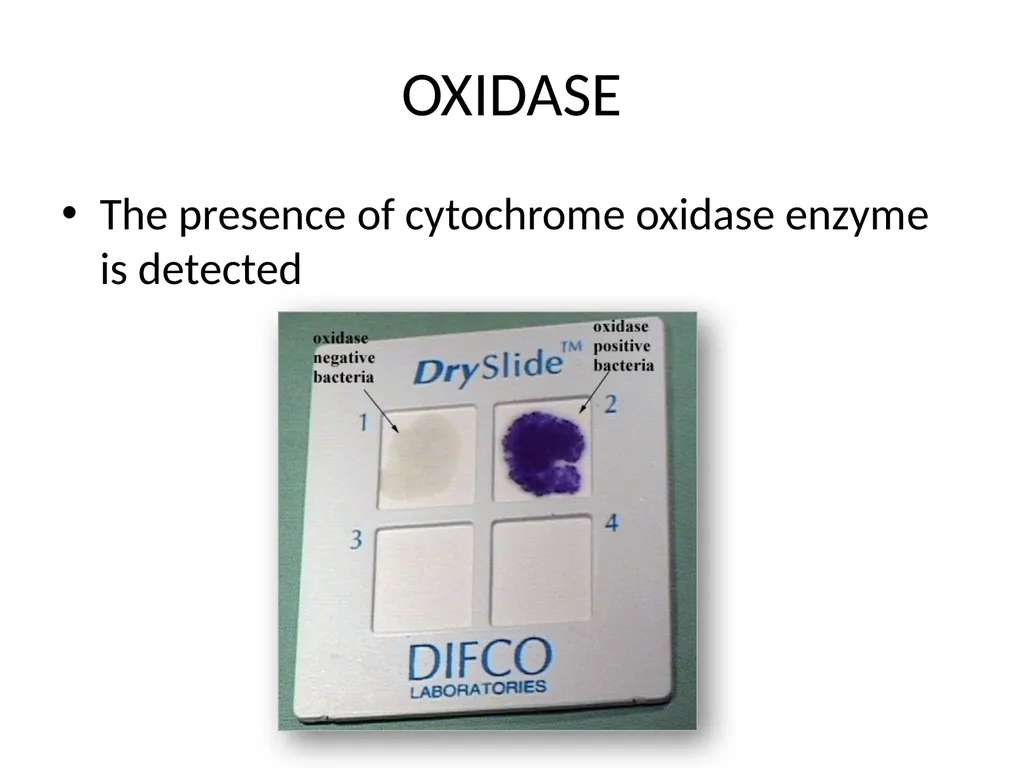
OXIDASE The presence of cytochrome oxidase enzyme is detected<br>
19
Serology Lancefield Group
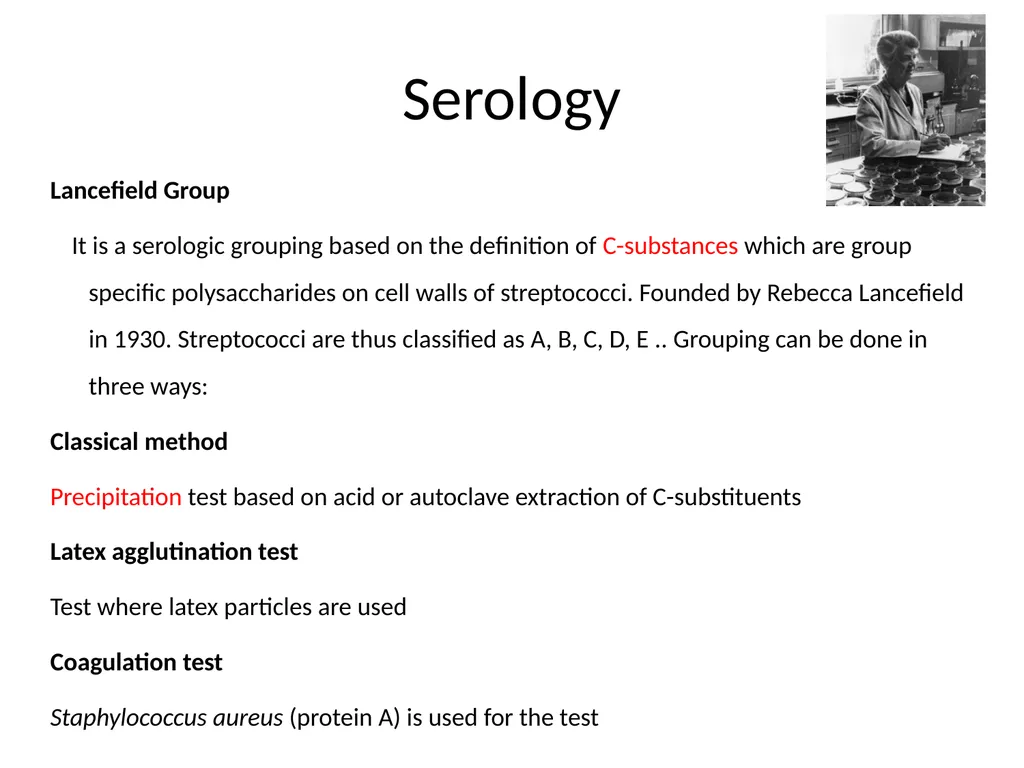
It is a serologic grouping based on the definition of C-substances which are group specific polysaccharides on cell walls of streptococci. Founded by Rebecca Lancefield in 1930. Streptococci are thus classified as A, B, C, D, E .. Grouping can be done in three ways:
Classical method
Precipitation test based on acid or autoclave extraction of C-substituents
Latex agglutination test
Test where latex particles are used
Coagulation test
Staphylococcus aureus (protein A) is used for the test<br>
20
M Protein Rebecca Lancefield found trying to classify S. pyogenes
Responsible for colonization and phagocytosis resistance
It is found on the cell surface of S. pyogenes
Inhibits complement to bind the peptidoglycan and opsonization
There are more than 50 different types
Some types are romatogenic (heart muscle-like epitopes)<br>
21
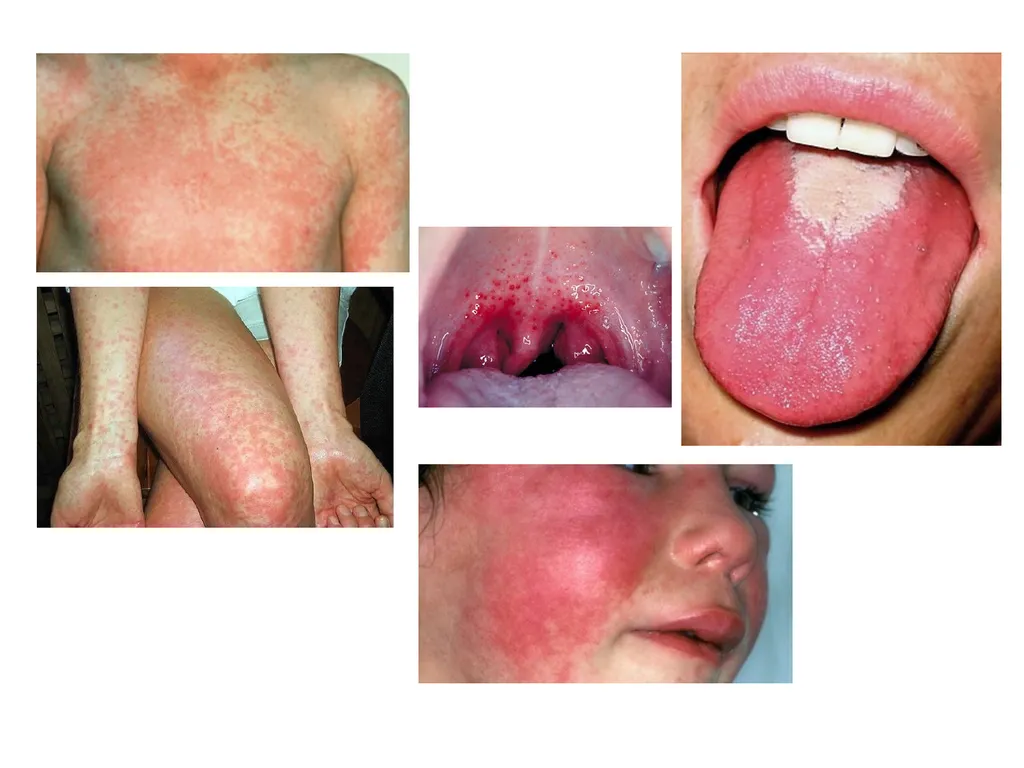
Red fever (Scarlet fever) Streptococcal pyrogenic exotoxin (A & C)
S. pyogenes agent
Toxin is transported by bacteriophage
In humans red spots in tongue, face, armpit, crotch
Tongue is in strawberry colour<br>
22
Virulence Factors Streptococci are pyogenic bacteria and are mostly isolated from cases related to abscess formation and irritation.
Exotoxin
Streptolysin O and S (Hemolysin of B-hemolytic)
Hyalurinidaz
Streptodornase (DNase)
NADase
proteinase
Streptokinase (Fibrinolysis)
Phage-encoded pyrogenic toxin (red in humans)
Polysaccharide capsule
S. pyogenes, S. pneumoniae, some S. equi subsp. equi, S. agalactiae
M protein
In S. pyogenes and S. porcinus species, antifagocytic
S. equi subsp. equi adhesin<br>
23
Streptococcal Causes Mastitis Key factors
S. agalactiae
S. dysgalactiae
S. uberis
More rare factors
Enterococcus faecalis
S. pyogenes
S. zooepidemicus
S. agalactiae - Lancefield B, colonization in milk ducts, persistent chronic infection
S. dysgalactiae - Lancefield C, mouth cavity, genital organs, mammary gland, acute mastitis
S. uberis - Skin, tonsillar, vaginal mucosa flora effect, clinical mastitis without systemic symptoms<br>
24
Diagnosis Clinic symptoms
Inflammatory reactions in the mammary gland (somatic cell increase)
Milk coagulants (alkalization of pH due to Na and Cl ions)
Prevention of contamination in sampling
Culture on blood agar, Edward's medium and MacConkey agar , incubation at 37 ° C for 24-48 hours
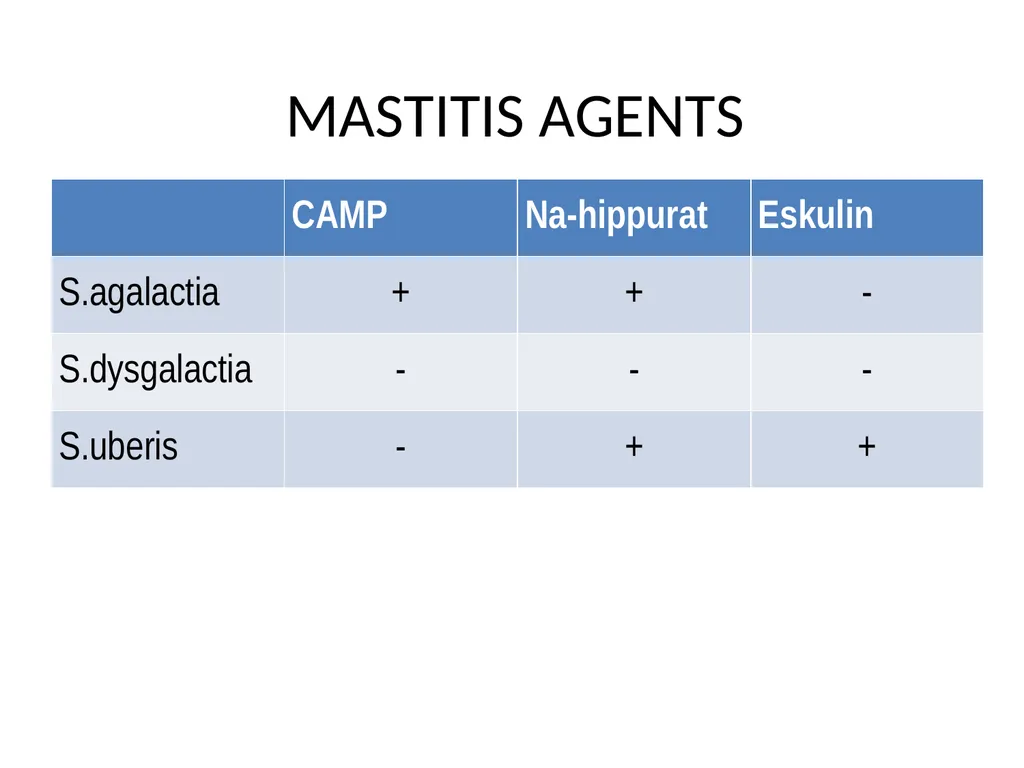
Distinguishing agents that cause mastitis
Sugar fermentation tests<br>
25
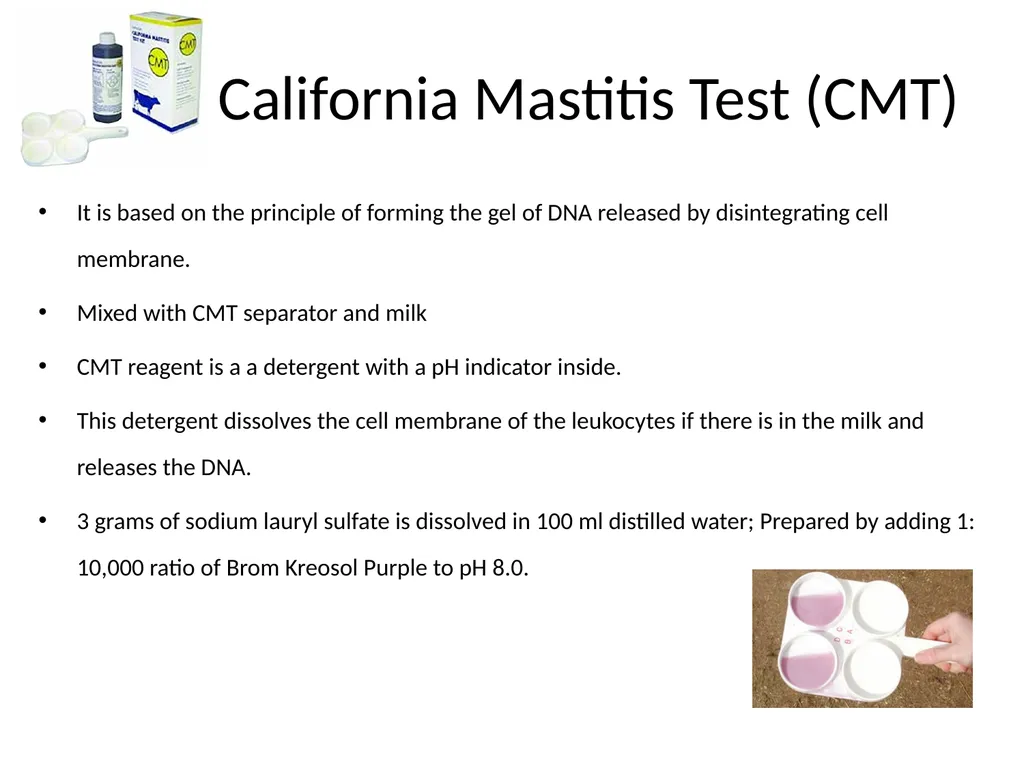
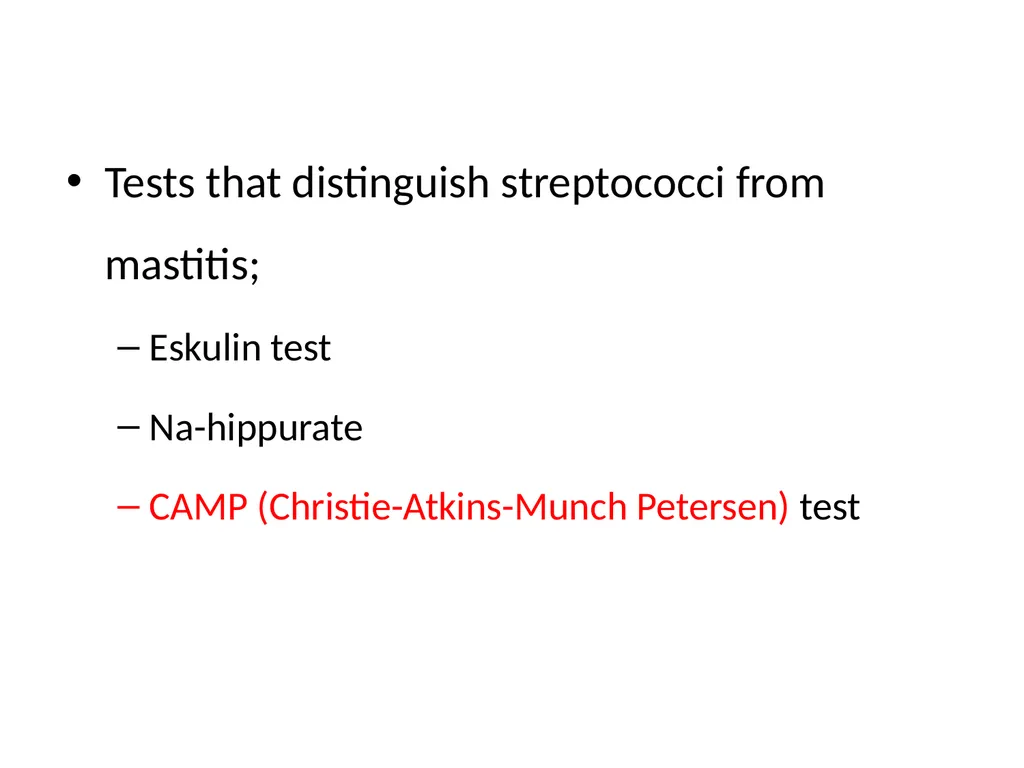
California Mastitis Test (CMT) It is based on the principle of forming the gel of DNA released by disintegrating cell membrane.
Mixed with CMT separator and milk
CMT reagent is a a detergent with a pH indicator inside.
This detergent dissolves the cell membrane of the leukocytes if there is in the milk and releases the DNA.
3 grams of sodium lauryl sulfate is dissolved in 100 ml distilled water; Prepared by adding 1: 10,000 ratio of Brom Kreosol Purple to pH 8.0.<br>
26
Tests that distinguish streptococci from mastitis;
Eskulin test
Na-hippurate
CAMP (Christie-Atkins-Munch Petersen) test<br>
28
GURM�(Water scarf, Adenitis equorum, Strangles) Definition: It is a feverish, contagious and acute infection characterized by the inflammation of the nasal, pharynx mucosa and regional lymph nodes.
Reported by Rivolta in 1873 and Sureyya Tahsin in 1940 Agent: S. equi subsp. equi (S. equi)<br>
29
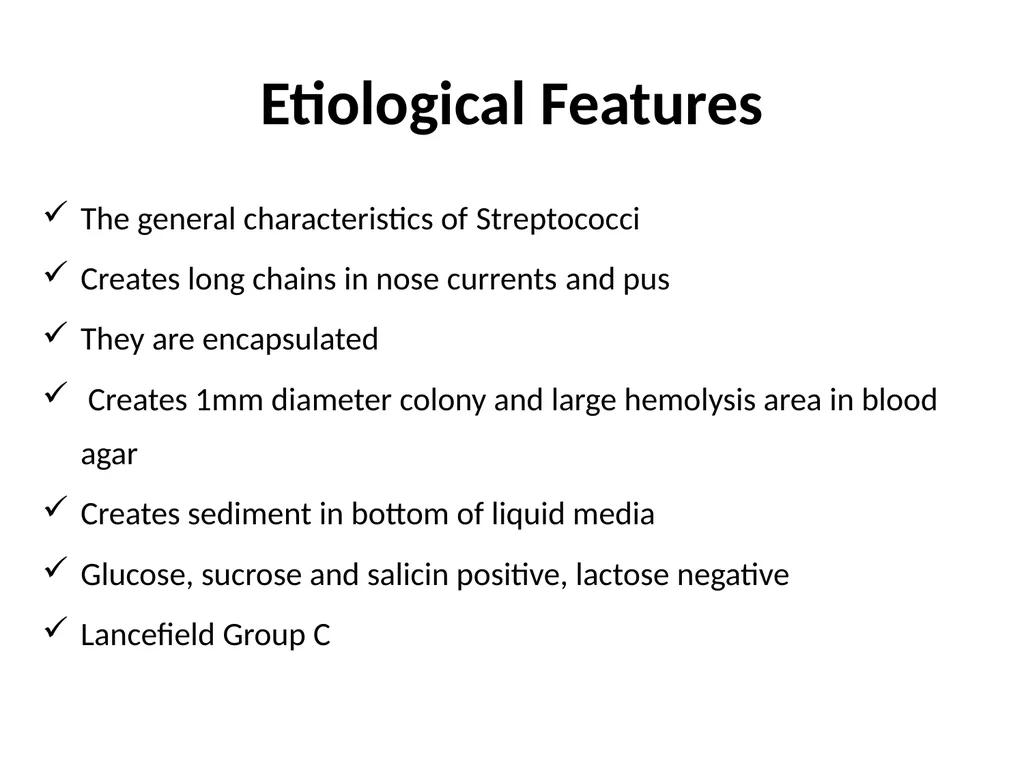
Etiological Features The general characteristics of Streptococci
Creates long chains in nose currents and pus
They are encapsulated
Creates 1mm diameter colony and large hemolysis area in blood agar
Creates sediment in bottom of liquid media
Glucose, sucrose and salicin positive, lactose negative
Lancefield Group C<br>
30
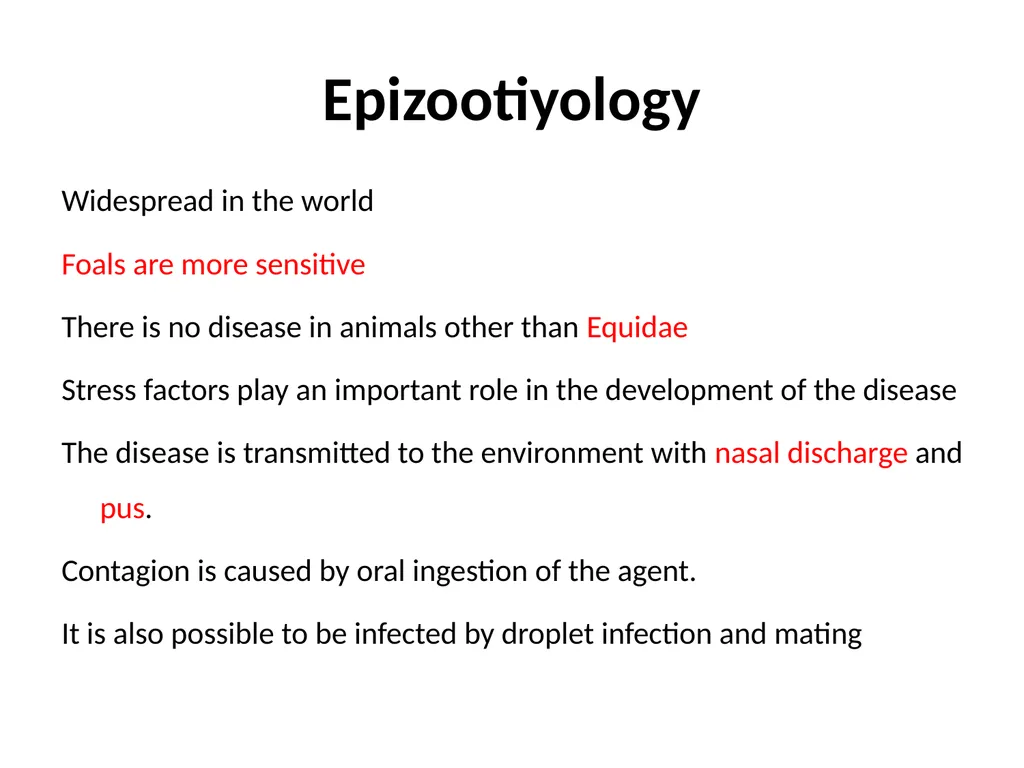
Epizootiyology Widespread in the world
Foals are more sensitive
There is no disease in animals other than Equidae
Stress factors play an important role in the development of the disease
The disease is transmitted to the environment with nasal discharge and pus.
Contagion is caused by oral ingestion of the agent.
It is also possible to be infected by droplet infection and mating<br>
31
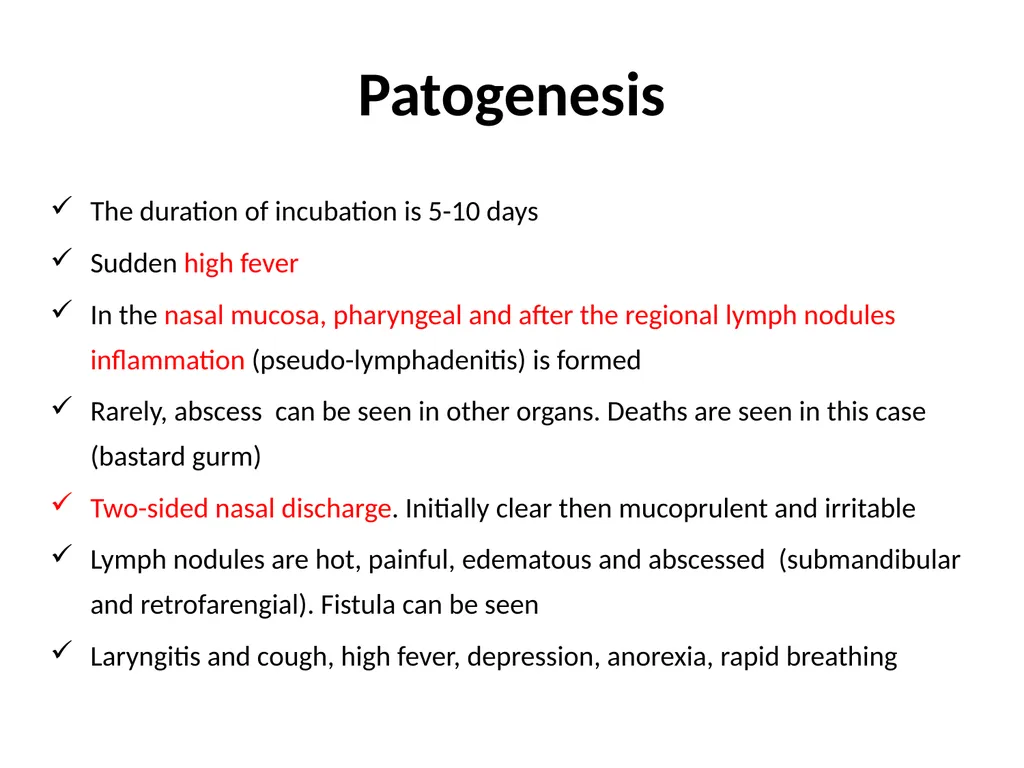
Patogenesis The duration of incubation is 5-10 days
Sudden high fever
In the nasal mucosa, pharyngeal and after the regional lymph nodules inflammation (pseudo-lymphadenitis) is formed
Rarely, abscess can be seen in other organs. Deaths are seen in this case (bastard gurm)
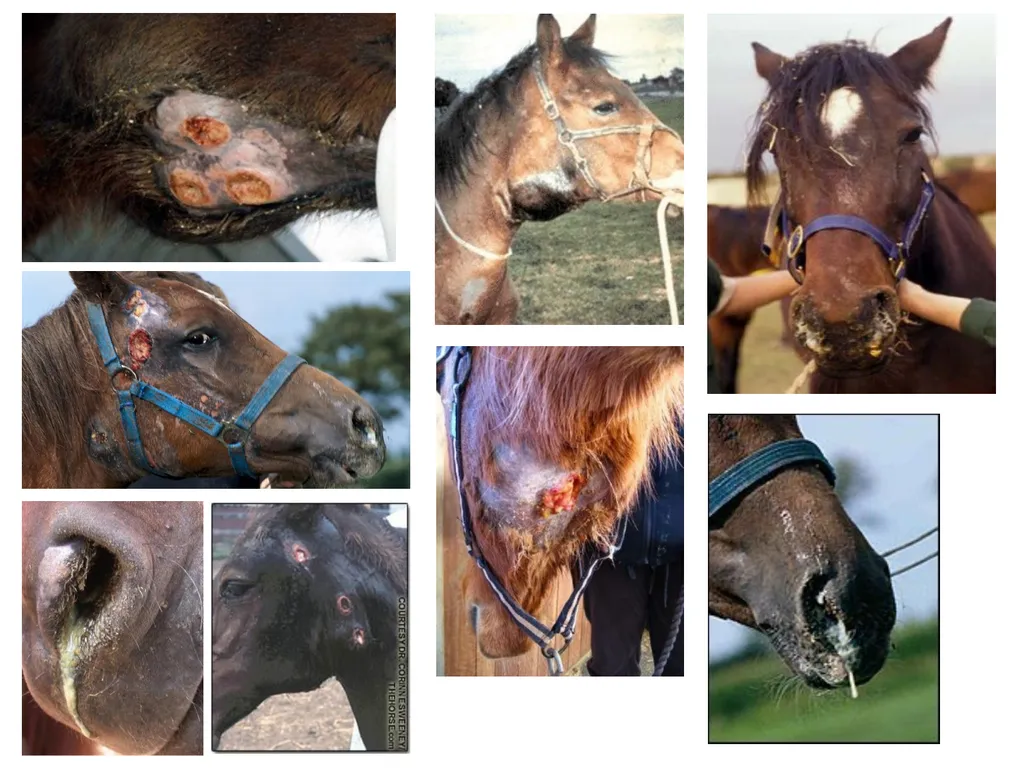
Two-sided nasal discharge. Initially clear then mucoprulent and irritable
Lymph nodules are hot, painful, edematous and abscessed (submandibular and retrofarengial). Fistula can be seen
Laryngitis and cough, high fever, depression, anorexia, rapid breathing<br>
32
Diagnosis Clinical diagnosis
Autopsy findings
Laboratory examination
-Bacterioscopy
Culture
Other agents in group C are separated from S. equisimilis and S. zooepidemicus by lactose, sorbitol and trehalose-negative
Animal experiment<br>
33
Differential diagnosis Malleus (Ruam)
Tuberculosis<br>
34
Treatment
It is evaluated by performing an antibiogram test.
Penicillin derivatives, tetracyclines, sulfonamides
Protection
General hygiene
Separation of patients
Care and nursing care<br>