
These Exercises Are Provided by the Texas Normal







Description: These Exercises Are Provided by the Texas Normal Singing School Shape Note Sight Singing Curriculum developed by Clinton Davis Levi Sisemore www.SingingSchool.org Permission is heartily granted to use and redistribute these slides,
Related Topics
Download Presentation
"These Exercises Are Provided by the Texas Normal" is the property of its rightful owner. Permission is granted to download and print the materials on this website for personal, non-commercial use only, and to display it on your personal computer provided you do not modify the materials and that you retain all copyright notices contained in the materials. By downloading content from our website, you accept the terms of this agreement.
Presentation Transcript
slide1. These Exercises Are Provided by the
Texas Normal Singing School Shape Note
Sight Singing Curriculum
developed by
Clinton Davis & Levi Sisemore www.SingingSchool.org<br>
slide2. Permission is heartily granted to use and redistribute these slides, provided that acknowledgement is given to the TNSS and no modifications are made to this file. TNSS retains all rights to this material. www.SingingSchool.org<br>
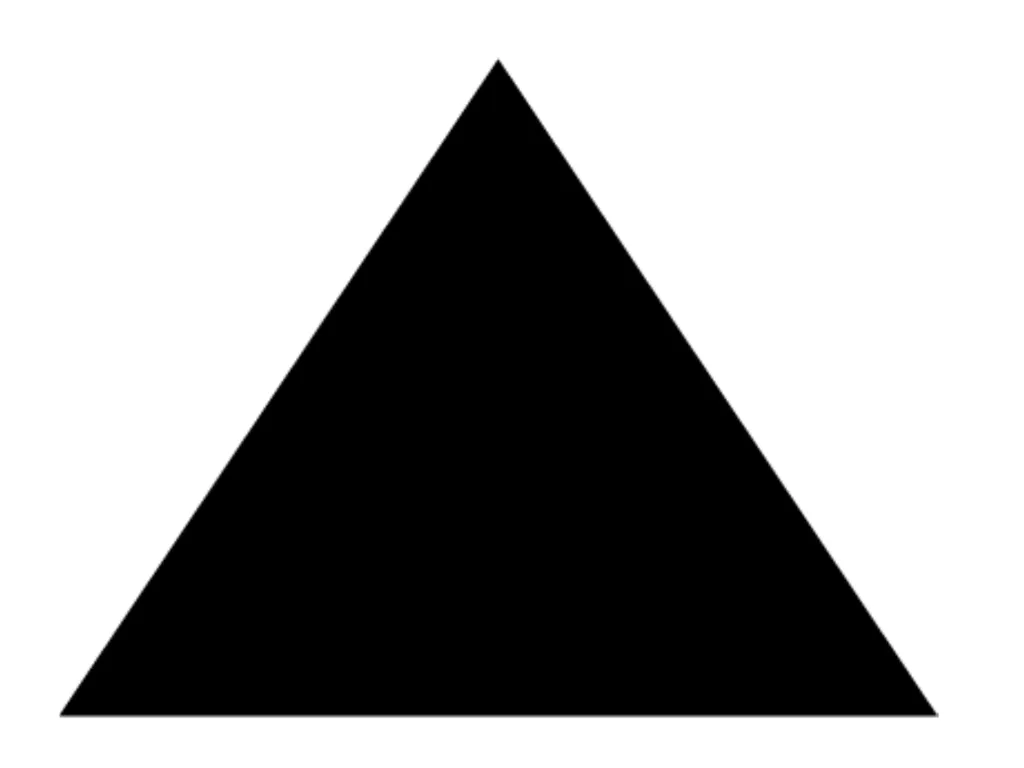
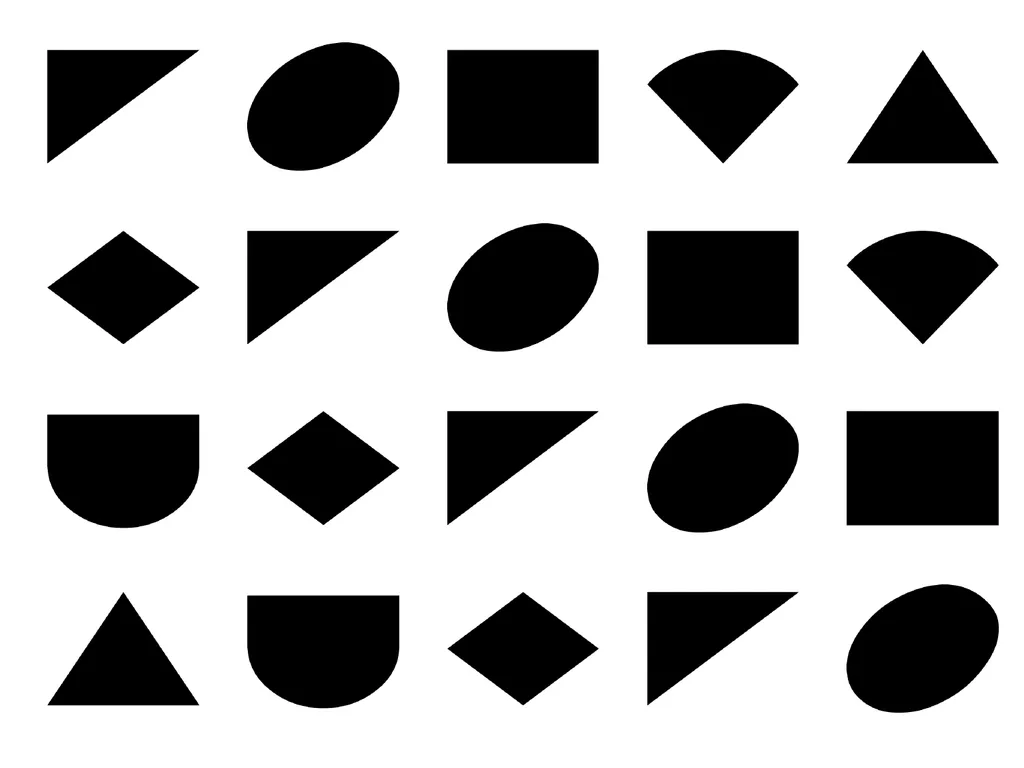
slide3. The next seven slides are of shaped noteheads. Each degree of the scale is identified in printed music by a unique shape.
As you survey these shapes (from Do to Ti), try to come up with was to tie the solfege syllable back to the shape which represents it (often times, the sillier the connection, the better it is remembered).<br>
slide12. Exercise #1a
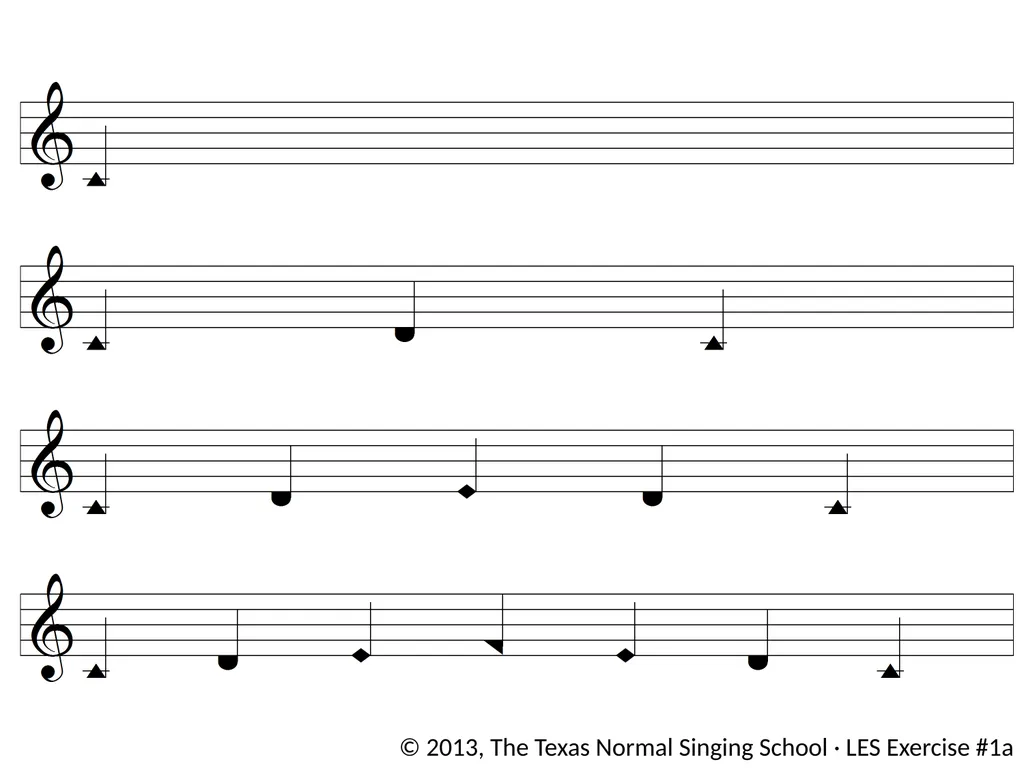
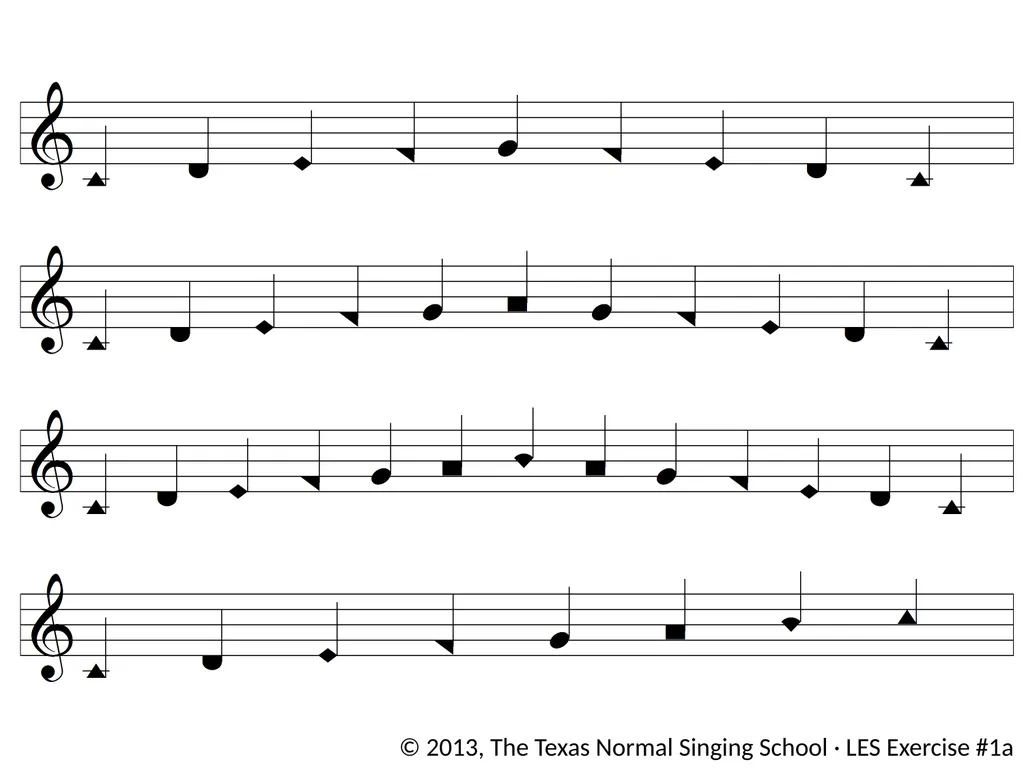
Adding one ascending degree of the scale with each repetition.
Exercise #1b
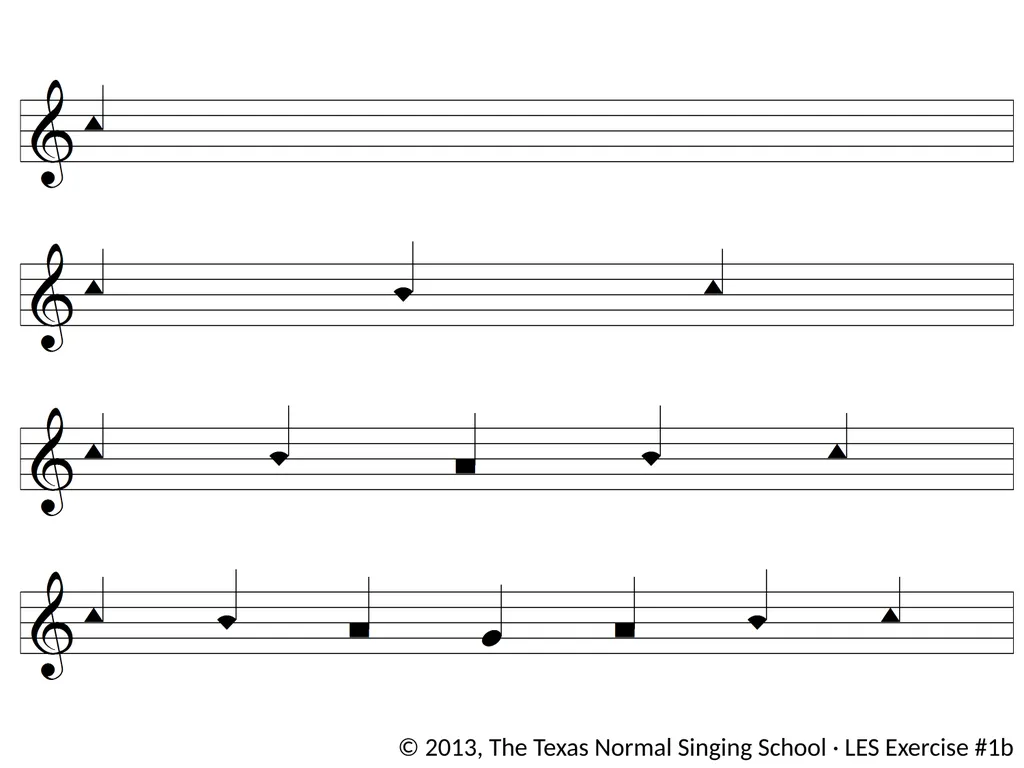
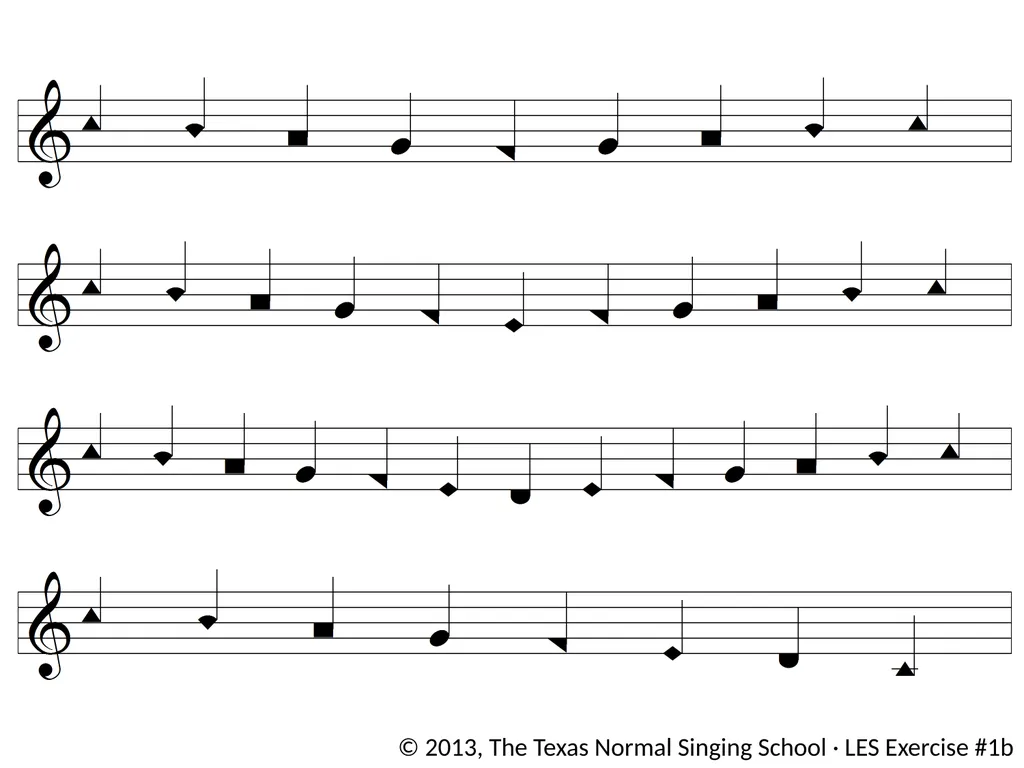
Adding one descending degree of the scale with each repetition.<br>
slide13. © 2013, The Texas Normal Singing School · LES Exercise #1a<br>
slide14. © 2013, The Texas Normal Singing School · LES Exercise #1a<br>
slide15. © 2013, The Texas Normal Singing School · LES Exercise #1b<br>
slide16. © 2013, The Texas Normal Singing School · LES Exercise #1b<br>
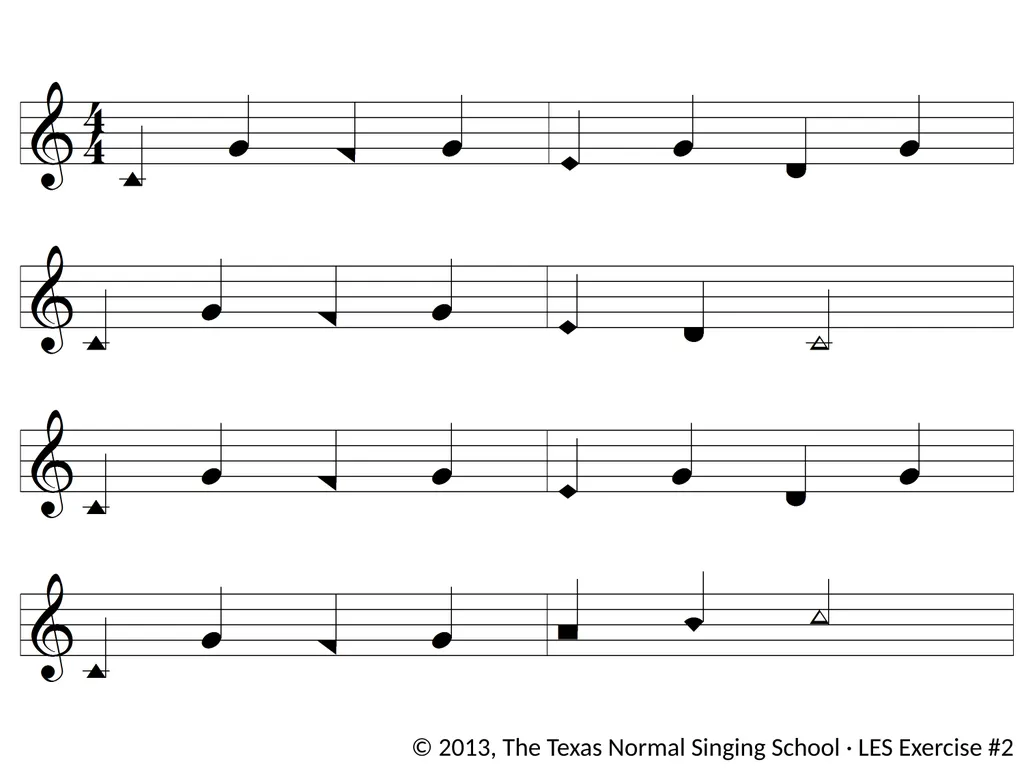
slide17. Exercise #2
Finding Sol from any other degree of the scale.<br>
slide18. © 2013, The Texas Normal Singing School · LES Exercise #2<br>
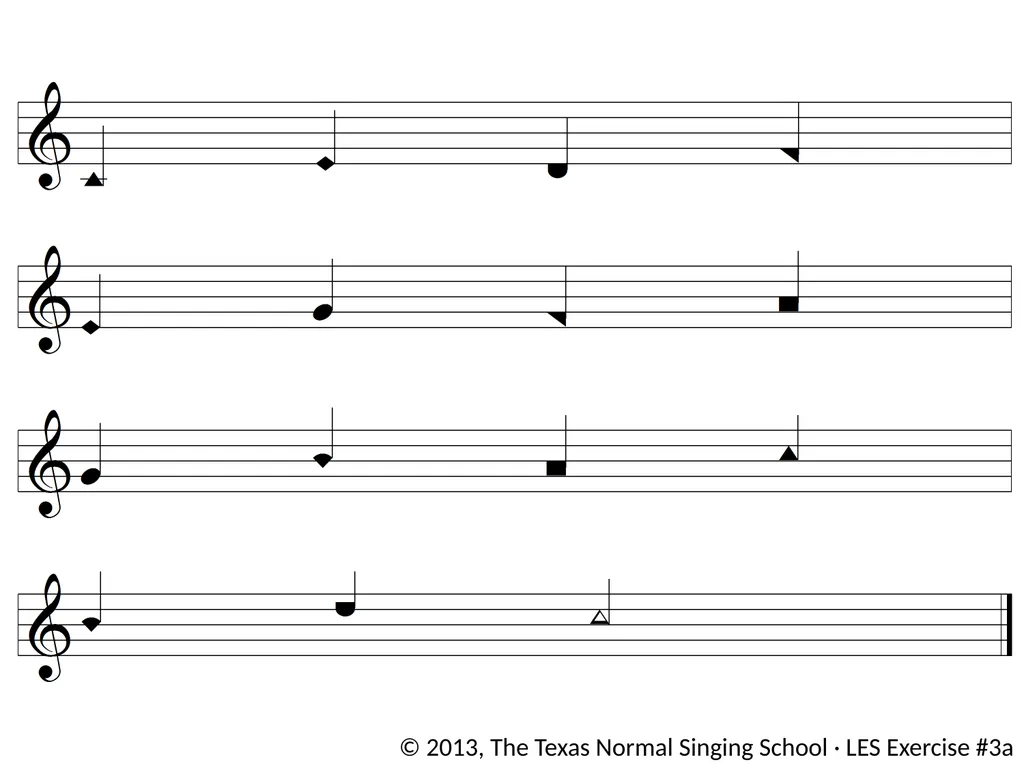
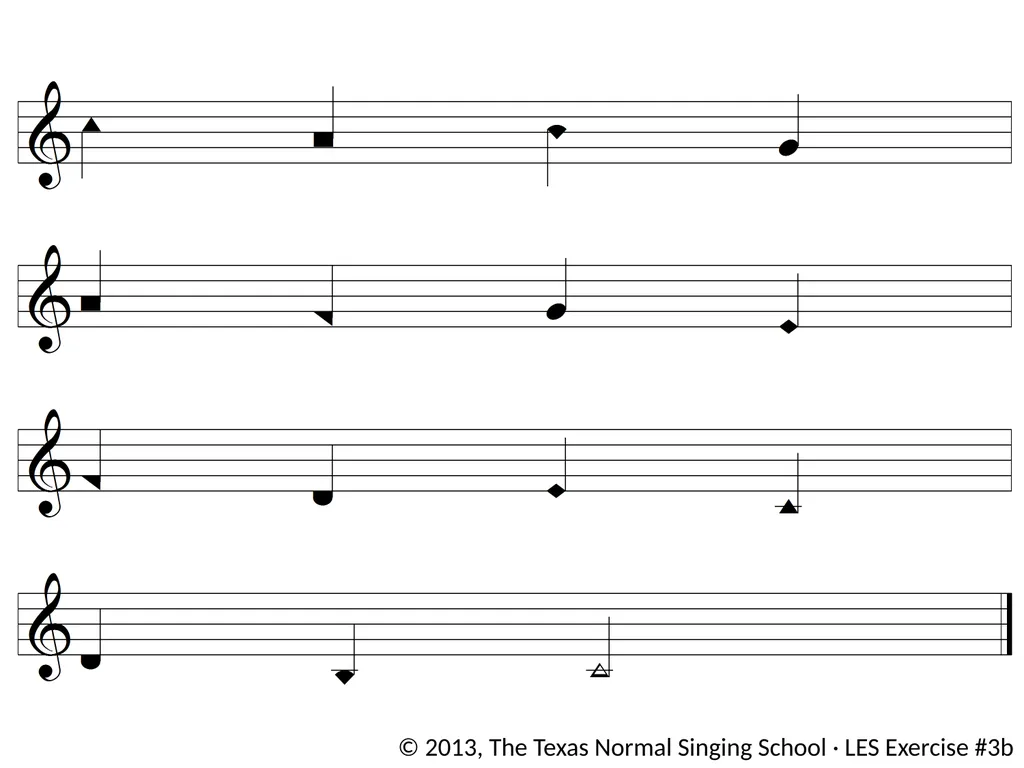
slide19. Exercise #3a
Learning ascending Thirds
Exercise #3b
Learning descending Thirds<br>
slide20. © 2013, The Texas Normal Singing School · LES Exercise #3a<br>
slide21. © 2013, The Texas Normal Singing School · LES Exercise #3b<br>
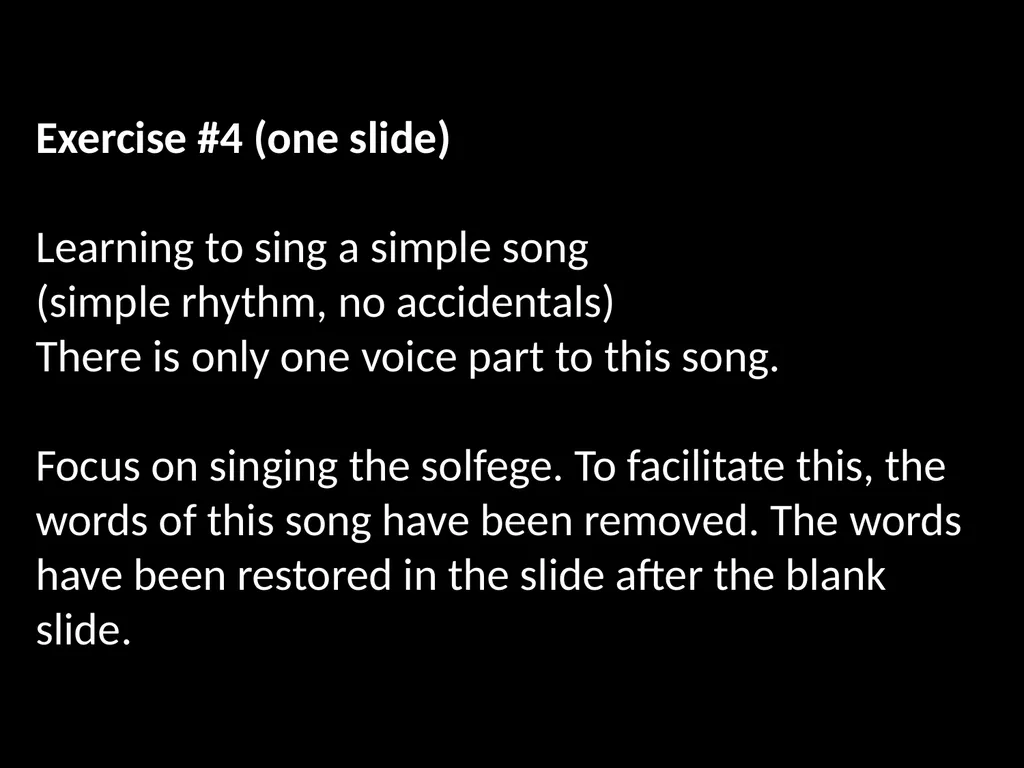
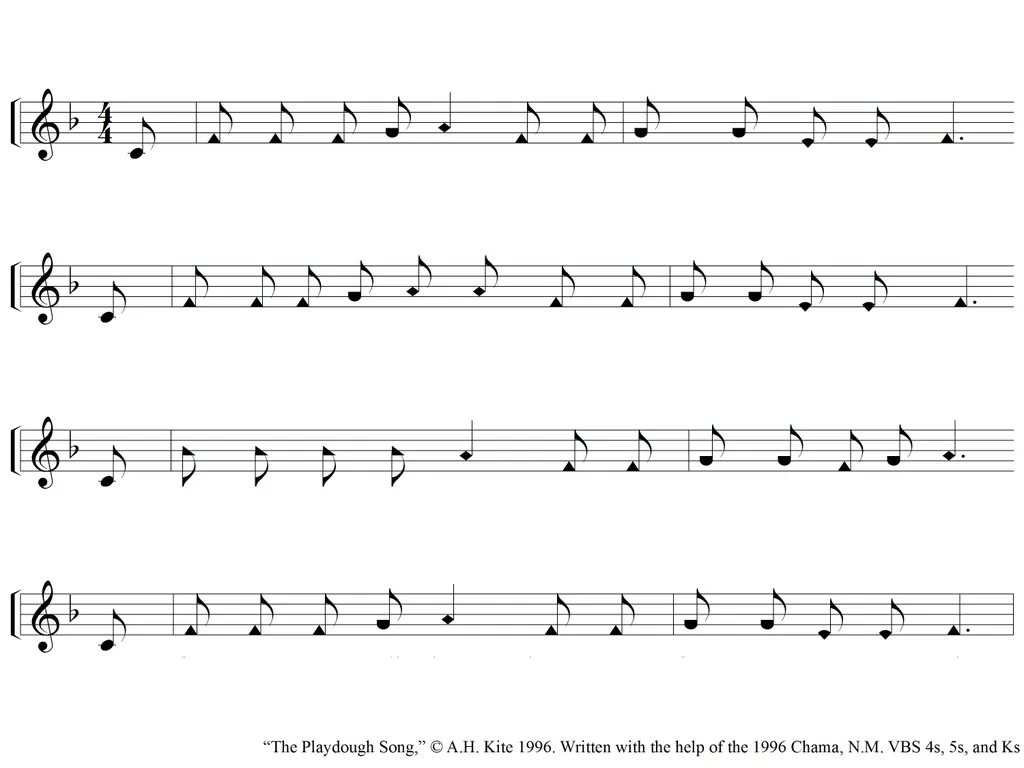
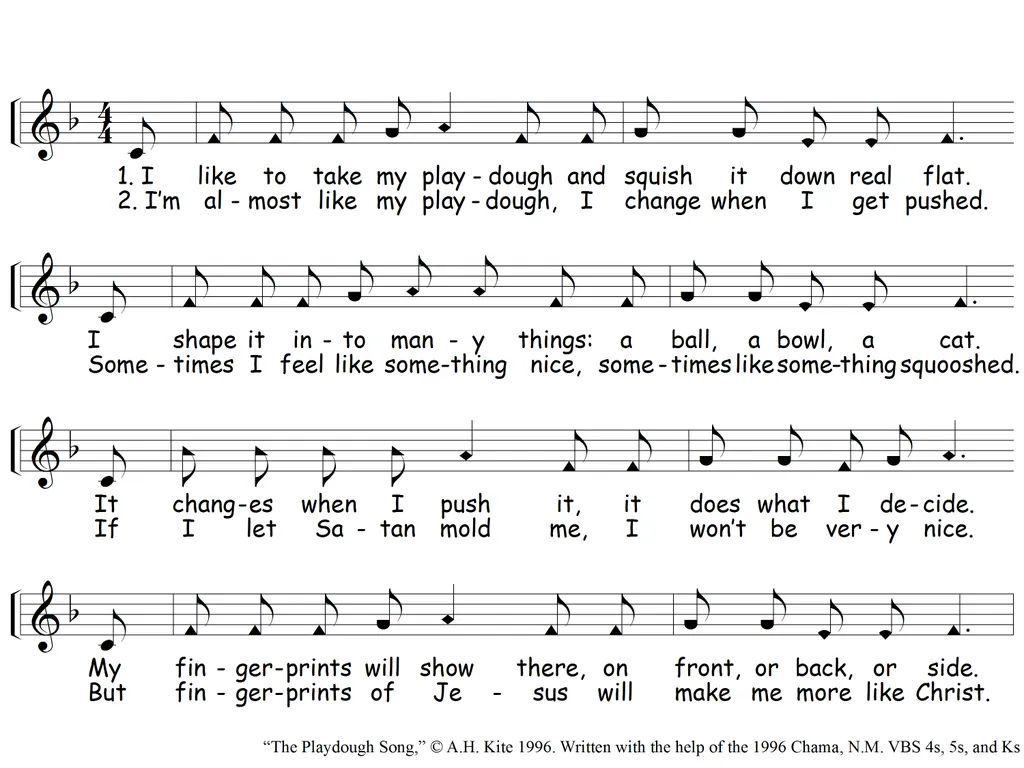
slide22. Exercise #4 (one slide)
Learning to sing a simple song
(simple rhythm, no accidentals)
There is only one voice part to this song.
Focus on singing the solfege. To facilitate this, the words of this song have been removed. The words have been restored in the slide after the blank slide.<br>
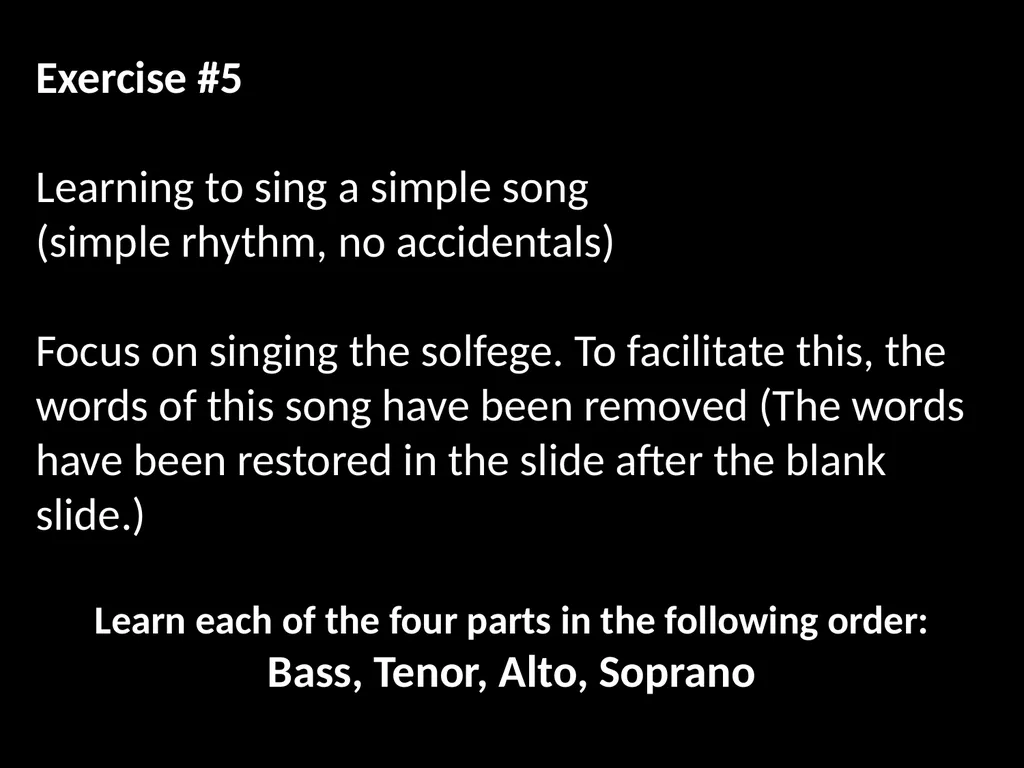
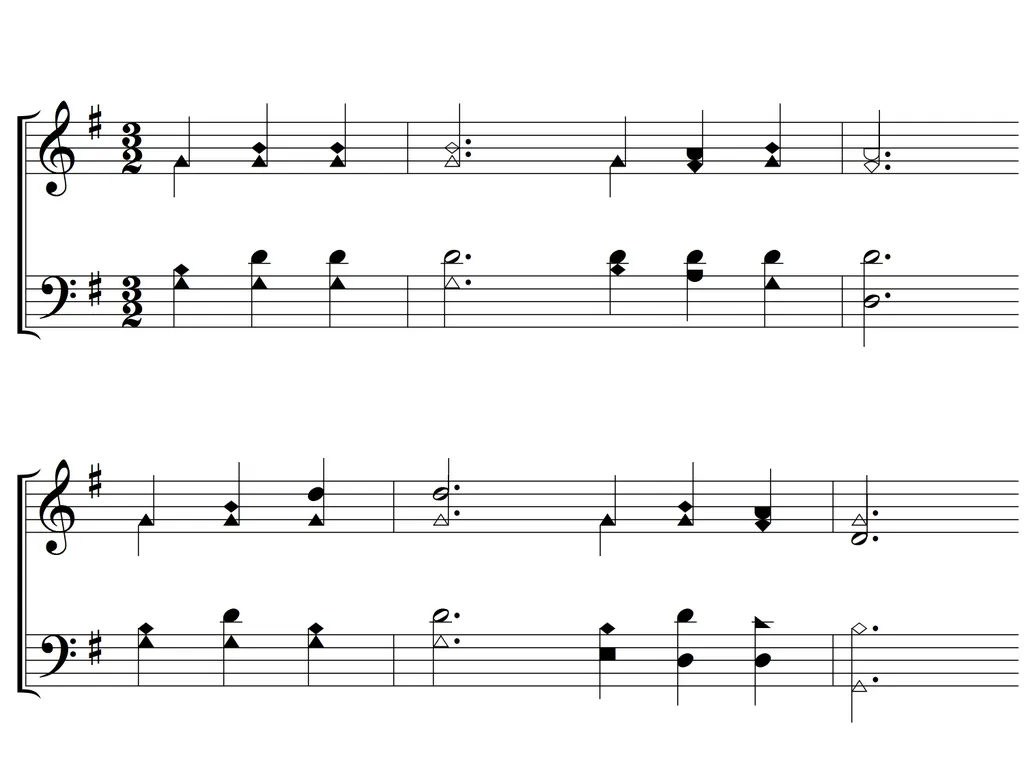
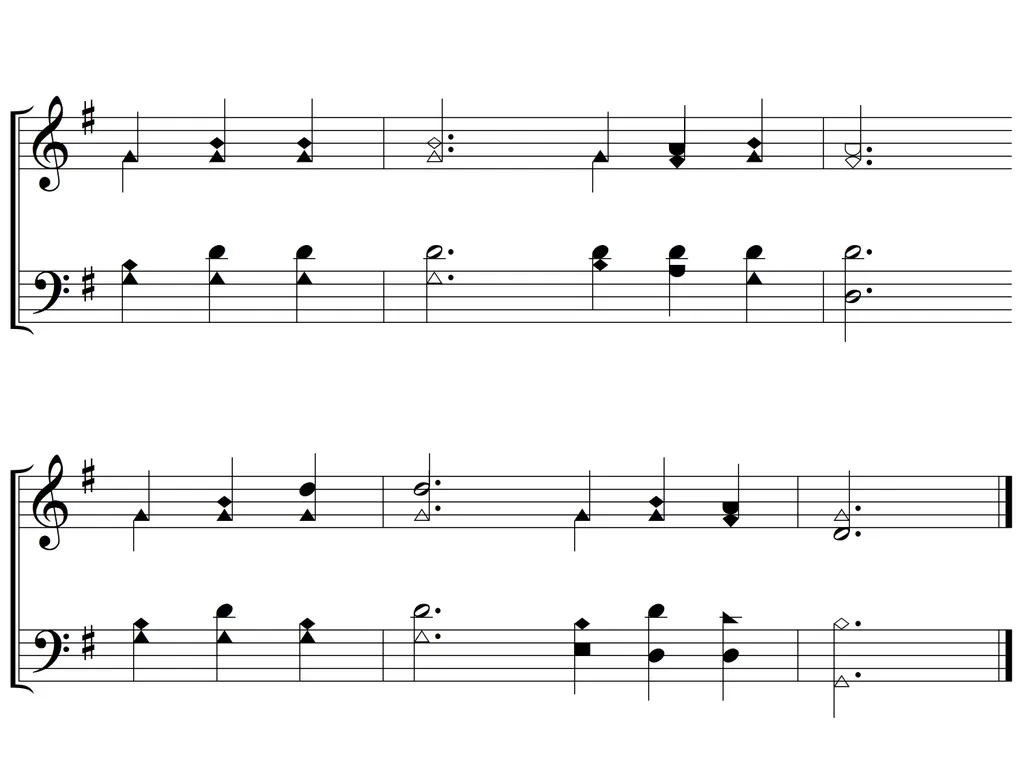
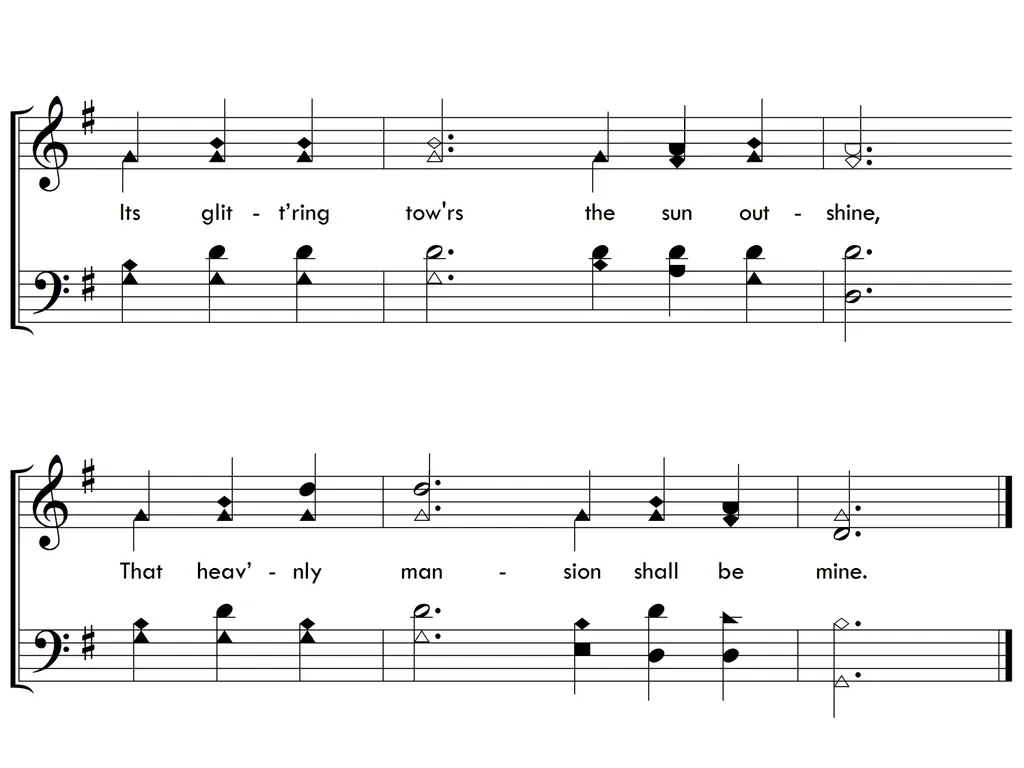
slide26. Exercise #5
Learning to sing a simple song
(simple rhythm, no accidentals)
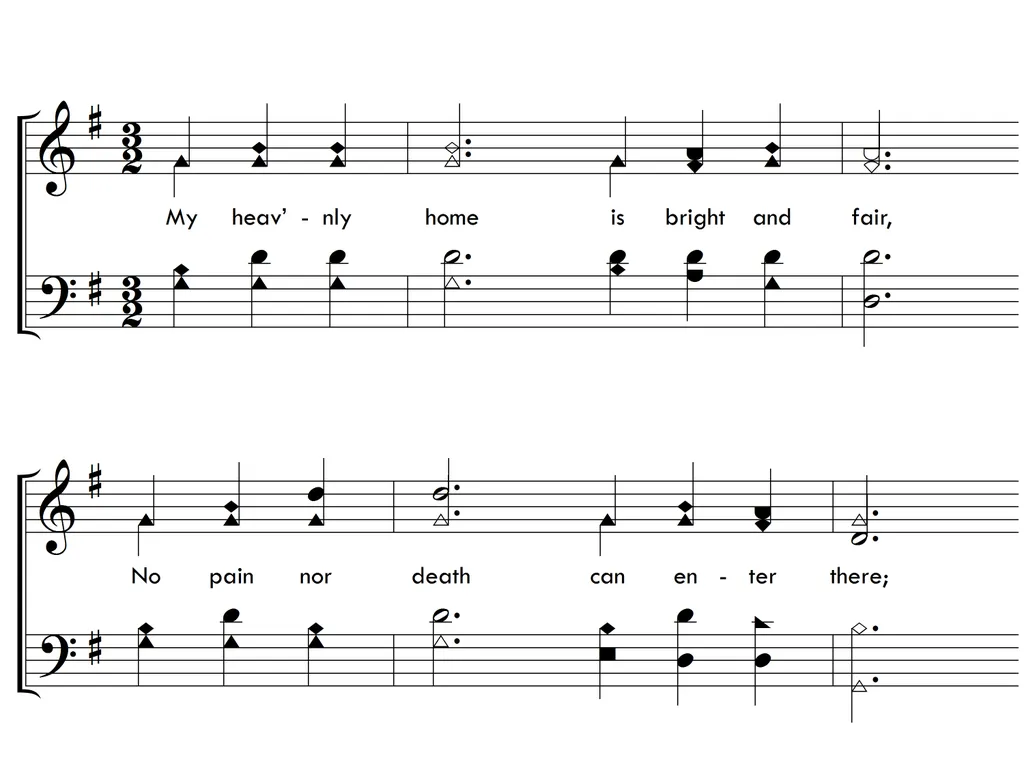
Focus on singing the solfege. To facilitate this, the words of this song have been removed (The words have been restored in the slide after the blank slide.)
Learn each of the four parts in the following order:
Bass, Tenor, Alto, Soprano<br>
slide32. The Texas Normal Singing School celebrated its 70th Anniversary in 2016. After all these years, we’re still training people in the science and art of a cappella, congregational singing. Be sure to check us out at https://www.facebook.com/TNSS1946/<br>
Sight Singing Curriculum
developed by
Clinton Davis & Levi Sisemore www.SingingSchool.org<br>
slide2. Permission is heartily granted to use and redistribute these slides, provided that acknowledgement is given to the TNSS and no modifications are made to this file. TNSS retains all rights to this material. www.SingingSchool.org<br>
slide3. The next seven slides are of shaped noteheads. Each degree of the scale is identified in printed music by a unique shape.
As you survey these shapes (from Do to Ti), try to come up with was to tie the solfege syllable back to the shape which represents it (often times, the sillier the connection, the better it is remembered).<br>
slide12. Exercise #1a
Adding one ascending degree of the scale with each repetition.
Exercise #1b
Adding one descending degree of the scale with each repetition.<br>
slide13. © 2013, The Texas Normal Singing School · LES Exercise #1a<br>
slide14. © 2013, The Texas Normal Singing School · LES Exercise #1a<br>
slide15. © 2013, The Texas Normal Singing School · LES Exercise #1b<br>
slide16. © 2013, The Texas Normal Singing School · LES Exercise #1b<br>
slide17. Exercise #2
Finding Sol from any other degree of the scale.<br>
slide18. © 2013, The Texas Normal Singing School · LES Exercise #2<br>
slide19. Exercise #3a
Learning ascending Thirds
Exercise #3b
Learning descending Thirds<br>
slide20. © 2013, The Texas Normal Singing School · LES Exercise #3a<br>
slide21. © 2013, The Texas Normal Singing School · LES Exercise #3b<br>
slide22. Exercise #4 (one slide)
Learning to sing a simple song
(simple rhythm, no accidentals)
There is only one voice part to this song.
Focus on singing the solfege. To facilitate this, the words of this song have been removed. The words have been restored in the slide after the blank slide.<br>
slide26. Exercise #5
Learning to sing a simple song
(simple rhythm, no accidentals)
Focus on singing the solfege. To facilitate this, the words of this song have been removed (The words have been restored in the slide after the blank slide.)
Learn each of the four parts in the following order:
Bass, Tenor, Alto, Soprano<br>
slide32. The Texas Normal Singing School celebrated its 70th Anniversary in 2016. After all these years, we’re still training people in the science and art of a cappella, congregational singing. Be sure to check us out at https://www.facebook.com/TNSS1946/<br>