Traffic Stop Training CBT A Law Enforcement Course Objectives Define a traffic stop Know the 5 steps of a traffic stop Know the rules of survival Reduce injuries and deaths within 3 years Traffic Stop Defined The lawful, temporary detention
"Traffic Stop Training CBT A Law Enforcement Course" is the property of its rightful owner. Permission is granted to
download and print the materials on this website for personal, non-commercial use only, and to display it
on your personal computer provided you do not modify the materials and that you retain all copyright
notices contained in the materials. By downloading content from our website, you accept the terms of this
agreement.
Presentation Transcript
01
Traffic Stop Training CBT A Law Enforcement Course<br>
02
Objectives Define a traffic stop
Know the 5 steps of a traffic stop
Know the rules of survival
Reduce injuries and deaths within 3 years<br>
03
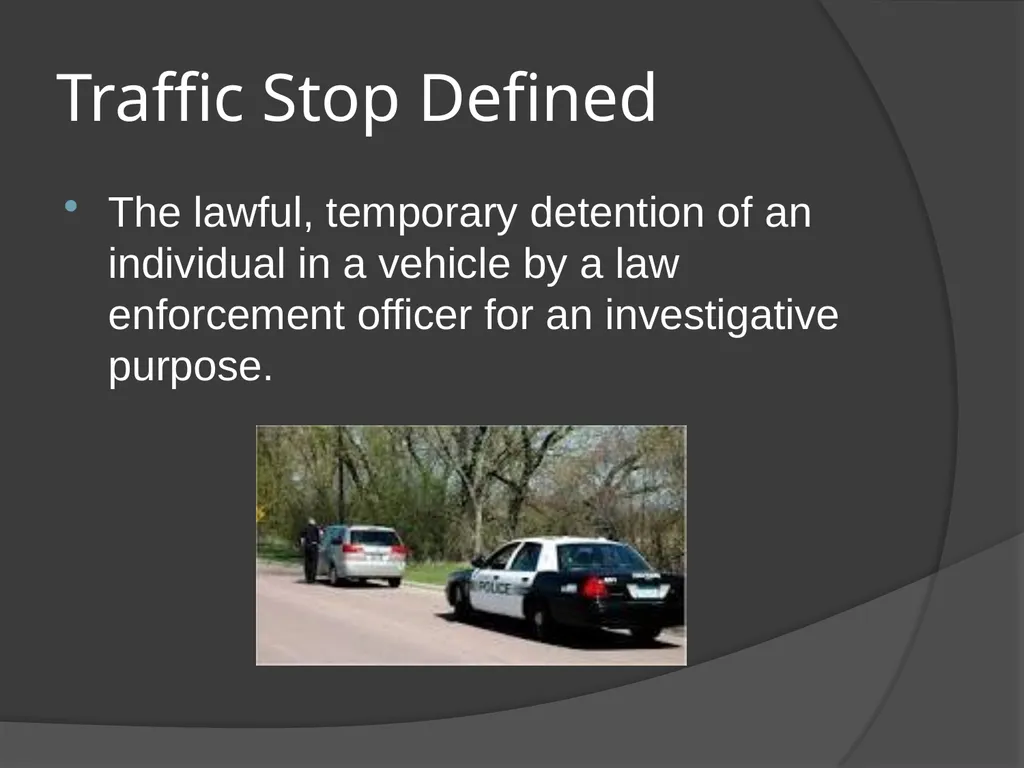
Traffic Stop Defined The lawful, temporary detention of an individual in a vehicle by a law enforcement officer for an investigative purpose.<br>
04
Quiz Define traffic stop?
A) The lawful, temporary detention of an individual in a vehicle by a law enforcement officer for an investigative purpose.
B) I didn’t do anything!<br>
05
Correct!<br>
06
Incorrect Try again<br>
07
The Gap The FBI 2012 statistics showed that 48 officers were killed during traffic stops (2013 statistics have not yet been released)<br>
08
Warning This presentation will include video footage that may be deemed violent or offensive to some people. If you wish to not watch the traffic stop video please skip slide # 4.
It is not the intent of the presenter to offend anyone but show all necessary training information. There will be no quiz questions related to the video. Skip<br>
09
Traffic Stop Video<br>
10
Common Errors Complacency
Dangerous assumptions
Bad habits
Poor positioning
Position of disadvantage
Ignoring your sixth sense<br>
11
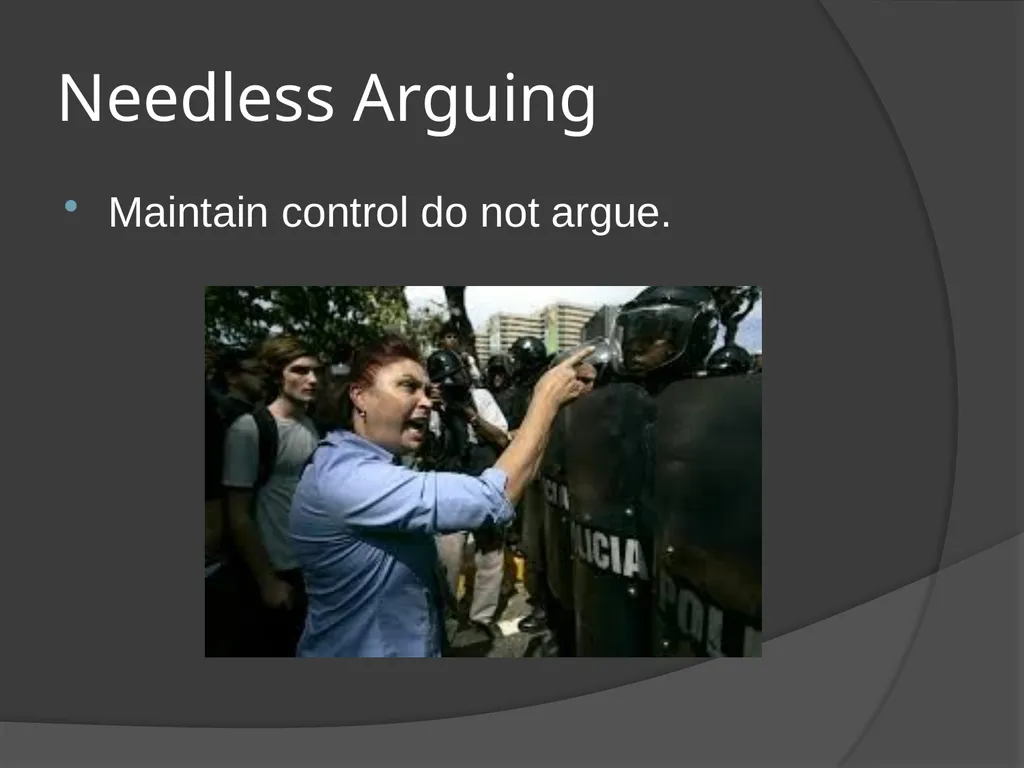
Common Errors Cont. Needless arguing
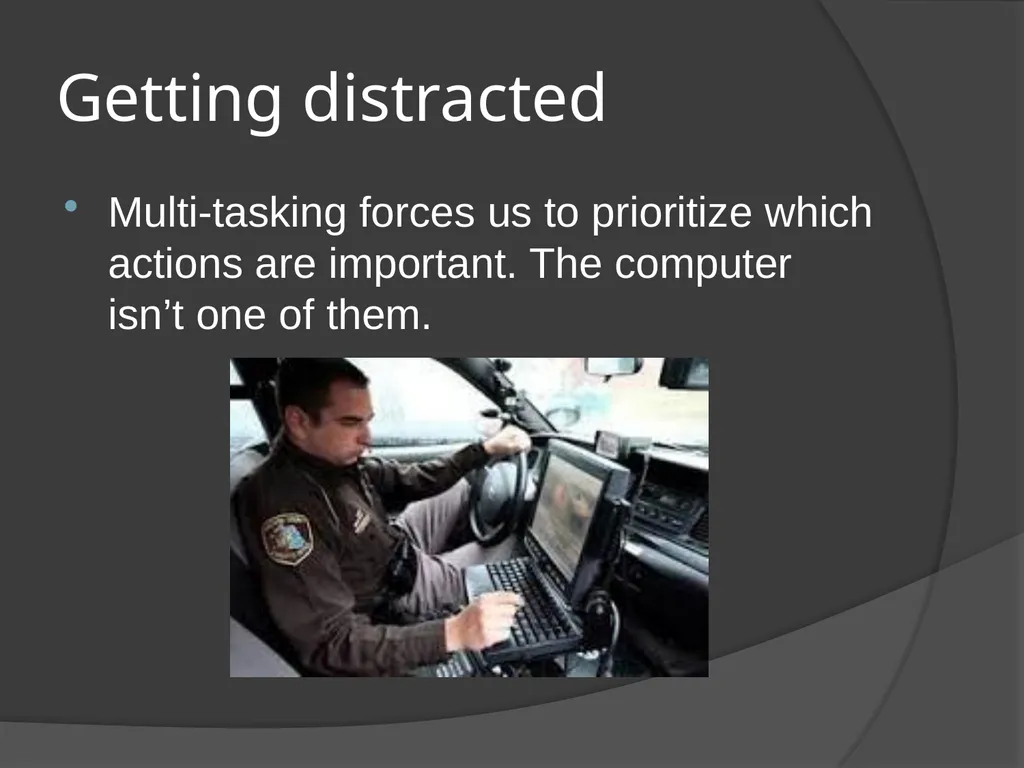
Getting distracted<br>
12
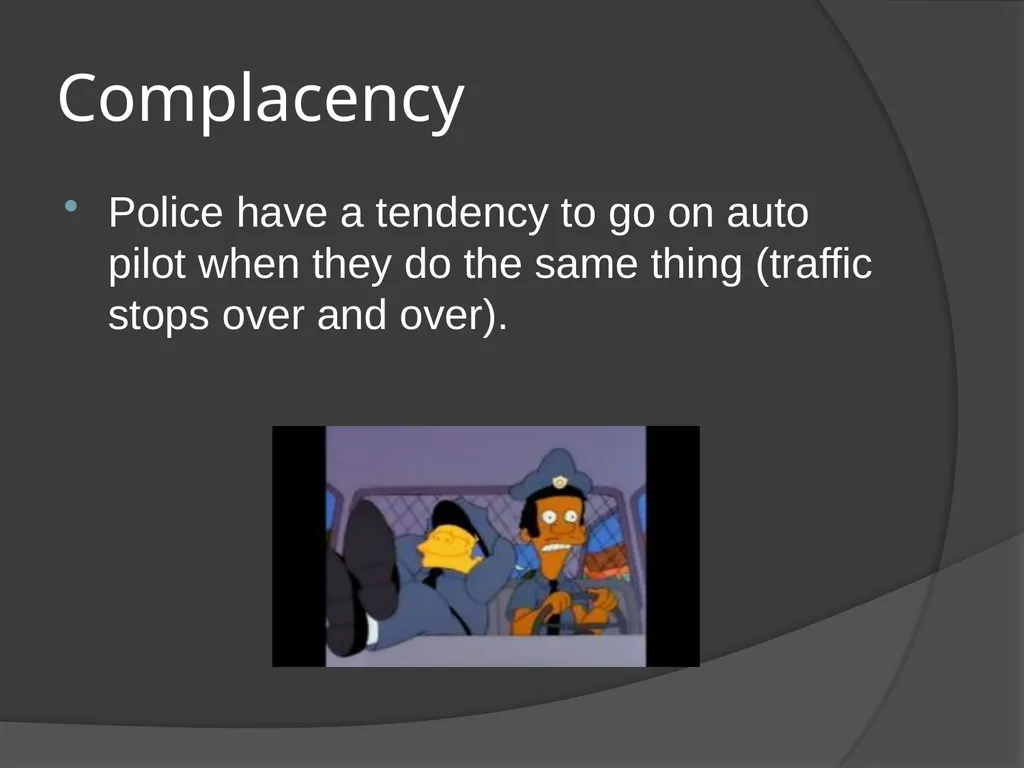
Complacency Police have a tendency to go on auto pilot when they do the same thing (traffic stops over and over).<br>
13
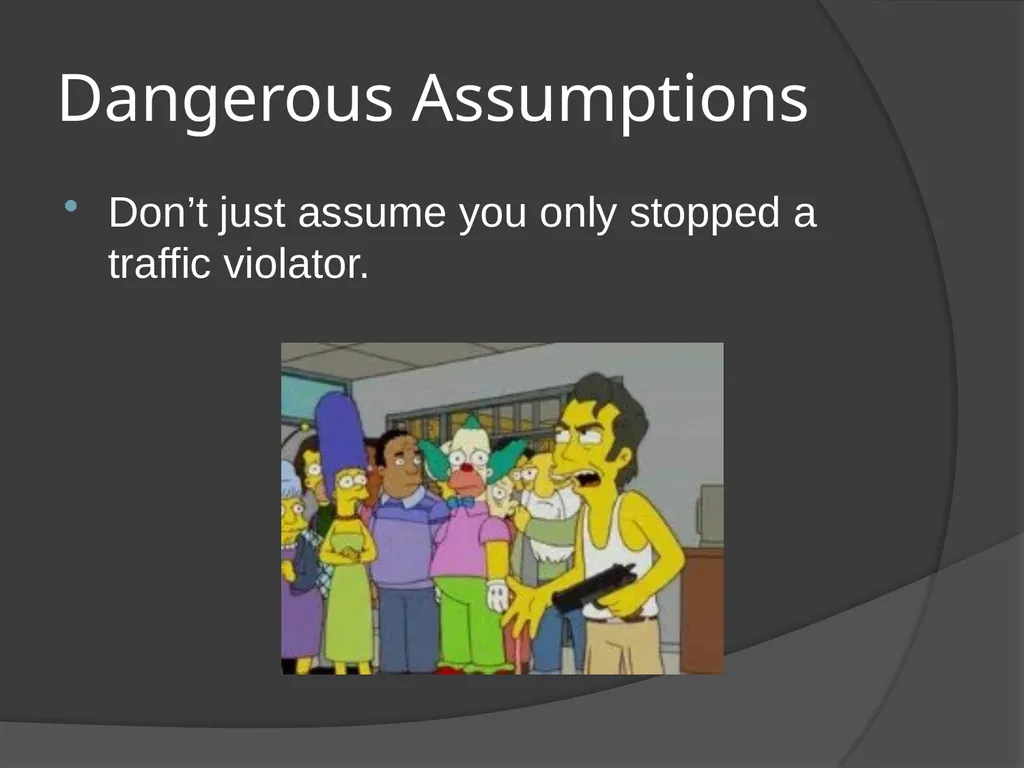
Dangerous Assumptions Don’t just assume you only stopped a traffic violator.<br>
14
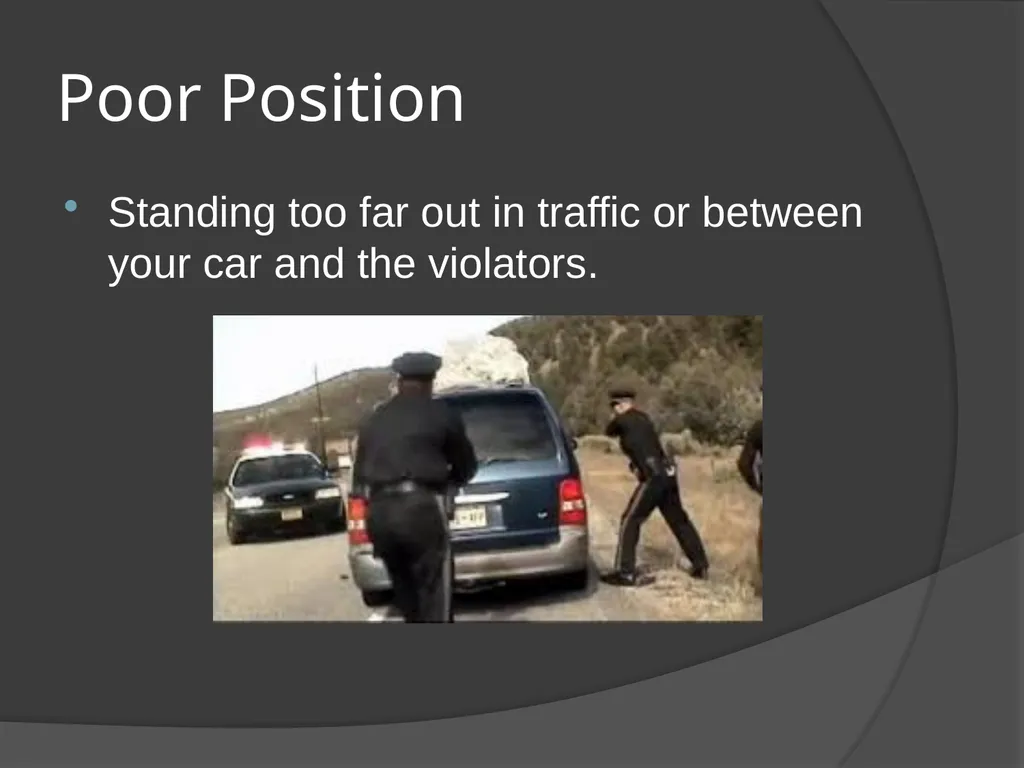
Poor Position Standing too far out in traffic or between your car and the violators.<br>
15
Bad Habits In bad weather it is too easy to cut corners. If you do it often enough it becomes a habit.<br>
16
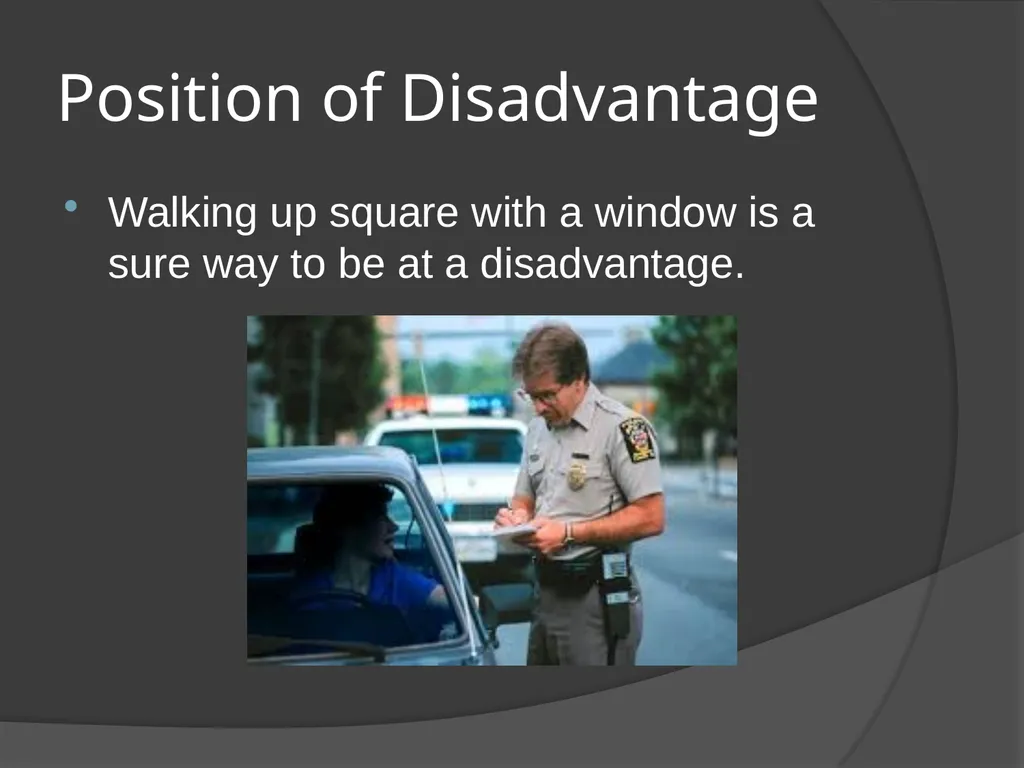
Position of Disadvantage Walking up square with a window is a sure way to be at a disadvantage.<br>
17
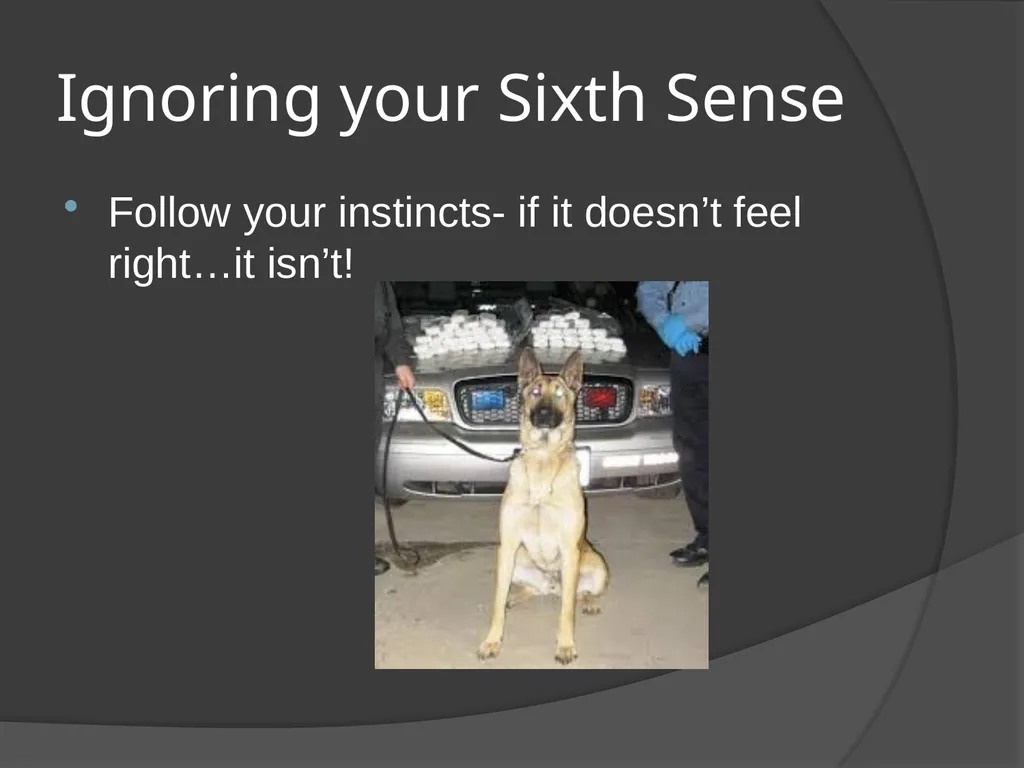
Ignoring your Sixth Sense Follow your instincts- if it doesn’t feel right…it isn’t!<br>
18
Needless Arguing Maintain control do not argue.<br>
19
Getting distracted Multi-tasking forces us to prioritize which actions are important. The computer isn’t one of them.<br>
20
Quiz What are two of the errors that have led to police officer deaths?
A) Needless arguing and complacency
B) Ignoring your sixth sense and driving a squad car.<br>
The Personal Preparation Phase Physical conditioning- high stress situations
Mental Conditioning- control anxiety and keep a clear focused mind
Tactical thinking- keep your attitude in check, play the what if game, and make decisions to de-escalate the situation in a decisive manner<br>
25
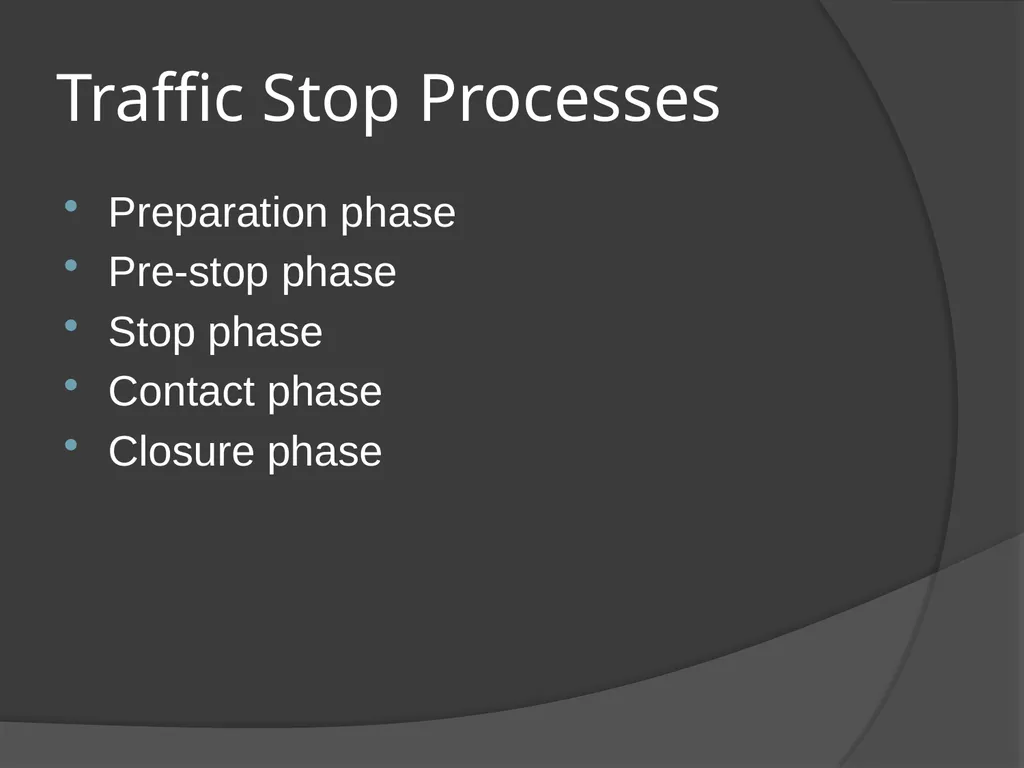
Pre-stop phase You stop a vehicle for 3 possible reasons: Investigation, citation, or arrest.
Investigation- you have reasonable suspicion that an occupant in the vehicle has committed a crime or is about to commit a crime.
Citation- to issue a citation for an offense committed.
Arrest- you have probable cause to believe that an occupant in the vehicle has committed an offense that warrants an arrest.<br>
26
Stop Phase Emergency lights & siren
Call in location and license plate
Cover and positioning for weapons and traffic<br>
27
Contact Phase Traffic/ weather conditions
Number of occupants
Tactical approach
Back-up and their location
Touch car (leaves fingerprints)
Gather driver information
Cite, warn, arrest, or release<br>
28
Closure phase Do not let driver approach you while you are sitting in your car.
Maintain visual contact.
Wait for violator car to leave before you do.
Maintain focused on the stop throughout every phase of the stop<br>
29
Quiz What is the last step in the traffic stop process?
The stop phase
The closure phase<br>
30
Congratulations!!<br>
31
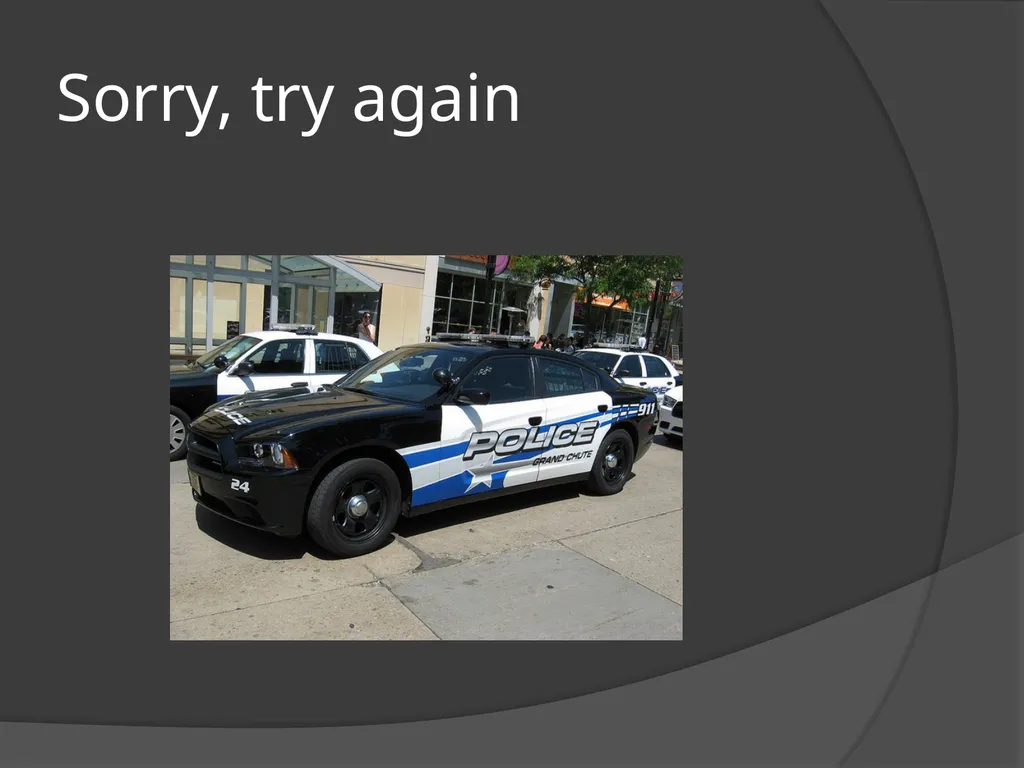
Sorry, try again<br>
32
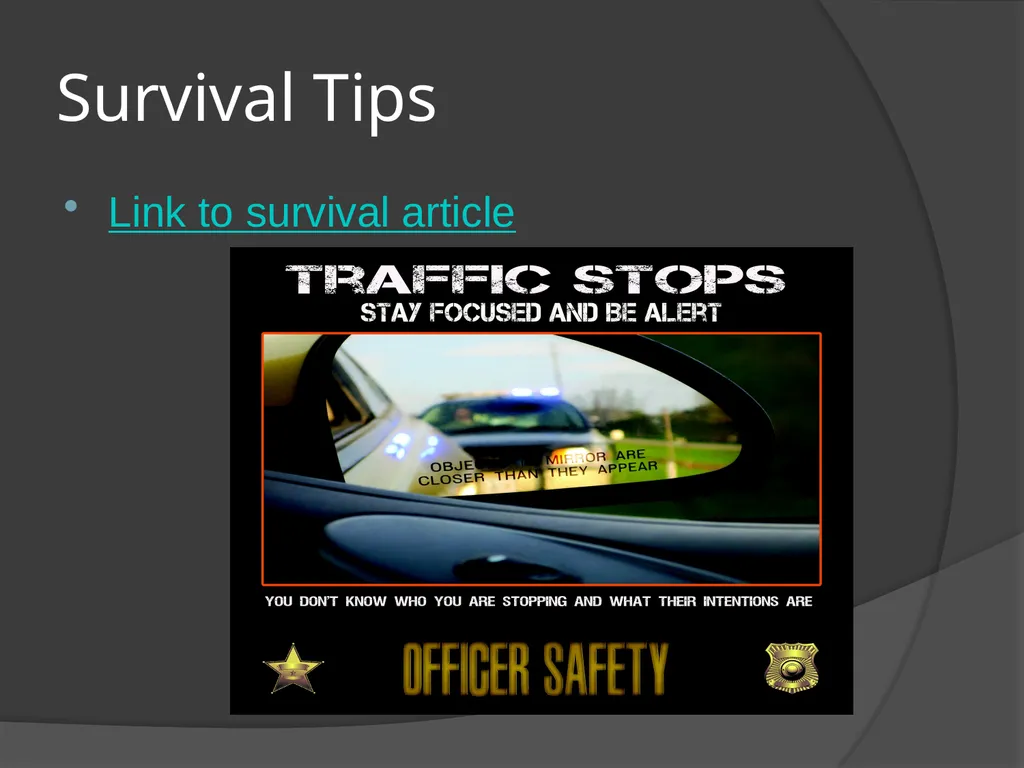
Survival Tips Link to survival article<br>
33
Review Always be aware
Watch hands
Always do stops the way you were taught
You don’t know what you don’t know- don’t assume
Help reduce injuries and fatalities<br>