Using QAPI to Improve Care: Putting it to Work in
Description: Using QAPI to Improve Care: Putting it to Work in the Real World Forum of ESRD Networks Medical Advisory Council What is quality care and why should I care? Institute Of Medicine The degree to which health services for individuals and
Related Topics
Download Presentation
"Using QAPI to Improve Care: Putting it to Work in" is the property of its rightful owner. Permission is granted to download and print the materials on this website for personal, non-commercial use only, and to display it on your personal computer provided you do not modify the materials and that you retain all copyright notices contained in the materials. By downloading content from our website, you accept the terms of this agreement.
Presentation Transcript
slide1. Using QAPI to Improve Care: Putting it to Work in the Real World Forum of ESRD Networks
Medical Advisory Council<br>
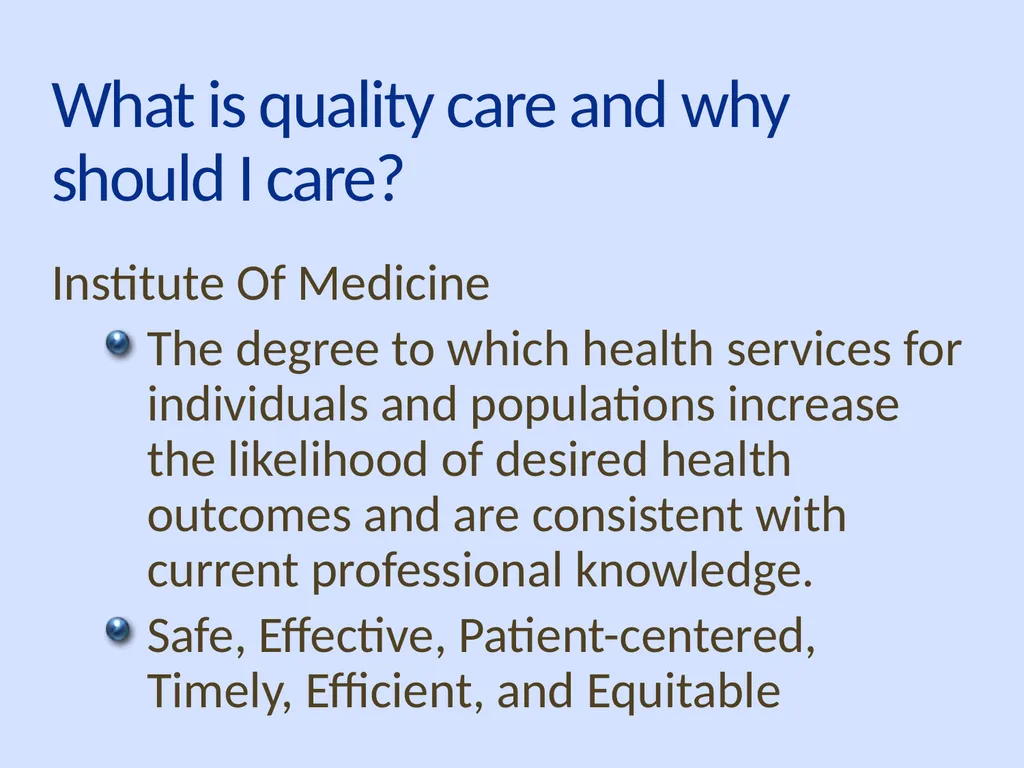
slide2. What is quality care and why should I care? Institute Of Medicine
The degree to which health services for individuals and populations increase the likelihood of desired health outcomes and are consistent with current professional knowledge.
Safe, Effective, Patient-centered, Timely, Efficient, and Equitable<br>
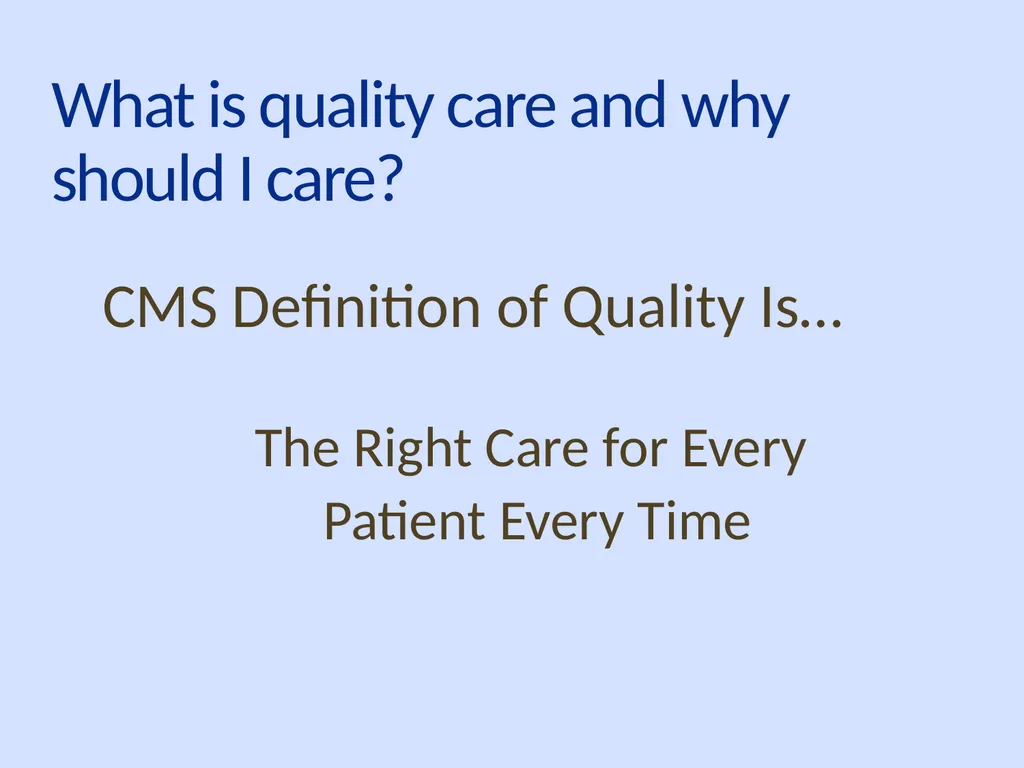
slide3. What is quality care and why should I care? CMS Definition of Quality Is…
The Right Care for Every
Patient Every Time<br>
slide4. Improving Through Change REMEMBER:
All improvement requires change
BUT
Not all change IS improvement!<br>
slide5. Change is a departure from an existing
process or way of doing something, to a
new process or a different way of doing the
same thing
Ezekiel Oseni, CISA, ACA, ACIP, ACS
Change Management in Process Change
Volume 1, 2007 What is Change?<br>
slide6. Why Do We Resist Change? Loss of control - I don’t have enough information…
Loss of identity - We’ve always done it this way…
Loss of competence - I’m afraid I’ll make a mistake...<br>
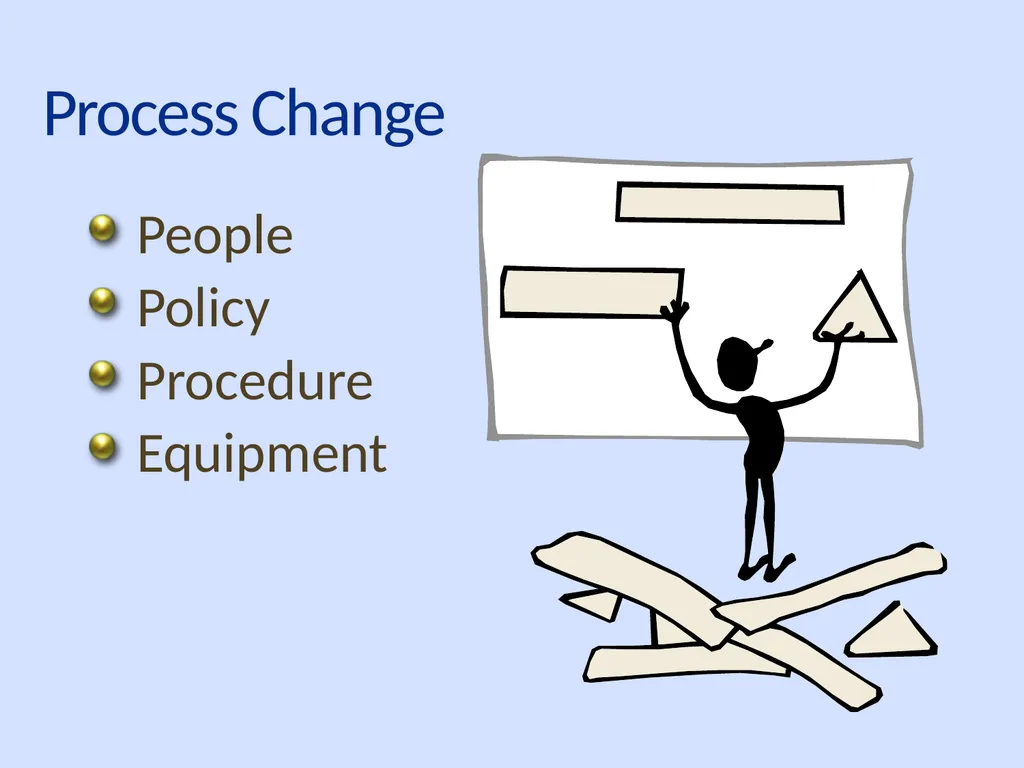
slide7. People
Policy
Procedure
Equipment Process Change<br>
slide8. Corporate culture
The total sum of the values, customs, traditions and meanings that make a company unique. Corporate culture is often called "the character of an organization"
The values of a corporate culture influence the ethical standards within a corporation, as well as managerial behavior. Culture Change<br>
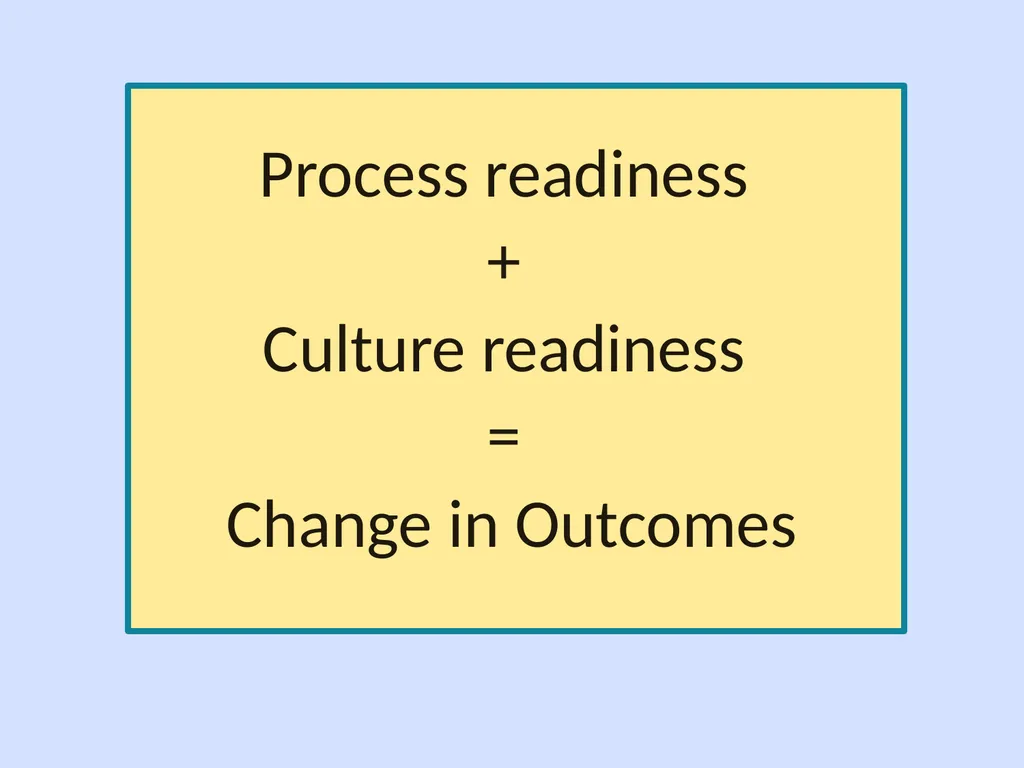
slide9. Process readiness
+
Culture readiness
=
Change in Outcomes<br>
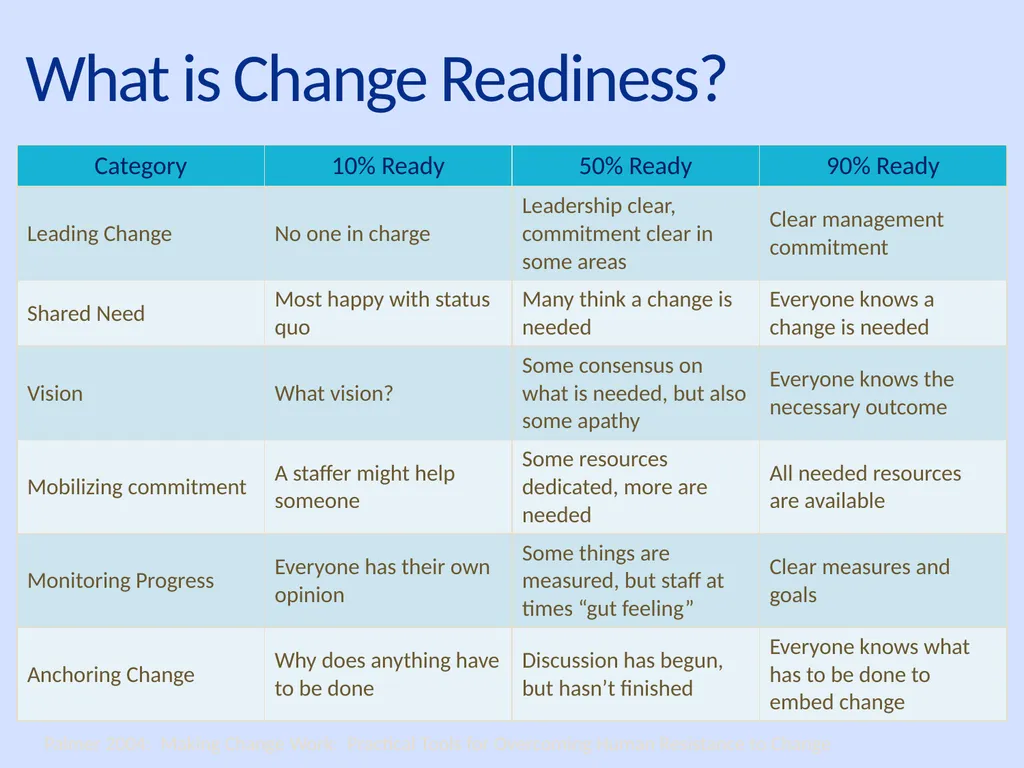
slide10. What is Change Readiness? Palmer 2004: Making Change Work: Practical Tools for Overcoming Human Resistance to Change<br>
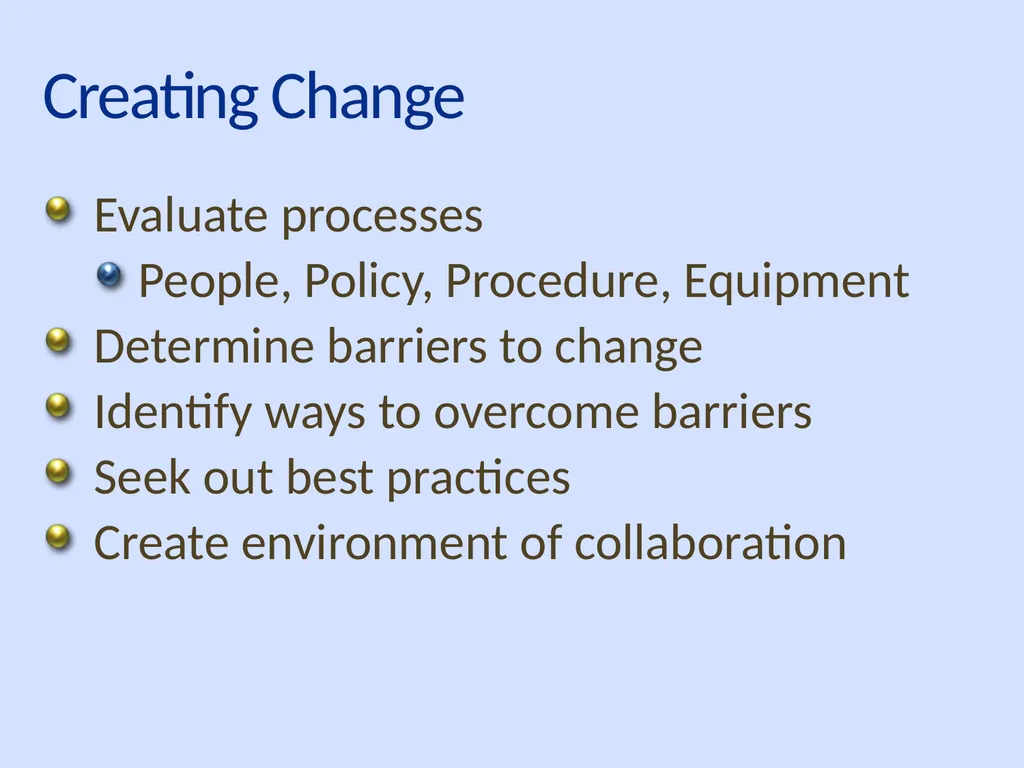
slide11. Evaluate processes
People, Policy, Procedure, Equipment
Determine barriers to change
Identify ways to overcome barriers
Seek out best practices
Create environment of collaboration Creating Change<br>
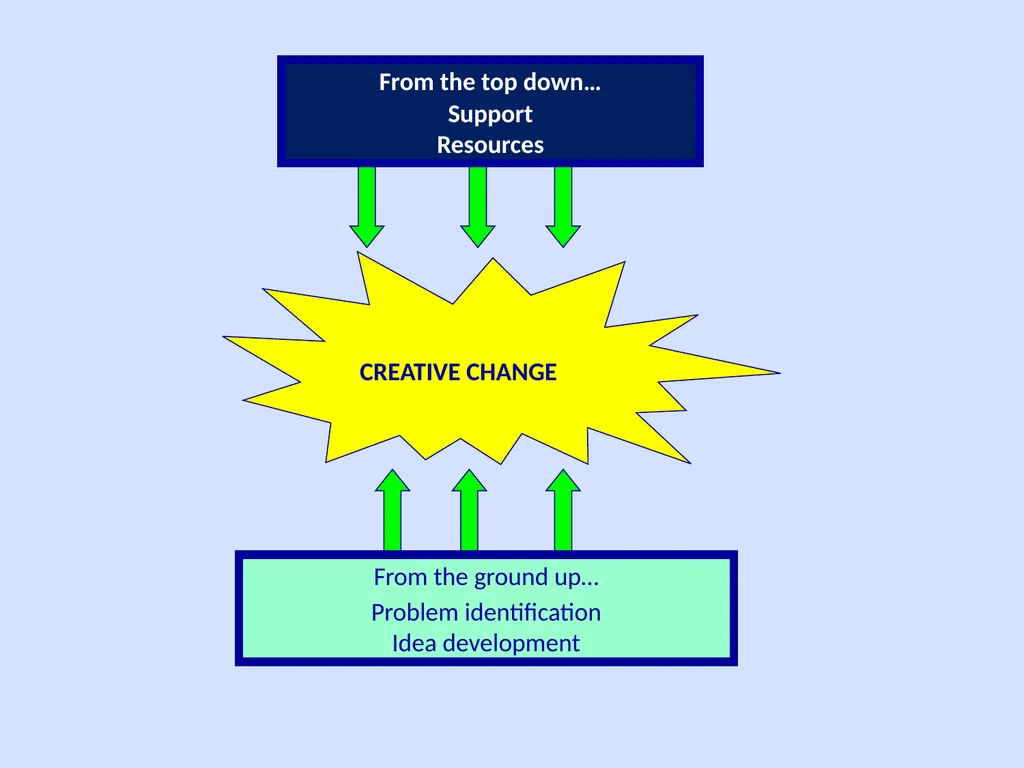
slide12. From the ground up…
Problem identification
Idea development From the top down…
Support
Resources<br>
slide13. Using the Team to Drive Improvement Multidisciplinary
Common Goal
Day-to-Day Knowledge
Physician Buy-in<br>
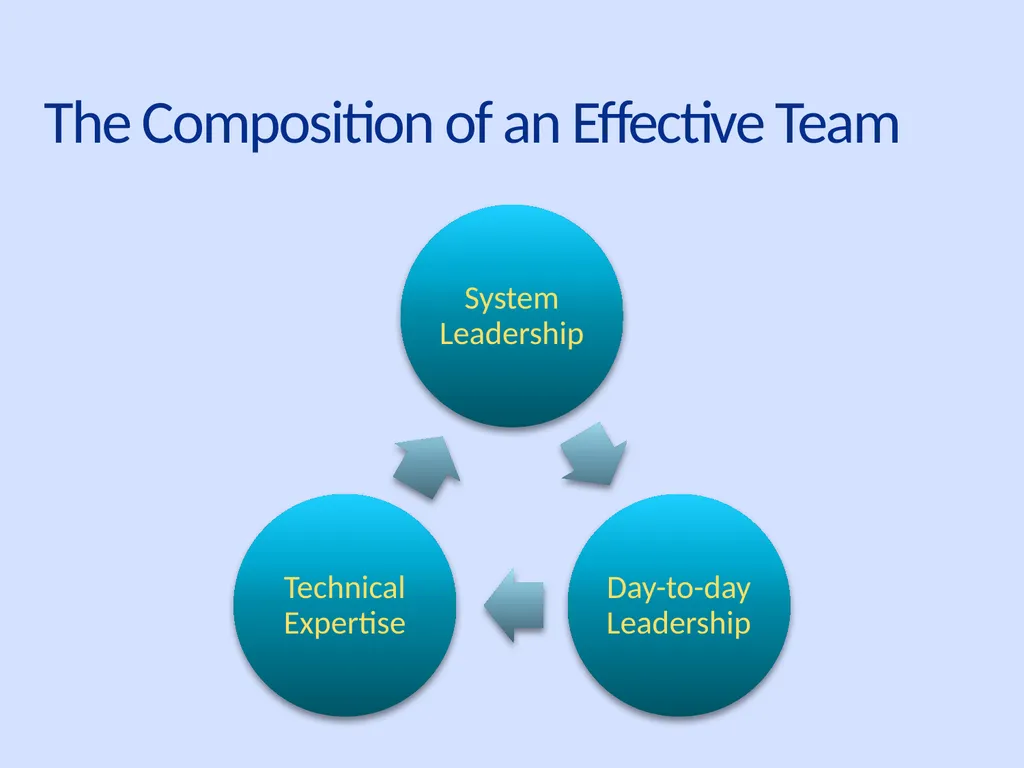
slide14. The Composition of an Effective Team<br>
slide15. The Interdisciplinary Team Medical Director
Nurse Manager
Dietitian
Social worker
Biomed Tech
Others
Other nephrologists(?)
Surgeon
Staff members including PCTs<br>
slide16. Changes Need to be… Evidenced Based
Patient Centered
System Based<br>
slide17. So How Do We Get Started?<br>
slide18. Why Should I Care About Quality Improvement? Improved patient outcomes
Improved patient safety
Increased customer satisfaction
Improved staff morale
Reduction of rework
Cost savings<br>
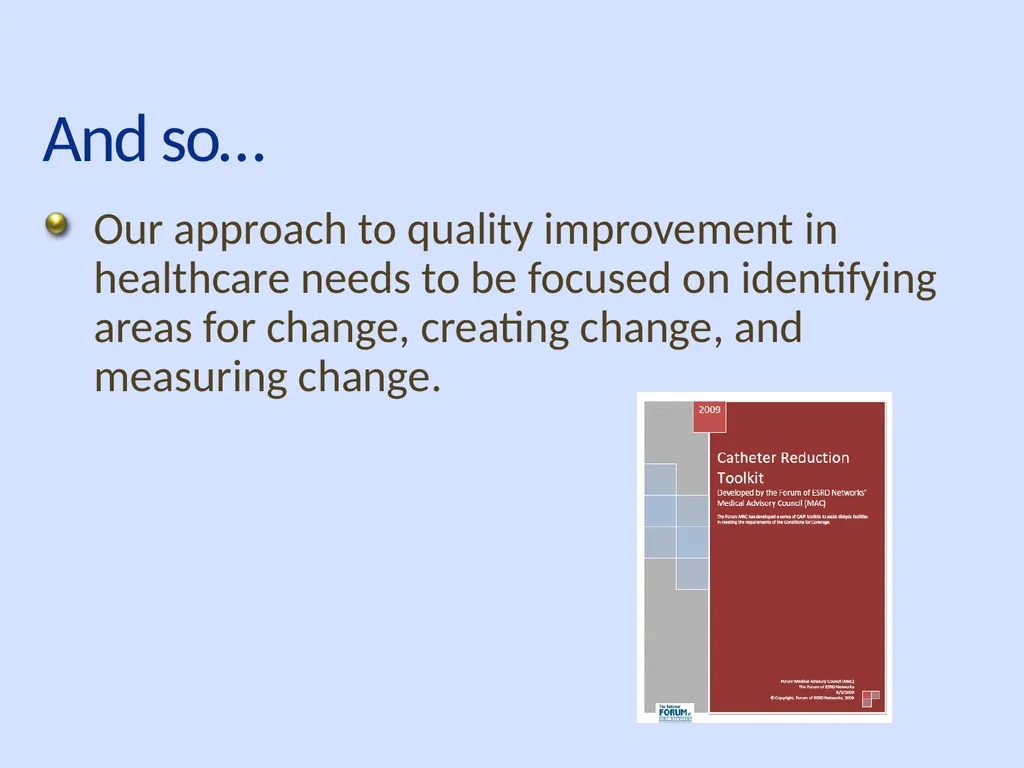
slide19. And so… Our approach to quality improvement in healthcare needs to be focused on identifying areas for change, creating change, and measuring change.<br>
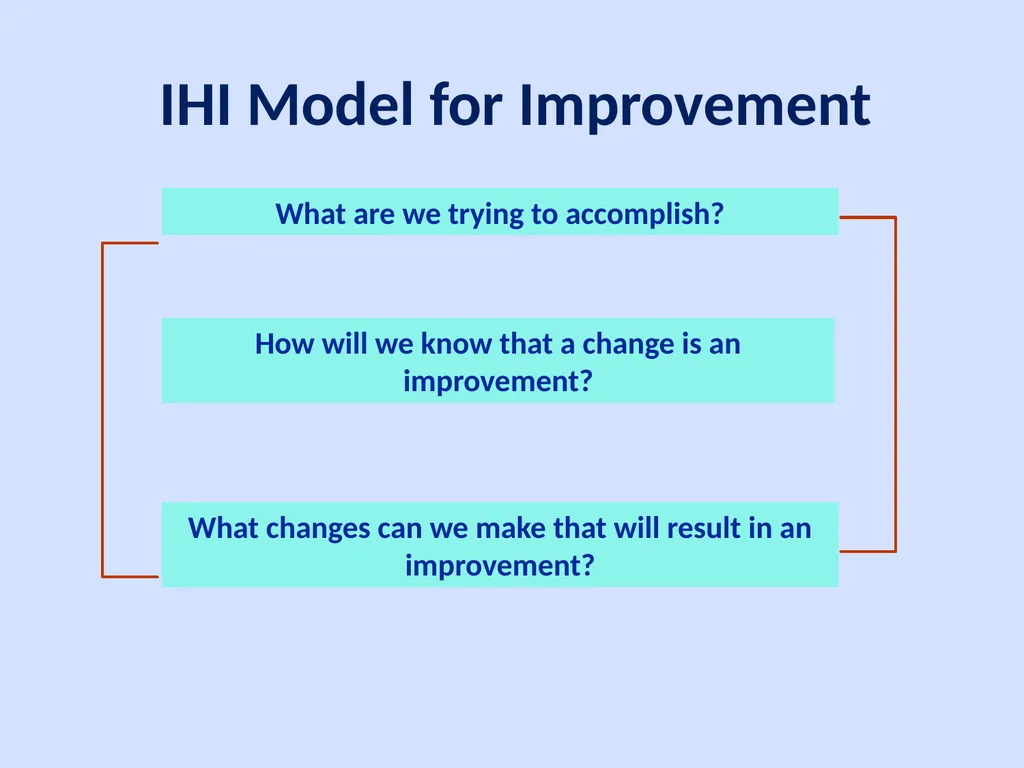
slide20. IHI Model for Improvement<br>
slide21. Developing a Goal Statement Where are we currently – why is this a problem?
What does our data show?
What is our trend?
Where do we want to be?
What knowledge do we have?
What is our goal?<br>
slide22. QAPI: Using Knowledge to Improve Improvement comes from the application of knowledge
Any approach to improvement must be based on building and applying knowledge
Significant, long-term, positive impact only occur when someone takes the initiative<br>
slide23. Setting Goals Be realistic
Be specific
Understanding CMS or Network-set goals vs. facility or corporate-set goals
Set both short term and long term
In order to reach our long term goal, what do we need to accomplish monthly, quarterly, etc.
Remember “how to eat an elephant”<br>
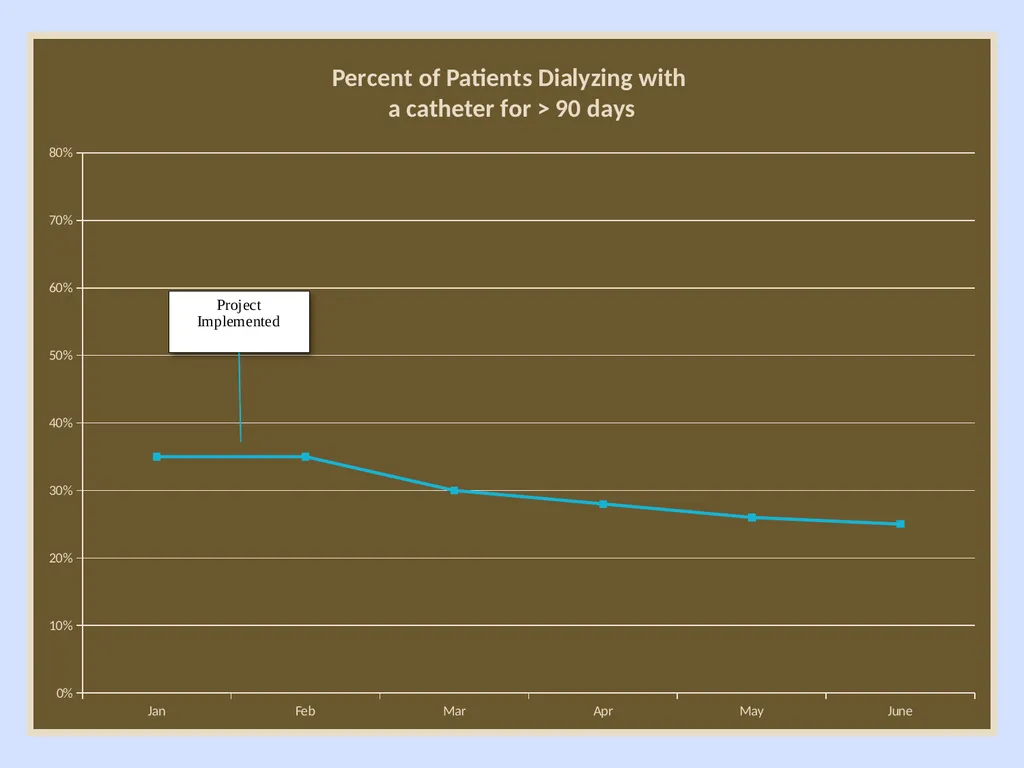
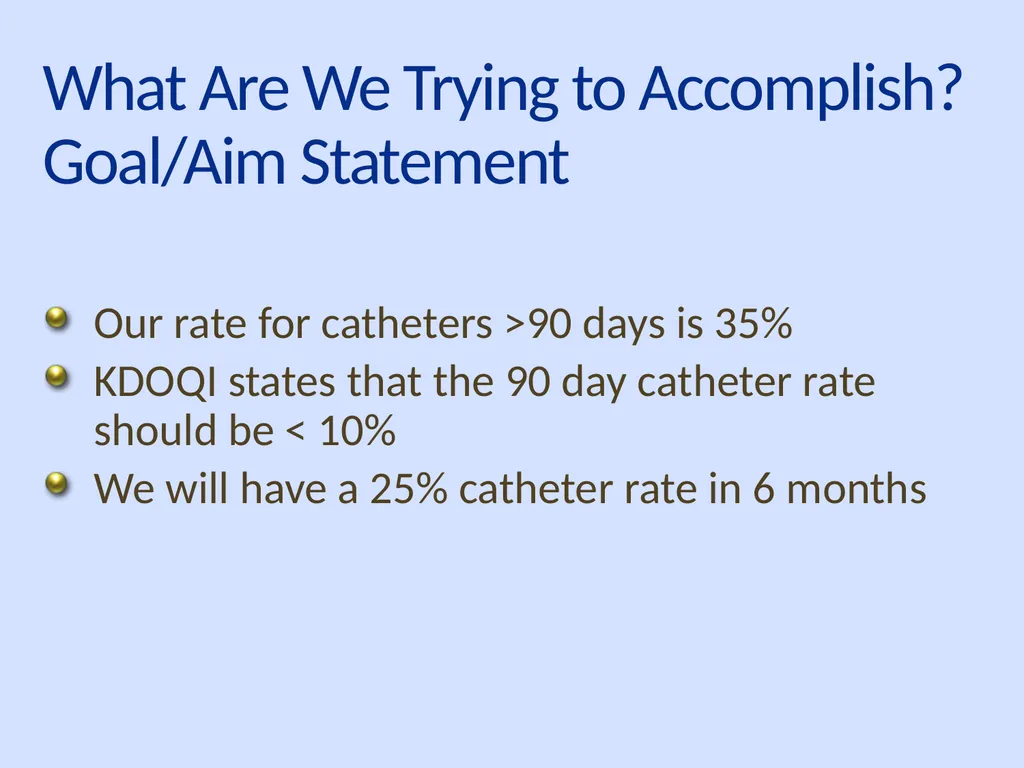
slide24. What Are We Trying to Accomplish?Goal/Aim Statement Our rate for catheters >90 days is 35%
KDOQI states that the 90 day catheter rate should be < 10%
We will have a 25% catheter rate in 6 months<br>
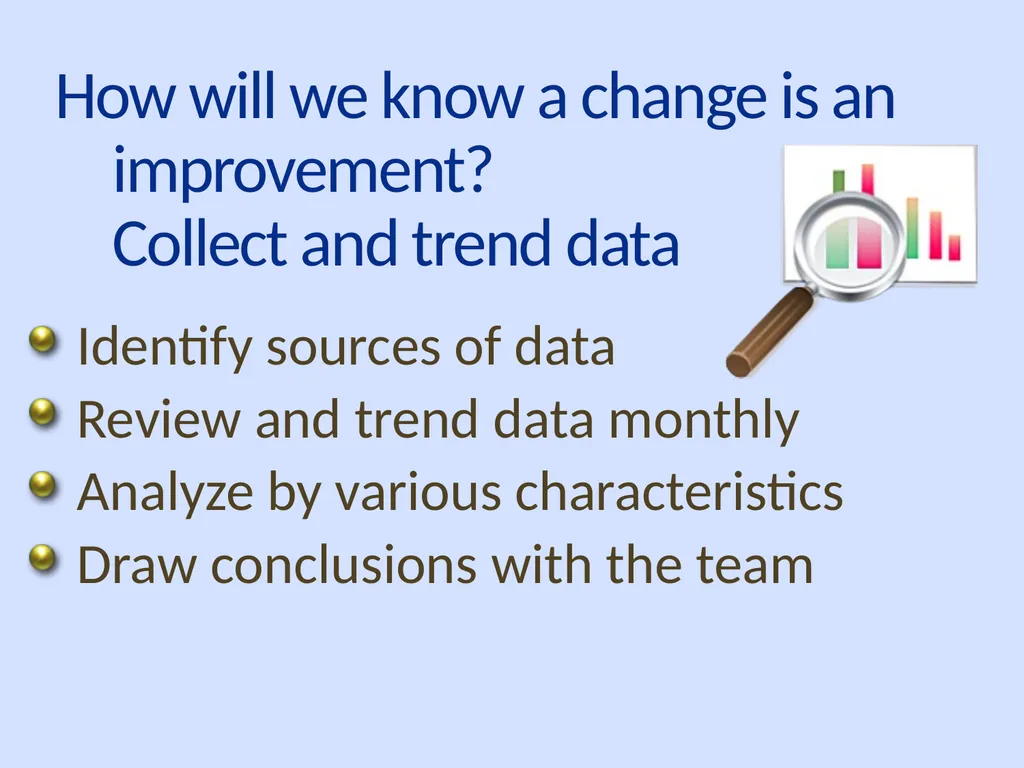
slide25. How will we know a change is an improvement?Collect and trend data Identify sources of data
Review and trend data monthly
Analyze by various characteristics
Draw conclusions with the team<br>
slide26. Data Sources Data is NOT a four letter word!
Data is:
Your observations – what you hear and what you see
Your measurements – what you keep track of
How you report your observations and measurements
What is the benchmark?
What data sources do you have?<br>
slide27. Your Observations – Subjective Data Is there an opportunity for improvement?
Too many catheters?
Too many access infections?
Patient safety issues?
Is there something that everyone is complaining about?
Is there a process that is too cumbersome?
Medication errors?<br>
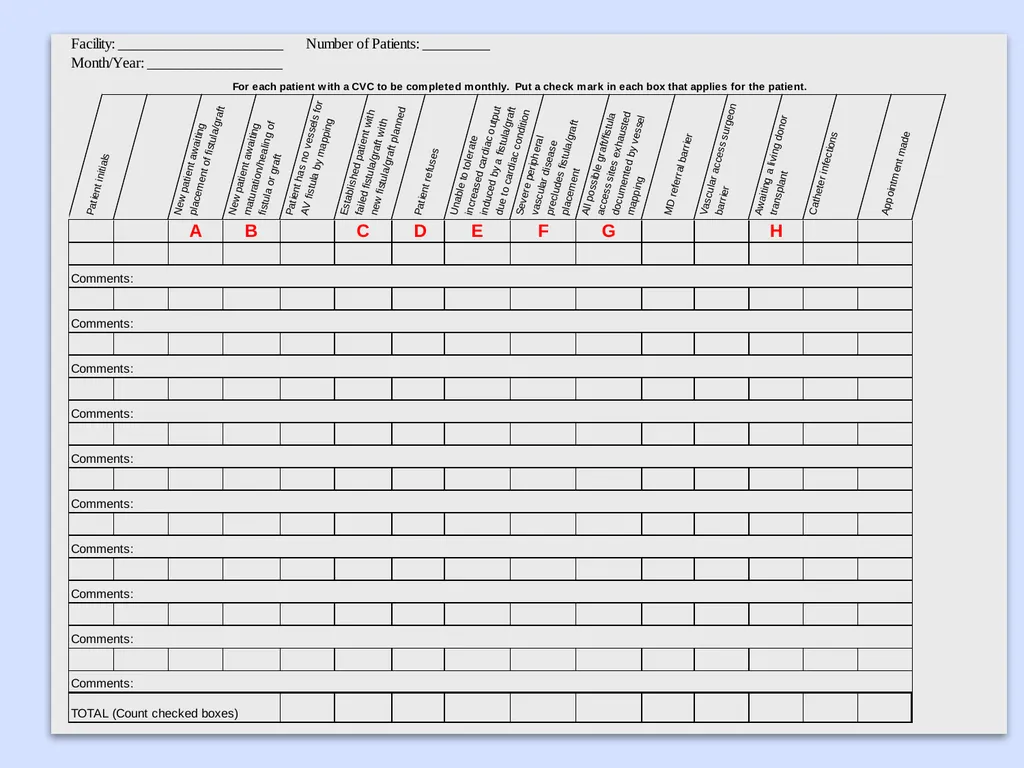
slide28. Your Measurement – Objective Data Begin to collect information about your problem, your observation
Collect simple points of information at regular intervals over time
KISS – counting the number of days between episodes of infections might be simpler and more meaningful that collecting every episode of access infection
What is the trend?<br>
slide29. How Will We Know a Change is an Improvement? We will collect baseline 90 day catheter rates at the beginning of the project
We will collect 90 day catheter data each month and trend
We will collect 90 days catheter data at the end of 6 months to evaluate the success of the project: Our catheter rate will be 25% or less<br>
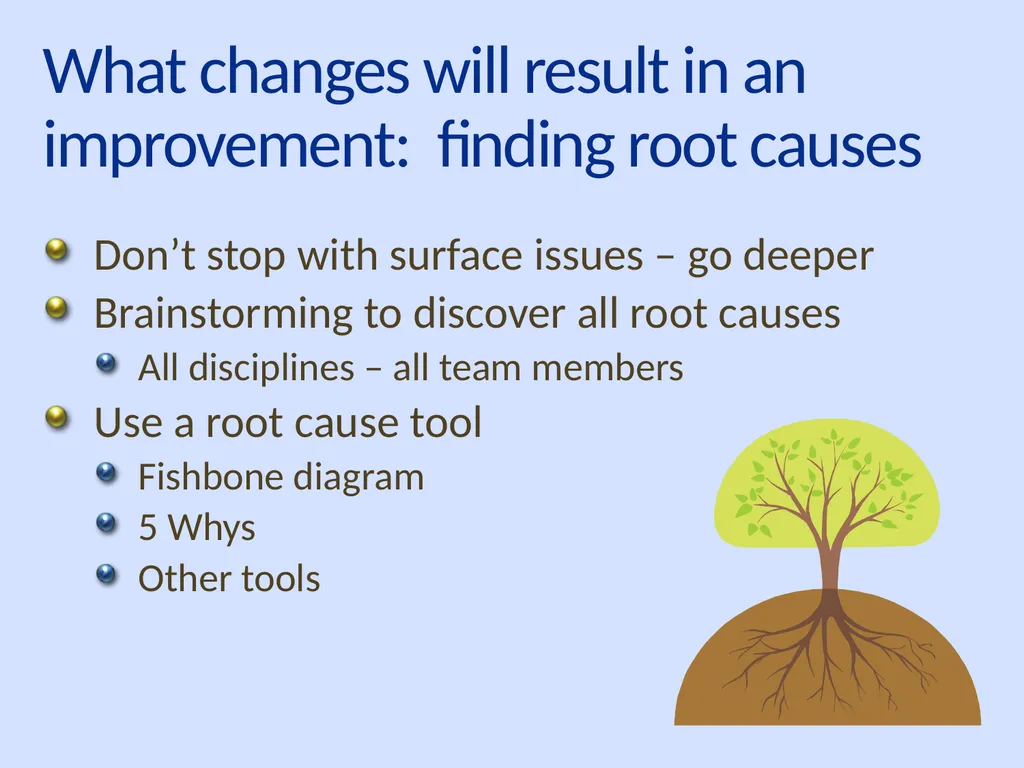
slide30. What changes will result in an improvement: finding root causes Don’t stop with surface issues – go deeper
Brainstorming to discover all root causes
All disciplines – all team members
Use a root cause tool
Fishbone diagram
5 Whys
Other tools<br>
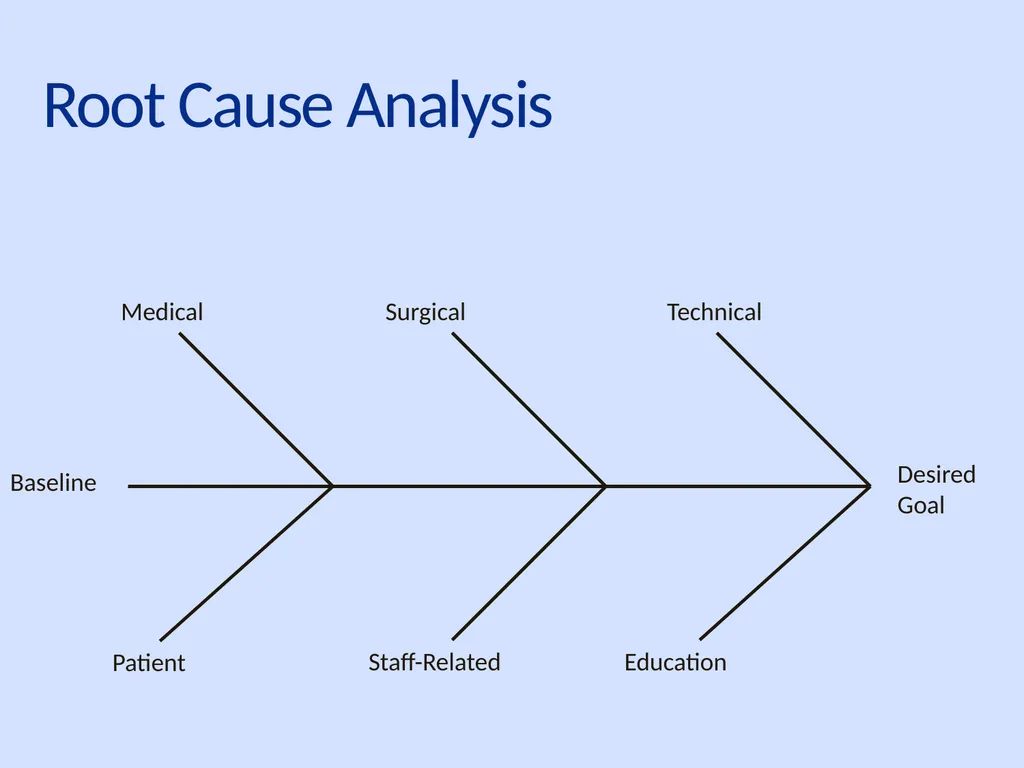
slide31. Root Cause Analysis Desired Goal Baseline<br>
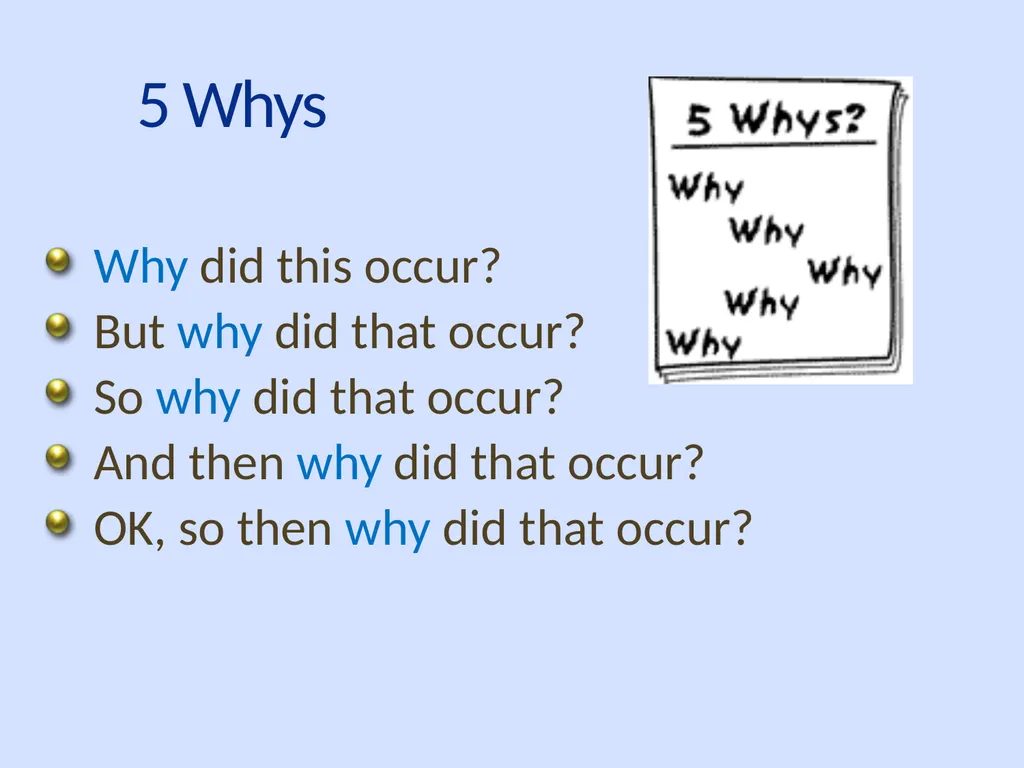
slide33. 5 Whys Why did this occur?
But why did that occur?
So why did that occur?
And then why did that occur?
OK, so then why did that occur?<br>
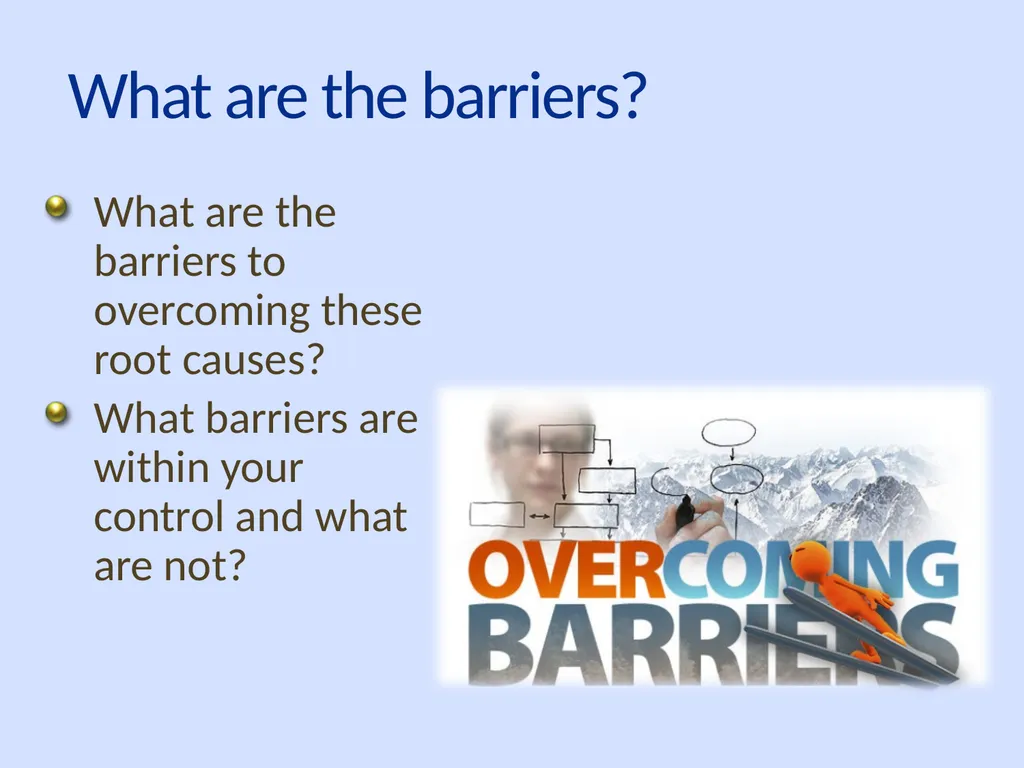
slide34. What are the barriers? What are the barriers to overcoming these root causes?
What barriers are within your control and what are not?<br>
slide35. What are our root causes? Problem: 35% of patients have catheters for more than 90 days
Goal: Decrease 90 day catheter rate to 25% in 6 months
Root cause(s): Difficulty in getting new accesses placed<br>
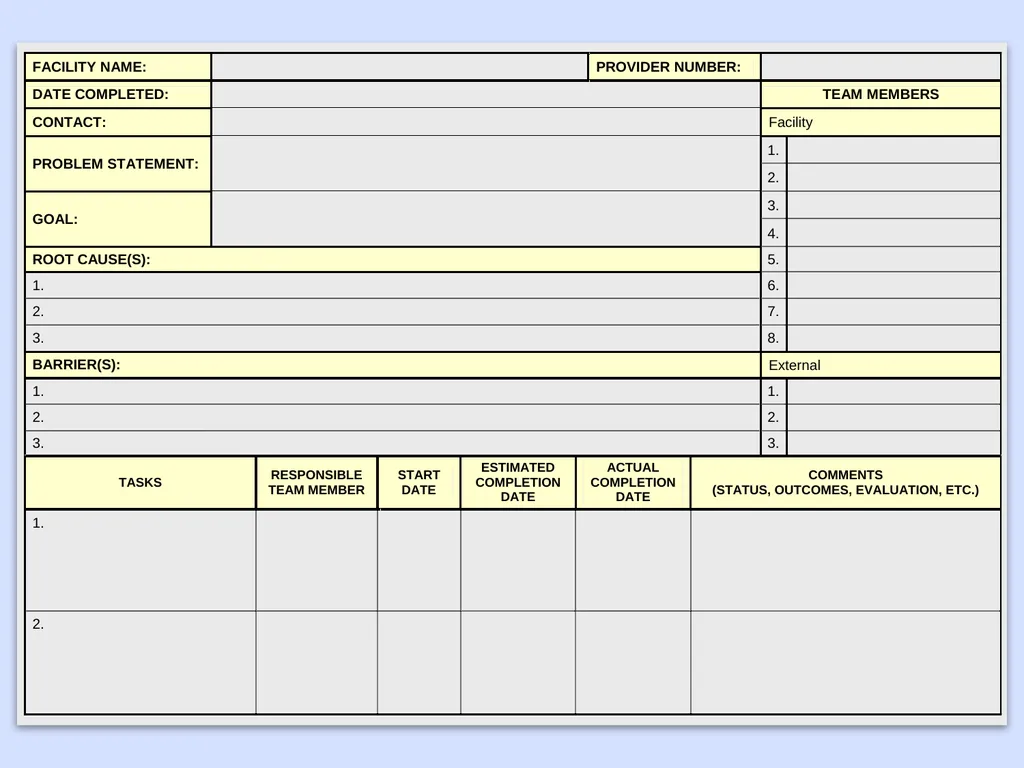
slide36. Developing your QAPI Plan Identify strategies
All team members need to have a role
Someone needs to be accountable and in charge
Tasks need to be assigned and dates set to re-evaluate
Plan needs to be dynamic – needs to be reviewed at least monthly<br>
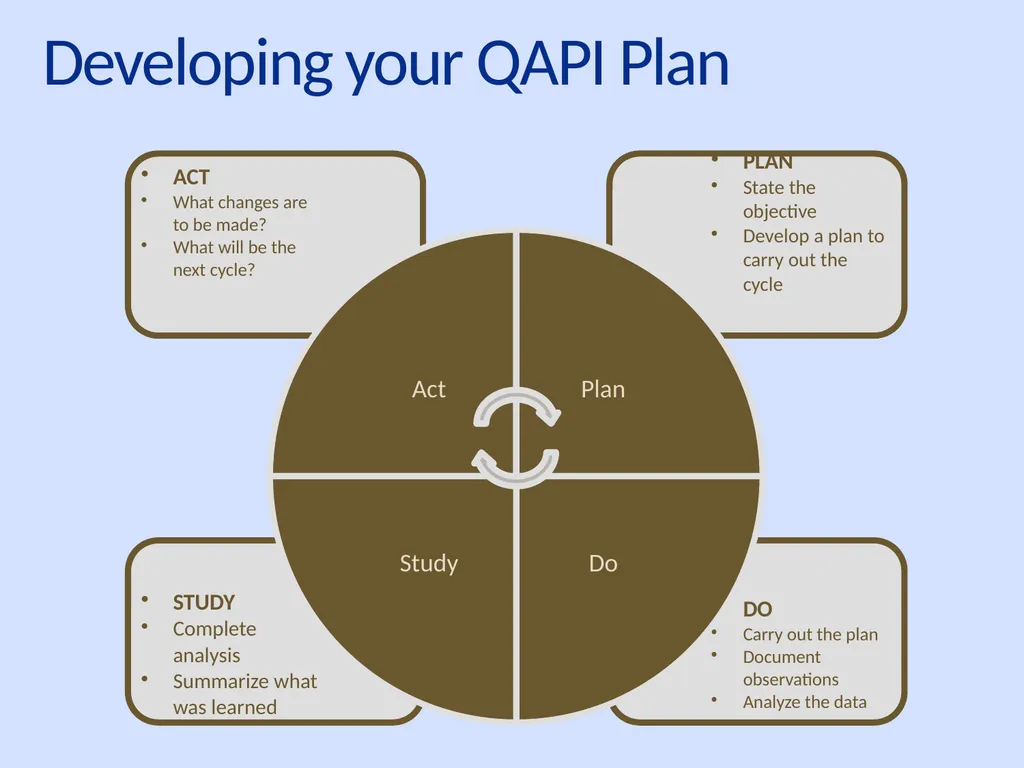
slide37. Developing your QAPI Plan<br>
slide40. Evaluate and Re-evaluate Review plan regularly
Use data to determine – Are we improving?
Are we seeing unintended consequences?
Does the plan need revision?
Should we bring others to the team? If so, who is the best person to help?<br>
slide41. What do you do at the end?? Evaluate!
Did we achieve our overall goal?
If not, why not?
If so, make it a permanent change
If not, what new strategies can we develop to try?
Are there best practices we can adopt?
Are there additional resources we need?
Are there new partners we can bring to the team?<br>
slide42. Resources<br>
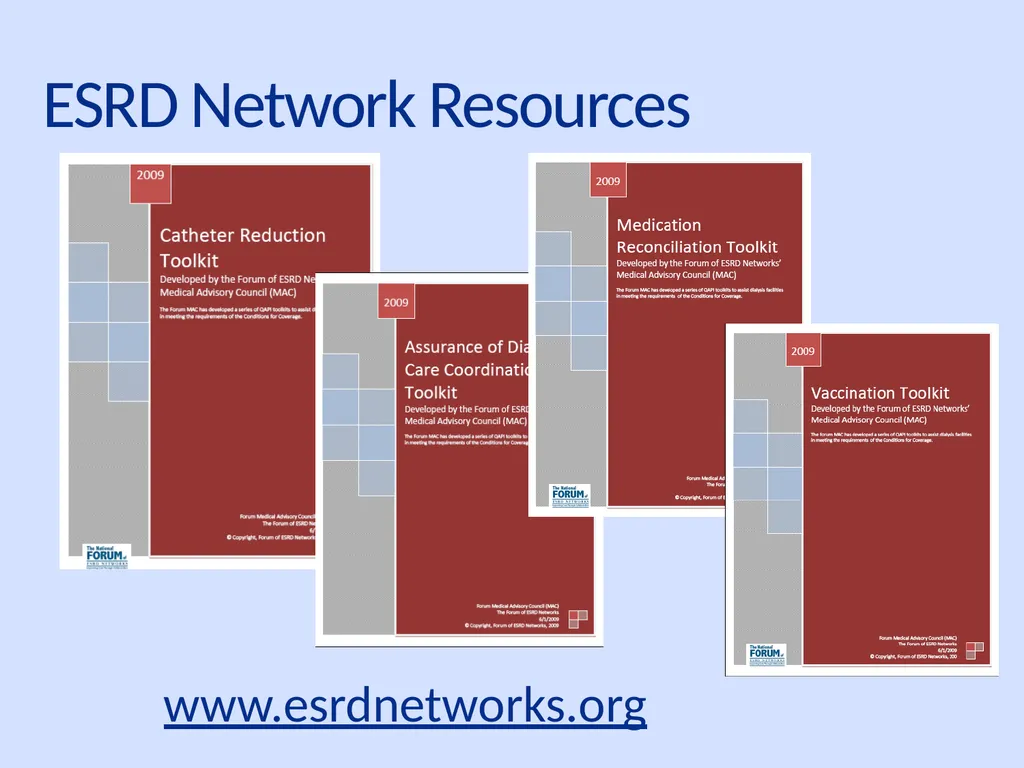
slide43. ESRD Network Resources www.esrdnetworks.org<br>
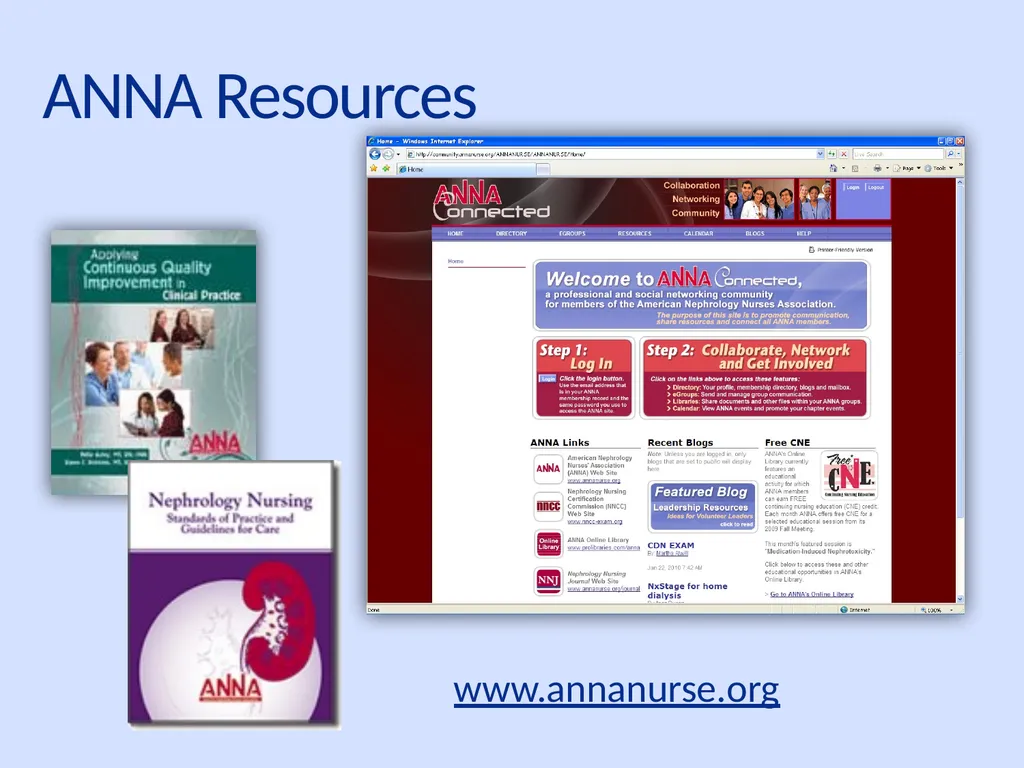
slide44. ANNA Resources www.annanurse.org<br>
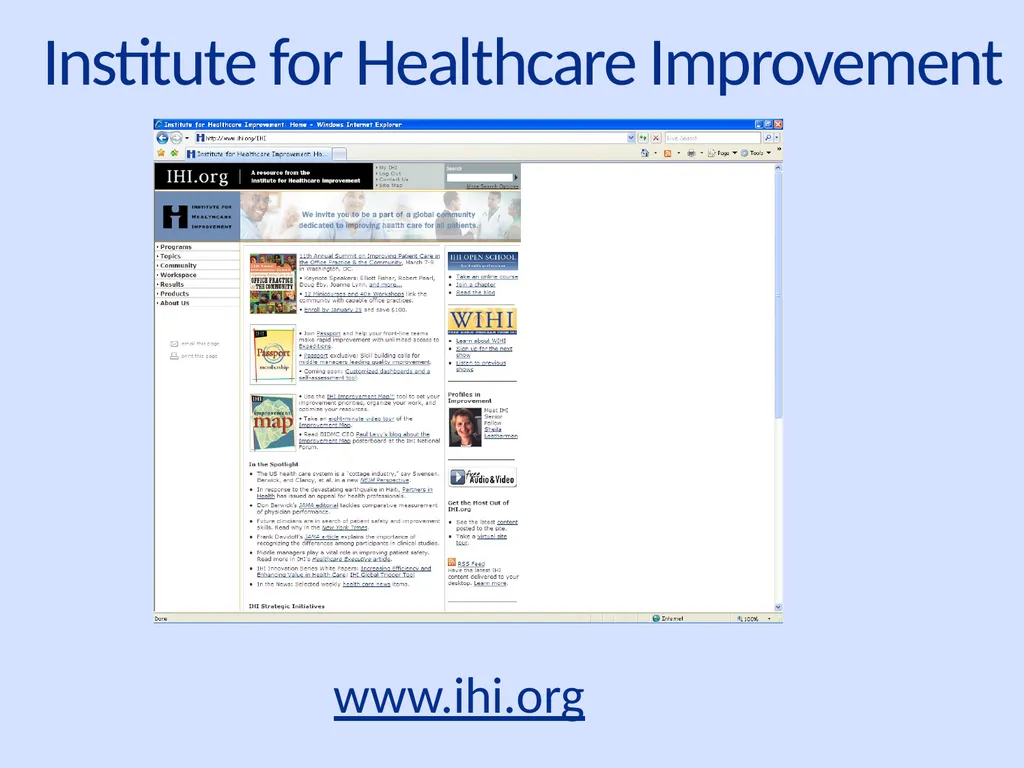
slide45. Institute for Healthcare Improvement www.ihi.org<br>
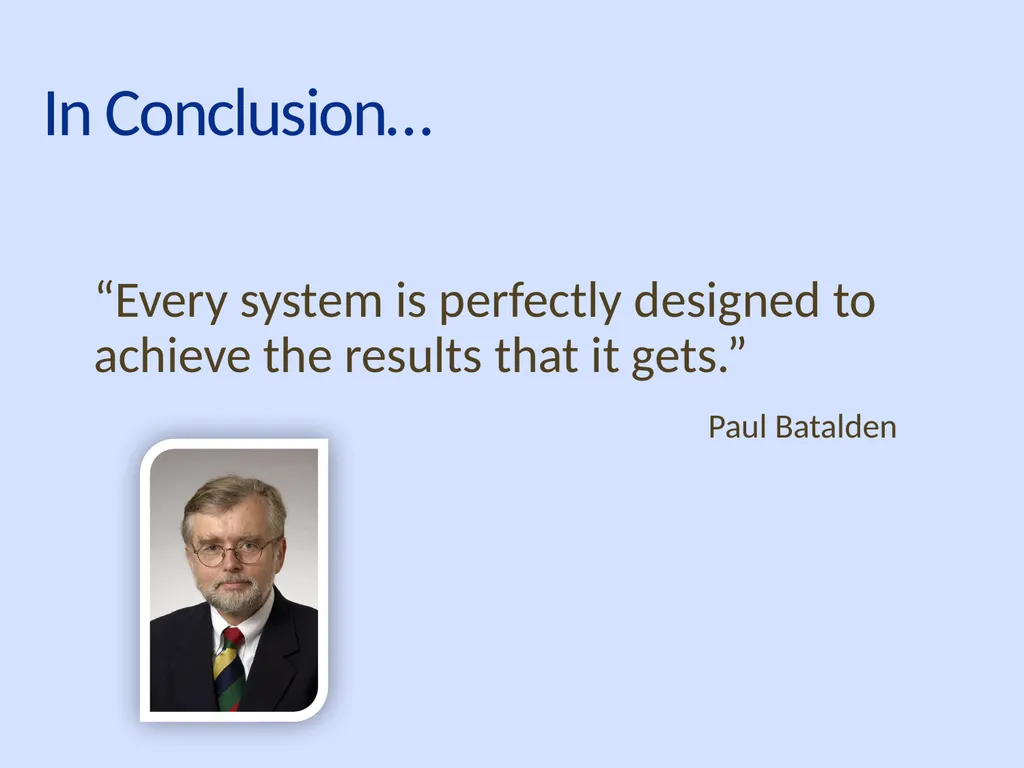
slide46. In Conclusion… “Every system is perfectly designed to achieve the results that it gets.”
Paul Batalden<br>
slide47. “The definition of insanity is doing the same thing over and over again and expecting different results”
Albert Einstein<br>
slide48. Why Do QAPI? Because CMS says so?
Because the Network is on my tail?
Because we won’t get paid if our outcomes are bad? Because it’s the right thing to do – the right care for every patient every time!<br>
slide49. Thank You!Questions?<br>
Medical Advisory Council<br>
slide2. What is quality care and why should I care? Institute Of Medicine
The degree to which health services for individuals and populations increase the likelihood of desired health outcomes and are consistent with current professional knowledge.
Safe, Effective, Patient-centered, Timely, Efficient, and Equitable<br>
slide3. What is quality care and why should I care? CMS Definition of Quality Is…
The Right Care for Every
Patient Every Time<br>
slide4. Improving Through Change REMEMBER:
All improvement requires change
BUT
Not all change IS improvement!<br>
slide5. Change is a departure from an existing
process or way of doing something, to a
new process or a different way of doing the
same thing
Ezekiel Oseni, CISA, ACA, ACIP, ACS
Change Management in Process Change
Volume 1, 2007 What is Change?<br>
slide6. Why Do We Resist Change? Loss of control - I don’t have enough information…
Loss of identity - We’ve always done it this way…
Loss of competence - I’m afraid I’ll make a mistake...<br>
slide7. People
Policy
Procedure
Equipment Process Change<br>
slide8. Corporate culture
The total sum of the values, customs, traditions and meanings that make a company unique. Corporate culture is often called "the character of an organization"
The values of a corporate culture influence the ethical standards within a corporation, as well as managerial behavior. Culture Change<br>
slide9. Process readiness
+
Culture readiness
=
Change in Outcomes<br>
slide10. What is Change Readiness? Palmer 2004: Making Change Work: Practical Tools for Overcoming Human Resistance to Change<br>
slide11. Evaluate processes
People, Policy, Procedure, Equipment
Determine barriers to change
Identify ways to overcome barriers
Seek out best practices
Create environment of collaboration Creating Change<br>
slide12. From the ground up…
Problem identification
Idea development From the top down…
Support
Resources<br>
slide13. Using the Team to Drive Improvement Multidisciplinary
Common Goal
Day-to-Day Knowledge
Physician Buy-in<br>
slide14. The Composition of an Effective Team<br>
slide15. The Interdisciplinary Team Medical Director
Nurse Manager
Dietitian
Social worker
Biomed Tech
Others
Other nephrologists(?)
Surgeon
Staff members including PCTs<br>
slide16. Changes Need to be… Evidenced Based
Patient Centered
System Based<br>
slide17. So How Do We Get Started?<br>
slide18. Why Should I Care About Quality Improvement? Improved patient outcomes
Improved patient safety
Increased customer satisfaction
Improved staff morale
Reduction of rework
Cost savings<br>
slide19. And so… Our approach to quality improvement in healthcare needs to be focused on identifying areas for change, creating change, and measuring change.<br>
slide20. IHI Model for Improvement<br>
slide21. Developing a Goal Statement Where are we currently – why is this a problem?
What does our data show?
What is our trend?
Where do we want to be?
What knowledge do we have?
What is our goal?<br>
slide22. QAPI: Using Knowledge to Improve Improvement comes from the application of knowledge
Any approach to improvement must be based on building and applying knowledge
Significant, long-term, positive impact only occur when someone takes the initiative<br>
slide23. Setting Goals Be realistic
Be specific
Understanding CMS or Network-set goals vs. facility or corporate-set goals
Set both short term and long term
In order to reach our long term goal, what do we need to accomplish monthly, quarterly, etc.
Remember “how to eat an elephant”<br>
slide24. What Are We Trying to Accomplish?Goal/Aim Statement Our rate for catheters >90 days is 35%
KDOQI states that the 90 day catheter rate should be < 10%
We will have a 25% catheter rate in 6 months<br>
slide25. How will we know a change is an improvement?Collect and trend data Identify sources of data
Review and trend data monthly
Analyze by various characteristics
Draw conclusions with the team<br>
slide26. Data Sources Data is NOT a four letter word!
Data is:
Your observations – what you hear and what you see
Your measurements – what you keep track of
How you report your observations and measurements
What is the benchmark?
What data sources do you have?<br>
slide27. Your Observations – Subjective Data Is there an opportunity for improvement?
Too many catheters?
Too many access infections?
Patient safety issues?
Is there something that everyone is complaining about?
Is there a process that is too cumbersome?
Medication errors?<br>
slide28. Your Measurement – Objective Data Begin to collect information about your problem, your observation
Collect simple points of information at regular intervals over time
KISS – counting the number of days between episodes of infections might be simpler and more meaningful that collecting every episode of access infection
What is the trend?<br>
slide29. How Will We Know a Change is an Improvement? We will collect baseline 90 day catheter rates at the beginning of the project
We will collect 90 day catheter data each month and trend
We will collect 90 days catheter data at the end of 6 months to evaluate the success of the project: Our catheter rate will be 25% or less<br>
slide30. What changes will result in an improvement: finding root causes Don’t stop with surface issues – go deeper
Brainstorming to discover all root causes
All disciplines – all team members
Use a root cause tool
Fishbone diagram
5 Whys
Other tools<br>
slide31. Root Cause Analysis Desired Goal Baseline<br>
slide33. 5 Whys Why did this occur?
But why did that occur?
So why did that occur?
And then why did that occur?
OK, so then why did that occur?<br>
slide34. What are the barriers? What are the barriers to overcoming these root causes?
What barriers are within your control and what are not?<br>
slide35. What are our root causes? Problem: 35% of patients have catheters for more than 90 days
Goal: Decrease 90 day catheter rate to 25% in 6 months
Root cause(s): Difficulty in getting new accesses placed<br>
slide36. Developing your QAPI Plan Identify strategies
All team members need to have a role
Someone needs to be accountable and in charge
Tasks need to be assigned and dates set to re-evaluate
Plan needs to be dynamic – needs to be reviewed at least monthly<br>
slide37. Developing your QAPI Plan<br>
slide40. Evaluate and Re-evaluate Review plan regularly
Use data to determine – Are we improving?
Are we seeing unintended consequences?
Does the plan need revision?
Should we bring others to the team? If so, who is the best person to help?<br>
slide41. What do you do at the end?? Evaluate!
Did we achieve our overall goal?
If not, why not?
If so, make it a permanent change
If not, what new strategies can we develop to try?
Are there best practices we can adopt?
Are there additional resources we need?
Are there new partners we can bring to the team?<br>
slide42. Resources<br>
slide43. ESRD Network Resources www.esrdnetworks.org<br>
slide44. ANNA Resources www.annanurse.org<br>
slide45. Institute for Healthcare Improvement www.ihi.org<br>
slide46. In Conclusion… “Every system is perfectly designed to achieve the results that it gets.”
Paul Batalden<br>
slide47. “The definition of insanity is doing the same thing over and over again and expecting different results”
Albert Einstein<br>
slide48. Why Do QAPI? Because CMS says so?
Because the Network is on my tail?
Because we won’t get paid if our outcomes are bad? Because it’s the right thing to do – the right care for every patient every time!<br>
slide49. Thank You!Questions?<br>