Biometrics UID Add facilitator name Introduction Definition and Overview: Biometrics: Refers to the measurement and statistical analysis of peoples unique physical and behavioral characteristics. UID Systems: Systems that assign a
"Biometrics & UID // Add facilitator name //" is the property of its rightful owner. Permission is granted to
download and print the materials on this website for personal, non-commercial use only, and to display it
on your personal computer provided you do not modify the materials and that you retain all copyright
notices contained in the materials. By downloading content from our website, you accept the terms of this
agreement.
Presentation Transcript
01
Biometrics & UID // Add facilitator name //<br>
02
Introduction Definition and Overview:
Biometrics: Refers to the measurement and statistical analysis of people’s unique physical and behavioral characteristics.
UID Systems: Systems that assign a unique identifier to everyone, often using biometrics.
Purpose:
Identity Verification: Ensure accurate identification for accessing services.
Relevance in Development: Critical in improving access to services, reducing fraud, and ensuring inclusivity.<br>
03
Identity Gaps and Challenges in Developing Countries The Identity Crisis:
Lack of Legal ID: Many people, particularly in rural areas, lack official identification.
Barriers to Access: Without ID, people face challenges in accessing basic services, healthcare, and financial systems.
Consequences:
Exclusion: Marginalized communities remain outside of formal systems.
Inefficiency: Service delivery becomes more prone to fraud and duplication.<br>
04
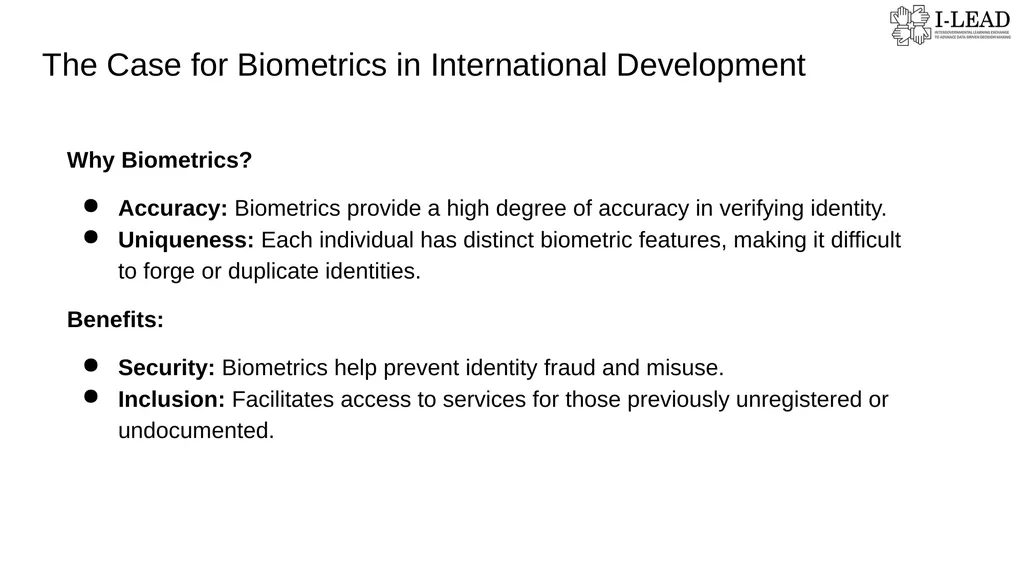
The Case for Biometrics in International Development Why Biometrics?
Accuracy: Biometrics provide a high degree of accuracy in verifying identity.
Uniqueness: Each individual has distinct biometric features, making it difficult to forge or duplicate identities.
Benefits:
Security: Biometrics help prevent identity fraud and misuse.
Inclusion: Facilitates access to services for those previously unregistered or undocumented.<br>
05
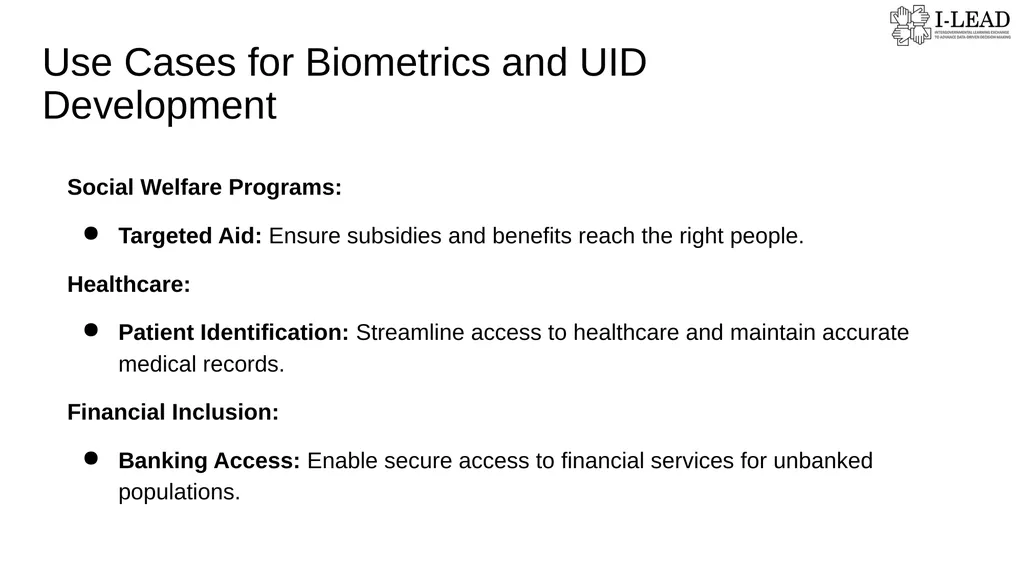
Use Cases for Biometrics and UID Development Social Welfare Programs:
Targeted Aid: Ensure subsidies and benefits reach the right people.
Healthcare:
Patient Identification: Streamline access to healthcare and maintain accurate medical records.
Financial Inclusion:
Banking Access: Enable secure access to financial services for unbanked populations.<br>
06
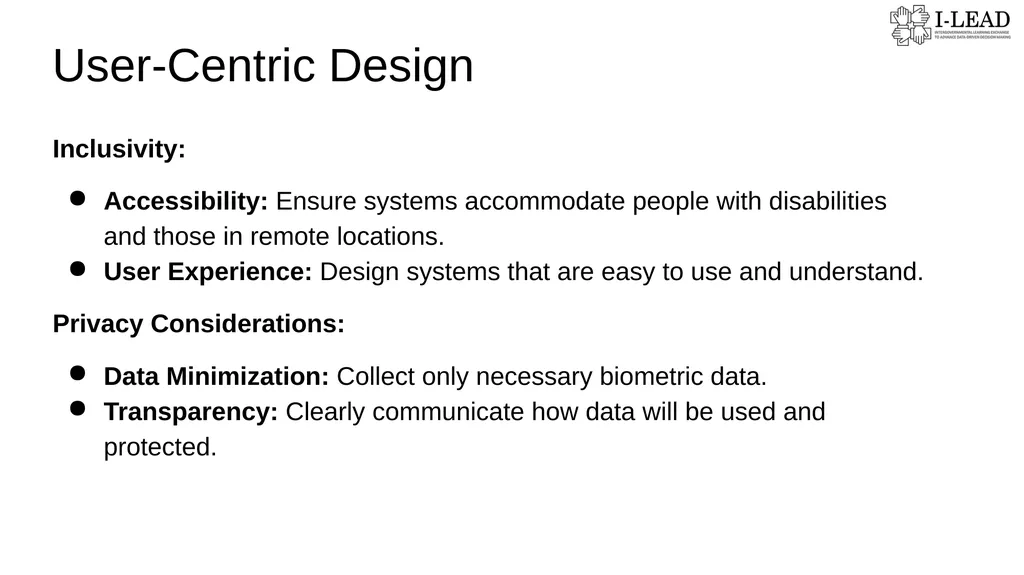
User-Centric Design Inclusivity:
Accessibility: Ensure systems accommodate people with disabilities and those in remote locations.
User Experience: Design systems that are easy to use and understand.
Privacy Considerations:
Data Minimization: Collect only necessary biometric data.
Transparency: Clearly communicate how data will be used and protected.<br>
07
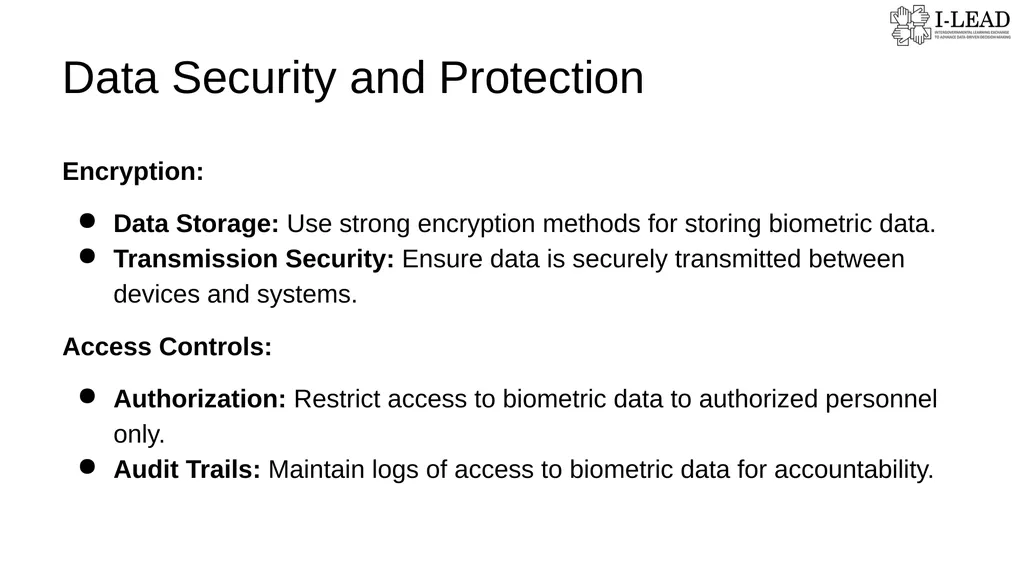
Data Security and Protection Encryption:
Data Storage: Use strong encryption methods for storing biometric data.
Transmission Security: Ensure data is securely transmitted between devices and systems.
Access Controls:
Authorization: Restrict access to biometric data to authorized personnel only.
Audit Trails: Maintain logs of access to biometric data for accountability.<br>
08
Legal and Ethical Considerations Informed Consent:
User Rights: Ensure individuals are fully informed before collecting their biometric data.
Regulatory Compliance:
Data Protection Laws: Adhere to local and international regulations on data privacy and protection.
Ethical Use:
Human Rights: Respect the rights and dignity of individuals in the implementation of biometric systems.<br>
09
Interoperability & Scalability Standards Compliance:
Global Standards: Implement systems in line with international biometric standards (e.g., ISO/IEC standards).
Scalability:
System Expansion: Ensure that the biometric system can scale to accommodate increasing numbers of users.
Cross-Border Compatibility: Design systems that can be integrated or used across different regions and countries.<br>
10
Impact of Biometrics & UID on Service Delivery and Economic Inclusion Efficiency Gains:
Resource Allocation: Reduce fraud and ensure that aid and services are delivered to the intended recipients.
Economic Benefits:
Financial Inclusion: Empower individuals with secure access to banking and financial services.
Participation in Formal Economy: Enable previously undocumented individuals to engage in the formal economy.<br>
11
Challenges & Risks Data Security Risks:
Potential Breaches: Risks associated with data breaches or unauthorized access to biometric data.
Exclusion Risks:
Technical Barriers: Some populations may face difficulties in enrollment due to technical issues or lack of infrastructure.
Equity Concerns: Ensure that biometric systems do not inadvertently exclude or marginalize certain groups.<br>
12
Key Takeaways Biometrics & UIDs: Measure unique traits and assign identifiers for accurate identity verification.
Access & Inclusion: Enable healthcare, social welfare, and financial services for unregistered populations.
Security & Efficiency: Prevent fraud, ensure targeted aid, and maintain accurate records.
Privacy & Usability: Minimize data collection, protect information, and design accessible systems.<br>
13
Key Takeaways Protect Data: Encrypt, secure, and control access to biometric information.
Consent & Ethics: Inform users, respect rights, and follow privacy laws.
Standards & Scalability: Use international standards and design for growth and cross-border use.
Efficiency & Inclusion: Reduce fraud, improve service delivery, and promote equitable access.
Risks: Mitigate against data breaches<br>