
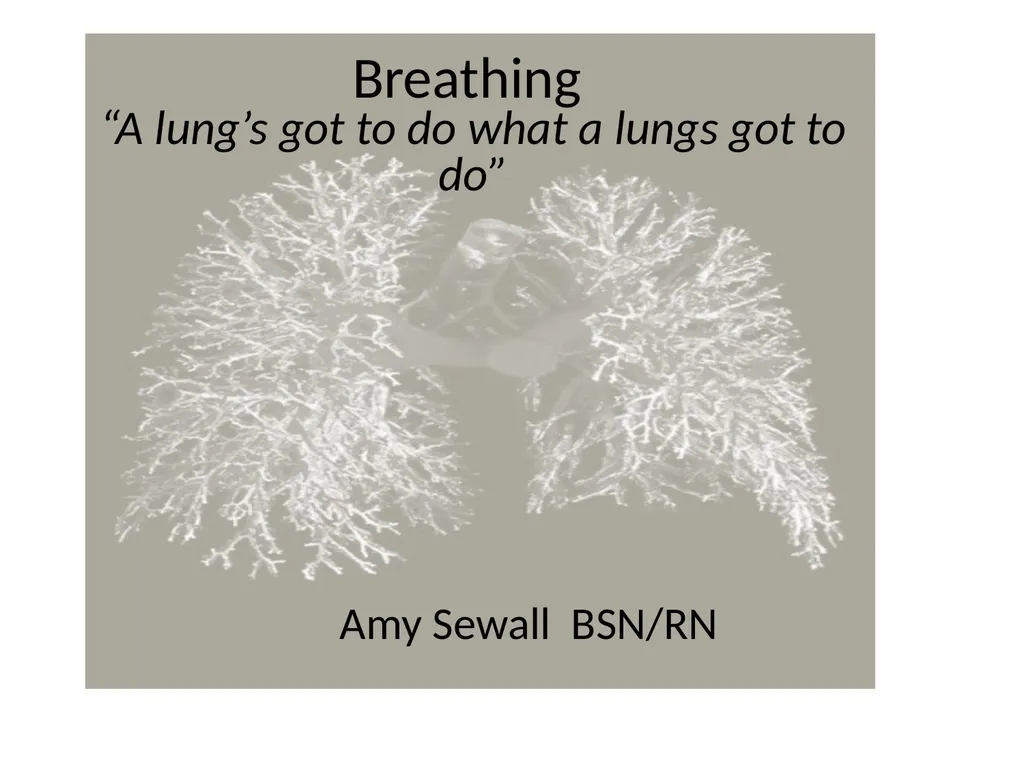
Breathing “A lung’s got to do what a lungs got

Description: Breathing A lungs got to do what a lungs got to do Amy Sewall BSNRN Agenda Breathing Overview Anxiety Hyperventilation StressAnxiety Reduction Methods Relaxation Techniques Note: Check with a physician before starting any exercise
Related Topics
Download Presentation
"Breathing “A lung’s got to do what a lungs got" is the property of its rightful owner. Permission is granted to download and print the materials on this website for personal, non-commercial use only, and to display it on your personal computer provided you do not modify the materials and that you retain all copyright notices contained in the materials. By downloading content from our website, you accept the terms of this agreement.
Presentation Transcript
slide1. Breathing
“A lung’s got to do what a lungs got to do” Amy Sewall BSN/RN<br>
slide2. Agenda Breathing Overview
Anxiety
Hyperventilation
Stress/Anxiety Reduction Methods
Relaxation Techniques
Note: Check with a physician before starting any exercise<br>
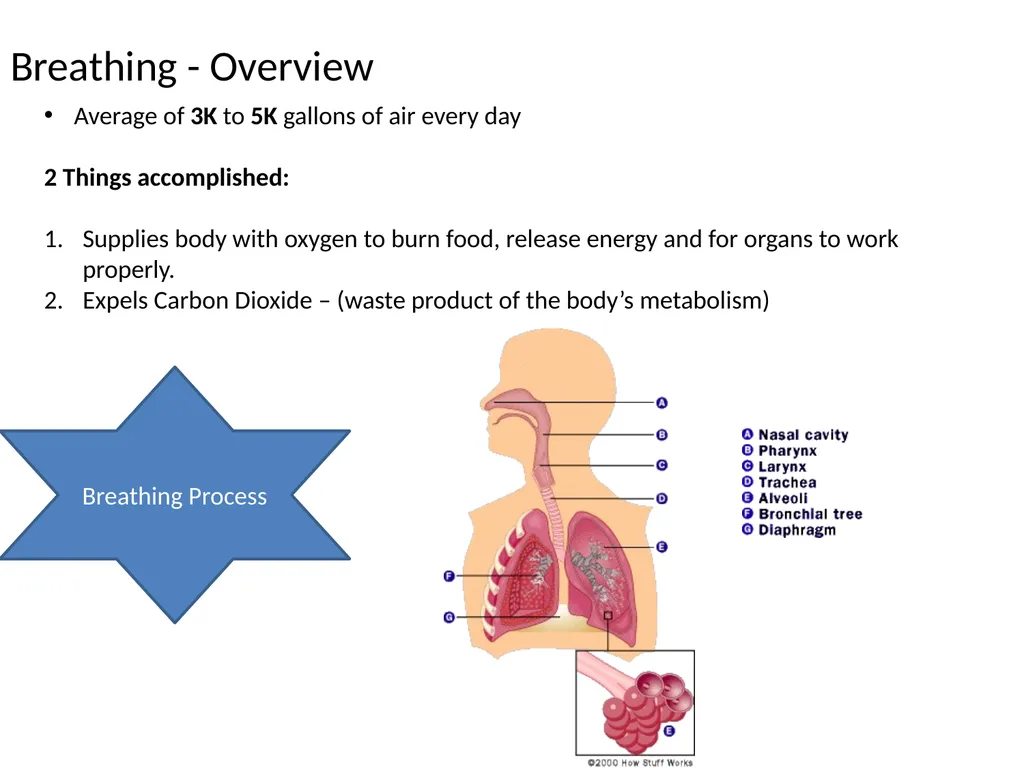
slide3. Breathing - Overview Average of 3K to 5K gallons of air every day
2 Things accomplished:
Supplies body with oxygen to burn food, release energy and for organs to work properly.
Expels Carbon Dioxide – (waste product of the body’s metabolism) Breathing Process<br>
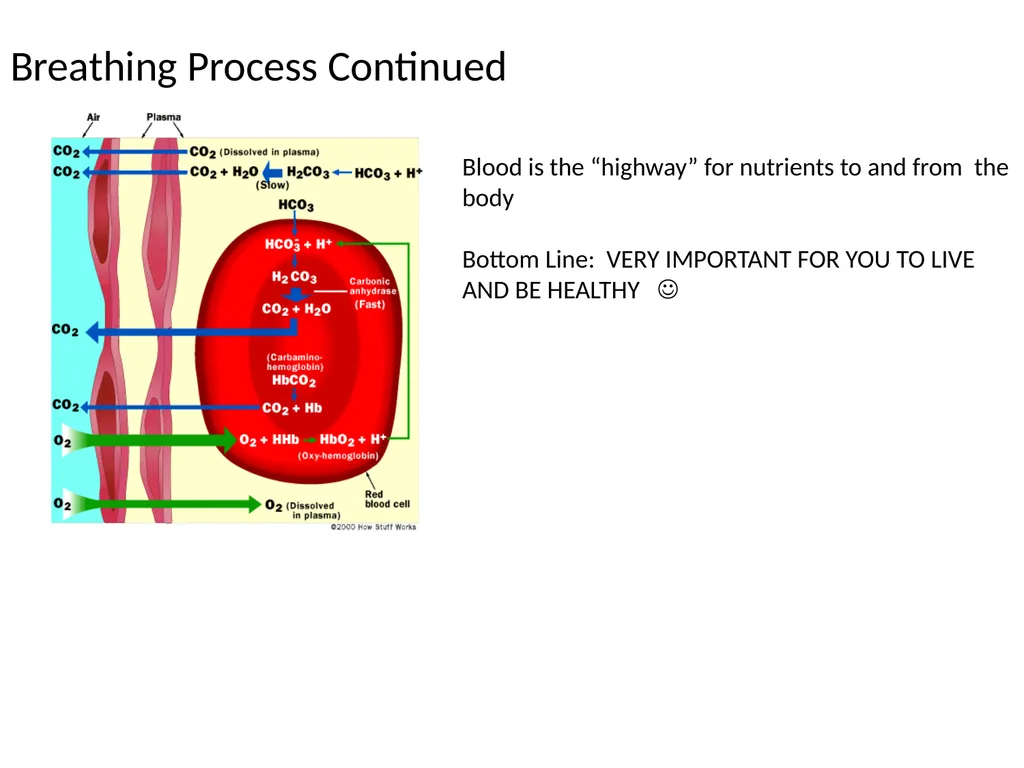
slide4. Breathing Process Continued Blood is the “highway” for nutrients to and from the body
Bottom Line: VERY IMPORTANT FOR YOU TO LIVE AND BE HEALTHY <br>
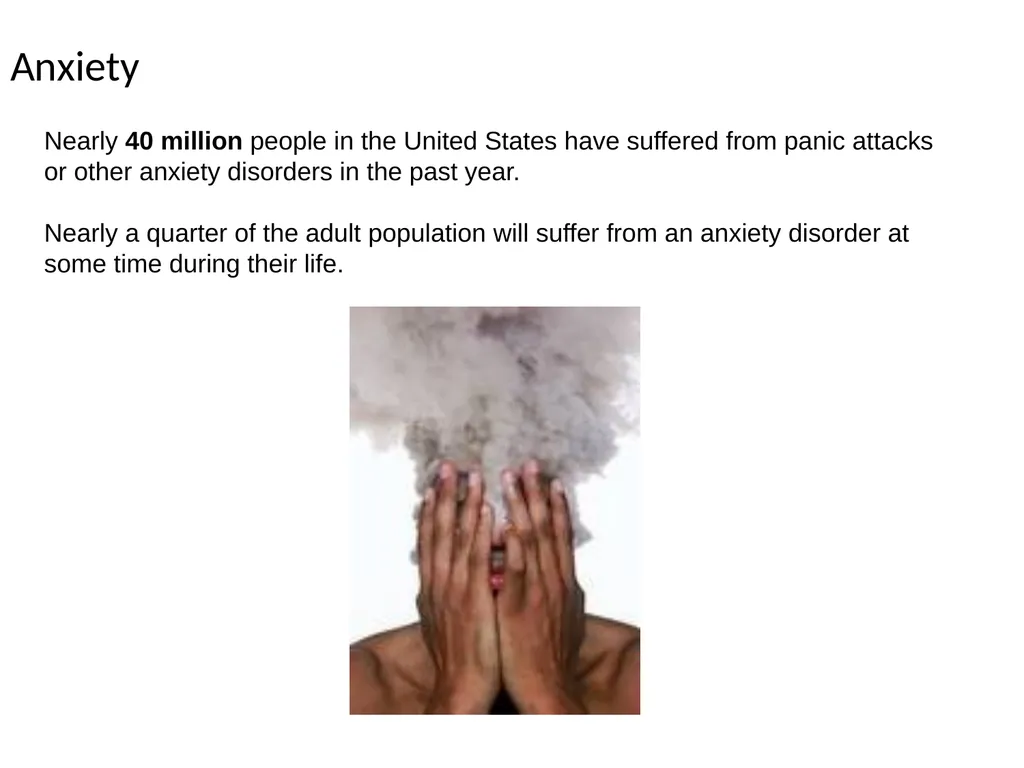
slide5. Anxiety Nearly 40 million people in the United States have suffered from panic attacks or other anxiety disorders in the past year.
Nearly a quarter of the adult population will suffer from an anxiety disorder at some time during their life.<br>
slide6. What is Stress? Stress is different for each of us. What is stressful for one person may or may not be stressful for another; each of us responds to stress in an entirely different way.<br>
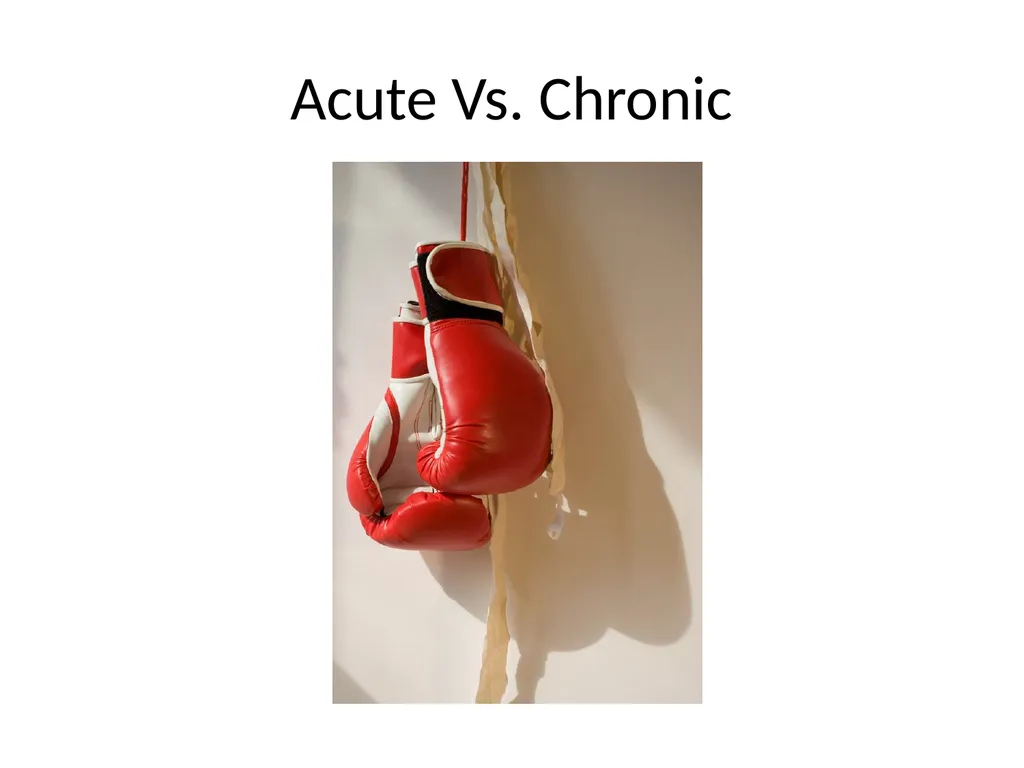
slide7. Acute Vs. Chronic<br>
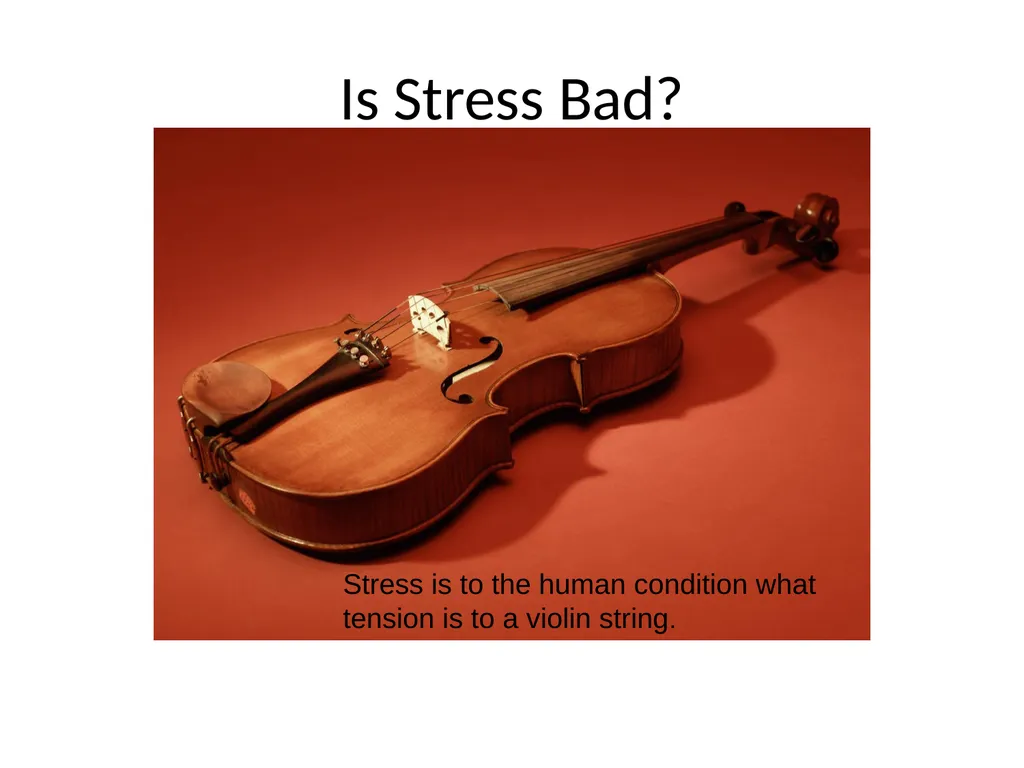
slide8. Is Stress Bad? Stress is to the human condition what tension is to a violin string.<br>
slide9. How Do You Manage Stress? Talk with Support Network.
Set a schedule.
Schedule breaks.
Find healthy ways to manage stress.
Set Boundaries.
Get to know others who share your goals, who have qualities which to admire, and who are willing to help.<br>
slide10. ASK FOR HELP! Monitor your stress level and seek help if you experience time management problems, social isolation, concentration difficulties, physical or emotional symptoms.
Seek early assistance..problems become more difficult to manage the more they go on.<br>
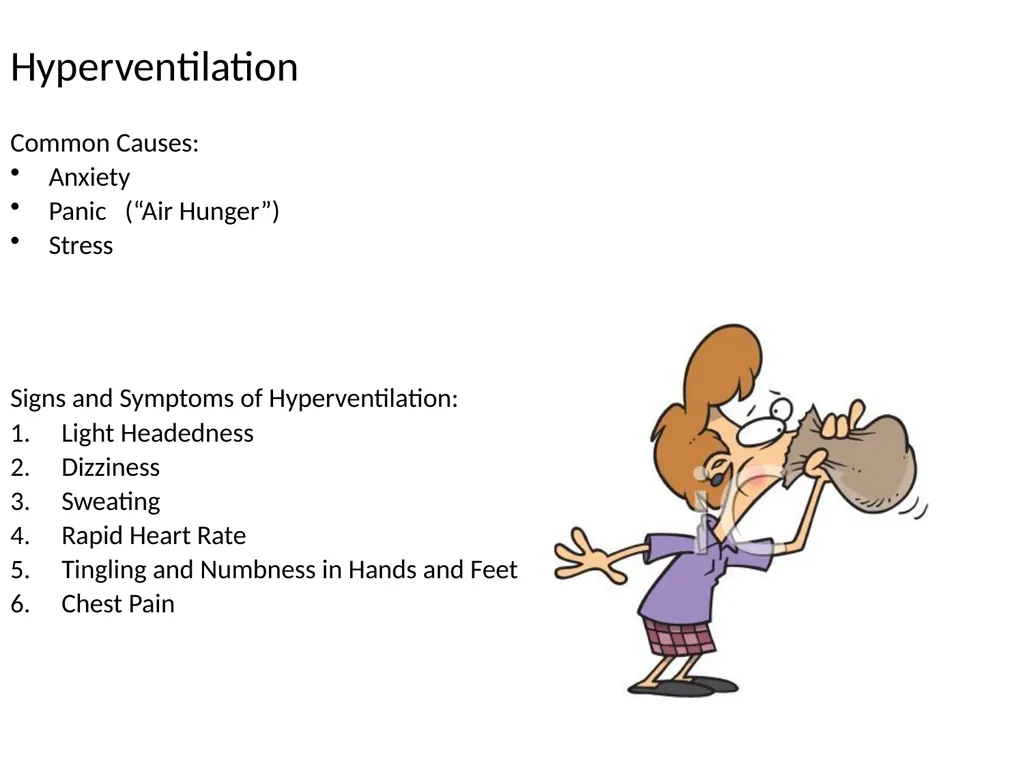
slide11. Hyperventilation Common Causes:
Anxiety
Panic (“Air Hunger”)
Stress
Signs and Symptoms of Hyperventilation:
Light Headedness
Dizziness
Sweating
Rapid Heart Rate
Tingling and Numbness in Hands and Feet
Chest Pain<br>
slide12. Relaxation Techniques – (Just Breathe) Breathing is “Natural” tranquilizer
Breathing:
Detoxifies and releases toxins
Releases tension
Relaxes mind and body/ brings clarity
Increases muscles
Strengthens immunes systems<br>
slide13. Relaxation Techniques Continued<br>
slide14. Exercises<br>
slide15. 4-7-8 Relaxation Breathing Exercise Dr. Andrew Weil Sit with back straight
Place the tip of tongue against ridge of tissue just before upper front teeth
Exhale completely through mouth making whoosh sound
Close your mouth and inhale quietly through your nose to the mental count of 4
Hold breath for count of 7
Exhale completely through your mouth making the whoosh sound to the count of 8
Repeat cycle 3 more times for a total of 4 breaths. Do not do more than 4 breaths at one time.<br>
slide16. Abdominal Breathing Exercise Place one hand on your abdomen right beneath your rib cage
Inhale slowly and deeply through your nose into the bottom of your lungs. If you are breathing from your abdomen, your hand should actually rise
When you have taken in a full breath, pause for a moment and then exhale slowly through your nose or mouth. As you exhale, allow your whole body to let go (limp like a rag doll)
Do ten slow, full abdominal breaths. Try to keep your breathing smooth and regular.
Slow inhale..pause…slow exhale..10
Slow inhale..pause…slow exhale..9<br>
slide17. Progressive Muscle Relaxation Tensing particular muscle groups for 7 to 10 seconds
Concentrate on what is happening...feel the buildup of tension.
Release the muscle abruptly and then relax for 15 to 20 seconds before going to the next muscle group.
Muscle groups to work: fists, biceps, triceps, forehead, eyes, jaw, back of neck, shoulders, chest, stomach, lower back, buttocks, thighs, calf muscles and toes.<br>
slide2. Agenda Breathing Overview
Anxiety
Hyperventilation
Stress/Anxiety Reduction Methods
Relaxation Techniques
Note: Check with a physician before starting any exercise<br>
slide3. Breathing - Overview Average of 3K to 5K gallons of air every day
2 Things accomplished:
Supplies body with oxygen to burn food, release energy and for organs to work properly.
Expels Carbon Dioxide – (waste product of the body’s metabolism) Breathing Process<br>
slide4. Breathing Process Continued Blood is the “highway” for nutrients to and from the body
Bottom Line: VERY IMPORTANT FOR YOU TO LIVE AND BE HEALTHY <br>
slide5. Anxiety Nearly 40 million people in the United States have suffered from panic attacks or other anxiety disorders in the past year.
Nearly a quarter of the adult population will suffer from an anxiety disorder at some time during their life.<br>
slide6. What is Stress? Stress is different for each of us. What is stressful for one person may or may not be stressful for another; each of us responds to stress in an entirely different way.<br>
slide7. Acute Vs. Chronic<br>
slide8. Is Stress Bad? Stress is to the human condition what tension is to a violin string.<br>
slide9. How Do You Manage Stress? Talk with Support Network.
Set a schedule.
Schedule breaks.
Find healthy ways to manage stress.
Set Boundaries.
Get to know others who share your goals, who have qualities which to admire, and who are willing to help.<br>
slide10. ASK FOR HELP! Monitor your stress level and seek help if you experience time management problems, social isolation, concentration difficulties, physical or emotional symptoms.
Seek early assistance..problems become more difficult to manage the more they go on.<br>
slide11. Hyperventilation Common Causes:
Anxiety
Panic (“Air Hunger”)
Stress
Signs and Symptoms of Hyperventilation:
Light Headedness
Dizziness
Sweating
Rapid Heart Rate
Tingling and Numbness in Hands and Feet
Chest Pain<br>
slide12. Relaxation Techniques – (Just Breathe) Breathing is “Natural” tranquilizer
Breathing:
Detoxifies and releases toxins
Releases tension
Relaxes mind and body/ brings clarity
Increases muscles
Strengthens immunes systems<br>
slide13. Relaxation Techniques Continued<br>
slide14. Exercises<br>
slide15. 4-7-8 Relaxation Breathing Exercise Dr. Andrew Weil Sit with back straight
Place the tip of tongue against ridge of tissue just before upper front teeth
Exhale completely through mouth making whoosh sound
Close your mouth and inhale quietly through your nose to the mental count of 4
Hold breath for count of 7
Exhale completely through your mouth making the whoosh sound to the count of 8
Repeat cycle 3 more times for a total of 4 breaths. Do not do more than 4 breaths at one time.<br>
slide16. Abdominal Breathing Exercise Place one hand on your abdomen right beneath your rib cage
Inhale slowly and deeply through your nose into the bottom of your lungs. If you are breathing from your abdomen, your hand should actually rise
When you have taken in a full breath, pause for a moment and then exhale slowly through your nose or mouth. As you exhale, allow your whole body to let go (limp like a rag doll)
Do ten slow, full abdominal breaths. Try to keep your breathing smooth and regular.
Slow inhale..pause…slow exhale..10
Slow inhale..pause…slow exhale..9<br>
slide17. Progressive Muscle Relaxation Tensing particular muscle groups for 7 to 10 seconds
Concentrate on what is happening...feel the buildup of tension.
Release the muscle abruptly and then relax for 15 to 20 seconds before going to the next muscle group.
Muscle groups to work: fists, biceps, triceps, forehead, eyes, jaw, back of neck, shoulders, chest, stomach, lower back, buttocks, thighs, calf muscles and toes.<br>