Building Large Scale Data Driven Systems Case Study of Aarogya Setu By Prof. V. Kamakoti Pratap Subrahmanyam Center for Digital Intelligence and Secure Hardware Architecture (PS-CDISHA) Reconfigurable Intelligent Systems Engineering (RISE)
"Building Large Scale Data Driven Systems Case" is the property of its rightful owner. Permission is granted to
download and print the materials on this website for personal, non-commercial use only, and to display it
on your personal computer provided you do not modify the materials and that you retain all copyright
notices contained in the materials. By downloading content from our website, you accept the terms of this
agreement.
Presentation Transcript
01
Building Large Scale Data Driven Systems Case Study of Aarogya Setu
By
Prof. V. Kamakoti
Pratap Subrahmanyam Center for Digital Intelligence and Secure Hardware Architecture (PS-CDISHA)
Reconfigurable Intelligent Systems Engineering (RISE) Group
IIT Madras<br>
02
Nature of Project Interdisciplinary
Aarogya Setu
Computer Scientists – Software Development + AI/ML
Epidemiologists
Statisticians
Humanities and Social Science
Legal – Privacy<br>
03
The Development Cycle Software Requirement Specification
Functional testing
Performance Testing
Security Testing
Deployment
End User acceptance
Usage and Inference
AS as a case study<br>
04
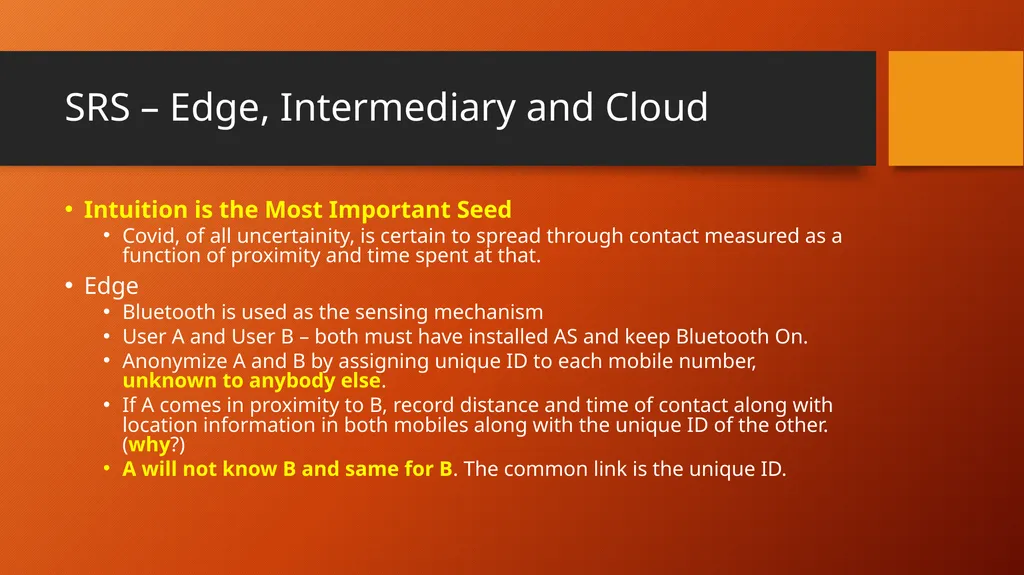
SRS – Edge, Intermediary and Cloud Intuition is the Most Important Seed
Covid, of all uncertainity, is certain to spread through contact measured as a function of proximity and time spent at that.
Edge
Bluetooth is used as the sensing mechanism
User A and User B – both must have installed AS and keep Bluetooth On.
Anonymize A and B by assigning unique ID to each mobile number, unknown to anybody else.
If A comes in proximity to B, record distance and time of contact along with location information in both mobiles along with the unique ID of the other. (why?)
A will not know B and same for B. The common link is the unique ID.<br>
05
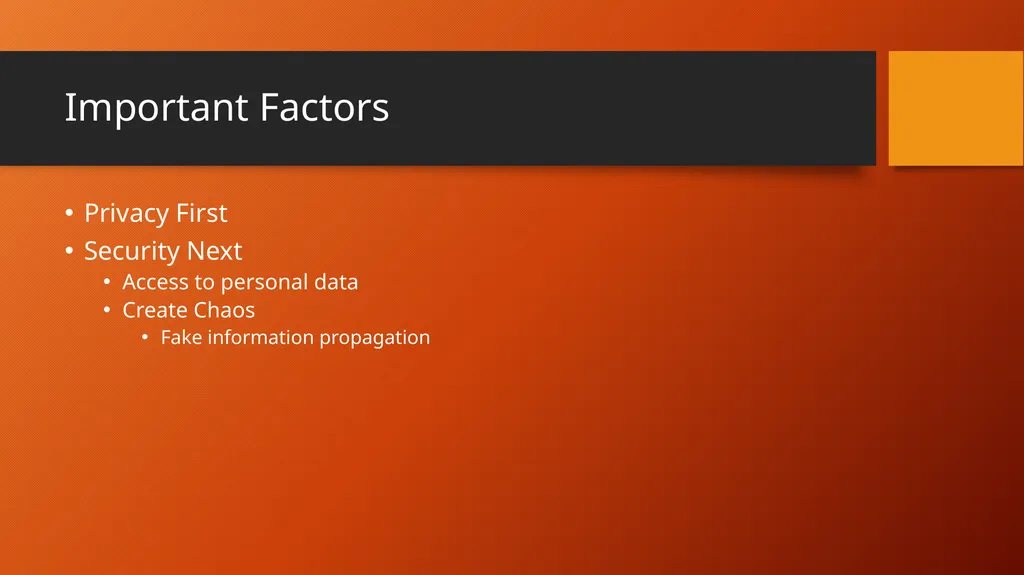
Important Factors Privacy First
Security Next
Access to personal data
Create Chaos
Fake information propagation<br>
06
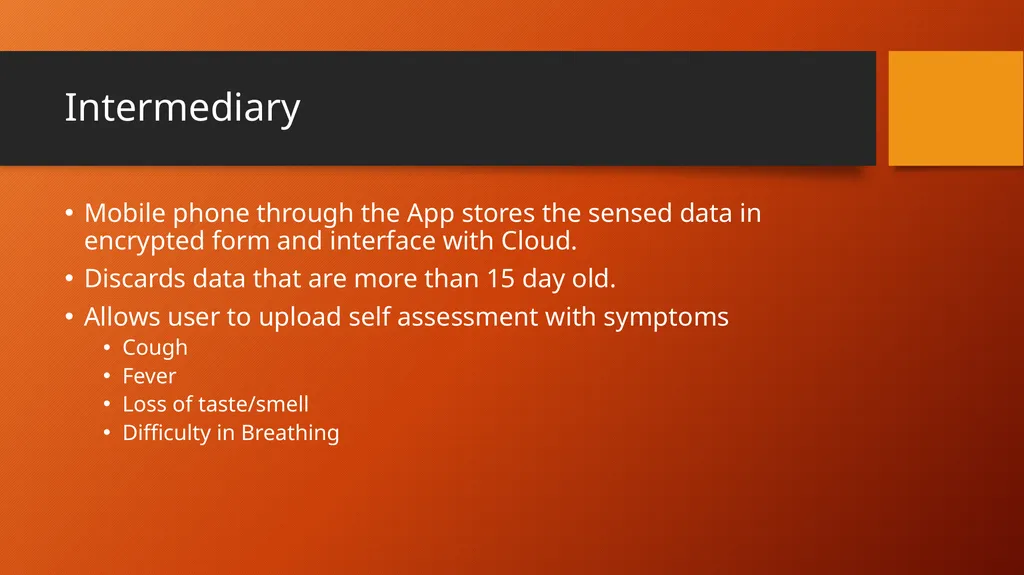
Intermediary Mobile phone through the App stores the sensed data in encrypted form and interface with Cloud.
Discards data that are more than 15 day old.
Allows user to upload self assessment with symptoms
Cough
Fever
Loss of taste/smell
Difficulty in Breathing<br>
07
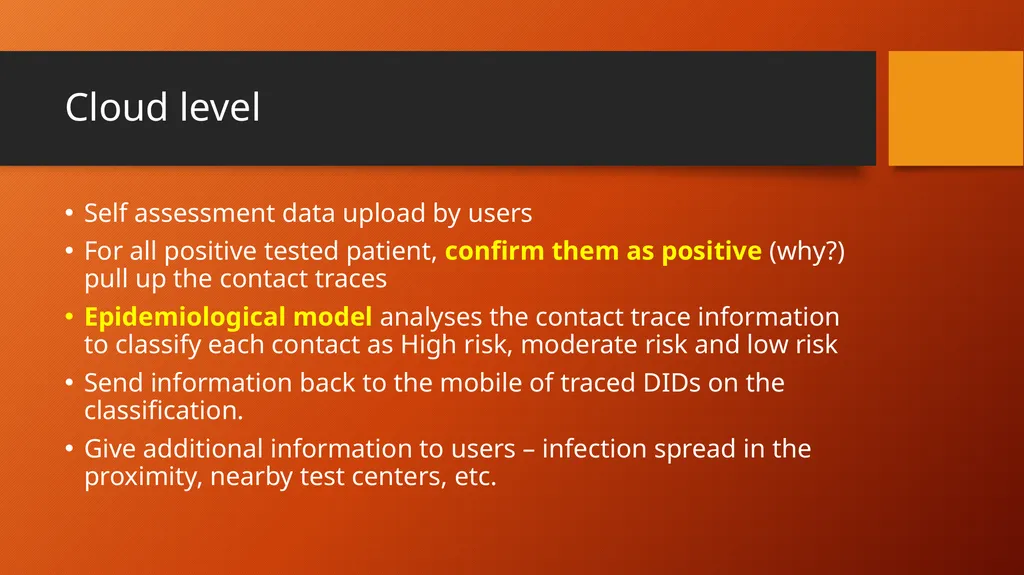
Cloud level Self assessment data upload by users
For all positive tested patient, confirm them as positive (why?) pull up the contact traces
Epidemiological model analyses the contact trace information to classify each contact as High risk, moderate risk and low risk
Send information back to the mobile of traced DIDs on the classification.
Give additional information to users – infection spread in the proximity, nearby test centers, etc.<br>
08
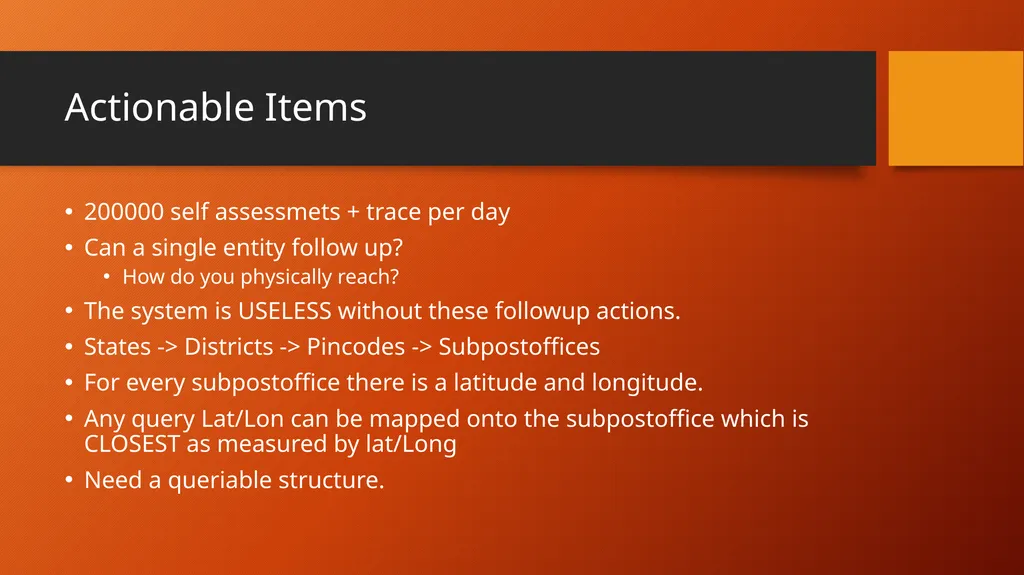
Actionable Items 200000 self assessmets + trace per day
Can a single entity follow up?
How do you physically reach?
The system is USELESS without these followup actions.
States -> Districts -> Pincodes -> Subpostoffices
For every subpostoffice there is a latitude and longitude.
Any query Lat/Lon can be mapped onto the subpostoffice which is CLOSEST as measured by lat/Long
Need a queriable structure.<br>
09
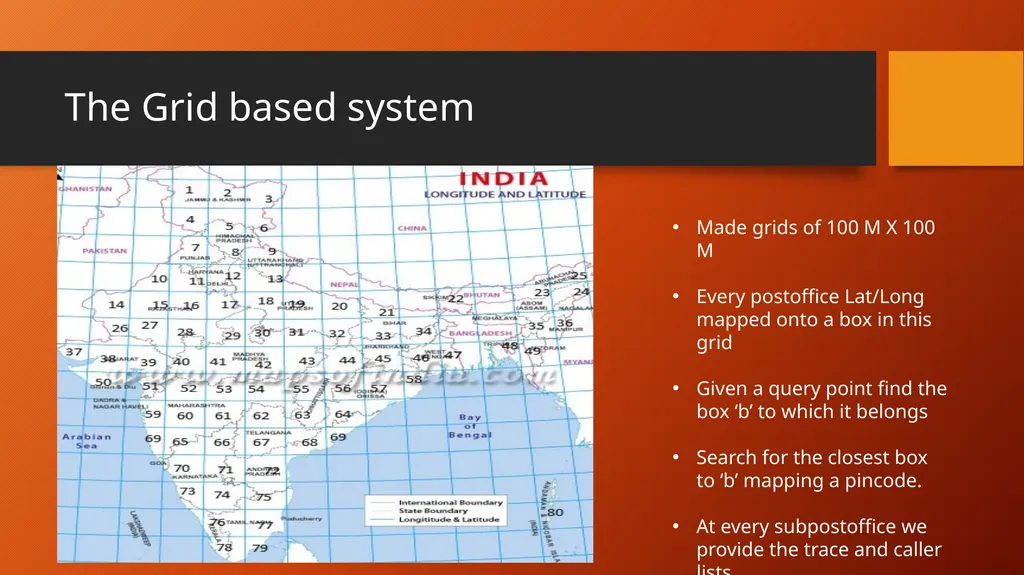
The Grid based system Made grids of 100 M X 100 M
Every postoffice Lat/Long mapped onto a box in this grid
Given a query point find the box ‘b’ to which it belongs
Search for the closest box to ‘b’ mapping a pincode.
At every subpostoffice we provide the trace and caller lists.<br>
10
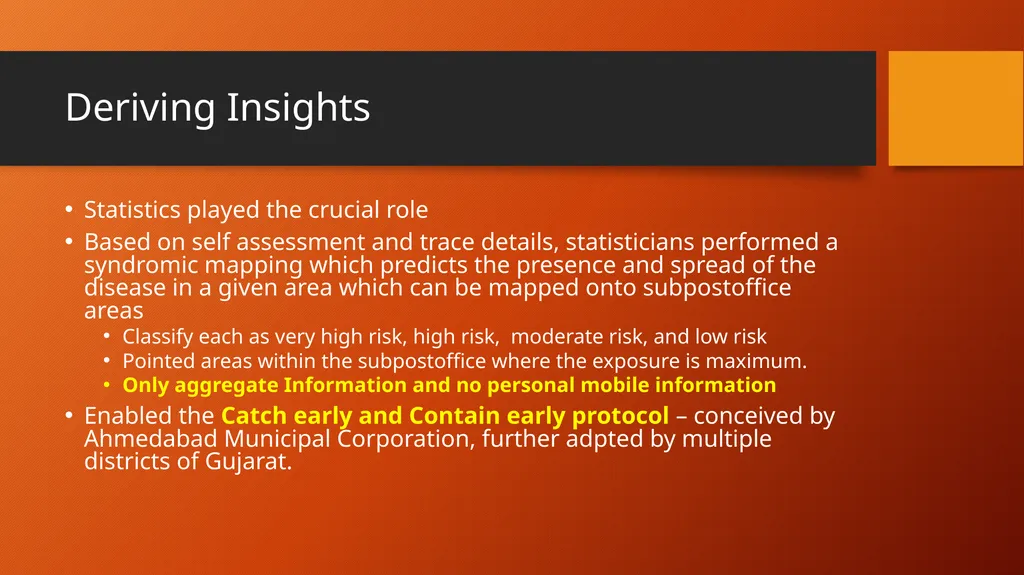
Deriving Insights Statistics played the crucial role
Based on self assessment and trace details, statisticians performed a syndromic mapping which predicts the presence and spread of the disease in a given area which can be mapped onto subpostoffice areas
Classify each as very high risk, high risk, moderate risk, and low risk
Pointed areas within the subpostoffice where the exposure is maximum.
Only aggregate Information and no personal mobile information
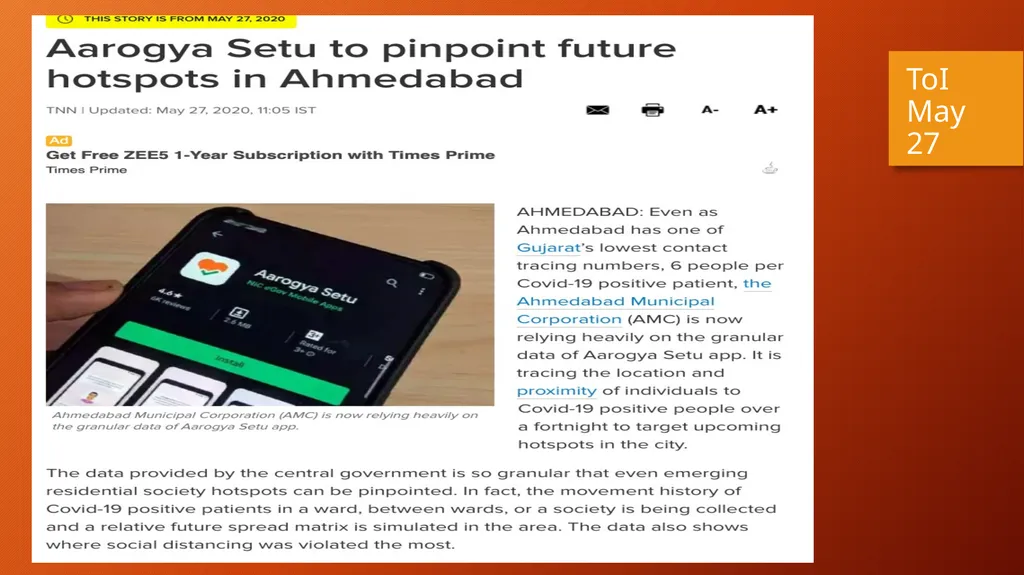
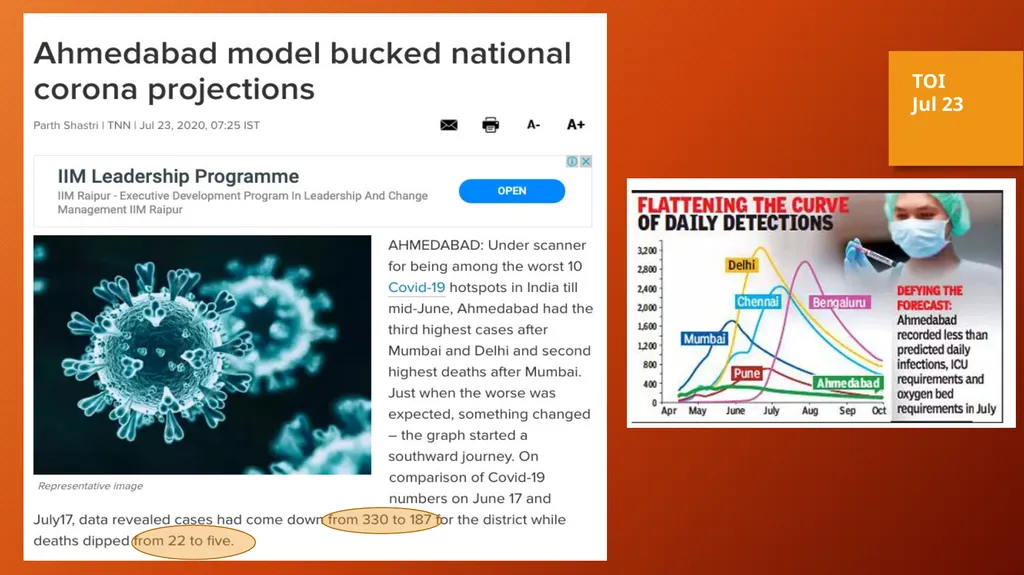
Enabled the Catch early and Contain early protocol – conceived by Ahmedabad Municipal Corporation, further adpted by multiple districts of Gujarat.<br>