Chapter 53 The Patient with an Endocrine Disorder or Hormonal Change Learning Objectives Identify major endocrine glands and describe functions of each Explain signs, symptoms, and potential oral manifestations of each endocrine gland
"Chapter 53 The Patient with an Endocrine Disorder" is the property of its rightful owner. Permission is granted to
download and print the materials on this website for personal, non-commercial use only, and to display it
on your personal computer provided you do not modify the materials and that you retain all copyright
notices contained in the materials. By downloading content from our website, you accept the terms of this
agreement.
Presentation Transcript
01
Chapter 53 The Patient with an Endocrine Disorder or Hormonal Change<br>
02
Learning Objectives Identify major endocrine glands and describe functions of each
Explain signs, symptoms, and potential oral manifestations of each endocrine gland disorder
Describe hormonal effects and oral health risk factors commonly associated with puberty, menses, contraception, and menopause 2<br>
03
Overview of the Endocrine System Glands of the Endocrine System
Hormones and Their Functions
Regulation of Hormones 3<br>
04
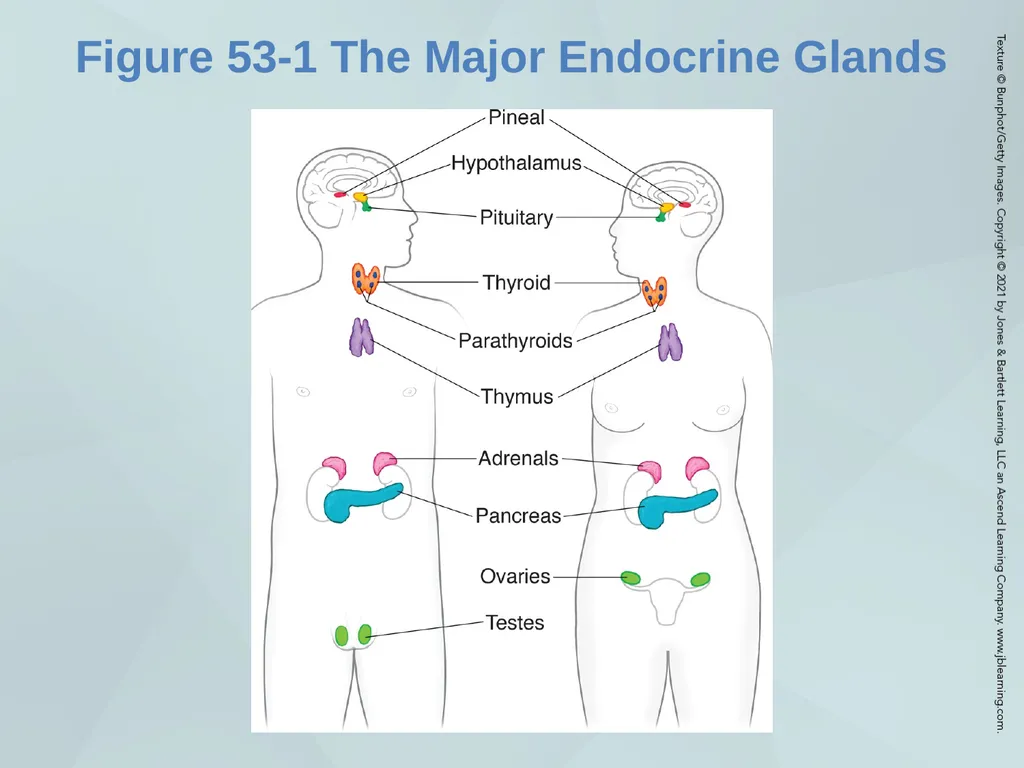
Figure 53-1 The Major Endocrine Glands 4<br>
05
Endocrine Gland Disorders May cause hormones to be under produced or overproduced
Presence or absence of particular hormone may affect oral structures
Many systemic diseases are risk indicators or risk factors for periodontal disease
Hormonal fluctuations associated with puberty, pregnancy, and menopause can directly modify tissue’s response to local factors 5<br>
06
Pituitary Gland Pituitary Tumors
Common Symptoms of Pituitary Disorders
Oral Health Risk Assessment
Patient Management Considerations 6<br>
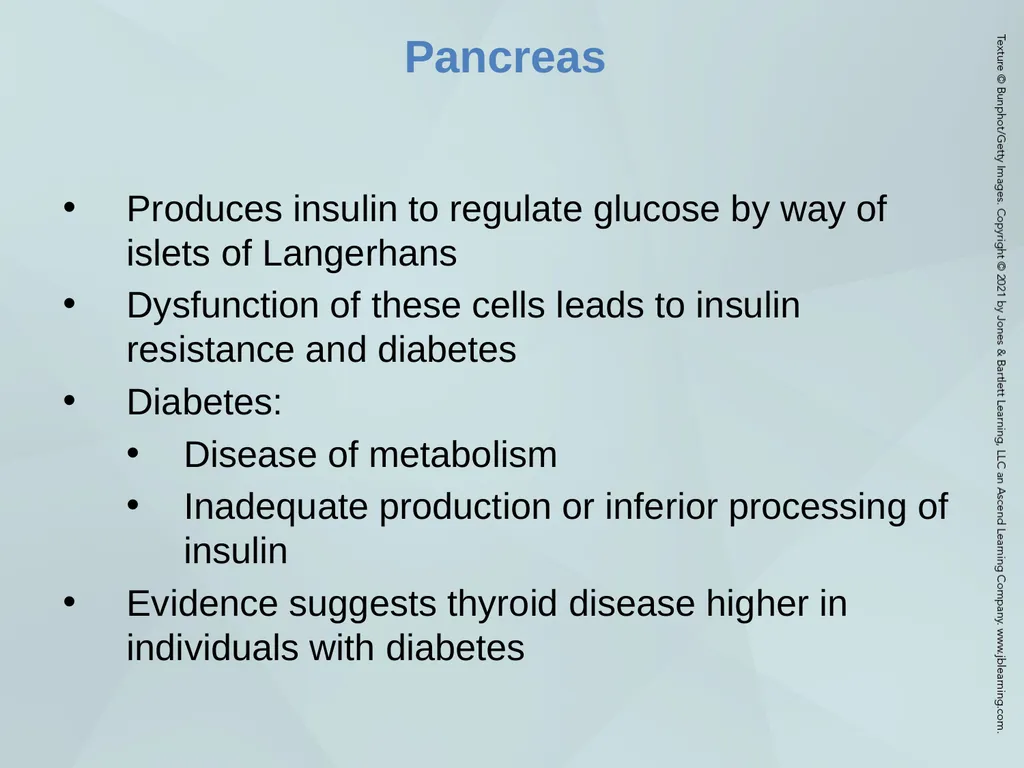
Pancreas Produces insulin to regulate glucose by way of islets of Langerhans
Dysfunction of these cells leads to insulin resistance and diabetes
Diabetes:
Disease of metabolism
Inadequate production or inferior processing of insulin
Evidence suggests thyroid disease higher in individuals with diabetes 11<br>
12
Puberty Stages of Adolescence
Pubertal Changes
Hormonal Influences
Oral Health Risk Assessment
Patient Management Considerations 12<br>
13
Women’s Health Menstrual Cycle
Characteristics
Oral Health Risk Assessment
Patient Management Considerations
Hormonal Contraceptives
Estrogen and Progestin
Oral Health Risk Assessment 13<br>
14
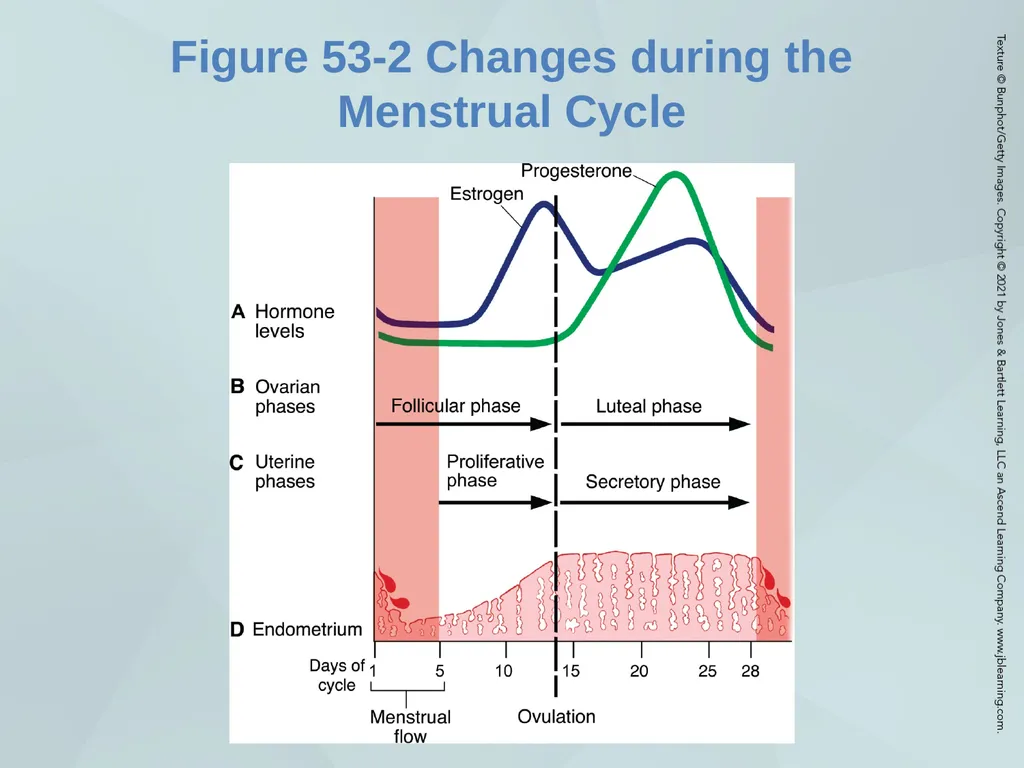
Figure 53-2 Changes during the Menstrual Cycle 14<br>
15
III. Menopause Characteristics
General Symptoms
Postmenopausal Effects
Burning Mouth Syndrome
Oral Health Risk Assessment 15<br>
16
IV. Patient Management Considerations Patient Approach
Instruction of Patient
Diet
Fluoride Therapy 16<br>
17
Documentation Patient’s age and gender
Description of patient’s health status related to any endocrine disorder or hormone fluctuations
Symptoms and oral manifestations related to hormonal fluctuations 17<br>
18
Factors to Teach the Patient Self-care procedures
Long-term impact of health behaviors
Benefits of fluoride throughout life
Importance of nutrition, exercise, and sleep
Value of seeking professional help when problems arise 18<br>