
Comparative research methods Comparison is one of

Description: Comparative research methods Comparison is one of the oldest tools of political science, found in the work of Aristotle. Some have even argued that the scientific study of politics is unavoidably comparative (Almond, 1996; Lasswell 1968),
Related Topics
Download Presentation
"Comparative research methods Comparison is one of" is the property of its rightful owner. Permission is granted to download and print the materials on this website for personal, non-commercial use only, and to display it on your personal computer provided you do not modify the materials and that you retain all copyright notices contained in the materials. By downloading content from our website, you accept the terms of this agreement.
Presentation Transcript
slide1. Comparative research methods<br>
slide3. Comparison is one of the oldest tools of political science, found in the work of Aristotle. Some have even argued that the scientific study of politics is unavoidably comparative (Almond, 1996; Lasswell 1968), and that 'comparison is the methodological core of the scientific study of politics' (Powell., 2014).<br>
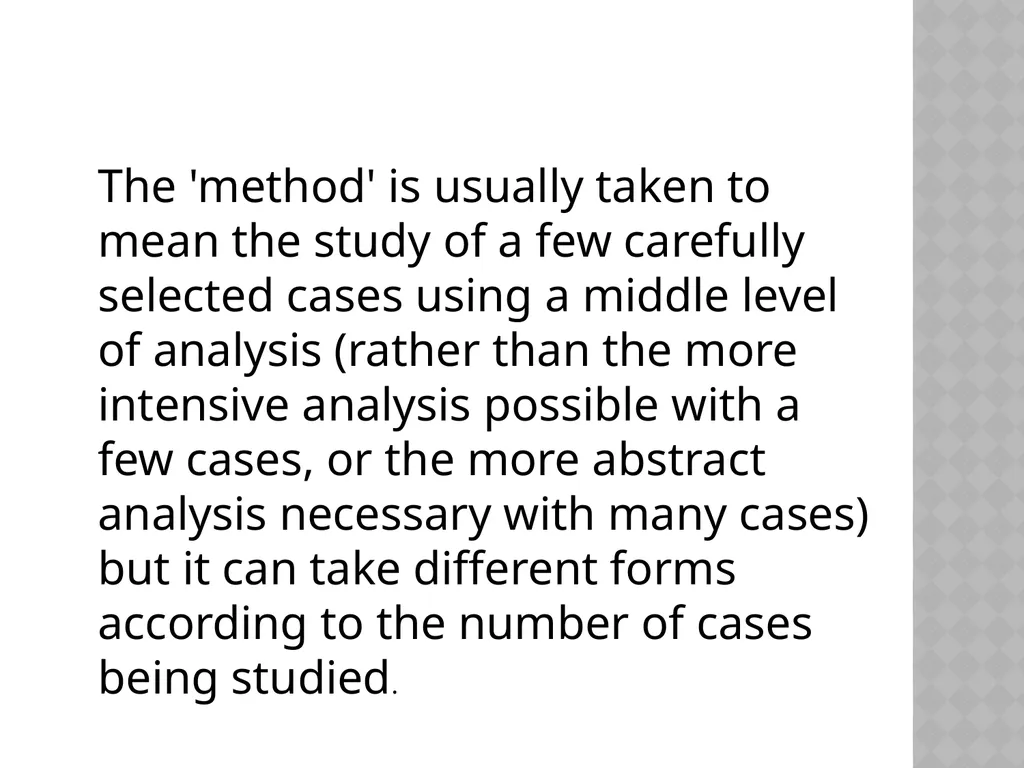
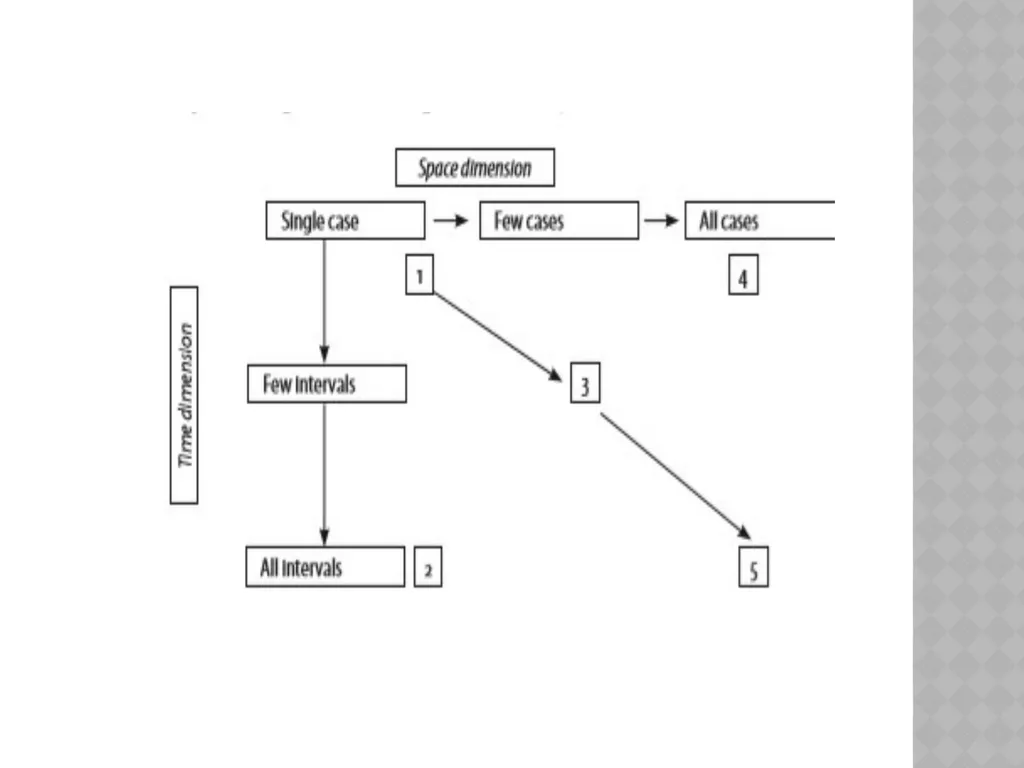
slide4. The 'method' is usually taken to mean the study of a few carefully selected cases using a middle level of analysis (rather than the more intensive analysis possible with a few cases, or the more abstract analysis necessary with many cases) but it can take different forms according to the number of cases being studied.<br>
slide5. Comparative research methods The methods available for the comparative study of politics and government are many and varied. The choice among them depend on a combination of the research question being asked-<br>
slide6. the time and resources available,
the method with which the researcher is most comfortable,
and the epistemological preferences of the researcher; that is, how they believe that understanding is best acquired.<br>
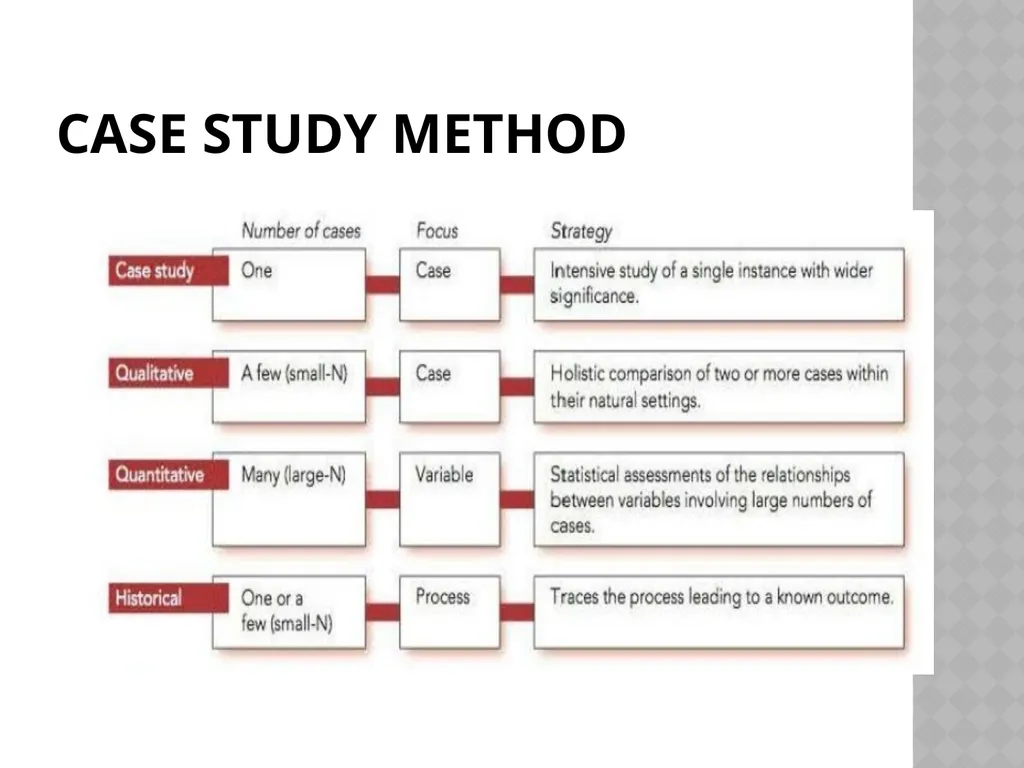
slide7. Case study method<br>
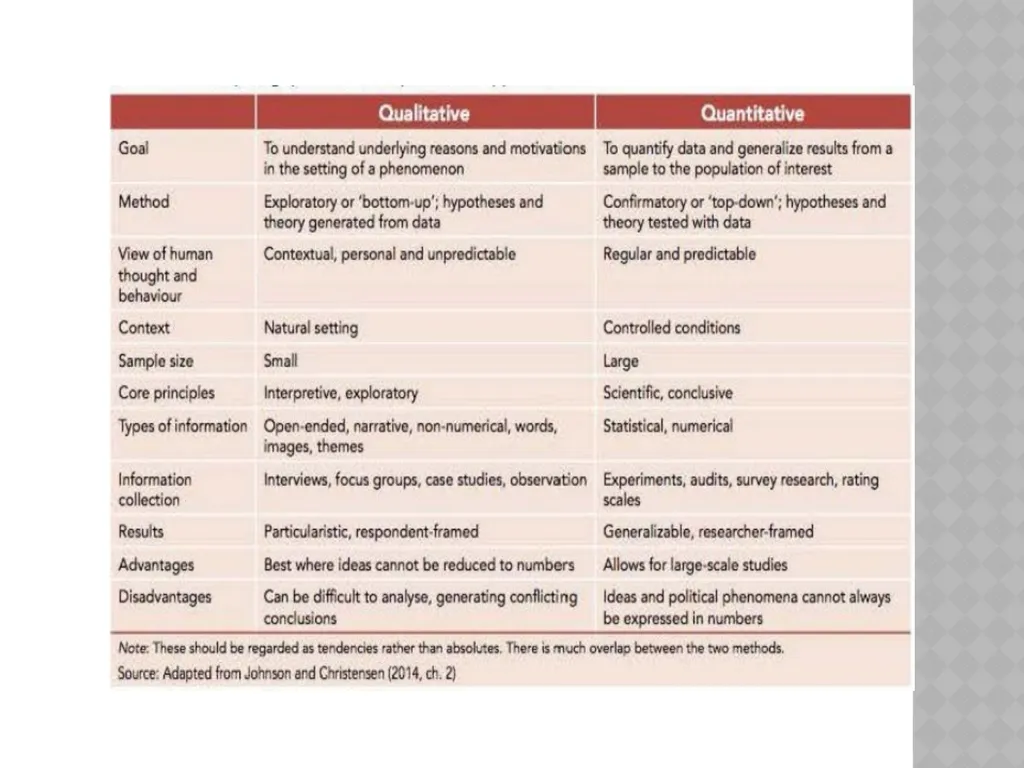
slide10. There is a huge literature discussing the pros and cons of quantitative versus qualitative approaches. It is routinely dealt with in current social science research methodology texts.<br>
slide11. It is also reflected in debates among comparativists about the respective merits of large surveys in many countries, in-depth comparisons of few countries, and single-country case studies – an issue to be discussed in the next section.<br>
slide12. Mixed methods Triangulation: two or more different research strategies are used to investigate the same phenomenon so that findings or insights from one strategy can be corroborated by the other(s); specifically quantitative and qualitative approaches are used in parallel.<br>
slide13. Facilitation: more than one approach is used, but one of them is dominant and different techniques may be used sequentially (for example a qualitative study to generate hypotheses before a quantitative study is undertaken).<br>
slide14. Complementarity: different approaches are integrated rather than used in parallel or sequentially, as when researchers shift repeatedly from the one to the other.<br>
slide3. Comparison is one of the oldest tools of political science, found in the work of Aristotle. Some have even argued that the scientific study of politics is unavoidably comparative (Almond, 1996; Lasswell 1968), and that 'comparison is the methodological core of the scientific study of politics' (Powell., 2014).<br>
slide4. The 'method' is usually taken to mean the study of a few carefully selected cases using a middle level of analysis (rather than the more intensive analysis possible with a few cases, or the more abstract analysis necessary with many cases) but it can take different forms according to the number of cases being studied.<br>
slide5. Comparative research methods The methods available for the comparative study of politics and government are many and varied. The choice among them depend on a combination of the research question being asked-<br>
slide6. the time and resources available,
the method with which the researcher is most comfortable,
and the epistemological preferences of the researcher; that is, how they believe that understanding is best acquired.<br>
slide7. Case study method<br>
slide10. There is a huge literature discussing the pros and cons of quantitative versus qualitative approaches. It is routinely dealt with in current social science research methodology texts.<br>
slide11. It is also reflected in debates among comparativists about the respective merits of large surveys in many countries, in-depth comparisons of few countries, and single-country case studies – an issue to be discussed in the next section.<br>
slide12. Mixed methods Triangulation: two or more different research strategies are used to investigate the same phenomenon so that findings or insights from one strategy can be corroborated by the other(s); specifically quantitative and qualitative approaches are used in parallel.<br>
slide13. Facilitation: more than one approach is used, but one of them is dominant and different techniques may be used sequentially (for example a qualitative study to generate hypotheses before a quantitative study is undertaken).<br>
slide14. Complementarity: different approaches are integrated rather than used in parallel or sequentially, as when researchers shift repeatedly from the one to the other.<br>